

Michael Hanreck
260 posts
Michael Hanreck
@MichaelHanreck
❤️ endurance sport, coaching and the people I spend time with.
London, England Entrou em Haziran 2012
151 Seguindo42 Seguidores
@feelthebyrn1 Yes, well put G.
Patience can't be overvalued and is something parents can control, their half of the equation anyway 😂
Nearly everything can be improved with time.
English
Raising Fast Kids
Something I tell my children…
There’s a difference between kid fast, and adult fast.
In 2023, our oldest reached the bottom level of “adult fast.” She qualified for USA Swimming’s Junior National Meet.
Now that we have a kid who is legit fast, I thought I’d update my thoughts on Raising Fit Kids. [Link to 2022 article in original on Endurance Essentials]
+++
Kid-Driven Process
Fast kids are not my goal. What I want is a lifelong enjoyment of sport, for them and you.
If you live with teens then you already know, "parent goals" have a limited bearing on outcome. If the teen years are still to come then perhaps this observation will help.
It is easy to bribe a kid into becoming “kid fast.” Once they’re a teen, it’s not going to happen.
The more talented kids will be able to coast and hide certain things from the adults in their lives.
What things?
➡️Sometimes, it’s that they don’t practice well.
➡️Other times, they’re great athletes but not motivated.
➡️Too often, they’re exhausted, with no escape options => from parents hyper-focused on “success.”
+++
Supporting Their Goals
We can drop them off but we can’t do the training.
Our oldest has five traits that serve her well.
1⃣Loves her sport.
2⃣Backs off when tired.
3⃣Shows up.
4⃣Capacity to work very hard, occasionally.
5⃣Races better than training performance.
I’ve never watched her practice. I’d be an unnecessary distraction. The few times I’ve watched her do strength training, it’s been tough to keep my mouth shut. I suspect it’s like that for a lot of parents.
Some framing that’s helped me stay out of the way.
➡️2024/2028/2032/2036/2040 => 15/19/23/27/31 : those are olympic years and the age of our oldest. Subtract 4 years to get the age of our youngest. If they happen to go all the way, there is a lot of time between now and their true peak.
Thousands of days.
Many parents struggle to see the role of time in athletic development. Being blunt, half-assed training in high school isn’t going be the difference between ultimate success and failure. There will be 8 to 16 YEARS to improve training habits (but only if they enjoy their sport.)
I welcome setbacks while the kids are still living with us. Why? Because we can help them process and learn that even “big things” don’t have much of an impact… if we PERSIST at something we LOVE.
➡️There is tremendous energy wasted pushing kids to win at the current level.
➡️Too often, the fast kids are rushed upwards. They need the chance to enjoy their current level.
➡️All one needs to do is make the next level. Once there, we can start working on the next one, and the next.
➡️There is always another level.
How might we help our kids get through the thousands of days required to see what’s possible? Start by paying attention to their strengths...
✅Love
✅Back Off
✅Show Up
✅Capacity
✅Race Better
Keep it fun and provide a home environment committed to excellence. Aim for consistent training, punctuated by the occasional, exceptional game day. Model consistent persistence.
At the top of the “kid fast” level, it is surprising how many parents publicly talk down (their own) kids. It hurts to hear these comments.
Setbacks and plateaus are normal. Help your team stay in the game.
+++
The Environment
In my next chapter you will get a chance to read about emotions driving our nutritional choices.
Emotions also drive training adaptations. The biggest emotion facing most kids is a desire to quit when they are in high school.
How can we get them past this hurdle?
Make a conscious effort not to peak them in middle school.
➡️Don’t specialize.
➡️Limit training volume.
➡️Limit competitive opportunities.
To enjoy the benefits of lifelong exercise, we need to keep kids in the game.
The transition from kid-fast to adult-fast is time intensive. It was the same for me as an elite athlete. The time requirements forced me to get creative:
➡️Rode my bike everywhere.
➡️Lived near my training venues.
➡️Used combination workouts.
➡️Simplified my life & nutrition.
Our kids were born into a house dedicated to health and fitness. They’re doubly lucky because my wife is really into the same sport as them. So the time commitments for travel meets, practice shuttles… are acceptable to her.
Without her mother… Ms 15 would not be as speedy as she is now. Why? Because I wouldn’t put the same effort into her sport.
Listening to my Olympian pals… NONE of them had an easy go of it on their journey to the top.
High-commitment parents can make the error of pulling future performance forward. Leading to early plateaus when the kids are emotionally immature.
+++
The 50-Years-After
Ms 15 would love to move to California, be home schooled and train like a professional athlete. I get it. It’s how I lived my 30s. However, it’s not going to happen.
Here’s why.
I know hundreds of elite athletes. In all but one case, they found themselves with 50 years to fill at the end of the their athletic careers.
Someone in the family needs to be keeping an eye on the future.
In order to train more… grades need to be up, behavior needs to be acceptable and household commitments need to be met. At times, there has been conflict in my marriage over these standards.
When she was 14, Ms 15 decided to test what would happen if she let her grades slip. It was noticed and she got back on top of things (after we calmly explained that travel meets were being removed).
There’s a widespread belief that athletes can get by with lower marks. “I’ve got my sport,” is something I hear often.
Someone needs to keep the family focused on the 50-years-after.
English

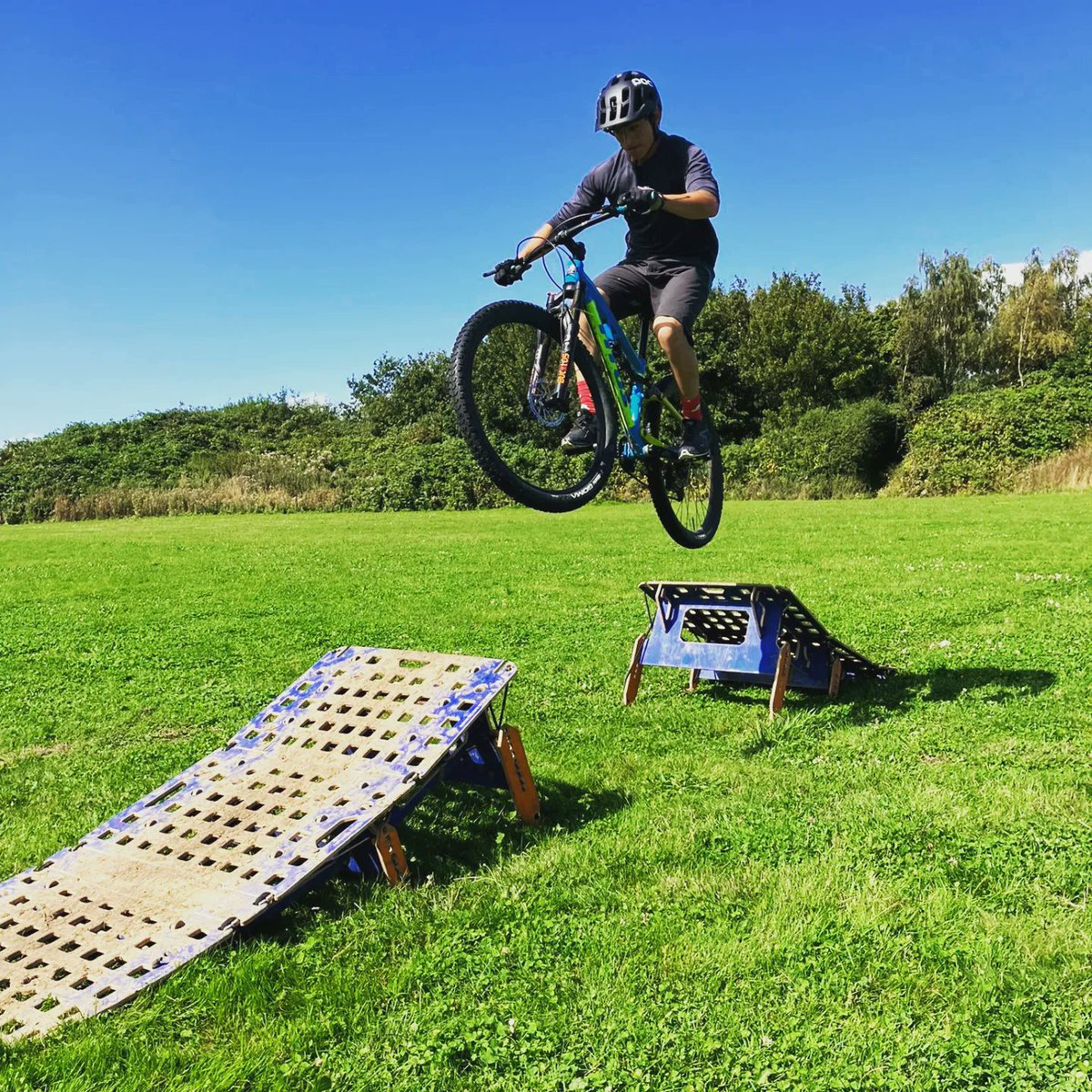
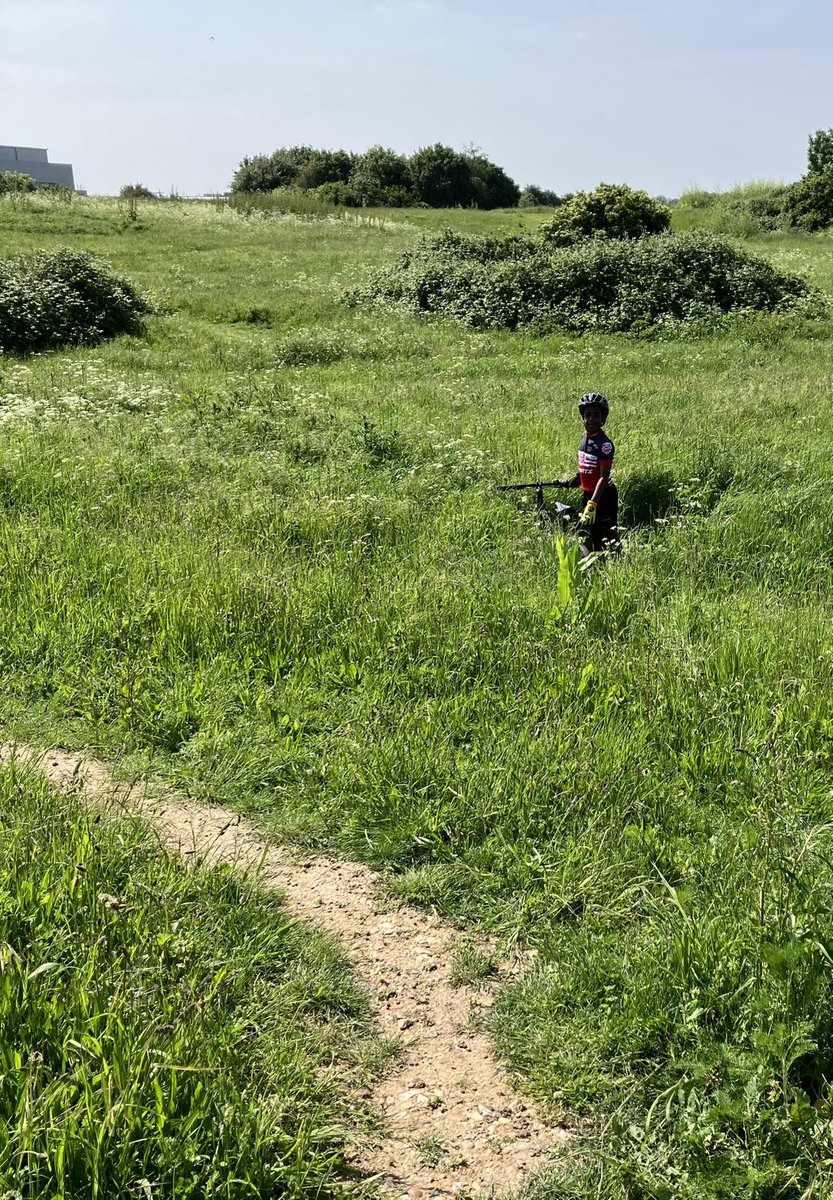
A good morning jumping with the #mudslingers, they were jumping at least one coach lengthwise. We have space to have more mountain bike riders join us. Apply on our website.
#mtb #mountainbike #youthcycling #britishcycling
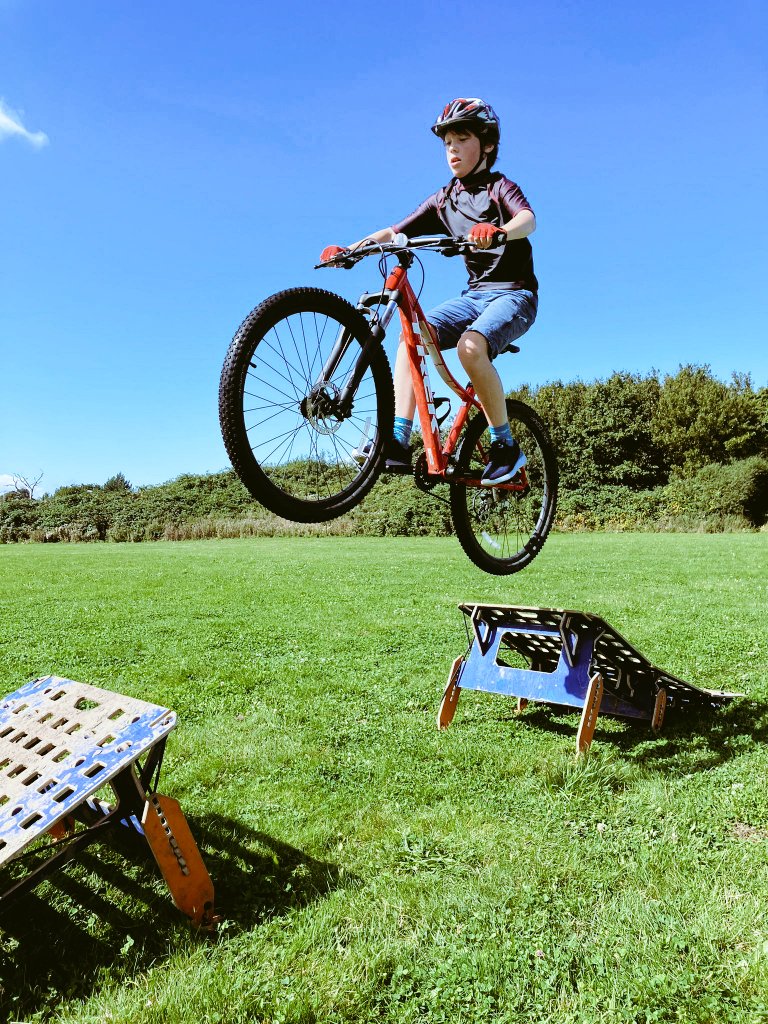
Hillingdon, London 🇬🇧 English
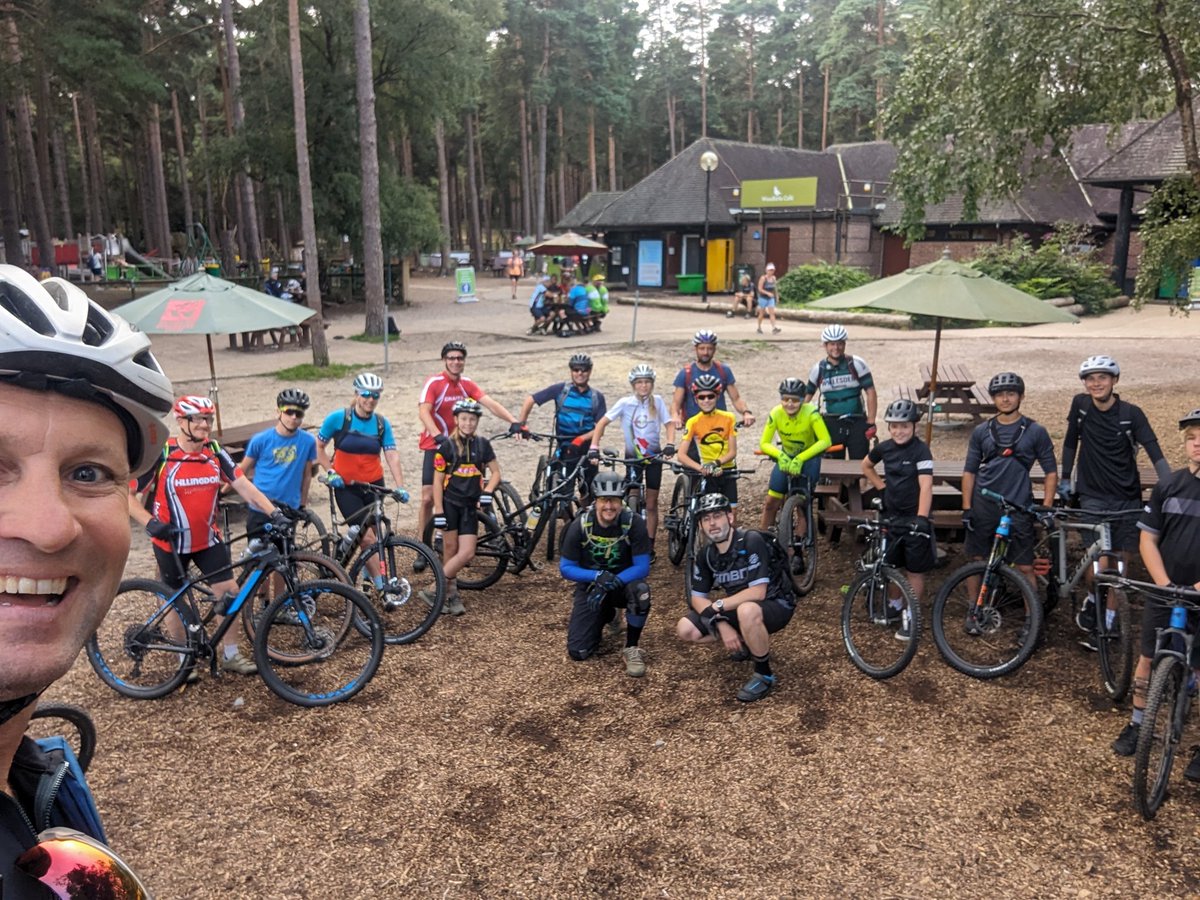
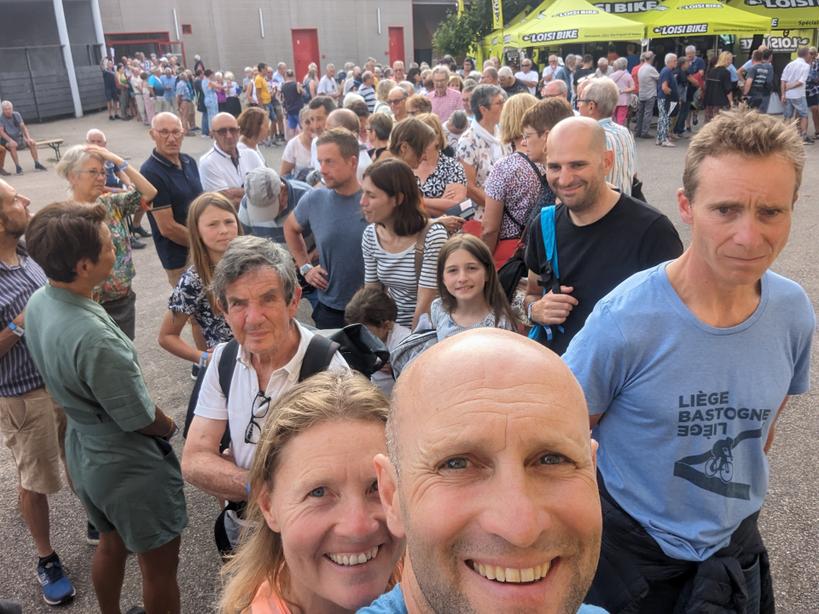
@feelthebyrn1 exposure-use.com/Brands/Exposur…
Would be my choice, mostly because exposure lights are great. 👍
English
Another reminder why I wanted to get back in shape - 🚴 the Rockies
Easier w/out the 4km open water opener
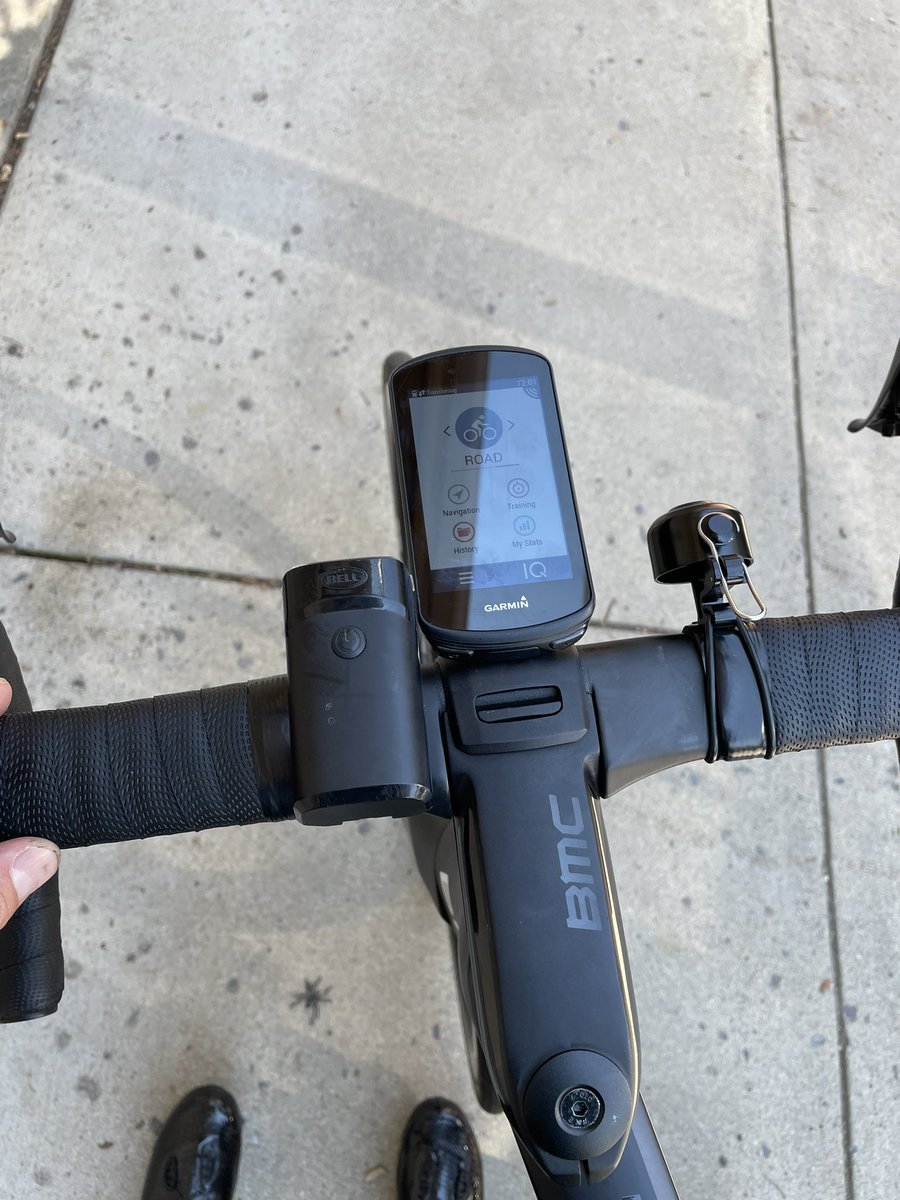
Does anyone know a good rechargeable front headlight that works with oval bars (pic)?
Video clip is the Indian Peaks / Continental Divide above BoCo
Make it happen
English

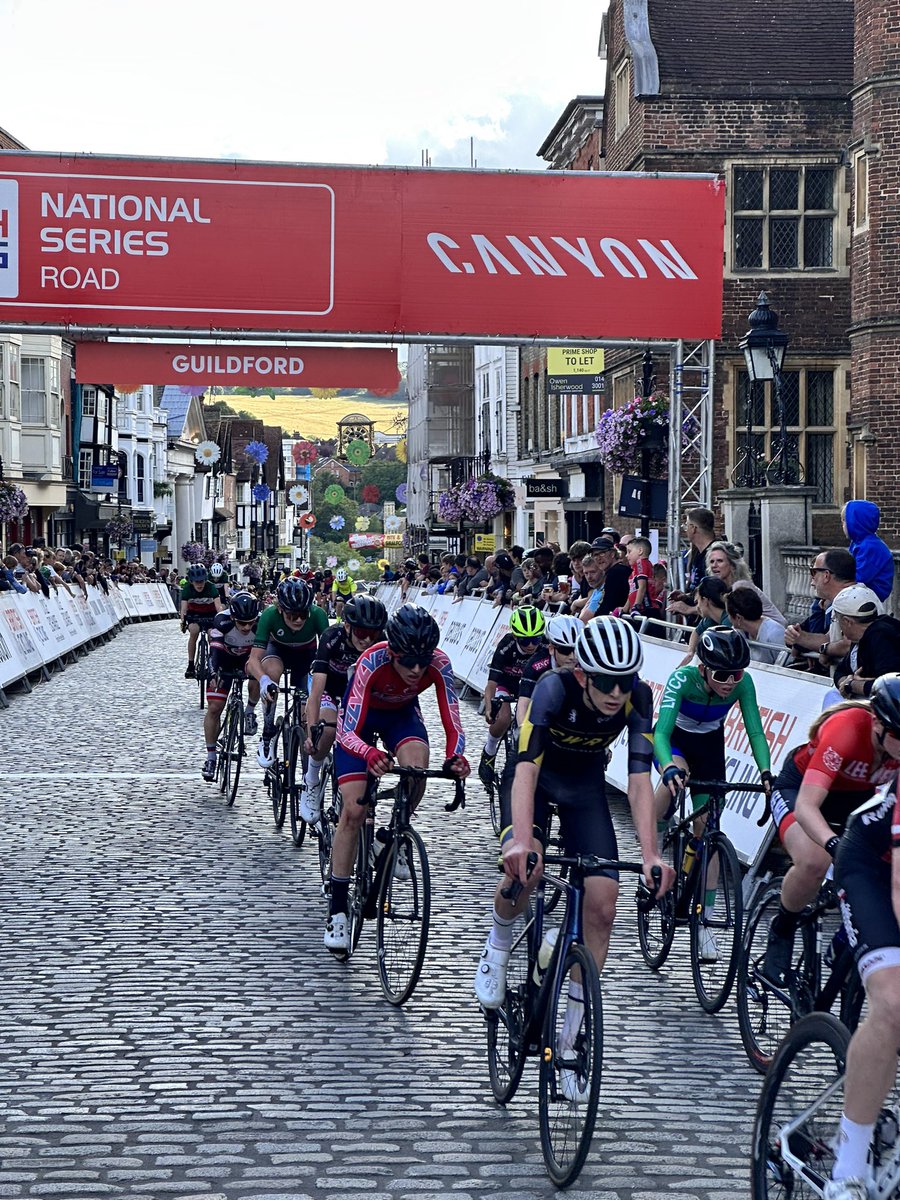
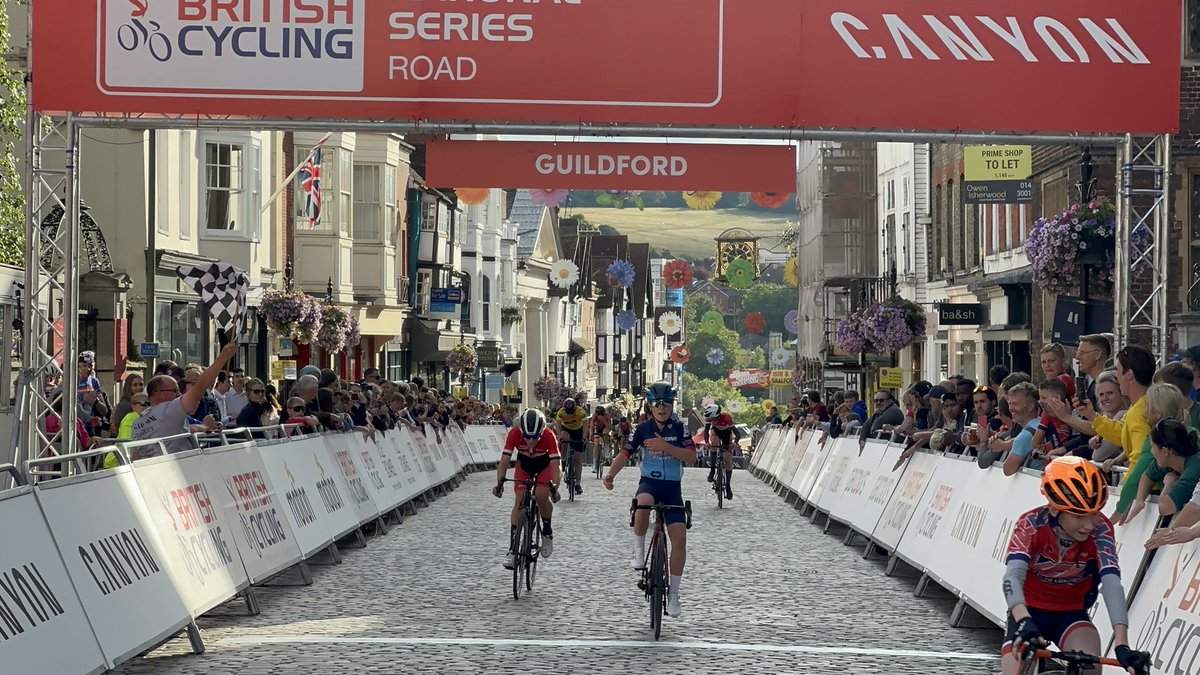
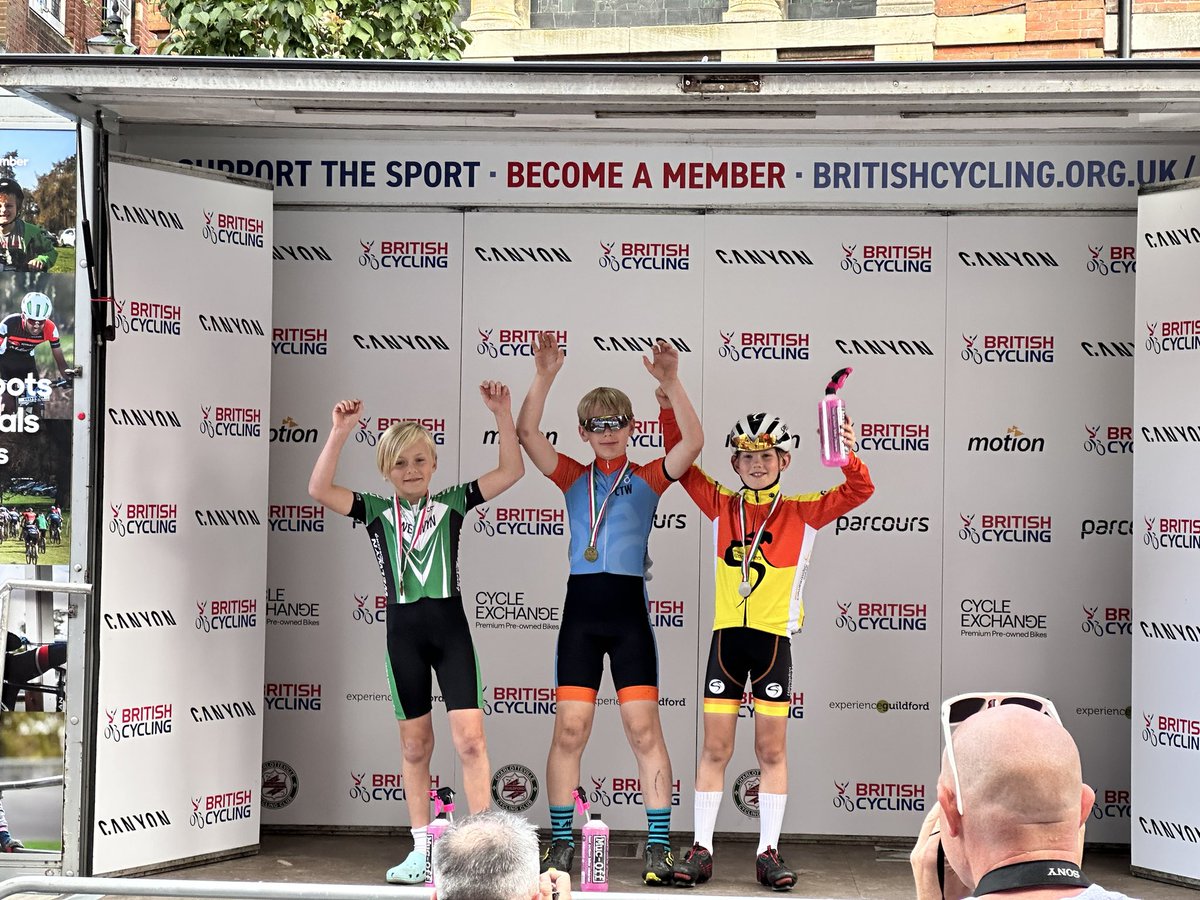
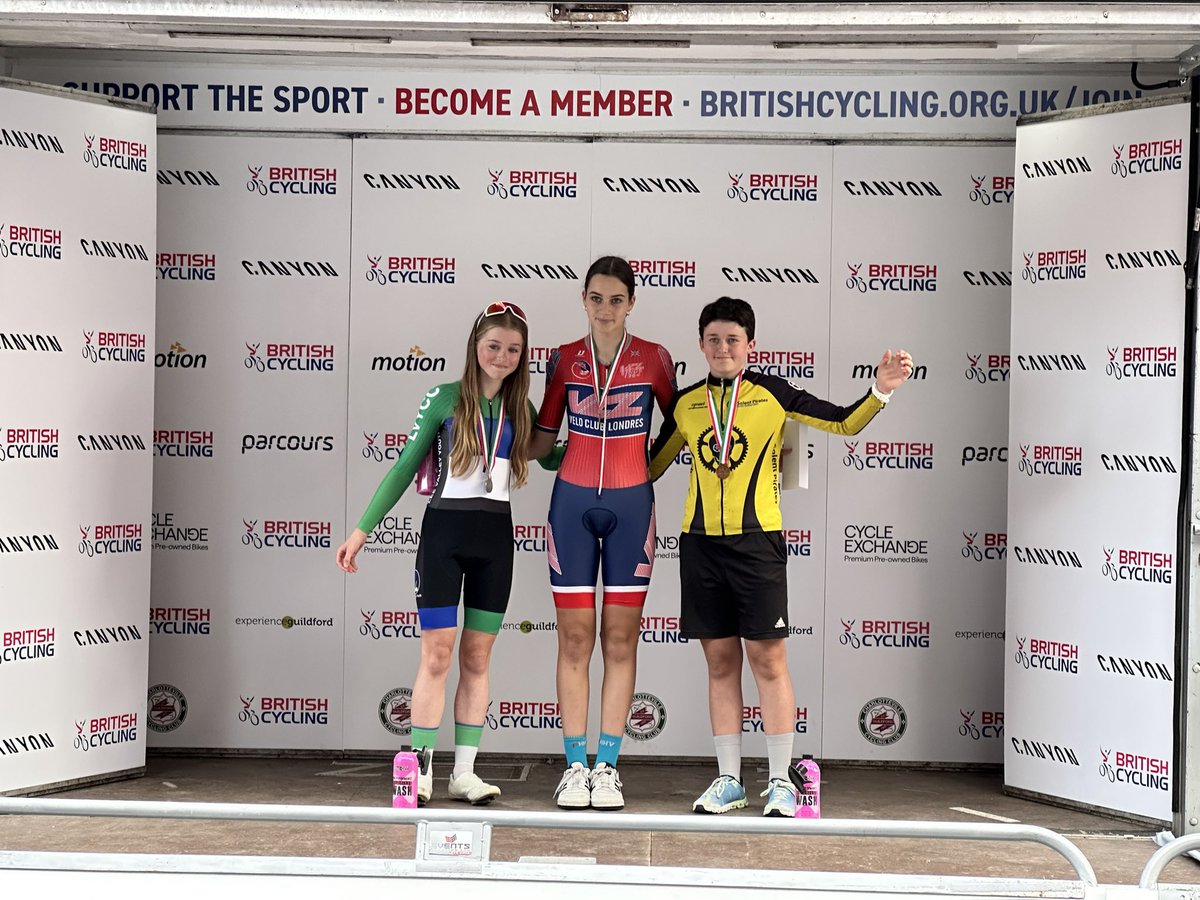
Great racing from the youth riders at the @charlotteville Town Centre crits last night - support races for rd3 Nat Circuit Series @BritishCycling @HSlipstreamers @lvycc1 @welwynwheelers @VCLondres @cyclingrascals


English
@StephenSeiler Thanks!
@HSlipstreamers you may want to share this.
English

Tour de France unsung heroes: Jonas Abrahamsen on gaining almost 20 kilos to go faster&url=velo.outsideonline.com/road/road-raci…
English
Our young volunteers showing off the skills they've learnt, whether it be on the purpose built features or fallen trees when we went off piste.
😵💫
English
Coming out of the water yesterday, I tore the shoulder of my wetsuit
"Oh well, less luggage home and I guess I can replace with one that fits"
I was surprised it lasted so long
Dead calm on the lake this morning - a beautiful day for SwimRun


Michael Hanreck@MichaelHanreck
@feelthebyrn1 If left unattended, for a decade - wetsuits shrink, fact. 😬🥐❤️
English
@feelthebyrn1 If left unattended, for a decade - wetsuits shrink, fact. 😬🥐❤️
English
Once we got going, Ax asked me about 🦈 in the lake/ I told him just 🐟
Swam the course together
It felt like my fullsuit shrank a bit in the decade since I used it 😉
Meet the rest of Team Colting this evening at packet pick up
Still really nice here
/5


English
Day 2 🇸🇪
Borås is well kept - Ax and I had a laugh watching robot lawnmowers do their thing (vid)
Only gets dark 10:30p-3:30a
I'm sleeping like a Viking (ie not much in summer) - hoping for a more normal sleep tonight
My Body Battery under pressure last night
/1

English
A little more on nutrition and fatigue: The "bonk" and the "bear".
There are 2 primary types of fatigue that slow the long-distance athlete down. While there is argument over the role of the brain and CNS as a mediator, physiologically, 2 things are seen in athletes who get tired pedaling their bike for a long time:
Low blood glucose coupled with depletion of liver glycogen, but some preservation of muscle glycogen (the "bonk")
Maintenance of blood glucose with significant depletion of muscle glycogen (the "bear")
Athletes who've been doing this a while will be familiar with each. The bonk - leads to light headedness, inability to focus, lack of coordination, "seeing stars".
The bear - after a given period of time pedaling at a constant output, the proverbial bear jumps on your back and despite having good mental energy, it just gets harder and harder to keep moving the legs.
Resistance to both types of fatigue is important. However, when insufficient carbohydrate is taken in during a session, an early bonk can prevent the athlete from getting to see the bear!
And, you want to see the bear (from a distance, at least) in order to get to the point that the *muscles* are running low on glycogen and are forced to depend more and more on fat as a substrate.
In summary...
Avoid the bonk ✨, so you can say hello to the bear 🐻.
English
@Brad_Fehr He couldn't believe how fast it went uphill
We've had him on a flat tire bike that's a big chunk of his body weight
I brought flats to 🇸🇪 so he can learn the brakes/shifting before clips
English
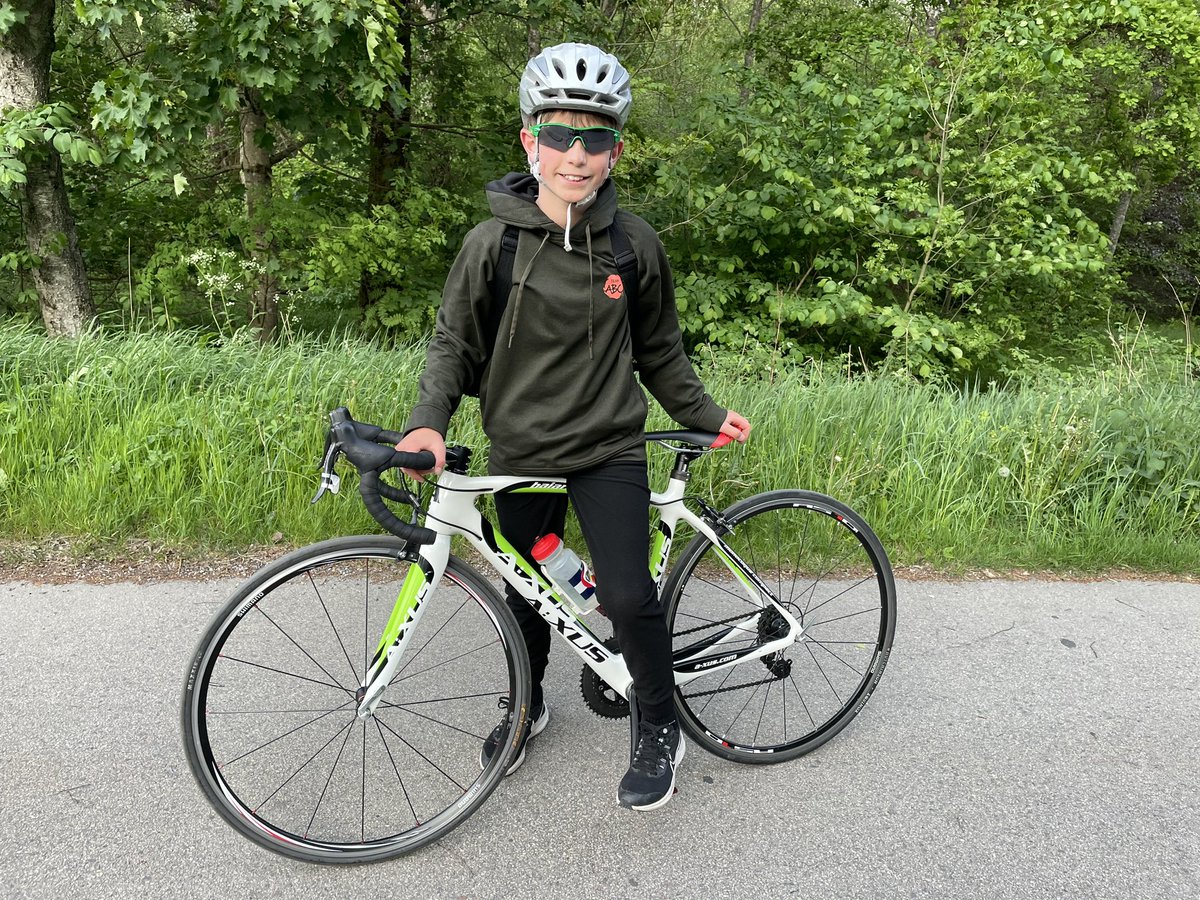
Day 1 in Borås 🇸🇪
Axel's first time on skinny tires - he's learning fast on Elin's bike
Hit the aquatic center (in/out 50m pools) for our one formal session. Worked on 🦋
Outstanding place to train


English
@feelthebyrn1 Enjoy Sweden! And Happy birthday to Axle! 💪💪😎🚄🚄🚄
English
Off to 🇸🇪 for a training camp with my son
Ten years of delayed gratification to get to this point
Over long time horizons we have a huge impact on our lives
Take time to savor what's going right


English
@feelthebyrn1 You know nearly everything ! 😎 If you get it wrong, it's worth talking about 😬 tough gig! 😬
I hope the injury clears up quickly 🤞 it's impossible to progress and not overstep, best we can do is minimise the mistakes! 💪💪 Hang in there, you've had a great year.
English
@MichaelHanreck He's feeling great today - wants to race Bolder Boulder 10k next year
I'm dealing with my first proper injury since my return to training
Completely misdiagnosed the source of my TFL issue and made it worse by racing - both Ax & Monz told me I really should have known better
English
Father Son Racing
Homeboy sprinted me off
Original planned a 10k for me but didn't feel prudent
Audible into 5k with the Ax-man
21:14 for Ax watch time - last course we ran was short so a solid best
Ax opened with a 3:50k - I was out the back
Vid is warm up
English
@feelthebyrn1 Yeah, head stability becomes so obvious. I think that is a massive bonus.
I'm also a big fan as I often lose the ability to count when swimming and they fix that issue for me.
English
Working Out
• Noticed my head moves, a lot
• Easy to load the workout
• Workout EZ to follow
Had an issue with my eyes being set deep:
• Pressure from goggles gave me a headache
• Headache progressed to nausea
• Had to remove goggles
Reached out to support for ideas
English
Form Swim Google Review
Product exceeded my expectations:
• Easy setup, app walked me through
• Connected to Polar Verity Sense, no problem
• 95% of goggles I try, leak - I wear Jnr Goggles
• Form didn't leak!
• Set display to show HR during swim and pace on the flip
English