

Nature Chapter
3.5K posts
Nature Chapter
@NatureChapter
🌍 The internet’s daily dose of nature 🐾 🦁 Wildlife • Animals • Peaceful vibes 🎥 Viral videos every day 🎯 Target: 1 Million Nature Lovers
🌍 Planet Earth Entrou em Nisan 2025
7 Seguindo98.6K Seguidores
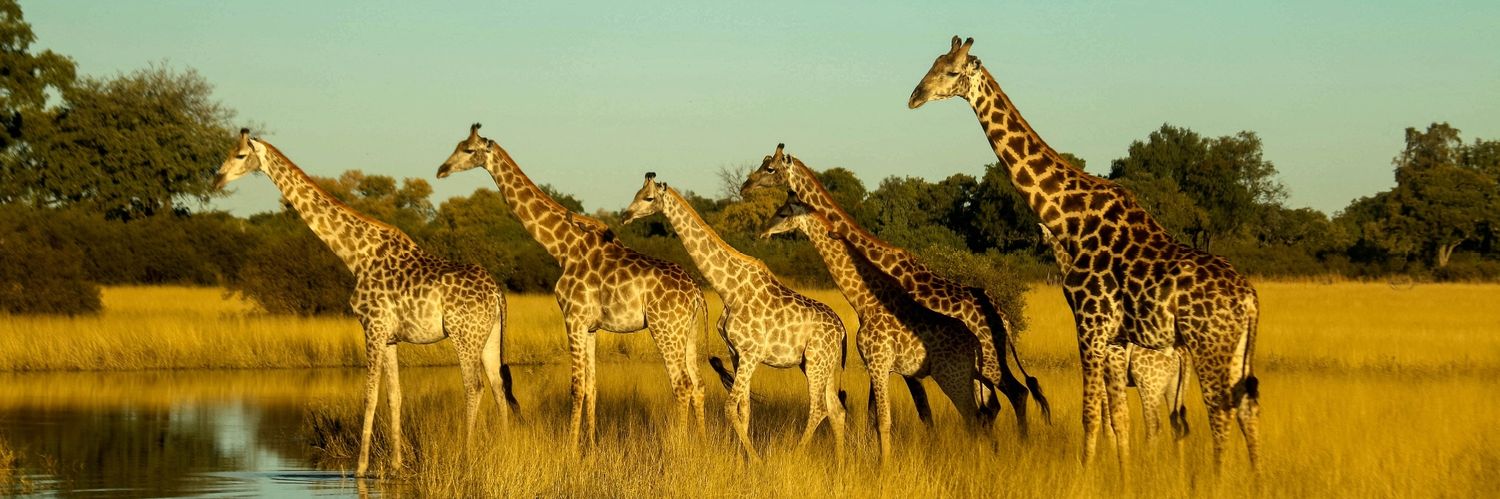
Elegance… meets a little bit of chaos 😄
A tower of giraffes approaches the river like royalty—long necks high, steps slow and calculated… but the moment they step in? It’s all legs, splashes, and “wait… whose idea was this?” 😂
Graceful on land, slightly questionable in water—but still one of the most beautiful crossings you’ll ever witness on the savannah.
English
You may have seen videos on social media of turtles and tortoises charging at black objects – often a black shoe – while ignoring lighter-colored items. This peculiar behavior leaves many people asking: why do turtles attack black objects? Are turtles even sensitive to colors, or is something else triggering these aggressive bouts? In this article, we’ll explore the surprising reasons behind this behavior, from turtle color vision quirks to instinctual reactions, and what it means for both wild and pet turtles.
Turtles definitely seem to have a problem with the color black – at least judging by the many anecdotal reports and videos of them charging at black items. While formal research on this specific behavior is sparse, there are a few prevailing theories that might explain why turtles attack black objects.
One plausible explanation is that a turtle perceives a black object as another turtle encroaching on its space. Tortoises and many turtle species are territorial and generally solitary, so an unexpected “visitor” can trigger aggression.
It’s worth noting that the likelihood of such aggression varies by species and individual temperament. Many pet turtle owners report their turtles generally ignore objects most of the time. However, when a turtle does react, the “rival turtle” hypothesis fits: a dark-colored object of similar size might be seen as an intruder that needs to be chased away. Some have even speculated that a ramming turtle might be attempting courtship (male turtles often head-butt females as part of mating rituals), but in the case of a shoe or random object, territorial defense is a more likely motive than romance!
Another theory is that turtles might attack black objects because many of their natural predators are dark-colored. In the wild, threats like large black birds (crows or ravens), dark-colored monitor lizards, or black snakes could prey on small turtles or harass larger ones.
That said, this predator-mistake theory has some weaknesses. Typically, when confronted with a predator, most turtles will try to flee or hide in their shells rather than charge forward.
English
The rat race never ends the way you think it will in LA
English
“In the open plains of Australia, both adult and young kangaroos bound across the land with remarkable agility. Reaching speeds of up to 30 miles per hour, these marsupials rely on powerful hind legs and a muscular tail for balance and momentum. Though the younger joeys can’t quite match the top speed of adults, their energy and enthusiasm make every hop a leap toward survival. 🌾
English
One of the coolest things we’ve seen while turkey hunting! Black bear just wanted a sniff! 🔥
English
A dramatic moment unfolds along the riverbank as a powerful Plains Zebra turns aggressive toward a vulnerable Wildebeest Calf.
In the wild, survival often brings unexpected and brutal encounters. As the young calf struggles near the water’s edge, the zebra suddenly lashes out with incredible force. Using its strong hind legs, the zebra delivers a series of powerful kicks, striking the small calf and knocking it to the ground.
Although zebras are primarily herbivores, they can be extremely territorial and defensive—especially around water sources where many animals gather. In these crowded areas, tension between species can escalate quickly. The zebra may perceive the calf as an intrusion or react instinctively to protect its space.
The Wildebeest calf, still inexperienced and vulnerable, stands little chance against the zebra’s muscular build and sharp hooves. Each kick from the zebra is powerful enough to injure or even kill.
Scenes like this remind us that life in the African wilderness is not only about predators and prey. Competition, instinct, and survival pressures can sometimes drive even plant-eating animals to extreme aggression.
It is a stark and raw example of the unpredictable reality of life in the wild—where every moment can turn into a fight for survival. 🦓🌍
English