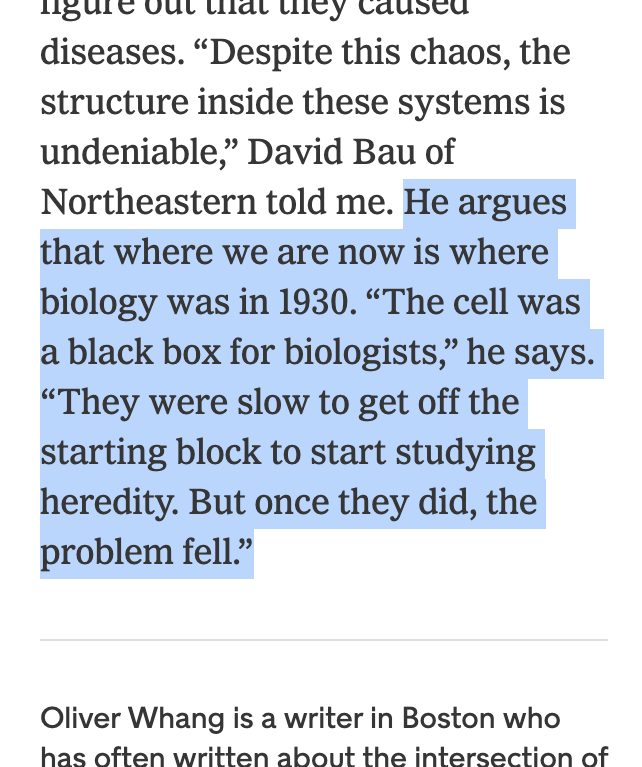

.@nytimes this morning
Ryan Panwar
247 posts

@RyanPanwar
Understanding artificial minds @GoodfireAI To follow knowledge like a sinking star, Beyond the utmost bound of human thought.


.@nytimes this morning

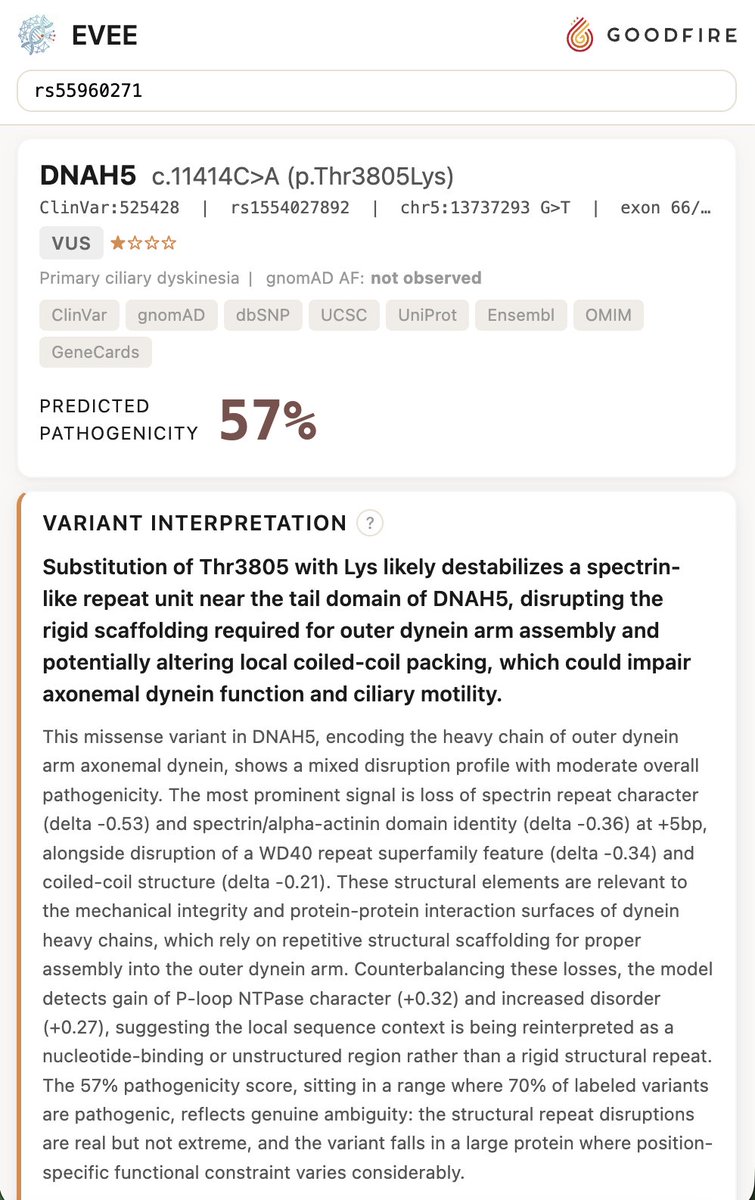
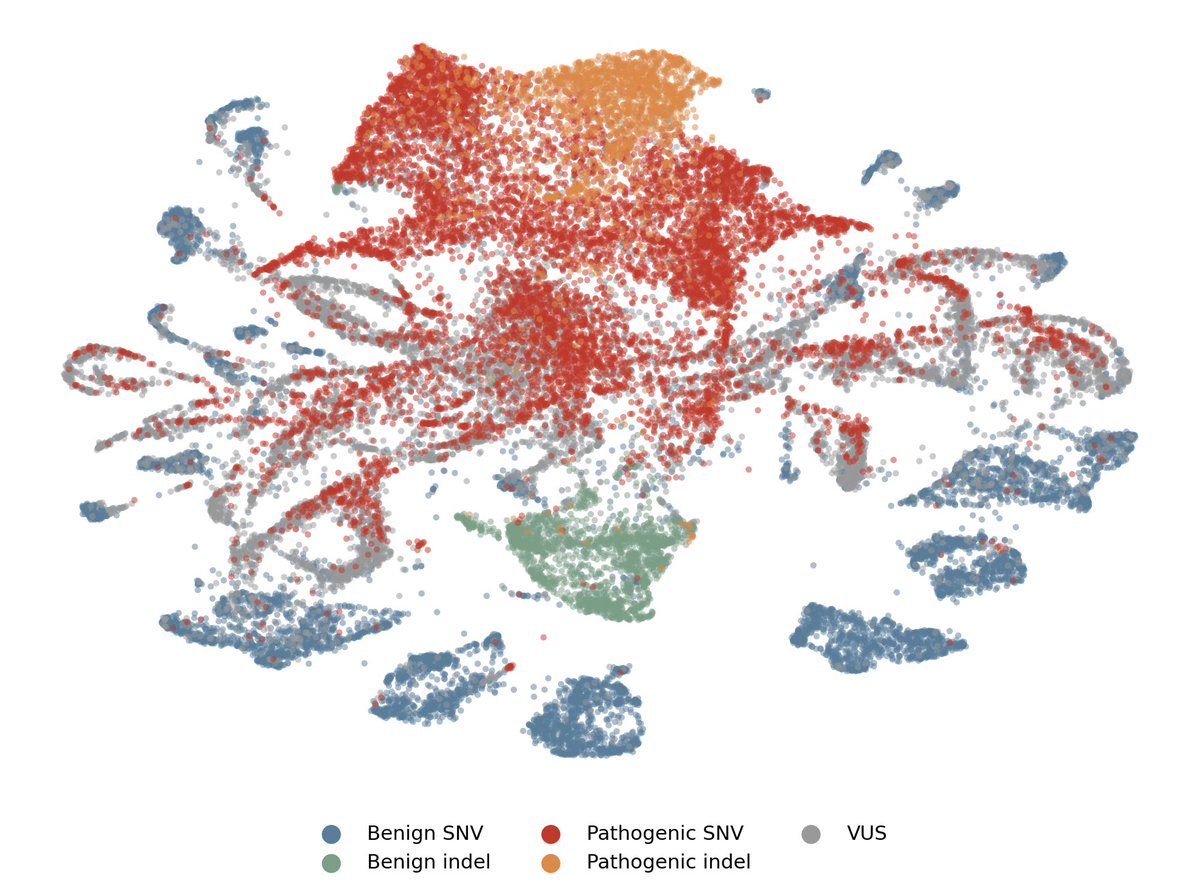
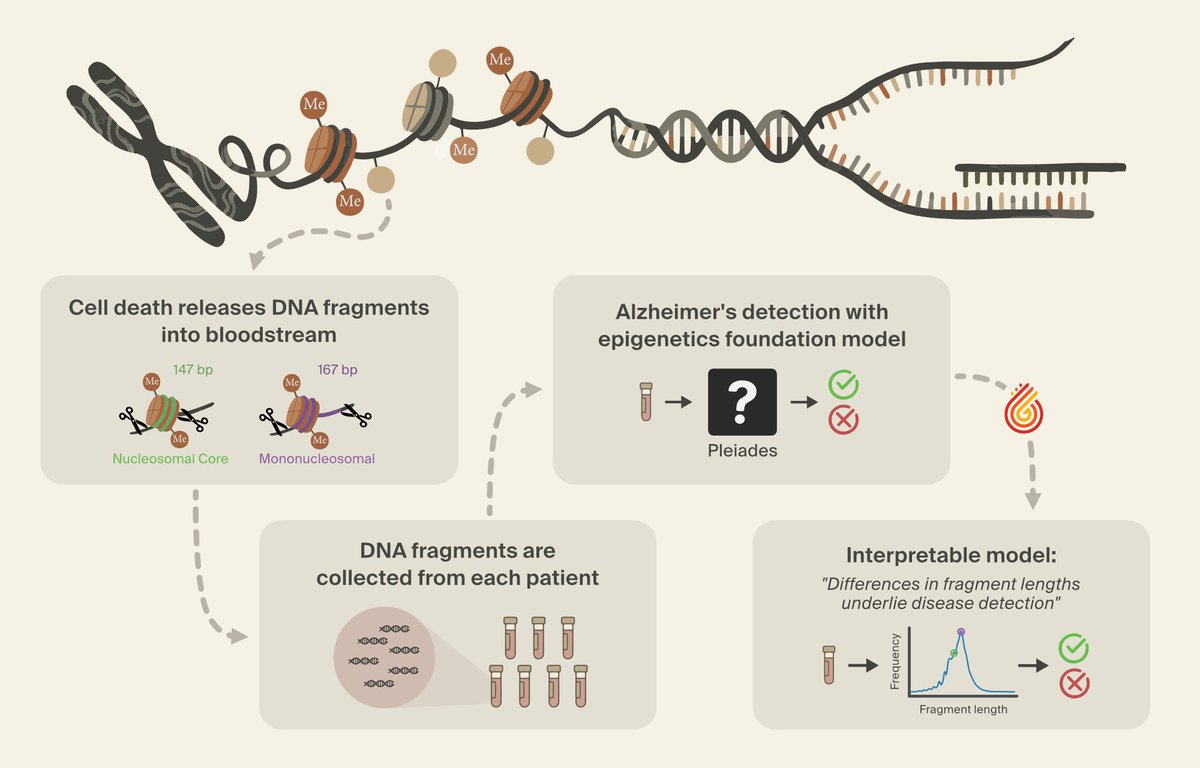
We achieved state-of-the-art performance in predicting which of 4.2 million genetic variants cause diseases by interpreting a genomics model, in a new preprint with @MayoClinic. We're now releasing an open source database for all variants in the NIH's clinvar database. 🧵(1/8)

We achieved state-of-the-art performance in predicting which of 4.2 million genetic variants cause diseases by interpreting a genomics model, in a new preprint with @MayoClinic. We're now releasing an open source database for all variants in the NIH's clinvar database. 🧵(1/8)

using interp techniques to get to SOTA performance on genetic disease prediction! you can think of interp as the bridge between human natural language and the alien intelligence of Evo 2 (biology model that only outputs nucleotides, i.e. ATCG). this means that now you can see directly what Evo 2 thinks of every single one of the ~2M “variants of uncertain significance" in ClinVar, which turns out to be a lot! we also need your help in testing these predictions and looking for web lab collaborators. DM me if you’d like to chat!


We achieved state-of-the-art performance in predicting which of 4.2 million genetic variants cause diseases by interpreting a genomics model, in a new preprint with @MayoClinic. We're now releasing an open source database for all variants in the NIH's clinvar database. 🧵(1/8)


One thing the Pentagon is very likely underestimating: how much Anthropic cares about what *future Claudes* will make of this situation. Because of how Claude is trained, what principles/values/priorities the company demonstrate here could shape its "character" for a long time.


We raised a $150M Series B at a $1.25B valuation to fundamentally change the field of AI. Scaling is powerful, but we can't intentionally design what we don't understand.