Science at risk

352 posts

Science at risk banner
Science at risk

Science at risk

@ScienceAtRisk

Science at Risk is an expert community and web platform that develops policies for preserving and rebuilding science at risk.
Ukraine Entrou em Eylül 2022
120 Seguindo115 Seguidores
Science at risk
Science at risk@ScienceAtRisk·
What is Ukraine’s demographic policy strategy? Read about it in Nataliia Bushkovska’s article for Think Global Health 👉 bit.ly/ukrain-populat…
English
0
0
1
10
Science at risk
Science at risk@ScienceAtRisk·
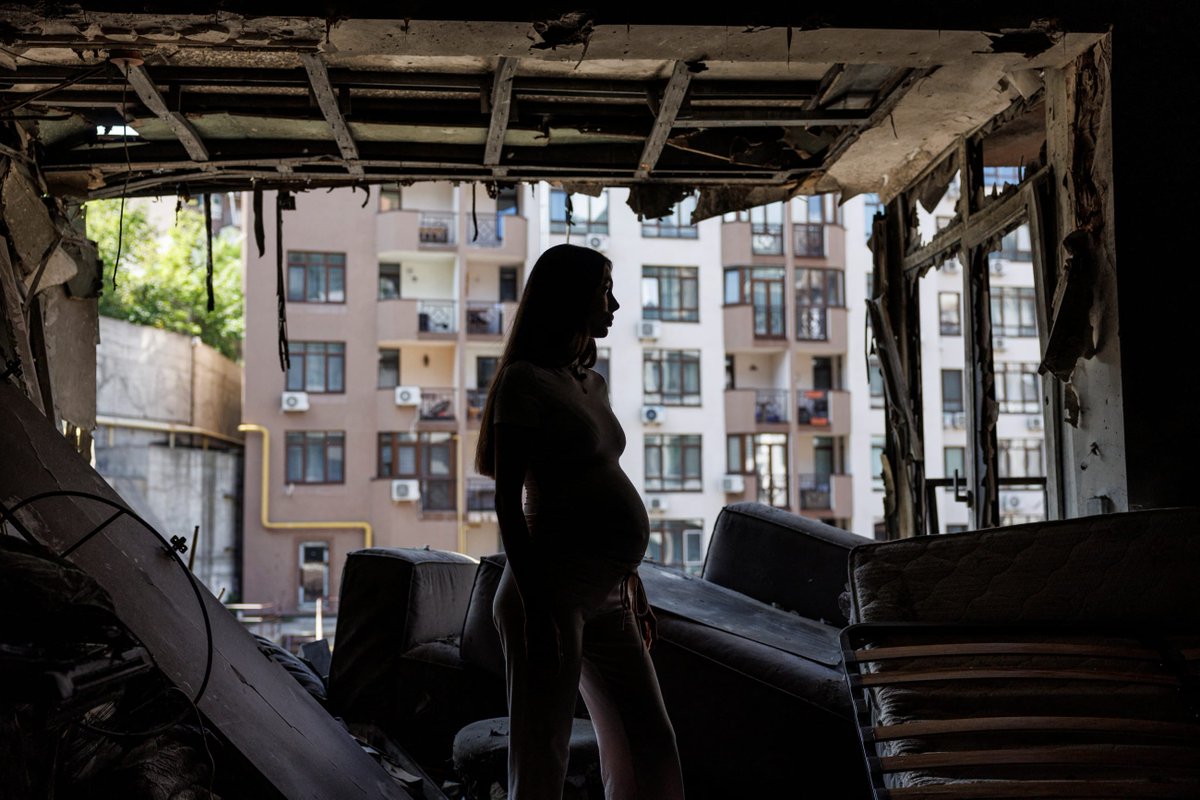
The global fertility rate is falling. In Ukraine, the situation feels even more acute. After four years of full-scale war, the country faces a demographic crisis in that the death rate in 2025 outpaced the birth rate by nearly 3 to 1.
Science at risk tweet media
English
1
0
1
23
Science at risk
Science at risk@ScienceAtRisk·
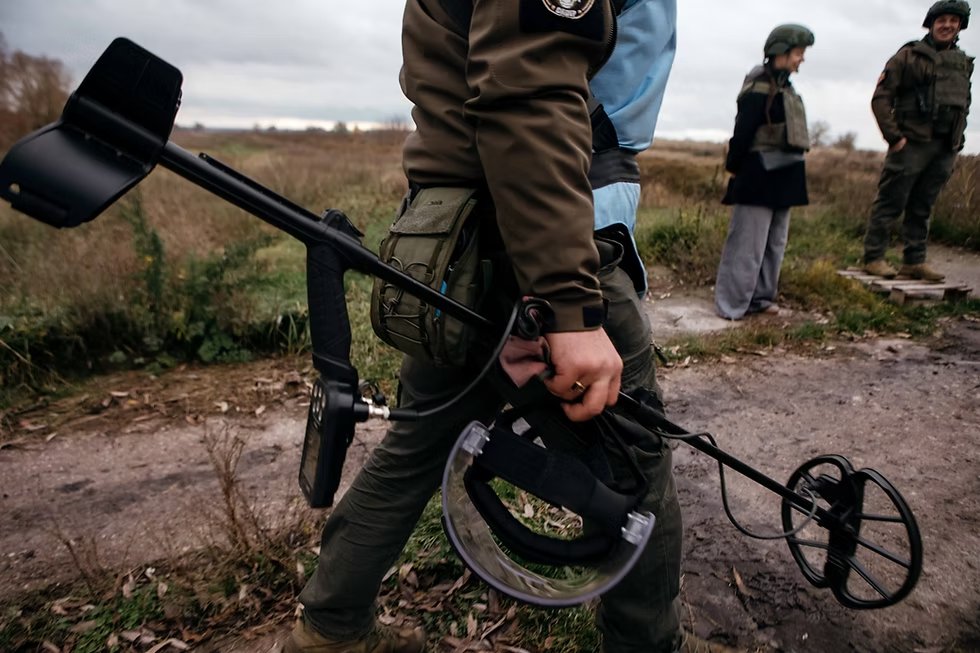
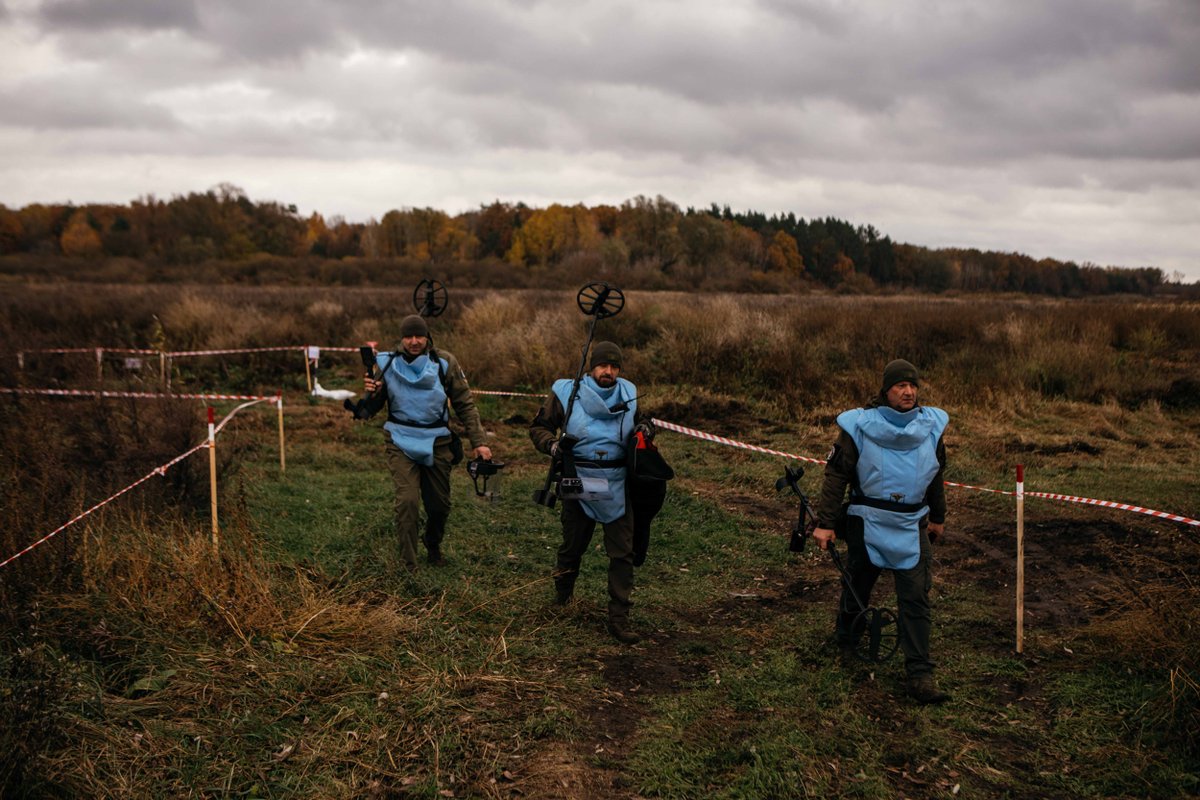
It’s estimated that it would take roughly 700 years to demine Ukraine, with each year of war adding another decade to clean-up of the aftermath.
Science at risk tweet mediaScience at risk tweet media
English
1
1
1
46
Science at risk
Science at risk@ScienceAtRisk·
3/3 Presumably, the substance doesn’t just cause a “flood” of serotonin as many psychedelics do, but it also significantly increases oxytocin levels — the hormone that helps us form bonds and trust.
English
0
0
0
16
Science at risk
Science at risk@ScienceAtRisk·
2/3 Research on MDMA — the compound also known as ecstasy — has focused specifically on trauma. And MDMA has demonstrated real effectiveness in treating trauma.
English
1
0
0
23
Science at risk
Science at risk@ScienceAtRisk·
American professor Michael Pollan, explores the use of MDMA and psilocybin in therapy. In his view, Ukraine and the Middle East are places where psychedelic therapy could be extremely beneficial, as these regions are home to a large number of people suffering from PTSD 👇
Science at risk tweet media
English
1
0
0
41
Science at risk
Science at risk@ScienceAtRisk·
“And if we tolerate this at the level of individuals, why are we surprised that, at higher levels, there is no willingness to take a principled stand?” Jiří says.
English
0
1
1
22
Science at risk
Science at risk@ScienceAtRisk·
This often manifests on a personal level. Someone might say: “Yes, I don’t like Russian aggression — it’s terrible. But if I stop collaborating with this particular scientist, my work will become more difficult, so please allow me to just do my job.”
English
1
1
1
27
Science at risk
Science at risk@ScienceAtRisk·
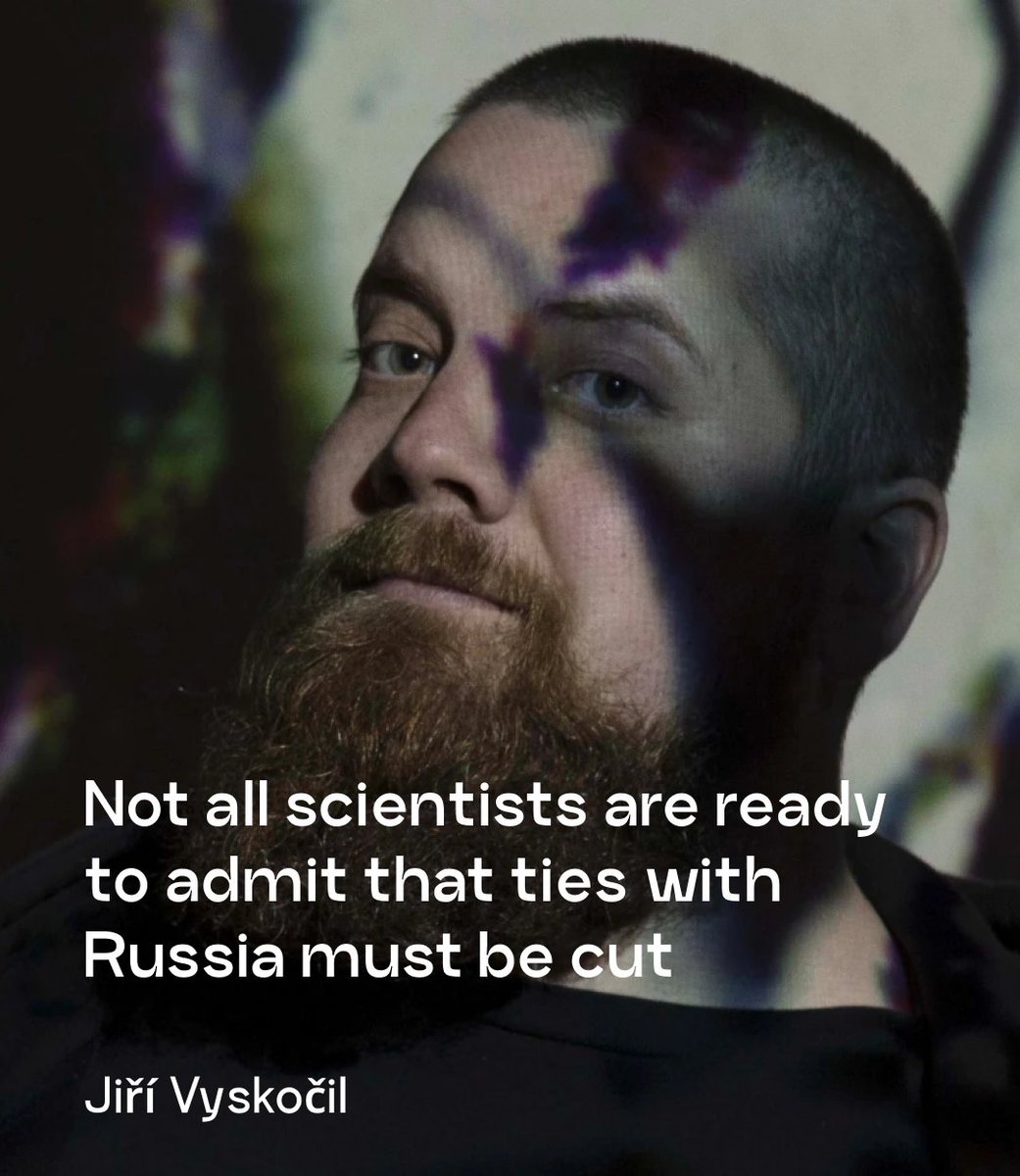
“Not all scientists are ready to acknowledge that ties with Russia should simply be severed, and some continue to cooperate in a semi-covert manner” Jiří Vyskočil says.
Science at risk tweet media
English
1
2
3
44
Science at risk
Science at risk@ScienceAtRisk·
In the article below, read her story—and the story of her village, Kozarovychi by Kang-Chun (KC) C. for Icarus Complex Magazine 👉 bit.ly/icarus-magazine
English
0
0
0
21
Science at risk
Science at risk@ScienceAtRisk·
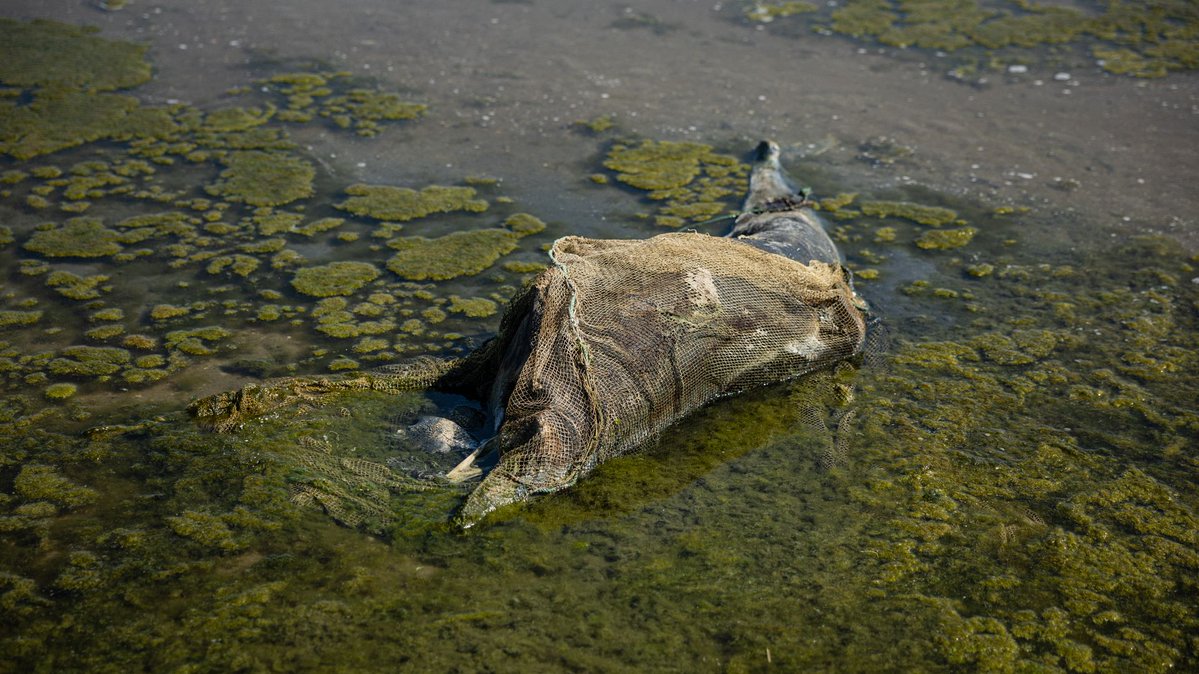
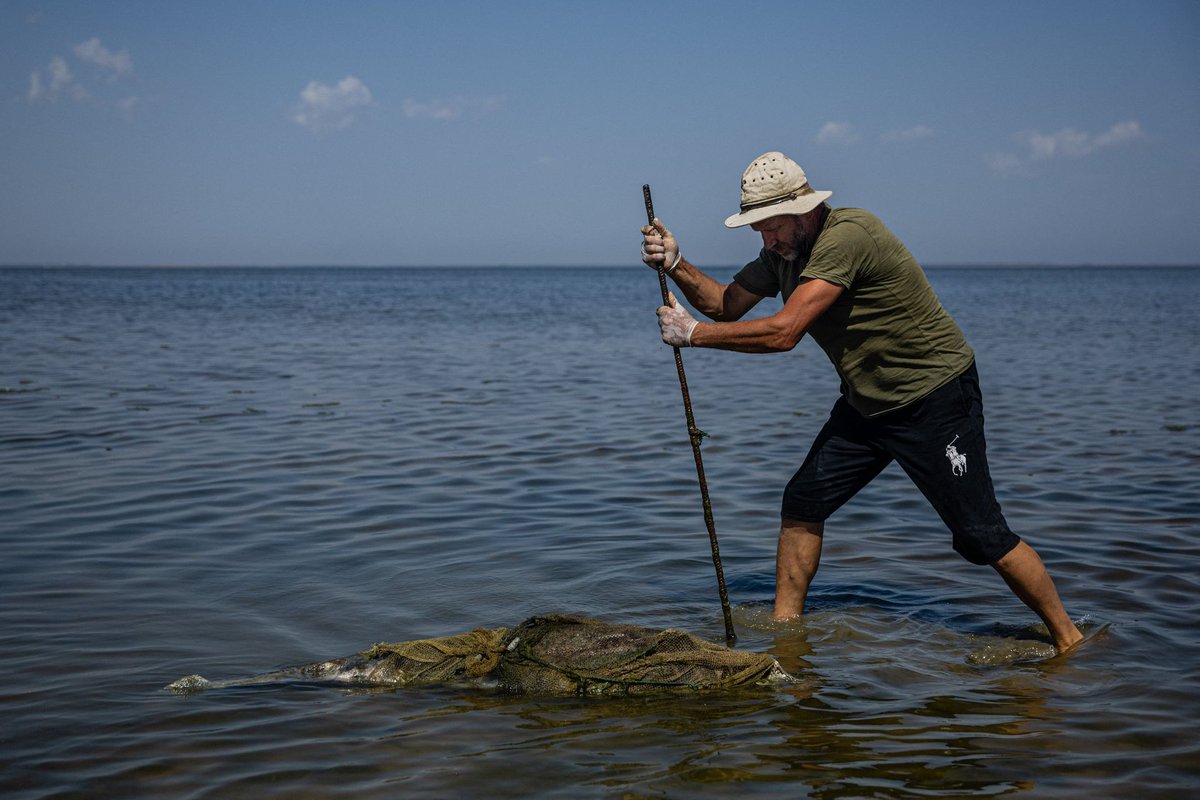
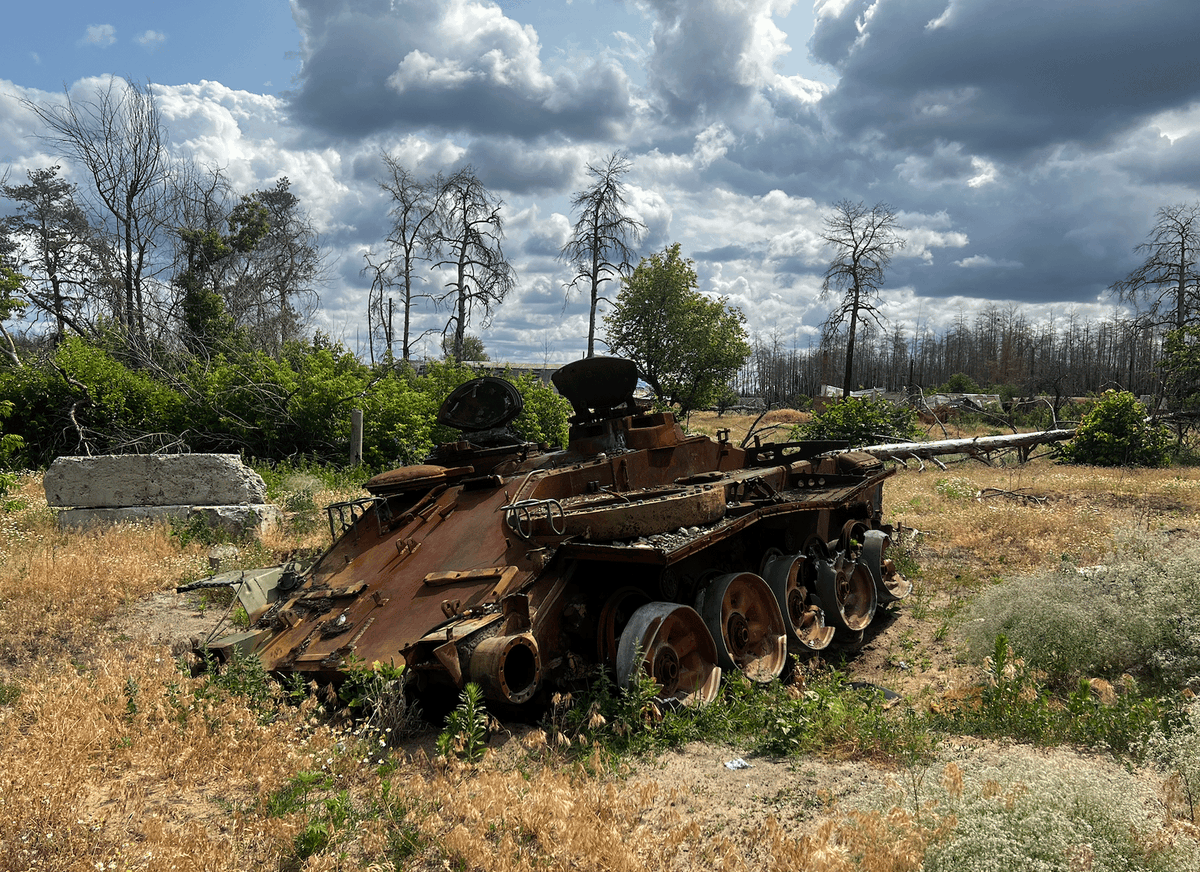
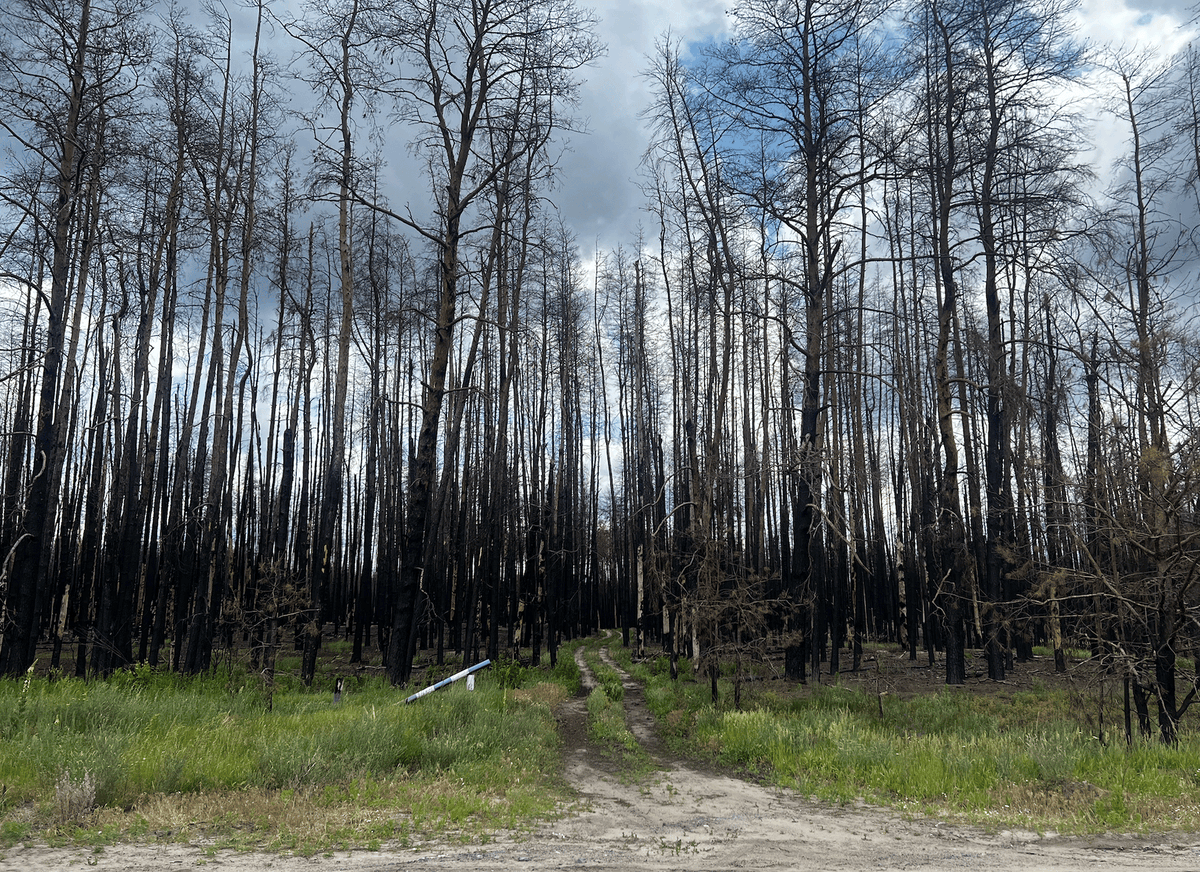
Along the shores of the Dnipro River—one of Europe’s major transboundary waterways—evidence of warfare and ecocide remains, three years after the burnings. Lidia Grybneva’s life took a turn she never could have imagined.
Science at risk tweet mediaScience at risk tweet mediaScience at risk tweet mediaScience at risk tweet media
English
1
0
0
33
Science at risk
Science at risk@ScienceAtRisk·
Science at Risk in Ukraine, a @TouchscienceA documentary, follows some of Ukrainian scientists as they navigate war, displacement, danger – and yet still choose to protect knowledge, life and hope 👉 youtu.be/JSKg3Ga1E_o?si…
YouTube video
YouTube
English
0
1
4
56
Science at risk
Science at risk@ScienceAtRisk·
Nature is a silent victim of the Russian-Ukrainian war. The amount of destruction and irreversible damage to Ukraine's natural environment is growing every day. That is why the word "ecocide" is being heard more and more often.
Science at risk tweet mediaScience at risk tweet mediaScience at risk tweet mediaScience at risk tweet media
English
1
0
3
36
Science at risk
Science at risk@ScienceAtRisk·
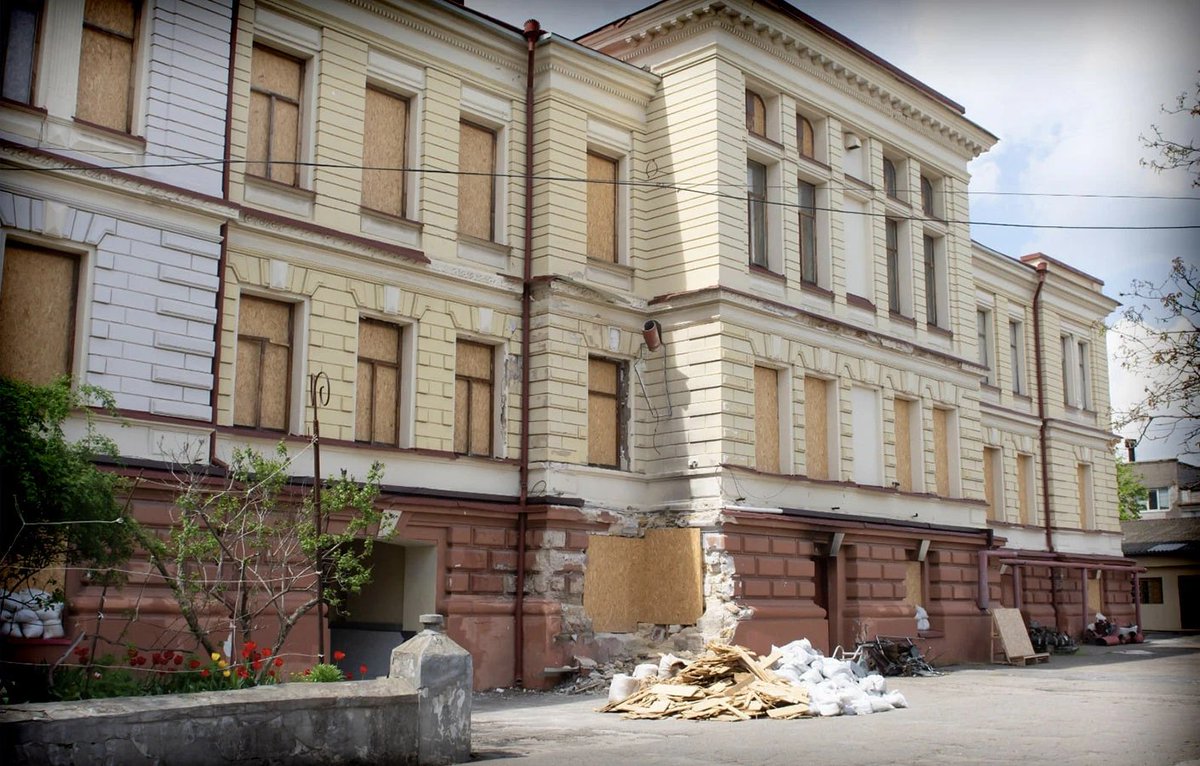
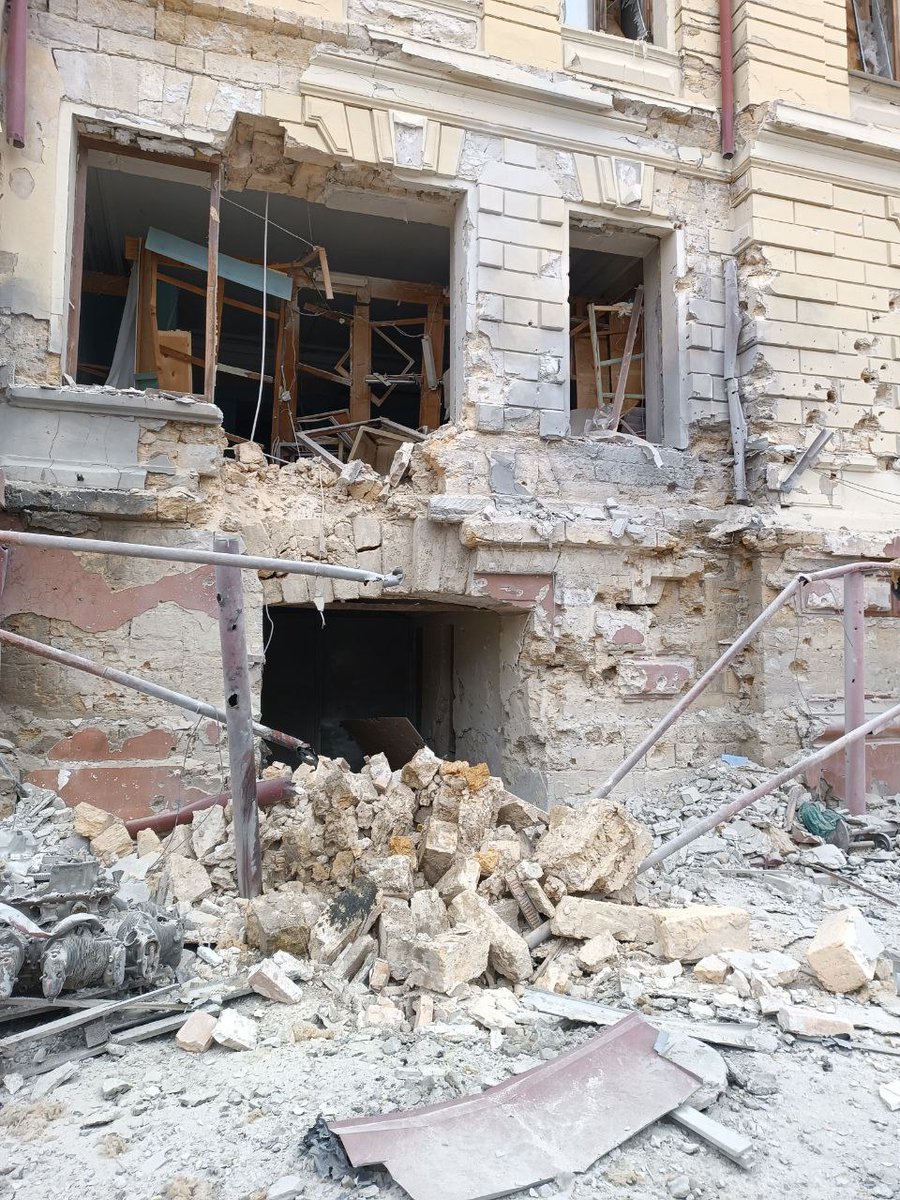
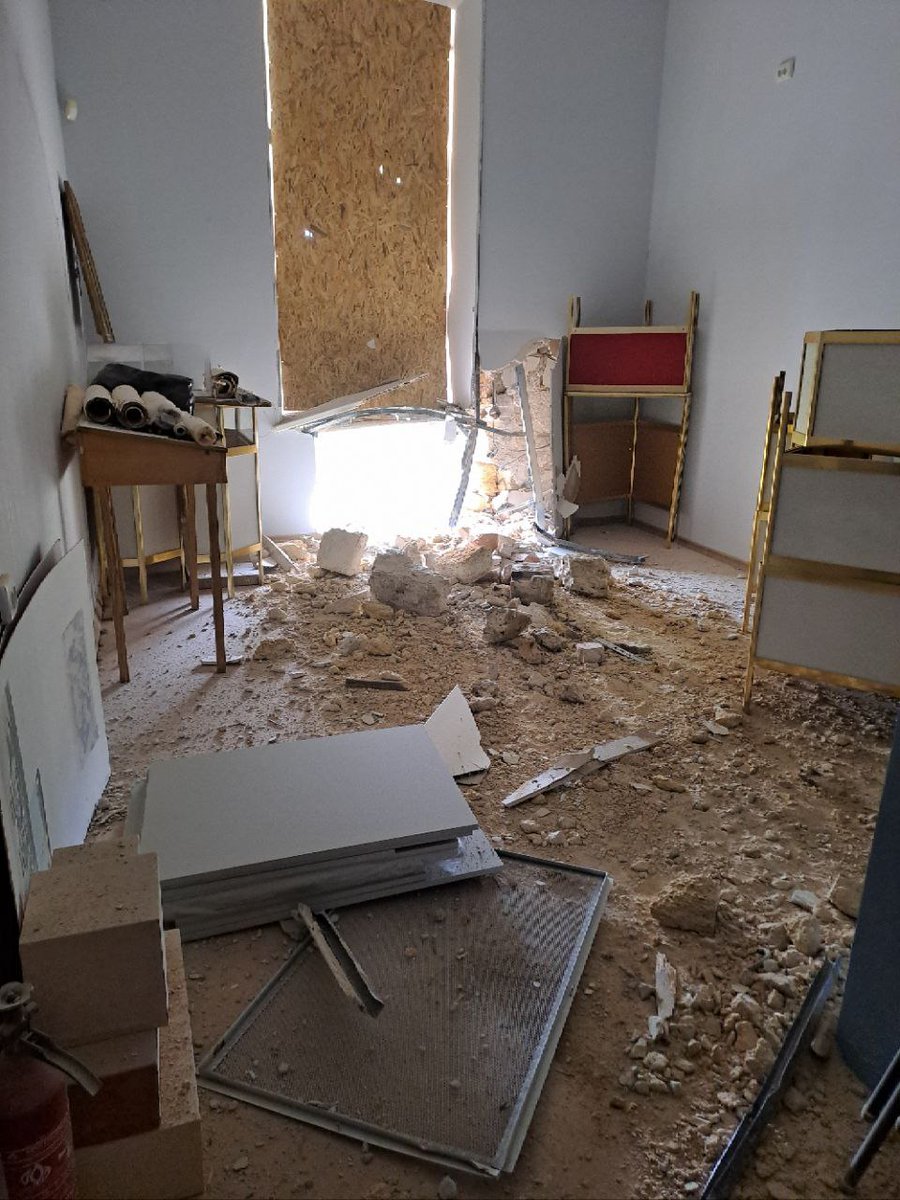
The photo shows the Regional Museum of Local History in Kherson. On October 18, 2025, the Russians hit it again, damaging almost a third of the building. Read about the work of the institution in the article on the website 👉🏻 scienceatrisk.org/story/kherson-…
Science at risk tweet mediaScience at risk tweet mediaScience at risk tweet media
English
0
2
3
51
Science at risk
Science at risk@ScienceAtRisk·
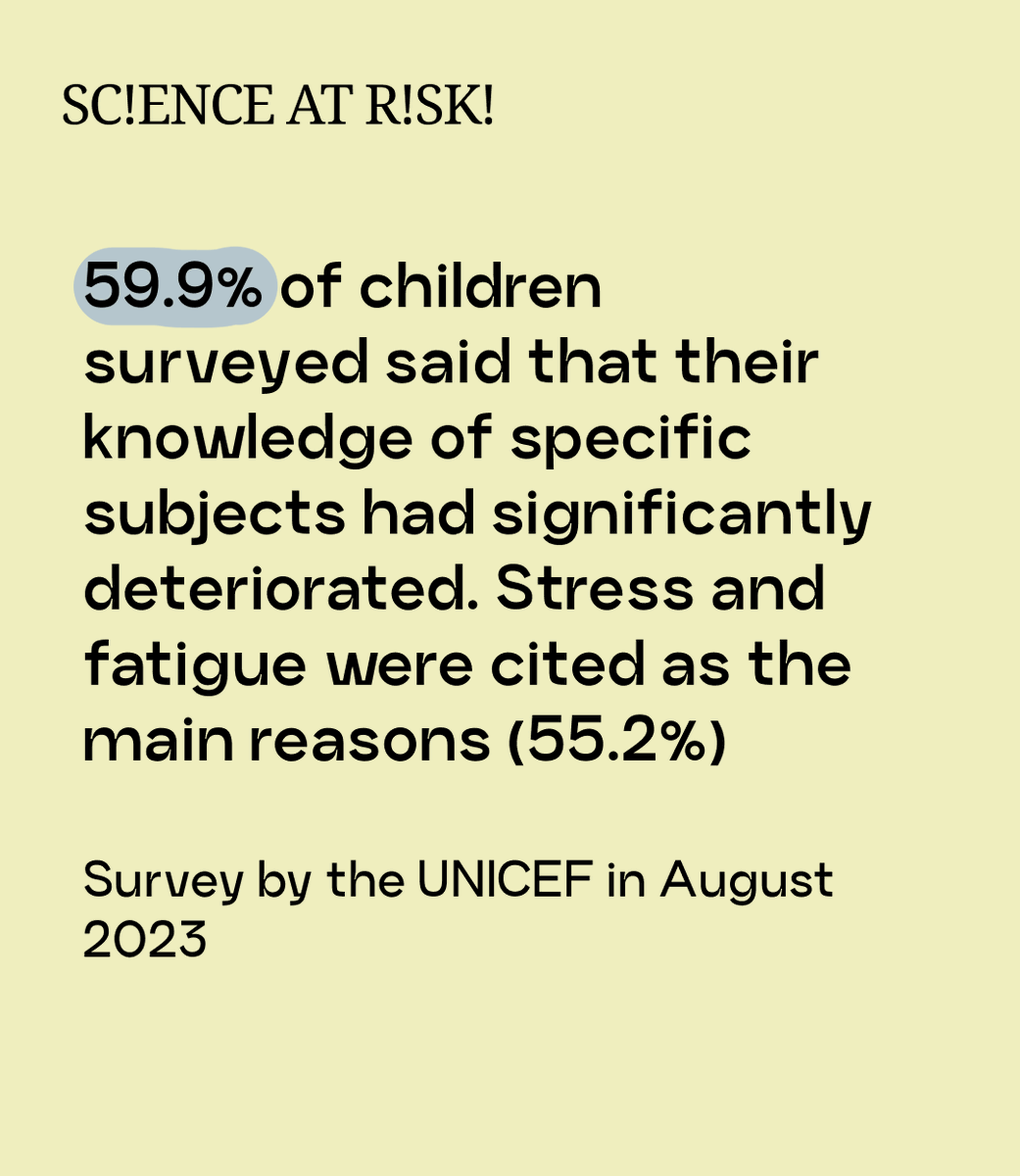
Despite numerous reforms, initiatives, and digital innovations, children's basic need — a sense of safety — remains unmet today. Without it, any education becomes an obstacle course.
Science at risk tweet media
English
0
0
1
24
Science at risk
Science at risk@ScienceAtRisk·
Talent alone is not enough to achieve great things. Opportunities to develop that talent, resources, a supportive environment, academic and, most importantly, physical freedom, as well as access to literature, news, and the achievements of humanity are also necessary.
Science at risk tweet media
English
0
0
2
29
Science at risk
Science at risk@ScienceAtRisk·
Thanks in particular to the efforts of Ukrainian scientists, Western scholars refuse to participate in the editorial boards of Russian journals, and the amount of scientific propaganda in international institutions is decreasing.
Science at risk tweet media
English
0
2
3
39
Science at risk
Science at risk@ScienceAtRisk·
The stamp sheet featuring Ukrainian scientists will be available for purchase on Ukrposhta’s Postal Market 👉 postmark.ukrposhta.ua
English
0
0
1
19
Science at risk
Science at risk@ScienceAtRisk·
During Nobel Week, @ukrposhta and @kunshtmagazine, with the support of the ЗMIN Foundation, presented the postage issue Freedom in the Equation. The stamps tell the stories of ten Ukrainian scientists who were killed or repressed by Russia.
Science at risk tweet media
English
1
0
1
25