Is AI the future of Engineering Education? 🎓
We are thrilled to share our latest research published in Scientific Reports: "Evaluating AI-powered learning assistants in engineering higher education."
- The Policy Gap: While students are eager to use AI, they are often held back by ethical uncertainty and a lack of clear institutional guidelines.
#AI#research#engineering
- Support, Not a Shortcut: Students primarily use AI as a supplemental tool for brainstorming and clarification, rather than a replacement for human-led instruction.
📅 Deadline: email your submission by April 15th 2026.
If you are interested in hosting, please submit your Expression of Interest to the Joint Committee Chair Ibrahim Demir (idemir@tulane.edu)
The International Hydroinformatics International Conference on Hydroinformatics Series is a successful format of thematic conferences on the possible links between water & technology recalling the interests of hundreds of scientists & hi-tech companies!
🌍 Call for Proposals to host the 17th International Hydroinformatics Conference in 2028! lnkd.in/eyG7_Zj6
The IAHR/IWA Joint Committee on Hydroinformatics is officially inviting proposals to host the conference in 2028.
what it means to "Dare to Discover".
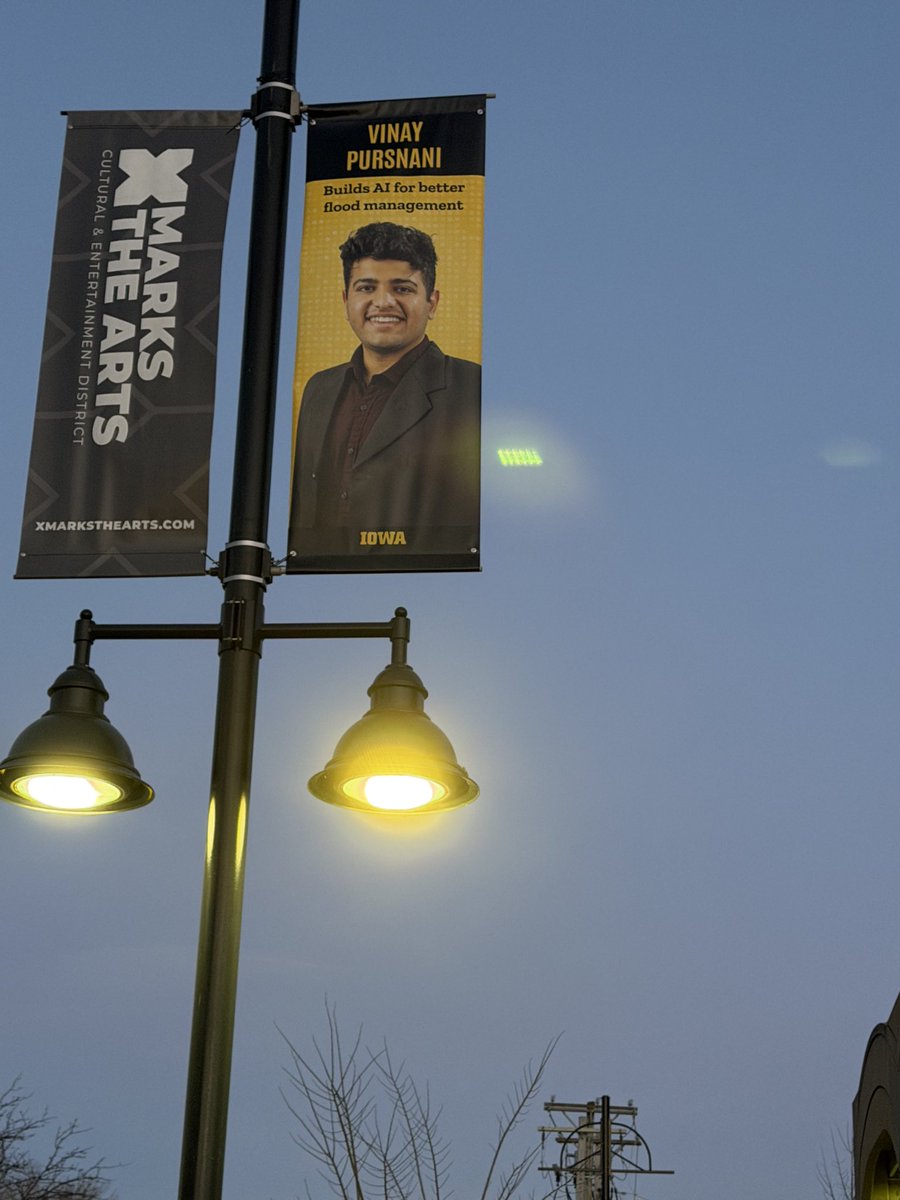
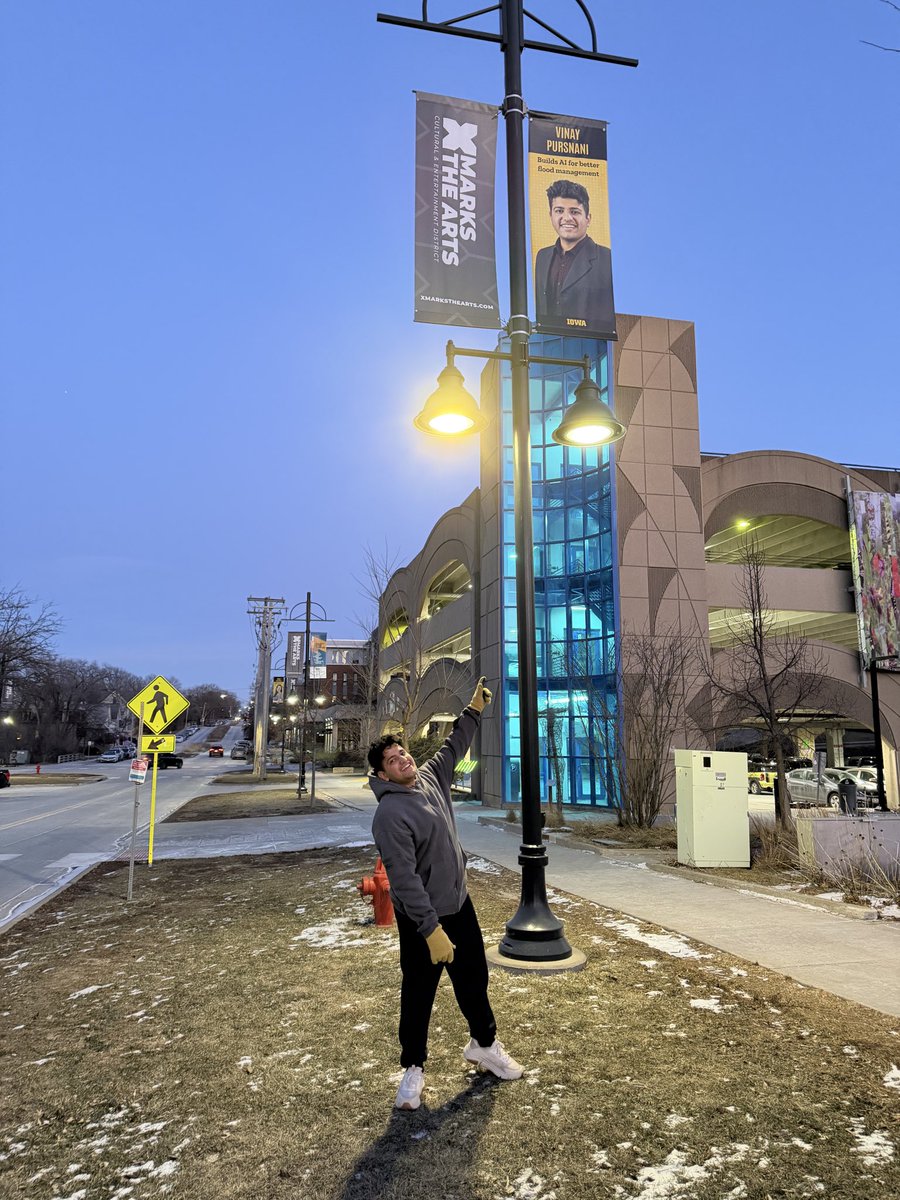
Vinay, we couldn't be prouder of you! Seeing your face representing the future of hydroinformatics is a joy for the whole lab. Your hard work is truly making a difference in the world. Keep shining & pushing the boundaries of what’s possible!
make better, safer decisions about flood risk. From interpreting FEMA flood maps to building conversational assistants for floodplain managers, his research focuses on keeping humans in the loop.
By bridging the gap between computer science & hydrology, Vinay is showing exactly
🎉Big News! 🎉
We are incredibly proud to announce that Vinay Pursnani has been recognized in the 2026 Dare to Discover campaign!
Vinay, a PhD student in our Hydroinformatics lab, is at the forefront of designing AI systems that don't just crunch numbers; they help communities
- Proposes a framework for more collaborative, software-driven solutions in climate resilience.
Read here: sciencedirect.com/science/articl…
This research is based upon work supported by the Department of the Interior (DOI) - U.S. Geological Survey (USGS)
struggle to meet the practical needs of city planners and emergency managers.
Key Highlights:
- Identified critical barriers to model adoption in urban planning.
- Synthesized stakeholder feedback to map out future opportunities for "actionable" flood science.
Bridging the gap between flood models and real-world action
I’m excited to share our latest research published in Environmental Modelling & Software. Our study explores the "usability gap" in urban flood modeling—investigating why even the most advanced simulations often
improve flood mitigation & water management strategies.
🔥 Key Takeaway: We demonstrate that AI-driven multi-agent simulations can effectively bridge the gap between technical optimization & social acceptance. Our analysis of 1,000 diverse agents revealed that age is the most
Publication Alert
Can an AI truly think like a community stakeholder?
Our paper, "AI-driven decision-making for water resource planning & hazard mitigation using automated multi agents", dives into how automated AI agents can simulate complex stakeholder dynamics to
We take a deep dive into data-driven strategies to ensure more resilient & sustainable water systems.
From theory to practice: see how we’re optimizing the tools that keep our communities flowing.
Read the full paper here: ➡️ doi.org/10.2166/wpt.20…#Sustainability#Research
New Publication:
Is our water infrastructure ready for the future? 💧
Our latest research in Water Practice & Technology explores how to bridge the gap between advanced hydrological modeling and real-world utility management.