Vallll

1.2K posts

Vallll banner
Vallll

Vallll

@UndecidedValor

Entrou em Şubat 2021
420 Seguindo129 Seguidores
Vallll retweetou
OSINTdefender
OSINTdefender@sentdefender·
The U.S. Navy’s Blue Angels and U.S. Air Force’s Thunderbirds, two of the nation’s most elite flight teams, united Tuesday to perform an extremely rare formation flyover in “Super Delta” over Pensacola Beach, Florida.
English
54
207
2.1K
134.7K
Vallll retweetou
Helldivers NOW
Helldivers NOW@Helldivers_NOW·
ZXX
21
447
4.3K
80.6K
Vallll
Vallll@UndecidedValor·
ZXX
0
0
0
2
Vallll retweetou
U.S. Navy
U.S. Navy@USNavy·
First contact. 🛸👽

On April 10, U.S. Navy divers were the first on the scene as the Navy and NASA successfully recovered the Orion spacecraft and its crew in the Pacific Ocean, bringing four astronauts safely back to Earth after their journey beyond the Moon.
English
136
1.2K
7.2K
163.2K
Vallll retweetou
Guy Plopsky
Guy Plopsky@GuyPlopsky·
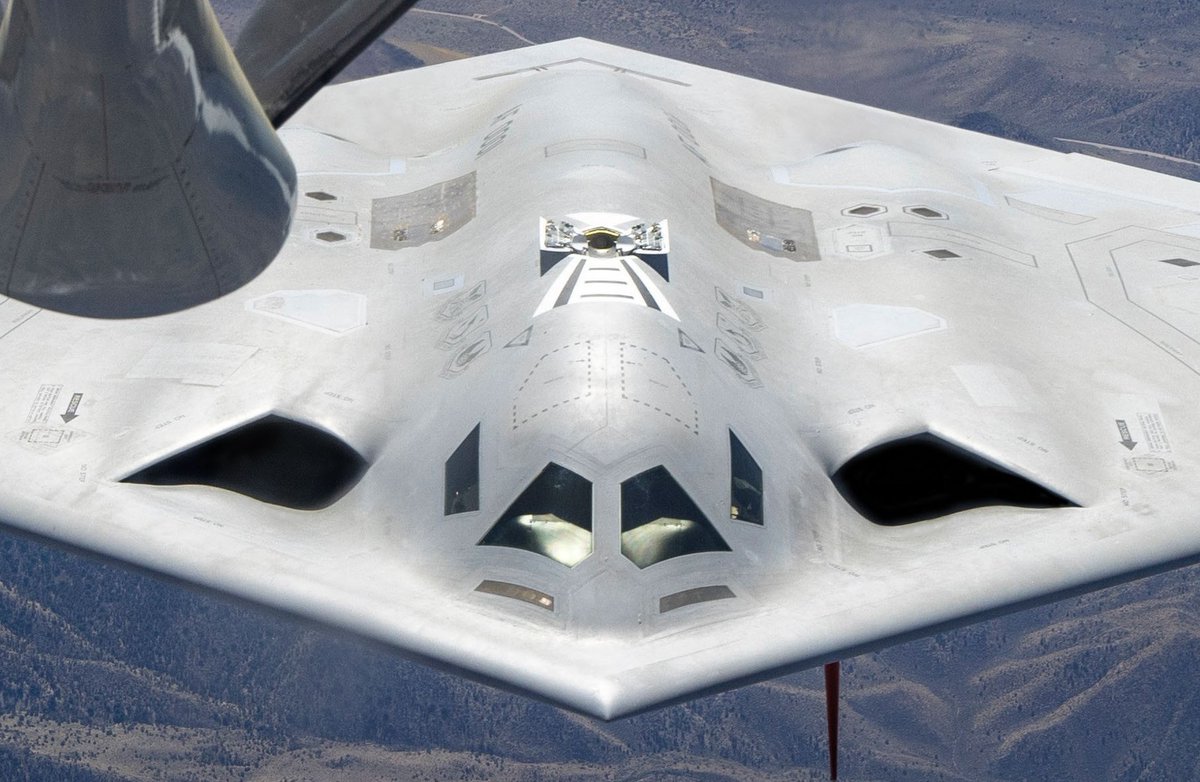
🇺🇸 Good view of the B-21's near-conformal inlets, auxiliary inlet doors, cockpit windshields and aerial refueling receptacle, among other details. Also visible, below the two front windshelds, are flush air-data sensors.
Guy Plopsky tweet media
Guy Plopsky@GuyPlopsky

"The B-21 Raider program continues to accelerate the delivery of long-range strike capability, with aerial refueling via a KC-135 Stratotanker demonstrating the rapid maturation of the weapon system." af.mil/News/Article-D…

English
3
34
399
25.2K
Vallll retweetou
Xplora
Xplora@XploraSpace·
🌔🎉 « Welcome home, Dad ». Katherine Wiseman, la fille du commandant de la mission Artemis II, partage des clichés du retour de son père Reid Wiseman dans son foyer après son périple lunaire. Katherine a exprimé par la même occasion son immense émotion qu’un cratère lunaire soit nommé en hommage à sa défunte mère, Carroll. « Elle va désormais non seulement faire partie de l’histoire, mais être gravée dans la Lune elle-même pour l’éternité. Pouvoir lever les yeux vers le ciel chaque soir et la voir est la plus belle chose qu’on m’ait jamais offerte ». 📷 : Katey Wiseman, via Instagram.
Xplora tweet mediaXplora tweet mediaXplora tweet media
Xplora@XploraSpace

🌖🌍 Tous les héros ne portent pas de cape… mais certains portent une combinaison spatiale ! 🫡 Reid Wiseman raconte qu’il était censé laisser Rise dans le vaisseau Orion. Impossible de laisser ce petit gars, ramené dans un sac étanche... et désormais accroché à sa gourde !


Français
2
41
442
20.3K
Vallll retweetou
Buzz Patterson
Buzz Patterson@BuzzPatterson·
Another shot of incredible American badassery. 🇺🇸
English
346
1.7K
13.6K
120.7K
Vallll retweetou
Sierra Space
Sierra Space@SierraSpaceCo·
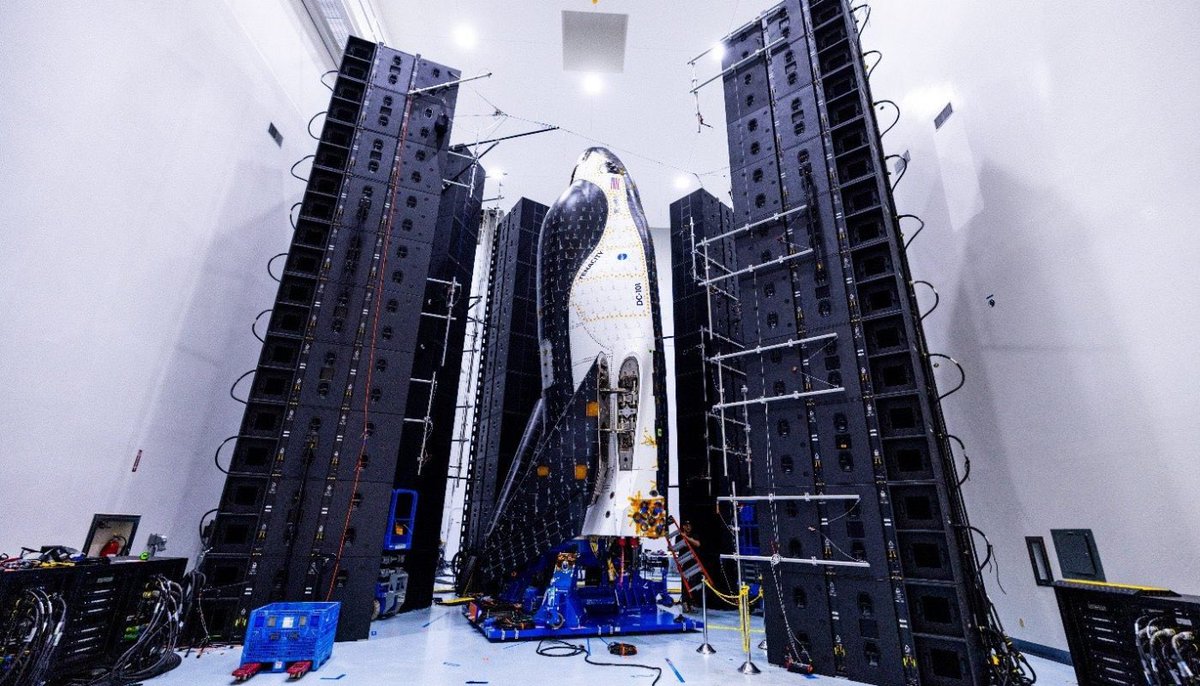
Dream Chaser has successfully completed acoustic testing at @NASA's Kennedy Space Center's Space Systems Processing Facility.   The spacecraft successfully withstood the intense vibrations produced from sound waves during a rocket launch as it prepares for its first flight to Low Earth Orbit (LEO).   Acoustic testing at NASA’s SSPF utilized an array of 90 stacked speakers to simulate sound and airborne vibrations experienced during a rocket launch.   The successful test validated the durability of Dream Chaser’s critical electronic systems and confirmed the structural integrity of the spacecraft.   Press Release: sierraspace.com/press-releases…
Sierra Space tweet media
English
44
186
1.7K
97.1K
Vallll retweetou
KC-10 Driver ✈️ 👨‍✈️ B-737 Wrangler
The frequency they “meow” on is our “Guard” frequency, supposed to be reserved for emergencies. This is a common thing unfortunately & is stupid. I support penalties for these pilots. Just because you can’t hear an emergency doesn’t mean ATC can’t & you are blocking them.
Turbine Traveller@Turbinetraveler

Delta and American Airlines CRJ pilots at Ronald Reagan Washington National Airport are going viral after an ATC clip caught them making "meow," "ruff," and other animal sounds over the radio, but the controller wasn't having it. In the audio, ATC quickly shuts it down, telling them to act like "professional pilots." 📹: Flight Fantasy Simulator

English
88
35
590
58.7K
Vallll retweetou
Wiggle Wiggle Vigil
Wiggle Wiggle Vigil@DaOfficialVigil·
Larry the F-20 Tigershark has arrived with your weekly gifts! He has returned from the moon after a successful mission escorting Artemis II.
Wiggle Wiggle Vigil tweet media
English
11
33
424
7.9K
Vallll retweetou
All Things Emerald Coast
All Things Emerald Coast@AllEmeraldCoast·
The U.S. Navy Blue Angels and Air Force Thunderbirds flying a Super Delta over Pensacola Beach today 🇺🇸🔥 you don’t see this every day ✈️💙
English
25
452
2.6K
67.3K
Vallll retweetou
U.S. Navy
U.S. Navy@USNavy·
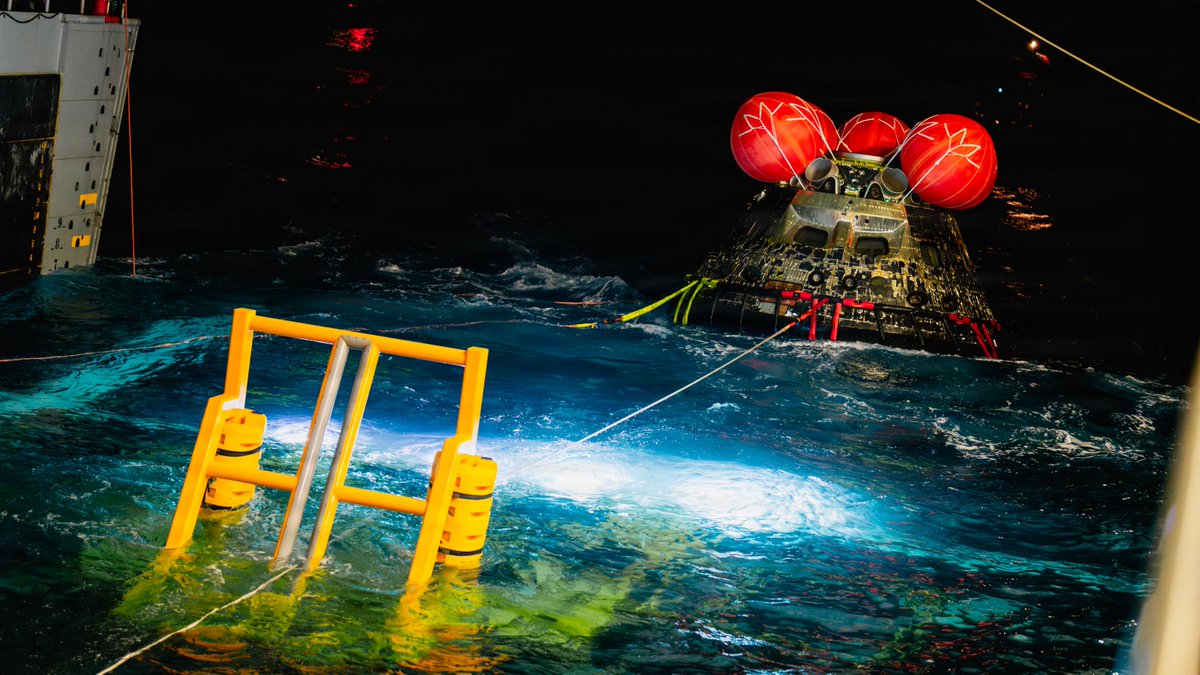
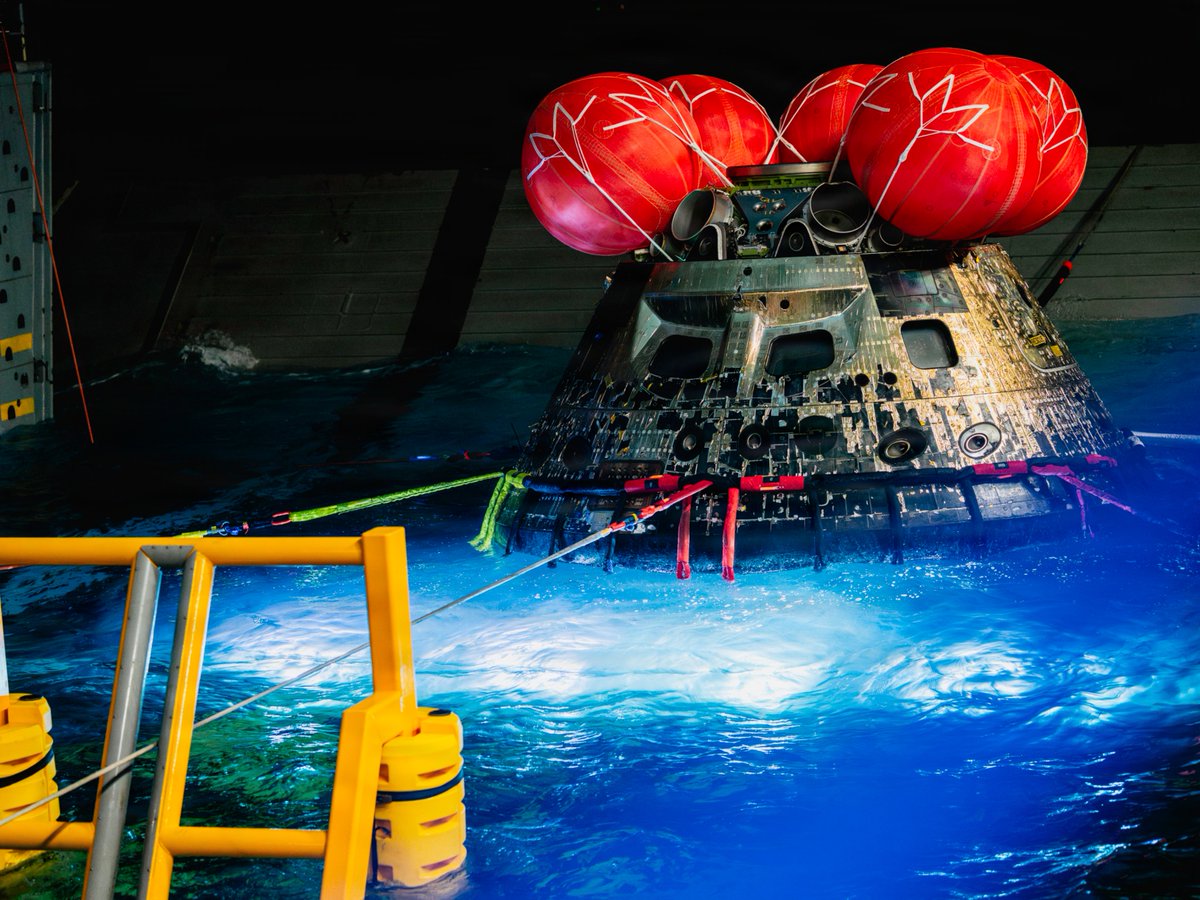
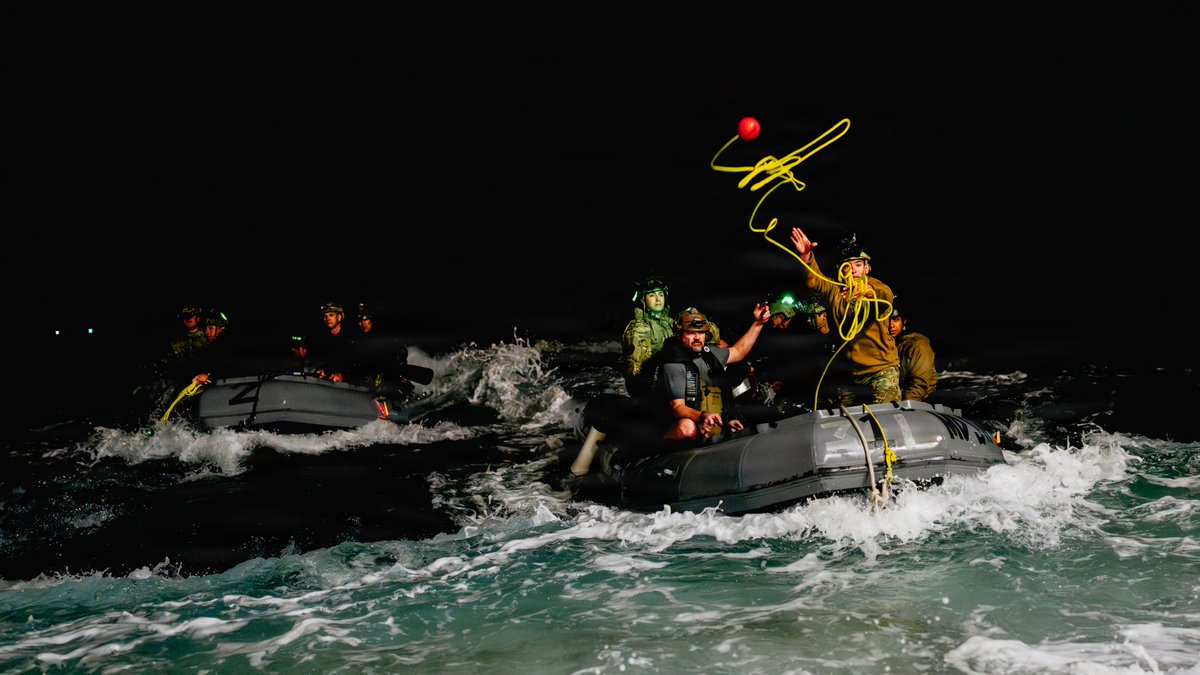
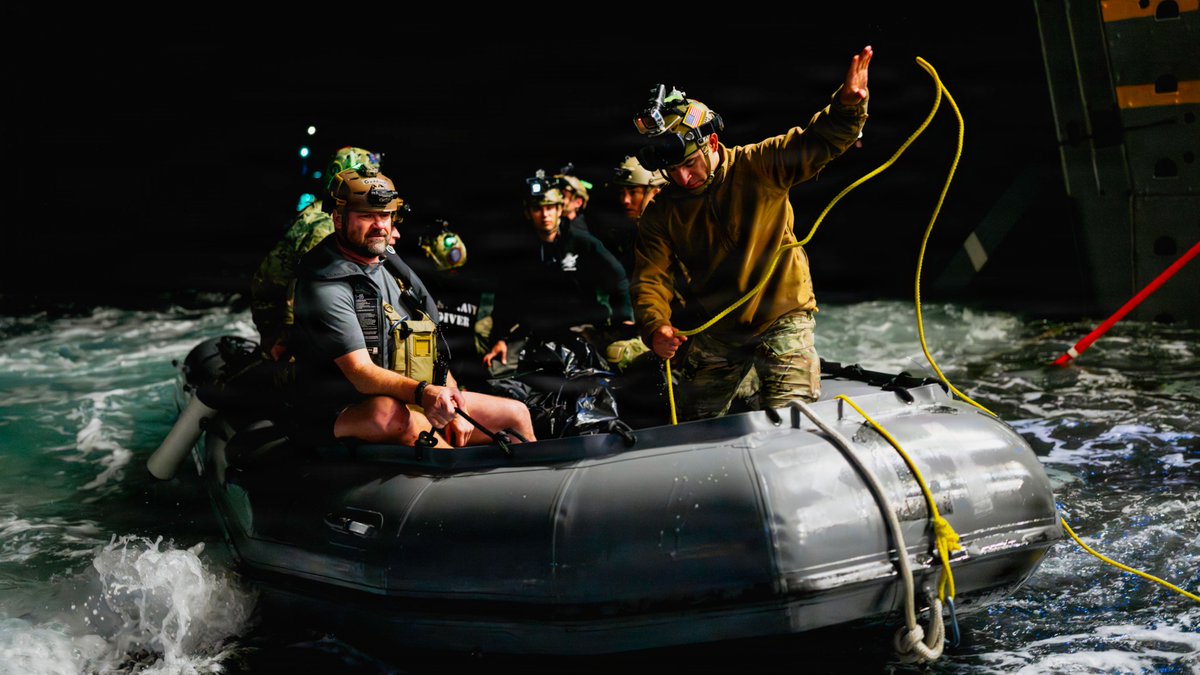
We reeled in something out of this world. 🎣🚀 Navy divers return to the well deck of USS John P. Murtha (LPD 26) as the @NASA Orion spacecraft is winched aboard after returning to Earth from the Artemis II lunar mission on April 10, 2026. 📸 MC2 August Clawson
U.S. Navy tweet mediaU.S. Navy tweet mediaU.S. Navy tweet mediaU.S. Navy tweet media
English
30
353
2.3K
59.5K
Vallll
Vallll@UndecidedValor·
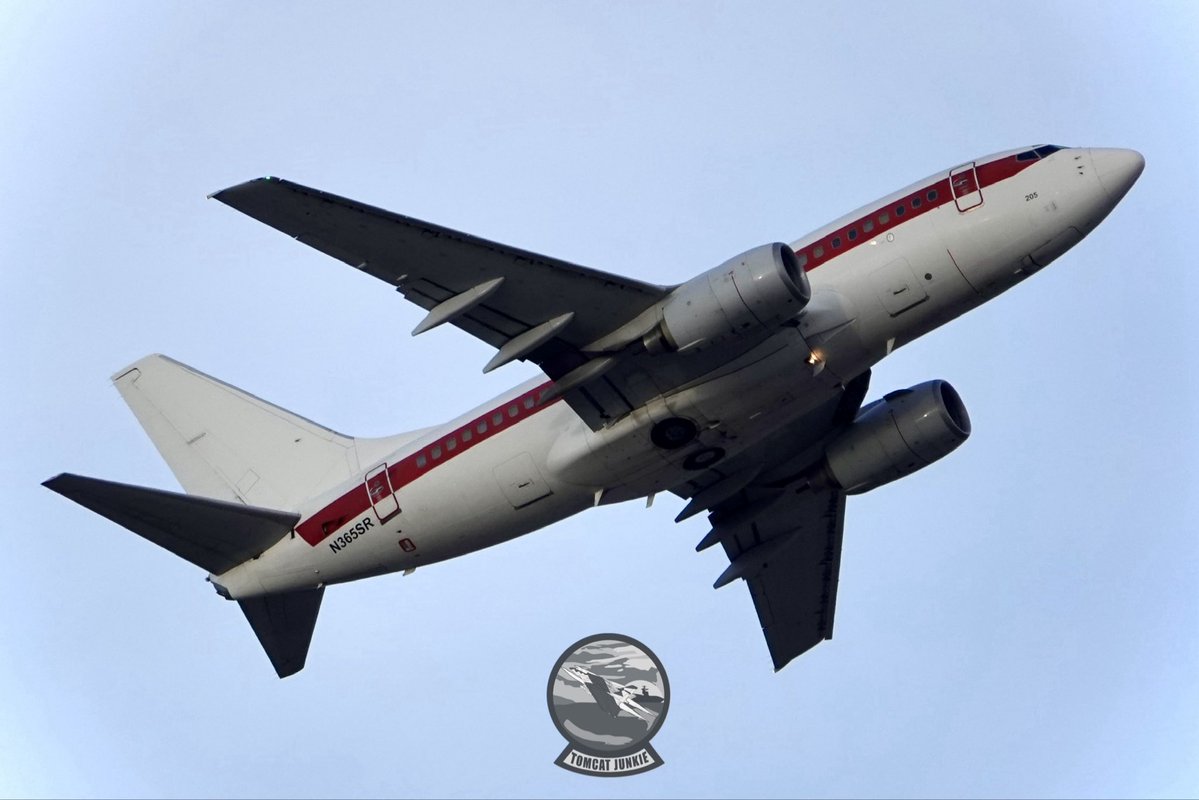
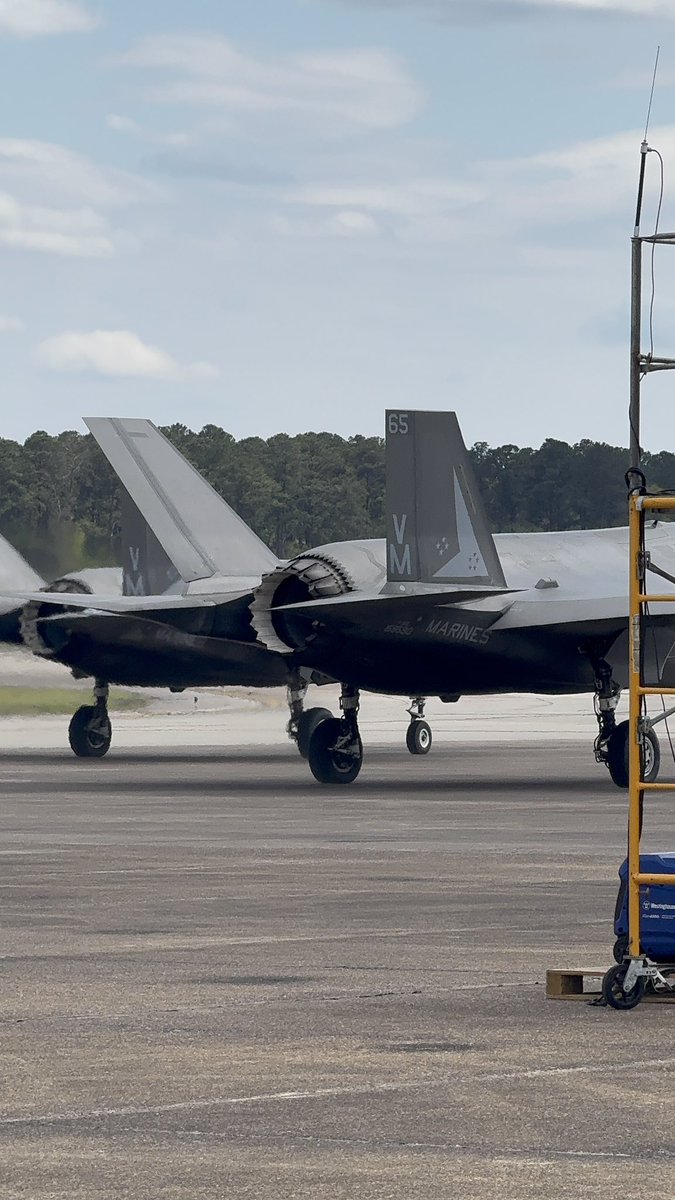
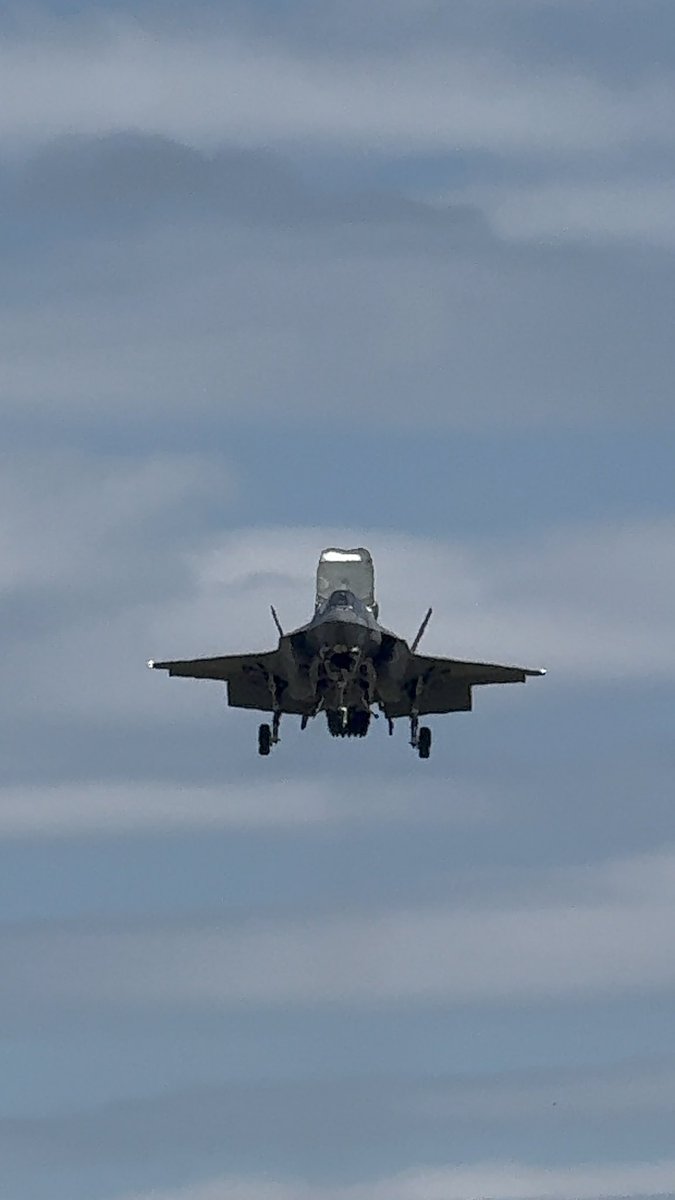
A few of the pics I took at Wings over Meridian
Vallll tweet mediaVallll tweet mediaVallll tweet mediaVallll tweet media
English
1
0
2
9
KC-10 Driver ✈️ 👨‍✈️ B-737 Wrangler
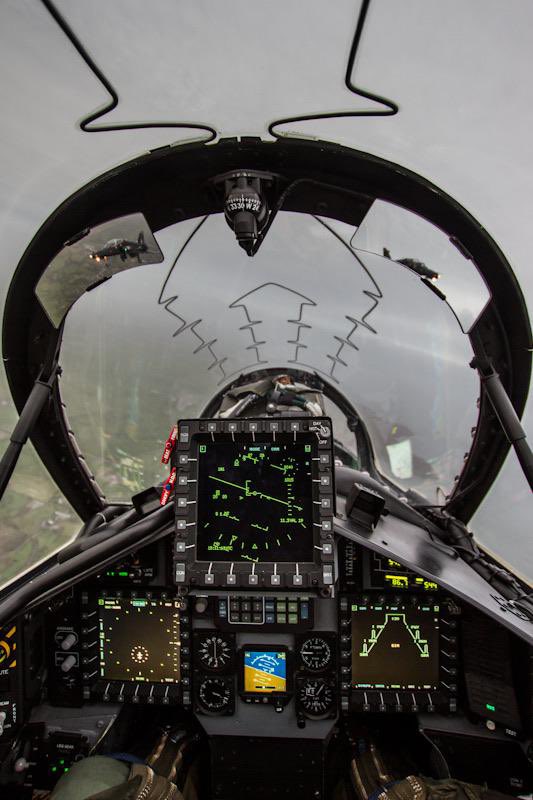
The “wavy” lines in the canopy glass (plastic) are not antennas…they are explosive cords. In the movies, an ejection is preceded by the jet’s canopy being blown off. “Goose” got killed in Top Gun because it didn’t happen fast enough & the seat hit the canopy. Some jets took a different approach, though. Rather than jettison the canopy, which is complicated & can fail, why not just blow it up? Shatter it into a thousand pieces that won’t hurt the pilot. This can shorten the ejection sequence, too, as you don’t need to allow as much time for the canopy to clear the ejection path (we’re talking fractions of a second, but still…). Anyway, this is the design they came up with. It’s known as a “Canopy Fracturing System”. It’s automatically triggered when you pull the ejection handle, but can be manually triggered as well without ejecting. I suppose that might be useful if smoke is accumulating in the cockpit. Now, jets that blow the whole canopy off instead of blowing it up have a somewhat complicated system to accomplish this. The system has to release the hooks locking the canopy onto the jet; it often does this by pushing hot gas from an explosive through tubes that push the hooks back (there are several methods, though). Kind of like firing a gun. Both systems can fail, though the explosive cord is considered very reliable…they put it in the F-35 (and I had it on the T-6). As a backup, the top of the ejection seat has a little pointy end on it. In theory, this point should hit the canopy before your head does if the canopy is still there in an ejection, shattering it before the canopy shatters your spine. I’d guess that has happened before, but I can’t recall any examples. Older jets sometimes got around all of this by just ejecting you downward. A hole would open up in the floor & the seat departs that way. The disadvantage here is obvious…you’ll have a higher minimum safe ejection altitude. This system still exists in the B-52. The seats back then were not quite as sophisticated as they are now… Today’s seats detect your orientation. If you eject while inverted, the seat will fire just enough to get you out of the jet, then right itself to point upward & fire again. When the seat has done its job, it automatically cuts the belts & straps that held you in & departs. The seat itself contains the parachute…so when you strap in, you’re strapping on the parachute…obviously, the seat doesn’t cut that, it’s the parting gift. The parachute has a barometric sensor that automatically deploys it if below a set altitude. If flying over high terrain (higher than the standard set altitude), you can rig it to immediately deploy the parachute on seat separation. The parachute also has an emergency oxygen bottle. This is not automatic, but pulling a cord will start the short flow of oxygen (I think it’s like 4 or 5 minutes, can’t remember). The hose for your oxygen mask is connected to the jet but is designed to break-away from the jet at the connection in an ejection; a smaller hose connects to a point on the parachute harness that will provide the emergency oxygen. The seat also contains a small survival kit & may be fitted with an automatically inflating raft for water landings. These will dangle underneath you as you descend. Ok, that’s about all I can recall off the top of my head. The ejection sequence is very, very short…pull the handle & you’ll be gone before you know it. In two-seat jets, the back seat goes first to prevent them from being burned by the rocket on the front seat. There is a sequencing lever in the jet that allows pilots to select if both seats will fire if any ejection handle is pulled, though…so you can select that each seat must pull its own handle. Useful if doing orientation rides for non-pilots…you don’t want them ejecting you, too.
KC-10 Driver ✈️ 👨‍✈️ B-737 Wrangler tweet media
English
154
329
3.4K
217.7K
Vallll retweetou
Reseth
Reseth@ResethO·
I asked Jared Isaacman, the new head of NASA, if he wanted to put his own boots on the moon. This was his response:
Reseth tweet media
English
32
110
2.9K
50.8K