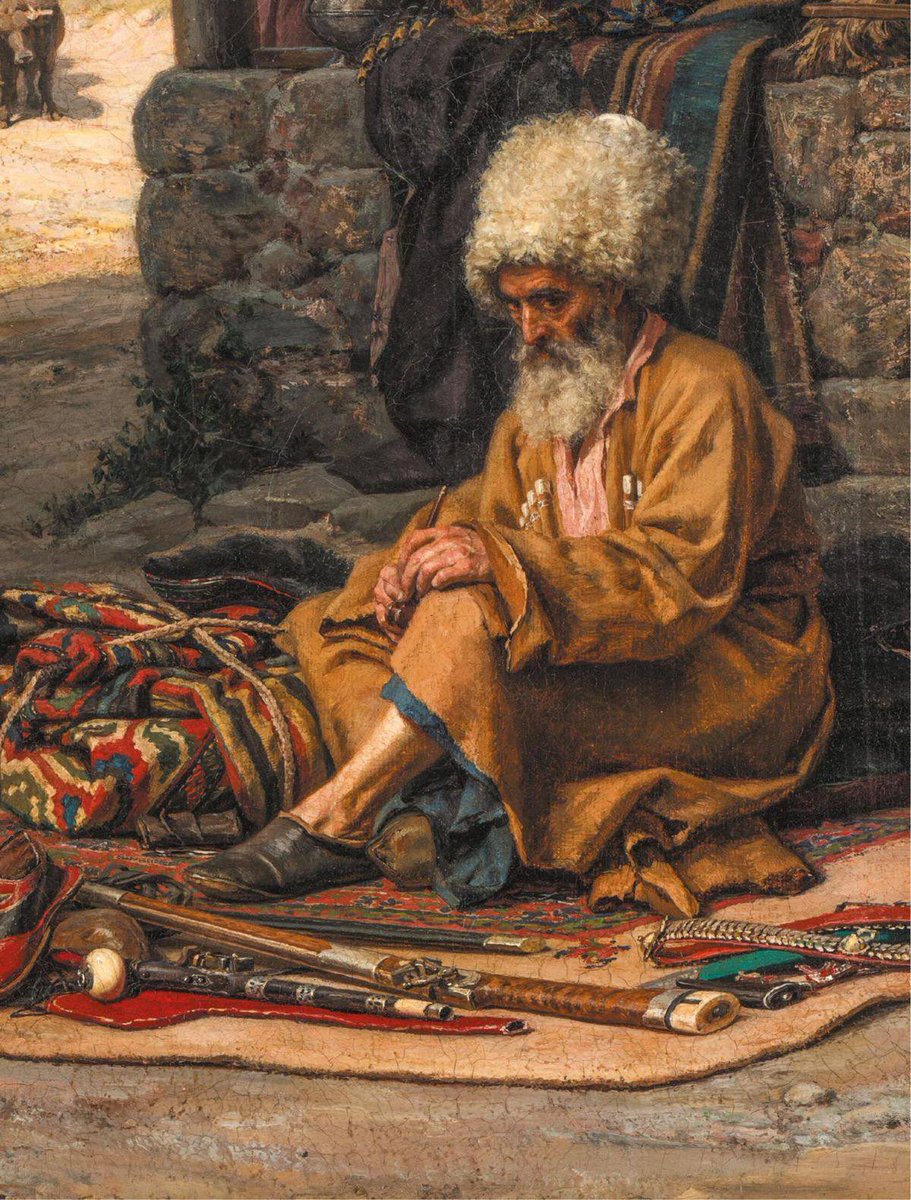
The Soviet magazine "Ogonyok" (1969) with the oldest Chechen jigit and horse breeder of the Chechen-Ingush ASSR, Hussein Ortsevich Okuev, on the cover.
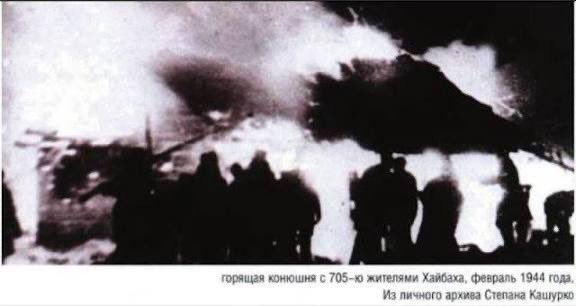
In the early 1990s, he worked on a memorial project for the victims of the Khaibakh tragedy and illustrated related publications. He died in the fall of 1999 during the second Russian-Chechen war when the central market of Grozny was hit by a rocket attack.
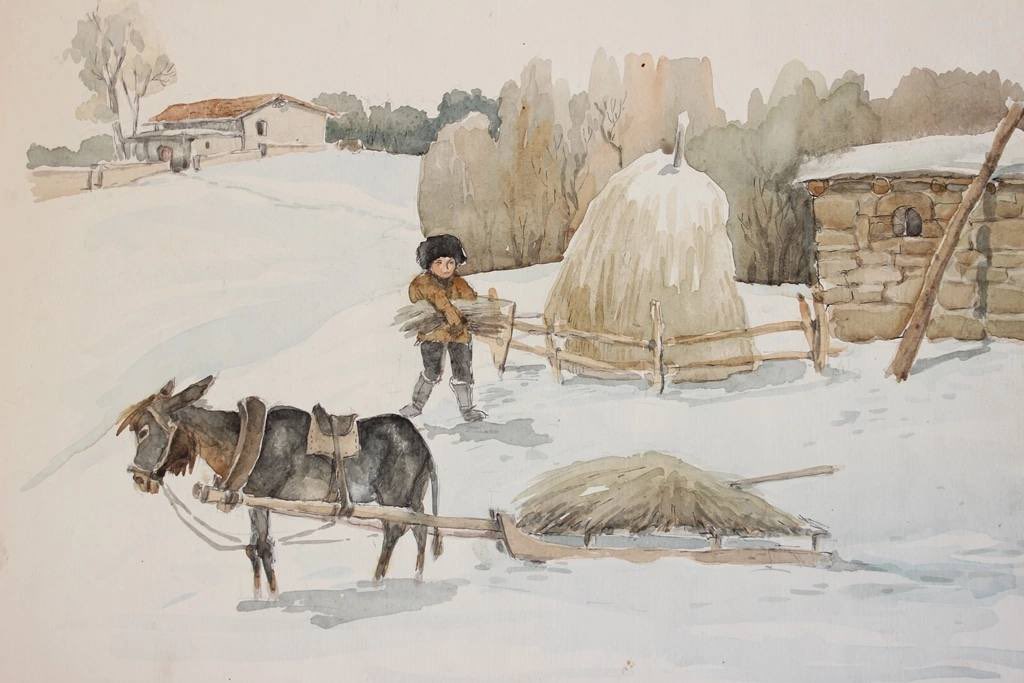
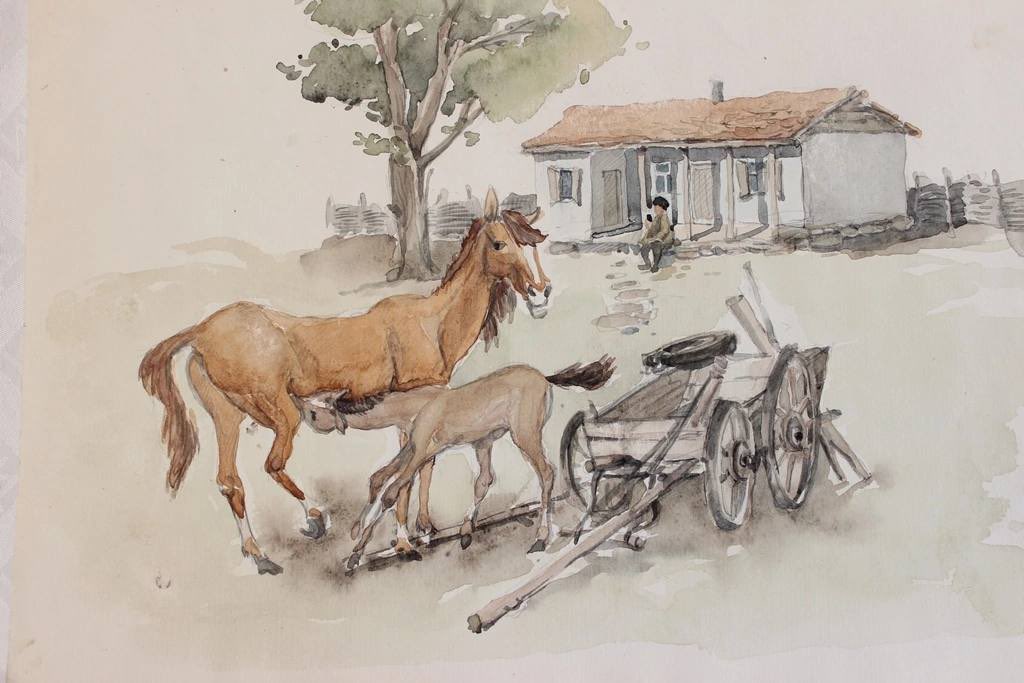
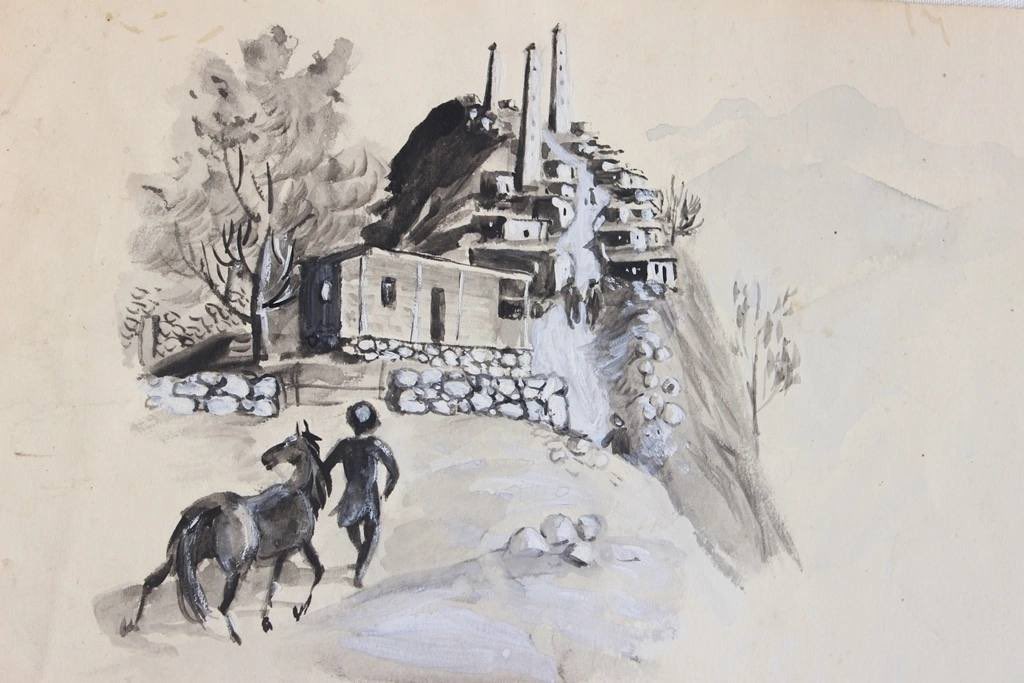
Amirkhanov worked on various projects: he engaged in ceramics, illustration, costume design, and designed a mosque in his native village of Shalazhi.
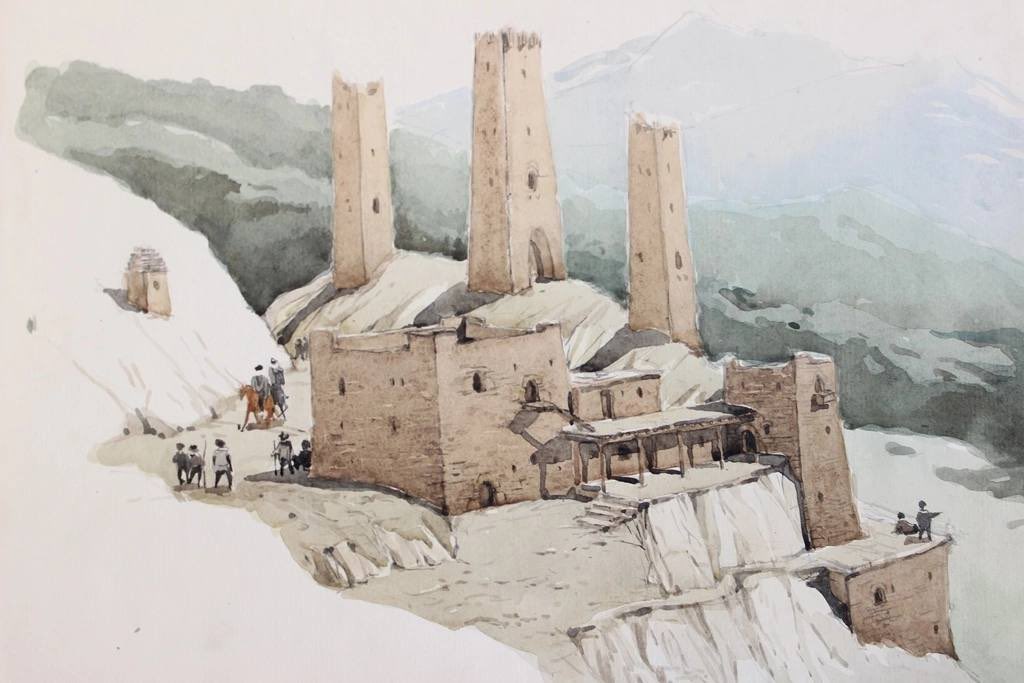
He was passionate about Chechen tower architecture, documenting materials and construction techniques.
The art of Chechen artist Borkha Amirkhanov.
Borkha Amirkhanov (1949–1999) was a Chechen architect, artist, and specialist in decorative and applied arts.
There he formed a group called the "Oath-Takers Detachment" and joined the rebelling Khevsur mountaineers. The Bolsheviks used aviation and artillery to suppress the uprising. Cholokashvili and his partisans found refuge in Chechnya and continued resistance for two years.
When the Soviet authorities sought to strengthen their power in Georgia, an underground opposition movement emerged. In February 1922, Cholokashvili was arrested in Signagi for "counter-revolutionary activities" but managed to escape to the Pankisi Gorge.
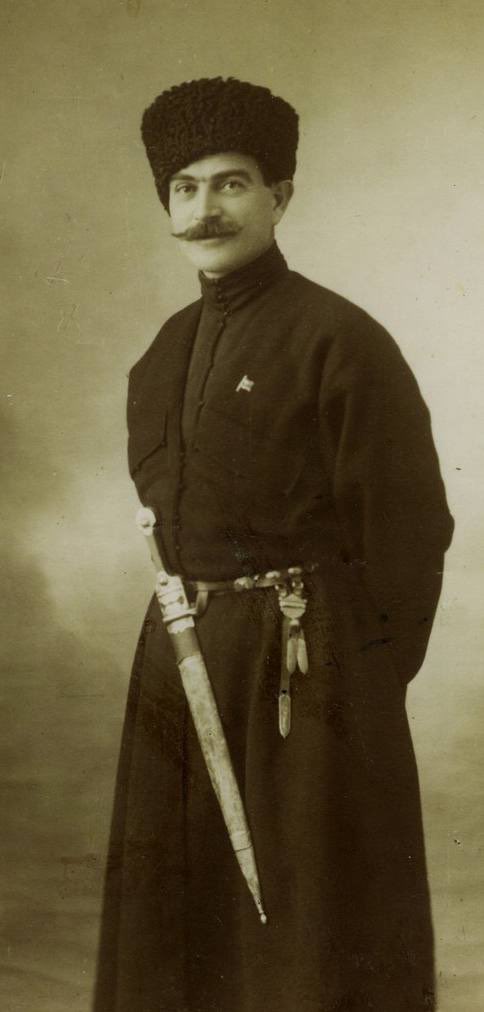
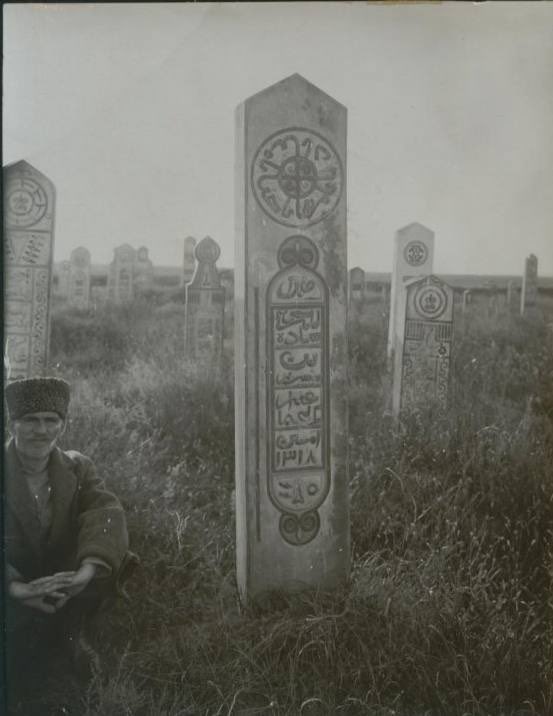
Photographs of Chechen-Kistins, early 20th century. Allies of the Georgian national hero and leader of the anti-Soviet movement — Kaikhosro "Kakutsa" Cholokashvili.
Second photo: Gornakashvili, Mazi Turkoshvili, Khatsle Tokharashvili.
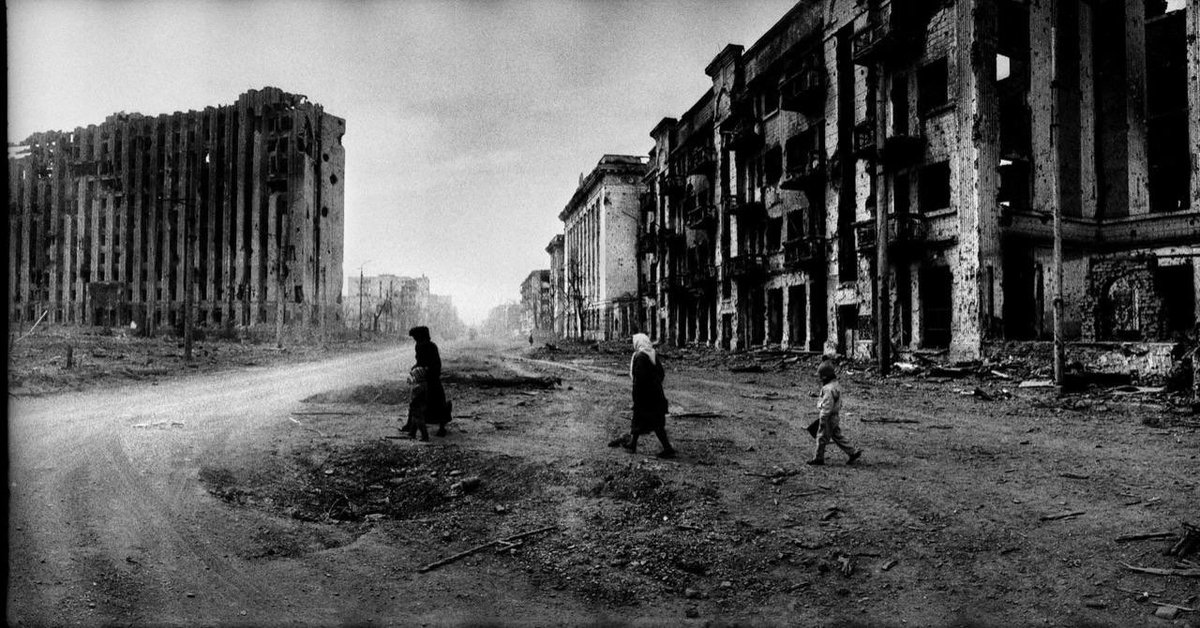
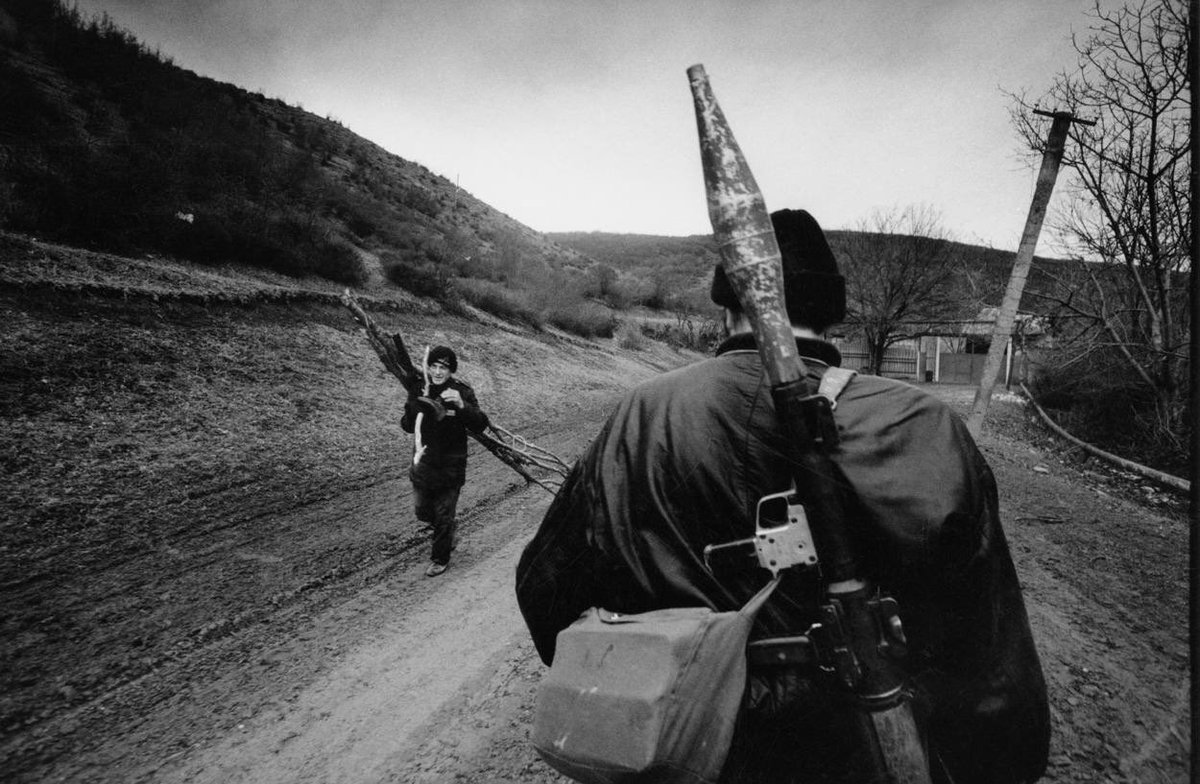
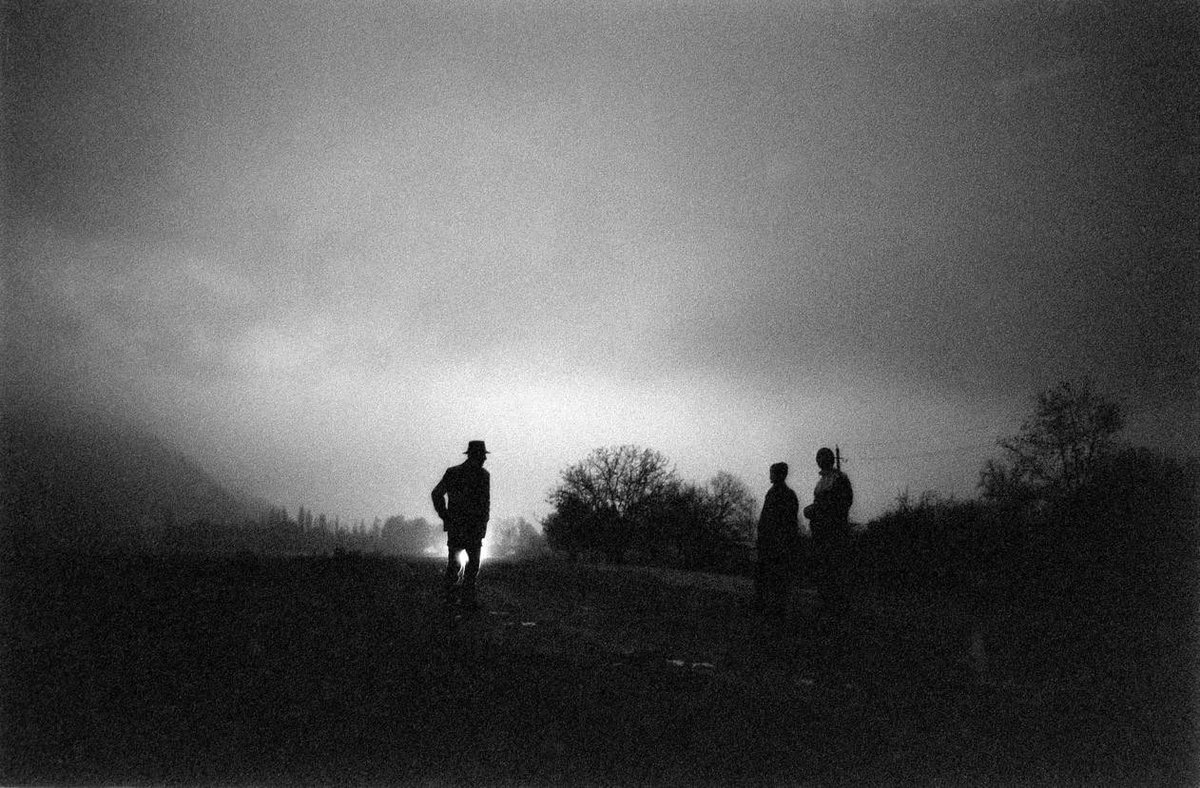
Photographs by Dutch photojournalist Eddy van Wessel in Chechnya, 1994-1999. The first photograph was also used for the book "At the Edge of Civilization" by Eddy van Wessel, Wendelmoet Bursema, and Mark Macdonald.
• Vertical bands and pseudo-calligraphy — references to sacred boundaries and abstract blessings (baraka).
These vessels were likely used for ritual or ceremonial purposes, such as ablutions or household blessings, and were considered bearers of spiritual protection.
• Rhomboid mesh — a protective grid intended to hold back or ward off evil spirits and misfortune.
• Eye-like and leaf-shaped forms — traditional amulets against the evil eye.
• Round medallions — symbols of unity, cosmos, or divine wholeness.
A rare paired find — antique copper vessels from Chechnya, North Caucasus, outstanding examples of traditional Islamic metalwork combined with local talismanic symbolism.
Dated to the 19th century.
Currently, the vessels are sold for $1250.