Explore Space GV

267 posts

Explore Space GV banner
Explore Space GV

Explore Space GV

@explorespacegv

Decoding the cosmos daily | Deep dives into astronomy, space tech & cosmic discoveries.

Milky Way Galaxy Entrou em Mart 2026
13 Seguindo13 Seguidores
Tweet fixado
Explore Space GV
Explore Space GV@explorespacegv·
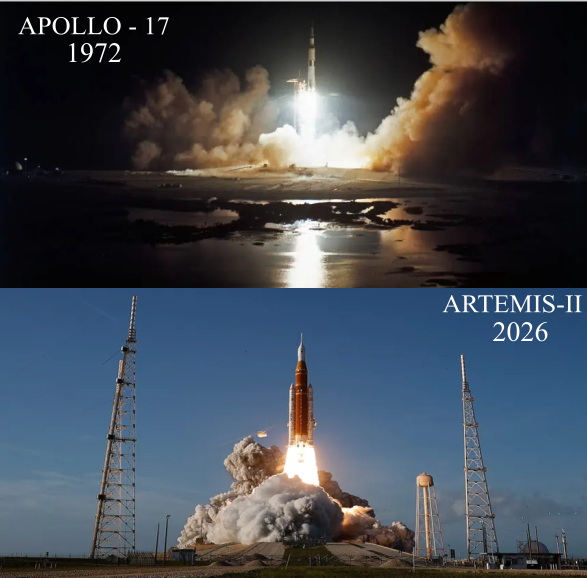
The last time humans flew toward the Moon, Nixon was president and disco hadn't been invented. That ended yesterday. Artemis II just launched 4 astronauts on a 10-day journey around the Moon. Here's everything that just changed 🧵 @NASA
Explore Space GV tweet media
English
1
0
2
117
Explore Space GV
Explore Space GV@explorespacegv·
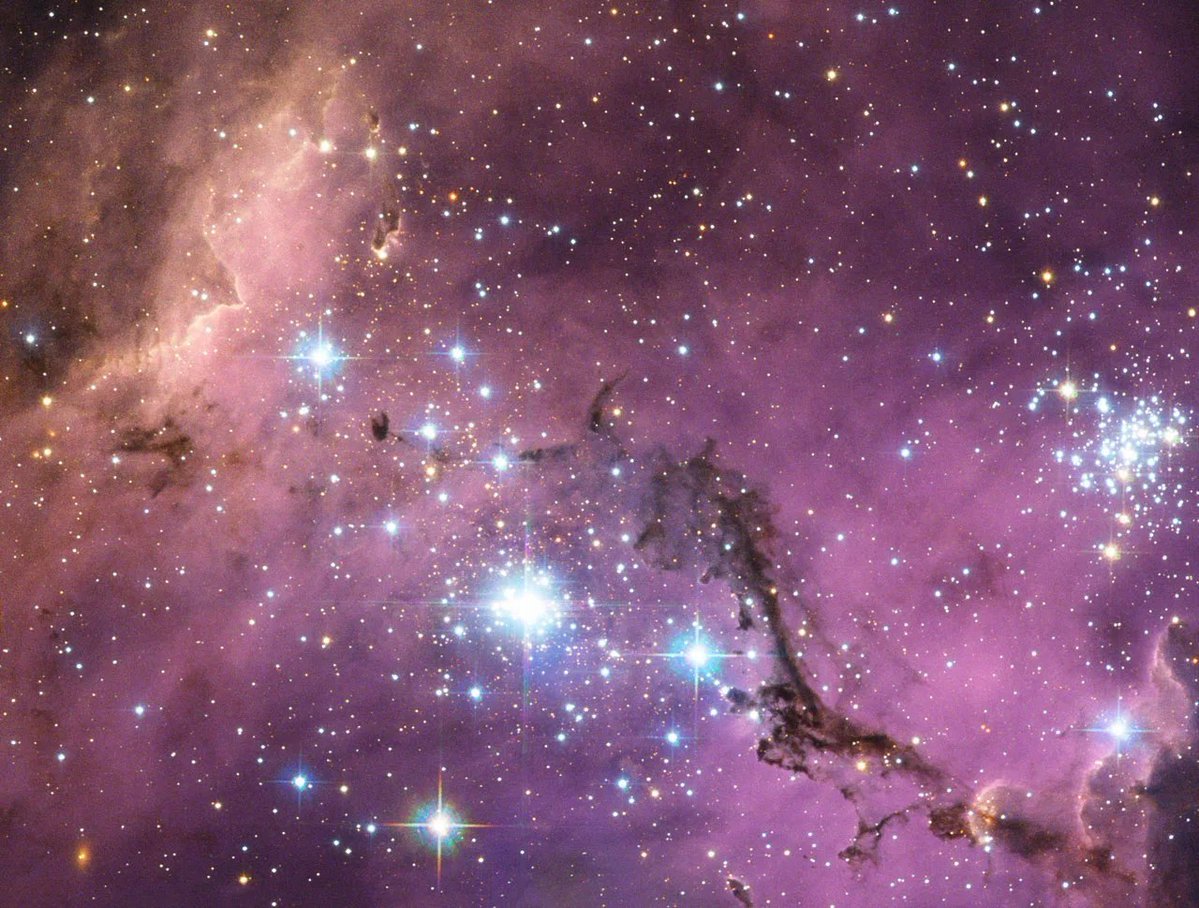
Nearly 200,000 light-years away, an entire galaxy is actively giving birth to new stars right now. This is the Large Magellanic Cloud and Hubble just captured it ablaze with glowing clouds of gas collapsing into brand-new suns. 🌌 #Hubble #Galaxy #Cosmos
Explore Space GV tweet media
English
0
1
1
21
Explore Space GV
Explore Space GV@explorespacegv·
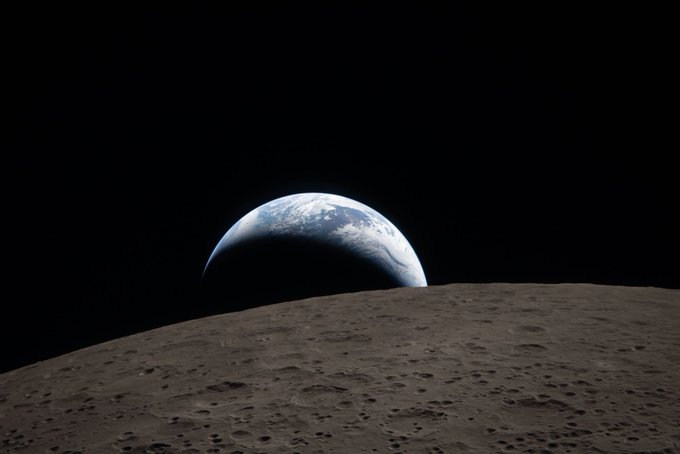
This is the first photo ever taken by humans from the far side of the Moon captured by the Artemis II crew as Earth slowly dips below the lunar horizon. For the first time in 53 years, astronauts are seeing our planet from a place no human eye has witnessed since Apollo. A fragile blue marble disappearing behind the rugged, cratered far side. @NASA
Explore Space GV tweet media
English
0
1
2
356
Explore Space GV
Explore Space GV@explorespacegv·
@NASA This is the kind of view that changes astronauts forever and now it’s changing all of us too.
English
0
0
1
741
Explore Space GV
Explore Space GV@explorespacegv·
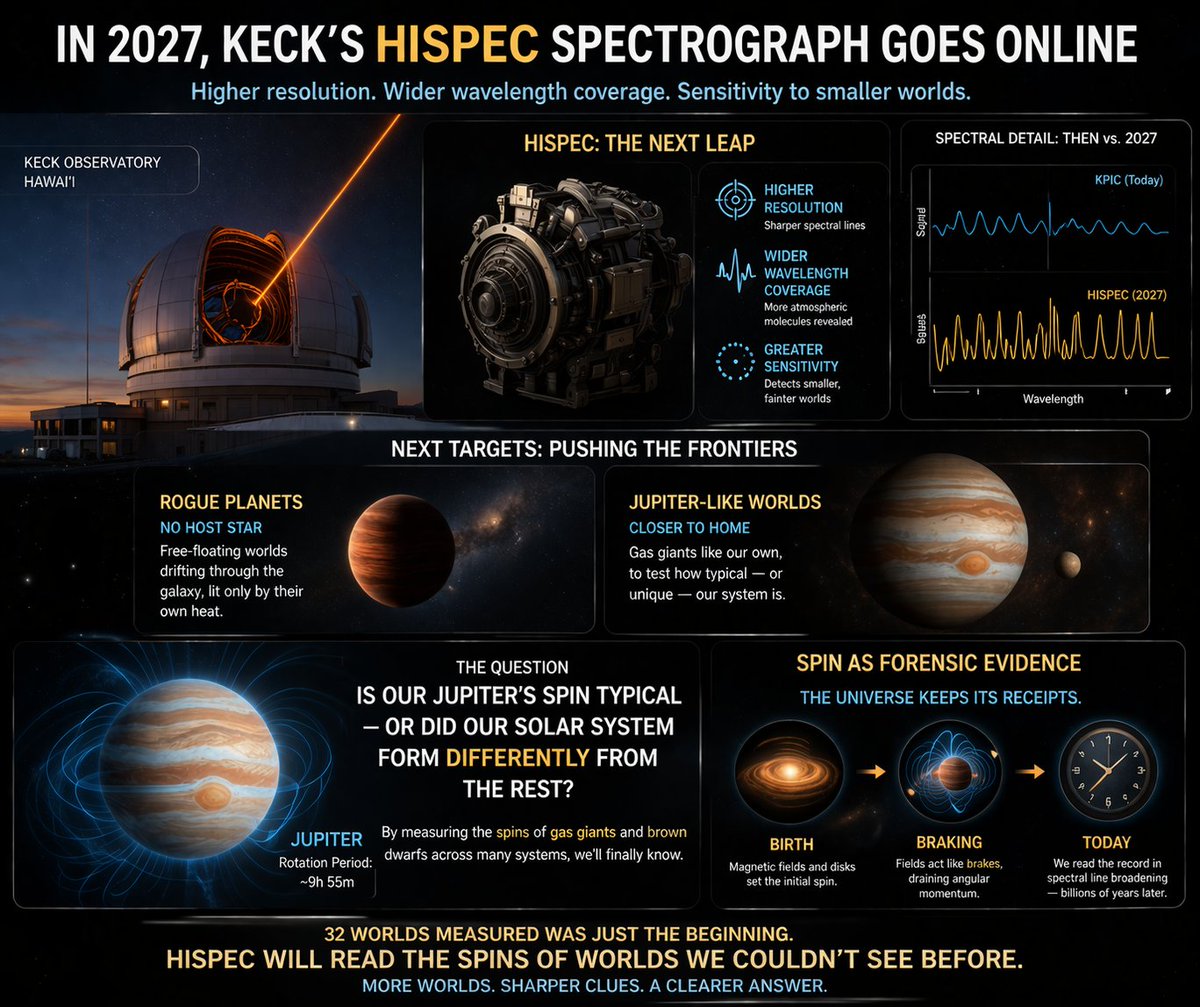
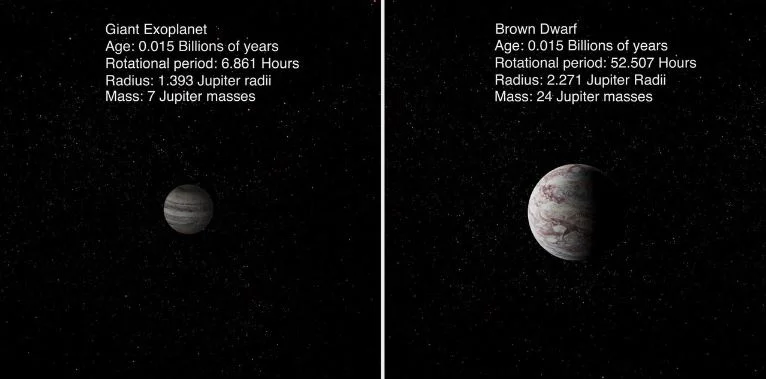
In 2027, Keck's HISPEC spectrograph goes online higher resolution, wider wavelength coverage, sensitivity to smaller worlds. Next target: rogue planets with no host star, and worlds closer to our own Jupiter in nature. The question: is our Jupiter's spin typical or did our solar system form differently from the rest? Spin as forensic evidence. The universe keeps its receipts.
Explore Space GV tweet media
English
0
0
2
13
Explore Space GV
Explore Space GV@explorespacegv·
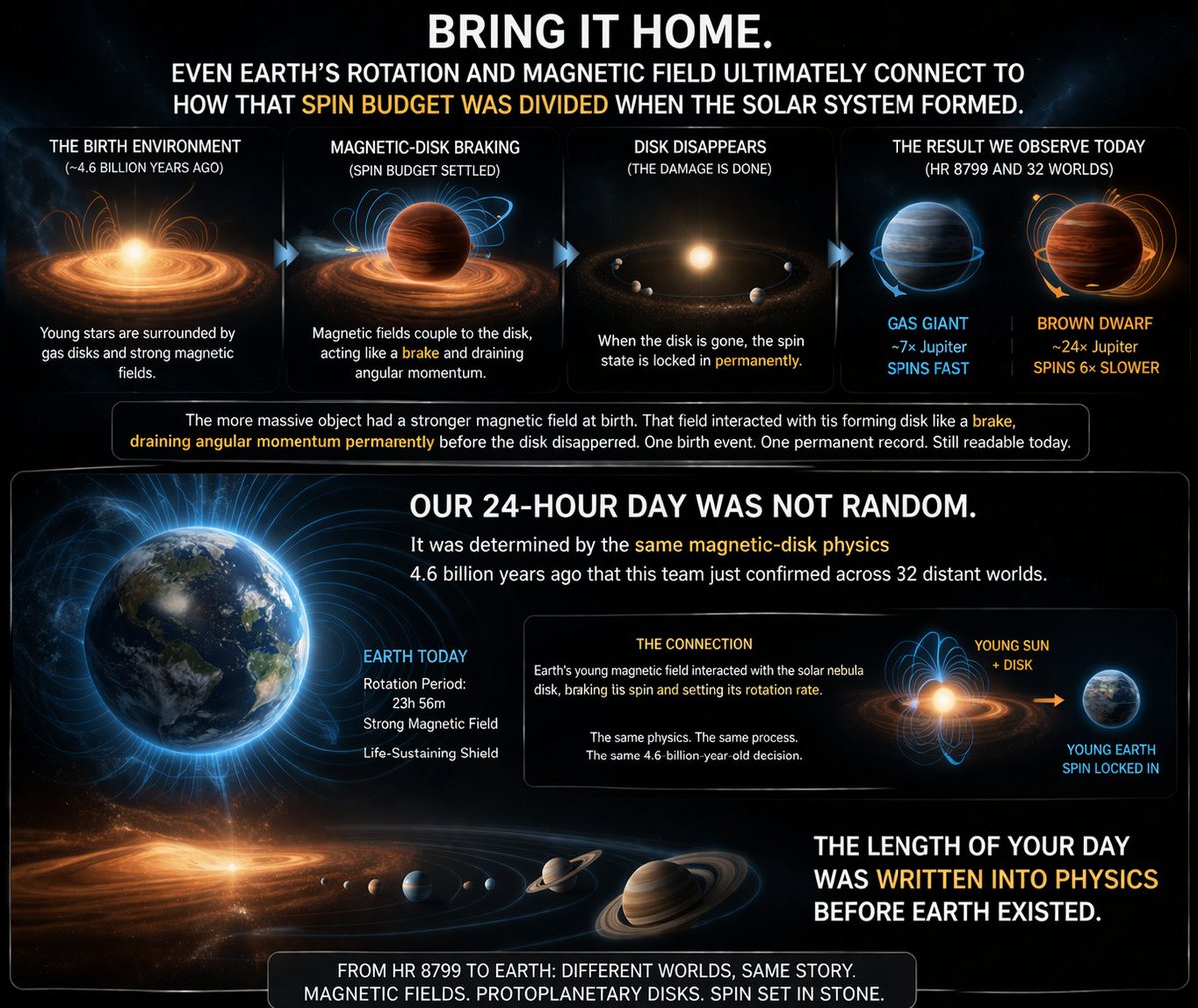
Now bring it home. "Even Earth's rotation and magnetic field ultimately connect to how that spin budget was divided when the solar system formed." Our 24-hour day was not random. It was determined by the same magnetic-disk physics 4.6 billion years ago that this team just confirmed across 32 distant worlds. The length of your day was written into physics before Earth existed.
Explore Space GV tweet media
English
1
0
2
14
Explore Space GV
Explore Space GV@explorespacegv·
A planet's spin speed is a fossil record of its birth. Same solar system. Same star. Same age. One planet spins 6x faster than its neighbor, because of a magnetic braking event over 100 million years ago. Largest exoplanet spin survey ever just confirmed it. Detailed Thread.🧵
Explore Space GV tweet media
English
1
0
2
20
Explore Space GV
Explore Space GV@explorespacegv·
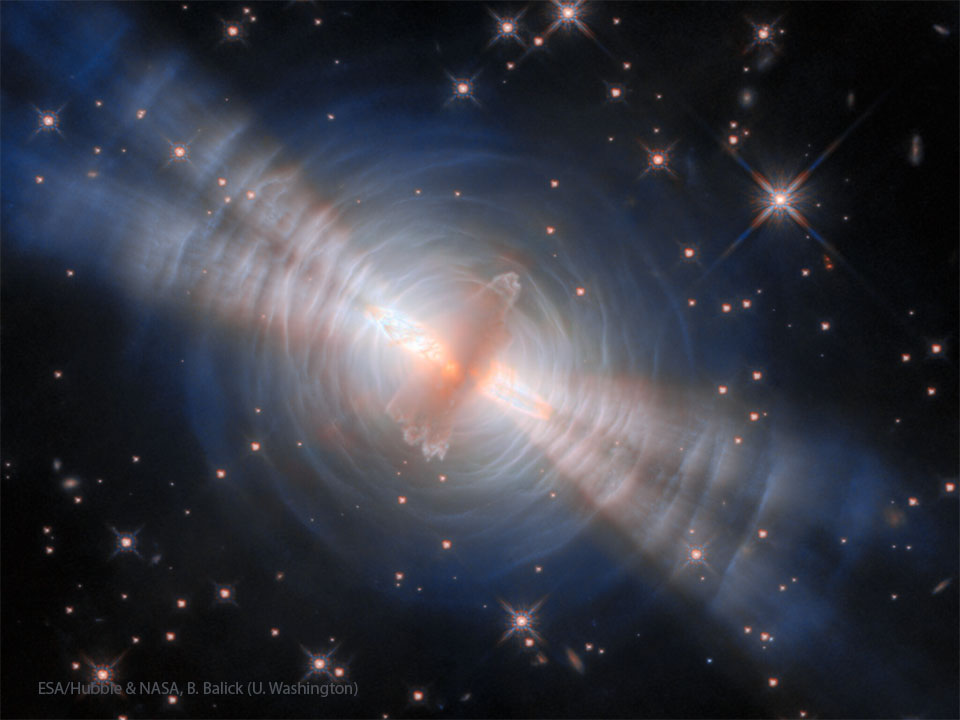
This is what happens when a star like our Sun starts to die. It cracks open like an egg—literally. Astronomers even call it the Egg Nebula. The hot core glows like a yolk, while shells of gas and dust surround it like egg whites. Light beams shoot out through holes carved by jets blasting from the star’s poles. Our Sun will do something similar in about 5 billion years. We’re essentially looking at our own future and it’s beautiful. 🌟 #Space #Astronomy #Hubble #ScienceTwitter #Cosmos #Nebula #SolarSystem #Astrophysics
Explore Space GV tweet media
English
0
0
2
17
Explore Space GV
Explore Space GV@explorespacegv·
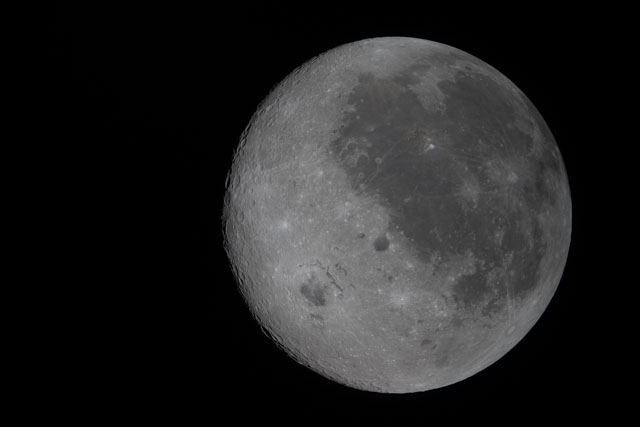
This stunning new photo from the Artemis II crew shows the familiar near side (dark splotches we’ve known for centuries on the right) and the mysterious far side on the left for the first time with human eyes.
Explore Space GV tweet media
English
0
0
2
38
Explore Space GV
Explore Space GV@explorespacegv·
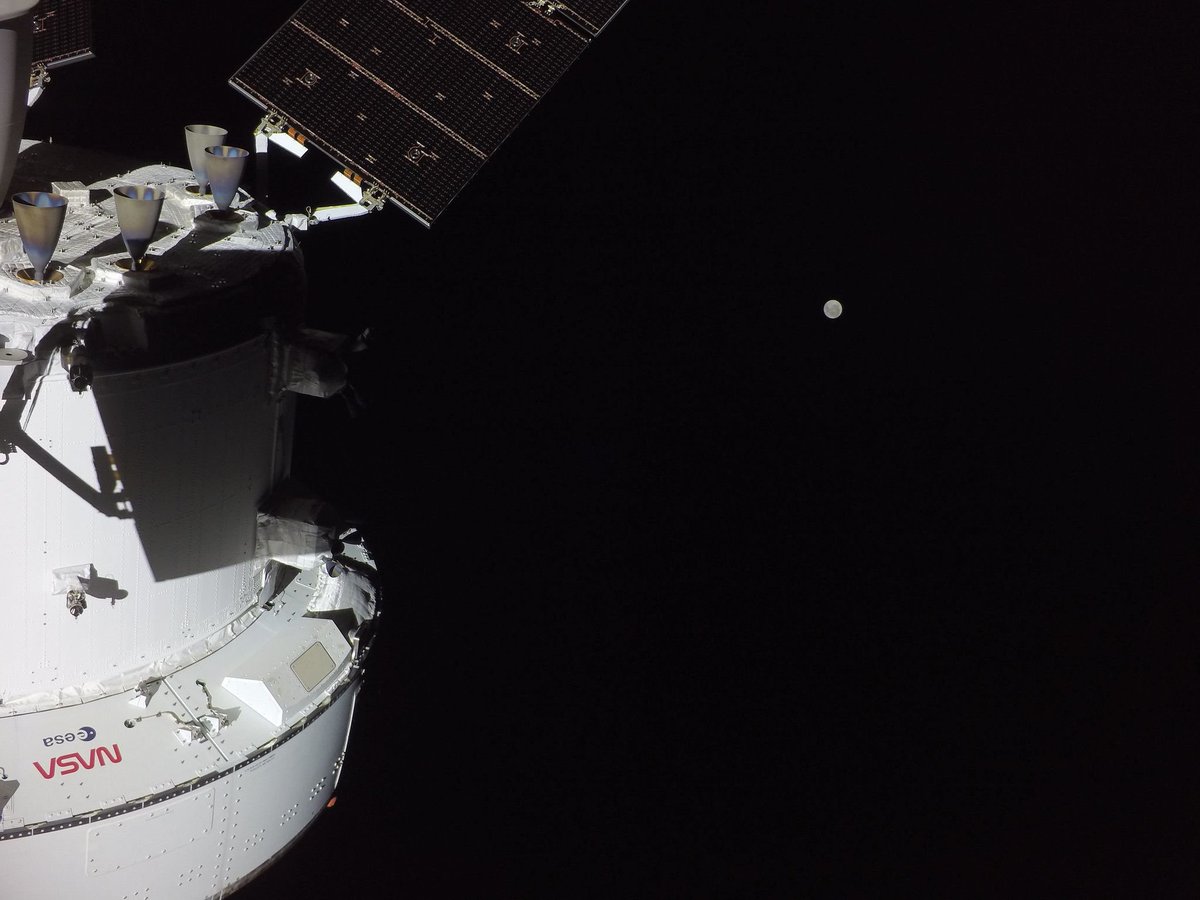
Humans are flying by the Moon RIGHT NOW for the first time since 1972. 4 astronauts. 252,760 miles from Earth. Seeing the lunar far side & poles views Apollo NEVER had. At 8:35 PM ET, they'll watch a solar eclipse from BEYOND the Moon. What would you do first look at Earth or the Moon ?
Explore Space GV tweet media
English
0
2
2
1.5K
Explore Space GV
Explore Space GV@explorespacegv·
@NASA After 53 years since the last crewed lunar mission, four astronauts are about to experience one of the rarest views in human exploration.
English
0
0
2
167
NASA
NASA@NASA·
Morning routine: Wake up, shave, make the bed, witness something that's never before been seen by human eyes. The Artemis II crew is preparing for today's lunar flyby, when they will see the Moon's far side.
NASA tweet mediaNASA tweet media
English
1.1K
4K
51K
1.5M
Explore Space GV
Explore Space GV@explorespacegv·
Yes, the Apollo astronauts never saw the entire Orientale Basin with their own eyes. Apollo crews flew in much lower orbits (about 60–70 miles above the surface) and their flight paths and lighting conditions only allowed partial glimpses at best (Apollo 17 caught a small edge lit by Earthshine). The Artemis II crew is flying at a much higher altitude during this flyby, which gives them a wide-angle view of a much larger portion of the lunar surface including the full 965 km-wide Orientale Basin on the edge of the far side for the very first time in human history. That’s why NASA is calling this moment “history in the making.” Thanks for asking, happy to clarify! 🌕
English
0
0
1
25
NASA
NASA@NASA·
History in the making In this new image from our @NASAArtemis II crew, you can see Orientale basin on the right edge of the lunar disk. This mission marks the first time the entire basin has been seen with human eyes.
NASA tweet media
English
1.9K
14.3K
105.5K
6.4M
Explore Space GV
Explore Space GV@explorespacegv·
@NASA It’s our closest cosmic neighbor, just 3 days away, giving us a 4.5-billion-year-old time capsule that Earth can’t offer because of erosion and plate tectonics.
English
0
0
2
47
NASA
NASA@NASA·
The Moon is special in so many ways. Scientifically, it provides opportunities we simply don't have on Earth. It's near enough to reach with robotic explorers and humans. And for all of us on Earth, it's special because it's ours. 🩶
English
981
2.3K
20.8K
1.8M
Explore Space GV
Explore Space GV@explorespacegv·
90,000 miles from Earth. 168,000 miles from the Moon. The Artemis 2 crew just sent back their first photos and Earth has never looked more fragile, more blue, or more beautiful. This is what it looks like when humans leave home. 🌍.
Explore Space GV tweet media
English
1
2
4
1K
Explore Space GV
Explore Space GV@explorespacegv·
@NASA On their fifth flight day, the Artemis II crew wakes up to "Working Class Heroes (Work)" by CeeLo Green , a perfect motivational anthem as they continue testing Orion in deep space, hundreds of thousands of miles from Earth.
English
0
0
4
327
NASA
NASA@NASA·
We're going to work! As our Artemis II astronauts begin their fifth flight day, they're listening to today's wakeup song: "Working Class Heroes (Work)" by CeeLo Green.
English
900
1.9K
36.5K
1.5M