

Xavier Iturbide
5.8K posts


Uyy compas, borraron en mural de palestina y pusieron cosas de Nintendo unos grafiteros
Que estamos haciendo mal? Matan la memoria compas 🐷


Español
Español

@JaliscoVial @Trafico_ZMG @PabloLemusN De nuevo la fila de Cafenio. Ahora invaden el otro carril, para cuándo harán algo las autoridades?


Español
@RaulGtzNR A un cuate de mi escuela lo mató el dueño de la casa que estaba pintando. Tenía 16 años.
Español

Sube a pintar un grafiti, pero aparece el dueño y le fue muy mal...
Español



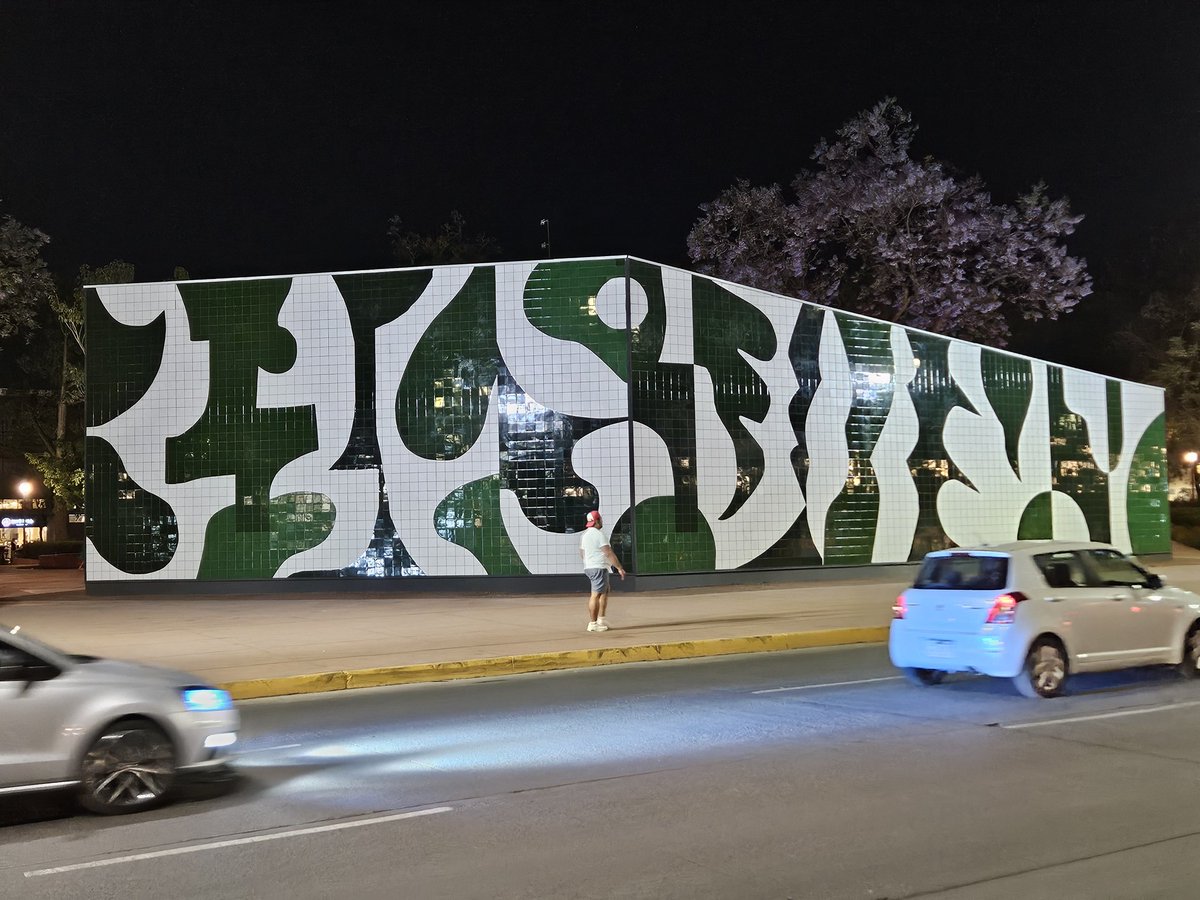
Si usted como yo pasa por el Parque Rojo y se pregunta por el significado o inspiración de los nuevos murales de 2 millones, la artista lo explica en su instagram: plantitas en verde óxido Barragán.
Artista: Alejandra Laviada (CDMX, 1980) en colaboración con Cerámica Suro.

Español

¡Excelentes noticias! Personal a cargo de @AlessandraRdlv retira al ambulantaje sobre Paseo de la Reforma.
La auténtica Jefa de Gobierno revierte la iztapalazación de la Ciudad de México cortesía de @ClaraBrugadaM.
Por un México de primera, no de cuarta.
Español

@ivanfamil Ni tanto que queme el santo, ni tampoco que no lo alumbre. Ni los árabes, ni los otomanos eran unas blancas palomitas. También tenían siglos partiéndose la madre entre ellos.
Español
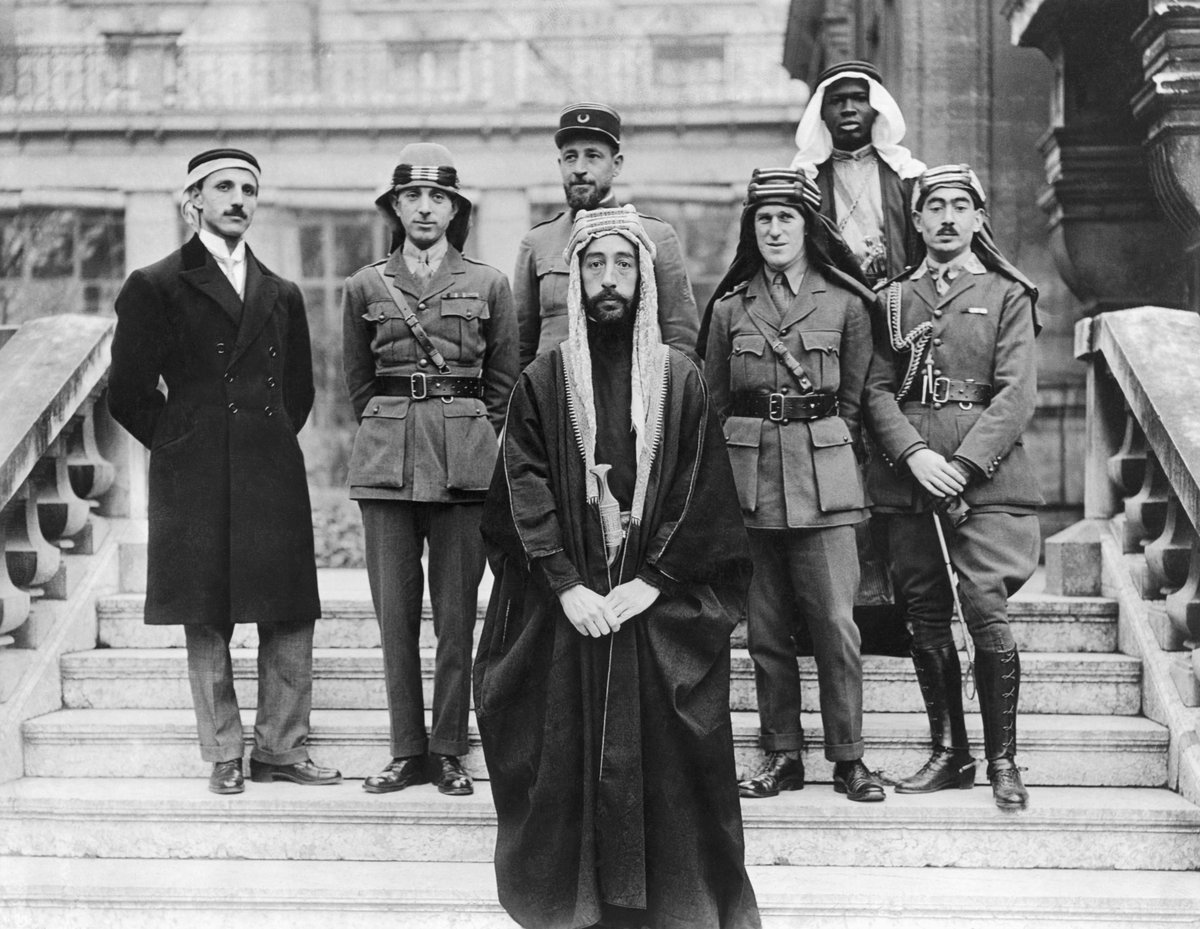
¿Sabías que el conflicto más sangriento y duradero de nuestra era fue diseñado en secreto por dos elegantes aristócratas tomando el té? Estos canallas dividieron el Medio Oriente usando una simple regla de madera, condenando a millones a una guerra eterna. Tira del hilo 🧵👇🏽👇🏽👇🏽
Español
@jesus_solis La India no es más que una Iztapalapa de 1000 millones de habitantes
Español

Xavier Iturbide retweetou

@Trucha_chitos17 @MrCalambres Tipico dueño de Razr. Todos son identicos.
Español


@RealArturoH Lamento decirte que si son 2 sistemas ferroviarios diferentes, que se parecen si, el metro es un sistema más pesado y que se caracteriza por su capacidad de abordaje, entre otras.
La verdad es que vendría bien a GDL un metro pero es mucho más costoso que el tren ligero
Español

Vaya que sí les ardió el post comparando el metro de CDMX y el de Guadalajara.
Por cierto: “Metro” se le dice por “Metropolitano”. En Guadalajara le solemos llamar tren ligero pero es un sistema ferroviario (como el de CDMX) que interconecta la Zona Metropolitana de Guadalajara.
Español

Me voy enterando que @gamesa_mx ya no hace las galletas piruetas de limón porque al usar ingredientes naturales en la receta, ya no le era económicamente viable y prefirió ya no hacerlas, ahora tiene emperador sabor limón que hace con ingredientes artificiales.

Español
Por eso en @GobiernoJalisco seguimos teniendo problemas en el aeropuerto, porque el sindicato de Taxistas y la @GN_MEXICO_ quieren mantener su monopolio a costa del usuario.
Handre@Handre
NYC taxi medallions hit $1.3 million each in 2013. Then Uber launched and destroyed that artificial scarcity overnight. By 2018, medallions traded for $160,000 - an 88% collapse that represents the largest peacetime transfer of wealth from rent-seekers to consumers in modern history. The taxi cartel had politicians bought and paid for (Bloomberg took $50K from taxi interests while blocking ride-sharing apps). They artificially restricted supply to maybe 13,000 yellow cabs in a city of 8 million people. You'd wait 45 minutes in the rain while empty cabs refused to go to Brooklyn. Uber didn't just compete - it obliterated the entire regulatory capture scheme. Consumers voted with their phones, choosing abundant rides over government-rationed scarcity. The medallion owners screaming about "unfair competition" sound exactly like telegraph operators complaining about the telephone (creative destruction works both ways, fellas). This is why bureaucrats hate entrepreneurs. Every successful startup exposes how unnecessary their permission slips really were...
Español
@lola7diaz 1. Mala calidad
2. Edificios mal ubicados o inadecuados
3. Falta de interés (cultura) de la sociedad
4. Mala selección de obra
Español

Xavier Iturbide retweetou

️#IDEAS Xavier Iturbide escribe: "El neomudéjar olvidado de Guadalajara".
informador.mx/ideas/el-neomu…
Español
@ShuttleexpressM @tiopedritosola Tu tiempo vale tan poco, que puedes esperar 2 horas a que te toque turno de taxi sin preocuparte.
Español

@tiopedritosola Si no quieres caminar agarra tu taxi de aeropuerto y paga lo que cobran , ya que ellos pagan a permisos y tienen placas federales para estar en el aeropuerto eso es lo que no quieres entender viejo.
Español
Xavier Iturbide retweetou

Llegas al Aeropuerto de Guadalajara, muy bonito y moderno, pero tan pronto, sales y quieres pedir un Uber o un Didi, NO PUEDES, tienes que tomar Taxi del Aeropuerto y si decides no usarlos, hay que caminar 1km por una calle en reparación y ahi junto a la carretera, pedirlo..
Español

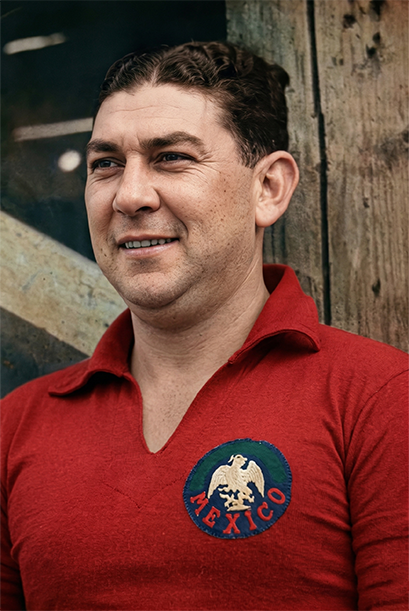
Continuando con el tema de los uniformes nacionales. Hoy les presento un pequeño hilo con los sueteres mas característicos de nuestros porteros nacionales. Empezando desde el mero principio de todo.
***Uniformes de Portero 1923 - 2026 ***
Primera Parte:
Español

@AltRightEspan Es normal que si no te gusta la semana santa y tengas que pasar por ahí pases, no vas a rodear una calle entera para llegar a tu destino.
Español

Esto ha ocurrido durante una procesión en Calatayud, Zaragoza 💀💀
Español