Ghost of Hellas

10.6K posts

Ghost of Hellas banner
Ghost of Hellas

Ghost of Hellas

@ghostofhellas

Greek art and culture through the ages. 🏛️ Your gateway to Ancient Rome & archaeology tours 👉https://t.co/2jy9H678xV

New Rome Entrou em Kasım 2015
38.6K Seguindo216.4K Seguidores
Ghost of Hellas retweetou
The Byzantine Legacy
The Byzantine Legacy@ByzantineLegacy·
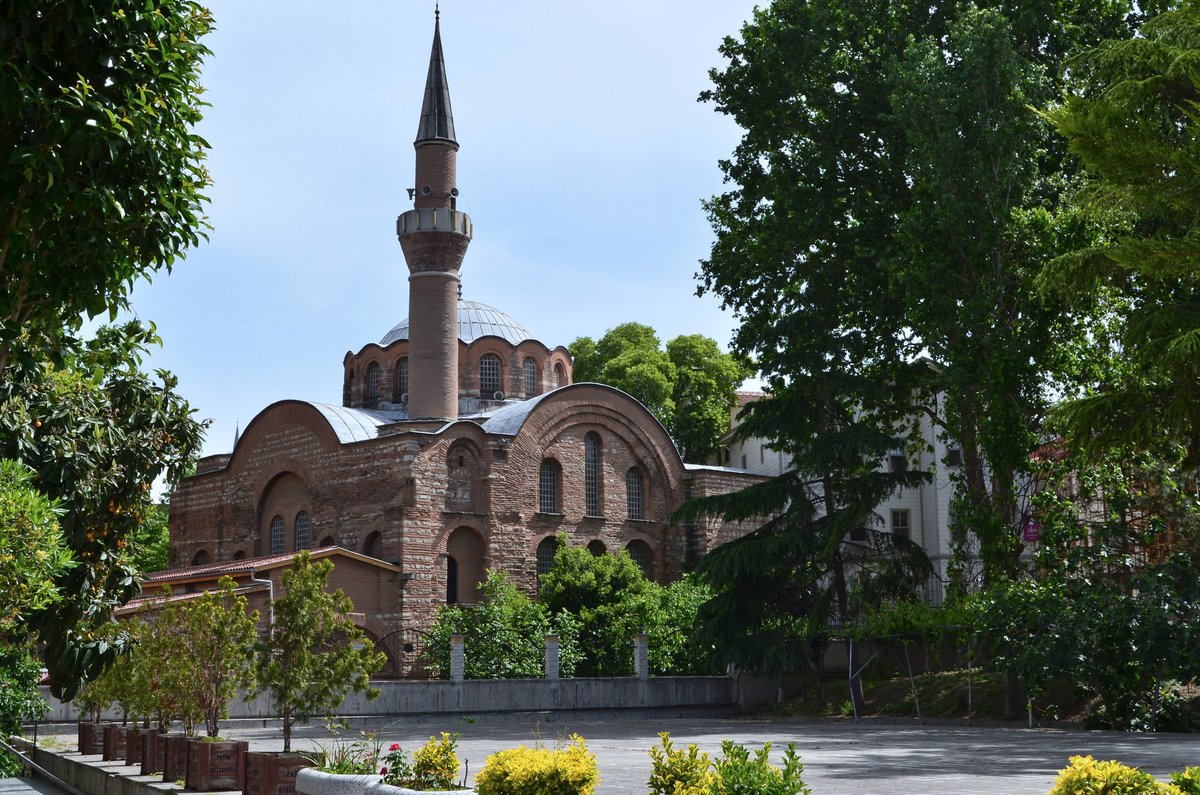
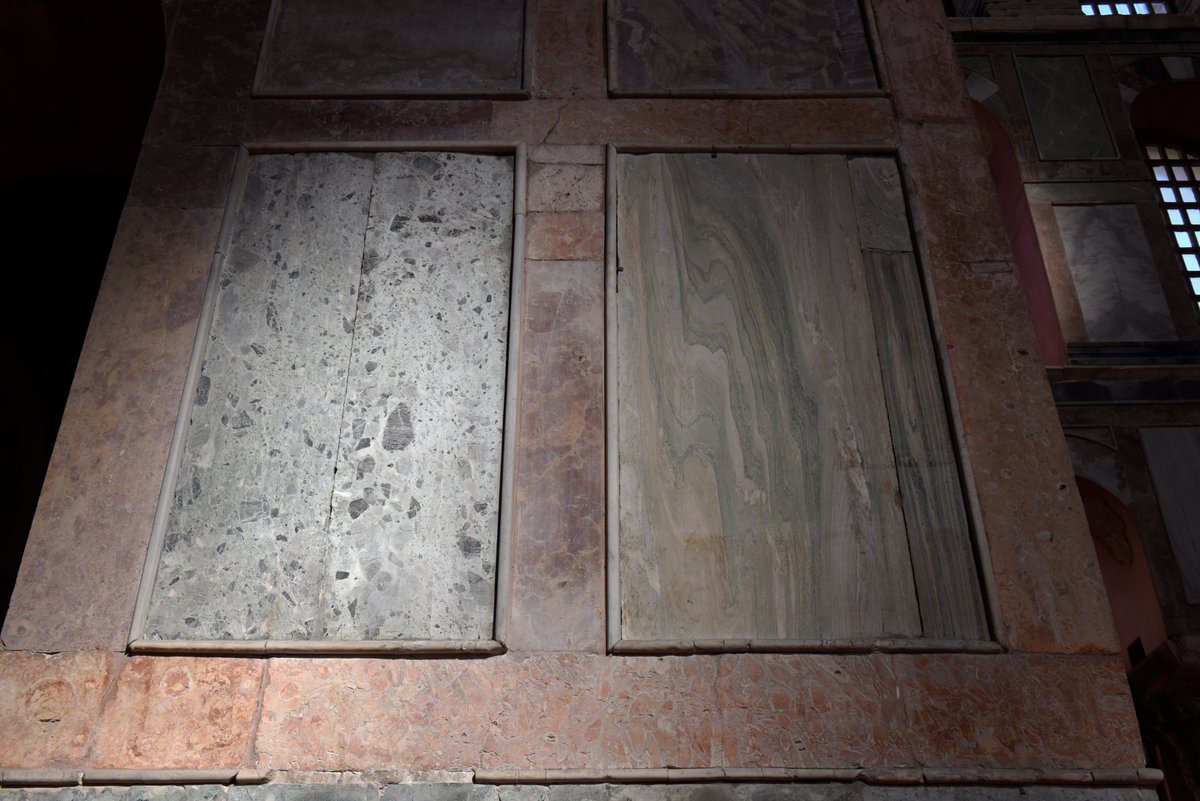
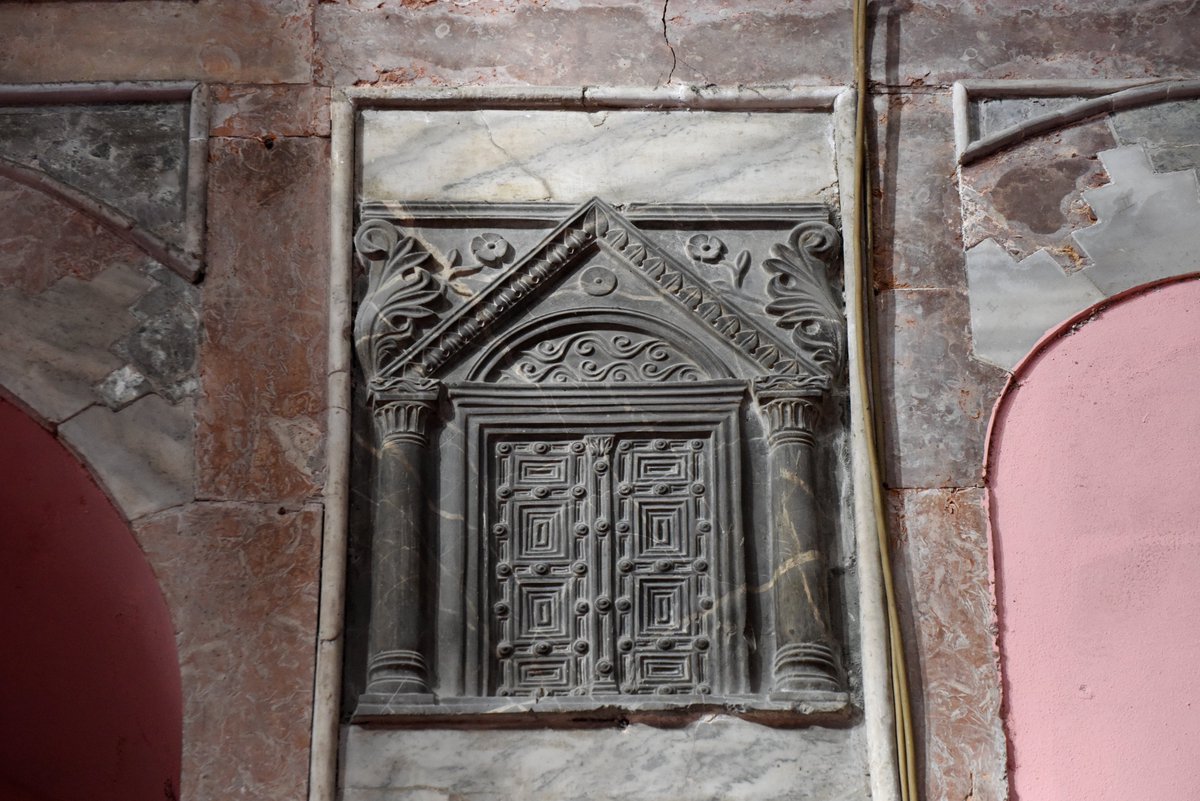
6th-century door plaques made of black breccia with white veins At Kalenderhane Camii/formerly the Church of Theotokos Kyriotissa
The Byzantine Legacy tweet mediaThe Byzantine Legacy tweet mediaThe Byzantine Legacy tweet mediaThe Byzantine Legacy tweet media
English
3
60
409
12K
Ghost of Hellas retweetou
The Byzantine Legacy
The Byzantine Legacy@ByzantineLegacy·
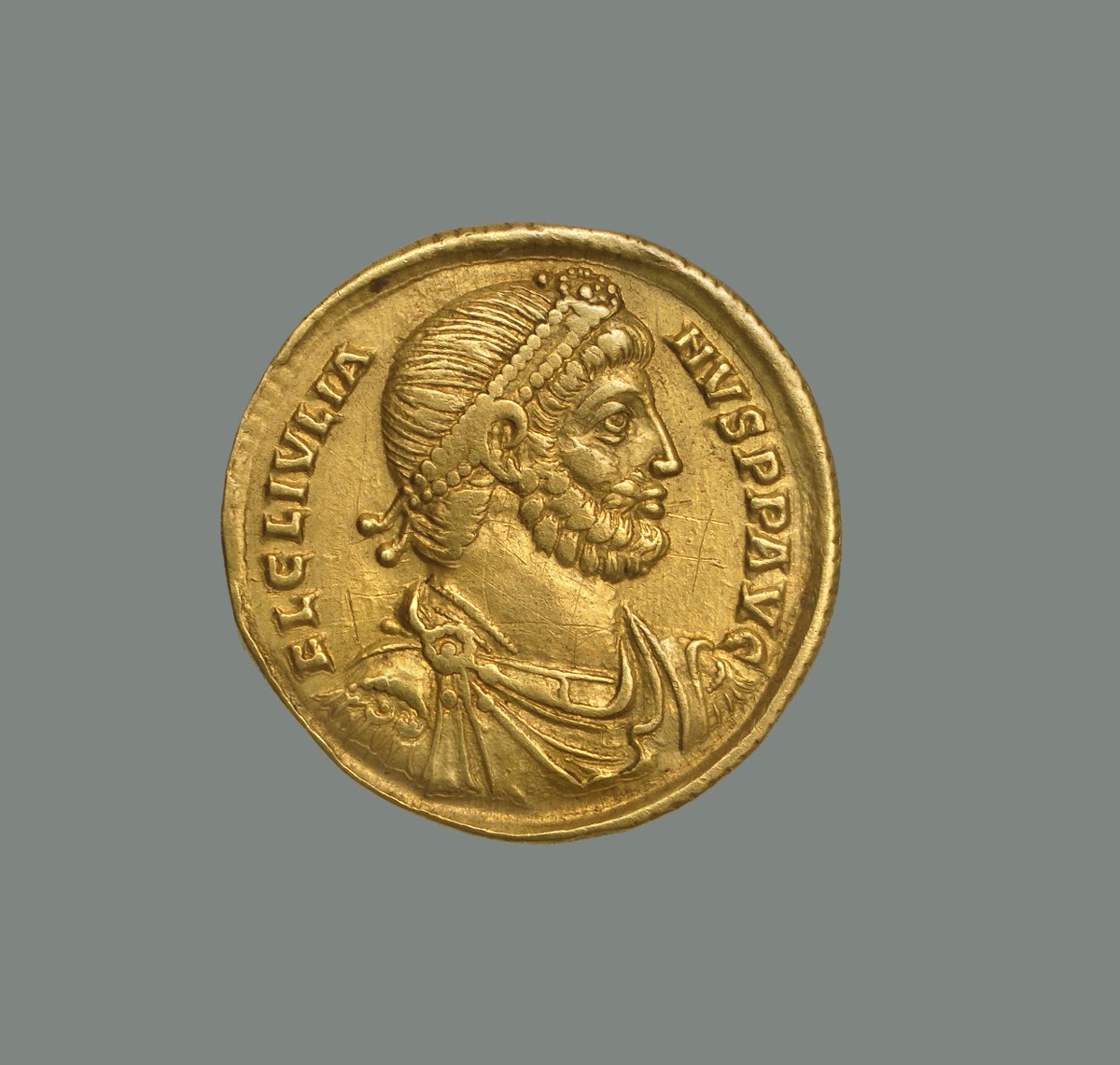
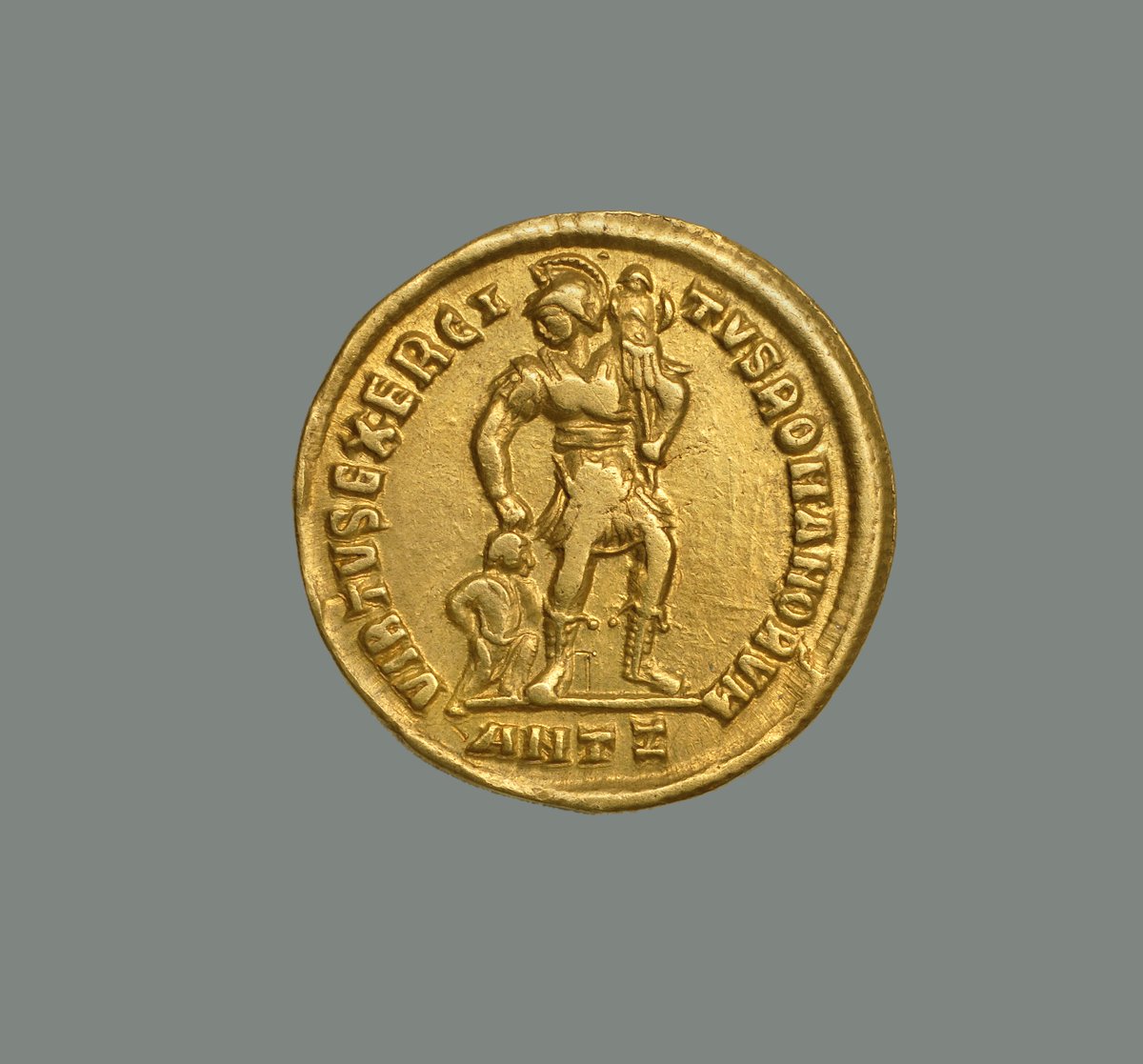
Solidus of Julian (355-363) Minted at Antioch in 362 At Dumbarton Oaks
The Byzantine Legacy tweet mediaThe Byzantine Legacy tweet mediaThe Byzantine Legacy tweet media
English
11
80
537
17.7K
Ghost of Hellas retweetou
Zhai Xiang
Zhai Xiang@ZhaiXiang5·
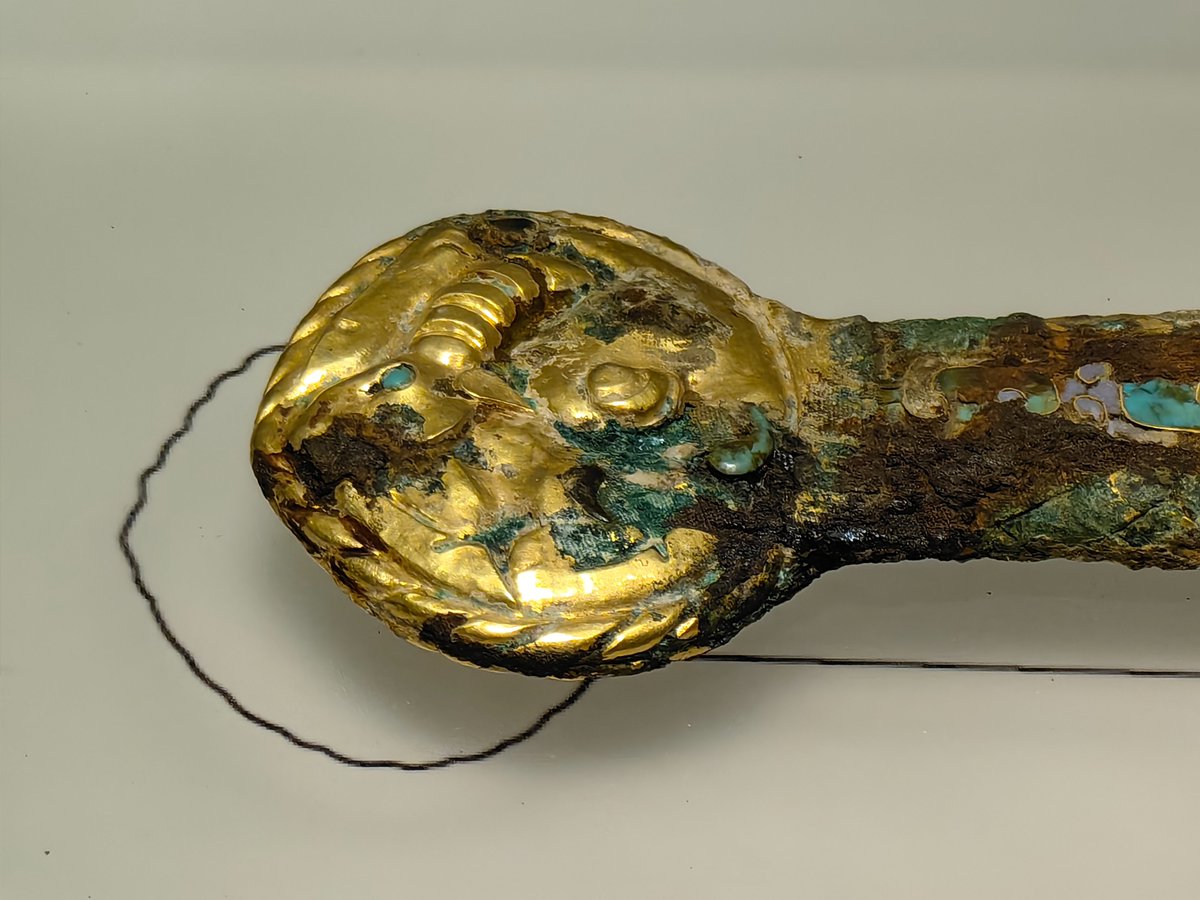
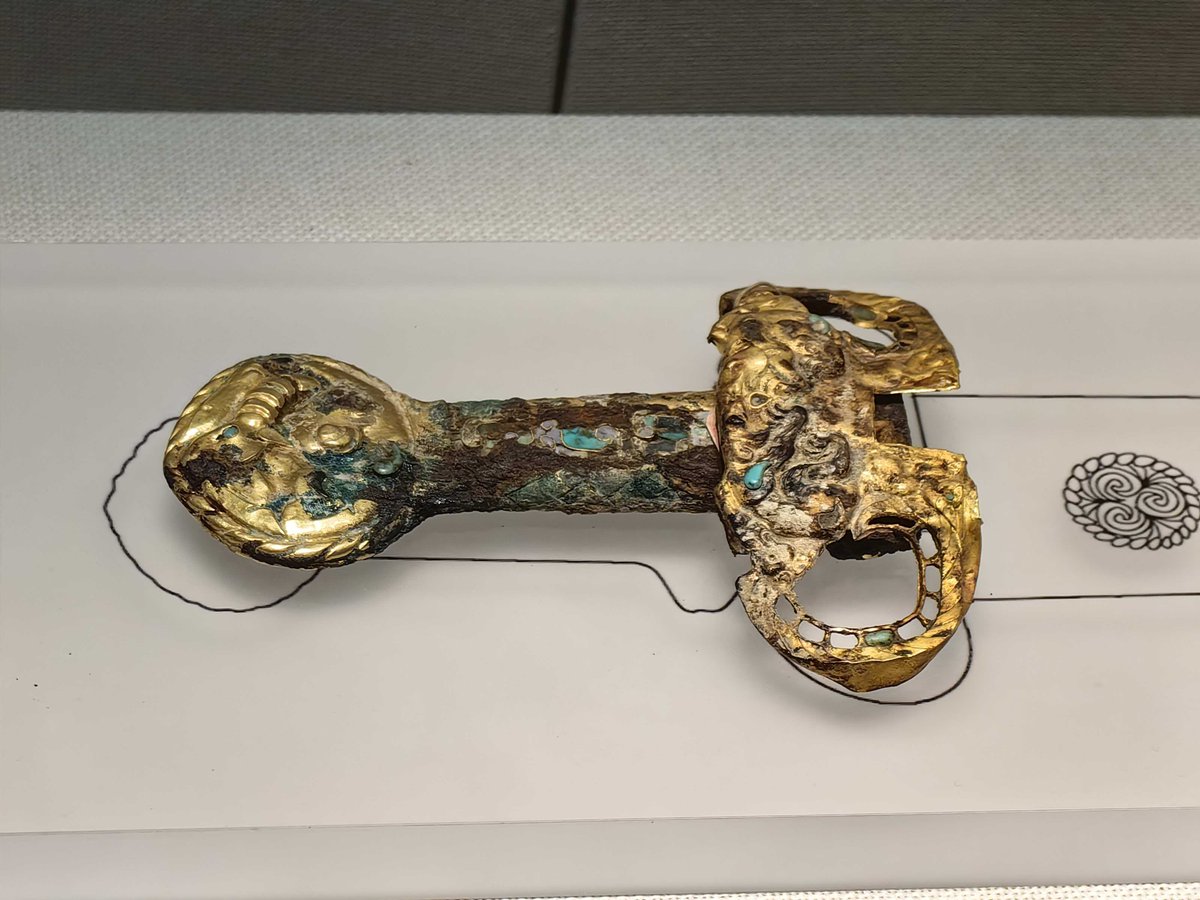
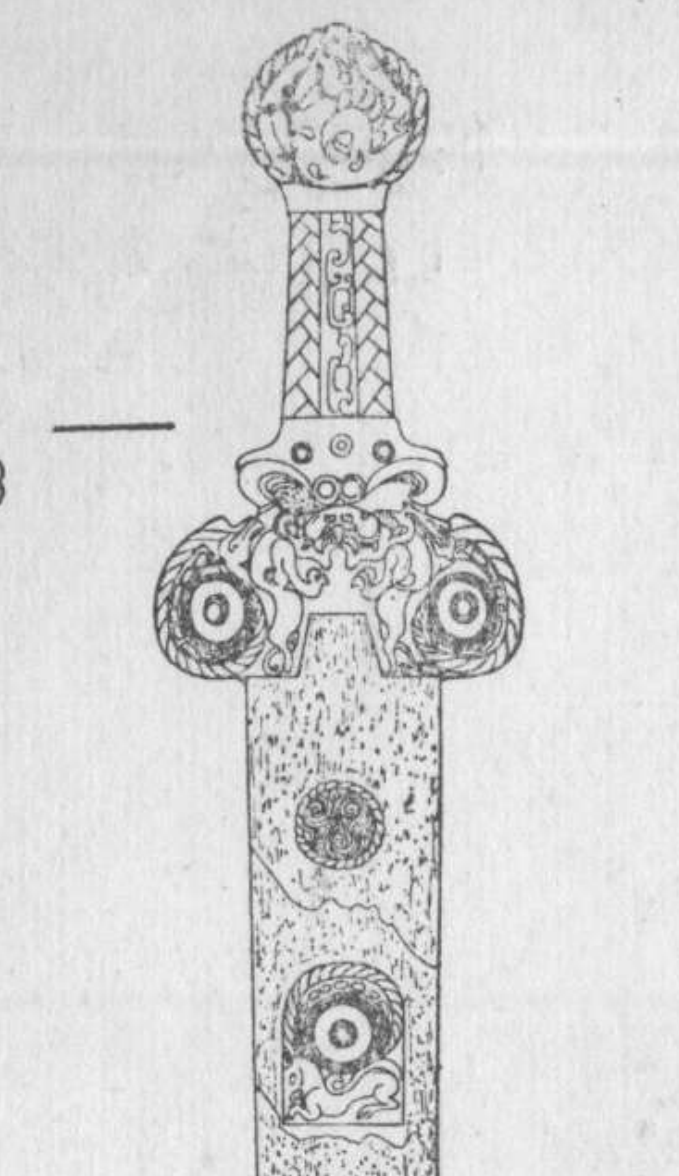
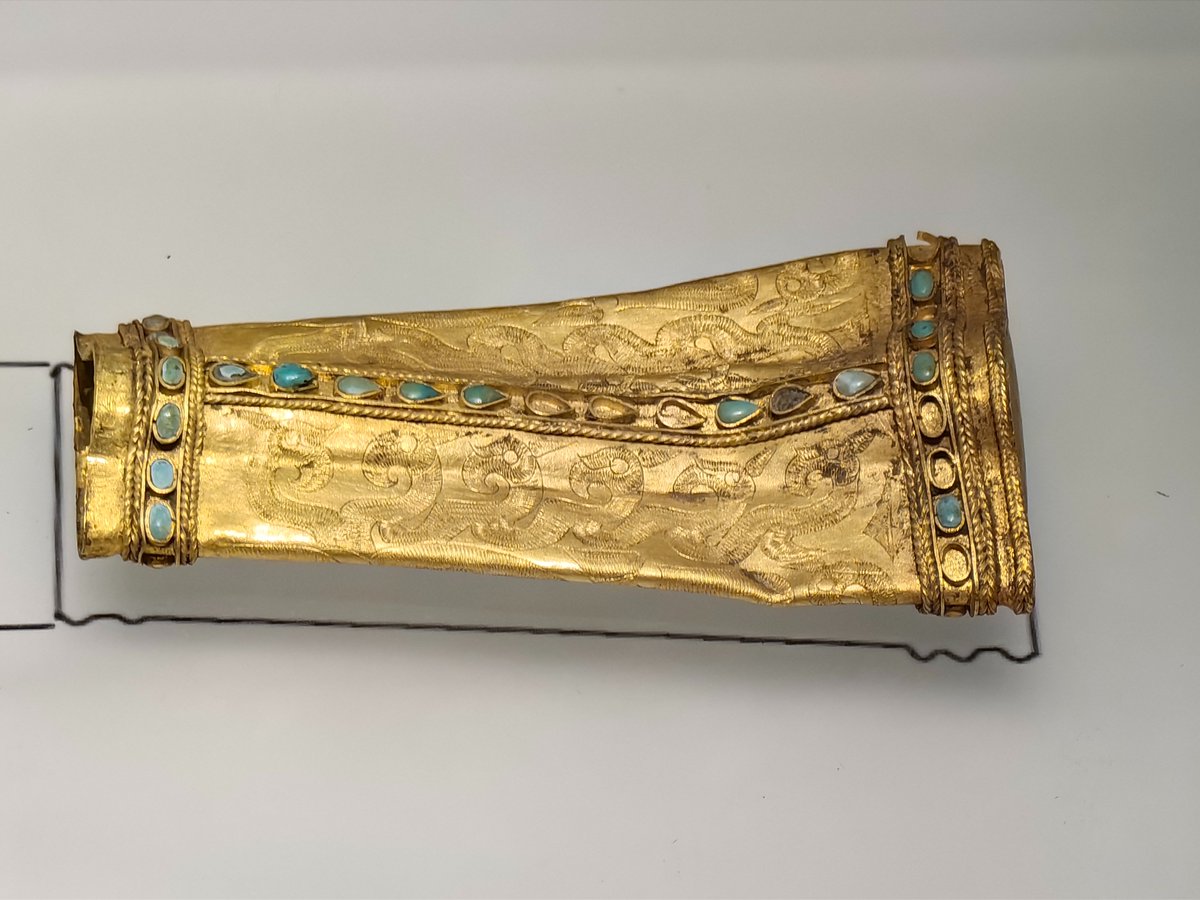
x.com/ZhaiXiang5/sta… Here's the other gold-hilted sword belonging to the mysterious noble of the State of Yan, who may well have personally encountered Jing Ke (荆轲), one of the most famous assassins and warriors in Chinese history. The hilt measures 13 centimeters in length, while the entire sword is 71.6 centimeters long. At the top of the hilt is an exquisitely crafted ram's head (top left). Below it, turquoise and other gemstones are inlaid at the center. The decorative motifs feature the typical Chinese cloud patterns, while the outer edges are adorned with mat-like designs. The composition is layered and refined, demonstrating remarkable craftsmanship. The top of the scabbard is even more intriguing. According to the excavators, it depicts two standing mythical beasts facing each other in combat, with a ram's head positioned behind them. However, this interpretation remains open to debate. Personally, I find it difficult to clearly discern the imagery. I have consulted several leading experts in the field, and they too were unable to offer a definitive conclusion. Feel free to share your perspective-this motif still puzzles us. The gold foil decorations on the decayed scabbard are equally captivating. The second ornament from the top: an oval motif above, and below it a long-tailed beast crouching close to the ground (bottom left). Once again, I cannot help but note its resemblance to European emblems. Further down appears the same bird motif seen on the other sword, creating a visual continuity between the two pieces. The tip of the scabbard, like that of the first sword, is wrapped in gold. Yet there is a difference: one side bears a continuous pattern depicting intertwined dragons and phoenixes (bottom right). There is little doubt that this sword, rich in exotic flavor, also incorporates some of the most important totemic symbols of Chinese civilization. This is a sword that carries both the wild aesthetic of the steppe and foreign worlds, and the encoded symbols of authority from the Central Plains. What, then, might that noble of Yan have experienced in his lifetime? Was he there by the Yi River, raising a cup in farewell to Jing Ke the assassin? Did he witness the shifting winds of power within palace walls on the eve of the First Emperor's unification? Amid clashing blades and galloping warhorses, did he see the cavalry of the northern steppe intersect with the ritual order of the Central Plains? We cannot know for certain. But what we can say is this- In that age when the Six States fell and the realm moved toward unification, he stood both on the frontier of the Warring States world and at the crossroads of civilizations. And this sword is the answer he left behind.
Zhai Xiang tweet mediaZhai Xiang tweet mediaZhai Xiang tweet mediaZhai Xiang tweet media
Zhai Xiang@ZhaiXiang5

x.com/ZhaiXiang5/sta… In this mysterious noble tomb of the ancient State of Yan, located just a few dozen kilometers from present-day Beijing, archaeologists discovered two extraordinarily luxurious gold-hilted iron swords dating to the eve of Qin Shi Huang's unification of China. Their age spans the fading glow of the Bronze Age and the dawn of the Iron Age in China. The Chinese long sword, which emerged more than 2,000 years ago, was likely influenced by shorter blades from the Eurasian steppe. Before Qin unified China, most long swords were still made of bronze. But these two swords are just too exceptional. Their craftsmanship and design have reshaped what we thought we knew about the pinnacle of Warring States weaponry. Today, I introduce the first of the two. The hilt features two sheep reclining face to face, as if resting quietly on the steppe. On the other side of the hilt, two sheep heads stand back to back. Most of the scabbard and blade have decayed with time. But measurements allow us to reconstruct its proportions: the hilt measures 12.2 centimeters, the blade 59.2 centimeters. The scabbard was once adorned with bird motifs that remind me of many European emblems still in use today. The tip of the scabbard, too, was wrapped in gold, without ornament, and needing none. The material itself was proof of noble lineage. It stands on the axis of civilization: a technological summit of Warring States ironwork; a meeting point of steppe totems and Central Plains ritual order. Its owner must have witnessed the clash of blades and the sweeping tides of history on the eve of Qin Shi Huang's unification of China. Tomorrow, I will share the second sword. That one bears dragons and phoenixes-and there, you will see even more clearly: the intertwined trajectory of Central Plains civilization and the cultures of the Eurasian steppe. History was never a wall. It was always a frontier.

English
5
23
178
29.4K
Ghost of Hellas
Ghost of Hellas@ghostofhellas·
View on Acropolis from ancient agora, Athens, Greece.
Ghost of Hellas tweet media
English
6
30
281
5.6K
Ghost of Hellas
Ghost of Hellas@ghostofhellas·
Delos, Greece
Ghost of Hellas tweet media
Español
2
91
685
8.8K
Ghost of Hellas
Ghost of Hellas@ghostofhellas·
Sculptures of Cleopatra and Dioskourides in The House of Cleopatra, Delos island, Greece
Ghost of Hellas tweet media
English
6
64
433
6.9K
Ghost of Hellas retweetou
The Byzantine Legacy
The Byzantine Legacy@ByzantineLegacy·
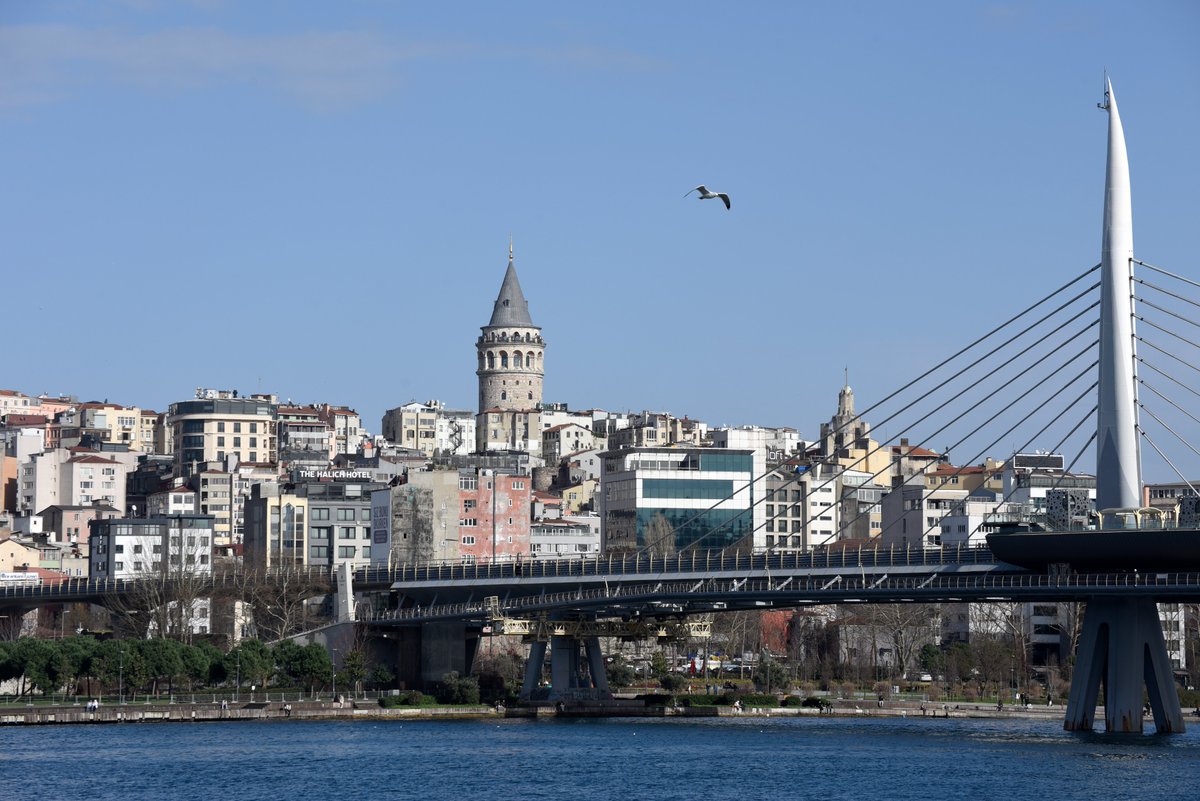
Galata Tower, dome of Zeyrek Mosque/formerly Pantokrator Monastery, marble revetment of Kalenderhane Mosque/Kyriotissa Monastery, and the Column of Constantine and Nuruosmaniye Mosque Photos taken today
The Byzantine Legacy tweet mediaThe Byzantine Legacy tweet mediaThe Byzantine Legacy tweet mediaThe Byzantine Legacy tweet media
English
0
30
247
16.5K
Ghost of Hellas
Ghost of Hellas@ghostofhellas·
The olive tree at Vouves, in the Kolymbari district of Crete, is at least 2,000 years old and reportedly carbon-dated 3,500-5,000 year.
Ghost of Hellas tweet media
English
3
56
378
7K
Ghost of Hellas retweetou
The Byzantine Legacy
The Byzantine Legacy@ByzantineLegacy·
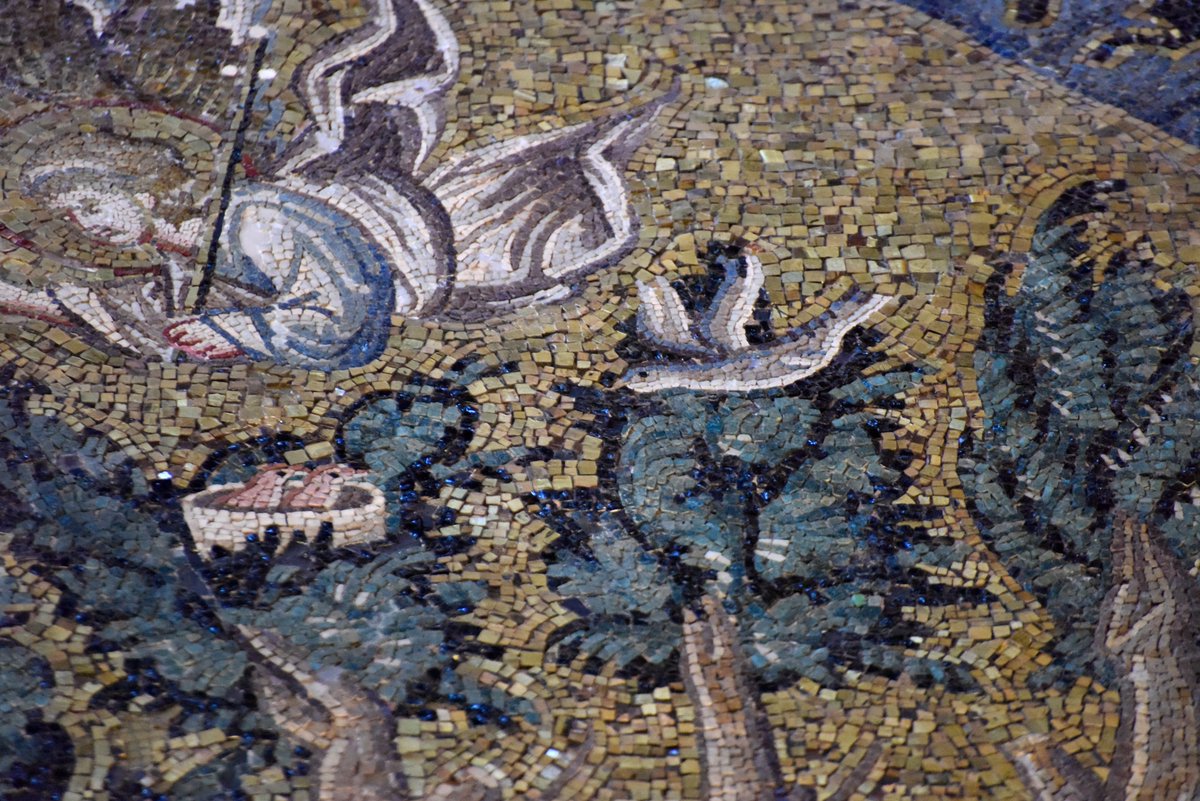
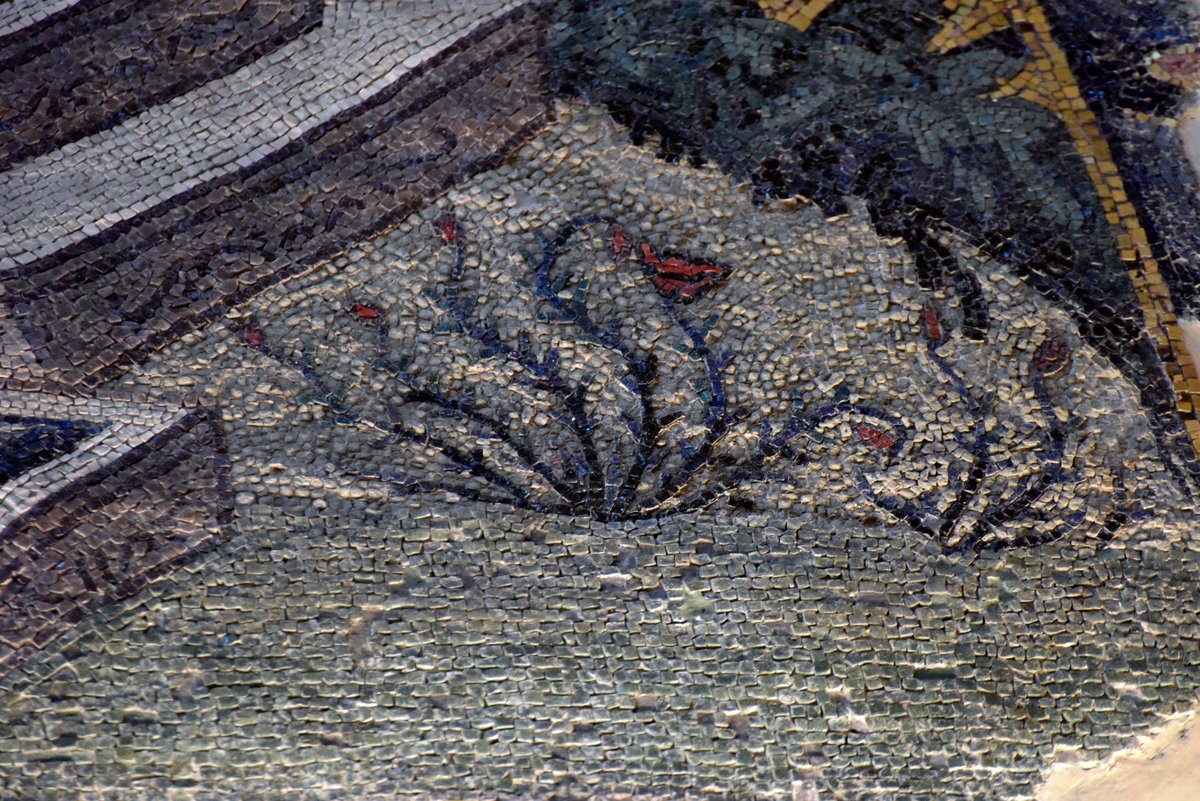
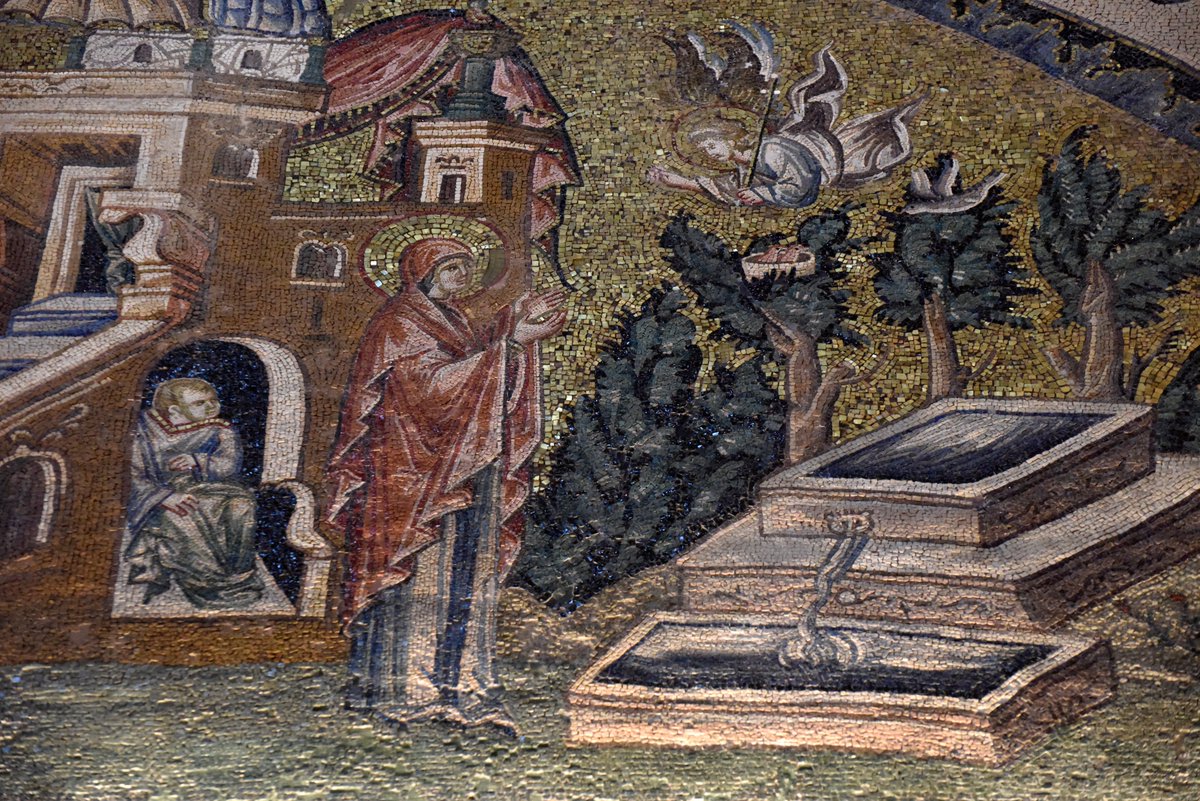
The Annunciation to St. Anne “Alas…I am not like the birds of the sky, for the birds of the heavens are fruitful before you, oh Lord.” From the Gospel (Protoevangelium) of James As St. Anne prays in the garden, an angel announces that she will bear a child (the Virgin Mary).
The Byzantine Legacy tweet mediaThe Byzantine Legacy tweet mediaThe Byzantine Legacy tweet mediaThe Byzantine Legacy tweet media
English
1
29
161
6.7K
Ghost of Hellas
Ghost of Hellas@ghostofhellas·
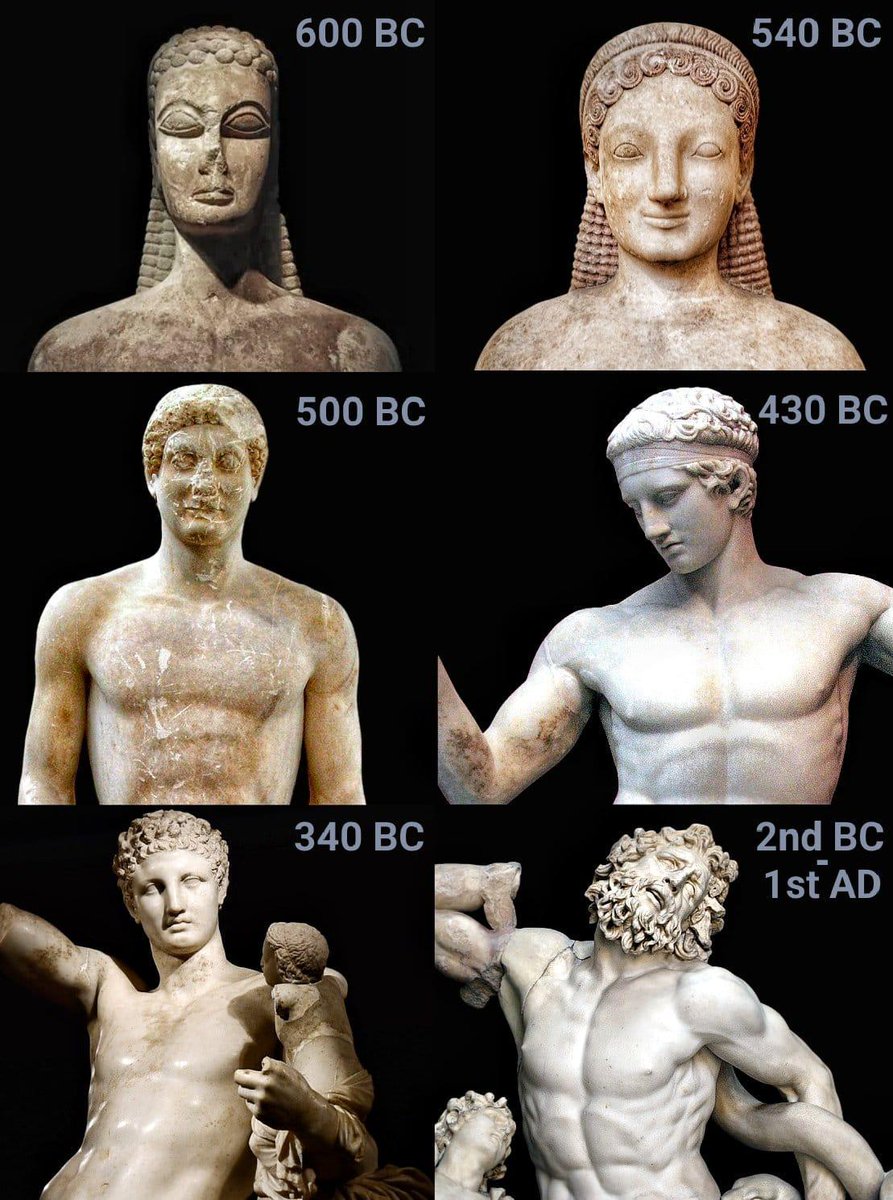
The Evolution of Ancient Greek Statues
Ghost of Hellas tweet media
English
36
435
3.8K
211.5K
Ghost of Hellas
Ghost of Hellas@ghostofhellas·
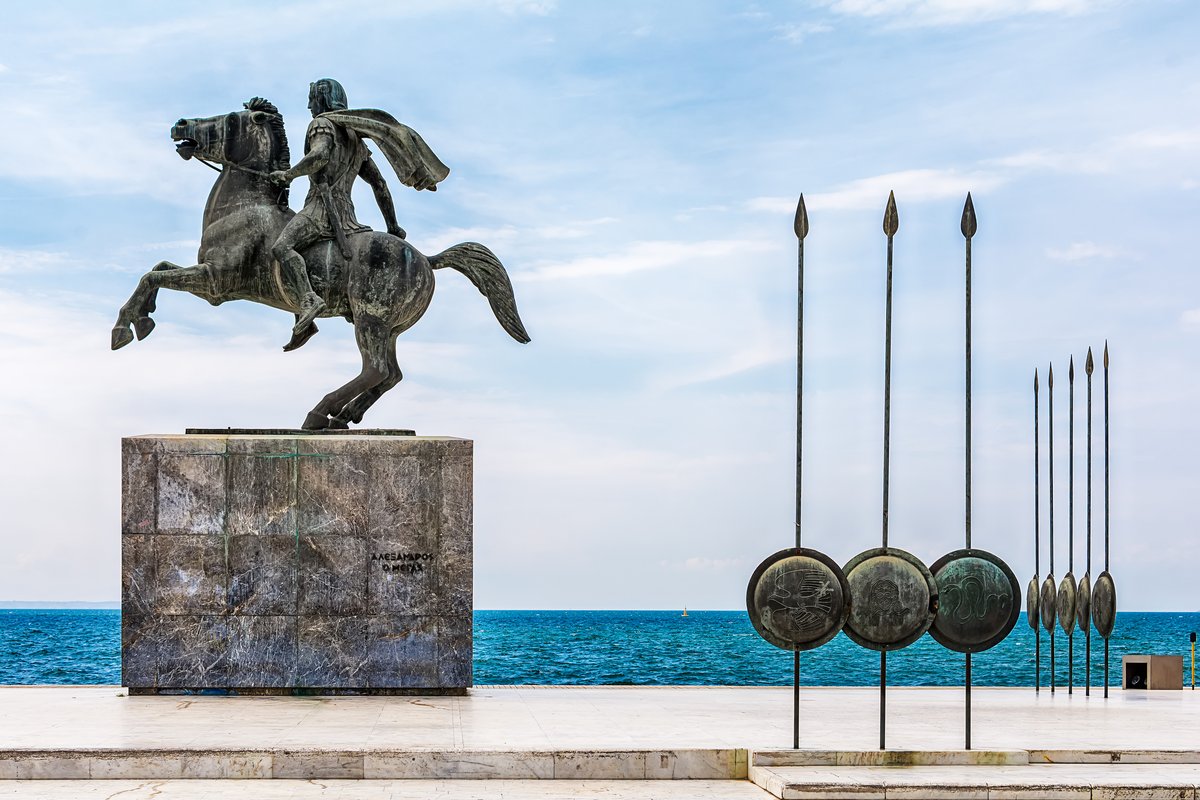
Statue of Alexander the Great in Thessaloniki
Ghost of Hellas tweet media
English
19
419
4.7K
190.9K
Ghost of Hellas
Ghost of Hellas@ghostofhellas·
Segesta, Sicily
Ghost of Hellas tweet media
Español
5
50
409
6.3K
Ghost of Hellas
Ghost of Hellas@ghostofhellas·
Temple of Hera in Selinunte, Sicily
Ghost of Hellas tweet media
English
2
67
443
6.3K
Ghost of Hellas
Ghost of Hellas@ghostofhellas·
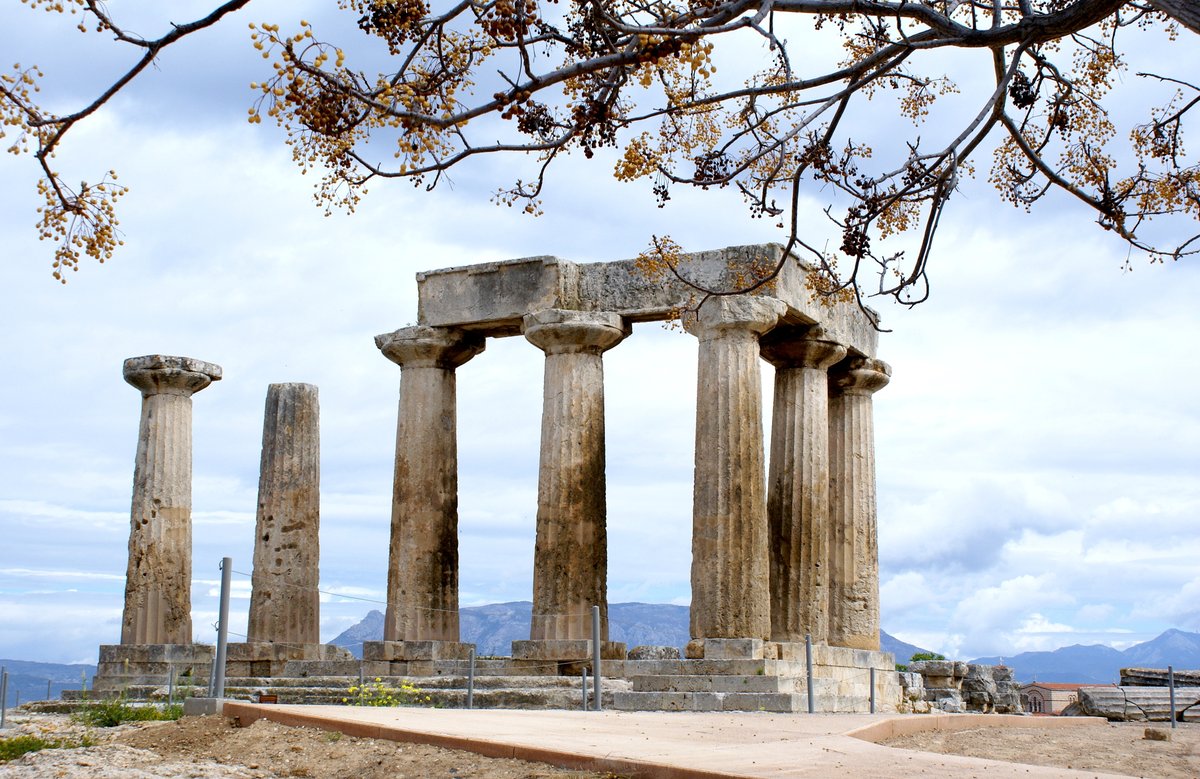
Corinth, Greece.
Ghost of Hellas tweet media
English
1
55
523
6.7K
Ghost of Hellas
Ghost of Hellas@ghostofhellas·
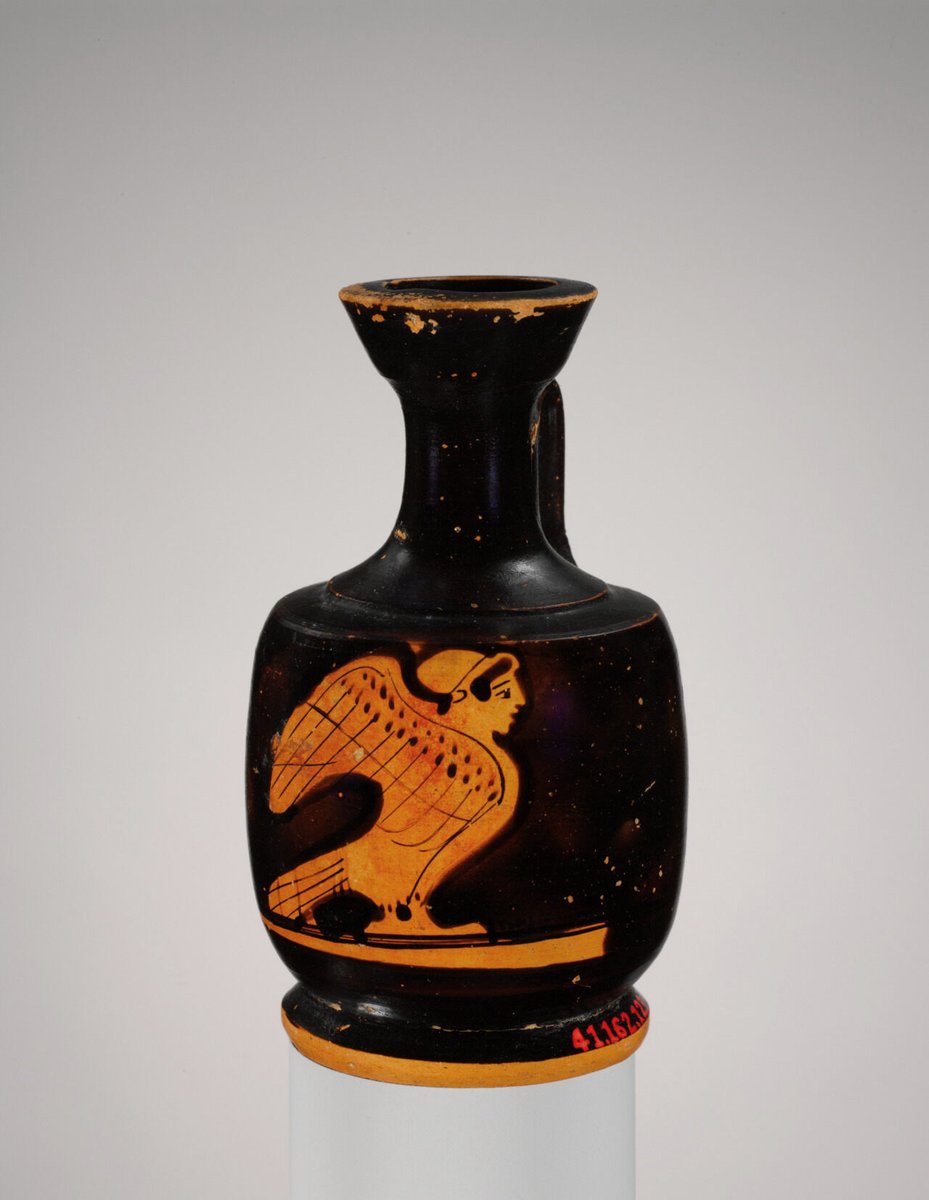
Attributed to the Seireniske Painter - Miniature terracotta lekythos with a siren motif. Mid-5th century B.C.
Ghost of Hellas tweet media
English
3
35
205
4K
Ghost of Hellas
Ghost of Hellas@ghostofhellas·
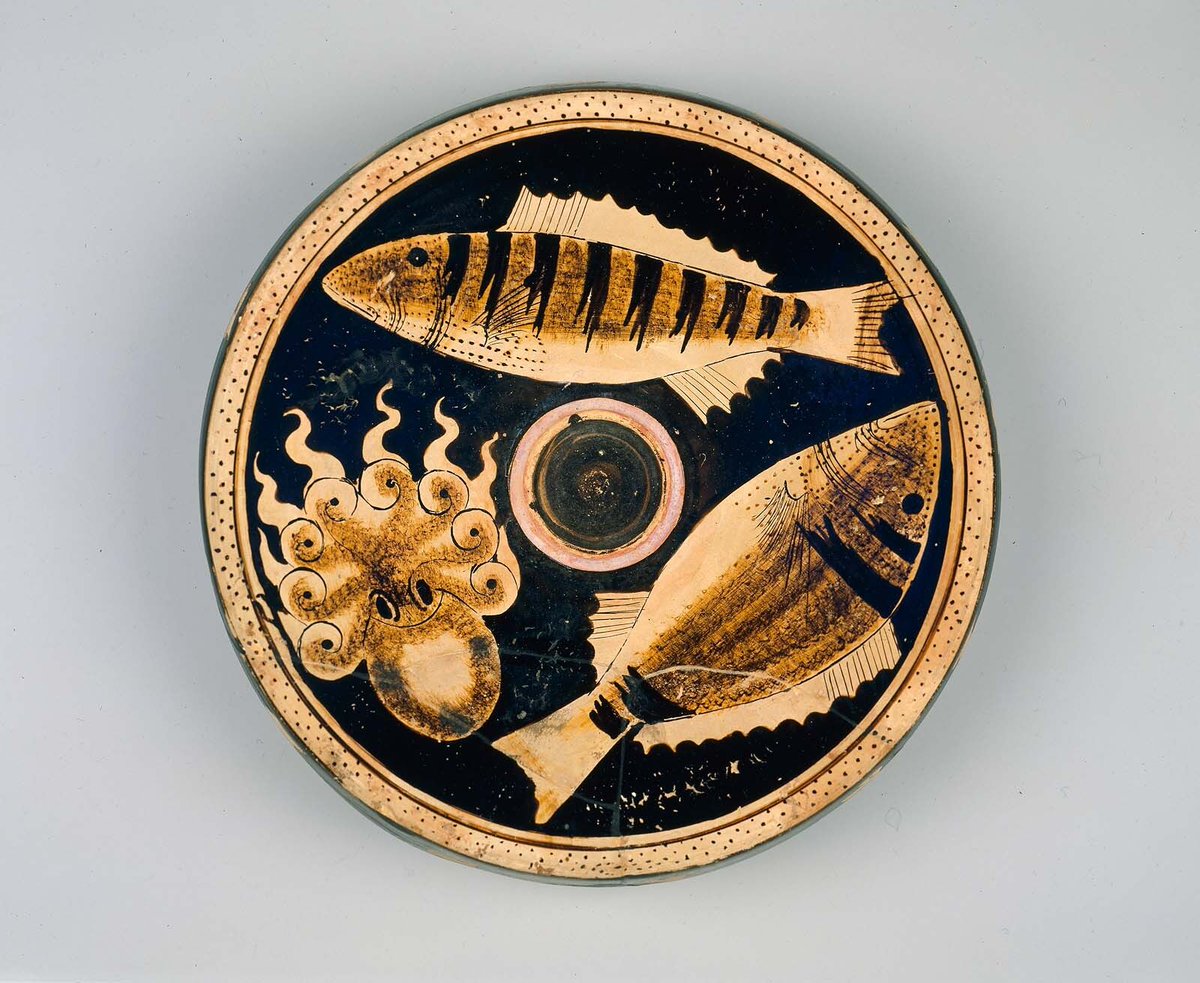
Campanian fish plate. Culture/Period: Greek, South Italian, Late Classical Period Date: ca. 350–325 B.C. Place of origin: Campania, Italy Medium: Ceramic, Red Figure
Ghost of Hellas tweet media
English
4
41
239
4.5K