
Go to sea for science!

376 posts

Go to sea for science! banner
Go to sea for science!

Go to sea for science!

@goseascience

We are a NASA-funded community of nature lovers and scientists discovering life on the ocean's surface! Go to sea with us! Account managed by Ari Puentes.

Entrou em Nisan 2021
13 Seguindo2.6K Seguidores
Tweet fixado
Go to sea for science!
Go to sea for science!@goseascience·
LET’S PUT OCEAN SURFACE LIFE ON THE MAP!📍Dense life on the ocean surface like this has been reported by naturalists for centuries, yet we still know SO LITTLE about these surface ecosystems…and we need YOUR HELP! [thread] 📸: Scott Horton
Go to sea for science! tweet media
English
4
56
253
0
Go to sea for science!
Go to sea for science!@goseascience·
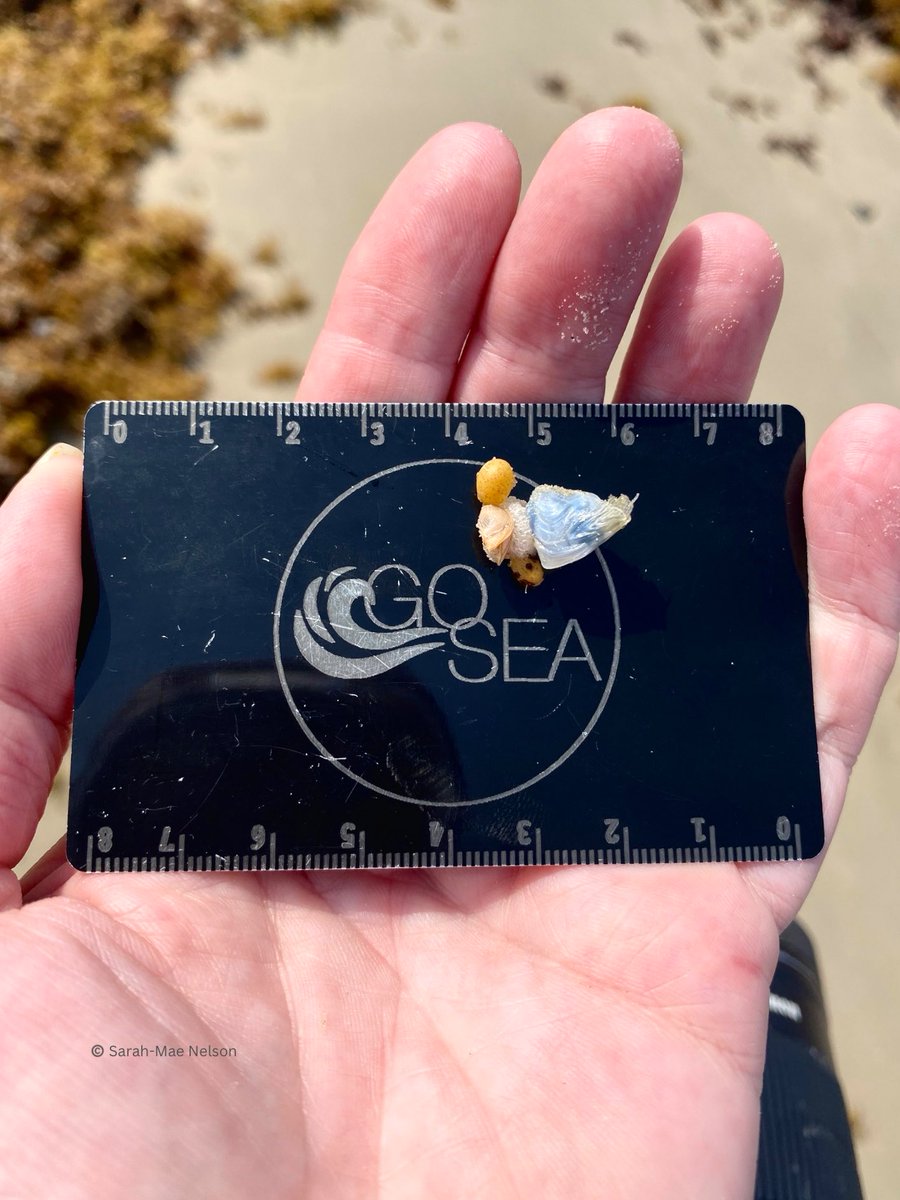
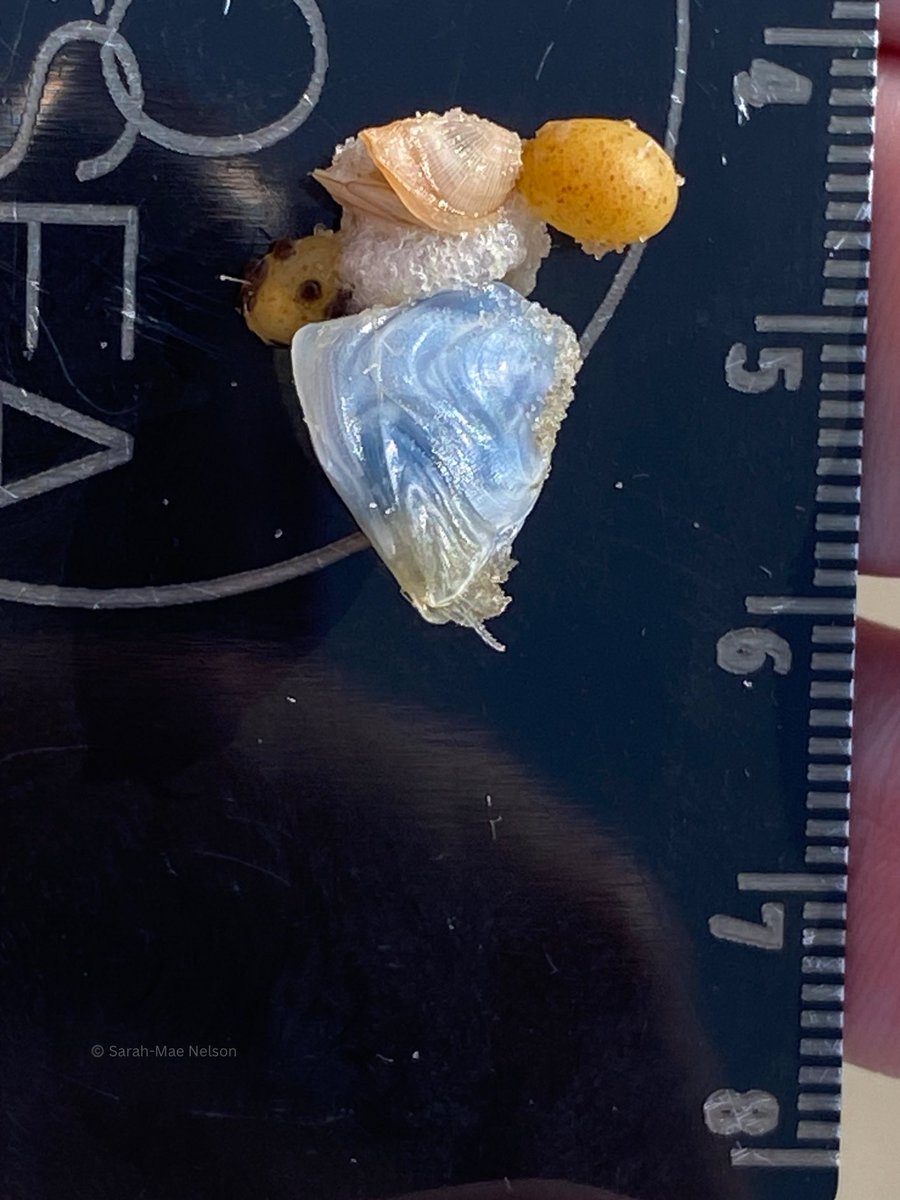
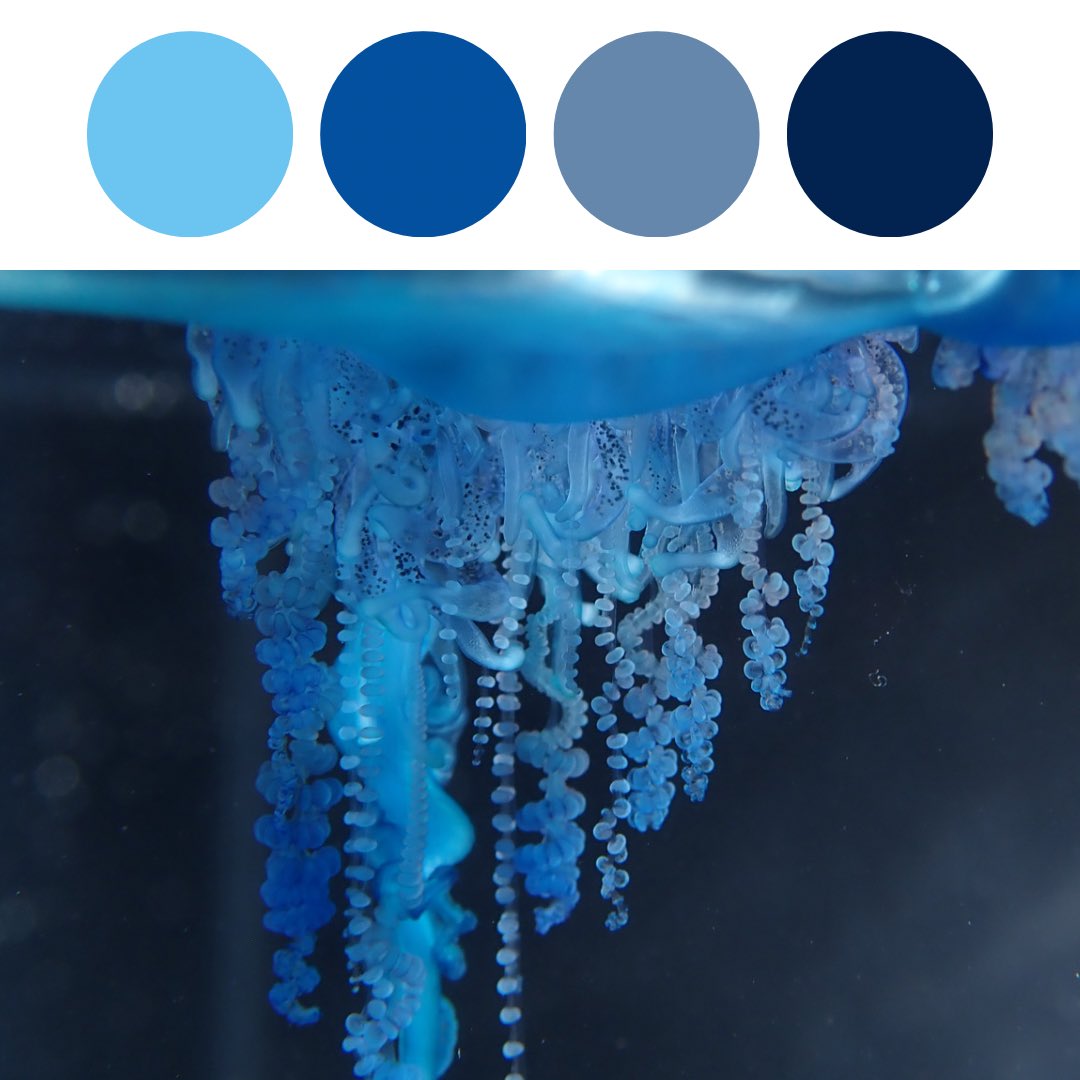
Look at this adorable little buoy barnacle!!! I love when they’re bright blue like this, sometimes they’re pretty translucent since their diet determines how pigmented they are 💙 Thanks to Sarah-Mae Nelson for finding this beauty! Also peep the GO-SEA ruler 👀
Go to sea for science! tweet mediaGo to sea for science! tweet media
English
0
2
12
715
Go to sea for science!
Go to sea for science!@goseascience·
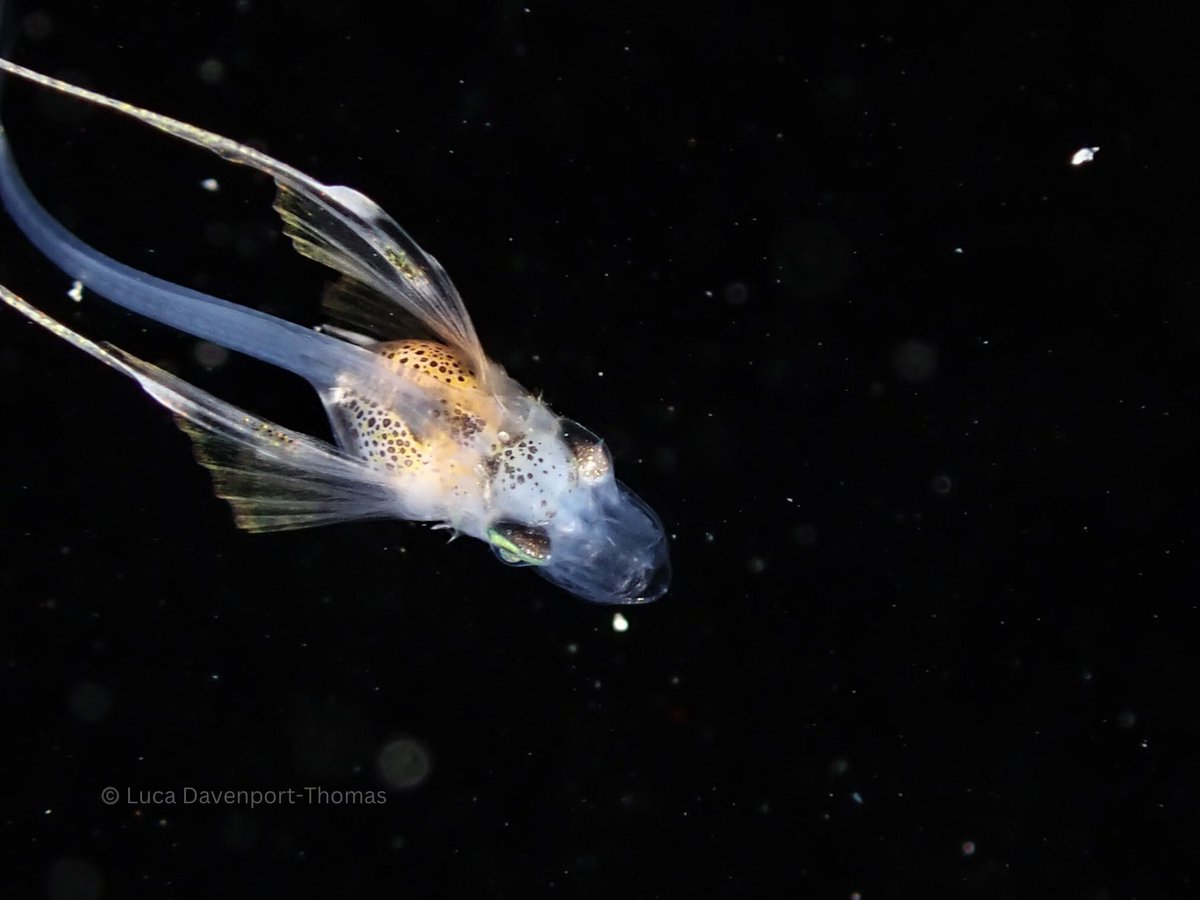
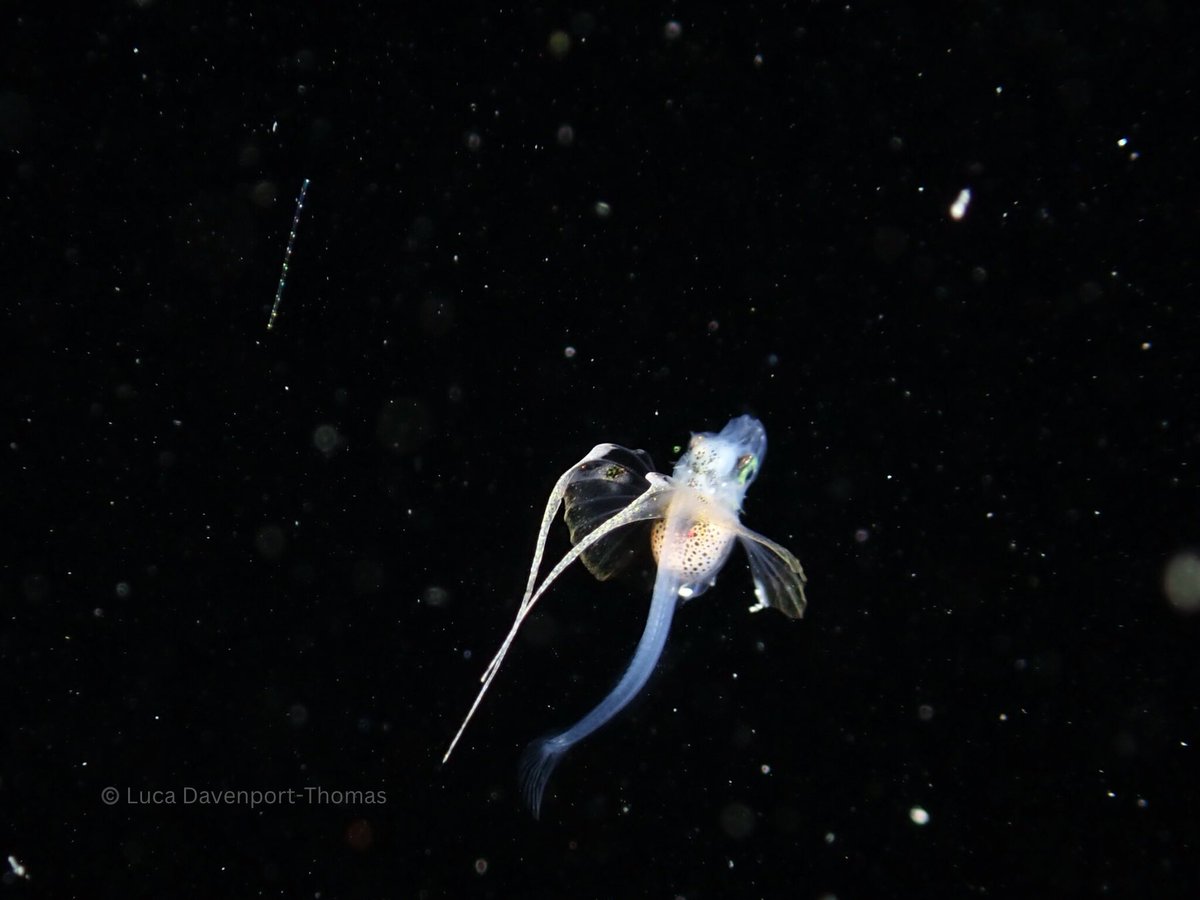
The common name gurnard comes from the fact that they can produce sounds with their swim bladders 😱 their other common name, sea robbin, comes from the way that they swim. They fan their fins in and out, resembling bird wings! (2/2) #gurnard #searobin #lepidotrigla #fish
English
0
0
2
419
Go to sea for science!
Go to sea for science!@goseascience·
GET A LOAD OF THOSE FINS!!! This is a juvenile gurnard in the genus Lepidotrigla which develop pectoral fins that resemble butterfly wings when they’re adults 🦋 this fish has beautiful and unique fins during every life stage! (1/2)
Go to sea for science! tweet mediaGo to sea for science! tweet mediaGo to sea for science! tweet media
GIF
English
1
2
9
849
Go to sea for science!
Go to sea for science!@goseascience·
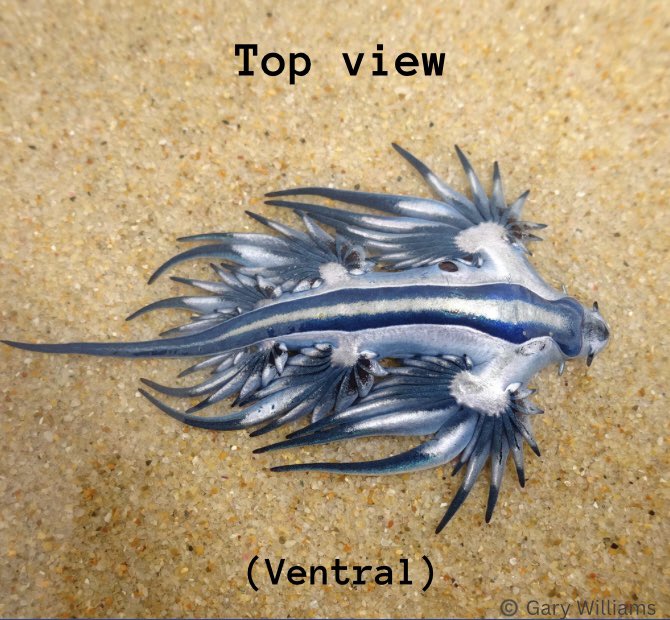
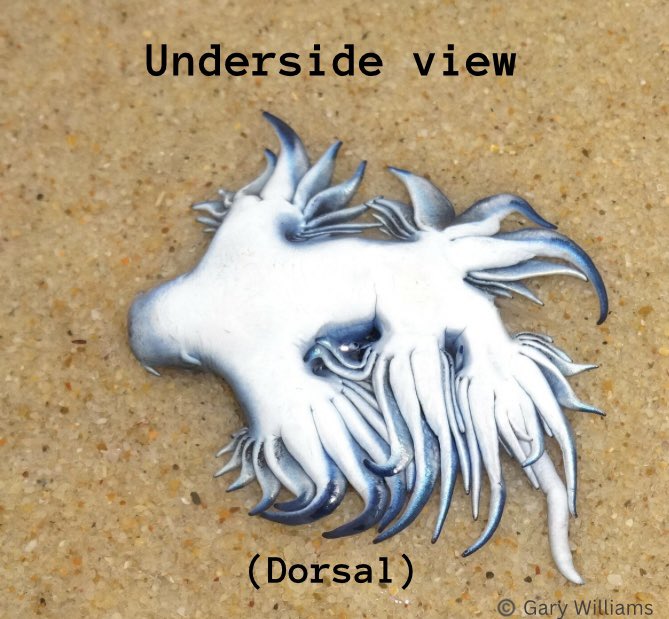
Countershading is a camouflage technique that helps blue sea dragon nudibranchs (Family Glaucidae) blend in. They have a darker side to blend into the blue waves when viewed from above and a lighter side to blend into the bright sky when viewed from underwater!
Go to sea for science! tweet mediaGo to sea for science! tweet media
English
4
91
659
24.3K
Go to sea for science!
Go to sea for science!@goseascience·
Countershading is also used by whales, dolphins, and sharks but sea dragons have their own spin on things. Usually the lighter part of the animal is the ventral or underside, but in the case of sea dragons, that’s actually their dorsal or back side!
English
1
1
14
911
Go to sea for science!
Go to sea for science!@goseascience·
Sargassum fish (Histrio histrio) blend in so well that it can be hard to see them! Their scientific name “histrio” literally means actor in Latin, in regards to their amazing camouflage and how they fool their prey into basically swimming right into their mouths 🤯
English
3
56
279
26K
Go to sea for science!
Go to sea for science!@goseascience·
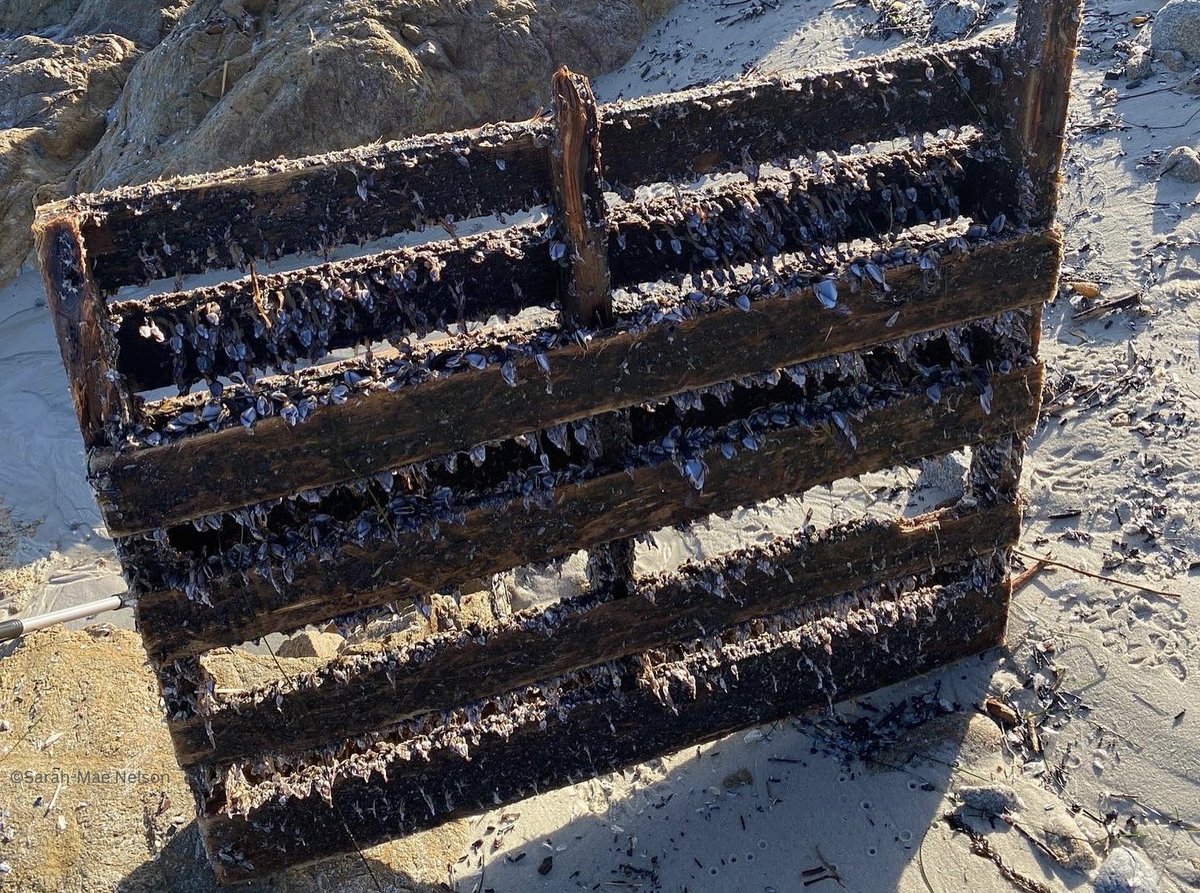
BARNACLE BONANZA!!! Check out this beached pallet that’s absolutely covered in gooseneck barnacles 😱 I’m sure this pallet was an awesome home for all of these guys! This barnacle jackpot was found by project member sarah-mae on @inaturalist in California.
Go to sea for science! tweet mediaGo to sea for science! tweet mediaGo to sea for science! tweet media
English
0
0
3
532
jo!
jo!@josephjdlee·
@goseascience wait what what is this made of
English
1
0
0
71
Go to sea for science!
Go to sea for science!@goseascience·
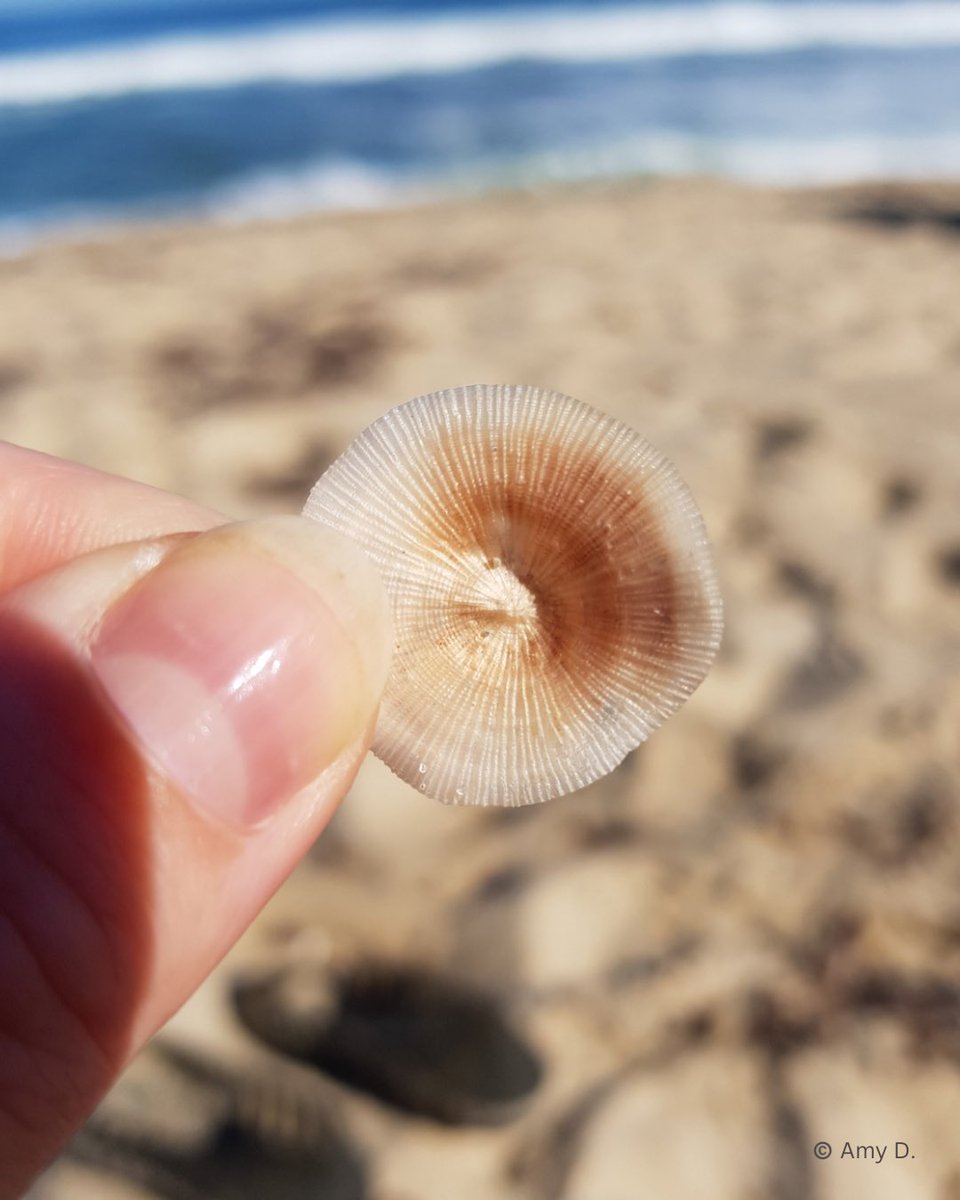
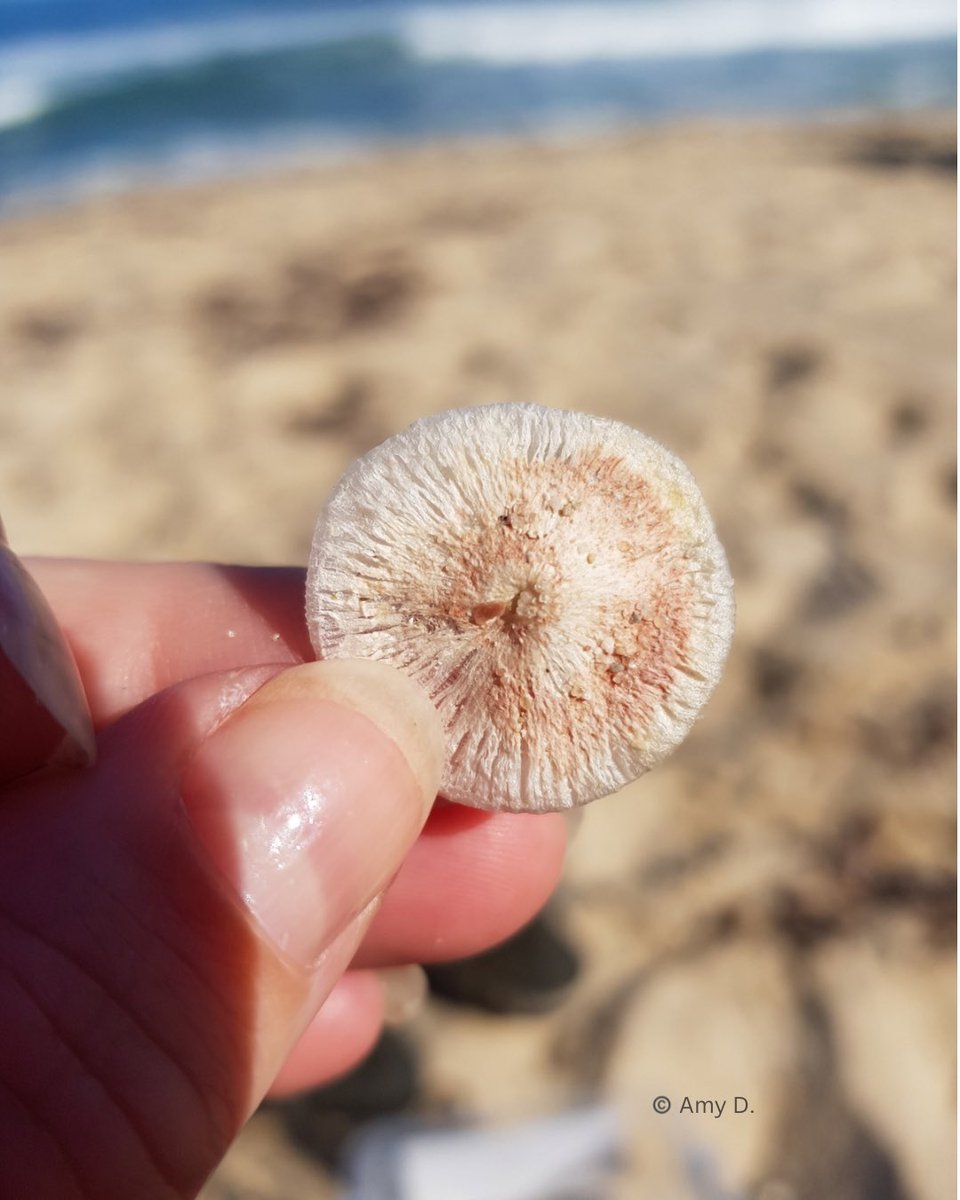
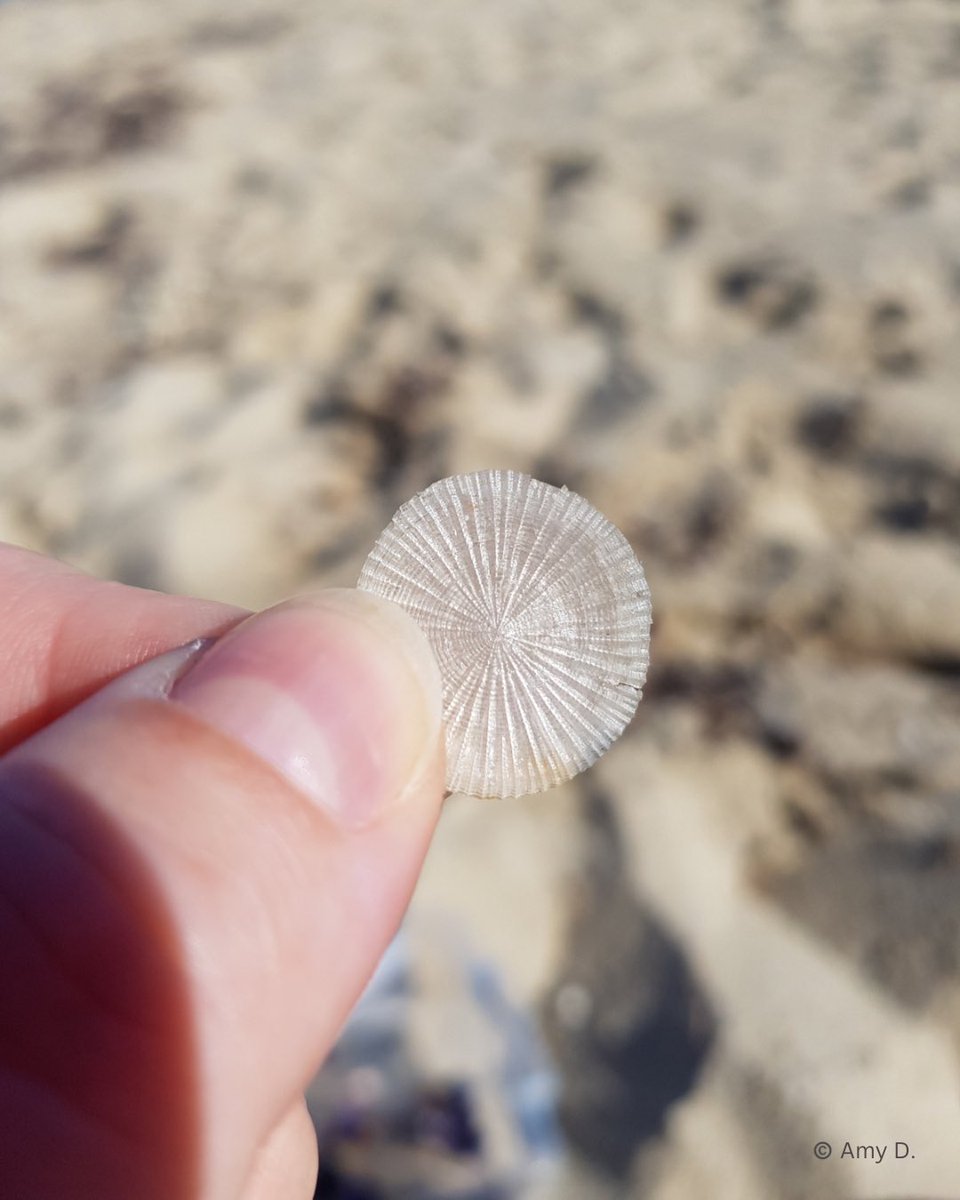
Have you ever seen something like this on the beach? This is what blue buttons (Porpita porpita) look like once they’ve been beached for a while! They get a papery consistency and are super easy to overlook. The distinctive feature to look for is the radiating lines
Go to sea for science! tweet mediaGo to sea for science! tweet mediaGo to sea for science! tweet mediaGo to sea for science! tweet media
English
2
8
49
1.9K
Jesse Kelly
Jesse Kelly@jestkelly·
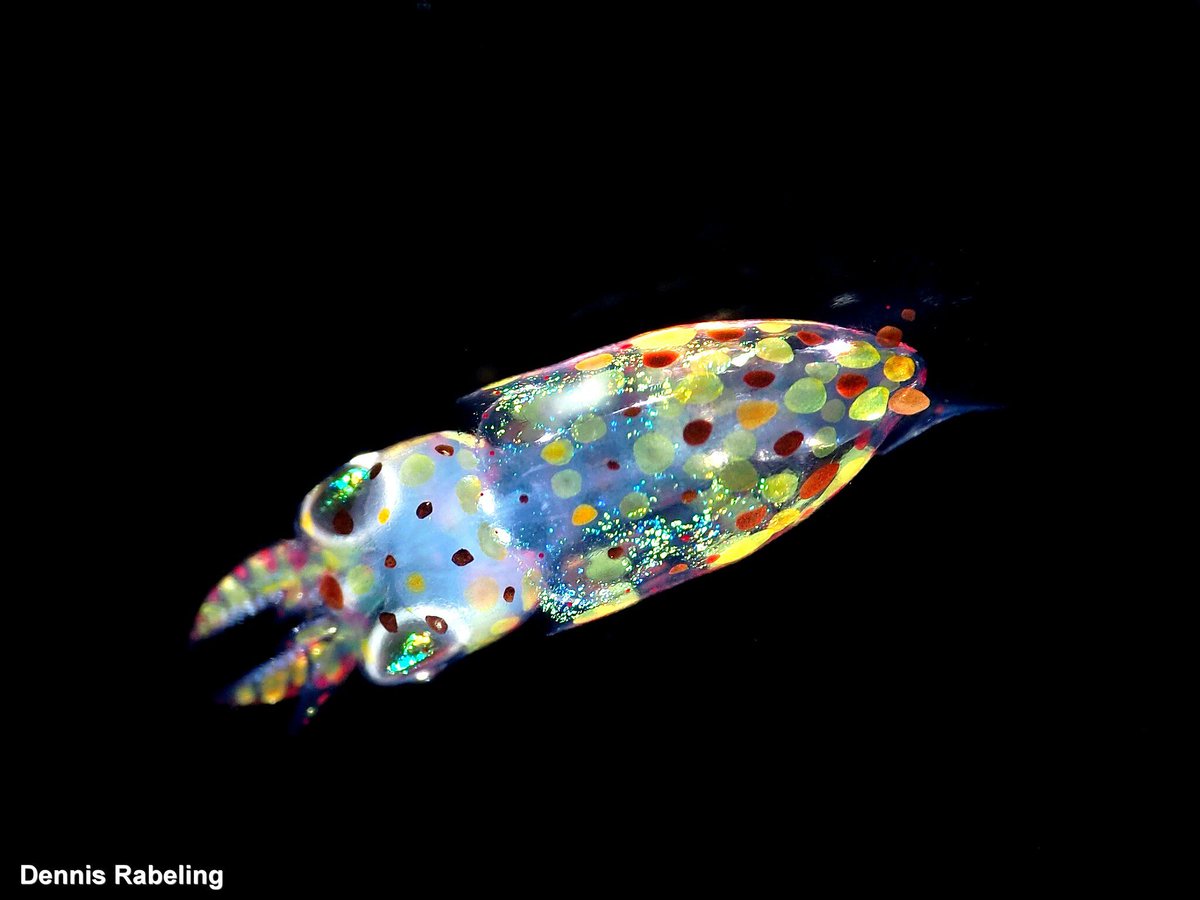
@goseascience @RebeccaRHelm @inaturalist Beautiful images and diversity. Here there are at least two species. Last image is a loliginid, but the middle one looks like an ommastrephid (a family from a different order, Oegopsida). They have uniquely fused tentacles as babies (see the central, cup-shaped appendage).
English
1
0
6
284
Go to sea for science!
Go to sea for science!@goseascience·
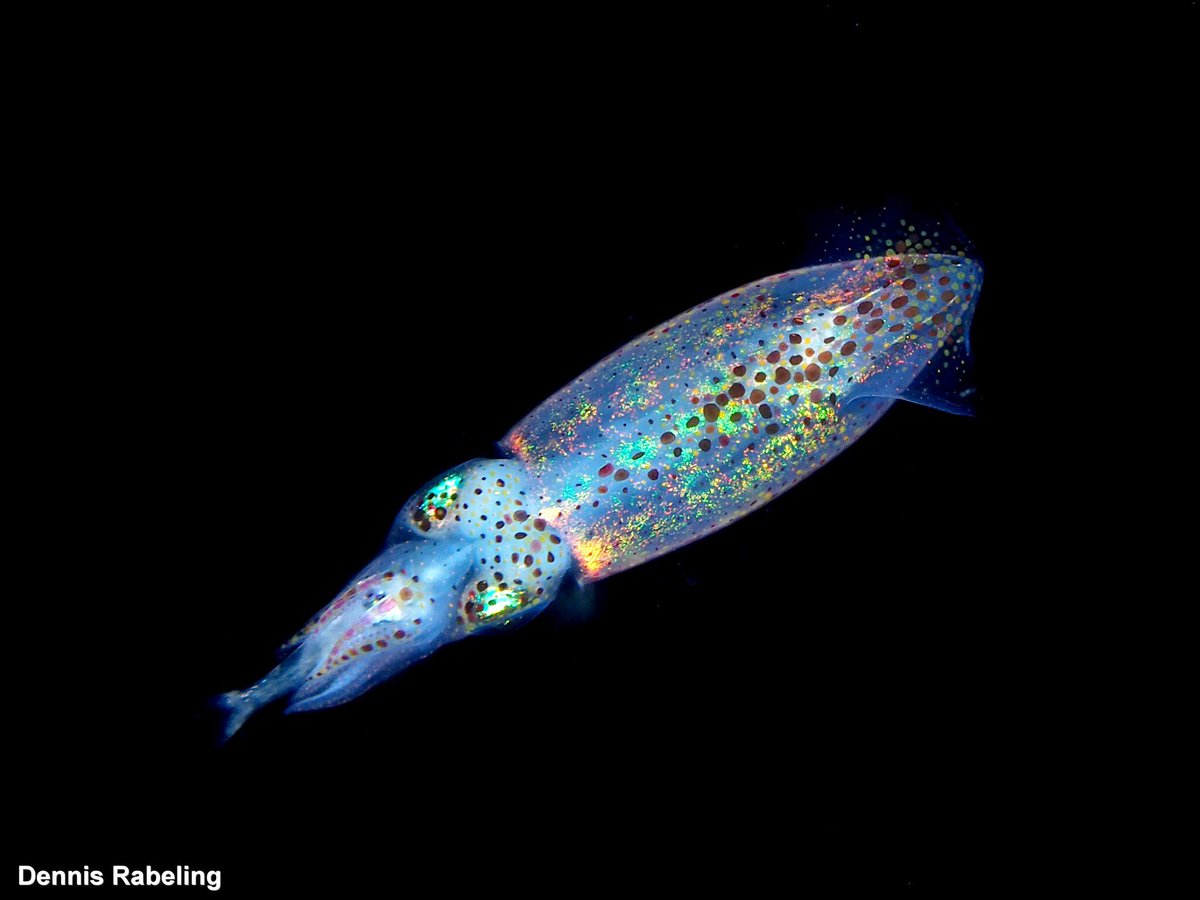
ABSOLUTELY BREATHTAKING finds! I feel like these should be called disco ball squid 🪩 but they’re actually called pencil squids (Family Loliginidae). These beauties were found in the amazing Canary Islands by @inaturalist user dennisthediver #teuthology #blackwater #pencilsquid
Go to sea for science! tweet mediaGo to sea for science! tweet mediaGo to sea for science! tweet media
English
7
188
891
67.4K
Go to sea for science!
Go to sea for science!@goseascience·
Check out this incredibly photogenic master of disguise, a handsome Sargassumfish (Histrio histrio) found by @inaturalist user jessicakehrli. When these fish are in their natural habitat of floating Sargassum seaweed, you can barely see them!
Go to sea for science! tweet media
English
0
11
51
3.3K