Greg

2.8K posts

Greg banner
Greg

Greg

@gzero59

Plants Archaeology "No ingenuity without a little madness thrown in" 📷 my own.

Cape Town, South Africa Entrou em Temmuz 2017
618 Seguindo172 Seguidores
Greg retweetou
Kurt Metzger
Kurt Metzger@orchidsofkurt·
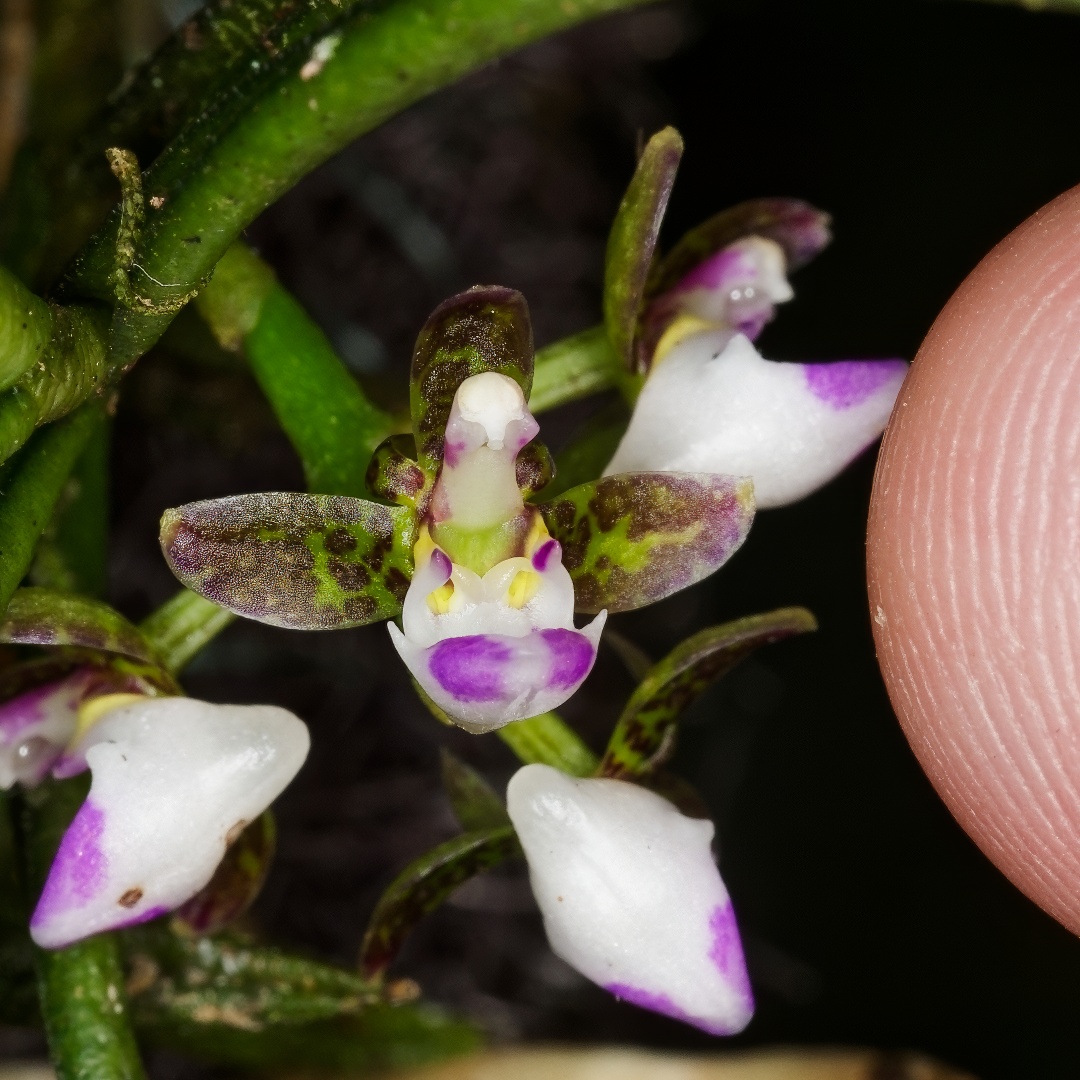
1/ This orchid is a Cleisostoma species, possibly a variation of C. gjellerupii (J.J.Sm.) Garay or an undescribed species altogether, though I'm not certain. These small, patent to pendant, monopodial plants are not very common but can be found ​growing in the surrounding lower montane forests of Papua New Guinea at elevations of 1,600–1,900 m. Some interesting features include stems covered by overlapping leaf sheaths, terete leaves with a V-shaped cross-section, and a quite unique, geometrically complex lip (be sure to check out ​the incredible form in the macro shot). Very short, unbranched inflorescences are produced just above a leaf on the apical portion of the stem, with flowers blooming sequentially and each lasting 7–10 days. The genus Cleisostoma contains approximately 90 species, distributed from tropical Asia through the Pacific Islands. Ten of these species are known to be native to New Guinea. ° ° #nature is my #garden with all the #amazing #tropical #orchids, #plants and #flowers of Papua New Guinea! 🌺🌿🇵🇬
Kurt Metzger tweet mediaKurt Metzger tweet media
Papua New Guinea 🇵🇬 English
2
6
65
630
Greg retweetou
Mathematica
Mathematica@mathemetica·
Harmonious Geometry: The Hirajoshi Wave. Watch as these gravity-defying spheres trace the hauntingly beautiful paths of the C Hirajoshi scale. Each ball is tuned to a specific frequency within this traditional Japanese pentatonic scale (C, D, Eb, G, Ab), creating a mesmerizing "Polyrhythmic Pendulum" effect. As the balls oscillate at slightly different speeds, they drift into chaotic patterns before perfectly realigning into a breathtaking visual and auditory climax. From the sharp, angular bounce to the fluid, sweeping curves of the rainbow trails, this is where physics meets fine art. Credit: project.jdm
English
51
1.1K
6.7K
639.6K
Greg retweetou
The Scientific Lens
The Scientific Lens@LensScientific·
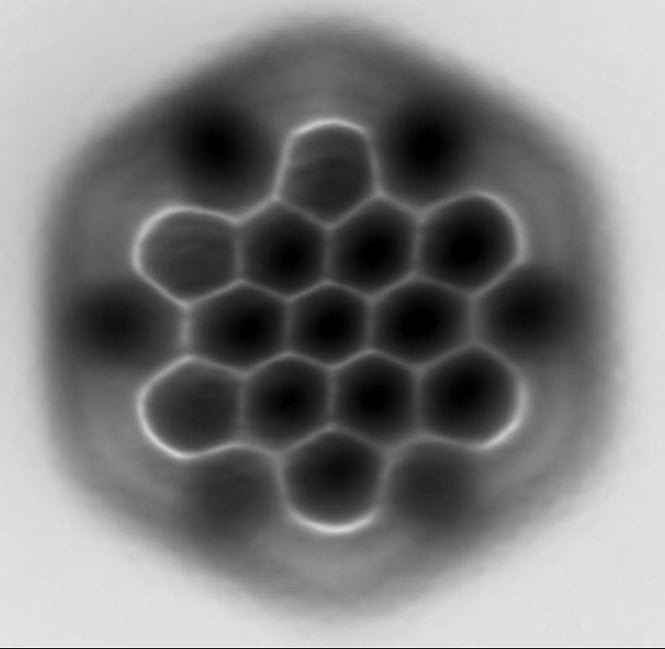
This is an actual image of a single molecule captured by IBM using Atomic Force Microscopy (AFM). You’re literally seeing individual atoms and their chemical bonds.
The Scientific Lens tweet media
English
229
970
8.9K
683.4K
Greg retweetou
PhytoKeys
PhytoKeys@PhytoKeys·
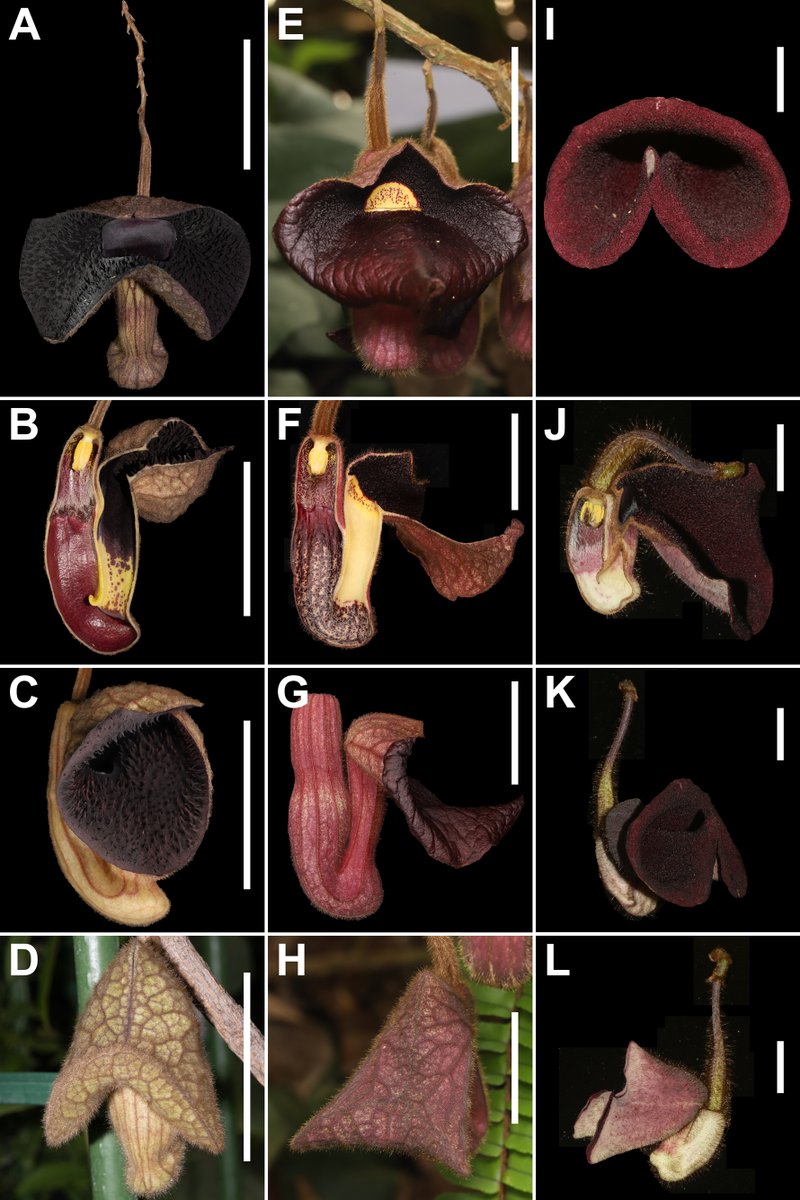
🌿 A new plant species, Aristolochia ferox, has been discovered in northern Guangxi, China, featuring distinctive dark purple flowers with unique fleshy outgrowths. See the full study: doi.org/10.3897/phytok…
PhytoKeys tweet media
English
0
7
32
468
Greg
Greg@gzero59·
Up to 12% Helium comes out of this deposit. That's staggering. Average however is about 3% which is still about 25 times the global average for Helium mining. The Vredefort dome is one hell of a resource.
SA Knowledge Hub@SayEntrepreneur

Did you know? 🇿🇦💎 ​South Africa isn’t just mining gold—it’s mining "Liquid Helium." 🎈 ​Most global helium is found at 0.1% concentration. But @RenergenSA’s Virginia, Free State project has hit 12%—some of the highest concentrations ever recorded on Earth! 🌍 ​Now, SA is one of only 8 nations in the world supplying this critical element for MRIs, SpaceX rockets, and AI chips. 🚀💻 ​South Africa is currently the 8th largest producer in the world. The Secret? A 2-billion-year-old asteroid impact (Vredefort) created a perfect "trap" for helium produced by decaying uranium.

English
1
5
11
1.3K
Jungle, Ke Liang
Jungle, Ke Liang@Jungle_KL·
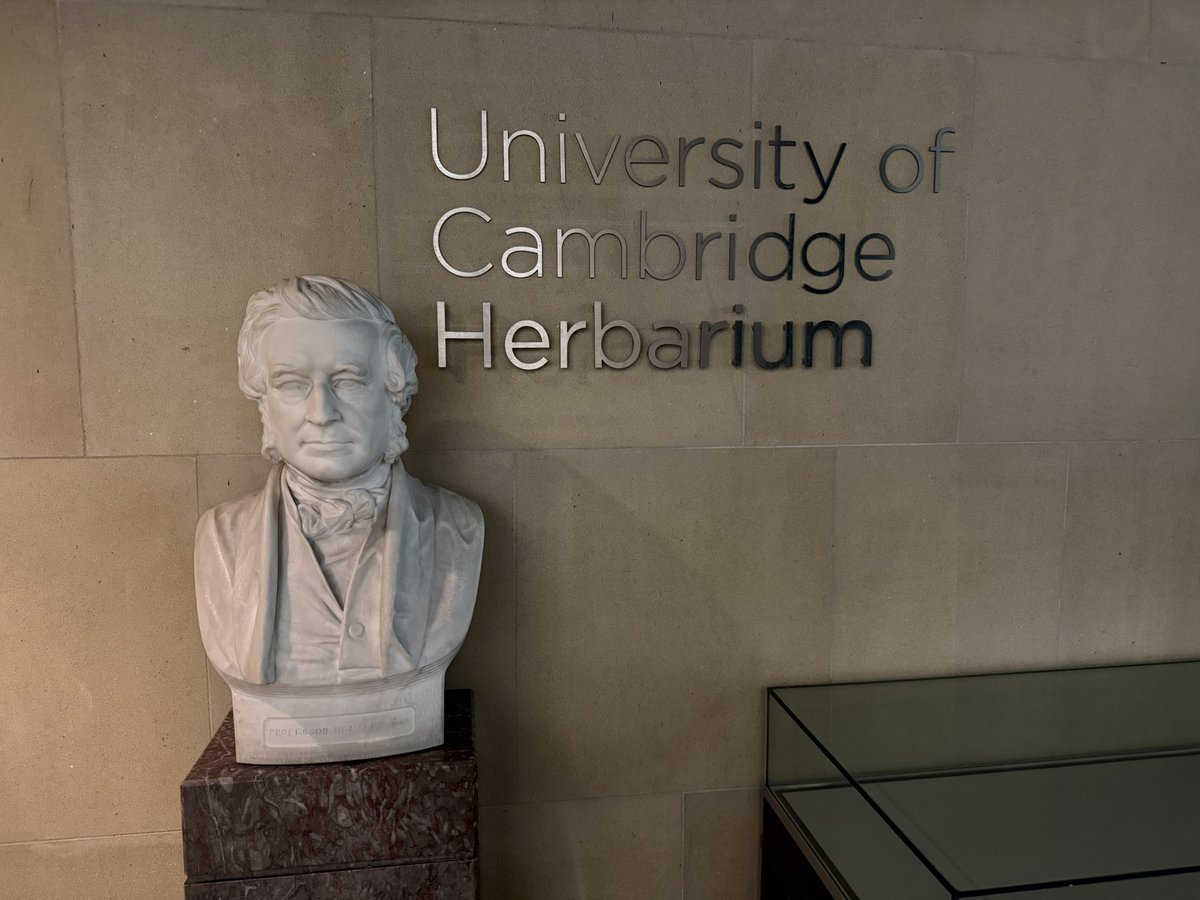
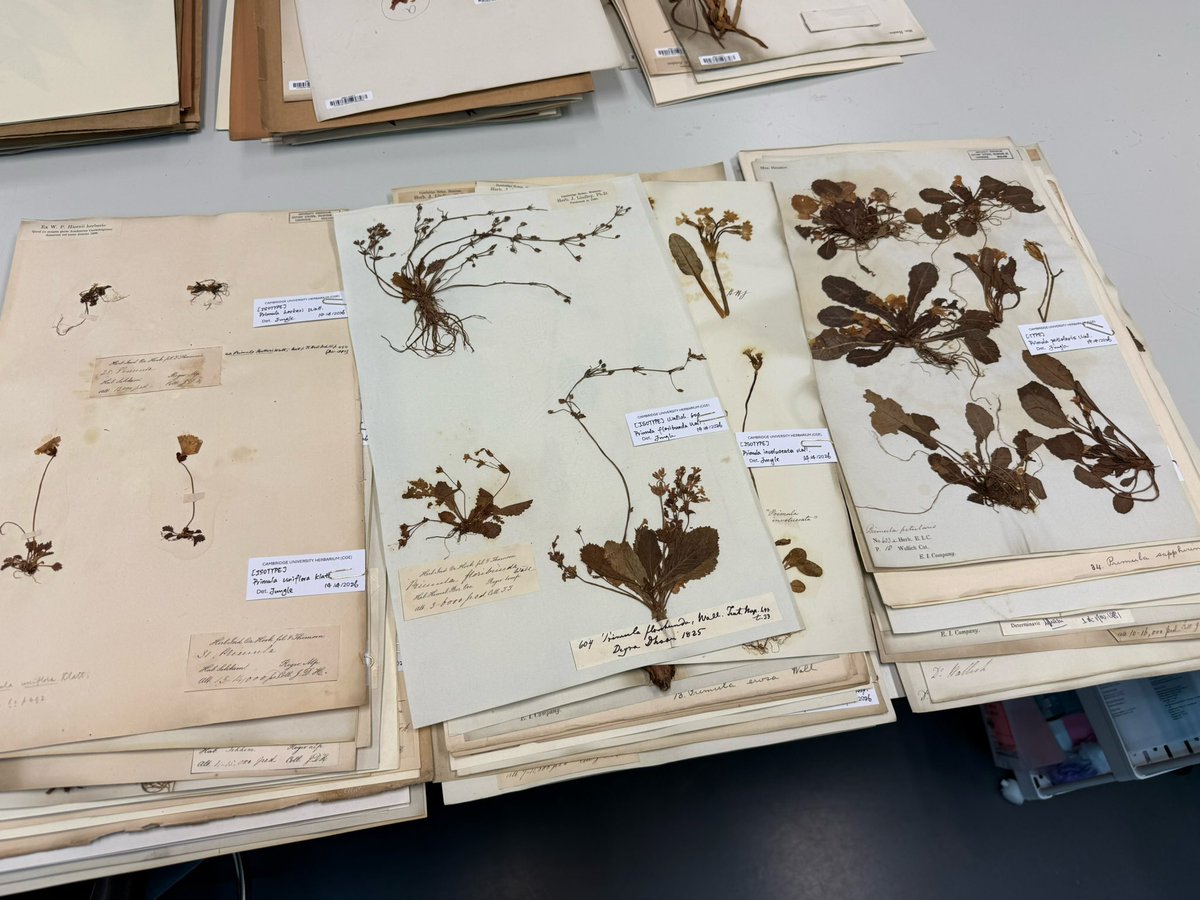
No Primula specimens here have been identified as type specimens; perhaps no one has specifically come to Cambridge to examine them. Based on the collector’s name and accession number on the label, it is possible to determine whether it was ever designated as a type specimen (it may be duplicated in other herbaria).
English
1
0
1
28
Jungle, Ke Liang
Jungle, Ke Liang@Jungle_KL·
Found more than 60 unidentified Primula TYPE specimens at the Cambridge Herbarium just this morning
Jungle, Ke Liang tweet mediaJungle, Ke Liang tweet media
English
3
4
49
1.5K
Greg
Greg@gzero59·
Primate visions.
Dr. M.F. Khan@Dr_TheHistories

Dr. Biruté Galdikas - the last surviving member of a legendary trio of women scientists that included Jane Goodall and Dian Fossey who were known as "Leakey's Angels" has died at the age of 79. Together, the three reshaped humanity's understanding of our closest animal relatives, the great apes. When she pored over stories of Goodall's work with chimpanzees and Fossey's research on gorillas while growing up in Toronto, Canada, Galdikas had no idea she'd be joining their ranks. But when she met acclaimed paleoanthropologist Louis Leakey during her graduate studies, she told him she wanted to study orangutans in the wild and soon she was setting up a research camp in the harsh rain forests of Indonesian Borneo at just 25 years old. For the first two months, Galdikas trudged through Borneo's swamps without glimpsing a single orangutan -- battling leeches that clung to her skin, fire ants that swarmed the forest floor, and pit vipers hidden in the undergrowth, all while wading through murky water that sometimes rose to her chest. Then, on Christmas Eve 1971, a snapping branch high above the canopy drew her gaze upward -- and there, a hundred feet up, sat a mother orangutan with a baby clinging to her shoulder. Galdikas spent the rest of the day tracking the pair, furiously scribbling notes that would mark the start of the longest continuous study of a wild mammal by a single researcher. Galdikas not only revolutionized our understanding of this little-known primate -- witnessing the first wild orangutan birth and documenting their use of tools -- but she also became a fierce advocate for the protection of the orangutan's rainforest home, which has been devastated by widespread logging and palm oil development. As part of her conservation efforts, she tackled the trade in orangutans as pets and created a center dedicated to rehabilitating captured orangutans with the hope of reintroducing them to the wild. In 1986, she founded Orangutan Foundation International, which continues to protect orangutans and their rainforest habitat to this day. That work remains as urgent as ever: a century ago, more than 230,000 orangutans roamed the forests of Borneo and Sumatra, but today all three species are critically endangered, with populations that have declined by more than half due to deforestation, the palm oil industry, and illegal poaching. A professor at Simon Fraser University, Galdikas spent most of the last 55 years living and working in the rainforest. She spoke passionately about the importance of protecting natural spaces until the very end: "Our connection with nature is very basic," she once said. "Without nature humans are lost. That's it." She made her final trip home to Borneo in December 2024 before returning to Los Angeles, where she was being treated for lung cancer. She continued working from her hospital bed. Her son Fred, who grew up in the rain forest alongside orangutans, has vowed to continue her work. She will be buried in Borneo alongside her second husband. #drthehistories

Español
0
0
0
11
Greg retweetou
Wenbo Chen
Wenbo Chen@Wenbo77·
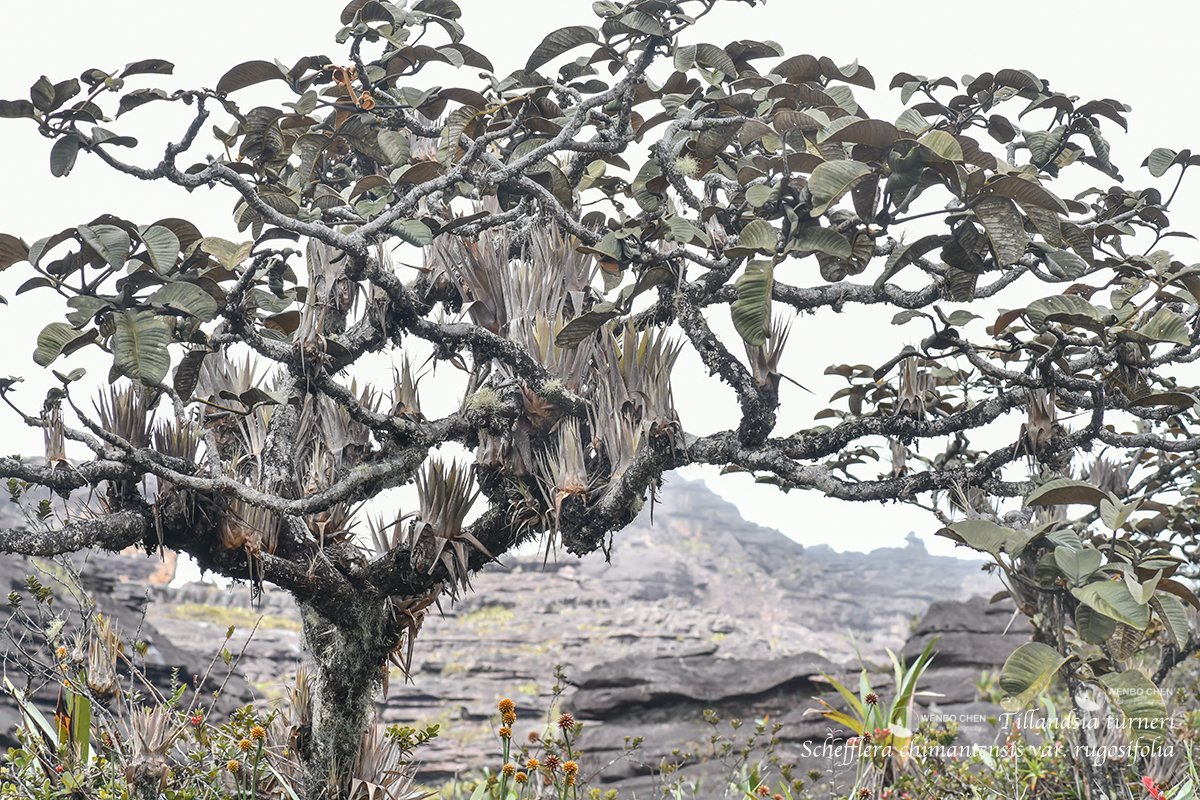
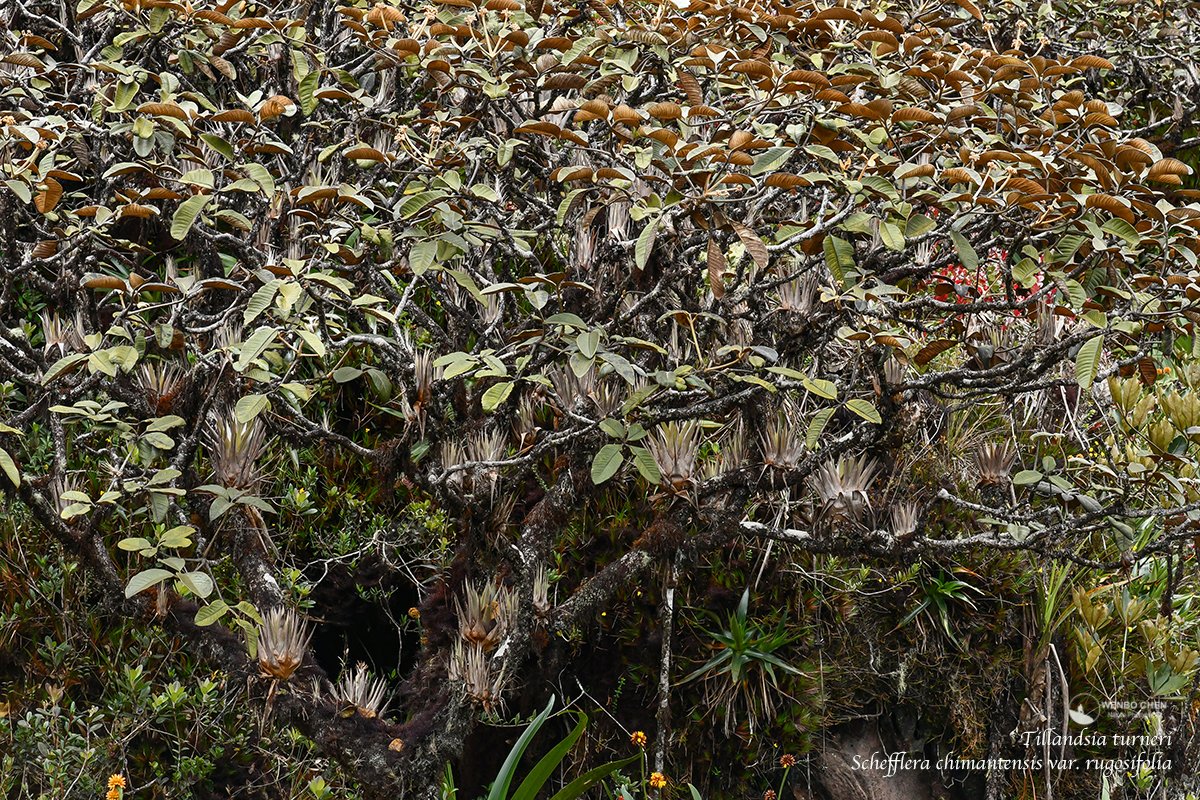
Tillandsia turneri on Schefflera chimantensis var. rugosifolia. Mount Roraima, Venezuela.
Wenbo Chen tweet mediaWenbo Chen tweet mediaWenbo Chen tweet mediaWenbo Chen tweet media
Suomi
3
23
130
2.4K
Greg
Greg@gzero59·
@RichardDawkins Would make great rugby players. Basketball, not so much. :-)
English
0
0
0
23
Richard Dawkins
Richard Dawkins@RichardDawkins·
Neanderthal genome is largely known. If it becomes possible to reconstruct a live Neanderthal person, what, in your opinion, would be the pros and cons? I’m genuinely interested in canvassing opinions for and against.
English
2.1K
200
3.1K
576.1K
Greg retweetou
Owen Gregorian
Owen Gregorian@OwenGregorian·
New method can remove 98% of ‘forever chemicals’ in water | Knowridge Pollution from PFAS chemicals has become a serious global issue. These chemicals are known for their ability to resist heat, water, and oil, which makes them useful in many products. However, this same property also makes them extremely hard to break down. As a result, PFAS can stay in the environment for a very long time and spread through water systems. Scientists have found PFAS in many places, including rivers, lakes, and even drinking water. This has raised concerns about possible effects on human health and the environment. Because these chemicals are so persistent, removing them from water has become a major challenge for researchers. One of the most difficult types to remove is short-chain PFAS. These smaller molecules move easily through water and are not easily captured by traditional filters. Existing treatment methods can remove some larger PFAS molecules, but they are less effective against these smaller forms. Researchers at Flinders University have developed a new method that may help solve this problem. Their study, published in Angewandte Chemie International Edition, introduces a new type of material designed to capture PFAS more effectively. The key to this method is a tiny structure called a molecular cage. This cage is designed to trap PFAS molecules inside it. Unlike older materials that rely on surface contact, this new system pulls the chemicals into the cage and holds them in place. The researchers found that the cage encourages PFAS molecules to gather together inside it. This makes them easier to capture and prevents them from escaping back into the water. This approach is especially useful for short-chain PFAS, which are usually harder to remove. To make the system work in practice, the team combined the molecular cages with a material called mesoporous silica. This material has many tiny pores that allow water to pass through. When the cages are added, the material becomes much more effective at capturing PFAS. Tests in the laboratory showed strong results. The new material was able to remove up to 98 percent of PFAS from water samples. This level of efficiency suggests that it could be used in future water treatment systems. Another benefit of the material is that it can be reused. The researchers tested it over several cycles and found that it continued to work well. This could make it more cost-effective and sustainable compared to single-use filters. The study also helped scientists understand how PFAS molecules behave at a very small scale. By studying how they interact with the cage, the researchers were able to design a system that targets them more precisely. However, it is important to note that this research is still in its early stages. The tests were carried out under controlled conditions, and more studies are needed to see how the material performs in real-world settings. In summary, this study presents a new and promising way to remove PFAS from water, especially the types that are hardest to capture. While more work is needed, the findings offer hope for improving water safety and reducing the impact of these long-lasting pollutants. knowridge.com/2026/04/new-me…
Owen Gregorian tweet media
English
0
1
24
1.7K
Greg retweetou
PEOPLE_ERC_StG
PEOPLE_ERC_StG@PEOPLE_ERC_StG·
📢New article in open access led by Dr Maïlys Richard on the newly discovered Middle Stone Age site at Baden-Baden, South Africa 🇿🇦, where humans were present 91,000 years ago. #Sec19" target="_blank" rel="nofollow noopener">nature.com/articles/s4159… @archeosciences @ERC_Research @CNRSAquitaine @CNRSshs
English
1
5
18
847