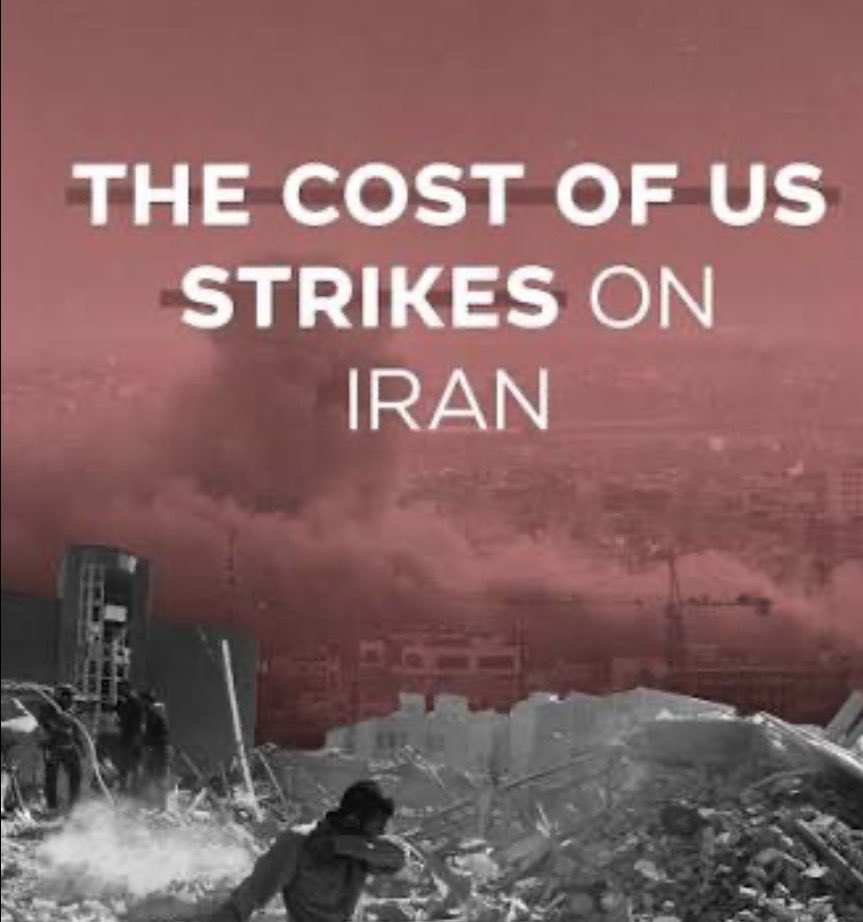
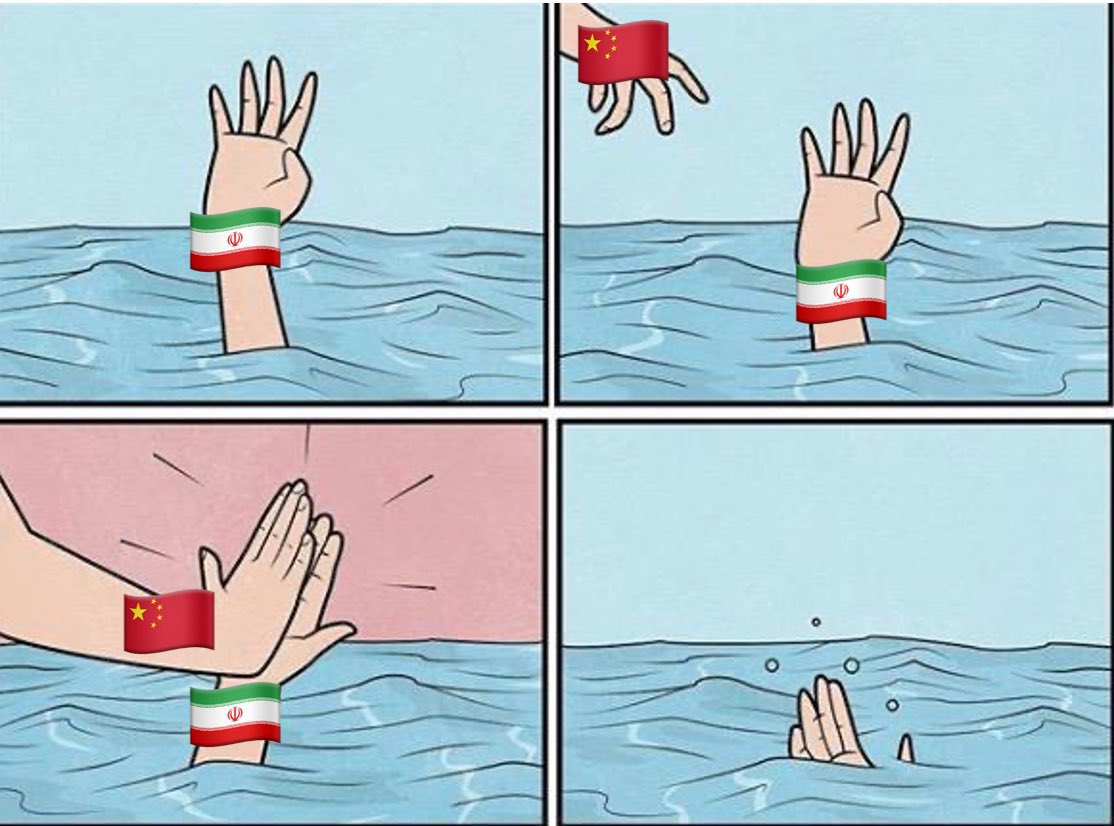
Why the war should conintue..
👇
Trump admin bypasses Congress to expedite sale of billions in weapons to UAE and Kuwait cnn.com/world/live-new…
English
Xiao Ma
231 posts

@riz_mmad
PhD in Engineering, Geopolitics, Stocks Like to share, what I read on daily basis. Followers & RTs not endorsement





Ali Bani Odeh, 37, his wife and two of their children, 5 and 7, were killed in the West Bank's Tammun when Israeli forces fired on their car. Two of the children, Mustafa and Khaled, survived the attack to tell the story in full.
THE GLOBAL FINANCIAL MONITOR Special Report: The Trillion-Dollar Conflict WASHINGTON D.C. / TEL AVIV — As the military campaign known as Operation Epic Fury enters its second week, the fiscal reality of modern high-intensity warfare has become as staggering as the combat itself. Combined military expenditures for the United States and Israel have surpassed $14.6 billionin just ten days, creating a budgetary vacuum that is forcing both nations to weigh the cost of victory against the risk of domestic economic instability. The American Bill: Precision at a Premium The United States is currently burning through approximately $1 billion per day. Unlike previous insurgent conflicts, this war is being fought with ultra-expensive precision technology. The primary drain on the Pentagon’s budget is the defense against Iranian ballistic missile salvos. A single SM-3 interceptorlaunched from a Navy destroyer costs nearly $12 million, while Patriot (PAC-3) missiles used to defend regional bases cost roughly $4 million each. Beyond ammunition, the U.S. has suffered "capital asset shocks," including the loss of a $1.1 billion early warning radar system and several advanced airframes. Analysts from the Congressional Budget Office warn that if the conflict persists for sixty days, the total bill—including equipment replacement and combat pay—could exceed $95 billion, potentially requiring a massive emergency supplemental appropriation from a divided Congress. Israel’s Economic Mobilization In Israel, the cost of the conflict has reached $3 billion per week. The Israeli economy is facing a "double-squeeze": the direct cost of firing Arrow-3 and David’s Sling interceptors to counter long-range threats, and the indirect cost of a frozen domestic economy. With hundreds of thousands of reservists pulled from their jobs in the high-tech and manufacturing sectors, Israel's GDP growth has effectively flatlined. The Knesset has already moved to expand the defense budget by $16 billion, a historic 115% increase that signals a long-term shift toward a total war economy. The Iranian Attrition While Iran’s direct military spending is lower in absolute dollar terms—estimated at roughly $1.5 billion for its missile and drone campaign—the nation is paying the highest price in economic sovereignty. The Iranian Rial has collapsed to 1.1 million per dollar, and the closure of the Strait of Hormuz has severed the country from its primary source of lifeblood: oil exports. Tehran is essentially "spending" its entire future economy to sustain its current military posture. The Global Ripples The financial impact is not contained within the borders of the combatants. With the Strait of Hormuz—the world's most vital energy artery—effectively closed, global oil prices have spiked to $110 per barrel. This "war tax" on energy is threatening to trigger a global recession, as transportation and manufacturing costs surge worldwide. For the U.S. and Israel, the challenge is no longer just defeating an adversary, but doing so before the soaring cost of the "missile-for-missile" exchange bankrupts the very stability they seek to protect.