@archeohistories οι Αγγλοσάξονες έγιναν ορθόδοξοι χριστιανοί όπως και οι Βρετάνοι και Κέλτες άλλαξαν με τους Νορμανδούς τον 11αι σε καθολικούς. Κάποιοι έφυγαν στην Ορθοδοξία και έγιναν εκλεκτά στρατιωτικά τμήματα του Βυζαντίου οι γνωστοί Βάραγγοι.
Before these tribes arrived, Britain was a land of Latin and Celtic (Brittonic) speakers. However, unlike the Roman conquest, which superimposed a layer of administration over the locals, the Anglo-Saxon migration was a cultural displacement. Over time, the Celtic languages were pushed to the "Celtic Fringe"—modern-day Wales, Cornwall, and Scotland.
The Germanic dialects of the Angles, Saxons, and Jutes merged into what we now call Old English. This was a rugged, poetic language—the language of Beowulf. If you look at the most common words we use in America today—words like "house," "woman," "earth," "man," "speak," and "friend"—nearly all of them have their roots in this migration. While the English language would later be transformed by the Vikings and the Normans, its core DNA remains Anglo-Saxon.
By 600 CE, map of Britain looked very much like our infographic. The tribal territories had solidified into the "Heptarchy," a collection of seven major kingdoms. These kingdoms spent centuries in a cycle of warfare and alliance, eventually unifying under a single crown to fight off Viking invasions.
For a modern American audience, this history might seem distant, but it is the bedrock of our society. The concept of "Common Law," the tradition of the "Witan" (a council of wise men that prefigured Parliament), and even our names for the days of the week (Tuesday for Tiw, Wednesday for Woden, Thursday for Thor) are direct imports from these Germanic settlers. When the English colonists landed at Jamestown and Plymouth a millennium later, they brought with them a legal and linguistic heritage that began with these small wooden boats crossing the North Sea in the 5th century.
The story of the Anglo-Saxon migration is a reminder that nations are rarely static. They are built on movement, adaptation, and the meeting of different worlds. The map we see today isn't just about the 5th century; it’s about the foundation of the very words you are reading right now.
The Great Migration: How the Foundations of the English-Speaking World Were Laid
Ever wonder why we speak English and not a Roman or Celtic tongue? The answer lies in a chaotic, transformative period between the 5th and 7th centuries. When the Roman Empire’s grip on Britain slipped, a vacuum was left behind—one that was filled by the bold seafaring tribes of Northern Europe: the Angles, Saxons, and Jutes.
This wasn't just a military invasion; it was a total cultural reset. From the shores of modern-day Denmark and Northern Germany, these tribes crossed the treacherous North Sea to seek new land, eventually pushing the native Britons to the fringes and creating the "Heptarchy"—the seven kingdoms that would one day become England.
Whether you're a history buff or just curious about where our modern traditions and language began, this map tracks the very first steps of the journey that would eventually reach the shores of America centuries later.
The Foundations of a New World: The Anglo-Saxon Migration (449–600 CE)
To understand the United States today—its laws, its literature, and its primary language—one must look back nearly 1,600 years to the foggy coastlines of the North Sea. The migration of the Germanic tribes to the British Isles is perhaps one of the most consequential movements of people in Western history. It was a period marked by the collapse of an old superpower, the arrival of opportunistic warriors, and the slow, grinding birth of a new identity. This is the story of how Britain became "England" and how the seeds of the English-speaking world were first planted.
In 410 CE, the Roman Empire was crumbling. Under pressure from "barbarian" tribes closer to home, the Emperor Honorius sent a letter to the cities of Britain, famously telling them to "look to their own defenses." For nearly four centuries, Rome had provided a professional military, legal infrastructure, and a sense of global connectivity. When the legions left, they took the stability with them.
Britain was left vulnerable. To the north, the Picts and Scots began raiding deeper into the lowlands. According to the monk-historian Bede, a British leader named Vortigern made a fateful decision:
The invited Germanic mercenaries from the mainland to help defend his lands. He offered them territory in exchange for protection. It was an invitation that changed the course of history forever. Once the first wave of warriors realized how fertile and poorly defended the island was, the trickle of mercenaries turned into a flood of settlers.
As shown in map, the migration was primarily driven by three distinct groups, each bringing their own dialects and customs. Hailing from the region of Angeln (modern-day Schleswig-Holstein in Germany), they were perhaps the most numerous. They settled in the north and east, founding the kingdoms of Northumbria, Mercia, and East Anglia. It is from this tribe that names "England" (Engla-lond) and "English" (Englisc) are derived.
Coming from the sprawling plains of Northern Germany, the Saxons were fierce warriors and prolific settlers. They moved into the south and west of Britain, establishing Wessex (West Saxons), Sussex (South Saxons), and Essex (East Saxons). Their legacy survived in the title of the "Anglo-Saxon" people and heavily influenced the legal and social structures of the early English state.
The smallest of the three main groups, the Jutes traveled from the Jutland peninsula (modern Denmark). They settled in Kent and the Isle of Wight. Though fewer in number, they maintained a distinct cultural identity for generations, and the Kingdom of Kent became a vital gateway for the reintroduction of Christianity to the island later on.
#archaeohistories
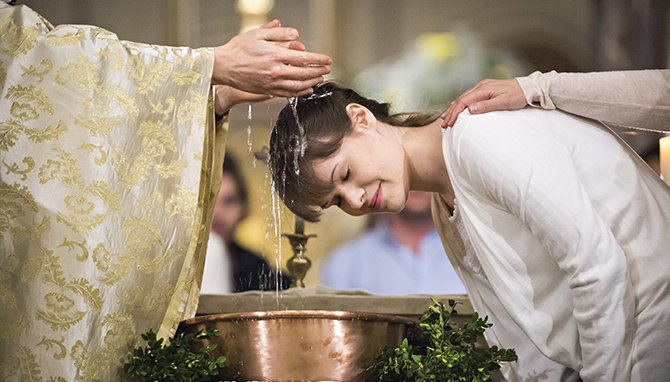
Πενταπλασιάστηκε ο αριθμός των βαφτίσεων των εφήβων και ενήλικων τα τελευταία τέσσερα χρόνια στην Γαλλία. Πάνω από 21.000 βαπτίσεις τελέστηκαν το 2026 το Πάσχα, εκ των οποίων σχεδόν το ένα τέταρτο στην περιοχή του Παρισιού ( Île-de-France). Ο αριθμός αυτός ανέρχονταν στους 3.600 το 2021.
Le Figaro
7/4/26
@PeterSweden7 Ελληνικά να μάθετε να διαβάζετε την Καινή Διαθήκη στο πρωτότυπο και την Παλαιά Διαθήκη στην παλαιότερη μετάφραση που έγινε ποτέ 3ο αι. π.Χ.
The current Constitution of Greece, adopted in 1975 and revised several times since, begins with the exact phrase: "In the name of the Holy and Consubstantial and Indivisible Trinity."
This phrase serves as a traditional religious invocation or quasi-preamble before the main body and fundamental provisions of the text. It reflects the historical and cultural significance of the Eastern Orthodox Church in the country, which is formally recognized later in Article 3 of the constitution as the "prevailing religion" of the Greek state.
@andypapp Προτεσταντισμός φίλε, από εκεί πηρε ο Προτεσταντισμός, μόνο οι μουλάδες, έχουν ιερά παράδοση ενώ ο Προτεσταντισμός δεν δει. Ένα βιβλίο χωρίς παπάδες,χωρίς λειτουργίες χωρίς εικόνες μόνο κήρυγμα
Προφητη μηχεσω.. ΔΕΝ ΕΙΝΑΙ ΡΑΣΑ..
ΑΡΑ! Οι Αγιατολάχ του Ιράν είναι ανώτεροι εκπαιδευτικοί, διδάσκαλοι του Ισλαμ ΚΑΙ ΟΧΙ ΙΕΡΕΙΣ Ή ΚΛΗΡΙΚΟΙ. Εξάλλου το Ισλαμ δεν έχει τελετές. ΜΟΝΟ ΠΡΟΣΕΥΧΕΣ και ΚΗΡΎΓΜΑΤΑ .
Η όποια χρήση των όρων της Χριστιανικής Εκκλησίας γίνεται εκ του πονηρού
Επειδή διαβάζω διάφορα εδώ από φιλελεφτ και διάφορα άλλα κνωδαλα:
1) Το Ισλάμ Δεν έχει κληρικούς. Οι Μουλάδες, οι Ιμάμηδες, οι Χοτζάδες κτλ είναι δασκαλοι. Εξηγούν το Κορανι και τις άλλες παπαριές του παιδεραστή Μωάμεθ...
2) Τα ρούχα που φοράνε είναι τα ρούχα της εποχής του
3 διαγωνίσματα έχει η μικρή την επόμενη εβδομάδα και όλα τα διαβάσματα πρέπει να γίνουν το ΣΚ. Αν στο δημοτικό δεν έχουν ελεύθερο χρόνο τα ΣΚ για να παίζουν και να διασκεδάσουν, πότε θα τον έχουν, όταν θα δουλεύουν δέκα ώρες τη μέρα για να πλουτίζει ο CEO κάποιας εταιρείας;
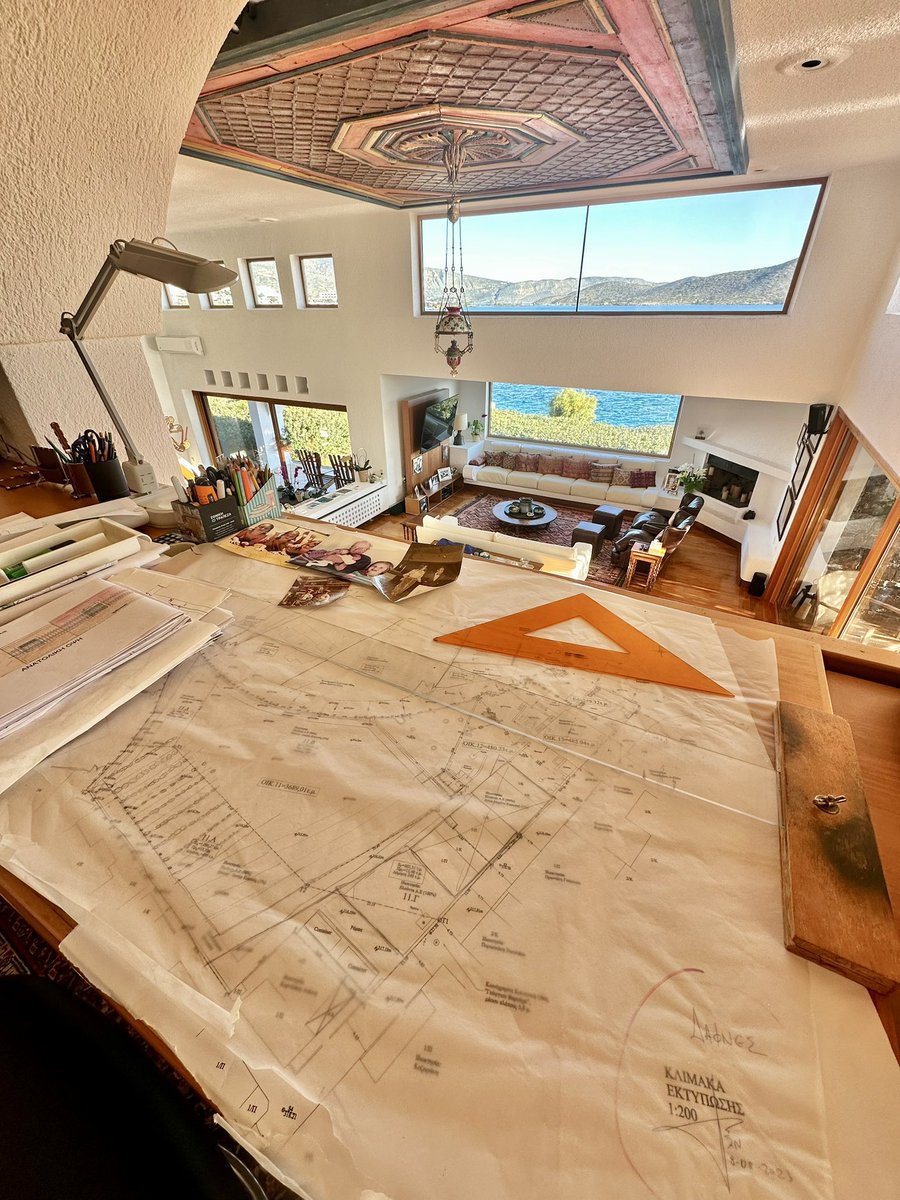
Το σχεδιαστήριο του πατέρα μας, Σπύρου Κοκοτού, στην Ελούντα. Δούλεψε μέχρι τα στερνά του, δεν σκέφτηκε ούτε στιγμή να πάρει σύνταξη, πλήρωνε εισφορές στο ΤΜΕΔΕ ως τα 92 του.
Ο κύριος Ερντογαν σκουπίζει την μύτη του και μετά βάζει το μαντήλι στο σακάκι και κατόπιν στο φάκελο μπροστά του. Δεν ενσωματώνονται αυτοί οι άνθρωποι στον δυτικό πολιτισμό, τέλος!
@maybeshewill21 το ίδιο ακριβώς συμβαίνει στην Βόρεια Ελλάδα. Ολες οι περιφέρειες ξέρουν και έχουν αντιμετωπίσει τέτοια φαινόμενα χιονιού μάλλιστα με τεράστιους ορεινούς όγκους και χωριά.
Χιονίζει 3 ημέρες συνεχόμενα στην Δανία non stop, κοντεύει το μισό μέτρο αλλά οι δρόμοι ορθάνοιχτοι από την πρώτη ώρα, σε επιφυλακή οι αρχές, οι δήμοι ανοίγουν τις εισόδους σπιτιών συνεχώς, οι Δανοί δεν κυκλοφορούν για λόγους ασφαλείας! Συνέβη ένα ατύχημα προχθές με λεωφορείο και αποφάσισαν να τα αποσύρουν όλα από τους δρόμους μέχρι να είναι οκ η κυκλοφορία! Να νιώθεις ασφάλεια ως πολίτης σε μια χώρα που πληρώνεις φόρους και να βλέπεις τους φόρους σου να σου επιστρέφονται, αξία ανεκτίμητη!
‼️ Σημαντικότατη νίκη πέτυχε η Ελληνική παραγωγή ενέργειας τον Ιανουάριο του 2026, αφού για πρώτη φορά τα Βαλκανικά κράτη εισήγαγαν κυρίως Ελληνικό ρεύμα για τις ανάγκες τους τον χειμώνα που μας πέρασε.
🇬🇷Η Ελλάδα για δεκαετίες ήταν μια ενεργοβόρος χώρα που ναι μεν είχε ανάγκες σε ρεύμα, αλλά αναγκάζονταν να εισάγει ρεύμα για να τις καλύψει (π.χ. από την Βουλγαρία). Όχι όμως πια.
🇦🇱🇧🇬🇲🇰🇮🇹Οι Βαλκανικές χώρες και η Ιταλία εισάγουν τακτικά φθηνό ρεύμα από την Ελλάδα τα τελευταία έτη και πλέον οι εισαγωγές αυτές χτυπούν πρωτοφανή ρεκόρ.
☀️Αυτό συμβαίνει διότι χάρη στις Ανανεώσιμες Πηγές Ενέργειας η Ελλάδα έχει καταφέρει να παράγει φθηνό ρεύμα, το οποίο είναι πιο ανταγωνιστικό στις παγκόσμιες εξαγωγές ρεύματος και οι γείτονες της το προτιμούν. Το 2025 οι ανανεώσιμες πηγές ενέργειας έφτασαν να αποτελούν έως και το 50% του ενεργειακού μείγματος παραγωγής ηλεκτρικής ενέργειας στην Ελλάδα.
💡Και γιατί ενώ το ρεύμα που παράγεται είναι φθηνό αρχικά, αλλά φτάνει πιο ακριβά στον Έλληνα καταναλωτή; Διότι οι φόροι και τα τέλη που προστίθενται στην αρχική τιμή του ρεύματος για τον Έλληνα καταναλωτή, προκαλούν μεγάλη αύξηση της τιμής του ρεύματος ενώ πρακτικά το ρεύμα δεν είναι ακριβό.
Η τοξικότητα της αγίας Ελληνικής οικογένειας:
είχε σκάσει στα χέρια μου για οικοδ. άδεια προικοσύμφωνο αντί συμβολαίου, φοβερά προσβλητικό για την γυναίκα, θα πάρει το τάδε ακίνητο η κόρη που θα παντρευτεί πρώτη...