
Sumanth Chinthagunta (సుమంత్ చింతగుంట)

4K posts

Sumanth Chinthagunta (సుమంత్ చింతగుంట) banner
Sumanth Chinthagunta (సుమంత్ చింతగుంట)

Sumanth Chinthagunta (సుమంత్ చింతగుంట)

@xmlking

Passionate about Low Latency, Distributed Systems | Reactive, Realtime, Local-first Apps | Founding Engineer

Riverside, CA Entrou em Mart 2011
558 Seguindo294 Seguidores
Akhilesh Mishra
Akhilesh Mishra@livingdevops·
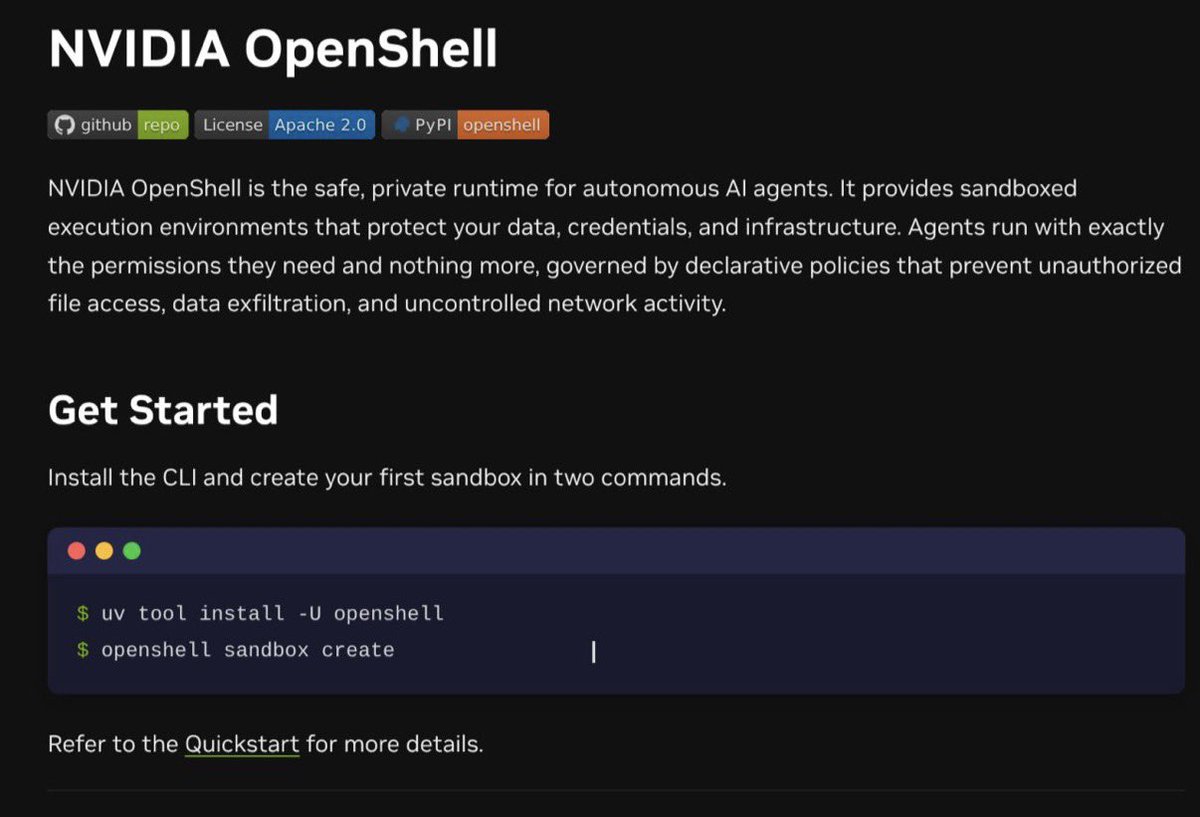
🔥Breaking: NVIDIA just open-sourced the guardrails AI agents should have had from day one. It’s called OpenShell. Announced at GTC yesterday. Your coding agent currently has access to your terminal, files, AWS keys, and network. OpenShell fixes that. What it does: - Filesystem locked at sandbox creation - Network blocked by default. - You whitelist what’s allowed - API keys never touch the filesystem. Injected at runtime only - Policies defined in simple YAML One command to sandbox Claude Code, Codex, or Cursor. The architecture runs a full K3s cluster inside a single Docker container. No separate Kubernetes install. Adobe, Atlassian, Cisco, CrowdStrike, Salesforce are already integrating it. Most teams solve agent security at the application layer. OpenShell solves it at the infrastructure layer. GitHub repo link in comments.
Akhilesh Mishra tweet media
English
47
91
740
75.4K
shadcn
shadcn@shadcn·
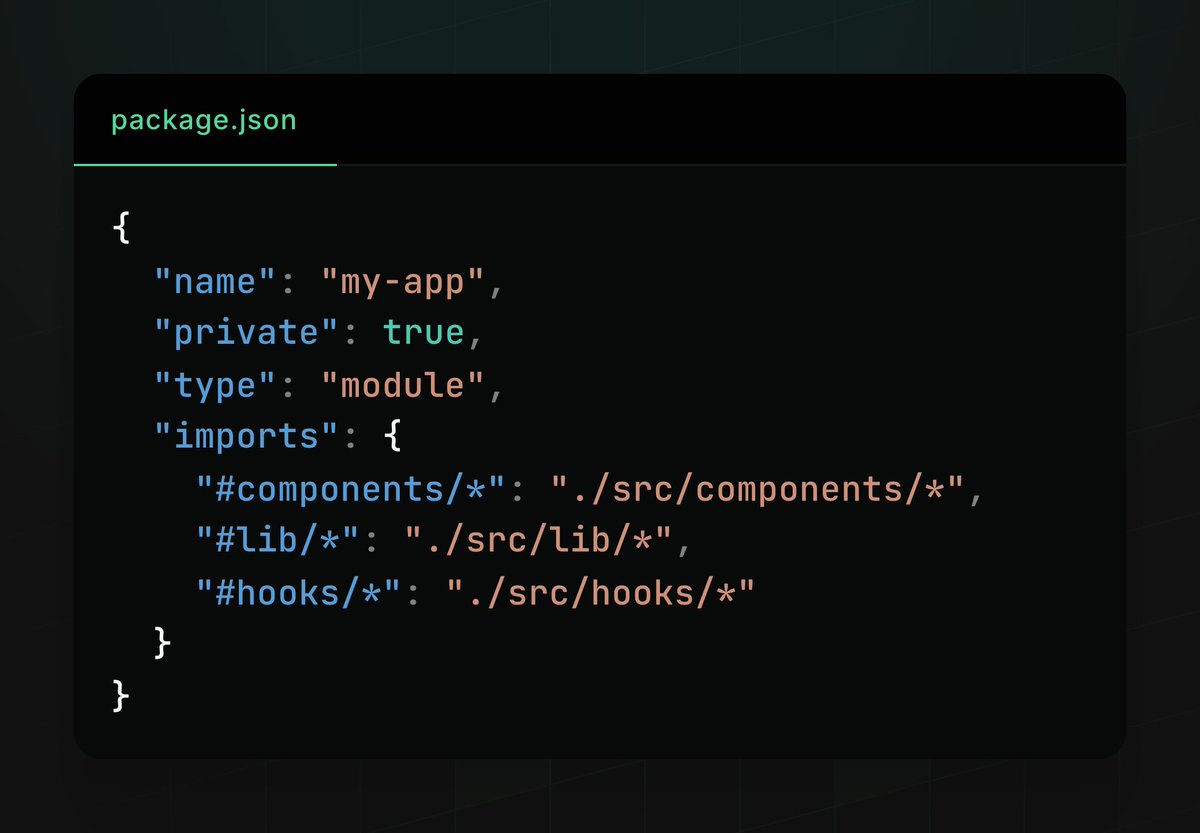
We added node subpath import support in the latest canary. Long-requested. If you have a project using package.json imports, help us test: npx shadcn@canary init
shadcn tweet media
English
14
9
262
20.9K
Sumanth Chinthagunta (సుమంత్ చింతగుంట) retweetou
Matteo Collina
Matteo Collina@matteocollina·
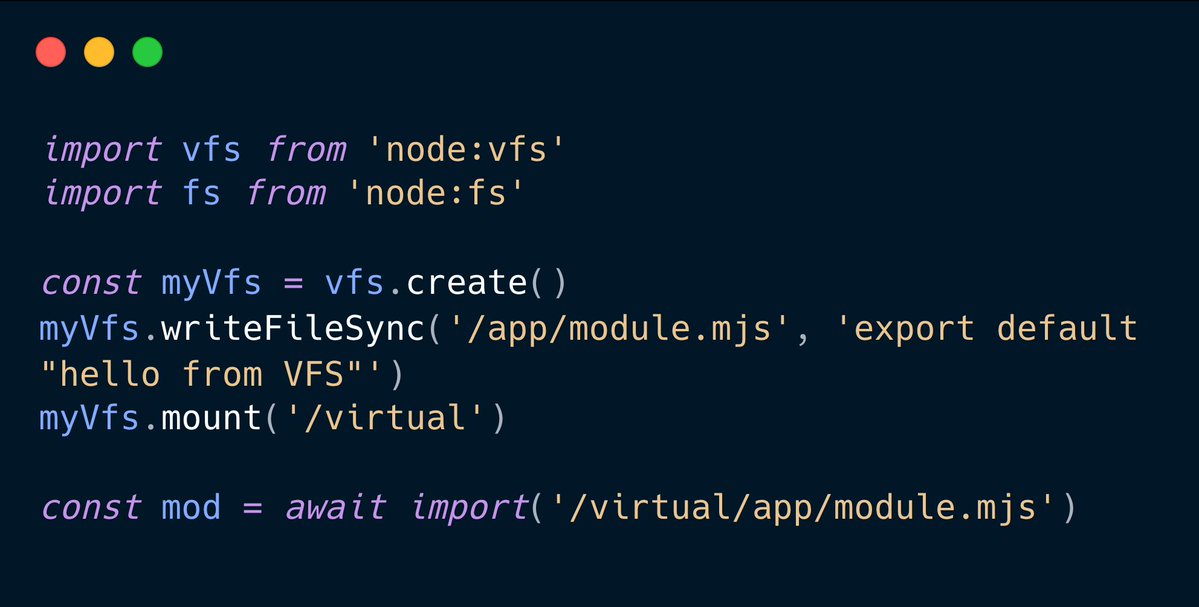
.@nodejs has always been about I/O. Streams, buffers, sockets, files. But there's a gap that has bugged me for years: you can't virtualize the filesystem. You can't import a module that only exists in memory. You can't bundle assets into a Single Executable without patching half the standard library. That changes now 👇
Matteo Collina tweet media
English
51
267
2.6K
354.4K
branchseer
branchseer@branchseer·
@xmlking @voidzerodev No. It should be loaded inside the task. (If it is, vite-task will fingerprint .env in the cache.)
English
1
0
0
29
Alexander Lichter
Alexander Lichter@TheAlexLichter·
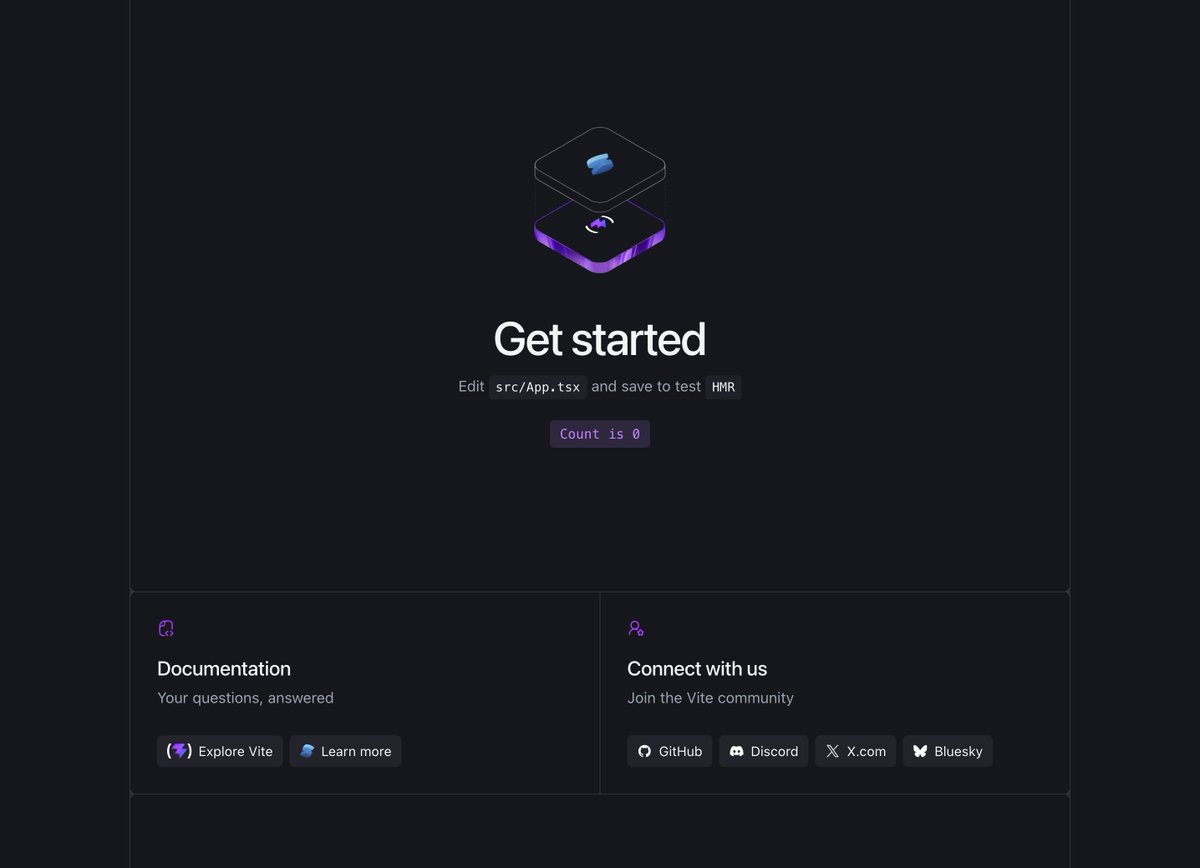
Can't wait until the @vite_js community discovers the stunning new starter templates 🔥
Alexander Lichter tweet media
English
4
6
138
7.5K
Sumanth Chinthagunta (సుమంత్ చింతగుంట) retweetou
Raul Junco
Raul Junco@RaulJuncoV·
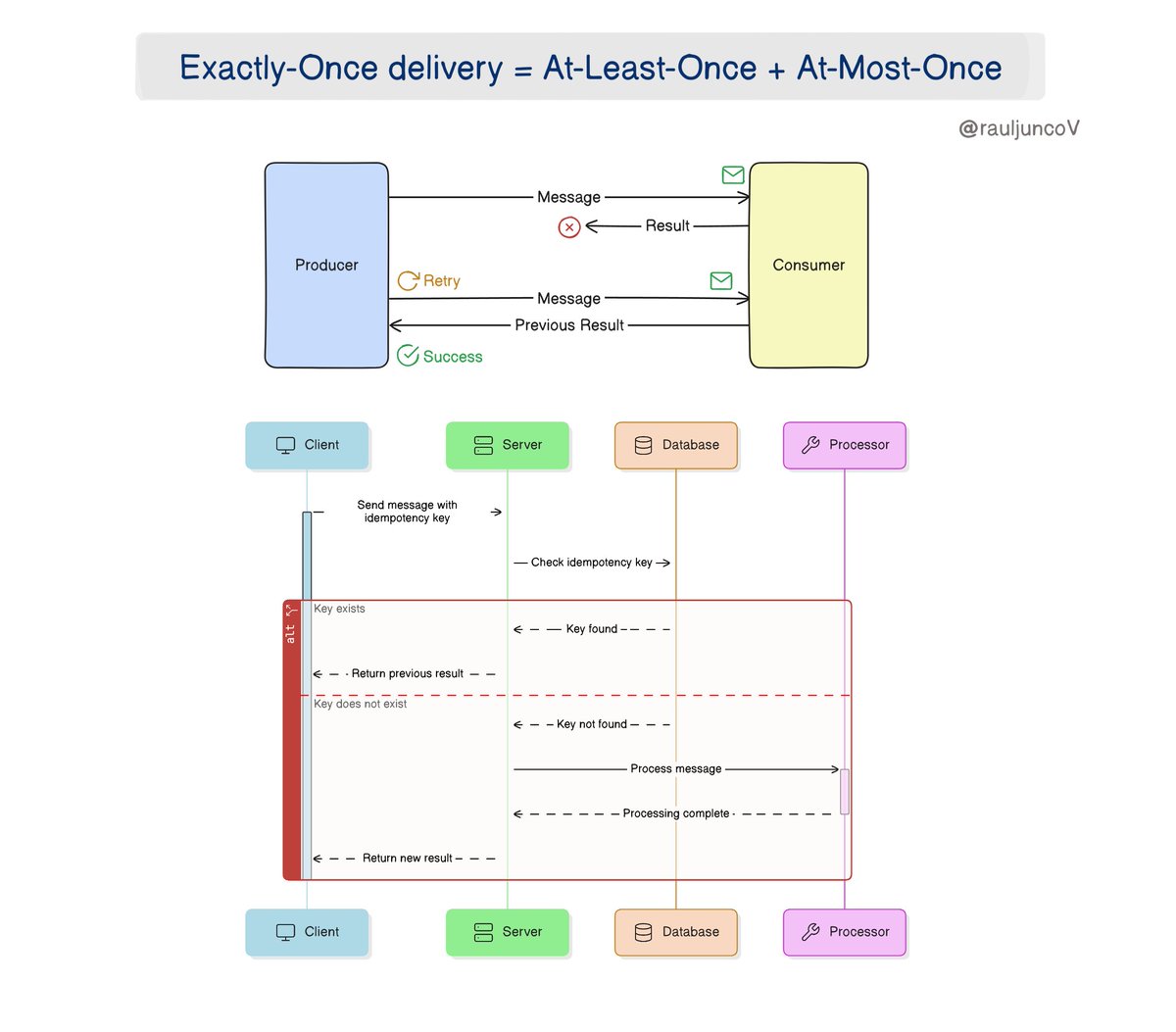
If you don't understand this concept, “eventually” you will be in trouble. How to achieve Exactly-Once delivery? One of the most serious problems a distributed system can have is executing an operation many times due to retries. At first glance, Exactly-Once delivery seems hard to tackle, but dividing the problem into two parts makes it much easier to solve. Mathematically, an operation is executed Exactly-Once if: - It is executed At-Least-Once. - It is executed At-Most-Once. At-Least-Once Delivery An operation is executed at least once if, even in the presence of failures, the system retries it until it succeeds. How? 1. Retries: Implement a retry mechanism to ensure the message is retried until it is successfully processed. (Take into account that not all operations are retryable) 2. Persistence: Store the message and its state in a durable message queue to ensure it is not lost and can be retried. 3. Monitoring and Alerts: Set up monitoring to detect and alert if retries exceed a threshold, indicating potential issues needing attention. At-Most-Once Delivery An operation is executed at most once if the system prevents the same message from being processed more than once, even if it is retried. How? 1. Idempotency is your friend. An idempotent operation can be applied multiple times without changing the result beyond the initial application. 2. Generate a unique idempotency key for each message/operation. 3. Before processing the message, check if the idempotency key already exists in a persistent store: - If it exists, do not process the message again and return the previous result. - If it does not exist, process the message and store the key. Don't double-charge your customers; instead, combine At-Least-Once and At-Most-Once. ;)
Raul Junco tweet media
English
14
27
220
11.7K
Stanislav Kozlovski
Stanislav Kozlovski@kozlovski·
🚨 NEW: Diskless Topics were just accepted into Kafka! In case you've been living under a rock for the past 3 years, Diskless Topics are a new innovative topic type in Kafka where the broker writes the data directly to S3. It changes Kafka massively: • up to 90% lower costs vs classic Kafka due to no cross-zone replication. At 1 GB/s, we're literally talking ~$100k/year versus $1M/year 🔥 • stateless brokers. No disk to manage means no state on the broker, making them as easy to run as Nginx. 🏎️ • instant scalability & elasticity. Because this architecture is leaderless (every broker can be a leader), new brokers can be spun up, and traffic can be redirected effortlessly. Hot spots are no longer a thing. Just-in time scaling means you don't need to overprovision as much. 🙌 • network topology flexibility - you can scale per AZ (e.g more brokers in 1 AZ) to match your applications topology This all comes at one simple tradeoff - higher request latency (up to 2 seconds p99). I revisited the history of Diskless topics. Aiven was the first to do two very major things here, for which they deserve massive kudos: • 🏆 First to Open Source a solution, and commit to contributing it to mainline OSS Kafka • 🏆 First to have a product that supports both classic (fast, expensive) topics and diskless (slow, cheap) topics in the same cluster. The combination of these make open-source Apache Kafka VERY competitive to all the proprietary solutions that were first to market. Most importantly: • users can actually save 90%+ costs. Proprietary solutions ate up a lot of those cost savings as their own margins while still advertising to be "10x cheaper" 🤑 • users do not need to perform risky migrations to other clusters • users do not need to split their streaming estate across clusters for access to diskless topics • adoption will be a simple upgrade and setting topic.type=diskless The Diskless initiative by Aiven, frankly said, really raised the bar. Just two days after the KIP announcement in 2025, AutoMQ changed their open-source license to Apache and began donating proprietary features. Diskless topics promise to open up the gate for better data lake (Parquet/Iceberg) integration as they offer an S3-first write path in Kafka. It's one of the few exciting things left in Kafka nowadays, especially post Confluent being acquired by IBM.. In this week where I bet Aiven is popping champagne, let us congratulate them for keeping open-source alive & well. 🥂
Stanislav Kozlovski tweet media
English
1
10
71
4.7K
Sumanth Chinthagunta (సుమంత్ చింతగుంట) retweetou
Vali Neagu
Vali Neagu@AmbsdOP·
YES! Someone reverse-engineered Apple's Neural Engine and trained a neural network on it. Apple never allowed this. ANE is inference-only. No public API, no docs. They cracked it open anyway. Why it matters: • M4 ANE = 6.6 TFLOPS/W vs 0.08 for an A100 (80× more efficient) • "38 TOPS" is a lie - real throughput is 19 TFLOPS FP16 • Your Mac mini has this chip sitting mostly idle Translation: local AI inference that's faster AND uses almost no power. Still early research but the door is now open. → github.com/maderix/ANE #AI #MachineLearning #AppleSilicon #LocalAI #OpenSource #ANE #CoreML #AppleSilicon #NPU #KCORES
Vali Neagu tweet media
English
162
751
7.1K
548K
Chris Tate
Chris Tate@ctatedev·
portless v0.4.0 is out. Local dev servers now get HTTPS + HTTP/2 automatically: 𝚙𝚘𝚛𝚝𝚕𝚎𝚜𝚜 𝚖𝚢𝚊𝚙𝚙 𝚗𝚎𝚡𝚝 𝚍𝚎𝚟 -> 𝚑𝚝𝚝𝚙𝚜://𝚖𝚢𝚊𝚙𝚙.𝚕𝚘𝚌𝚊𝚕𝚑𝚘𝚜𝚝 No cert setup. No port numbers. No config. github.com/vercel-labs/po…
English
29
98
1.1K
254.9K