Michael Berglund ретвитнул
Michael Berglund
4.9K posts

Michael Berglund
@AtomicmutantMB
Sculptor, Graphic Artist, Maker of Strange Things, Digger of Dinosaurs, Brewer of Beer, Obsessively Curious, floating brain.
Присоединился Ekim 2011
1.1K Подписки337 Подписчики
Michael Berglund ретвитнул
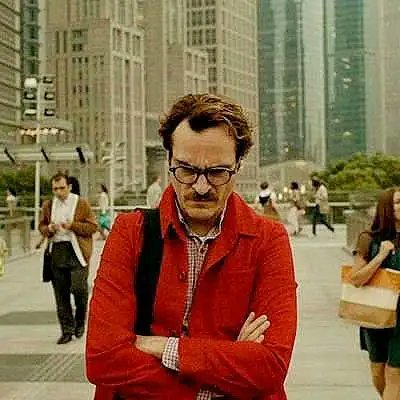
“My name is Matt Foley and I am a motivational speaker. Now let's get started by letting me give you a little bit of a scenario of what my life is all about. First off, I am 35 years old, I am divorced, and I live in a van down by the river.”
👉 super70ssportsstore.com/products/matt-…


English
Michael Berglund ретвитнул

@RealGDT Just don’t get borne away by the waves and lost in darkness and distance. We need this film finished! 😊
English
Michael Berglund ретвитнул

There was once a time when being diagnosed with type 1 diabetes was a death sentence. The ancient Egyptians first described the disease more than 3,000 years ago. During the many centuries that followed, parents would helplessly watch as their diabetic children slipped into comas and died.
By the 18th century, doctors discovered that a heavily modified diet could slow the disease. Many children were placed on starvation diets with limited carbs, which helped prolong their lives. However, such treatments were not very effective, and some children even starved to death.
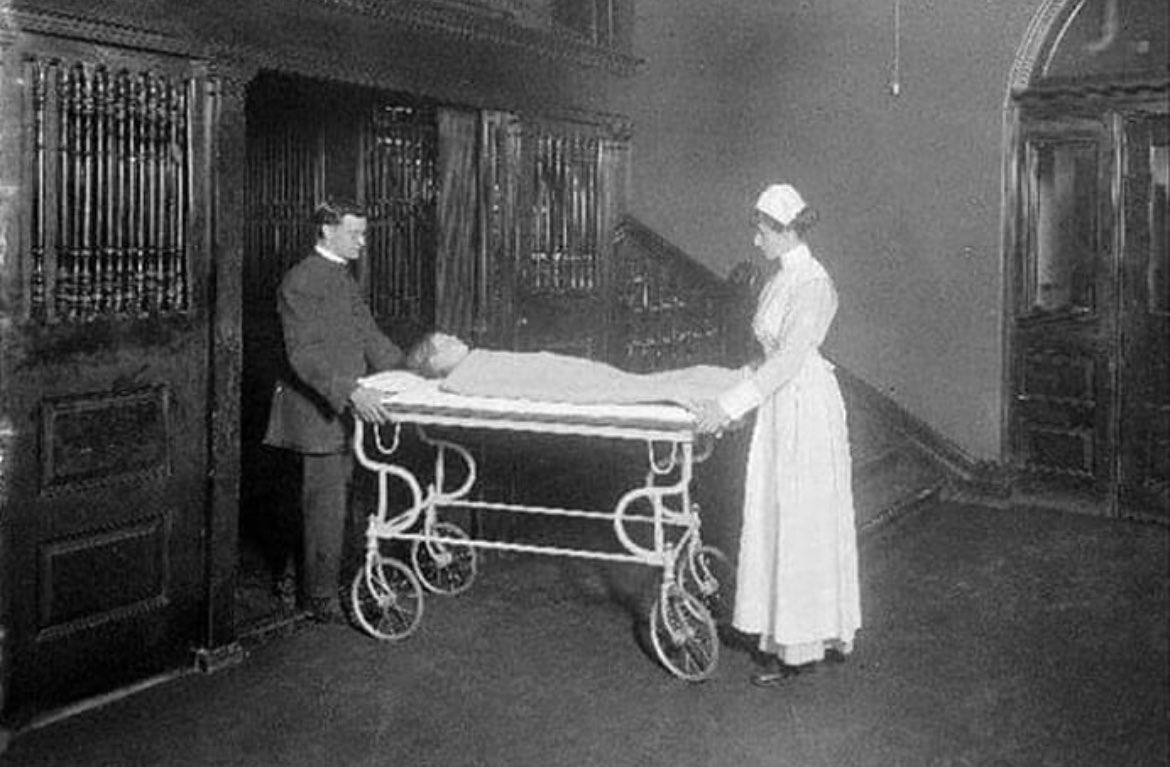
Fast forward to 1922, when a group of scientists went to the Toronto General Hospital, where diabetic children were kept in wards, often 50 or more at a time. Most of them were comatose and dying from diabetes. These children were in their deathbeds.
The scientists moved swiftly and proceeded to inject each of them with a new purified extract of insulin that they were able to successfully isolate. As they began to inject the last comatose child, the first one that was injected began to wake up. Soon, all the children in the room began to wake up—one by one!
The scientists responsible for saving the children's lives were Frederick Banting and Charles Best. They both agreed that it would be unethical to profit from a discovery that could potentially save millions of lives. They sold the insulin patent to the University of Toronto for $1.
"Insulin belongs to the world, not me," said Banting.


English
Michael Berglund ретвитнул

Congrats to Sam Berglund for a great season and a well deserved spot on the AUDL All-Rookie 1st Team ❄️🥏
#bundleup #letsgochill #allaudlrookie

English
Michael Berglund ретвитнул

One aspect of historical life that most misunderstand is the degree to which things could just... happen, without any possibility of averting them.
We live in an administrative state, with Lovecraftian levels of bureaucracy dedicated to dealing with every possible occurrence. This hasn't always been the case.
For example, take it back a few centuries and people could just... walk into your village with swords and say you're now their slave. What are you going to do, call the police? The men of the village *are* the police, and if they're overpowered there's no recourse.
For women, being taken as a war bride was a non-zero possibility in life. That was just a possibility you had to live with.
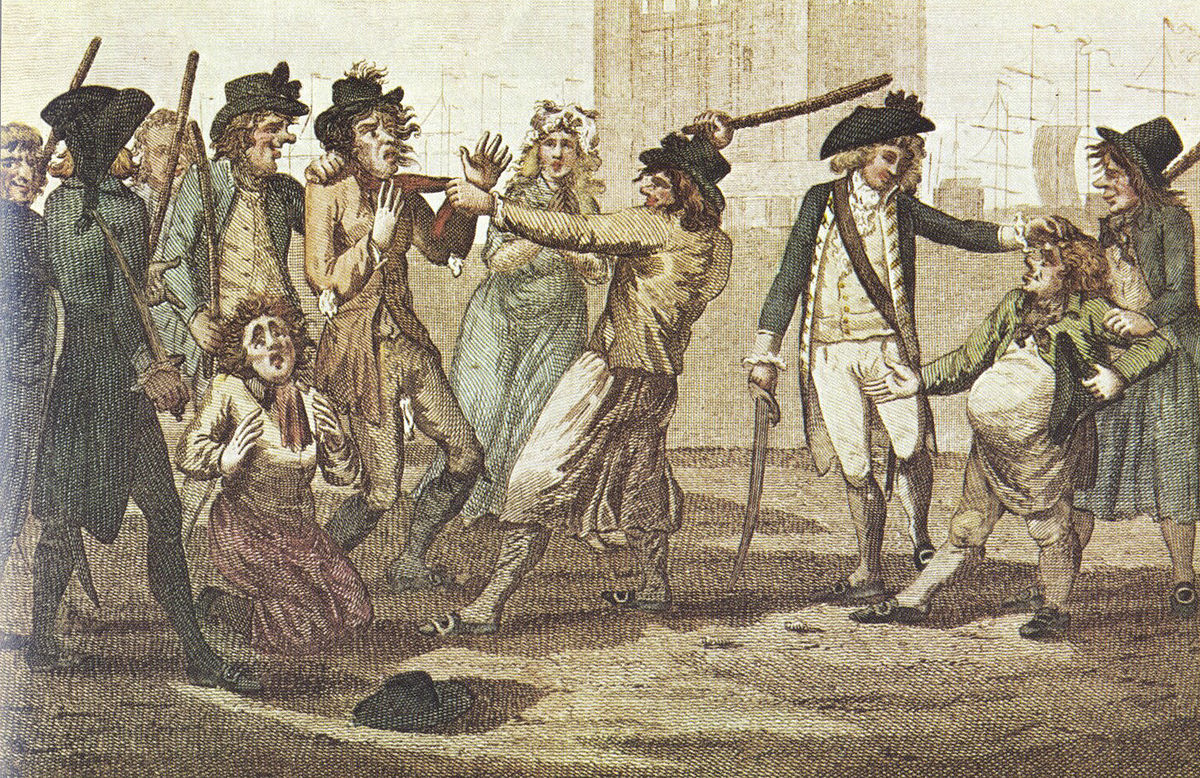
Even more recently (18th, 19th centuries) sailors could be "recruited" by press gangs. Kidnapped, often from a tavern or similar, and forcibly interred in the Navy. That's just your life now. Got too drunk and woke up on the HMS Victory as a deckhand.
There are dozens more examples. This sort of randomness is a more primordial way of life, one that we've done our best to excise from modern society.
But in reality, it is still the base form of life - we just do our best to work around it, to make such actions undesirable in the long run.
However, this is a double-edged sword. While you're unlikely to be pressed into military service or taken as plunder... alienation from such risks creates a false sense of control. A sort of false belief that because these things are disincentivized, they can't happen.
After a lifetime exposed to such an environment, you begin to believe that everything in your life is under your control, that nothing can happen without your approval. This manifests as anxiety, neuroticism, fear of loss of control.
At the same time, it disincentivizes action in the moment; everything should be planned long-term, played prudently and slowly.
Because everything becomes a long-term game, we build an unfamiliarity with intense, life-changing situations. Emergencies, acts of violence. People freeze up, think "this can't be happening"... "this isn't allowed to happen."
Very dangerous, and distinctly modern, way of thinking.

English