Baptiste Compagnon

103 posts

Baptiste Compagnon banner
Baptiste Compagnon

Baptiste Compagnon

@BaptisteCompa

CCA d’Anesthésie-Réanimation @CHUdeToulouse & Montagnard & Amateur du bon gras

Присоединился Ocak 2022
56 Подписки30 Подписчики
POpART
POpART@POpARToulouse·
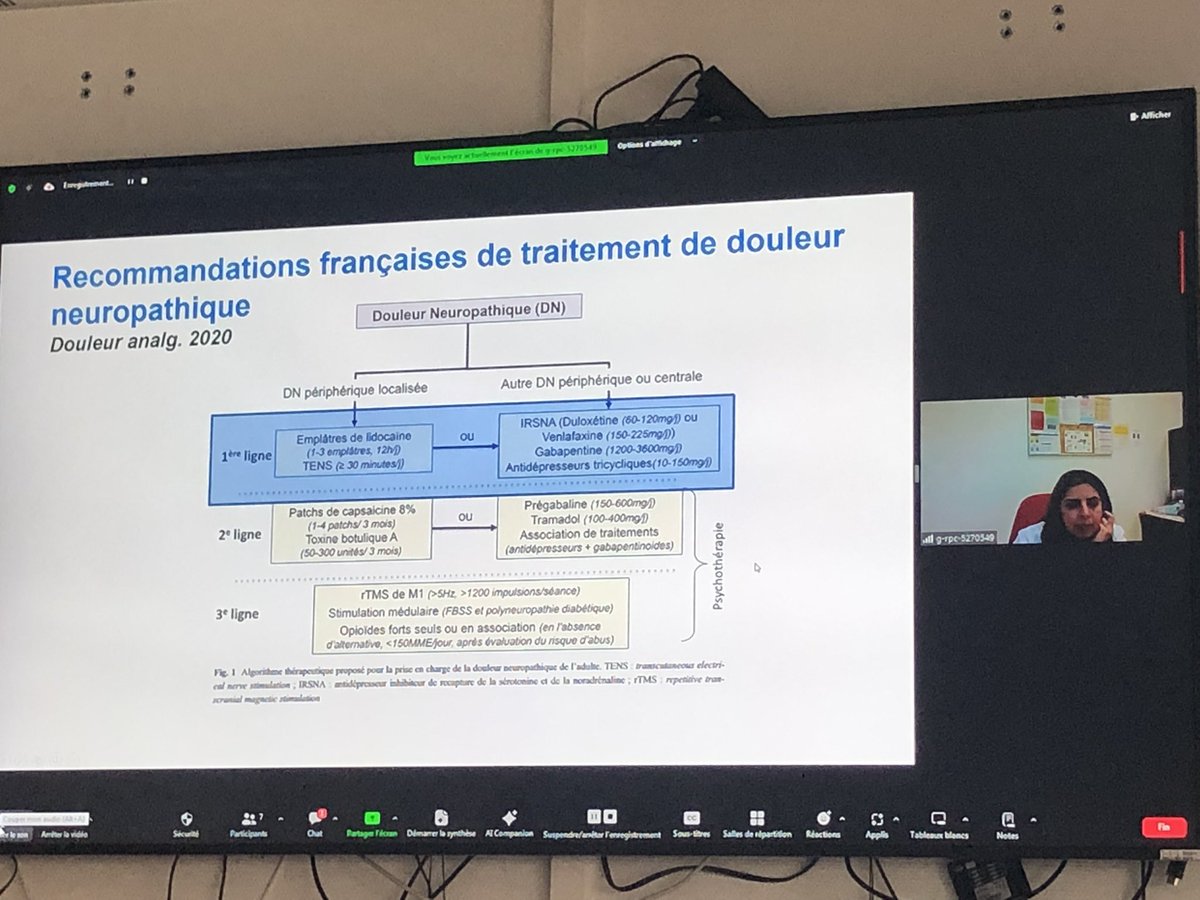
Hippocrate disait « Je ferai tout pour soulager les souffrances. » 😷La prise en charge de la douleur 💥 est au cœur de notre métier, mais on peut toujours mieux faire !! Venez écouter la Dre Léa Guichard de @Pare_Poincare 📆aujourd’hui 🕓à 16h 🔗sur le lien ci-dessous ⬇️⬇️
POpART tweet media
Français
2
2
6
413
Baptiste Compagnon
Baptiste Compagnon@BaptisteCompa·
Vasopressine dans le choc septique: why and when ? Pr Philippe Guerci. J... youtu.be/7ZyIDfpwmXQ?si… via @YouTube 🚨Retrouvez les confs d’experts en anesthésie et réanimation sur la nouvelle chaîne YouTube POPART 💉😎
YouTube video
YouTube
Toulouse, France 🇫🇷 Français
1
3
3
288
Baptiste Compagnon ретвитнул
Anaesthesia Critical Care & Pain Medicine (ACCPM)
🚨 New study sheds light on unplanned extubation in ICUs! 9% of ICU extubations are unplanned, most are self-extubations. While accidental extubations are riskier, self-extubation doesn’t raise mortality 👉🔗bit.ly/47Ix1sb
Anaesthesia Critical Care & Pain Medicine (ACCPM) tweet media
English
1
9
11
1.4K
Baptiste Compagnon ретвитнул

POpART
POpART@POpARToulouse·
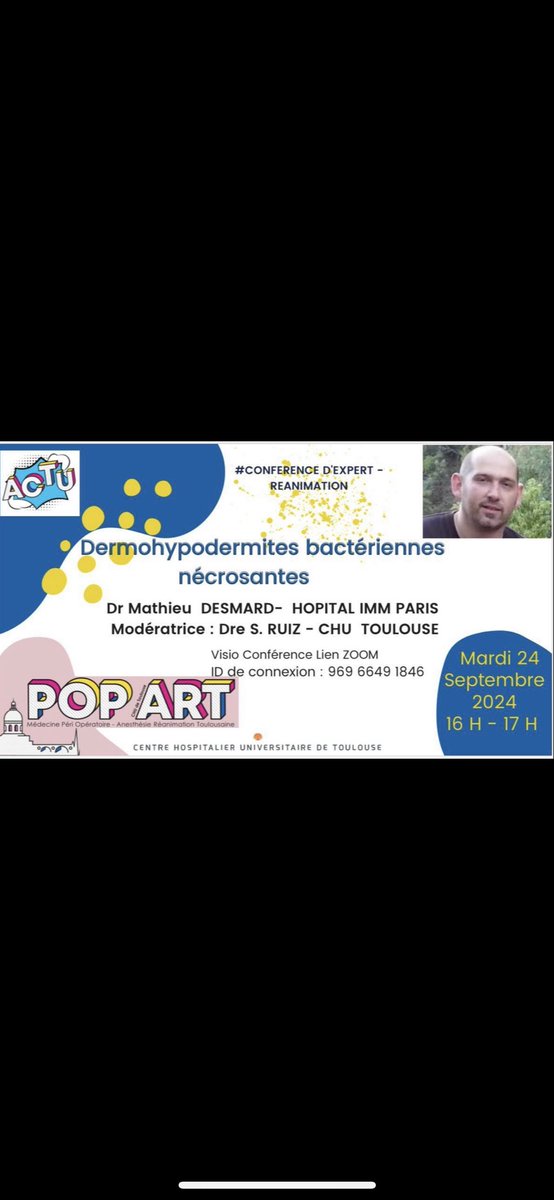
Le ⁦@POpARToulouse⁩ reçoit le Dr Mathieu Desmard, MAR à l’⁦@IMMontsouris⁩ pr parler des DERMOHYPODERMITES BACTÉRIENNES NECROSANTES 🧫🦵 Retrouvez nous 📆 mardi 24 Sept 🕓 16-17h 🔗 Zoom lien sur l’icono ⁦@SFAR_ORG⁩ ⁦@SFARJeunes⁩ ⁦@AJARFrance
POpART tweet media
Français
0
3
5
669
Baptiste Compagnon ретвитнул
SrivatsaNagachandan
SrivatsaNagachandan@Srivatsa34·
🧠 Understanding Lactate: A Critical Biomarker in Clinical Practice 🧠 Overview: Lactate, a product of anaerobic glycolysis, serves as a crucial indicator of either Type A (oxygen delivery issues) or Type B (altered metabolism) causes. It’s predominantly cleared by the liver, and its accumulation leads to lactic acidosis. Lactate Levels: •Normal Range: 0.6-1.8 mmol/L •Hyperlactatemia: 2-5 mmol/L •Severe Lactic Acidosis: > 5 mmol/L •Critical Threshold: Lactate > 8 mmol/L indicates high mortality risk. Physiology: Lactate is produced at approximately 20 mmols/kg/day, entering circulation and undergoing hepatic and renal metabolism (Cori cycle). All tissues can produce lactate under anaerobic conditions, with significant contributions from skin, red cells, brain, muscle, and gut. Lactate Metabolism: •Primarily metabolized in the liver (60%) and kidney (30%). •The heart can also utilize lactate for ATP production. •Converted into glucose (50%) or CO2 and water (50%) without net acid accumulation. Pathophysiology: Lactic acidosis may arise from excessive tissue lactate production or impaired hepatic clearance, often seen in conditions like sepsis and ARDS. It is crucial to differentiate between Type A (inadequate oxygen delivery) and Type B (metabolic issues). Type A Causes: •Anaerobic muscular activity (e.g., sprinting, convulsions) •Tissue hypoperfusion (e.g., shock, cardiac arrest) •Reduced oxygen delivery/utilization (e.g., hypoxaemia, CO poisoning) Type B Causes: •B1: Underlying diseases like leukemia, thiamine deficiency, or hepatic failure. •B2: Drugs and toxins including beta-agonists, methanol, or biguanides. •B3: Inborn errors of metabolism. Diagnosis: Measuring plasma lactate levels is key, followed by identifying and treating the underlying cause. D-lactate, produced by intestinal bacteria, is a noteworthy isomer not detected by standard assays. Management: •Address the root cause and restore adequate oxygen delivery. •Use bicarbonate cautiously, as studies show minimal benefit in correcting lactic acidosis. •Dialysis/haemofiltration can be a useful marker of disease progression, though not a primary treatment. Evidence: •Elevated lactate levels correlate with higher mortality. •Lactate clearance is a strong prognostic marker, non-inferior to ScVO2 monitoring in guiding therapy. Practical Tips for Sample Collection: •Venous samples are typically equivalent to arterial ones in clinical settings. •No need to remove the tourniquet unless venous access is prolonged. •Store samples properly to ensure accuracy, and repeat measurements if elevated after 4 hours or sooner with a change in condition. Understanding and managing lactate is vital for improving patient outcomes, especially in critical care settings. Let’s continue to deepen our knowledge and refine our practices to better serve our patients. #CriticalCare #IntensiveCare #Lactate #MedicalScience #PatientCare #Sepsis #Acidosis courtesy: clinicalproblemsolving.com/dx-schema-lact…
SrivatsaNagachandan tweet media
English
3
276
775
98.2K
Baptiste Compagnon ретвитнул
Fanny Vardon
Fanny Vardon@RangueilAR·
Retrouvez les 2 derniers épisodes d’AR-Pod sur ttes les plateformes de podcasts & abonnez-vous pour ne rien rater ! On compte sur vous pour soutenir notre podcast ! N’hésitez pas à faire des suggestions pour les prochaines thématiques ! @SFAR_ORG @SFARJeunes @cnear_fr @AJARFrance
SFAR Anesthésie Réanimation@SFAR_ORG

🎙️ AR-Pod diffuse 2 nouveaux épisodes : La Pr @ClaireDahyot nous parle de neurotoxicite des antibiotiques et l'étude EPIPAN sur la péridurale dans les pancréatites graves coordonnée par le Pr @mj0b ➡️ youtube.com/playlist?list=… ➡️ deezer.page.link/DnmkL5CBuDn8sZ… @AJARFrance @SNJeunesAR
Français
0
7
9
1.2K
Baptiste Compagnon ретвитнул
POpART
POpART@POpARToulouse·
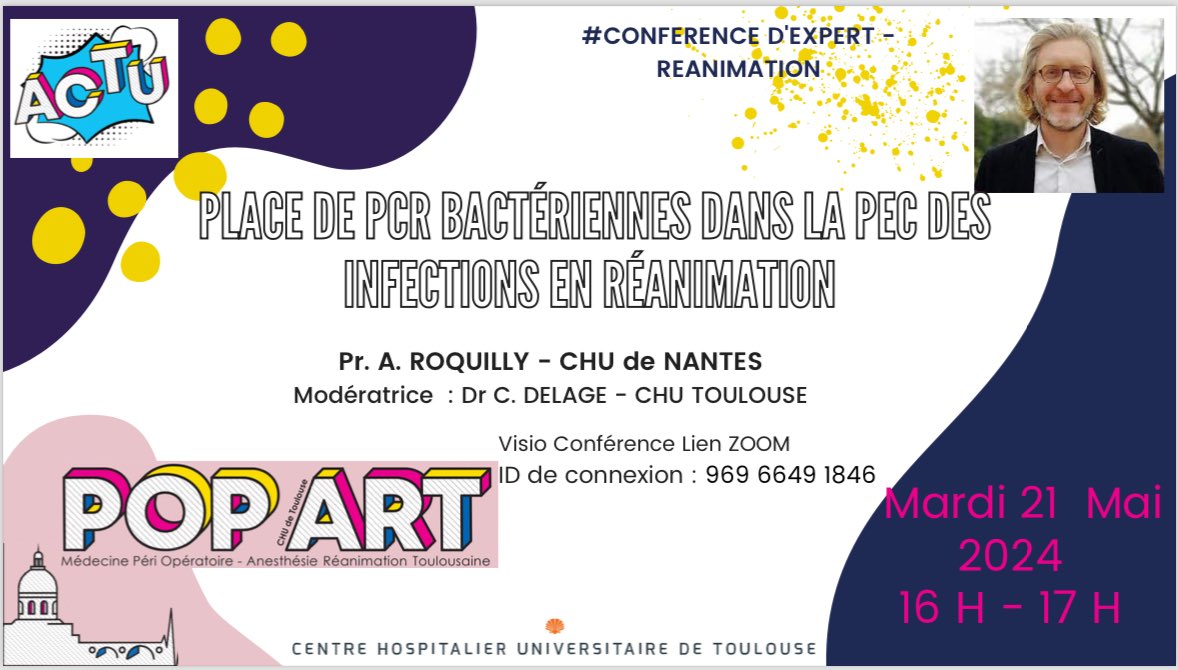
✨Et les #ConfsDExperts reprennent demain !! Venez écouter et poser toutes vos questions au Pr @RoquillyAntoine qui abordera la place des 🧬🦠🧫PCR bactériennes en réanimation. Alors rejoignez nous : 🗓️ mardi 21 Mai 🕓 16-17h 🔗 Lien Zoom ⬇️⬇️⬇️ ID 969 6649 1846
POpART tweet media
Français
1
5
11
571