UCD BatLab

1.3K posts

UCD BatLab banner
UCD BatLab

UCD BatLab

@BatLabUCD

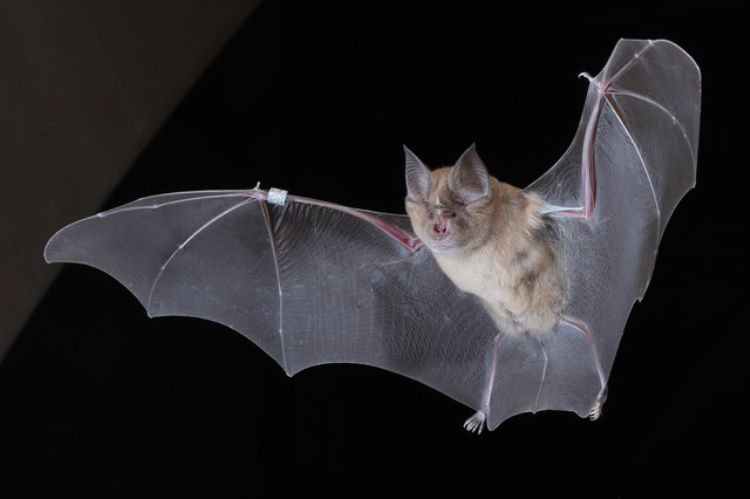
BatLab is a molecular evolution and genetics research group led by Prof. Emma Teeling, specialising in the weird and wonderful animals, the bats!

University College Dublin Присоединился Mart 2015
751 Подписки1.5K Подписчики
UCD BatLab ретвитнул
University College Dublin
University College Dublin@ucddublin·
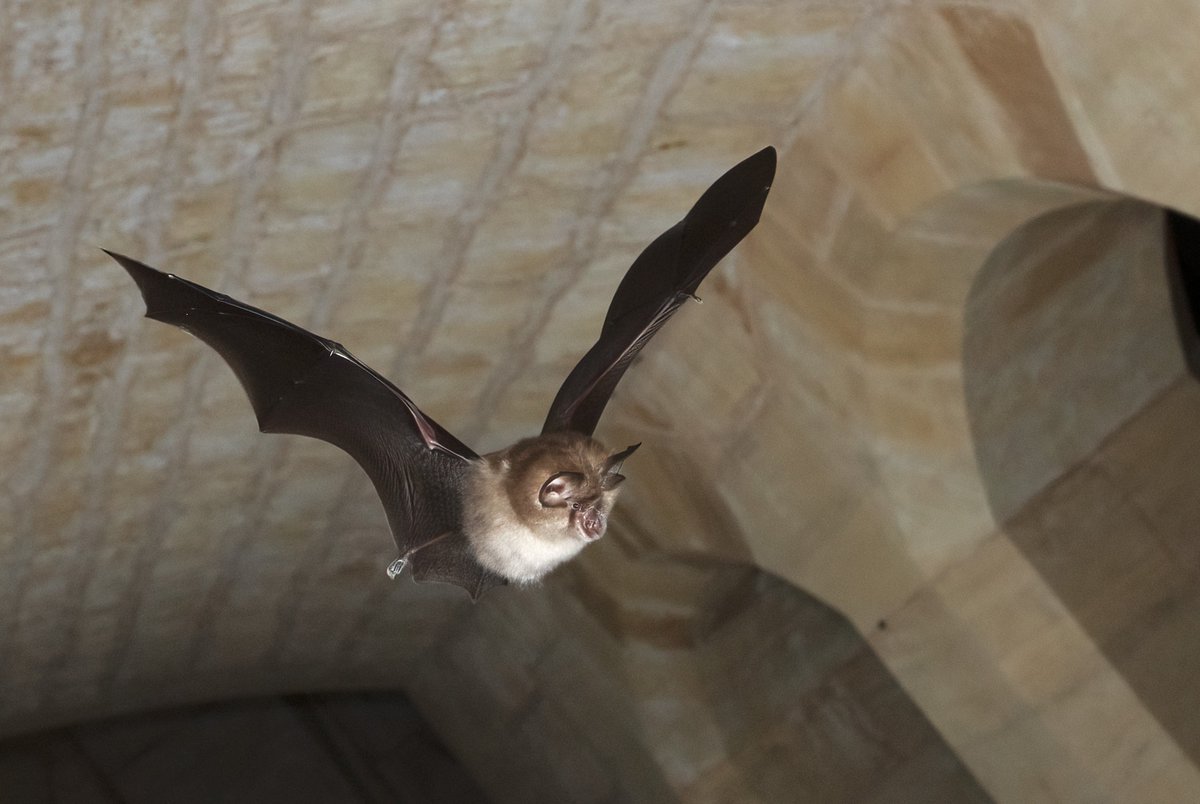
Is it better to have children early or later in life, and does parenthood speed up ageing? A new study from University College Dublin offers has tackled these questions with some help from Greater horseshoe bats. 🦇 Researchers found that reproducing early in life carries measurable costs but that some “super-mothers” defy the trend, living long, healthy lives while raising multiple offspring. The team assessed the cost of reproduction by measuring telomere length, a biomarker of ageing and stress, in 200 female bats from a colony in the UK monitored continuously since 1959. Telomeres shorten each time a cell divides and are considered a key marker of cellular health. By pairing these biomarkers with each individual’s breeding history, the team uncovered a number of remarkable animals balancing reproduction and longevity. “These ‘super-mothers’ have achieved the evolutionary jack-pot, living long healthy lives with lots of offspring. These are the individuals we need to study to uncover their longevity secrets,” said senior author Professor Emma Teeling.
University College Dublin tweet media
English
1
4
5
787
UCD BatLab ретвитнул
BatProtect
BatProtect@BatProtect·
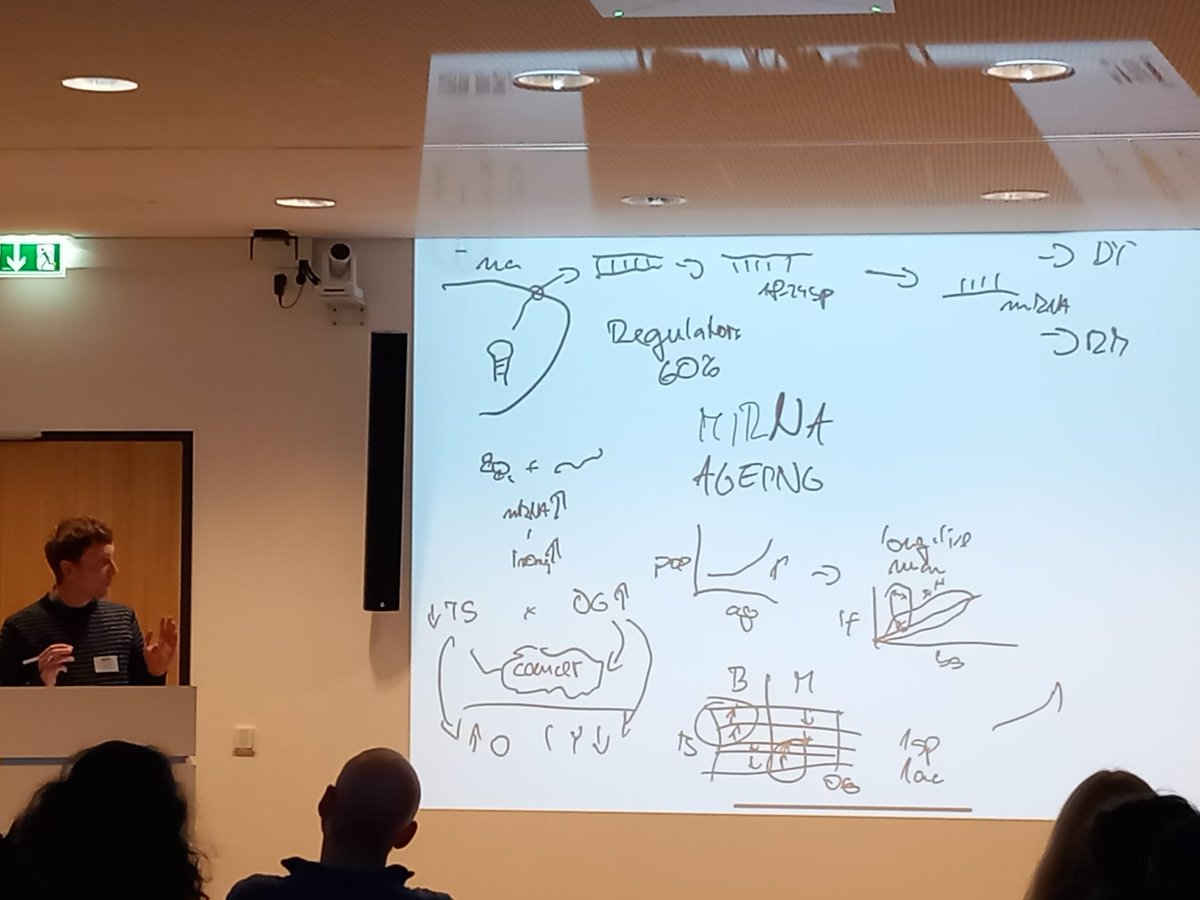
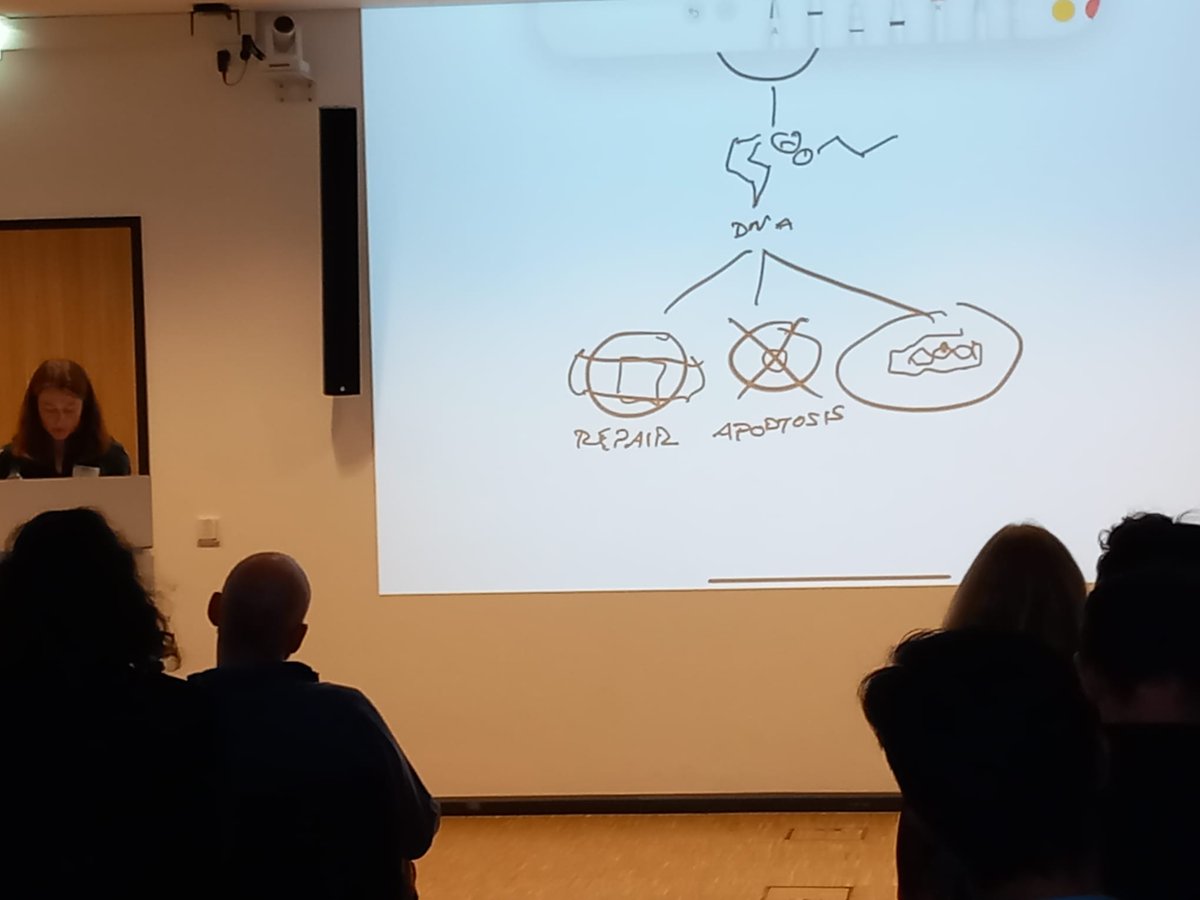
Part of our programme is Interactive Chalk talks and Theme 1 is on longitudinal sampling, biomarker & repair by #SebastienRiquier, #MaggieWeber, #IlzeSkujina & #MarekUvizl Such a refreshing approach and aids discussion better than than typical PowerPoint 😀
BatProtect tweet mediaBatProtect tweet mediaBatProtect tweet mediaBatProtect tweet media
English
0
2
4
143
UCD BatLab ретвитнул
BatProtect
BatProtect@BatProtect·
BatProtect - 3 day programme kicked off by @schumacherbj Followed by first keynote of the day from #StevenAustad on Methuselah's Zoo: what nature can teach us about living longer, healthier lives
BatProtect tweet mediaBatProtect tweet media
English
0
3
5
742
UCD BatLab ретвитнул
BatProtect
BatProtect@BatProtect·
3 day programme has exciting blend of keynotes from leading experts, interactive chalk talks by BatProtect researchers from across consortium & group discussions focusing on new methods, opportunities and future research planning. Day 1 focuses on Longitudinal Omics/Metadata
BatProtect tweet media
English
0
1
3
70
UCD BatLab ретвитнул
Sch. Biol. & Env. Sc
Sch. Biol. & Env. Sc@UCDSBES·
Very proud of @BatLabUCD @bat1kgenomes @EmmaTeeling1 @GrahamMHughes and @ZixiaH for the publication of their paper on @Nature #bats
GMHughes@GrahamMHughes

Excited to share our new paper out in @nature, looking at the genomics of viral tolerance and immunity in #bats 🦇🧬with @ZixiaH, @EmmaTeeling1 and some incredible scientists as part of @bat1kgenomes. @UCDSBES @UCD_Research. Check it out: nature.com/articles/s4158…

English
0
3
7
516
UCD BatLab ретвитнул
GMHughes
GMHughes@GrahamMHughes·
Definitely too big for the fridge, will have to put it on the wall instead 😂 @UCDTL
GMHughes tweet media
English
2
3
32
2.3K
UCD BatLab ретвитнул
Journal of Bat Research & Conservation
🔊 Do not miss this 📰 by @MeganPower101 et al. about #telomeres in #hibernating ❄️🦇 and possible consequences of #climate #change 🌍🌡️ @royalsociety | @BatLabUCD | @JonesLabBris | @OdysysLab 🔎➡️ royalsocietypublishing.org/doi/10.1098/rs…
University College Dublin@ucddublin

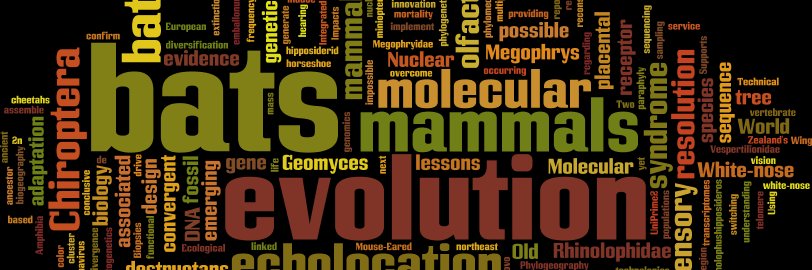
🦇🧬 How climate change could cause havoc to the extraordinary lifespans of bats 👩‍🔬 The extraordinary lifespans of bats could be under threat from rising global temperatures, according to new research. A study by researchers from University College Dublin and University of Bristol found that the hibernation cycle of a group of wild greater horseshoe bats affected by fluctuations in the weather had affected the molecular mechanism thought to give bat species their long lives. Telomeres are pieces of DNA that act as a protective structure at the end of chromosomes. Each time a cell divides, they shorten. And it is this shortening that is associated with aging and aging-related diseases. Data from the new study showed that bats who more frequently arose from hibernating due to warmer conditions during the 2019/2020 hibernation period had significantly shorter telomeres compared to those recorded in previous, colder, winters. 🗣️ UCD Professor Emma Teeling: “We were surprised and then worried at this finding, given that the predicted rise in global temperatures could limit the beneficial effects of hibernation in our wild bats.” The lead author of study Dr Megan Power, from UCD School of Biology and Environmental Science, worked with a population of wild greater horseshoe bats (Rhinolophus ferrumequinum) in the UK, which have been monitored since 1959 by Dr Roger Ransome, who now holds the record for the longest mammal field study by an individual. Carrying out the very first longitudinal study of telomeres in hibernating bats, she tracked over 200 individuals across three winters to determine the beneficial effects of hibernation on telomeres. Her work showed hibernation acts like a form of rejuvenation, where the telomeres extend rather than shortening during the hibernation season. This is most likely due to the expression of the enzyme telomerase which allows telomeric DNA to replicate itself in bats without causing harm. In other mammals, including humans, the enzyme usually drives cancer when switched on in non-egg and sperm cells. University of Bristol Professor Gareth Jones: “It is fascinating that telomeres can extend in length, and it will be interesting to further investigate the potential role of telomerase in this process." Hibernation is different from sleeping, as the latter does not involve the same large drop in body temperature and metabolism. Dr Power said the study highlights the serious potential consequences that changing climatic conditions could have for the long-lived temperate of bats. “We found that climate plays a huge role, showing how susceptible our native mammals can be to fluctuations in weather, with worrying implications given our forecasted climate changes. Species with long-life spans and a slow reproductive rate, like bats, are particularly vulnerable to environmental change. Therefore, it is important for us to understand how bats are affected by and cope with rapid climate change.” This research was funded by an IRC PhD scholarship to Dr Power and an IRC Laureate and SFI Future Frontiers award to Professor Teeling, and was made possible by the ongoing collaboration between The Gareth Jones Lab and UCD Bat Lab. --- ✌️ @MeganPower101 | @EmmaTeeling1 | @BatLabUCD | @JonesLabBris | @UCDSBES | @ucdscience | @BristolUni | @BristolBioSci | @IrishResearch | @OdysysLab | @scienceirel | @UCD_Research ucd.ie/newsandopinion…

English
3
10
22
4.2K
UCD BatLab ретвитнул
University College Dublin
University College Dublin@ucddublin·
🦇🧬 How climate change could cause havoc to the extraordinary lifespans of bats 👩‍🔬 The extraordinary lifespans of bats could be under threat from rising global temperatures, according to new research. A study by researchers from University College Dublin and University of Bristol found that the hibernation cycle of a group of wild greater horseshoe bats affected by fluctuations in the weather had affected the molecular mechanism thought to give bat species their long lives. Telomeres are pieces of DNA that act as a protective structure at the end of chromosomes. Each time a cell divides, they shorten. And it is this shortening that is associated with aging and aging-related diseases. Data from the new study showed that bats who more frequently arose from hibernating due to warmer conditions during the 2019/2020 hibernation period had significantly shorter telomeres compared to those recorded in previous, colder, winters. 🗣️ UCD Professor Emma Teeling: “We were surprised and then worried at this finding, given that the predicted rise in global temperatures could limit the beneficial effects of hibernation in our wild bats.” The lead author of study Dr Megan Power, from UCD School of Biology and Environmental Science, worked with a population of wild greater horseshoe bats (Rhinolophus ferrumequinum) in the UK, which have been monitored since 1959 by Dr Roger Ransome, who now holds the record for the longest mammal field study by an individual. Carrying out the very first longitudinal study of telomeres in hibernating bats, she tracked over 200 individuals across three winters to determine the beneficial effects of hibernation on telomeres. Her work showed hibernation acts like a form of rejuvenation, where the telomeres extend rather than shortening during the hibernation season. This is most likely due to the expression of the enzyme telomerase which allows telomeric DNA to replicate itself in bats without causing harm. In other mammals, including humans, the enzyme usually drives cancer when switched on in non-egg and sperm cells. University of Bristol Professor Gareth Jones: “It is fascinating that telomeres can extend in length, and it will be interesting to further investigate the potential role of telomerase in this process." Hibernation is different from sleeping, as the latter does not involve the same large drop in body temperature and metabolism. Dr Power said the study highlights the serious potential consequences that changing climatic conditions could have for the long-lived temperate of bats. “We found that climate plays a huge role, showing how susceptible our native mammals can be to fluctuations in weather, with worrying implications given our forecasted climate changes. Species with long-life spans and a slow reproductive rate, like bats, are particularly vulnerable to environmental change. Therefore, it is important for us to understand how bats are affected by and cope with rapid climate change.” This research was funded by an IRC PhD scholarship to Dr Power and an IRC Laureate and SFI Future Frontiers award to Professor Teeling, and was made possible by the ongoing collaboration between The Gareth Jones Lab and UCD Bat Lab. --- ✌️ @MeganPower101 | @EmmaTeeling1 | @BatLabUCD | @JonesLabBris | @UCDSBES | @ucdscience | @BristolUni | @BristolBioSci | @IrishResearch | @OdysysLab | @scienceirel | @UCD_Research ucd.ie/newsandopinion…
University College Dublin tweet media
English
3
30
56
27K