Закреплённый твит

PMRI post mortem
3.3K posts

@PMRIpostmortem
The strong do what they want to do, and the weak must suffer what they must. – Thucydides, The Peloponnesian War


Jest jeszcze jedna rzecz w tej całej awanturze ukraińskiej. Mental Polaka jest szlachecki, my mamy zakodowane wielkopańskie maniery. Polak jak coś daje to z serca i gestem szczerym. Czujemy, że w potrzebie trzeba komuś pomóc. Stąd był ten narodowy zryw w 2022, który w żadnym innym społeczeństwie nie byłby możliwy. Do tego dochodzi katolicyzm. Ukrainiec zaś ma mental batożonego chłopa, uniżonego w potrzebie, hardego gdy może. On weźmie wszystko i nisko się skłoni gdy musi, a gdy nie musi to opluje. Po prostu taka jest natura chłopska. Nie ma tu gestu, nie ma współczucia. Jest koryto i własny interes. Postawę altrusistyczną uważa za frajerstwo i idzie "drżeć łocha". To jest podglebie wszystkiego.







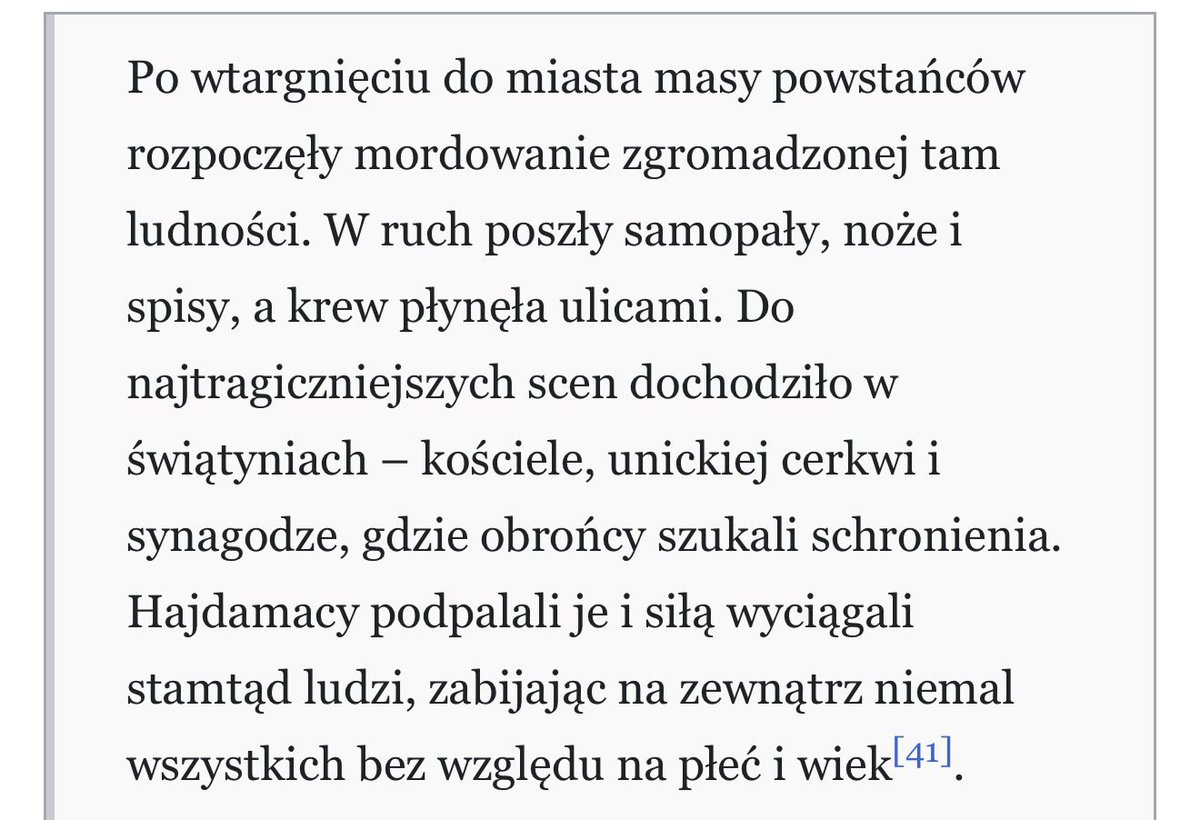
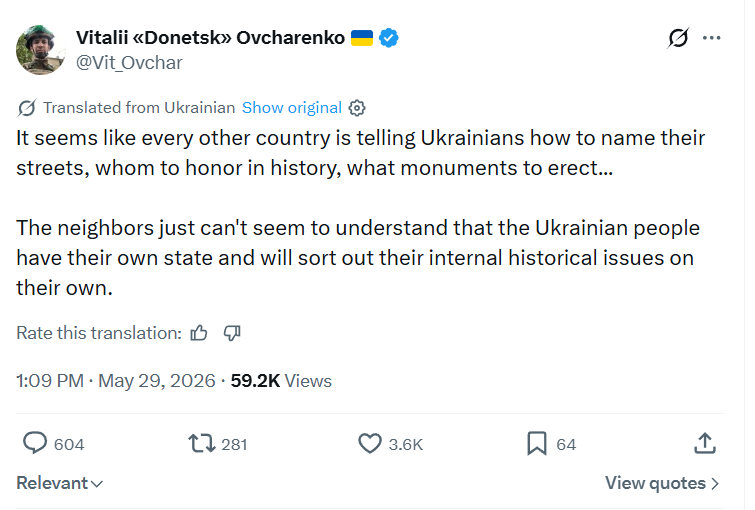
If I can add my two cents, I think true historical reconciliation requires symmetry. Over the years, Ukrainian presidents have repeatedly asked for mutual forgiveness for the Volhynia massacres using the formula, "we forgive and ask for forgiveness." Today, Ukraine's exhumation moratorium is completely lifted, with joint archaeological teams actively operating across western Ukraine under newly issued state permits. Yet, the diplomatic lens remains entirely asymmetrical. Poland has never formally apologized for centuries of colonization, an era its historiography still romanticizes as a multi-ethnic "golden age." Nor has there been an apology for the brutal 1930 Pacification Campaign, which the state still frames as a justifiable police action against saboteurs. Even Operation Vistula (1947) - the forced deportation of over 140,000 Ukrainians, remains deeply contested. While the Polish Senate condemned it in 1990, the Sejm never did. Adding to the friction, Poland’s Institute of National Remembrance (IPN) recently ruled the deportations were merely a "preventive and protective" measure, not a crime against humanity. Similarly, there has been no formal apology for the estimated 10,000 Ukrainian civilians killed by Polish underground units in wartime reprisals. These tragedies are consistently framed as wartime defense, with Warsaw refusing to categorize them symmetrically with Ukrainian nationalist actions. Maintaining this rigid, asymmetrical stance presents severe long-term security risks. While Ukraine is fighting for its survival, creating new history, and forging a fresh pantheon of modern heroes on the battlefield, Poland risks locking itself into a structurally stagnant narrative that feeds entirely on past victimhood. Allowing national identity to be defined by historical score-settling rather than future-oriented leadership only jeopardizes Poland's own security buffer and plays directly into russia's strategic goal of fracturing Western unity.