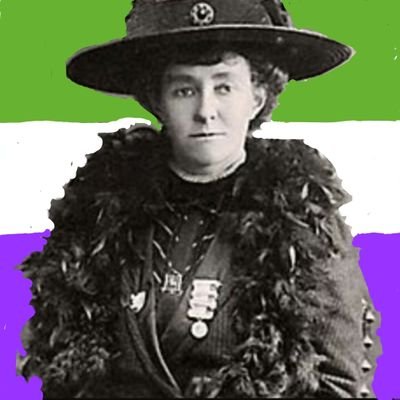

BBC BROKE EQUALITY LAW AND GOT CAUGHT Carrie Gracie spent 30 years at the @BBC. She spoke fluent Mandarin. She ran the Beijing bureau. She was one of four international editors, two men and two women. Then in 2017 the BBC was forced to publish salary data. Gracie looked at what her male equivalent, the North America editor, was earning. He was on nearly double her salary. She had explicitly said equal pay was a condition of taking the China role. The BBC agreed. Then quietly paid her far less anyway. She asked for equal pay. The BBC offered her a raise that still left her below the men. She turned it down. She resigned from the China post in January 2018 and published an open letter telling the licence fee public exactly what their broadcaster was doing. The BBC then put her through nearly a year of an internal grievance process that went nowhere. It took three meetings with the Director-General and the threat of an employment tribunal before she got a public apology and the backdated pay owed to her. The total came to £361,000. She donated every penny to the Fawcett Society (@fawcettsociety), the gender equality charity. She said the fight was about principle, not the payout. A publicly funded institution, legally obligated to follow equality law, paid women less than men in identical roles, got caught, dragged it out for a year, and only coughed up under threat of a tribunal. That is not a pay oversight. That is a policy. Gracie did not ask for a favour. She asked for what she was owed. The BBC made her fight for it like it was a privilege. Sources: @BBCNews, @guardian, @thetimes, @Independent.