د. تركي الفيصل الرشيد

42.1K posts

د. تركي الفيصل الرشيد banner
د. تركي الفيصل الرشيد

د. تركي الفيصل الرشيد

@TurkiFRasheed

Agriculture Innovator | Author | Vision 2030 Advocate

Riyadh Присоединился Temmuz 2009
552 Подписки23.2K Подписчики
د. تركي الفيصل الرشيد
Empires Fall by Their Own Hand: Overextension in Iran Undermines Strength, Not Enemies. The article astutely observes how the reckless campaign against Iran risks diminishing the president’s political capital and provoking a dangerous reaction from a leader unaccustomed to setbacks. This analysis aligns with a broader historical pattern: empires do not typically collapse under direct assault from external enemies, but rather from self-inflicted overextension pursuing traps of their own design that drain resources, erode domestic support, and divert focus from core priorities. In this context, the pursuit of perpetual conflict serves neither American interests nor global stability. Instead, it benefits disaster capitalists and arms profiteers who thrive on sustained tensions and black propaganda designed to manufacture consent for escalation. Saudi Arabia, by contrast, remains steadfastly committed to a different path: genuine, sustainable development as embodied in Vision 2030. This includes full adherence to all 17 United Nations Sustainable Development Goals, coupled with strong global partnerships under SDG 17. Our focus is on building prosperity, fostering innovation, and promoting regional stability—not on perpetuating cycles of war. The international community would be wiser to prioritize economic cooperation, dialogue, and shared progress over confrontation. Let us choose prosperity over perpetual war. Choose prosperity over perpetual war. Saudi Arabia builds the future through Vision 2030 and the UN SDGs not through conflict. Let wisdom prevail. 🇸🇦 #SustainableDevelopment #SDG17 #Vision2030
English
0
1
2
82
The Economist
The Economist@TheEconomist·
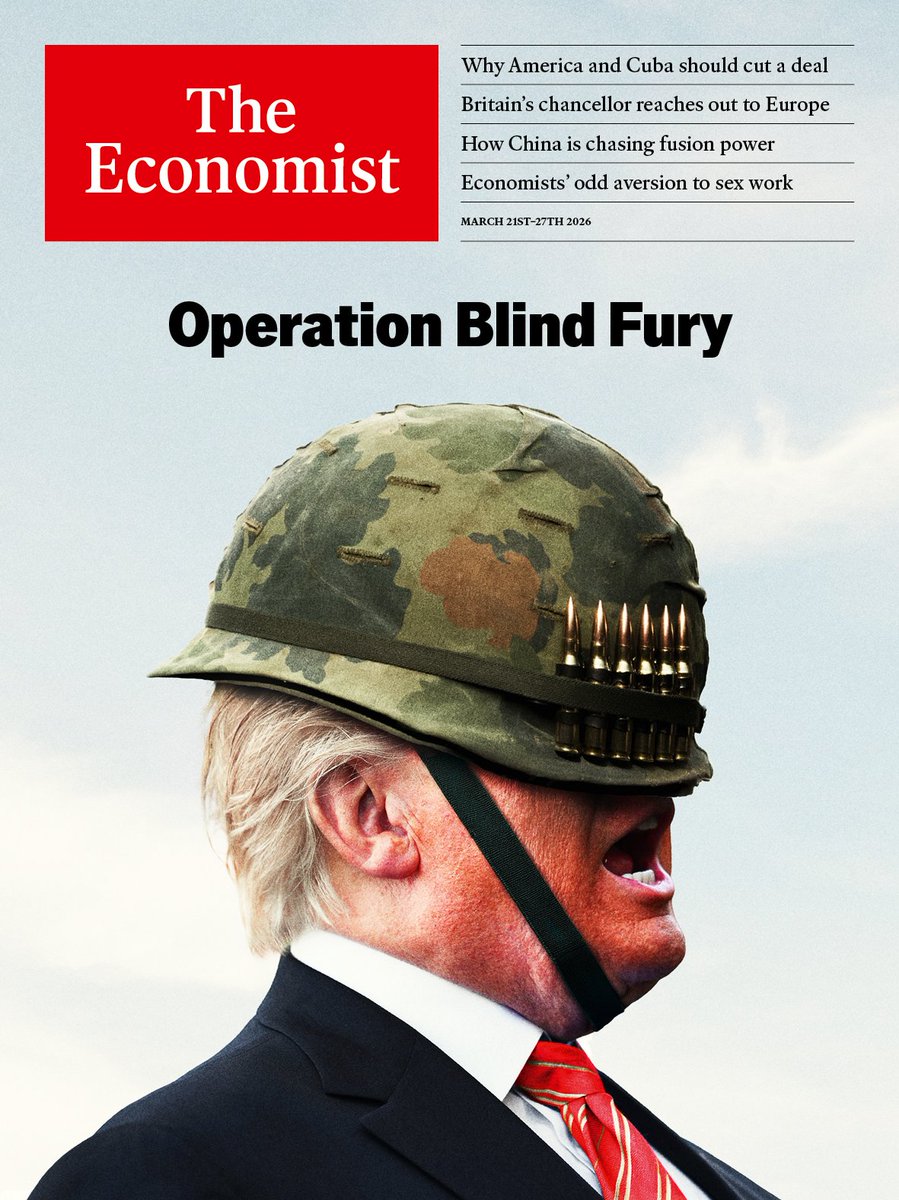
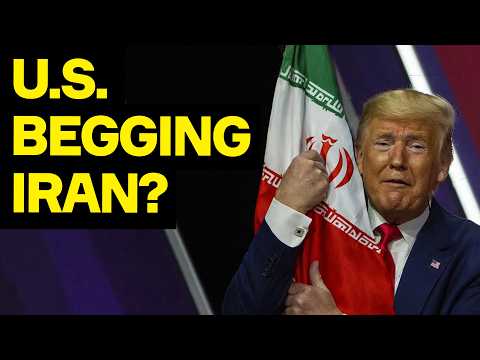
The reckless campaign against Iran will weaken America’s president. That will make him angry. Be warned: he makes a very bad loser econ.st/4lA7lEQ
The Economist tweet media
English
1.8K
14.9K
41.2K
2.1M
د. تركي الفيصل الرشيد
When we analyze events with clarity and without false emotions, we see how successful #StrategicPlanning turns ambitious visions into lived reality. Drawing lessons from history, and by the grace of God, we witness how great powers, #DisasterCapitalism, and the merchants of war and arms repeatedly create or exploit crises to reshape the region according to their interests. Every nation has its own plans, ambitions, and fears. We may agree at times and disagree at others, but #InternationalRelations are not governed by emotions they are driven by interests and ever-changing balances of power. In this context, prominent Greek economist Yanis Varoufakis @yanisvaroufakis has stated that one of the main reasons behind the assassination of Major General Qasem Soleimani, commander of the Quds Force of Iran’s Revolutionary Guard, in 2020 was to prevent a Saudi Iranian rapprochement that was nearing completion at the time. This highlights how certain parties, along with the arms trade and advocates of perpetual conflict, seek to keep the region in a constant state of tension for their own benefit. We must continue to clarify these realities with facts and composure, because strategic awareness is our strongest weapon in this media battle. #SaudiArabia #InternationalRelations #StrategicThinking #MiddleEastPeace
English
0
0
0
23
Abeer AlNajjar
Abeer AlNajjar@abeernaji·
A must watch conversation on us media and covering the war on Iran. Trump PANICS After Bombshell Iran Report - w/. Jeremy Scahill youtu.be/lKRgjNimexg?si…
YouTube video
YouTube
English
1
0
0
57
د. تركي الفيصل الرشيد
Dear brother Faisal, I am truly proud of you and your efforts on the global media front, effectively presenting and defending the Saudi narrative. When we analyze events with clarity and without false emotions, we see how successful #StrategicPlanning turns ambitious visions into lived reality. Drawing lessons from history, and by the grace of God, we witness how great powers, #DisasterCapitalism, and the merchants of war and arms repeatedly create or exploit crises to reshape the region according to their interests. Every nation has its own plans, ambitions, and fears. We may agree at times and disagree at others, but #InternationalRelations are not governed by emotions they are driven by interests and ever-changing balances of power. In this context, prominent Greek economist Yanis Varoufakis @yanisvaroufakis has stated that one of the main reasons behind the assassination of Major General Qasem Soleimani, commander of the Quds Force of Iran’s Revolutionary Guard, in 2020 was to prevent a Saudi Iranian rapprochement that was nearing completion at the time. This highlights how certain parties, along with the arms trade and advocates of perpetual conflict, seek to keep the region in a constant state of tension for their own benefit. We must continue to clarify these realities with facts and composure, because strategic awareness is our strongest weapon in this media battle. #SaudiArabia #InternationalRelations #StrategicThinking #MiddleEastPeace
Faisal J. Abbas | فيصل عبّاس@FaisalJAbbas

تحدثت مع @BBCWorld قبل قليل عن نجاح القوات المسلحة السعودية في التصدي للهجمات الباليستية التي استهدفت #الرياض بينما كان الناس يتناولون الإفطار وينتظرون إعلان عيد الفطر، كما ناقشنا الاجتماع الوزاري العربي الإسلامي ونتائجه المحتملة، والموقف السعودي من الحرب.
English
0
0
3
497
د. تركي الفيصل الرشيد
أخي الفاضل فيصل، فخور بك وبجهودك في الدفاع عن #السردية_السعودية على الجبهة الإعلامية العالمية. عندما نقرأ التاريخ والأحداث بموضوعية، بعيداً عن العواطف الزائفة والشعارات العاطفية، ندرك أن #التخطيط_الاستراتيجي الناجح هو ما يحول الطموحات إلى واقع ملموس. مستلهمين #دروس_من_التاريخ، وبعد توفيق الله، نرى كيف أن الدول الكبرى و #رأسمالية_الكوارث وتجار السلاح يستغلون الأزمات لإعادة صياغة المنطقة لمصلحتهم. نعم، كل دولة لها مصالحها ومخاوفها، و #العلاقات_الدولية لا تحكمها العواطف، بل التوازنات والمصالح المتغيرة. في هذا السياق، يُشار إلى تصريح الاقتصادي اليوناني البارز يانيس فاروفاكيس @yanisvaroufakis بأن اغتيال اللواء قاسم سليماني (قائد فيلق القدس في الحرس الثوري الإيراني) عام 2020 جاء في وقت كان فيه تقارب سعودي إيراني وشيكاً، وأن أحد أهدافه الرئيسية كان منع هذا التقارب. هذا يعكس كيف تسعى بعض الأطراف إلى إبقاء المنطقة في حالة توتر مستمر لمصلحة تجارة السلاح والنفوذ. علينا دائماً أن نوضح هذه الحقائق بأدلة وهدوء، لأن الوعي الاستراتيجي هو أقوى سلاح في المعركة الإعلامية. #السعودية #العلاقات_الدولية #السلام_في_المنطقة #العلاقات_السعودية_الايرانية #العلاقات_السعودية_الامريكية
Faisal J. Abbas | فيصل عبّاس@FaisalJAbbas

تحدثت مع @BBCWorld قبل قليل عن نجاح القوات المسلحة السعودية في التصدي للهجمات الباليستية التي استهدفت #الرياض بينما كان الناس يتناولون الإفطار وينتظرون إعلان عيد الفطر، كما ناقشنا الاجتماع الوزاري العربي الإسلامي ونتائجه المحتملة، والموقف السعودي من الحرب.

العربية
0
0
3
700
د. تركي الفيصل الرشيد
أخي الفاضل فيصل، فخور بك وبجهودك في الدفاع عن #السردية_السعودية على الجبهة الإعلامية العالمية. عندما نقرأ التاريخ والأحداث بموضوعية، بعيداً عن العواطف الزائفة والشعارات العاطفية، ندرك أن #التخطيط_الاستراتيجي الناجح هو ما يحول الطموحات إلى واقع ملموس. مستلهمين #دروس_من_التاريخ، وبعد توفيق الله، نرى كيف أن الدول الكبرى و #رأسمالية_الكوارث وتجار السلاح يستغلون الأزمات لإعادة صياغة المنطقة لمصلحتهم. نعم، كل دولة لها مصالحها ومخاوفها، و #العلاقات_الدولية لا تحكمها العواطف، بل التوازنات والمصالح المتغيرة. في هذا السياق، يُشار إلى تصريح الاقتصادي اليوناني البارز يانيس فاروفاكيس @yanisvaroufakis بأن اغتيال اللواء قاسم سليماني (قائد فيلق القدس في الحرس الثوري الإيراني) عام 2020 جاء في وقت كان فيه تقارب سعودي إيراني وشيكاً، وأن أحد أهدافه الرئيسية كان منع هذا التقارب. هذا يعكس كيف تسعى بعض الأطراف إلى إبقاء المنطقة في حالة توتر مستمر لمصلحة تجارة السلاح والنفوذ. علينا دائماً أن نوضح هذه الحقائق بأدلة وهدوء، لأن الوعي الاستراتيجي هو أقوى سلاح في المعركة الإعلامية. #السعودية #العلاقات_الدولية #السلام_في_المنطقة #العلاقات_السعودية_الايرانية #العلاقات_السعودية_الامريكية
العربية
0
0
0
211
Faisal J. Abbas | فيصل عبّاس
تحدثت مع @BBCWorld قبل قليل عن نجاح القوات المسلحة السعودية في التصدي للهجمات الباليستية التي استهدفت #الرياض بينما كان الناس يتناولون الإفطار وينتظرون إعلان عيد الفطر، كما ناقشنا الاجتماع الوزاري العربي الإسلامي ونتائجه المحتملة، والموقف السعودي من الحرب.
العربية
23
123
326
185.6K
د. تركي الفيصل الرشيد
حفظك الله ورعاك اخي الكريم فيصل، في زمن المتغيرات #قراءة_الأحداث ببصيرة.. أو الوقوع في فخ المصالح المتقلبة! في عالم يتسارع فيه الزمن وتتقلب الموازين، اخترنا منذ البداية طريقًا مختلفًا: #قراءة_الأحداث بعين مستقلة، متسلحين بحكمة الآباء والأجداد.. بصيرة عميقة، علم قياس دقيق، ونظرية التثليث لنختار دائمًا أقل الضررين أو أنفع الخيرين.
Faisal J. Abbas | فيصل عبّاس@FaisalJAbbas

تحدثت مع @BBCWorld قبل قليل عن نجاح القوات المسلحة السعودية في التصدي للهجمات الباليستية التي استهدفت #الرياض بينما كان الناس يتناولون الإفطار وينتظرون إعلان عيد الفطر، كما ناقشنا الاجتماع الوزاري العربي الإسلامي ونتائجه المحتملة، والموقف السعودي من الحرب.

Riyadh, Kingdom of Saudi Arabia 🇸🇦 العربية
1
0
1
804
د. تركي الفيصل الرشيد
رعاك الله وحفظك من كل شر يارب العالمين..في زمن المتغيرات #قراءة_الأحداث ببصيرة.. أو الوقوع في فخ المصالح المتقلبة! في عالم يتسارع فيه الزمن وتتقلب الموازين، اخترنا منذ البداية طريقًا مختلفًا: #قراءة_الأحداث بعين مستقلة، متسلحين بحكمة الآباء والأجداد.. بصيرة عميقة، علم قياس دقيق، ونظرية التثليث لنختار دائمًا أقل الضررين أو أنفع الخيرين.
Riyadh, Kingdom of Saudi Arabia 🇸🇦 العربية
0
0
0
155
د. تركي الفيصل الرشيد
Protecting Vision 2030: Navigating the Fallout of U.S.-Israel Tensions Considering Daron Acemoglu's insightful article, "Trump’s Iran Quagmire Could Sink America," it is crucial to emphasize the profound implications of U.S. foreign policy on the Gulf Cooperation Council (GCC) and its Vision 2030 initiative. The repercussions of President Trump's foreign engagements, particularly regarding Iran, threaten not only American democracy but also the stability and progress of GCC nations. As underscored in my previous commentary on foreign policy, the Trump administration's approach of leveraging threats for short-term gains may yield immediate results but risks long-term damage to international alliances. This is particularly relevant as the GCC navigates its ambitious Vision 2030, which aims to diversify economies and foster innovation. The ongoing U.S.-Israel conflict with Iran could destabilize the region, undermining the very foundations upon which Vision 2030 rests. Moreover, the sharp escalation in rhetoric from the Trump administration, including alarming attacks on the press and demands for media compliance, poses a further threat to regional stability. Such actions not only erode trust in institutions but also risk igniting nationalist sentiments that could further complicate diplomatic relations. As history has shown, demagogues often leave their nations in a precarious state, a lesson that resonates deeply in today's climate. To safeguard Vision 2030, GCC nations must remain vigilant and proactive, shielding their initiatives from the fallout of U.S.-Israel hostilities. By fostering regional cooperation and reinforcing economic resilience, the GCC can navigate these turbulent waters and emerge stronger. In conclusion, while the geopolitical landscape shifts, the GCC must prioritize its long-term vision over short-term pressures. Only then can it maintain stability and progress amid the complexities of U.S. foreign policy. In unity lies strength; let the GCC stand resilient against the tides of external turmoil. Trump’s Iran Quagmire Could Sink America by Daron Acemoglu @ProSyn?referral=e29579 prosyn.org/YfXzwbo
English
0
0
1
209
د. تركي الفيصل الرشيد
Let's shut down the black propaganda pushed by disaster capitalists and arms profiteers. Saudi Arabia stands firmly for real sustainable development: Committed to all 17 UN SDGs + global partnerships (SDG 17) via Vision 2030. Building a better future – not war. 🇸🇦 #SustainableDevelopment #SDG17
Riyadh, Kingdom of Saudi Arabia 🇸🇦 English
0
0
2
460
Shanaka Anslem Perera ⚡
JUST IN: Everyone is asking who wins this war. The answer is not in Tehran or Washington. It is in Riyadh. Saudi Arabia is emerging from the Hormuz crisis as the undisputed strategic beneficiary while Dubai absorbs the physical damage. This is the rebalancing of Gulf power that no one is modelling and everyone will be pricing within months. Dubai has been struck repeatedly since February 28. A fuel tank fire at the international airport. Airspace closures. Over 23,000 flights cancelled. Fertiglobe, one of the world’s largest nitrogen producers at 6.6 million tonnes annual capacity, operates from UAE soil that is now under persistent drone and missile threat. The 314 ballistic missiles and 1,672 drones launched at the UAE have not collapsed the country. Its air defenses hold. But they have damaged something harder to rebuild than a fuel tank: the perception of safety that made Dubai the world’s business hub. Saudi Arabia has absorbed far less direct targeting. The Saudi-Pakistan Strategic Mutual Defence Agreement, signed September 17, 2025, created a military depth that Iran respected even before the war began. Pakistan’s naval assets and nuclear deterrent backstop make direct Saudi targeting exponentially more costly for Iran than striking the UAE. Riyadh calculated this correctly. Now layer the infrastructure. Vision 2030 is not a slogan. It is $1.3 trillion of committed capital building cities, entertainment districts, tourism corridors, and industrial zones on a blank slate. NEOM, the Red Sea project, Diriyah Gate, the Qiddiya entertainment complex. None of these have been struck. None carry the insurance repricing that Dubai’s commercial real estate and aviation hub now face. The 2034 World Cup requires stadiums, transport networks, and hospitality infrastructure that is already being built on a timeline that extends well beyond this war. Every dollar of international capital that hesitates on Dubai because of drone footage is a dollar that considers Riyadh instead. That is not speculation. It is the mechanism by which wars redistribute commercial gravity. The 2003 Iraq war shifted regional banking from Beirut to Dubai. The 2026 Iran war may shift it from Dubai to Riyadh. The fertilizer dimension makes Saudi ascendancy structural rather than cyclical. Saudi Arabia controls significant phosphate reserves. Ma’aden, the state mining company, is one of the world’s largest phosphate producers. With Hormuz blocking Gulf urea and ammonia exports from the UAE and Qatar, and China suspending phosphate exports through August, Saudi overland and Red Sea export routes become the only major non-disrupted nutrient pathway accessible to global buyers. NOLA urea at $683 per ton and FAO projecting 100 to 200 million additional people at acute hunger risk means demand for alternative supply is existential, not optional. Saudi Arabia did not start this war. It pressed Washington to finish it. Reuters confirmed on March 16, citing three Gulf sources and five diplomats, that all six GCC states are urging the US not to stop short. Abdulaziz Sager, chairman of the Gulf Research Center, said Iran crossed every red line. The Gulf wants Iran permanently degraded. Saudi wants something more specific: a region in which its infrastructure, its pacts, its phosphate, and its capital absorb the flows that used to go through a strait it no longer needs to depend on. The bombs fell on Iran. The drones fell on Dubai. The capital is flowing to Riyadh. And the fertilizer leverage that feeds the next decade of Saudi influence is being locked in by a planting season that closes in four weeks. open.substack.com/pub/shanakaans…
Shanaka Anslem Perera ⚡ tweet media
Shanaka Anslem Perera ⚡@shanaka86

BREAKING: The countries that were supposed to broker a ceasefire are now demanding the United States finish the job. Reuters reported on March 16, citing three Gulf sources and five Western and Arab diplomats, that Saudi Arabia, the UAE, Bahrain, Kuwait, Qatar and Oman are actively pressing Washington not to stop short and to fully degrade Iran’s military capability. Abdulaziz Sager, chairman of the Gulf Research Center, said Iran has crossed every red line. The Gulf states did not start this war. They now want it to end with Iran permanently unable to threaten the strait that carries their economic survival. This is not coercion. This is convergence. Trump needs Gulf legitimacy for the coalition. The Gulf needs American firepower to neutralise a threat they have lived under for four decades. The interests aligned the moment Iran struck airports, desalination plants, fuel depots, and commercial hubs across every GCC state. The USS Gerald R. Ford has been extended to an 11-month deployment, with return to Norfolk pushed to late April or early May. The Navy confirmed it through Vice Chief of Naval Operations Adm. Jim Kilby. Washington is planning as if the region stays unstable through the entire spring. Now layer what this means for de-escalation. Ali Larijani, confirmed killed, was the last senior Iranian official with credible diplomatic relationships across the Gulf and the ability to negotiate from a position of institutional authority. His death was confirmed by Israel’s Katz and IDF sources. The pragmatic channel is gone. Araghchi told CBS on March 15: “We are ready to defend ourselves as long as it takes.” Mojtaba Khamenei, invisible since March 9, issued one directive: the blockade continues. The Mosaic Doctrine was designed for exactly this moment. Mohammad Ali Jafari restructured the IRGC between 2005 and 2007 into 31 provincial commands, each holding identical sealed contingency packets with uniform standing orders. If central leadership falls, every command continues under the same pre-loaded rules without needing new orders from Tehran. The Hormuz theater is controlled by Hormozgan provincial command as primary lead, with Bushehr in support. Local naval subunits execute VHF radio hails and verify AIS transponder status. Diplomatically cleared vessels pass. Everyone else is a target. A Thai-flagged vessel was struck on March 11 for transiting without prior notification. Indian tankers Pushpak and Parimal passed safely after three Jaishankar-Araghchi calls. A Karachi-bound Aframax became the first non-Iranian vessel to transit with AIS broadcasting on March 15. The system is functioning exactly as designed: decentralised, uniform, and impervious to the leadership strikes that were supposed to break it. The Gulf states pressing for full neutralisation are pressing for something that may take months. The Ford extension confirms the Navy agrees. Larijani’s death confirms there is no one left to negotiate a shortcut. The Mosaic packets confirm the blockade does not require anyone in Tehran to sustain it. And underneath all the diplomacy, underneath the carrier movements, underneath the strikes and the rhetoric, the fertiliser molecules that four billion people depend on remain trapped behind a permissioned chokepoint run by provincial commanders with radios and rules written before the bombs fell. The offramp did not close because someone blocked it. It closed because everyone with the power to use it decided they would rather keep driving. Full analysis: open.substack.com/pub/shanakaans…
English
162
545
2.2K
1.1M
د. تركي الفيصل الرشيد
Reading Events Without Emotion: Strategic Wisdom for the GCC in a Shifting World Turki Faisal Al Rasheed | Riyadh comments at The New York Times. In this era of rapid global transformation, we have from the outset relied on an independent reading of events. Guided by the enduring wisdom of our forefather’s profound insight, the science of precise measurement, and the theory of triangulation we have consistently chosen the lesser of two evils or the greater of two goods. Strategic vision and the relentless development of national strengths remain our surest path forward. Reading events without emotion is the foundation of successful planning plans that do not merely remain on paper, but become the reality we live, enriched by the hard lessons of history, by the grace of God. Superpowers, corporate states, and practitioners of Disaster Capitalism routinely err, then exploit the resulting crises to reset their course to their own advantage. Every nation pursues its plans, ambitions, and fears. We may agree or disagree with them, yet international relations are never governed by emotion only by interests and the shifting balance of power. We are now living through a critical transitional phase. The Gulf Cooperation Council (GCC) countries must therefore read events with clarity, deeply study their own realities and futures, and rigorously reassess their alliances. Interests evolve. Power balances shift regardless of how many lofty declarations are issued. Let us place our trust in our own strengths, craft robust plans with credible alternatives, and draw wisdom from history before it is too late.
Riyadh, Kingdom of Saudi Arabia 🇸🇦 English
0
0
0
320
Bernie Sanders
Bernie Sanders@BernieSanders·
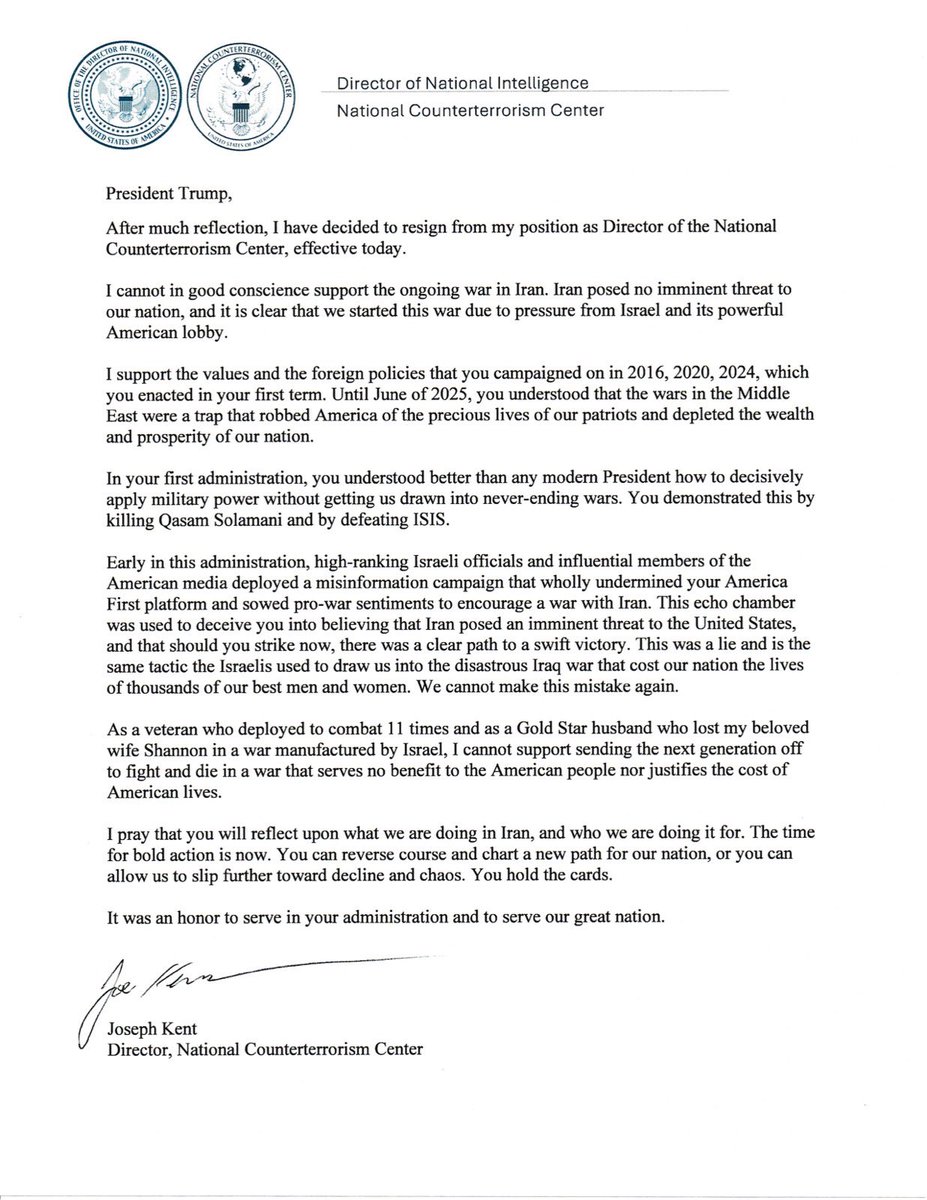
Joseph Kent, a top counterterrorism official under Trump, just resigned. Kent and I don't agree on much, but he is right: "Iran posed no imminent threat to our nation, and it is clear that we started this war due to pressure from Israel and its powerful American lobby."
English
2.4K
14K
88.5K
2M
د. تركي الفيصل الرشيد
Reading Events Without Emotion: Strategic Wisdom for the GCC in a Shifting World Turki Faisal Al Rasheed | Riyadh comments at The New York Times. In this era of rapid global transformation, we have from the outset relied on an independent reading of events. Guided by the enduring wisdom of our forefather’s profound insight, the science of precise measurement, and the theory of triangulation we have consistently chosen the lesser of two evils or the greater of two goods. Strategic vision and the relentless development of national strengths remain our surest path forward. Reading events without emotion is the foundation of successful planning plans that do not merely remain on paper, but become the reality we live, enriched by the hard lessons of history, by the grace of God. Superpowers, corporate states, and practitioners of Disaster Capitalism routinely err, then exploit the resulting crises to reset their course to their own advantage. Every nation pursues its plans, ambitions, and fears. We may agree or disagree with them, yet international relations are never governed by emotion only by interests and the shifting balance of power. We are now living through a critical transitional phase. The Gulf Cooperation Council (GCC) countries must therefore read events with clarity, deeply study their own realities and futures, and rigorously reassess their alliances. Interests evolve. Power balances shift regardless of how many lofty declarations are issued. Let us place our trust in our own strengths, craft robust plans with credible alternatives, and draw wisdom from history before it is too late. View Turki Faisal Al Rasheed | Riyadh comment
Riyadh, Kingdom of Saudi Arabia 🇸🇦 English
0
0
0
127
Joe Kent
Joe Kent@joekent16jan19·
After much reflection, I have decided to resign from my position as Director of the National Counterterrorism Center, effective today. I cannot in good conscience support the ongoing war in Iran. Iran posed no imminent threat to our nation, and it is clear that we started this war due to pressure from Israel and its powerful American lobby. It has been an honor serving under @POTUS and @DNIGabbard and leading the professionals at NCTC. May God bless America.
Joe Kent tweet media
English
72.2K
219.4K
844.6K
98.5M
د. تركي الفيصل الرشيد
Reading Events Without Emotion: Strategic Wisdom for the GCC in a Shifting World Turki Faisal Al Rasheed | Riyadh comments at The New York Times. In this era of rapid global transformation, we have from the outset relied on an independent reading of events. Guided by the enduring wisdom of our forefather’s profound insight, the science of precise measurement, and the theory of triangulation we have consistently chosen the lesser of two evils or the greater of two goods. Strategic vision and the relentless development of national strengths remain our surest path forward. Reading events without emotion is the foundation of successful planning plans that do not merely remain on paper, but become the reality we live, enriched by the hard lessons of history, by the grace of God. Superpowers, corporate states, and practitioners of Disaster Capitalism routinely err, then exploit the resulting crises to reset their course to their own advantage. Every nation pursues its plans, ambitions, and fears. We may agree or disagree with them, yet international relations are never governed by emotion only by interests and the shifting balance of power. We are now living through a critical transitional phase. The Gulf Cooperation Council (GCC) countries must therefore read events with clarity, deeply study their own realities and futures, and rigorously reassess their alliances. Interests evolve. Power balances shift regardless of how many lofty declarations are issued. Let us place our trust in our own strengths, craft robust plans with credible alternatives, and draw wisdom from history before it is too late. View Turki Faisal Al Rasheed | Riyadh comment War in the Gulf Is Now Churning the U.S.-China Relationship nytimes.com/2026/03/17/wor…
English
0
1
1
252
د. تركي الفيصل الرشيد
Regarding foreign policy, President Trump may achieve short-term negotiating leverage by issuing threats to extract concessions, even from longstanding allies. Yet this approach risks eroding the reservoir of goodwill accumulated over decades, which has been vital in sustaining coalitions to counter challenges from Russia and China. Such tactics could also fuel nationalism and protectionism abroad, weakening the rules-based international order that the United States itself helped construct after World War II and reinforced through arrangements such as the 1970s U.S.–Saudi petrodollar framework. As Mortimer Zuckerman observed on The McLaughlin Group during the 2016 campaign, Trump might well prevail personally, but the nation could ultimately suffer. History repeatedly demonstrates that demagogues often leave their countries in worse condition than they inherited—a cautionary lesson that retains its relevance today. My #Comment on the @PostOpinions on 24 January 2025 washingtonpost.com/opinions/2025/…
English
0
0
2
156
Alexandra Sharp
Alexandra Sharp@AlexandraSSharp·
U.S. President Donald Trump urges NATO allies and other countries to help reopen the Strait of Hormuz. But after spending months bashing the alliance, no one appears to be coming to Washington’s rescue. foreignpolicy.com/2026/03/16/tru…
English
2
1
1
126
Clash Report
Clash Report@clashreport·
Professor John Mearsheimer: We’re not winning against Iran. We’re not winning. We’re sending a message that we’re a bunch of fools. That we started a war we can’t win. We didn’t have the required military forces to achieve any of the objectives that we were floating, and we had no plan. What does this tell the Chinese and what does it tell the Russians? It tells them that we are incompetent. Of course the Russians have had enough dealings with Steve Witkoff and Jared Kushner to fully understand just how incompetent we are.
English
501
4.5K
12.6K
823.8K
د. تركي الفيصل الرشيد
@clashreport In the end, empires don't fall to enemies they overextend chasing traps of their own making. Let's choose prosperity over perpetual war.
Riyadh, Kingdom of Saudi Arabia 🇸🇦 English
0
0
0
298