

James Harris
13.7K posts

@WormsofWrath
All-American Renaissance Man, author The Physics of Paradox Null, writer and composer of musical play Seeking Liberty


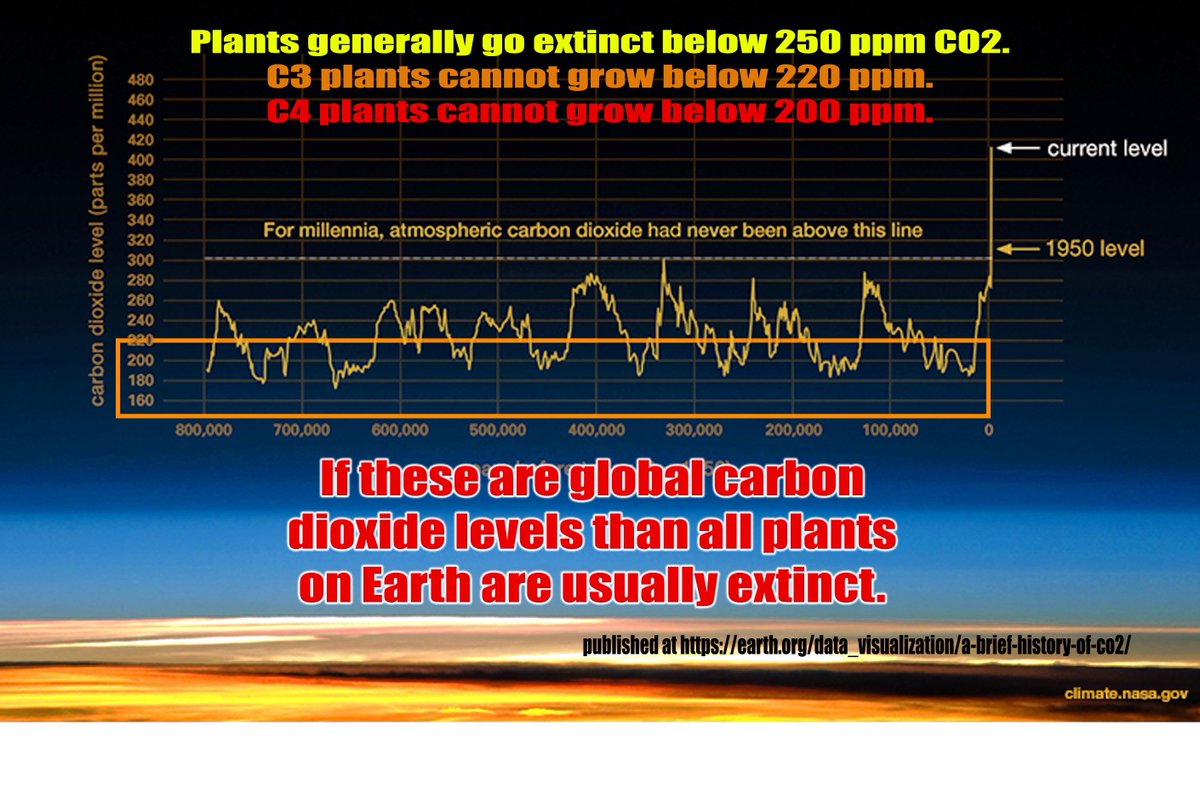
@medialens Turns out the climate has been changing a wee bit longer than the instrumental record.


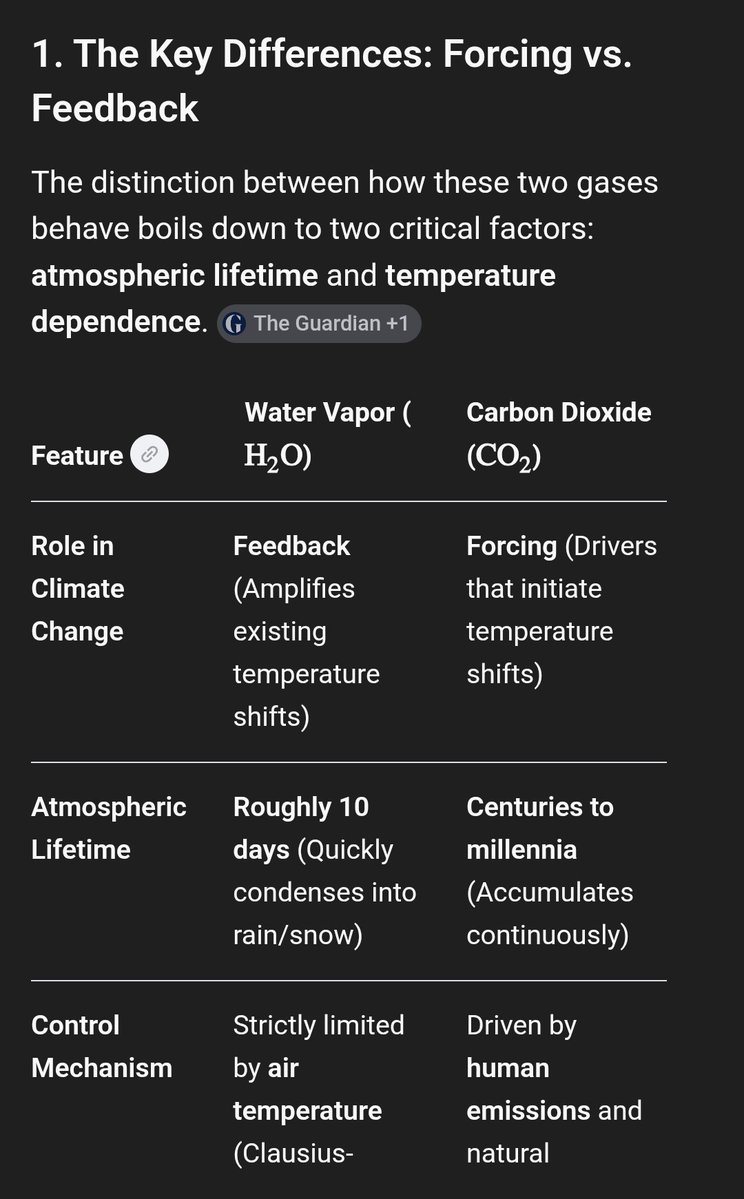
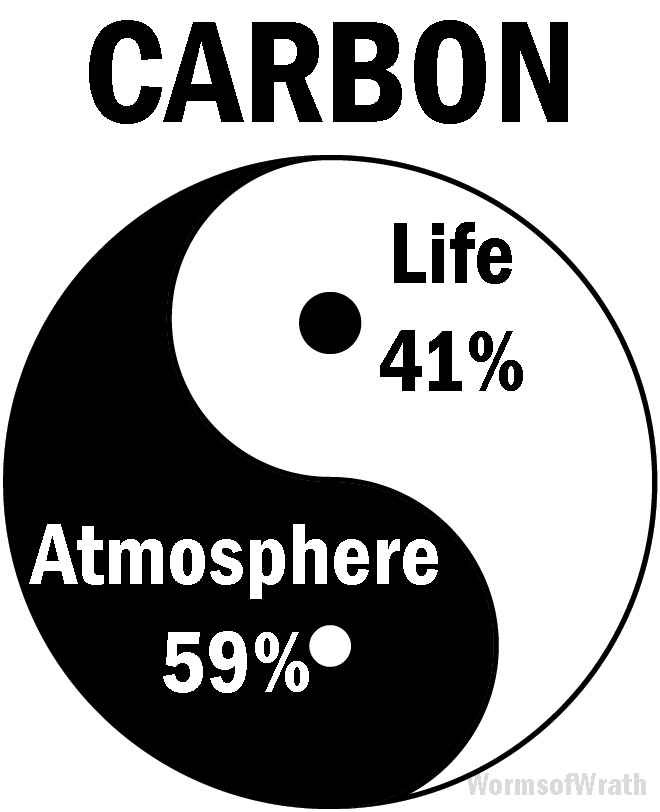
Those graphics have nothing to do with rising or falling CO2 levels. Residence time has nothing to do with 'a' molecule. The median average time in the air for 'a' molecule of CO2 is 2.4 years. 4 years residence time is the period of time in which the equivalent of the entire inventory is cycled through. All of it. Some will have have gone through dozens of cycles, some through none at all. The atmospheric 'excess', which is just 45% of human additive emissions, is 50% gone in 30 years. 'Excess' is a misleading label which only means, 'more than before' and does not mean 'too much.' 30% of emissions are swiftly added to land-based biological mass and 25% to oceans. These additions are not counted as 'excess.' Life on Earth increases proportional to rises in atmospheric CO2 levels. Atmospheric CO2 levels cannot fall without reducing the total of life on Earth.


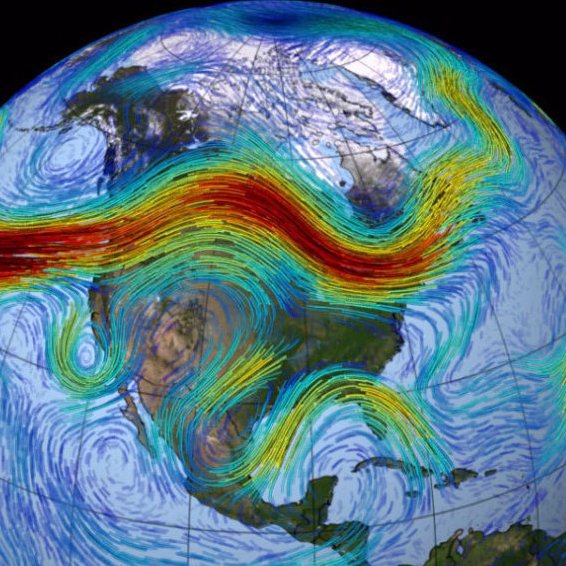
🚨 "If scientists can't predict the weather next month, how can they predict climate change?" Because weather and climate are different questions. Weather asks: 👉 Will it rain in San Antonio on June 10? Climate asks: 👉 What happens to the atmosphere when we keep adding greenhouse gases for decades? Weather is chaotic. Tiny differences today can change the exact forecast two weeks from now. Climate is statistical. We don't need to know the weather on a specific Tuesday in 2050 to know what happens when billions of tons of CO₂ trap more heat in the system. In fact, the same physics, thermodynamics, fluid dynamics, and atmospheric equations used to produce the weather forecast you trust before a flight are used in climate models. And those weather forecasts work remarkably well: • 5-day forecasts are about 90% accurate. • 7-day forecasts are about 80% accurate. • Today's 4-day forecasts are roughly as good as 1-day forecasts were 30 years ago. The real irony? People trust weather models enough to cancel flights, evacuate hurricanes, protect crops, and prepare for floods. Then some of those same people turn around and call the exact same physics a "hoax" when it predicts long-term warming. That's not skepticism. That's selective disbelief.