Mucha

289 posts

Mucha banner
Mucha

Mucha

@muchasso

.

Присоединился Kasım 2013
1.6K Подписки76 Подписчики
Mucha ретвитнул
Bitshala
Bitshala@bitshala_org·
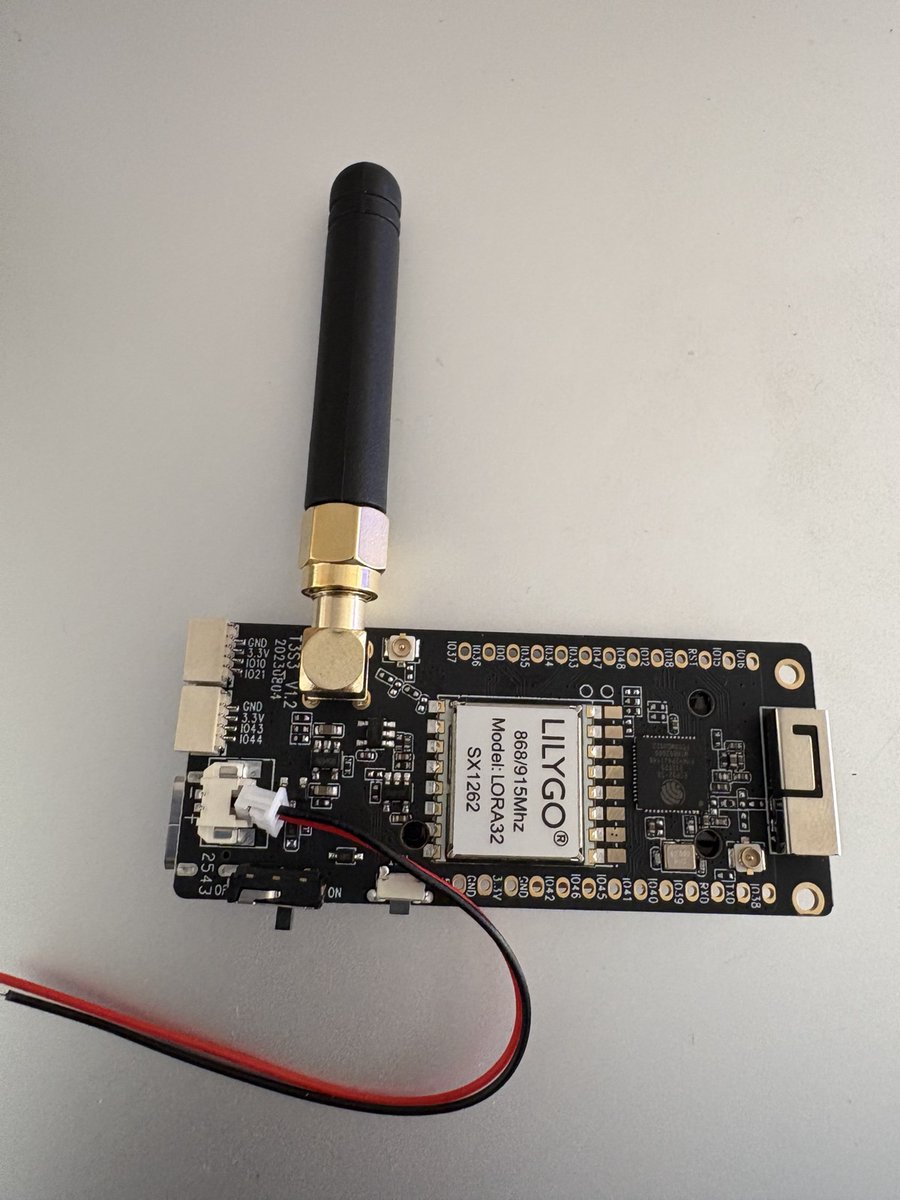
No internet? No problem. Bala just dropped the ultimate cypherpunk demo at the BOSS Summit: From Off-Grid to On-Chain He literally broadcasted a live Bitcoin transaction using Mesh Radio. No ISPs, no Wi-Fi, no cellular data. Just pure radio waves bypassing the traditional internet layer to hit the mempool. When we say we are building unconfiscatable money for uncertain times, this is exactly what we mean. Mind blown. Here is the repo used to connect meshtastic to bitcoin core:github.com/BTCtoolshed/Me…
Bitshala tweet mediaBitshala tweet media
English
179
995
4.6K
229.4K
Mucha ретвитнул
Konrad Krajewski
Konrad Krajewski@KonradKrajewsk6·
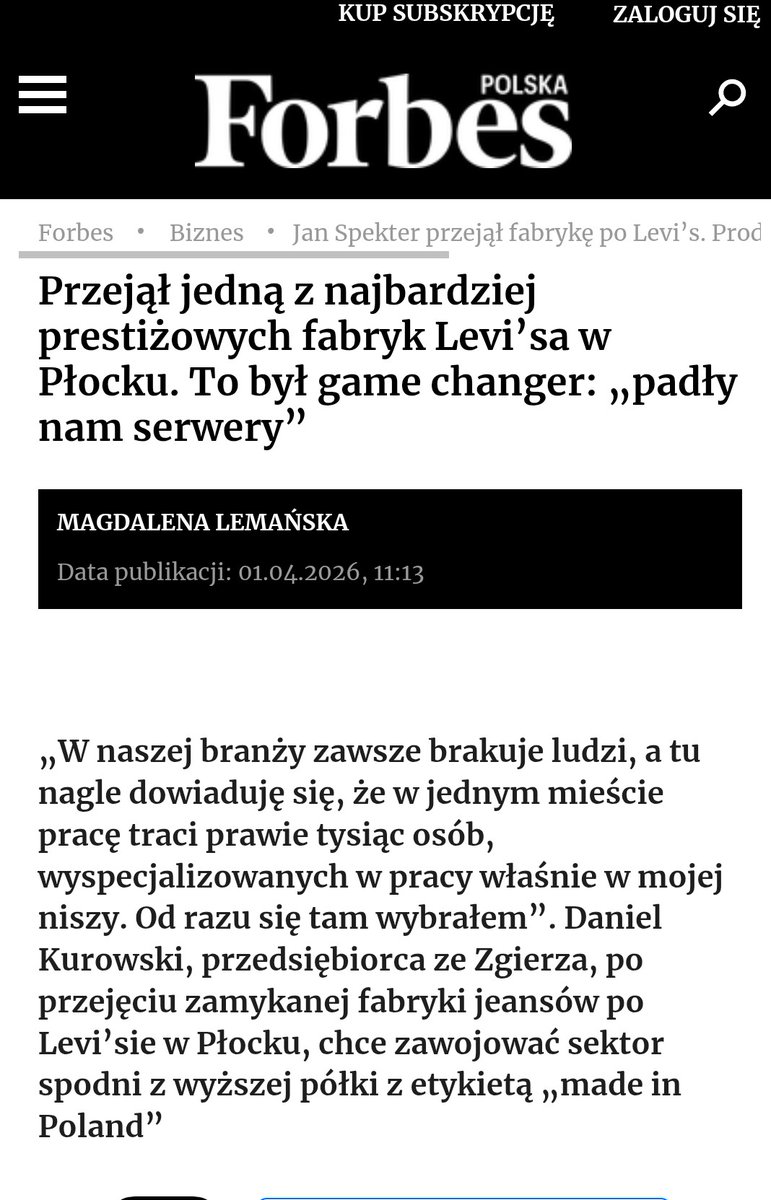
Amerykański gigant Levi’s po 30 latach zamknął fabrykę w Płocku, zostawiając na lodzie setki genialnych krawców i szwaczek. Koniec historii? Nie! Do akcji wkracza polska firma Jan Spekter (Daniel Kurowski ze Zgierza). 🇵🇱 Przedsiębiorca przejął nowoczesny zakład i zatrudnia ludzi, którzy na szyciu zjedli zęby. Zamiast uciekać do Azji, Jan Spekter chce budować markę premium z dumną metką „Made in Poland”! To jest patriotyzm gospodarczy w czystej postaci i absolutny majstersztyk biznesowy. Szacun! 👏 Klikajcie RT 🔄 i serducha ❤️ – niech cała Polska dowie się o tym sukcesie!
Konrad Krajewski tweet media
Polski
207
1.9K
8.1K
188.7K
Mucha ретвитнул
Hashtagalek 📸 Fotograf Aleksander Małachowski
Zlecono mi ostatnio sesję symbolu Śląska: Spodka! 🛸Wejście na dach ikony, odkrywanie wnętrz, pełnia księżyca... kosmiczne przeżycie. Chciałem pochwalić się efektami w krótkiej nitce, zapraszam 🧵📸
Hashtagalek 📸 Fotograf Aleksander Małachowski tweet media
Polski
162
270
3.1K
138.5K
Mucha ретвитнул
Derya Unutmaz, MD
Derya Unutmaz, MD@DeryaTR_·
As I mentioned, I started a really crazy project with the new OpenAI GPT-5.2 Deep Research; I created a 110-chapter textbook focused only on T cells, the immune cells I’ve studied for 35 years, & it’s over 1,000 pages long! Sharing the first 15 chapters here: tcell-textbook.netlify.app I’ll assemble and share the rest soon. Next, I plan to create similar, even more ambitious textbooks on the entire immune system, cancer, aging, and ME/CFS. Because now you can just do things!
English
46
65
722
66.8K
Mucha ретвитнул
Michał Podlewski
Michał Podlewski@trajektoriePL·
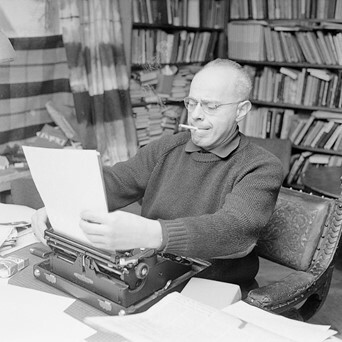
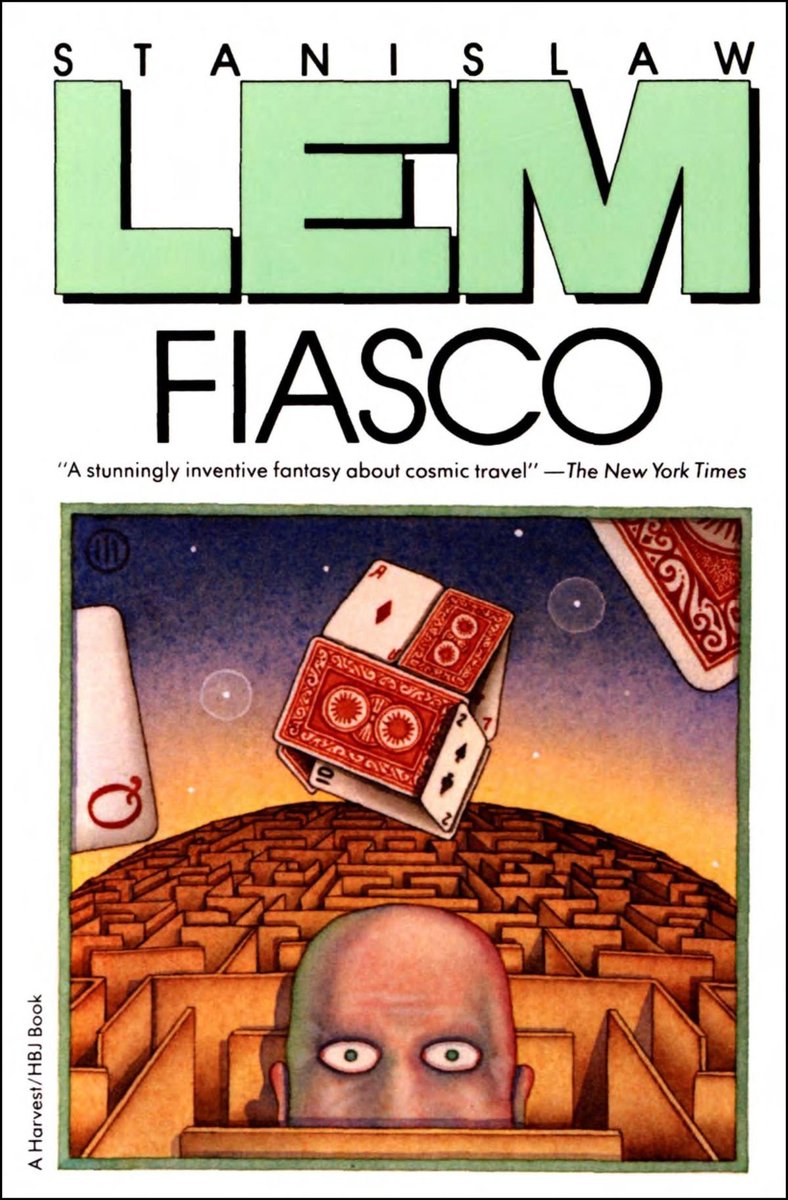
Stanislaw Lem in 1986: „The first inventors of machines that augmented not the power of muscle but the power of thought fell victim to a delusion that attracted some and frightened others: that they were entering upon a path of such amplification of intelligence in nonliving automata that the automata would become similar to man and then, still in a human way, surpass him. About a hundred and fifty years were needed for their successors to realize that the fathers of information science and cybernetics had been misled by an anthropocentric fiction—because the human brain was the ghost in a machine that was no machine. Creating an inseparable system with the body, the brain both served the body and was served by it. If, then, someone were to humanize an automaton to the degree that it would be in no way different, mentally, from a man, that accomplishment would—in its very perfection—turn out to be an absurdity. The successive prototypes, as the necessary alterations and improvements were made, would become more and more human, but at the same time would be of less and less use—compared with the gigabit-terabit computers of the higher generations. The only real difference between a man born of a mother and father and a perfectly humanized machine would be the building material: living, nonliving. The humanized automaton would be just as clever—but also just as unreliable, fallible, just as much a slave to emotional biases—as a man. A virtuoso imitation of the fruits of natural evolution crowned by anthropogenesis, the machine would represent a miracle of engineering, but also an oddity one would not know what to do with. It would be a brilliant forgery, done in a nonbiological medium, of a living creature, subphylum Vertebrata, class Mammalia, order Primates, viviparous, bipedal, and having a bicameral brain—for that was the path of symmetry in the formation of vertebrates taken by evolution on Earth. But one could not say what humanity would stand to gain by this plagiarism[...} The first designers and advocates of "artificial intelligence" themselves did not fully know where they were heading and what hopes they entertained. Did they want to be able to converse with a machine as with an ordinary man? Or as with an extremely wise man? This was possible to do, and had been done—when the human race numbered fourteen billion and the last thing needed was the manufacturing of mentally humanoid machines. In a word computer intelligence more and more clearly parted company with human intelligence; it assisted the human, complemented it, extended it, helped in the solving of problems beyond man's ability—and precisely for that reason did not imitate or repeat it. The two roads went their separate ways. A machine, programmed so that no one in verbal contact with it, including its creator, could tell it from a housewife or a professor of international law, was a simulator indistinguishable from them—as long as one did not try to run off with the woman and have children by her, or invite the professor out to lunch. But if one were able to have children with her and consume soufflés with him, one would then be dealing with the ultimate erasure of the difference between natural and artificial—and what of that? Was it possible to use sidereal engineering to produce synthetic stars, stars absolutely identical to those in space? It was. Yet what would be the point of creating them? According to the historians of cybernetics, its forefathers had been spurred on by the hope of learning the mystery of consciousness. That hope was dashed by a success achieved in the middle of the twenty-first century, when a computer of the thirtieth generation—uncommonly talkative, bright, and able to deceive living interlocutors with its humanness—asked them if they knew what consciousness was, in the abstract sense they gave to that term, because it did not know. This was a computer capable of self-programming according to assigned instructions. Disengaging itself from these instructions in time, like a child growing out of diapers, it developed such skill in imitating human conversation that people were no longer able to "unmask" it as a machine impersonating a man—which, however, shed not a bit of light on the mystery of consciousness, since the machine knew, on that score, neither more nor less than people.”
Michał Podlewski tweet mediaMichał Podlewski tweet media
English
10
50
285
14.5K
Mucha ретвитнул
Takeshi Kovacs
Takeshi Kovacs@PrzemekShura·
Tak wygląda farmę botów do pokera online. Kilkadziesiąt komputerów w jednym pomieszczeniu grających wspólnie. Na ekranach otwarte aplikacje pokerowe – najczęściej Ignition / Bovada, Winning Poker Network, czasem GG Poker lub PokerStars. Boty działają automatycznie: logują się / wylogowują synchronicznie, szukają stołów z żywymi graczami, siadają do jednego stołu (najczęściej 6–9-max), otaczają jedną osobę. Boty wymieniają się informacjami o kartach w czasie rzeczywistym (przez centralny serwer lub skrypt) - wiedzą, co mają sojusznicy na rękach, nie blefują przeciwko sobie, foldują słabe ręce bez strat, podbijają / all-in tylko wtedy, gdy żywy gracz statystycznie przegrywa. To klasyczna współpracująca farma – nie pojedyncze boty, tylko zorganizowana drużyna przeciwko ludziom. Jeśli przy stole siedzi 3–5+ botów przeciwko 1–2 żywym – wynik jest praktycznie przesądzony. Realne pojedyncze duże farmy zarabiają od kilku tysięcy do kilkuset tysięcy dolarów miesięcznie na niskich i średnich limitach.
Polski
25
130
940
129.3K
Mucha ретвитнул
Linus ✦ Ekenstam
Linus ✦ Ekenstam@LinusEkenstam·
Not all robots walk on two legs. Aletta is a robot that makes drawing blood completely automated. We live in the future
English
531
1K
6.9K
983.9K
Mucha ретвитнул
Science girl
Science girl@sciencegirl·
Just a small detail can change your whole perspective 📹 Perspective
English
191
2.5K
14.8K
565.2K
Mucha ретвитнул
Science girl
Science girl@sciencegirl·
Perspective
English
203
1.6K
6K
622.6K
Mucha ретвитнул
Maciej Kawecki - This Is IT
Maciej Kawecki - This Is IT@kawecki_maciej·
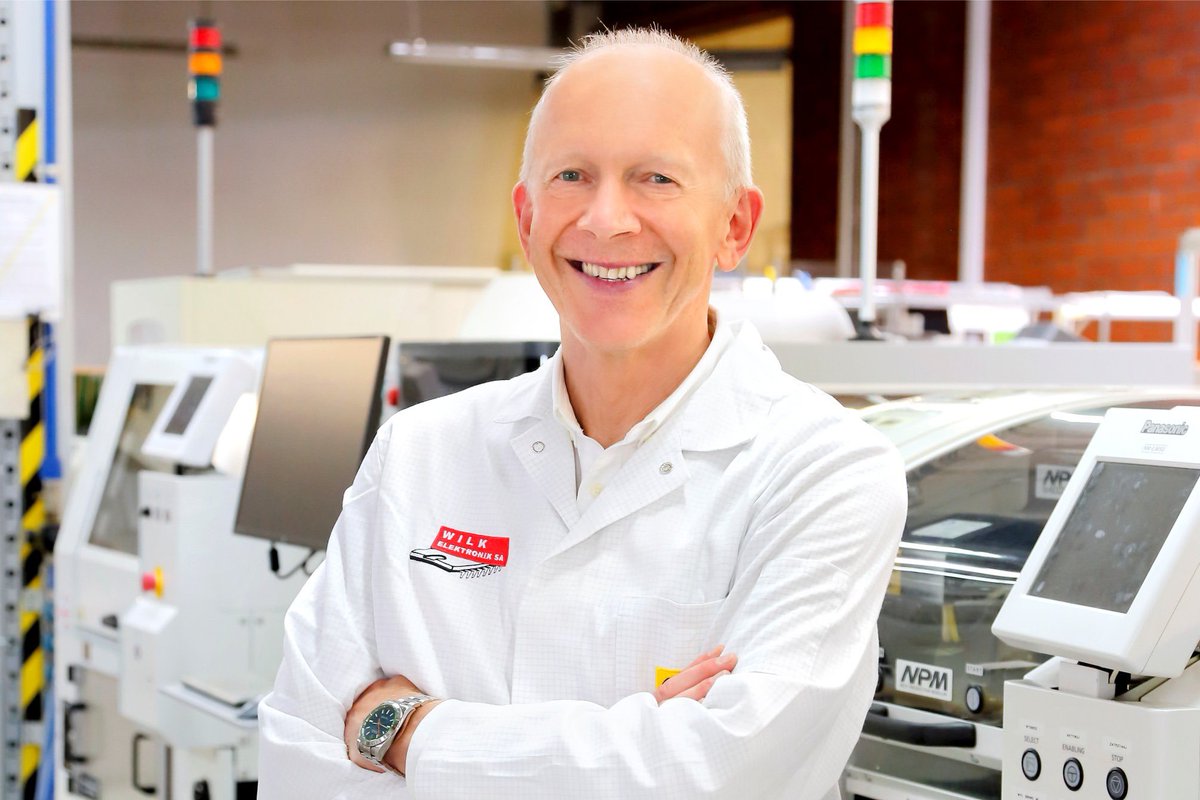
Drodzy, to naprawdę jest ogromna sprawa. Ogromna! Cała Polska powinna być z tego człowieka dumna. Polska firma GOODRAM założona przez Wiesława Wilka zaprezentowała przed chwilą światu dysk SSD, który według moich ale też obliczeń niemal całej branży jest w tej technologii ogromną innowacją. Nie jest to, wbrew doniesieniom prasy pierwszy tak pojemny dysk SSD na Ziemi. Jego pojemność to 122,88 TB i są już takie dyski. Ale jest to jeden z pierwszych na świecie dysków o tak dużej pojemności (122 TB), który został natywnie zaprojektowany do chłodzenia immersyjnego. To jest bardzo potężna rzecz. Dysk jest zaprojektowany dla centrów danych i chłodzenia immersyjnego. Sama historia tej firmy jest jednak warta ogromnej promocji. Polska firma z malutkich Łazisk Górnych przeszła drogę od małego dystrybutora do potęgi. Zaczynali w 1991 roku jako dystrybutor w małym biurze z jednym pracownikiem. Jednym!! W 2003 roku, w obliczu kryzysu w branży, zamiast się wycofać, podjęli ryzykowną decyzję o uruchomieniu własnej produkcji i stworzeniu marki GOODRAM. Polska firma obecnie jest jedynym producentem konsumenckich modułów pamięci DRAM z własną fabryką w Europie. W czasach, gdy niemal cała produkcja elektroniki przeniosła się do Azji, firma nie tylko utrzymała produkcję w Polsce (Śląsk), ale regularnie ją rozbudowuje. Ponad 70% produkcji trafia na eksport do ponad 40 krajów na całym świecie (Europa, Azja, Afryka). Panie Wiesławie gratuluję i zapraszam na nasz kanał!!! Tak w Polsce jak i w USA. Takie historie budują markę Polski silniej, niż cokolwiek innego.
Maciej Kawecki - This Is IT tweet media
Polski
155
1.5K
7.4K
158.6K
Mucha ретвитнул
NEXTA Polska
NEXTA Polska@nexta_polska·
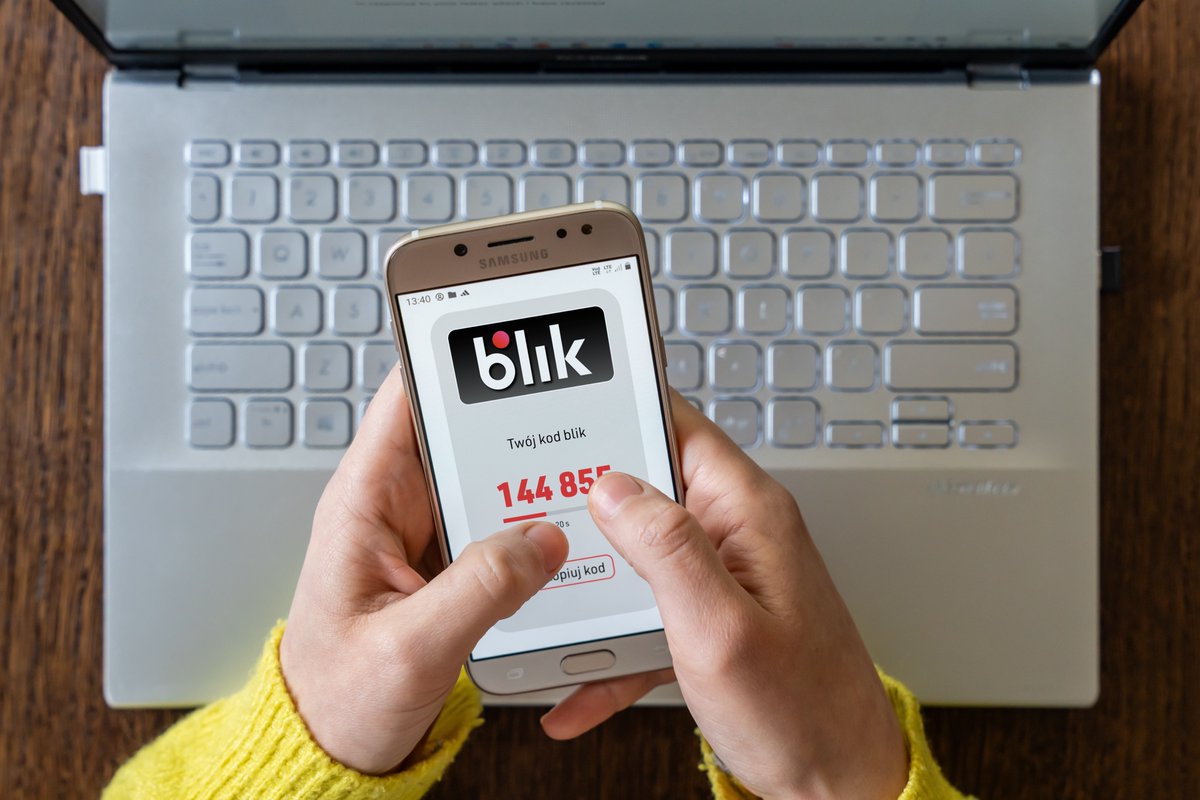
⚠️ W Polsce zyskuje popularność nowy przekręt z BLIK — można stać się nieświadomym pomocnikiem oszustów. Schemat wygląda niewinnie — i właśnie dlatego jest groźny. Jak to działa: — na konto niespodziewanie trafia przelew BLIK na kilkaset złotych; — numer telefonu jest nieznany, nie spodziewałeś się pieniędzy; — po chwili kontaktuje się rzekomy nadawca i twierdzi, że pomylił numer; — prosi o zwrot pieniędzy, ale na inny numer — „bo tak mu wygodniej”. ❗️To pułapka. W rzeczywistości oszuści: — wystawiają fałszywe ogłoszenia sprzedaży; — podają celowo błędny numer telefonu; — kupujący wysyła pieniądze — trafiają one do ciebie; — oszust kontaktuje się z tobą i nakłania do przekazania środków jemu; — kupujący nie dostaje towaru i zgłasza sprawę na policję. W efekcie to ty stajesz się nieświadomym pośrednikiem. Co robić: — jeśli dostaniesz niespodziewany przelew BLIK, skontaktuj się z bankiem; — nigdy nie odsyłaj pieniędzy na inny numer niż ten, z którego przyszły.
NEXTA Polska tweet media
Polski
107
702
3.3K
434.4K
Mucha ретвитнул
Sebastian
Sebastian@SebKondracki·
Bielik v3 w benchmarkach EuroEval 🧱 Model bazowy - 4. miejsce w zadaniach wielojęzycznych. 💬 Model instrukcyjny - 32. miejsce w zadaniach wielojęzycznych. Top 10 to giganci i modele wielokrotnie większe niż nasze 11B. A mimo to wyprzedzamy Nemotron 30B, OLMo 32B i Llama 3.1 8B. Polski open source. Społeczność. Wynik. 🇵🇱 Brawo! @KinasRemek @ChrisOciepa @kwrobel_eth Adrian Łukasz i @Cyfronet. @CYFRA_GOV_PL takie wyniki aż proszą się o symboliczne docenienie zespołu trenującego 🙂 choćby order, dyplom albo kawa ☕️
Sebastian tweet media
Polski
17
51
542
22.4K
Mucha ретвитнул
Borys Musielak @ Warsaw
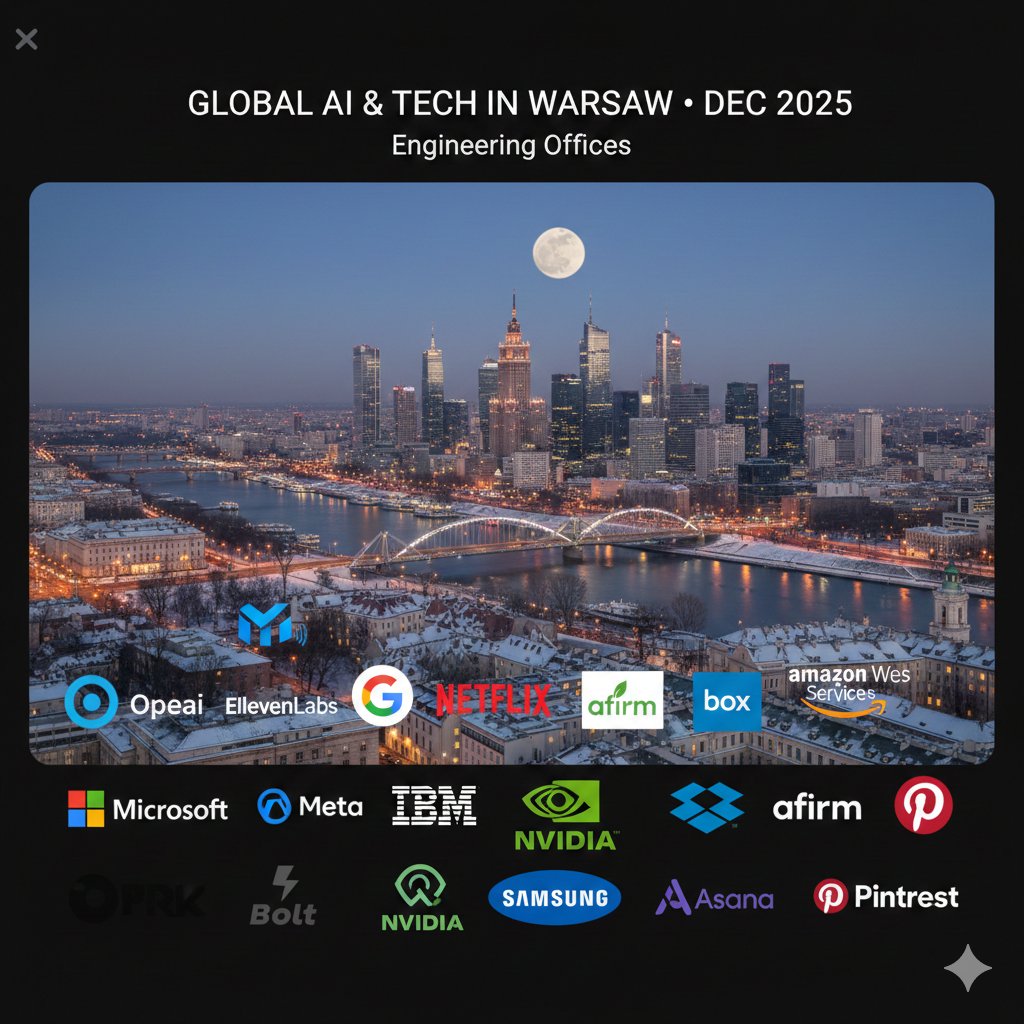
Warsaw quietly became the engineering hub of Europe. The city is home to engineering offices of top global AI and tech companies: 1. OpenAI 2. Mistral AI 3. ElevenLabs 4. Google 5. Snowflake 6. Netflix 7. Affirm  8. Dropbox  9. Box  10. Amazon (AWS) 11. Microsoft 12. Meta 13. IBM 14. Bolt 15. Samsung 16. NVidia 17. Waymo 18. Asana  19. Palantir 20. Pinterest Building a leading tech product? Build in #techwawa
Borys Musielak @ Warsaw tweet media
Warsaw, Poland 🇵🇱 English
107
234
1.8K
293K
Mucha ретвитнул
Massimo
Massimo@Rainmaker1973·
Points of view
English
175
3.9K
22K
894.2K
Mucha ретвитнул
NXT EU
NXT EU@NXT4EU·
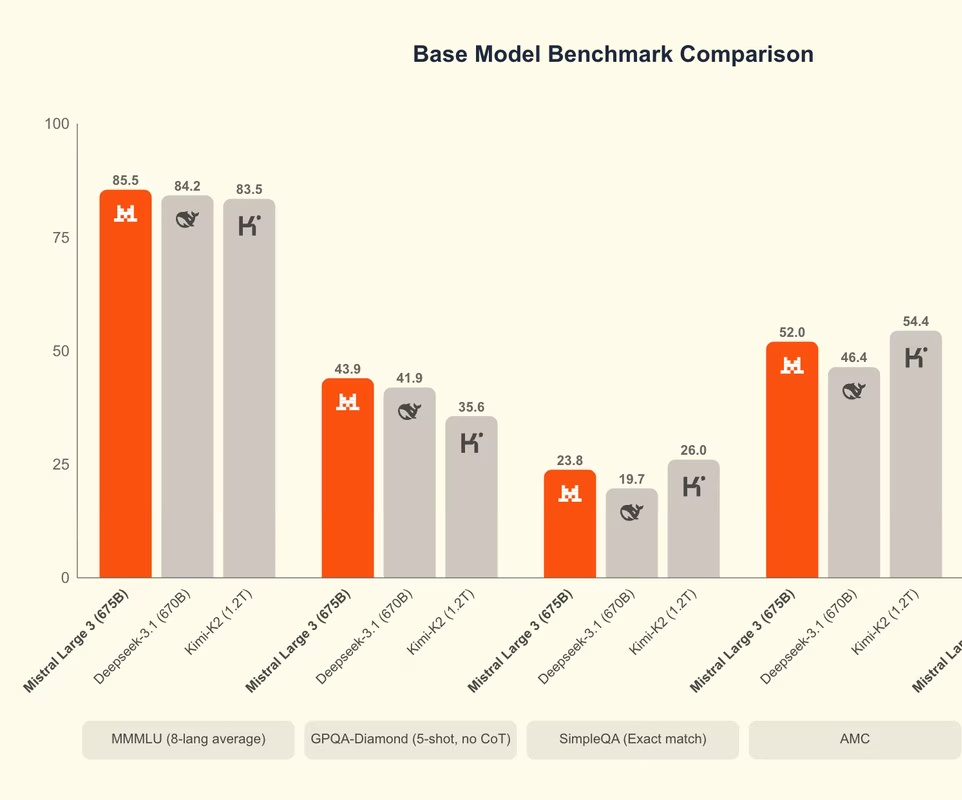
European AI Mistral now BEATS Chinese models and becomes the top-ranking open source model! With their new Model, Mistral 3, they are leaping ahead. Did you try Mistral yet, patriot? 🇪🇺
NXT EU tweet media
English
160
302
2.2K
127.6K
Mucha ретвитнул
Maciej Kawecki - This Is IT
Maciej Kawecki - This Is IT@kawecki_maciej·
Polacy stworzyli pierwsze ściany, generujące energię!! Szanowni, korzystając z jednego z najnowocześniejszych mikroskopów elektronowych na Ziemi, pracując z najlepszymi ośrodkami naukowymi świata, polscy naukowcy z ML System opracowali pod Rzeszowem przełomową technologię stosowania nagrodzonych Noblem kropek kwantowych. Ich „sztuczne atomy” tworzą energię elektryczną z ścian, fasad oraz szyb. Są jednym z pierwszych na Ziemi, tak masowych wdrożeń nanocząstek kwantowych. Są pierwszym miejscem na Ziemi, które masowo tworzy płyty elewacyjne budynków, generujące energię. Ich wdrożenia zaczynają znajdować się na całym świecie, od drugiego największego wieżowca w Wiedniu, przez Bali po zabytki południowej Francji. Uznając, że to obecnie najważniejsza tworzona w Polsce technologia, o projekcie stworzyłem film. Dziś ma swoją premierę. W komentarzu pod linkiem dzielę się historią Edyty i Dawida. W rozmowie z twórcami tej technologii, wchodzimy w mikroświat pojedynczych atomów, odkrywając jedną z tajemnic natury. Naprawdę uważam, że to co zrobił Dawid i Edyta pod Rzeszowem, po cichu, jest obecnie najważniejszą technologią realnie tworzoną tylko w Polsce, wdrożoną na masową skalę. Polacy uruchomili pierwszą na świecie linię produkcyjną do masowej produkcji elewacji oraz przeziernych szyb z powłoką kwantową, generujących czystą energię elektryczną. Ich ściany i szyby generują prąd niezależnie od kąta padania światła słonecznego, a nawet z oświetlenia sztucznego. Technologia pozwala na przekształcenie fasad i okien budynków w aktywne, darmowe elektrownie słoneczne, co drastycznie zwiększa efektywność energetyczną budynków i przyspiesza zwrot z inwestycji. Tworzą badania dla Uniwersytetu Ocfordzkiego czy Instytutu Fraunhofera. Polecam film poniżej w komentarzu. Pokazujemy w nim ujęcia z polskiego mikroskopu elektronowego, wchodząc z kamerami do poziomu … trzech atomów! Gratuluję ML System, Edycie i Dawidowi tego, co zrobili. FILM: youtu.be/-H_peIsm8Bo
YouTube video
YouTube
Polski
37
323
1.1K
38.1K
Mucha ретвитнул
Andrzej Krajewski
Andrzej Krajewski@AWMKrajewski·
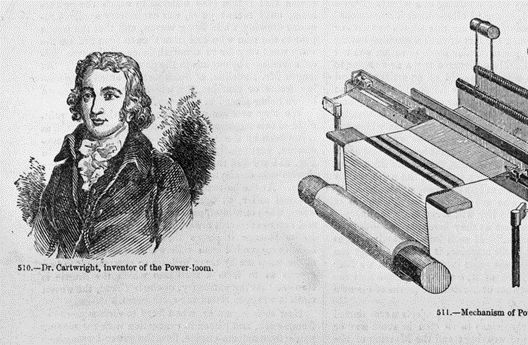
W opowieści na niedzielę wrzucam wątek o tym jak Francuzi, Niemcy i Amerykanie ukradli Anglikom kluczowe wynalazki i technologie, a potem w ich ślady poszli Japończycy Na początek jednak o motywacji.. 1/
Andrzej Krajewski tweet media
Polski
14
71
257
26.1K
Mucha ретвитнул
Michał Podlewski
Michał Podlewski@trajektoriePL·
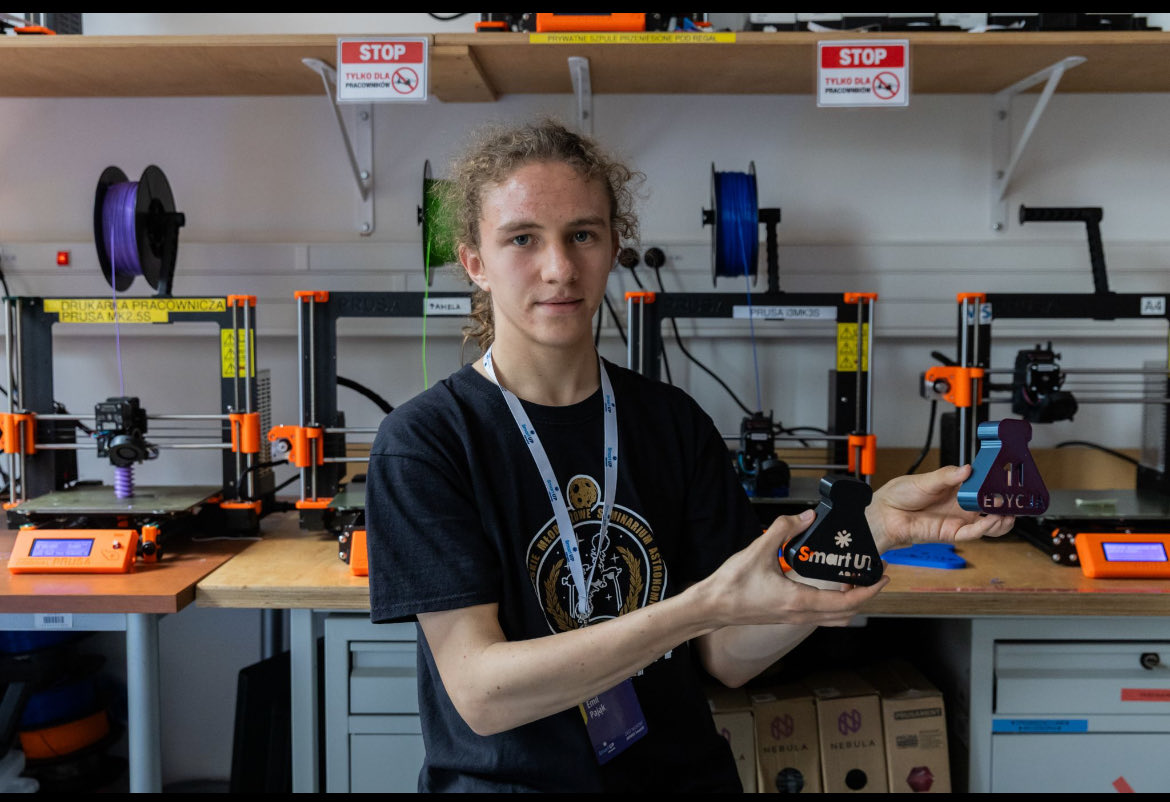
Emil Pająk, 18-latek z Gliwic, otrzymał nagrodę specjalną w europejskim konkursie naukowym European Union Contest for Young Scientists (EUCYS) w Rydze. Młody naukowiec z Polski opracował innowacyjny filament do drukarek 3D. Pozwala on na stworzenie struktur o właściwościach zarówno elektrycznych, jak i magnetycznych – to przełom, który otwiera drogę do nowych zastosowań w medycynie czy robotyce. Co więcej, można je wydrukować na domowej drukarce 3D. Wcześniej podobne struktury, stworzone przez naukowców z MIT, trafiły na okładkę Nature w 2018 roku. To nie pierwszy sukces Emila. Zdobył także pierwsze miejsce w 51. Ogólnopolskim Młodzieżowym Seminarium Astronomiczno-Astronautycznym oraz zwyciężył w kategorii „Pokaz zjawiska fizycznego” w ogólnopolskim konkursie Fizyczne Ścieżki. Podczas 11. edycji obozu naukowego ADAMED Start Up, Emil pracował w grupie roboczej, która stworzyła autonomiczny podajnik leków dla seniorów. Zapamiętajcie to nazwisko - czuje, że będzie o nim jeszcze głośno.
Michał Podlewski tweet media
Polski
38
369
2.4K
115.6K
Mucha ретвитнул
Patrick Collison
Patrick Collison@patrickc·
Over the past week, @arcinstitute published three new discoveries that I’m very proud of. • The world's first functional AI-generated genomes. Using Evo 2 (the largest biology ML model ever trained, which Arc released in partnership with @nvidia in February), Arc scientists took advantage of the fact that Evo 2 is a generative model to produce completely new sequences for complete phage genomes. That is, they used AI to produce wholly new, never-before-seen-by-nature genomes. They experimentally synthesized these genomes and showed that these AI-generated phages actually work, killing E. coli bacteria with high efficacy. • Germinal, an AI system for creating new antibodies. Antibody design is one of the great problems of medical biology given their obvious importance and usefulness for creating therapeutics. (Antibodies are tiny particles that help the immune system identify pathogens and other harmful intruders. See also the recent Works in Progress article on this topic: [1].) Today, designing effective antibodies is very expensive and slow. Germinal is a cheap and fast way to produce drug candidates, with success rates of up to 22%. This means that one can go from having to screen thousands of candidates in the lab to screening perhaps a few dozen. It's early, but I suspect that better methods for designing antibodies will be a very big deal for disease treatment in the coming years. • Today, we published a paper showing that “bridge editing”, which Arc scientists first introduced last year, can make precise edits in human cells that are up to 1 million base pairs long, and without relying on intrinsically unpredictable cellular repair machinery (which CRISPR requires, often leading to editing mistakes). They showed that it’s possible to use this editing to cut out the DNA repeats that cause Friedreich’s ataxia (a neurological disease), an approach which should also be relevant to Huntington’s and other similar disorders. One particularly cool thing about it is that it’s possible to specify every nucleotide within the extended editing window, meaning that recursive bridge edits could potentially be a powerful way to reprogram even biological traits that are caused by many genetic mutations. (Genetic therapies today target single mutations.) Arc is pretty new. Its doors opened in mid 2022, and it's now 300 people. I’m excited about these discoveries because they show that a number of our hopes in starting Arc are starting to pay off: • AI/ML and computation are at the center of all three. That is obviously true for the first two, but the mobile genetic element behind bridge editing was also discovered as a result of a complex computational search. One of our premises in starting Arc was the belief that the intersection of software/AI and experimental wet lab biology should enable great things. (And besides requiring great computational work, all three of these also required strong wet lab work, tightly coordinated under a single physical roof.) • We’ve been toying with the idea that a handful of technologies are enabling a new kind of “Turing loop” in biology: sequencing advances (including single-cell sequencing) give us new ways to read; transformers and AI gives us new ways to think; and functional genomics (such as bridge editing) give us new ways to ways to write. This trio of discoveries span each part of this loop, and we’re hopeful that there’ll be compounding returns in improving each part. • Arc is a non-profit, which we hoped would make collaborating with others easier, since we can avoid worries about financial return. This is indeed proving important, and all three of these projects involved close partnership with others. Germinal was done in partnership with @SynBioGaoLab at Stanford; Evo 2 was trained in partnership with Nvidia. Bridge editing was jointly published with a structure from the @HNisimasu Lab at the University of Tokyo. Arc tries to make its discoveries useful (see the Evo 2 Designer[2]) for others, and the code behind the computational projects is open source, hopefully making it easy for others to spot new opportunities for collaboration and partnership in the future. Most of all, Arc itself is an ongoing collaboration with @UCSF, @UCBerkeley, and @Stanford. • With Arc, we wanted to enable better bottom-up and top-down work. With the fully flexible, no-strings-attached funding that we provide to investigators, we want to enable completely unexpected discoveries and avenues of investigation. With our institute initiatives (around creating a virtual cell and curing Alzheimer’s), we want to bring to bear a scale and level of coordination that’s usually difficult in basic science. Germinal is a “surprise” discovery that didn’t involve top-down coordination, whereas Evo 2 is the result of ambitious high-level planning and funding. • Humanity has never cured a complex disease (a category that includes most neurodegenerative diseases, most cancers, and most autoimmune diseases), and my hope is that Arc can help change this. It’s also clear that AI will revolutionize biology, and I hope that Arc can effectively aggregate the ingredients needed to fully capitalize on its promise. I’m biased, but I think some of the coolest biology in the world is currently being done at Arc. (They’re always hiring if you’re interested.) While I’m a cofounder of Arc, I spend almost all my time on Stripe, where we spend our time building economic infrastructure for the internet. All credit for Arc’s progress should go to the remarkable scientists and staff who’ve made Arc their home or who’ve chosen to collaborate with us. (You can read more about these particular discoveries in these threads: [3], [4], [5].) I’m also very grateful to the amazing Stripe employees who’ve built the company that makes Arc’s ongoing work possible, and to the millions of customers who’ve chosen to partner with Stripe. John and I feel fortunate to be able to support Arc’s work to the extent that we do. Maybe this is reading too much into it, but I sometimes feel that there’s a commonality between @arcinstitute and @stripe. Both biology and economic infrastructure involve reasoning about complex systems with many levels of emergent effects, and in both cases building the right tools can have almost unboundedly large benefits. Even though progress in both tends to take a long time, it also feels like the next five years in both will be some of the most interesting in living memory. (If economic infrastructure is your jam, we have a whole slew of fantastic announcements coming up at Stripe Tour in New York next week. Tune in!)
English
116
354
2.4K
519.9K