Tina ចែងចាំង

2.7K posts

Tina ចែងចាំង banner
Tina ចែងចាំង

Tina ចែងចាំង

@KirribilliDelos

Berufs-Kulturtante . Prefers acting now to swimming later .

เข้าร่วม Temmuz 2012
2K กำลังติดตาม172 ผู้ติดตาม
Tina ចែងចាំង รีทวีตแล้ว
Gianl1974
Gianl1974@Gianl1974·
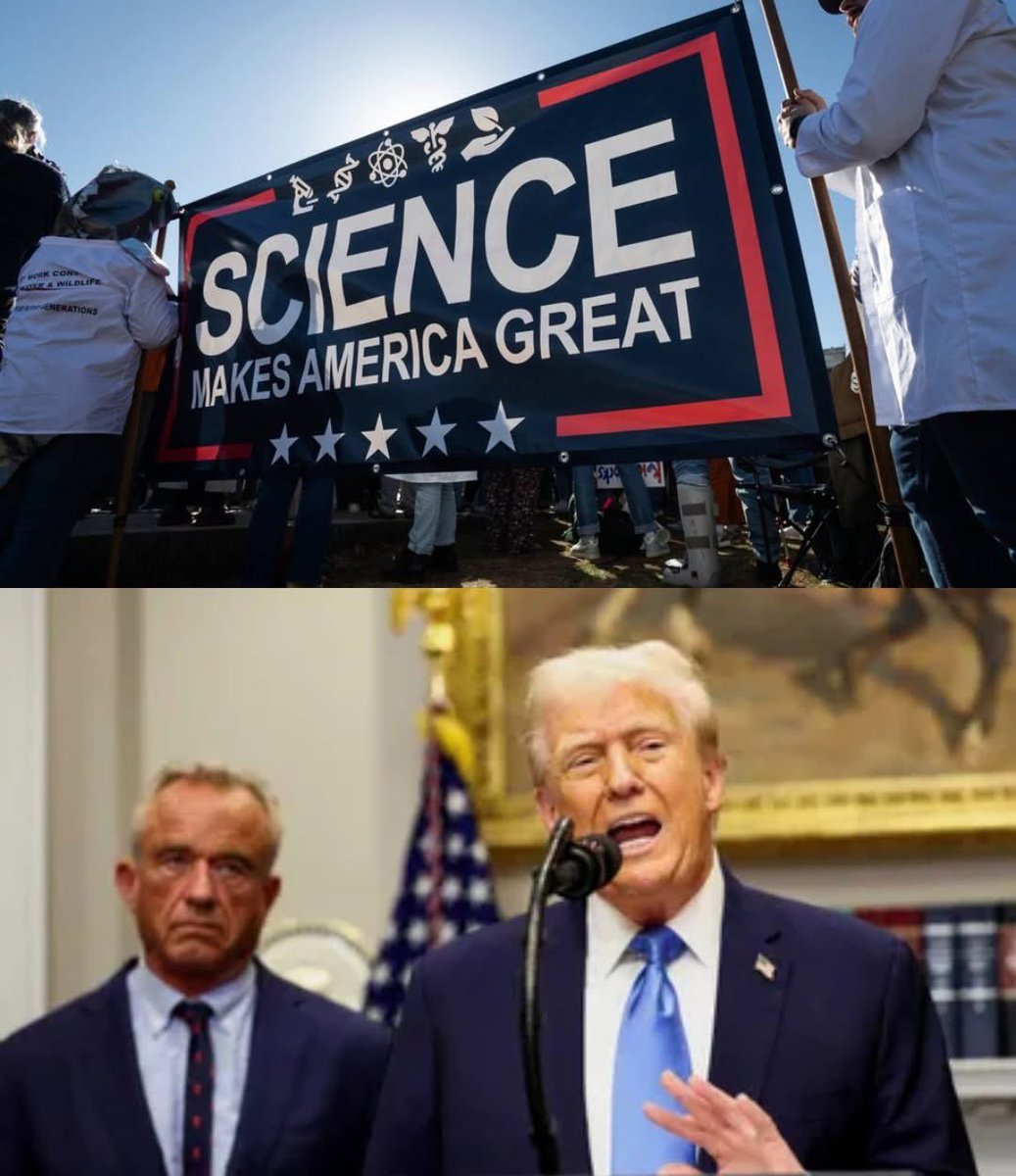
Trump just fired all 24 members of the National Science Board. Every single one. By email. No warning. No reason given. The board has existed since 1950. The National Science Board is the independent body that oversees the National Science Foundation, the agency that distributes $9 billion in research grants every year. Its members are scientists and engineers from universities and industry. They serve six-year staggered terms specifically so they cross presidential administrations and stay independent of whoever is in power. On Friday, every single one of them got the same boilerplate email from Mary Sprowls of the Presidential Personnel Office: "On behalf of President Donald J Trump, I am writing to inform you that your position as a member of the National Science Board is terminated, effective immediately. Thank you for your service." That's it. That's the whole letter. For 76 years of institutional independence. The NSF funds the basic science behind MRIs. Cellphones. LASIK eye surgery. GPS. The internet itself. The Antarctic research stations. The deep-space telescopes. The research vessels mapping the ocean floor. Every breakthrough that made America the world's leader in science for the better part of a century traces back through grants this agency made and this board approved. The board chair, Victor McCrary, was actively advising Congress on Trump's proposed 55% cut to NSF's budget. The board was helping fight back. So Trump fired the board. Marvi Matos Rodriguez, one of the fired members, told reporters she had been reviewing an 80-page report as part of her board duties just days before being terminated. Keivan Stassun, a physicist at Vanderbilt, said NSF's leadership had already stopped responding to board oversight requests months ago. "We would ask them, 'Are you following board governance directives?' And their answer would be, in effect, 'We don't listen to you anymore.'" Now there's no board to answer to. Rep. Zoe Lofgren of California, the top Democrat on the House Science Committee, called it "the latest stupid move made by a president who continues to harm science and American innovation. Will the president fill the NSB with MAGA loyalists who won't stand up to him as he hands over our leadership in science to our adversaries?" That's the actual question. Because while Trump is firing American scientists, China is building research universities at a rate we cannot match. The CDC just buried a study showing vaccines work. RFK Jr. runs HHS. The EPA is gutted. The Forest Service is being broken. Half of American children are breathing dangerous air. And now the people who decide what gets researched in the United States have all been fired by email on a Friday afternoon.
Gianl1974 tweet media
English
1.5K
8.3K
11.9K
574.8K
Tina ចែងចាំង รีทวีตแล้ว
Massimo
Massimo@Rainmaker1973·
The Cat Ba langur (also known as the golden-headed langur) is one of the rarest primates on Earth. It lives only on Cat Ba Island in Northern Vietnam and nowhere else in the wild. There are only about 70 to 80 individuals left in existence.
English
134
1.2K
5.5K
119.3K
Tina ចែងចាំង รีทวีตแล้ว
Shining Science
Shining Science@ShiningScience·
Switzerland officially banned boiling lobsters alive. Switzerland has overhauled its animal welfare laws to end the centuries-old practice of boiling lobsters alive. Under the revised regulations, chefs and home cooks must now ensure that crustaceans are rendered unconscious through electrical stunning or the mechanical destruction of the brain before they are cooked. This landmark decision follows a series of scientific studies suggesting that lobsters and other crustaceans possess complex nervous systems capable of processing pain and distress, challenging the long-held culinary assumption that these marine animals lack sentience. The new mandate also revolutionizes the logistics of the seafood industry by implementing strict storage and transport requirements. It is now illegal to keep live lobsters on ice or in ice water; instead, they must be maintained in environments that mimic their natural watery habitats. These changes reflect a significant shift in ethical standards, prioritizing humane treatment from the moment of capture to the point of consumption. By adopting these rigorous standards, Switzerland is leading a global conversation on the intersection of modern biological insights and traditional culinary practices. source: CNN. (2018). Switzerland Bans Boiling Lobsters Alive Following Animal Welfare Law Revision.
Shining Science tweet media
English
26
140
386
9.1K
Tina ចែងចាំង รีทวีตแล้ว
Furkan Yildirim
Furkan Yildirim@FurkanCCTV·
Trump hat US-Zölle erhoben. Der Supreme Court hat sie im Februar als illegal eingestuft. Morgen um 14 Uhr deutscher Zeit fließen 127 Milliarden Dollar an Erstattungen. Die Tax Foundation hat berechnet: Jeder amerikanische Haushalt hat im letzten Jahr im Schnitt 1.000 Dollar mehr für Importwaren bezahlt. Aber das Geld geht nicht an die Verbraucher. Es geht an Walmart, Costco, Apple, Amazon. Und es ist eines der größten Liquiditätsereignisse, das die US-Aktienmärkte seit Jahren gesehen haben. Was morgen passiert: Die US-Zollbehörde CBP schaltet um 8 Uhr Ortszeit Washington das CAPE-System frei. Über dieses Portal können US-Importeure ab diesem Moment Erstattungen für Zölle beantragen, die der Supreme Court am 20. Februar 2026 mit 6 zu 3 Stimmen als illegal eingestuft hat. Mehr als 56.000 Firmen haben sich bereits registriert. 53 Millionen Sendungen sind betroffen. In der ersten Phase werden 127 Milliarden Dollar freigegeben. Die Gesamtsumme könnte 166 Milliarden Dollar erreichen. Wer bekommt das Geld? Die “Importer of Record”. Das sind genau jene Konzerne, die Goldman Sachs zufolge 55 Prozent der Zollkosten an die US-Verbraucher weitergegeben haben. Walmart ist als größter Importeur des Landes der größte Profiteur. Mehrere Milliarden Dollar Erstattung werden erwartet. Costco, Target, Apple, Amazon, FedEx folgen. Eine CNBC-Umfrage unter 25 Finanzchefs großer US-Konzerne brachte ein eindeutiges Ergebnis: 12 von ihnen beantragen die Erstattung. Null planen, das Geld an Kunden weiterzugeben. Treasury Secretary Scott Bessent hat das öffentlich bestätigt. Costco-Kunden, so Bessent, würden “wahrscheinlich keinen Cent” sehen. Was das für die Märkte bedeutet: Das ist kein Verbraucher-Thema. Das ist ein Liquiditäts-Tsunami für börsennotierte US-Konzerne. Walmart hatte bereits 2024 ein Aktienrückkaufprogramm über 30 Milliarden Dollar angekündigt. Analysten erwarten, dass die Zollerstattungen ab Juli direkt in eine Beschleunigung dieser Rückkäufe fließen. Bei Target wird die Erstattung bereits als “bullish catalyst” gehandelt. Konsumgüter-ETFs, Retail-Aktien und der gesamte S&P 500 Consumer Discretionary Sektor stehen vor einer einmaligen Sonderausschüttung, die nicht aus operativem Geschäft kommt, sondern aus dem Staatshaushalt. Wall Street verdient doppelt. Hedgefonds und Logistikfirmen wie Flexport bieten kleinen Importeuren bereits an, ihre Erstattungsansprüche sofort gegen Cash aufzukaufen. Mit Abschlag. Wer auf das Geld nicht warten kann oder den Antrag nicht navigieren will, verkauft seinen Anspruch unter Wert. Wall Street kassiert die volle Summe. Die fiskalische Seite ist explosiv: Die USA müssen 127 Milliarden Dollar plus Zinsen zurückzahlen. In ein Haushaltsjahr, in dem die Staatsschulden bereits über 38 Billionen Dollar liegen und die Zinszahlungen erstmals die Marke von 1 Billion Dollar pro Jahr überschritten haben. Jeder Tag Verzögerung kostet zusätzliche Zinsen. Aufgewendet wird das Geld in einem Land, das gerade einen Krieg im Nahen Osten finanziert und dessen Notenbank politisch unter Druck steht. Trump hat öffentlich gesagt, dass die Erstattungen “1929 again” auslösen würden, eine “Great Depression”. Genau das versucht er aktuell juristisch zu verzögern. Das CAPE-System startet morgen nur, weil das US Court of International Trade es angeordnet hat. Phase 1 deckt 63 Prozent der Forderungen ab. Die restlichen 37 Prozent, so Sanne Manders von Flexport, “könnten Jahre dauern”. Die Inflation kommt durch die Hintertür zurück: Wenn Konzerne Cash bekommen, ohne ihn an Kunden weiterzugeben, bleibt das Preisniveau hoch. Die ursprünglichen Preiserhöhungen waren mit Zöllen begründet. Die Zölle fallen weg, das Geld kommt zurück. Aber die Preise im Supermarkt bleiben. Der Effekt ist kein einmaliger, sondern ein dauerhafter Margenausbau bei den großen Handelsketten. Der Joint Economic Committee des US-Kongresses hat berechnet, dass amerikanische Verbraucher zwischen Februar 2025 und Januar 2026 Zollkosten von insgesamt 231 Milliarden Dollar getragen haben. Rund 1.745 Dollar pro Haushalt im Jahr. Das ist die größte stille Vermögensumverteilung von Verbrauchern zu börsennotierten Konzernen, die wir seit Jahren gesehen haben. Und sie startet morgen um 14 Uhr deutscher Zeit. Wenn dich solche Makro Insights interessieren und dir helfen, interagiere gerne mit dem Post. 🧡
Furkan Yildirim tweet media
Deutsch
47
373
1.7K
134.3K
Tina ចែងចាំង รีทวีตแล้ว
Give A Shit About Nature
Give A Shit About Nature@giveashitnature·
In 1987, 21% of Costa Rica was forest cover. Today, forest cover has swelled to 57%. They did it by paying landowners not to cut their trees. In the 1990s, Costa Rica passed a law funded by a tax on fossil fuels. Landowners receive direct payments for the ecosystem services their forests provide. Keeping the forest standing became worth more than clearing it. Nearly a million hectares of forest have been protected or restored through the program. Biodiversity is recovering. Species that we thought were lost forever are coming back. But it killed their economy, right? Nope. Costa Rica became the top per capita agricultural exporter in Latin America. The Costa Rican economy didn't collapse. It grew. It's not forests or the economy. The forests can be the economy.
Give A Shit About Nature tweet mediaGive A Shit About Nature tweet media
English
74
2.2K
7.5K
137.4K
Tina ចែងចាំង รีทวีตแล้ว
Nav Toor
Nav Toor@heynavtoor·
Your smart TV is taking screenshots of your screen every 15 seconds. Not a guess. Not a theory. A peer-reviewed study by researchers at UC Davis, UCL, and UC3M tested it. Samsung TVs: every minute. LG TVs: every 15 seconds. Even when you're just using it as a monitor. Here's how to turn it off for every brand:
English
858
6.7K
26.5K
6.5M
Tina ចែងចាំង รีทวีตแล้ว
Science girl
Science girl@sciencegirl·
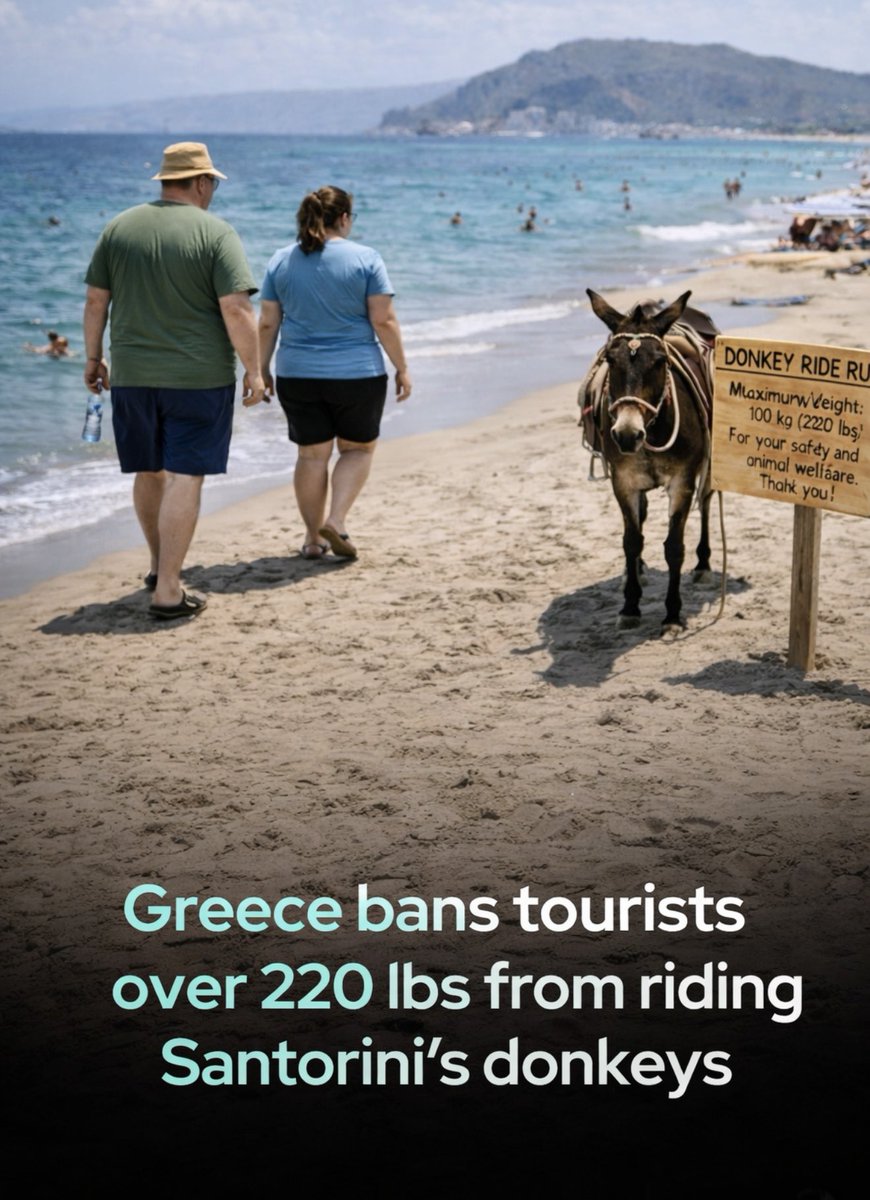
Tourists weighing over 220 pounds (100 kg) are no longer allowed to ride donkeys in Santorini under updated animal welfare rules. The decision follows concerns that the animals were being overburdened, especially on the island’s steep routes, including the 500+ steps leading to Fira. Experts recommend donkeys carry no more than roughly 20% of their body weight. New guidelines also require regular rest breaks, daily movement, and constant access to water. The changes came after pressure from animal welfare advocates highlighting overwork and heat exposure. Visitors can still reach the top by walking or using the cable car—offering alternatives while reducing strain on the animals.
Science girl tweet media
English
592
983
6.2K
163.5K
Tina ចែងចាំង รีทวีตแล้ว
Massimo
Massimo@Rainmaker1973·
In this experiment, Dr Rob Thompson from the University of Reading shows how long it takes a cup of water to soak into parched ground. This is why heavy rainfall after a drought can be really dangerous & might lead to flash flooding.
English
96
1.1K
8.8K
1.1M
Tina ចែងចាំង รีทวีตแล้ว
💙💛 Regina Laska
💙💛 Regina Laska@Sunnymica·
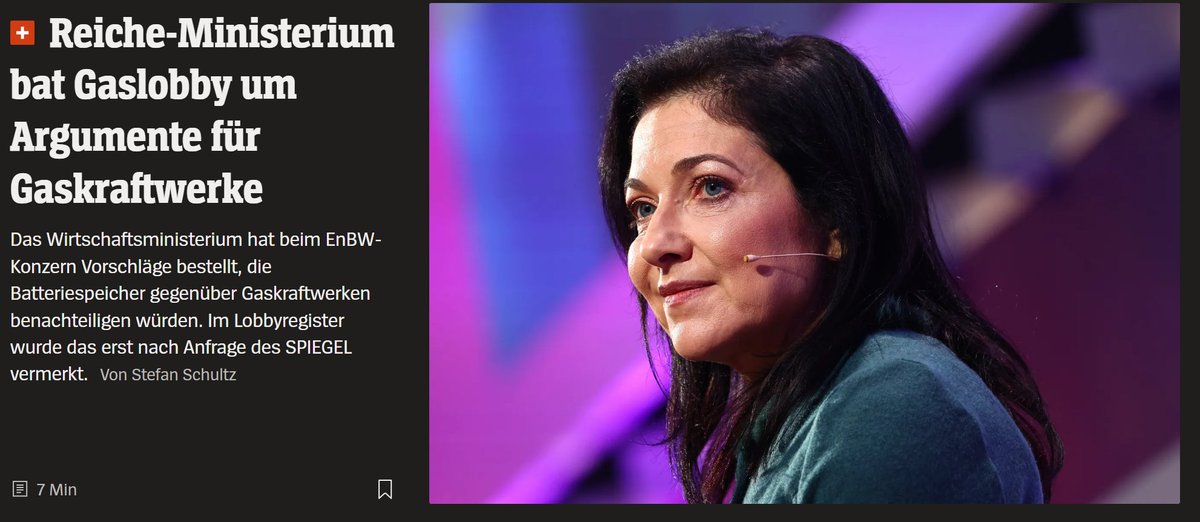
Was mag Gas-Katie am liebsten? Richtig. Gas. Was mag sie gar nicht? Batteriespeicher. Aber dem Ministerium fehlten offenbar die Argumente. Also dachten sich Katies Mitarbeiter: Fragen wir doch mal bei den Profis nach. Die Profis: EnBW und RWE. Beide wollen natürlich neue Gaskraftwerke bauen. Beide wurden aktiv vom Ministerium um Argumente gegen Batteriespeicher gebeten. ☝️ Nochmal zum Mitschreiben: Nicht die Gas-Anbieter haben von sich aus ihre Argumente ans Bundesministerium geschickt, NEIN, es war das Ministerium, dass proaktiv nachfragte. Aber dann haben die vom Ministerium doch sicher auch die Batteriespeicher-Firmen um Argumente gebeten? Nö. Kyon Energy wurde nicht gefragt. Eco Stor wurde nicht gefragt. Uniper und EWE dementieren ausdrücklich jeden Kontakt. Wer nur eine Seite fragt, will keine Antwort. Er will eine Bestätigung. Und der Hammer: EnBW hat erst nach Spiegel-Anfrage im Lobbyregister eingetragen, dass der Vorgang so passierte, wie er passierte – dazu verpflichtet wäre es schon Ende März gewesen. Das gibt nur eine Ordnungswidrigkeit. Ein winziges Bußgeld von bis zu 50.000 Euro. Für einen Konzern, der Milliarden an Fördergeldern anstrebt. Recherchiert hat das @derspiegel. Guten Morgen? Nicht in Deutschland!
💙💛 Regina Laska tweet media
Deutsch
179
1.7K
4.9K
68.4K
Tina ចែងចាំង รีทวีตแล้ว
Science girl
Science girl@sciencegirl·
In Scotland, new building regulations will soon require the inclusion of “swift bricks” a simple addition that provides nesting spaces and supports birds living alongside people in urban environment
English
61
787
4.1K
109.2K
Tina ចែងចាំង รีทวีตแล้ว
Prof. Eliot Jacobson
Prof. Eliot Jacobson@EliotJacobson·
Your 'moment of doom' for Apr. 13, 2026 ~ The long goodbye. "Gray whales are beginning to break their long-established migration patterns, venturing into risky new territory like San Francisco Bay as climate change disrupts their Arctic food supply." sciencedaily.com/releases/2026/…
Prof. Eliot Jacobson tweet media
English
26
477
953
12.8K
Tina ចែងចាំង รีทวีตแล้ว
Science girl
Science girl@sciencegirl·
Mushrooms are unique: they can make Vitamin D from sunlight, just like human skin. Sunlight converts their natural ergosterol into Vitamin D2, meaning even store-bought mushrooms can skyrocket in nutrients after a short sunbath. Place them on in the sun and you’re literally charging your food with solar energy
Science girl tweet media
English
100
1K
3.8K
163.2K
Tina ចែងចាំង รีทวีตแล้ว
Ihtesham Ali
Ihtesham Ali@ihtesham2005·
A Soviet psychologist walked into a café in 1927 and watched a waiter do something impossible. He remembered every open order at every table. Perfectly. Without notes. Without effort. Then a table paid their bill. She asked him to repeat the order. He couldn't remember a single item. She spent the next two years figuring out why. What she found is now the operating system underneath every platform fighting for your attention. Her name was Bluma Zeigarnik, and she was a graduate student at the time, sitting with her professor Kurt Lewin, watching the waiters work the room. What caught her attention was something so ordinary that it had been happening in restaurants for centuries without anyone asking why. The waiters could remember every open order with perfect accuracy. Table four wanted the schnitzel with no sauce. Table seven had changed their wine twice. Table twelve owed for three coffees and a dessert. Every detail, held without effort, without notes, without any visible system at all. But the moment a table paid their bill, the information vanished. Completely. Lewin tested it on the spot. He called a waiter back minutes after a table had settled up and asked him to recite the order. The waiter could not do it. Not partially. Not approximately. The information was simply gone. Zeigarnik went back to her lab and spent the next two years turning that observation into one of the most replicated findings in the history of psychology. Here is what she proved, and why it changes how you think about attention, memory, and almost every piece of media you have ever consumed. She gave participants a series of tasks. Some tasks they were allowed to finish. Others were interrupted before completion. Then she tested recall across both groups. The unfinished tasks were remembered at nearly twice the rate of the completed ones. Not slightly better. Nearly twice. The brain was holding the incomplete work in a state of active tension, returning to it, keeping it warm, refusing to file it away. The finished tasks were closed, archived, released. The unfinished ones were still running. She called it the resumption goal. When the brain commits to a task and cannot complete it, it opens a file that stays open until resolution arrives. That open file consumes a portion of your cognitive bandwidth whether you are thinking about it consciously or not. It surfaces in idle moments. It pulls at the edge of your attention during other work. It is the thing you find yourself thinking about in the shower when you were not trying to think about anything at all. This is not a flaw in human cognition. It is a feature. The brain evolved to finish things. An open loop is a signal that something important is unresolved. Keeping that signal active increases the probability that you will return to it and complete it. In an environment where most tasks had real survival stakes, this was an extraordinarily useful mechanism. In the modern world, it is the most exploited vulnerability in human attention. Netflix did not invent the cliffhanger. But it industrialized it in a way no medium before it ever had. When a show ends on an unresolved question, it does not just create curiosity. It opens a file in your brain that stays active until the next episode closes it. The autoplay countdown that begins at 15 seconds is not a convenience feature. It is a precise calculation about how long the average person can tolerate an open loop before the discomfort of not knowing overrides every other intention they had for the evening. One more episode is not a choice. It is your brain doing exactly what it was designed to do: return to what is unfinished. The writers who built Lost, Breaking Bad, and Succession understood this intuitively without ever reading a psychology paper. Every episode ended on an open question. Every season finale answered three things and opened five more. The entire architecture of prestige television is a Zeigarnik machine running at industrial scale. But television is not where this gets dangerous. Every notification on your phone is an open loop. Every unread email is an open loop. Every task you wrote on a list and have not yet crossed off is an open loop. Each one is consuming a small but real portion of your available attention, pulling fractionally at your focus, degrading your capacity to be fully present in whatever you are actually doing right now. TikTok's algorithm does not just serve you content you like. It serves you content that ends one loop and immediately opens another, keeping the resumption system permanently activated so the cost of stopping always feels higher than the cost of continuing. The research on this accumulation effect is striking. Psychologists studying cognitive load have found that unfinished tasks do not sit passively in memory. They actively interrupt. They surface at the wrong moments. They are the reason you are reading something and suddenly remember an email you forgot to send. The brain is not malfunctioning. It is running its resumption system exactly as designed. It is just running it across forty open loops simultaneously, in an environment that generates new ones faster than any human nervous system was built to process. The most important practical implication Zeigarnik's research produced is one that most people use backwards. David Allen built his entire Getting Things Done system on the insight that the only way to close a cognitive open loop is to either complete the task or make a trusted commitment to complete it later. Writing something down in a system you actually trust has the same effect on the brain as finishing it. The file closes. The bandwidth is released. This is why writing a task down feels like relief even before you have done anything about it. You have not solved the problem. You have simply told your brain that the loop is registered and will be returned to, which is enough for the resumption system to stand down. The inverse is equally true and far more destructive. Every task that lives only in your head, unwritten and unscheduled, is an open loop burning cognitive resources around the clock. The mental cost is not proportional to the size of the task. A tiny nagging obligation consumes the same active tension as a major project. Your brain does not discriminate by importance. It discriminates by completion. Zeigarnik published her findings in 1927. The paper sat in academic literature for decades before anyone outside psychology paid attention to it. Then television got good. Then the smartphone arrived. Then the entire attention economy was engineered, largely by people who understood intuitively what she had proven scientifically: an open loop is the most powerful hook available to anyone who wants to hold human attention. Netflix knew it. Instagram knew it. Every designer who ever made a notification badge red instead of grey knew it. The café in Vienna is long gone. The mechanism she discovered there is now the operating system underneath every platform fighting for your time. Every "to be continued." Every unread notification. Every thread that ends with "part 2 tomorrow." All of it is the same waiter, the same unpaid bill, the same brain refusing to let go of what it has not yet finished. Zeigarnik noticed it over coffee in 1927. A century later, it is the most valuable insight in the history of media. And nobody taught it to you in school.
Ihtesham Ali tweet media
English
233
2.5K
8.8K
862K
Tina ចែងចាំង รีทวีตแล้ว
Jon Cooper 🇺🇸
Jon Cooper 🇺🇸@joncoopertweets·
Okay, who did this? 😂
Jon Cooper 🇺🇸 tweet media
English
1.8K
15.8K
67.9K
1.2M
Tina ចែងចាំង รีทวีตแล้ว
Rico Grimm
Rico Grimm@gri_mm·
Deutschlands Energieministerin erwähnt Fusionskraftwerke zweimal in ihrem FAZ-Gastbeitrag. Batteriespeicher kein einziges Mal. Dabei funktionieren Netzbatterien so gut, dass sie in Kalifornien ihre eigenen Gewinne killen. Warum redet die Ministerin nicht darüber? Kalifornien hat in drei Jahren seine Batteriespeicher verfünffacht, laut Aurora Energy Research. Ergebnis: Fast keine negativen Strompreise mehr, Preisspitzen weg, das Netz läuft stabiler. Die Speicherbetreiber verdienen nur noch halb so viel. Ist das nicht genau das, was wir wollen? Privat finanzierte Speicher stabilisieren den Markt und senken Preise. Energieministerin Katherina Reiche sagt, die Energiewende sei zu teuer. Man müsse die Systemkosten im Blick haben. Richtig – aber Kosten sind nicht nur Kosten, sondern Investitionen in ein System, das funktioniert. Es steht außer Frage, dass der Anteil Erneuerbarer weiter steigen wird. Warum stellt sich die Regierung dem in den Weg? Meine Erklärung nach einem Jahr Beobachtung: Die Ministerin denkt noch immer wie eine Netzbetreiberin, wie die Chefin von Westenergie, die sie vor ihrem Amtsantritt war. Das verstehe ich sogar. Du betreibst ein reguliertes Monopol, baust Netze, verteilst Strom. Plötzlich tauchen Millionen kleiner Verbraucher auf, die auch ins Netz laden. Dazu zehntausende große Erzeuger, auf die du keinen direkten Zugriff hast. Chaos. Netzbetreiber können Netze bauen. Was sie nicht können: Digitalisierung, Flexibilität. Wer täglich auf 50 Hertz achten muss, wird konservativ. Es ist also kein Wunder, dass Katherina Reiche in ihrem Gastbeitrag Batteriespeicher nicht erwähnt hat und Fusionskraftwerke zweimal. Denn die kann man gewohnt zentral betreiben und steuern wie ein Kohlekraftwerk, und die PR ist besser. Ein Vorschlag: Was wäre, wenn wir Netzbetreibern in Deutschland erlauben, Speicher zu bauen – mit denselben Rechten wie private Betreiber? Ist nämlich aktuell verboten. Anders als in Kalifornien. ✌️
Rico Grimm tweet media
Deutsch
287
651
2.2K
64.9K
Tina ចែងចាំង รีทวีตแล้ว
Undiscovered History
Undiscovered History@HistoryUnd·
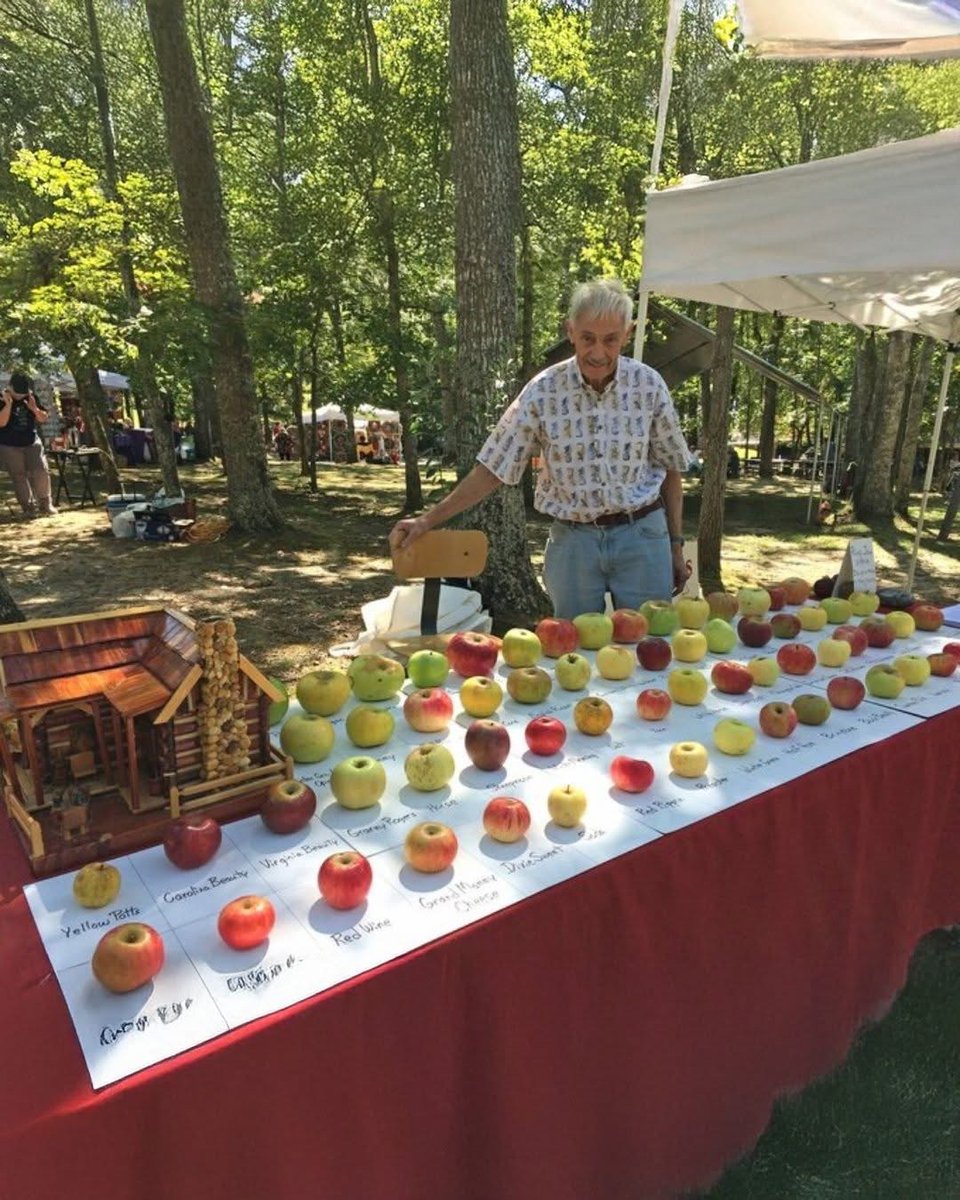
Tom Brown, a retired engineer, dedicated 25 years to preserving approximately 1,200 apple varieties from extinction.
Undiscovered History tweet media
English
293
2.9K
20K
4.1M
Tina ចែងចាំង รีทวีตแล้ว
Jake Lundahl
Jake Lundahl@LundahlHorses·
Civilization was built by people like this, and there is a stunning lack of gratitude in our culture for their work. In this specific case, at least half of the apple varieties in Brown’s collection were considered “lost” until he personally tracked them down and saved them. He literally went on quests where he did things like, tracking a lost variety back to a stump of a long-ago-cut-down tree near an abandoned homestead in remote Appalachia, took cuttings from the green shoots coming out of the stump, brought them back and planted them. Absolute legend.
Undiscovered History@HistoryUnd

Tom Brown, a retired engineer, dedicated 25 years to preserving approximately 1,200 apple varieties from extinction.


English
535
21.1K
121.3K
2.9M
Tina ចែងចាំង รีทวีตแล้ว
Give A Shit About Nature
Give A Shit About Nature@giveashitnature·
Canada built bridges for bears, and it worked better than anyone expected. The Trans-Canada Highway cuts through Banff National Park for 82 kilometers. For decades it was a killing field. Animals on one side couldn't reach animals on the other, which fragmented populations and cut off migration routes. Starting in 1996, Parks Canada built 44 wildlife crossing structures, along with fencing to guide animals toward them. Critics called it a waste of money. Editorials said animals would never use them. They were wrong. Since monitoring began, animals have used the crossings more than 250,000 documented times. Wolves, grizzly bears, elk, moose, cougars, wolverines, lynx, bighorn sheep. Wildlife-vehicle collisions dropped 80% overall. It took grizzlies about five years to trust the structures. Elk tested them while they were still under construction. Every species had its own preference. Grizzlies and elk liked the wide open overpasses. Cougars and black bears preferred the narrow tunnels. This is now the longest-running wildlife crossing research program in the world. Delegations have come from China, Mongolia, Costa Rica, and Argentina to copy the model. Is your state building these?
Give A Shit About Nature tweet media
English
177
2.2K
6.4K
111.6K