Kushagra Sharma

404 posts

Kushagra Sharma

Kushagra Sharma

@Kush__Dev

เข้าร่วม Nisan 2021
315 กำลังติดตาม6 ผู้ติดตาม
Kushagra Sharma รีทวีตแล้ว

Raul Junco
Raul Junco@RaulJuncoV·
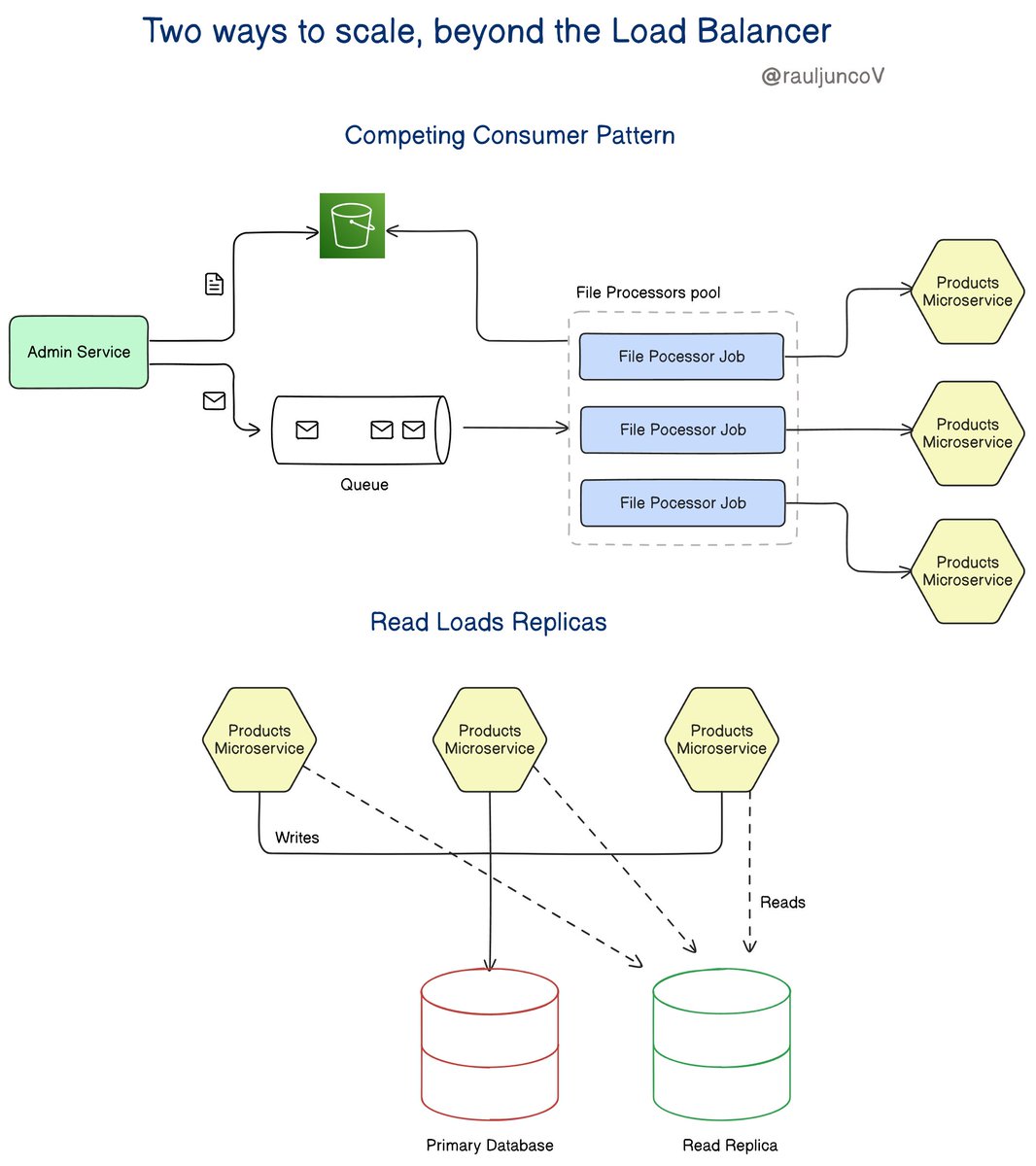
Horizontal scaling is more than a load balancer. Here are 2 more ways to scale Horizontally. With horizontal duplication, you duplicate part of your system to handle more workloads and distribute the work between these duplicates. The most obvious way of horizontal duplication is using a load balancer. They: • Distribute the work. • Detect when a node is unavailable and remove it from the load balancer pool. 1. Competing Consumer Pattern The idea of this pattern is to distribute the load to achieve more throughput. This is ideal when you have job processors. For example, if your system needs to allow users to import and process large files. You place each uploaded file in a queue; many consumers would compete to pick up and process them. 2. Read Loads Replicas To reduce the reads on the primary database, you create a Read Replicas. This works well if a lot of the load on the main system is read-heavy. For example, in an e-commerce system. The primary database handles all write operations, while read replicas handle read-heavy operations, like fetching product details or user order history. Horizontal duplication is somewhat straightforward. If vertical scaling isn't available, this form of scaling is typically the next thing I'd look at. Assuming you can split the work across the duplicates, it's an elegant way of spreading the load and reducing resource contention. With a caveat that requires more infrastructure, of course, costs more money. Have you done any of these?
Raul Junco tweet media
English
10
62
282
25K
Kushagra Sharma รีทวีตแล้ว
DogeDesigner
DogeDesigner@cb_doge·
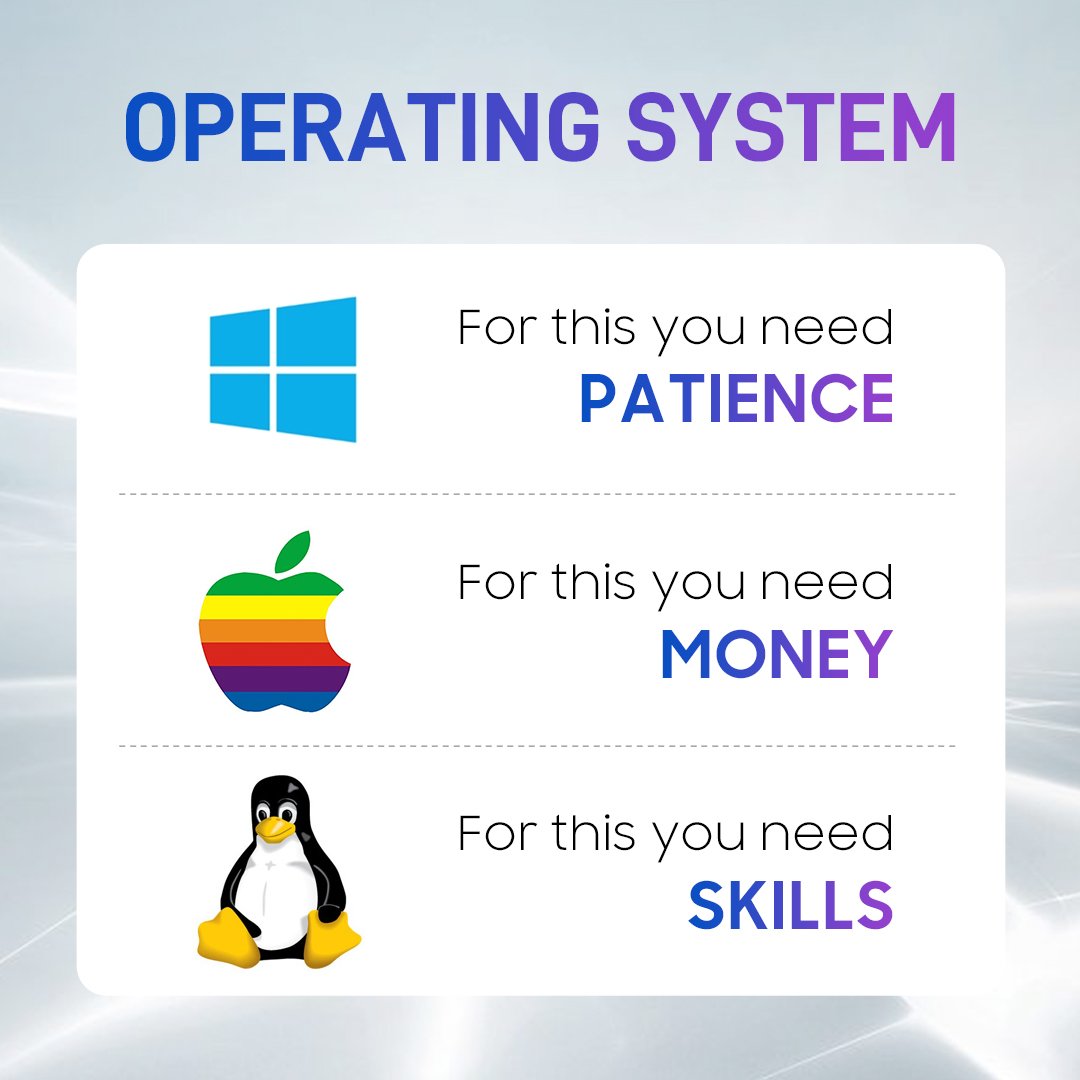
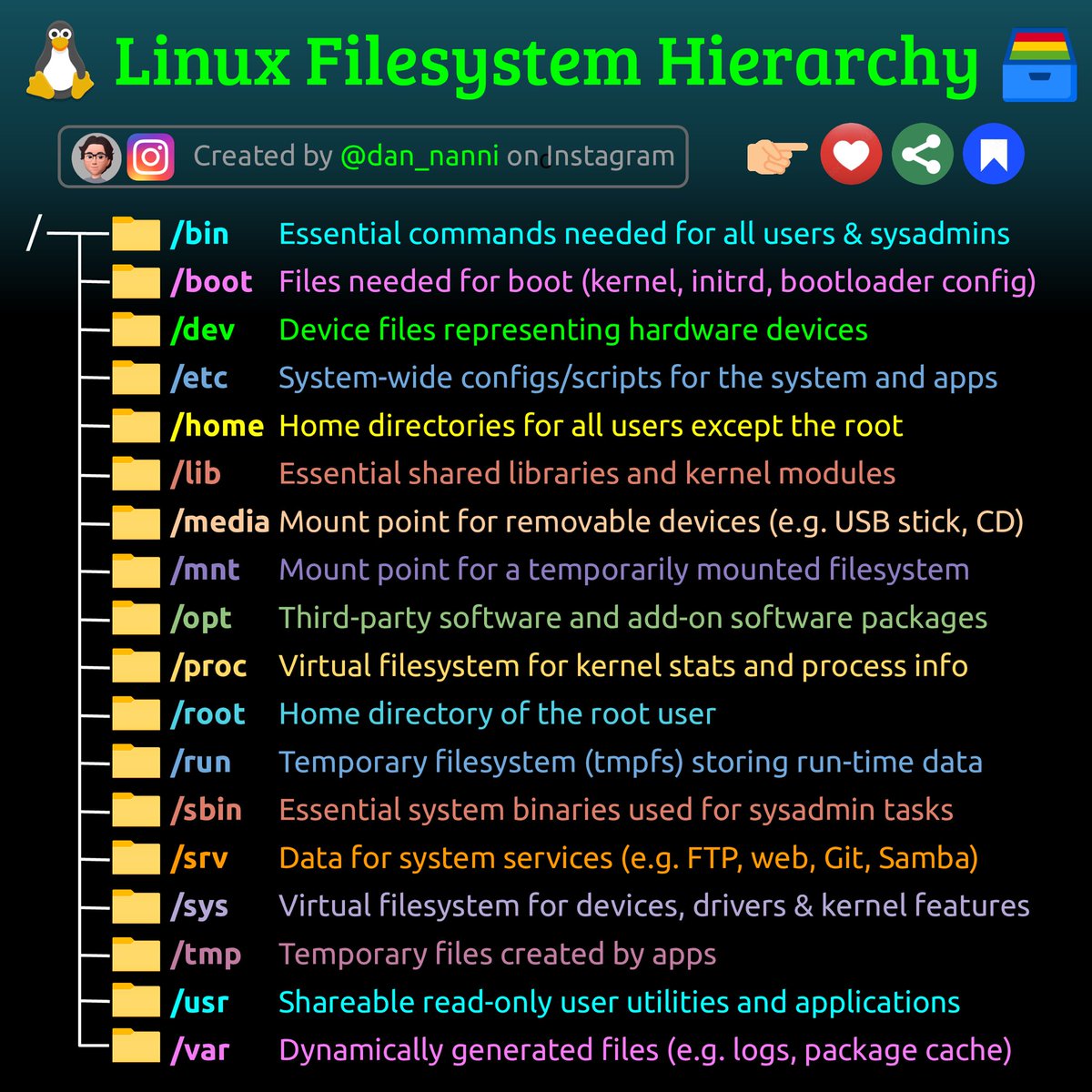
It's time to switch to Linux.
DogeDesigner tweet media
English
141
60
581
58.7K
Kushagra Sharma รีทวีตแล้ว
TRÄW🤟
TRÄW🤟@thatstraw·
We have professionals skills
TRÄW🤟 tweet media
English
37
174
1.2K
39.7K
Kushagra Sharma รีทวีตแล้ว
MIT CSAIL
MIT CSAIL@MIT_CSAIL·
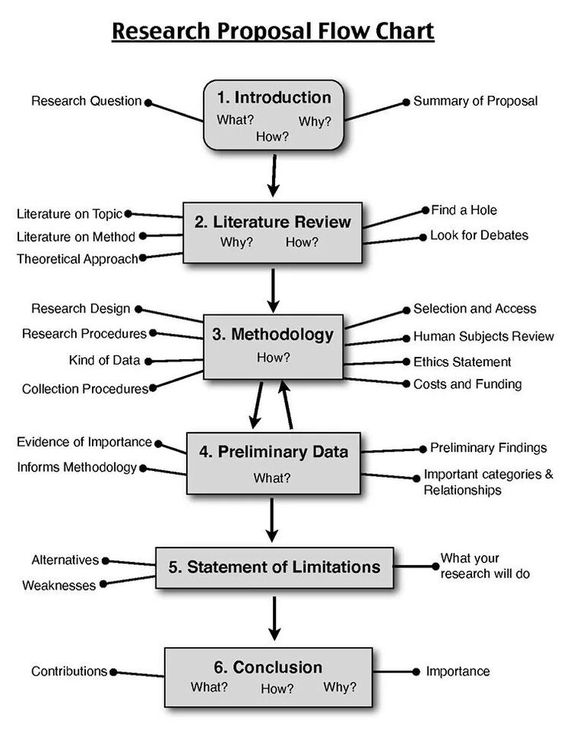
A flow chart for writing a research proposal. Via @acagamic.
MIT CSAIL tweet media
English
2
227
885
67.9K
Kushagra Sharma รีทวีตแล้ว
Sahn Lam
Sahn Lam@sahnlam·
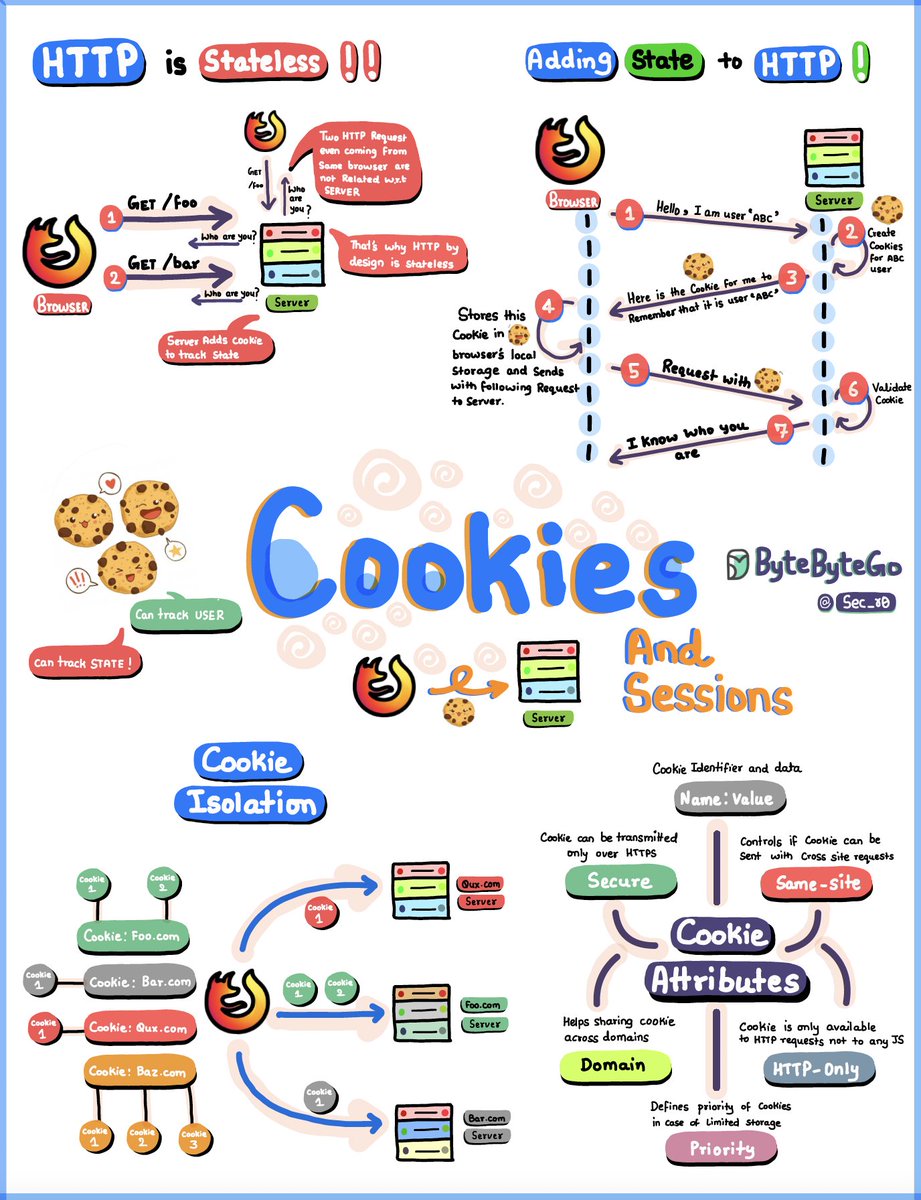
Cookie Basics 🍪 At its core, HTTP is stateless - each request/response cycle stands on its own, with the server forgetting everything after responding. But often we need to remember things between requests, like user logins or shopping carts. That's where cookies come in. Cookies are tiny text files stored in your browser. When a server wants to remember something, it sends a "Set-Cookie" header telling your browser to create a cookie. From then on, your browser sends that cookie data back with each request to the server, allowing it to "remember" you. But it goes further - cookies enable sessions, which are like personal data stores on the server tied to your specific interactions. The server gives you a unique "session ID" cookie, and when you send it back, the server recognizes you and accesses your session data. There are some security and privacy controls baked in. Same-site cookies only get sent to the originating site to prevent cross-site attacks. Cookies are also isolated by domain and path to limit access. Secure cookies only transmit over encrypted HTTPS, while HttpOnly cookies are hidden from browser JavaScript code to stop cross-site scripting. – Subscribe to our weekly newsletter to get a Free System Design PDF (158 pages): bit.ly/3KCnWXq
Sahn Lam tweet media
English
5
154
526
25.6K
Kushagra Sharma รีทวีตแล้ว
TRÄW🤟
TRÄW🤟@thatstraw·
🤣
TRÄW🤟 tweet media
QME
7
54
476
11.5K
Kushagra Sharma รีทวีตแล้ว
Swapna Kumar Panda
Swapna Kumar Panda@swapnakpanda·
Save it FOREVER!!! ChatGPT can never replace them. ❯ SQL ➟ sqlbolt ❯ C ➟ learn-c ❯ C++ ➟ Geeks4Geeks ❯ Java ➟ codecademy ❯ Python ➟ kaggle ❯ JavaScript ➟ javascript .info ❯ C# ➟ learncs ❯ Go ➟ gobyexample ❯ Kotlin ➟ studytonight ❯ Swift ➟ codewithchris ❯ PHP ➟ learn-php ❯ Ruby ➟ rubyguides ❯ TypeScript ➟ codecademy ❯ DSA ➟ techdevguide .withgoogle
English
30
232
950
114.5K
Kushagra Sharma รีทวีตแล้ว
Sahn Lam
Sahn Lam@sahnlam·
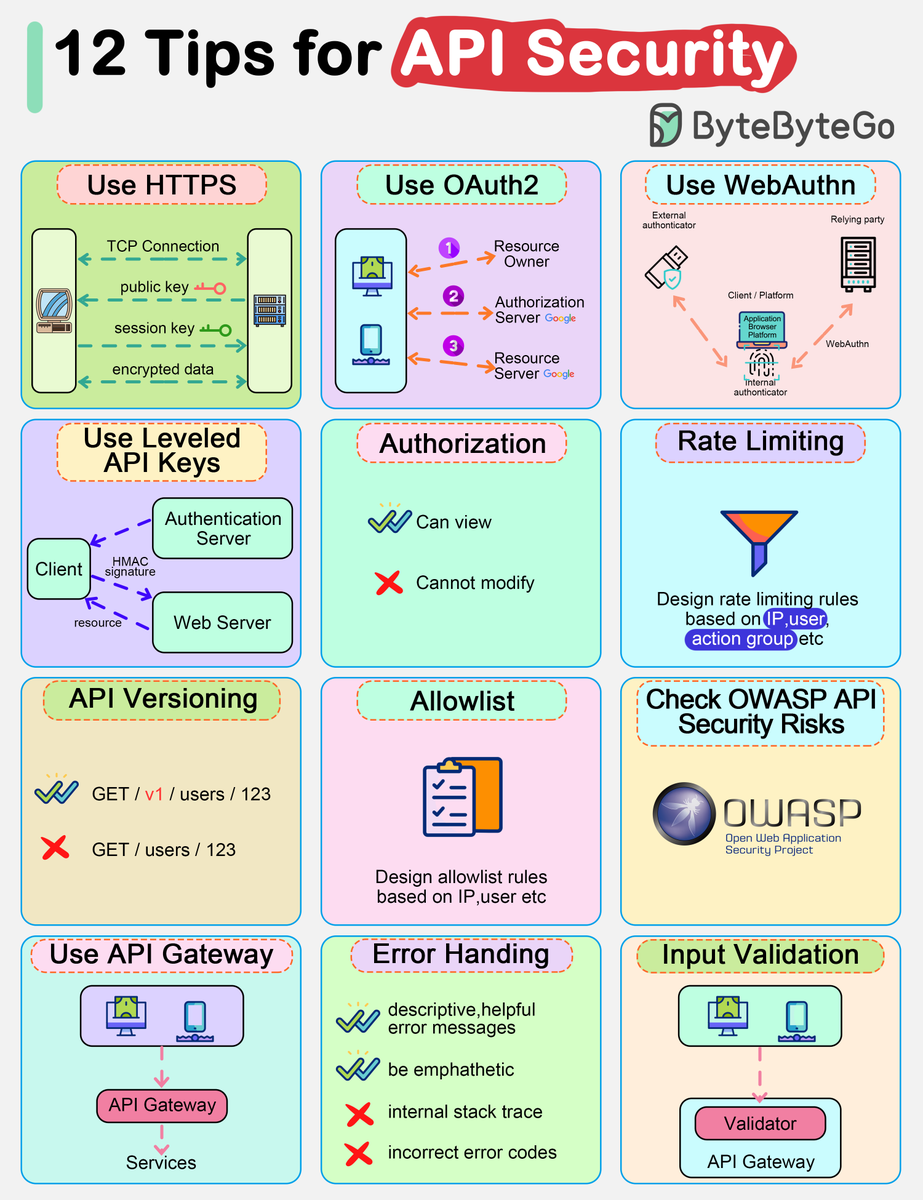
Top 12 Tips for API Security - Use HTTPS - Use OAuth2 - Use WebAuthn - Use Leveled API Keys - Authorization - Rate Limiting - API Versioning - Whitelisting - Check OWASP API Security Risks - Use API Gateway - Error Handling - Input Validation – Subscribe to our weekly newsletter to get a Free System Design PDF (158 pages): bit.ly/496keA7
Sahn Lam tweet media
English
2
141
473
16.9K
Kushagra Sharma รีทวีตแล้ว
Fermat's Library
Fermat's Library@fermatslibrary·
193,939 is a Circular Prime: regardless of what way you arrange the digits, the resulting number is prime
Fermat's Library tweet media
English
25
266
1.6K
165.7K
Kushagra Sharma รีทวีตแล้ว
Bytebytego
Bytebytego@bytebytego·
How do we design effective and safe APIs? The diagram below shows typical API designs with a shopping cart example. Note that API design is not just URL path design. Most of the time, we need to choose the proper resource names, identifiers, and path patterns. It is equally important to design proper HTTP header fields or to design effective rate-limiting rules within the API gateway. Over to you: What are the most interesting APIs you’ve designed? – Subscribe to our weekly newsletter to get a Free System Design PDF (158 pages): bit.ly/3KCnWXq
Bytebytego tweet media
English
6
137
558
38.5K
Kushagra Sharma รีทวีตแล้ว
Supabase
Supabase@supabase·
this is why designers hate developers 😆
Supabase tweet media
English
39
212
2.8K
131.1K
Kushagra Sharma รีทวีตแล้ว
vx-underground
vx-underground@vxunderground·
vx-underground tweet media
ZXX
54
891
10.1K
322.4K
Kushagra Sharma รีทวีตแล้ว
Alex Xu
Alex Xu@alexxubyte·
10 Good Coding Principles to improve code quality. Software development requires good system designs and coding standards. We list 10 good coding principles in the diagram below. 🔹 01 Follow Code Specifications When we write code, it is important to follow the industry's well-established norms, like “PEP 8”, “Google Java Style”, adhering to a set of agreed-upon code specifications ensures that the quality of the code is consistent and readable. 🔹 02 Documentation and Comments Good code should be clearly documented and commented to explain complex logic and decisions, and comments should explain why a certain approach was taken (“Why”) rather than what exactly is being done (“What”). Documentation and comments should be clear, concise, and continuously updated. 🔹 03 Robustness Good code should be able to handle a variety of unexpected situations and inputs without crashing or producing unpredictable results. Most common approach is to catch and handle exceptions. 🔹 04 Follow the SOLID principle “Single Responsibility”, “Open/Closed”, “Liskov Substitution”, “Interface Segregation”, and “Dependency Inversion” - these five principles (SOLID for short) are the cornerstones of writing code that scales and is easy to maintain. 🔹 05 Make Testing Easy Testability of software is particularly important. Good code should be easy to test, both by trying to reduce the complexity of each component, and by supporting automated testing to ensure that it behaves as expected. 🔹 06 Abstraction Abstraction requires us to extract the core logic and hide the complexity, thus making the code more flexible and generic. Good code should have a moderate level of abstraction, neither over-designed nor neglecting long-term expandability and maintainability. 🔹 07 Utilize Design Patterns, but don't over-design Design patterns can help us solve some common problems. However, every pattern has its applicable scenarios. Overusing or misusing design patterns may make your code more complex and difficult to understand. 🔹 08 Reduce Global Dependencies We can get bogged down in dependencies and confusing state management if we use global variables and instances. Good code should rely on localized state and parameter passing. Functions should be side-effect free. 🔹 09 Continuous Refactoring Good code is maintainable and extensible. Continuous refactoring reduces technical debt by identifying and fixing problems as early as possible. 🔹 10 Security is a Top Priority Good code should avoid common security vulnerabilities. Over to you: which one do you prefer, and with which one do you disagree? – Subscribe to our weekly newsletter to get a Free System Design PDF (158 pages): bit.ly/3KCnWXq
GIF
English
16
312
1K
59.9K
Kushagra Sharma รีทวีตแล้ว
Security Trybe
Security Trybe@SecurityTrybe·
What type of attack is this ?
Security Trybe tweet media
English
219
92
759
103.9K
Kushagra Sharma รีทวีตแล้ว
Elon Musk
Elon Musk@elonmusk·
Elon Musk tweet media
ZXX
16.5K
42.9K
575.7K
67.2M
Kushagra Sharma รีทวีตแล้ว
TRÄW🤟
TRÄW🤟@thatstraw·
When someone says, "Does anyone actually use Linux, lol"
TRÄW🤟 tweet media
English
22
268
2.1K
69.8K
Kushagra Sharma รีทวีตแล้ว
Linuxopsys
Linuxopsys@linuxopsys·
🤣
Linuxopsys tweet media
QME
22
175
2.1K
68K