UnLoving

18.6K posts

UnLoving banner
UnLoving

UnLoving

@LuvDirector

Witbank เข้าร่วม Eylül 2014
2.4K กำลังติดตาม768 ผู้ติดตาม
UnLoving รีทวีตแล้ว
Policy Tensor
Policy Tensor@policytensor·
Utterly wrong. Trita’s entire argument rests on a single misconception: that the US can afford to walk away leaving the gulf under Iranian control. It cannot. Walking away without tying Iranian hands means that: — the gulf becomes an Iranian lake and Iran will reign as the hegemonic power of the region; — they will impose an effective tollbooth and everyone will just have to suck it up and pay bc if the US cannot retake Hormuz, no one else can; — all the GCC states, including the Saudis will have to bandwagon with Iran and align their foreign policies accordingly, including ending US bases; — all the European and Asian states that depend on gulf energy will be coerced into following foreign policies accommodative of Iran; — Iran would therefore emerge as the world’s oil hegemon; — deterrence in Asia would collapse, for if the US can be kicked out of the gulf then it can certainly kicked out of Asia in short order. This is just not an option. And that is why the Iranians have the upper hand and why the US must secure a deal that ties Iranian hands, which in turn will require it to tie its own hands. An Islamabad Accord in the only scenario in which the US can avoid military disaster and utter humiliation. That is why it is going to happen.
Trita Parsi search. ..@tparsi

Why the Iran ceasefire may have shifted the dynamics back in Trump's favor Diplomacy between Washington and Tehran has not yet unraveled, despite JD Vance’s theatrical departure from last week’s talks in Islamabad. Trump now signals that the two sides could reconvene within days in the Pakistani capital. Whether negotiators return to the table or continue their exchanges through quieter, remote channels before the ceasefire lapses, one reality appears to have shifted: Trump has clawed back a measure of momentum—and with it, leverage—over Iran, largely by virtue of the ceasefire. Here’s why. Trump entered this moment politically cornered and strategically constrained. Surging gasoline prices were inflicting acute domestic pain, eroding his standing at home. More critically, he faced a barren escalation ladder. Each conceivable move—strikes on Iran’s oil infrastructure, attacks on civilian targets, the seizure of Persian Gulf islands, or covert operations to capture enriched uranium—carried the near-certainty of forceful Iranian retaliation. Such responses would not merely match his escalation but compound it, deepening his economic exposure, amplifying political risk, and entangling him further in a perilous and unwinnable strategic bind. Nor could he simply extricate the United States from the conflict on his own terms. Absent an understanding with Tehran, Iran retained both the capacity and the incentive to continue targeting Israel and vulnerable U.S. assets across the Gulf. Trump needed Iran’s permission to get out of the war. The ceasefire, however, has subtly altered that equation. Trump may no longer need a formal nod from Tehran to step back. If he disengages now—without a comprehensive agreement—Iran will almost certainly maintain its grip over the Strait of Hormuz, a strategic setback for Washington. Yet Tehran is unlikely to resume direct military operations against U.S. targets in the Persian Gulf. To do so, in the absence of renewed American strikes, would cast Iran as the aggressor, inviting severe and potentially coordinated repercussions—not only from Washington but from wary global powers such as Russia and China. Moreover, the balance of needs has tilted. Iran now appears to need an agreement more than the United States does. Trump has already secured his central objective—the escape from a war he was ill-advised to begin—while Iran, despite accruing leverage through its command of the Strait, remains far from realizing its broader ambitions: meaningful sanctions relief, a definitive and enduring end to hostilities, and perhaps even the contours of a more stable, constructive relationship with Washington. Tehran’s decision to dispatch its largest, most senior, and most expansive delegation to Islamabad for direct talks with the American vice president reflected a striking confidence—that it occupied its strongest negotiating position vis-à-vis the United States since 1979. Yet to convert that moment of perceived ascendancy into little more than a cessation of U.S. bombardment would fall short of its aspirations. Even if Washington were to acquiesce to Iran’s control of the Strait, such an outcome would pale against the far more consequential gains Tehran believes are within reach. Instead, Iran needs to translate this leverage not only into a durable end to the war, but ideally, into a new peace: One that delivers sweeping sanctions relief and inaugurates a more stable, mutually defined economic and political relationship with Washington. Such an arrangement would serve as a bulwark against renewed conflict. The economic imperative is especially stark: sanctions relief is indispensable to reconstruct a country now burdened with damage running into the hundreds of billions of dollars. As I have argued before, sanctions relief is not merely an economic demand—it is a strategic necessity. Without it, Iran risks a condition of chronic erosion, a slow but steady weakening that would leave it exposed. That vulnerability, in turn, could invite further attacks. It was, after all, the misperception of Iranian weakness that helped open the window for initial strikes. But Trump does not, in any fundamental sense, require any of this. The United States can endure without a formal agreement with Iran and without the benefits of an economic relationship with Tehran. To be sure, a negotiated settlement would better serve long-term American interests: the nuclear constraints Trump seeks can only be credibly secured at the negotiating table. Abruptly abandoning diplomacy while leaving Iran in undisputed control of the Strait would also unsettle key regional allies. Yet these are strategic preferences, not immediate necessities. Trump’s calculus is far more transactional and far less patient. He can point to the damage already inflicted on Iran’s nuclear infrastructure and conventional forces, proclaim a hollow victory, and disengage. He has already emphasized that the United States no longer depends on Persian Gulf oil, insulating it from the direct economic consequences of Iran’s toll regime. As a result, the burden shifts outward: the Strait becomes a problem for European and Asian powers—countries that Trump has noted declined to rally to his side when he sought their help in prying the waterway from Tehran’s grip. The window now open offers Tehran a chance to convert battlefield leverage into lasting strategic gain. To let it close would mean forfeiting not just incremental progress, but the possibility of reshaping its economic and geopolitical position. By contrast, the United States, having already secured a tenuous exit ramp through the ceasefire, has less at stake in the short term. Walking away, therefore, is politically and strategically easier for Trump than for his Iranian counterparts. Both can live with diplomatic failure, but Tehran has more gains to lose. How Tehran chooses to navigate this narrowing corridor—whether it presses its advantage or overplays its hand—will be interesting to see.
English
98
134
797
69.4K
UnLoving รีทวีตแล้ว
Trita Parsi search. ..
Why the Iran ceasefire may have shifted the dynamics back in Trump's favor Diplomacy between Washington and Tehran has not yet unraveled, despite JD Vance’s theatrical departure from last week’s talks in Islamabad. Trump now signals that the two sides could reconvene within days in the Pakistani capital. Whether negotiators return to the table or continue their exchanges through quieter, remote channels before the ceasefire lapses, one reality appears to have shifted: Trump has clawed back a measure of momentum—and with it, leverage—over Iran, largely by virtue of the ceasefire. Here’s why. Trump entered this moment politically cornered and strategically constrained. Surging gasoline prices were inflicting acute domestic pain, eroding his standing at home. More critically, he faced a barren escalation ladder. Each conceivable move—strikes on Iran’s oil infrastructure, attacks on civilian targets, the seizure of Persian Gulf islands, or covert operations to capture enriched uranium—carried the near-certainty of forceful Iranian retaliation. Such responses would not merely match his escalation but compound it, deepening his economic exposure, amplifying political risk, and entangling him further in a perilous and unwinnable strategic bind. Nor could he simply extricate the United States from the conflict on his own terms. Absent an understanding with Tehran, Iran retained both the capacity and the incentive to continue targeting Israel and vulnerable U.S. assets across the Gulf. Trump needed Iran’s permission to get out of the war. The ceasefire, however, has subtly altered that equation. Trump may no longer need a formal nod from Tehran to step back. If he disengages now—without a comprehensive agreement—Iran will almost certainly maintain its grip over the Strait of Hormuz, a strategic setback for Washington. Yet Tehran is unlikely to resume direct military operations against U.S. targets in the Persian Gulf. To do so, in the absence of renewed American strikes, would cast Iran as the aggressor, inviting severe and potentially coordinated repercussions—not only from Washington but from wary global powers such as Russia and China. Moreover, the balance of needs has tilted. Iran now appears to need an agreement more than the United States does. Trump has already secured his central objective—the escape from a war he was ill-advised to begin—while Iran, despite accruing leverage through its command of the Strait, remains far from realizing its broader ambitions: meaningful sanctions relief, a definitive and enduring end to hostilities, and perhaps even the contours of a more stable, constructive relationship with Washington. Tehran’s decision to dispatch its largest, most senior, and most expansive delegation to Islamabad for direct talks with the American vice president reflected a striking confidence—that it occupied its strongest negotiating position vis-à-vis the United States since 1979. Yet to convert that moment of perceived ascendancy into little more than a cessation of U.S. bombardment would fall short of its aspirations. Even if Washington were to acquiesce to Iran’s control of the Strait, such an outcome would pale against the far more consequential gains Tehran believes are within reach. Instead, Iran needs to translate this leverage not only into a durable end to the war, but ideally, into a new peace: One that delivers sweeping sanctions relief and inaugurates a more stable, mutually defined economic and political relationship with Washington. Such an arrangement would serve as a bulwark against renewed conflict. The economic imperative is especially stark: sanctions relief is indispensable to reconstruct a country now burdened with damage running into the hundreds of billions of dollars. As I have argued before, sanctions relief is not merely an economic demand—it is a strategic necessity. Without it, Iran risks a condition of chronic erosion, a slow but steady weakening that would leave it exposed. That vulnerability, in turn, could invite further attacks. It was, after all, the misperception of Iranian weakness that helped open the window for initial strikes. But Trump does not, in any fundamental sense, require any of this. The United States can endure without a formal agreement with Iran and without the benefits of an economic relationship with Tehran. To be sure, a negotiated settlement would better serve long-term American interests: the nuclear constraints Trump seeks can only be credibly secured at the negotiating table. Abruptly abandoning diplomacy while leaving Iran in undisputed control of the Strait would also unsettle key regional allies. Yet these are strategic preferences, not immediate necessities. Trump’s calculus is far more transactional and far less patient. He can point to the damage already inflicted on Iran’s nuclear infrastructure and conventional forces, proclaim a hollow victory, and disengage. He has already emphasized that the United States no longer depends on Persian Gulf oil, insulating it from the direct economic consequences of Iran’s toll regime. As a result, the burden shifts outward: the Strait becomes a problem for European and Asian powers—countries that Trump has noted declined to rally to his side when he sought their help in prying the waterway from Tehran’s grip. The window now open offers Tehran a chance to convert battlefield leverage into lasting strategic gain. To let it close would mean forfeiting not just incremental progress, but the possibility of reshaping its economic and geopolitical position. By contrast, the United States, having already secured a tenuous exit ramp through the ceasefire, has less at stake in the short term. Walking away, therefore, is politically and strategically easier for Trump than for his Iranian counterparts. Both can live with diplomatic failure, but Tehran has more gains to lose. How Tehran chooses to navigate this narrowing corridor—whether it presses its advantage or overplays its hand—will be interesting to see.
English
236
270
1.1K
309.5K
UnLoving รีทวีตแล้ว
Mario Nawfal
Mario Nawfal@MarioNawfal·
🇮🇱🇱🇧 IRAN-BASED PROFESSOR: HEZBOLLAH IS A PRODUCT OF ISRAELI AGGRESSION Tehran Uni Professor Foad Izadi explained that Hezbollah was originally created in response to Israeli aggression in the 1980s. Izadi argues that the group has been incredibly patient despite constant ceasefire violations by Israel. While critics claim Lebanon was "dragged" into war, Foad suggests that the assassination of Iranian leadership gave the group a sovereign reason to respond. Professor Izadi believes that the lack of ethical standards in Israeli warfare is the true cause of the massacres seen in Lebanon today. @IzadiFoad
Mario Nawfal@MarioNawfal

🇺🇸 🇮🇷 IRAN-BASED PROFESSOR: IRAN HAS BEEN FORCED INTO A REGIONAL WAR Tehran Uni Professor Foad Izadi argued that Iran has been forced to endure severe regional tensions with Gulf states. When the U.S. establishes bases in Gulf states, destabilization of the Middle East could be inevitable when the U.S. carries out strikes in the region. "If they don't attack these sites, they will be used for attacks tomorrow, so they need to be taken out today." @IzadiFoad
English
51
42
137
32.4K
UnLoving รีทวีตแล้ว
Alex Jones
Alex Jones@RealAlexJones·
🚨WE ARE IN A NEW WORLD WAR!!! Trump Warns Any Iranian Ships Coming Close To US Blockade Of Hormuz Will Be “ELIMINATED!” "Now With The Blockade Of The Strait Of Hormuz, Trump Only Gets Us Into Deeper Quicksand! This Is COVID 2.0 — This Is The Great Reset!" 🔴WATCH/SHARE THE LIVE ALEX JONES SHOW NOW: x.com/i/broadcasts/1…
English
488
711
3.2K
772.5K
UnLoving รีทวีตแล้ว
SA🇿🇦 FIRST BEFORE AFRICA🌍
Nigerians are hated all around the world because they don't love themselves
English
66
201
639
9.6K
UnLoving รีทวีตแล้ว
Elliot
Elliot@elliot_solution·
South Africa had a secret government program called Project Coast. Its job was to KILL Black people. Not with bullets. With science. A cardiologist named Wouter Basson ran it. His nickname was Dr. Death. His team built umbrellas that fired poison pellets. Screwdrivers with hidden syringes. Beer cans laced with anthrax. Envelopes that killed when you opened them. They drugged SWAPO prisoners. Then pushed them out of planes over the ocean. They tried to develop a bacteria that would only kill Black people. Their own surgeon-general called it "the most important project for the country." They hung a baboon fetus outside Desmond Tutu's house. As a warning. They produced tons of ecstasy and mandrax. Then sold it into Black communities to fund the operation. Israel helped build it. The US and UK knew. When apartheid ended Basson was charged with 67 crimes including 229 murders. He was acquitted on every charge. He went back to practicing medicine. As of 2021 he was still working at a hospital in the Western Cape. 💀🇿🇦
Elliot tweet media
English
182
2.4K
4.2K
99.1K
UnLoving รีทวีตแล้ว
Robin Monotti
Robin Monotti@robinmonotti·
Tucker Carlson's 6 minutes of truth bombs on the BBC. He will not be invited again!
English
69
1.6K
7.1K
131.7K
UnLoving รีทวีตแล้ว
Asuka Groyper 🚬
Asuka Groyper 🚬@asukagrypr·
Bookmark this to show any of your friends of family that are still on the fence about supporting Trump and MAGA. This is Nick's greatest monologue this year. [AF 1671 full Trump/MAGA monologue]
English
48
551
5.3K
183.5K
UnLoving รีทวีตแล้ว
Hussain “Hoz” Shafiei
Hussain “Hoz” Shafiei@HussainShafiei·
Important information pay attention.
Français
19
156
347
7.2K
UnLoving รีทวีตแล้ว
Richard Medhurst
Richard Medhurst@richimedhurst·
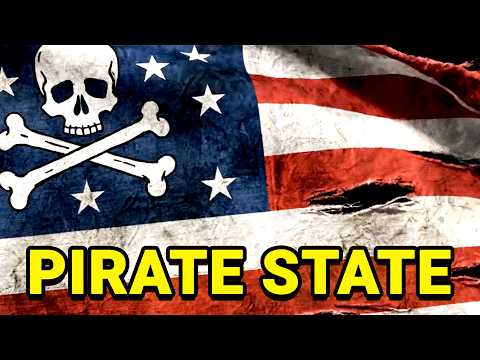
As I predicted, the US have just announced a naval blockade against Iran. They are operating as a Pirate State, and this film is essential viewing to understand Washington's strategy, connecting all the dots from Greenland to Iran and beyond. youtu.be/0nt1CgQsgpI
YouTube video
YouTube
English
45
373
796
33.2K
UnLoving รีทวีตแล้ว
Deeqa 🇸🇴
Deeqa 🇸🇴@Deee_luul·
Elon maybe you should respect South Africa’s laws and acknowledge what its people went through because of colonialism. As someone born there, you should be more empathetic and understand the country’s history better, instead of trying to bend the country’s laws to fit your own interests!
English
390
747
4.4K
166.7K
UnLoving รีทวีตแล้ว
Makkawi Elmalik | مكّاوي الملك
🟥 بداية النهاية: لحظة سقوط الهيمنة الأمريكية 💥 الحقائق المخفية بوضوح :نهاية الوهم وبداية كسر التوازن العالمي ما حدث في إسلام آباد خلال 21 ساعة… لم يكن مجرد فشل مفاوضات..بل كان كشفاً علنياً لانهيار رواية كاملة بُنيت على وهم السيطرة.. الحقيقة التي لا تُقال:واشنطن لم تذهب لتوقيع اتفاق… بل ذهبت لاختبار قدرتها على فرض الشروط وعادت وهي تكتشف أن زمن فرض الشروط قد انتهى 🟥 أولاً: الأرقام فضحت الرواية •13 مليار دولار تُنفق على (حصون عائمة) •تُقابلها طائرات مسيّرة رخيصة تُربك قواعد كاملة 💥 هذه ليست فجوة تسليح…هذه فجوة نموذج كامل للحرب لم تعد القوة تُقاس بحجم الإنفاق…بل بقدرة الخصم على كسر المعادلة بأقل تكلفة 🟥 ثانياً: هرمز… من ممر إلى (زر تحكم) ما لم يفهمه كثيرون:إيران لم تُغلق المضيق بالكامل…بل حولته إلى نظام فلترة ذكي: •تمر السفن (الصديقة) بسلاسة •تُعرقل (الخصوم)بتكلفة وتأخير وتأمين 💥 النتيجة: ليس حصاراً… بل إدارة انتقائية للاقتصاد العالمي وهنا التحول الأخطر: من يملك التدفق… لا يملك النفط فقط بل يملك قرار السوق… والسياسة… والتوقيت 🟥 ثالثاً: الأسواق تقول الحقيقة… لا المؤتمرات •التأمين البحري ارتفع +300% •النفط قرب 130 دولار •السفن تعيد مساراتها حول أفريقيا هذا يعني شيئاً واحداً:الهدنة موجودة على الشاشات… لكنها غير موجودة في الواقع السوق لا يكذب… لأنه يدفع الثمن فعلياً 🟥 رابعاً: إسلام آباد لم تكن صدفة اختيار باكستان لم يكن لوجستياً… بل رسالة: •إيران تتفاوض من عمق جغرافي متصل بالصين •وأمريكا قبلت اللعب في ملعب ليس لها 💥 المعنى: تآكل النفوذ الأمريكي حتى في شكل الطاولة نفسها 🟥 خامساً: منطقان لا يلتقيان •واشنطن: (اتفاق سريع + تهدئة + عودة للوضع السابق) •طهران: (إعادة تشكيل النظام + تثبيت النفوذ + تغيير القواعد) ❗لهذا فشلت المفاوضات: ليس بسبب التفاصيل… بل لأن كل طرف يتفاوض على عالم مختلف 🟥 سادساً: السلاح الحقيقي لم يعد عسكرياً إيران لم تقاتل فقط بالصواريخ… بل بـ: •الطاقة •الاقتصاد •الزمن •النفس الطويل بينما أمريكا حاولت فرض خطة عسكرية على حرب متعددة الأبعاد 💥 وهنا سقطت: لأنها تقاتل معركة واحدة… بينما الخصم يقاتل أربع معارك في نفس الوقت 🟥 سابعاً: المأزق الأمريكي الحقيقي (الأخطر) ثلاثة جدران لا يمكن كسرها: 1.الداخل: دعم شعبي يتآكل 2.الاقتصاد: تضخم + طاقة + ضغط انتخابي 3.الصناعة العسكرية: لا تستطيع تعويض الاستنزاف بسرعة ❗هذه ليست أزمة معركة…بل أزمة قدرة على الاستمرار 🟥 ثامناً: المكسب الذي لا يُرى خلال الحرب… حدث ما هو أخطر من أي صاروخ: 💥 إيران كسرت فعلياً جزءاً من نظام العقوبات •نفط يُباع •طرق تجارة جديدة •ارتباط أعمق بالصين وروسيا ❗وهذا مكسب لا يمكن التراجع عنه بسهولة حتى لو توقفت الحرب الآن 🟥 تاسعاً: التحول الأكبر (ما بعد إسلام آباد) ما حدث ليس مجرد فشل تفاوض… بل تسريع لشيء أكبر بكثير: 💥 نهاية الطريق الواحد… وبداية نظام متعدد المسارات •تجارة بعملات غير الدولار •ممرات بديلة •تحالفات خارج السيطرة الأمريكية 🟥 عاشراً: الحقيقة التي يخفيها الإعلام الغرب لا يخفي (ما حدث)…بل يخفي ما يعنيه ما حدث ❗لأن الاعتراف به يعني: أن المشكلة ليست في إيران…بل في نموذج القوة نفسه 🟥 الخلاصة النهائية: 💥 ما سقط في إسلام آباد ليس اتفاقاً…بل سقطت فكرة أن القوة وحدها تكفي 💥 وما بدأ الآن ليس مجرد تصعيد…بل إعادة كتابة قواعد اللعبة العالمية 🟥 الجملة التي تختصر كل شيء: ❗العالم لا يتجه إلى حرب أكبر فقط…بل إلى لحظة يفقد فيها النظام القديم قدرته على التحكم 💥 ومن يفهم هذا الآن…سيفهم لماذا كل ما قيل سابقاً لم يكن تحليلاً…بل قراءة مبكرة لنهاية بدأت بالفعل 🔥 ✍️ مكّاوي الملك | Makkawi Elmalik
Makkawi Elmalik | مكّاوي الملك tweet mediaMakkawi Elmalik | مكّاوي الملك tweet media
العربية
266
1.8K
5.6K
413.1K
UnLoving รีทวีตแล้ว
IG:Joy-Zelda
IG:Joy-Zelda@joy_zelda·
Her name is Martha Mani, She was Killed for exposing a 16 million Tender at the Fleet Department at Emfuleni Muncipality, 5 Bullets where Pumped into her head 💔💔 REMEMBER HER NAME SAY HER NAME
IG:Joy-Zelda tweet media
English
565
8K
19.1K
411.8K
UnLoving รีทวีตแล้ว
Kim Dotcom
Kim Dotcom@KimDotcom·
Most watched video about Jews for a reason.
English
132
2.4K
7.1K
153.1K
UnLoving รีทวีตแล้ว
𝔗𝔯𝔲𝔱𝔥 𝔐𝔞𝔱𝔱𝔢𝔯𝔰
You can call me overindulgent if you like, but in moments like this after trillions have been spent in the last 25 years on bombing, invading and bullying countries, even though each of the wars was lost. At least the military industrial complex got by. George Carlin it turns out was a prophet. In comedy we so often find truth. 🎥 TikTok - vm.tiktok.com/ZNR4PBrNH/
English
10
199
461
6.2K
UnLoving รีทวีตแล้ว
Richard Medhurst
Richard Medhurst@richimedhurst·
Do not be fooled by the ceasefire in Iran. In 90 days, the US have launched an energy blitzkrieg: • Crippled Russia’s oil infrastructure 🇷🇺 • Disrupted 1/3 of China’s oil & LNG 🇨🇳 • Seized the planet’s largest oil fields 🇻🇪 • Seized Syria & Gaza's gas🛢️ This is the birth of the Petrogas-dollar and the Pirate State 🏴‍☠️
English
288
2.1K
5.7K
422.8K