Science Unfold

750 posts

Science Unfold banner
Science Unfold

Science Unfold

@ScienceUnfold

🧠 The universe is stranger than you think. We unfold the science behind everything—space, time, life, and beyond. 🚀

Lost in Space-Time ⏳ เข้าร่วม Kasım 2025
5.5K กำลังติดตาม11K ผู้ติดตาม
Science Unfold รีทวีตแล้ว
Smart Science
Smart Science@SmartScience·
The myth of 'natural' decline: Lifelong athletes maintain the same muscle density as individuals decades younger. For decades, the loss of muscle mass was considered an unavoidable side effect of getting older, with the average person losing up to eight percent of their muscle every decade after 40. However, groundbreaking MRI scans comparing sedentary individuals to masters athletes suggest that this decline is not a biological certainty. By examining high-level recreational athletes aged 40 to 81, researchers discovered that those who maintain high-intensity exercise routines four to five times a week show remarkably consistent muscle density. These findings challenge the assumption that aging must lead to mobility issues and frailty, pointing instead to sedentary lifestyles as the primary culprit for muscle wasting. The study highlights a powerful 'use it or lose it' reality: while body fat may increase slightly over time, muscle mass and strength can be preserved well into one's eighth decade. Participants in their 70s and 80s who remained active in sports like swimming and cycling displayed muscle structures nearly identical to those in their 40s. This suggests that the human body is capable of maintaining its functional integrity far longer than previously thought, provided it is consistently challenged. Whether you are a lifelong athlete or looking to start a new routine, the evidence is clear—exercise is the most effective tool for defying the physical limitations of age. source: Wroblewski, A. P., Amati, F., Smiley, M. A., Goodpaster, B., & Wright, V. (2011). Chronic exercise preserves lean muscle mass in masters athletes. Physician and Sportsmedicine.
Smart Science tweet media
English
0
3
9
275
Science Unfold รีทวีตแล้ว
Night Sky Now
Night Sky Now@NightSkyNow·
🚨: Elon Musk now controls two-thirds of all active satellites in space, approximately 65%.
Night Sky Now tweet media
English
3
15
32
618
Science Unfold รีทวีตแล้ว
Shining Science
Shining Science@ShiningScience·
🚨 NASA's Curiosity rover has discovered complex organic molecules on Mars! This is the strongest evidence yet that the Red Planet once possessed the chemical building blocks necessary for life. In a groundbreaking discovery, NASA’s Curiosity rover has identified complex organic molecules preserved within a 3.5-billion-year-old dried lakebed on Mars. Among the seven compounds found, five had never been observed on the Red Planet, including nitrogen-bearing structures that act as precursors to DNA. While scientists cannot yet confirm if these "chemical fingerprints" originated from ancient microbial life or were deposited by meteorites, the discovery proves that organic material can survive Mars’ harsh radiation for eons. Professor Amy Williams of the University of Florida describes these molecules as the "bricks" of life, suggesting that the same building blocks that sparked existence on Earth were once prevalent in the Martian Gale Crater. This discovery highlights a window of habitability when Mars possessed liquid water and a protective atmosphere, paralleling the conditions of early Earth. The persistence of these complex materials in the Martian subsurface offers high hopes for future exploration, particularly the upcoming Rosalind Franklin mission set for 2028. This next phase of research will involve drilling two meters beneath the surface to analyze samples less affected by solar radiation. As researchers continue to piece together the history of our neighboring planet, these chemical traces serve as a compelling reminder that the ingredients for life are not unique to Earth, bringing us one step closer to answering the ultimate question of whether we are alone in the universe. source: Devlin, H. (2026, April 21). ‘Is it life? We can’t tell’: Nasa’s Curiosity rover finds organic molecules on Mars. The Guardian.
Shining Science tweet media
English
1
14
33
1.5K
Science Unfold รีทวีตแล้ว
Shining Science
Shining Science@ShiningScience·
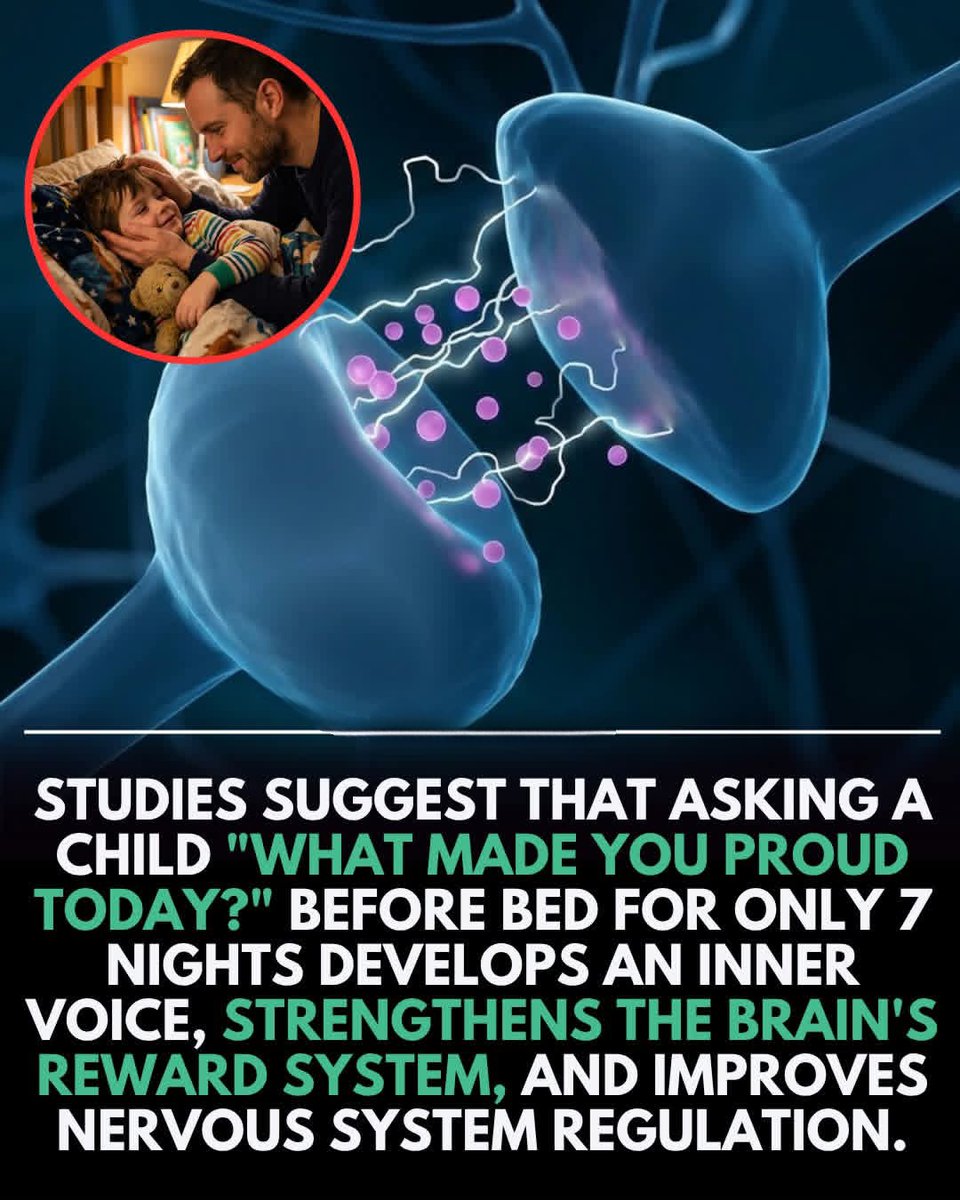
Cultivating healthy self-esteem in early childhood can start with a simple nighttime routine. Encouraging toddlers to reflect on their small daily wins helps them focus on their own efforts and builds intrinsic motivation, rather than relying on constant praise. Child psychologists suggest that this habit strengthens the brain pathways linked to self-worth and emotional resilience. When children regularly recognize their own value, they become better prepared to handle academic challenges and social situations as they grow. This calm reflection at bedtime also helps the body unwind after a busy day, supporting deeper sleep and a more balanced emotional state the next morning. Over time, children begin to internalize their achievements, turning everyday moments into lasting confidence. They learn to self-soothe and approach challenges with a steady, positive mindset. Creating these small, intentional moments each night is a powerful way to support lifelong emotional strength and self-belief.
Shining Science tweet media
English
0
29
96
2.8K
Science Unfold รีทวีตแล้ว
Smart Science
Smart Science@SmartScience·
Researchers studying people who used intermittent fasting or energy-restriction found that the brain doesn’t just sit idly by while you skip meals. Brain scans showed activity shifts in areas tied to self-control, appetite and reward systems. Simultaneously, the gut’s microbial communities underwent change, suggesting a two-way conversation between gut and brain that might help explain why fasting affects mood, cravings and decision-making. The way it happens is by altering metabolism and brain wiring. When you fast, your body uses different fuels, which affects brain areas that manage impulses and emotional regulation. At the same time, gut bacteria that flourish during fasting may release compounds that impact brain circuits. Together these shifts mean the brain’s response to food, stress and habit can be recalibrated. That said, this doesn’t mean fasting is a guaranteed shortcut to brain rewiring for everyone. Much of the research is early and mostly in people who are overweight or metabolically impaired. Anyone thinking of trying a drastic fasting routine should consider their health context and talk to a professional. Research Paper 📄 DOI: 10.3389/fcimb.2023.1269548
Smart Science tweet media
English
1
7
17
468
Science Unfold รีทวีตแล้ว
Shining Science
Shining Science@ShiningScience·
Moving school starts to 10am aligns with biology, resulting in a 50% drop in illness. And significant academic gains. Modern education is facing a health and performance wake-up call. Recent findings demonstrate that shifting the school day to a 10:00 a.m. start—an initiative supported by the Centers for Disease Control and Prevention—can reduce student illness by more than 50% over just two years. When schools in the study reverted to an earlier 8:50 a.m. bell, these health gains vanished, with illness rates spiking by 30%. This dramatic swing highlights a critical link between school schedules and adolescent well-being, suggesting that the traditional early-bird model is fundamentally at odds with the biological needs of teenagers. Beyond physical health, the shift to a later start provides a massive boost to the classroom. Data indicates a 12% increase in students making significant academic progress, a figure equivalent to 20% of the national benchmark. By accounting for the natural circadian delays and evening chronotypes common in adolescents, schools can unlock better academic outcomes with remarkably low implementation costs. Moving the clock forward isn't just a matter of convenience; it is a science-backed strategy to optimize both the health and the intellectual potential of the next generation. source: Kelley, P., Lockley, S. W., Foster, R. G., & Kelley, J. (2017). Is 8:30 a.m. still too early? Consecutive changes in school start times and outcomes. Frontiers in Human Neuroscience.
Shining Science tweet media
English
6
32
86
4.1K
Science Unfold รีทวีตแล้ว
Smart Science
Smart Science@SmartScience·
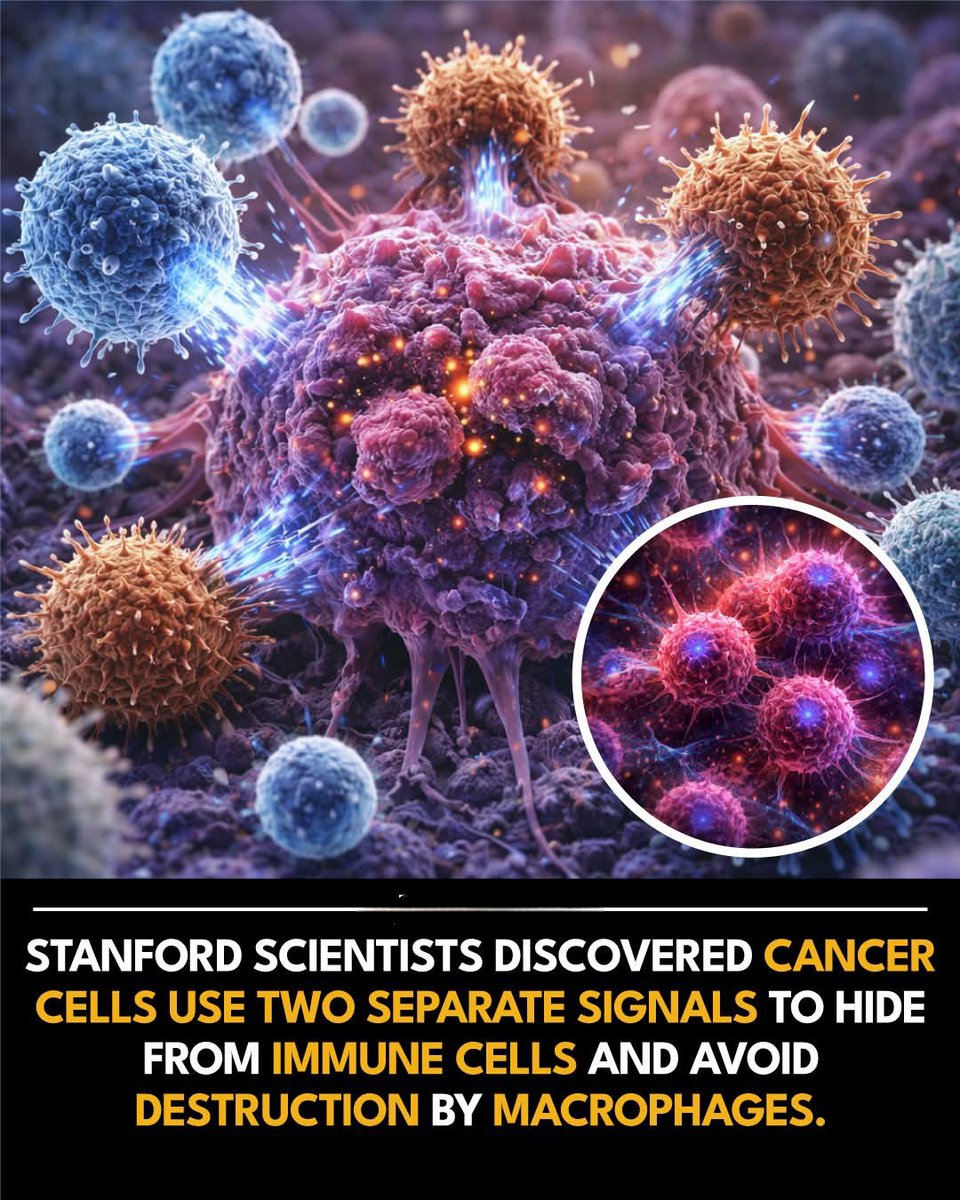
A new discovery reveals that cancer cells don’t rely on just one trick to escape the immune system — they use multiple “don’t-eat-me” signals to avoid being destroyed. Stanford researchers identified two key pathways that help tumors stay hidden from macrophages, the immune system’s cleanup cells. One of these signals involves CD47, often described as a molecular “invisibility cloak,” while the second pathway involves LILRB1, which further suppresses immune attack. Blocking both signals in mouse models allowed macrophages to recognize and aggressively target tumor cells. In the study, dual inhibition significantly increased immune cell infiltration into tumors and led to measurable tumor shrinkage. This suggests that removing multiple protective barriers may be more effective than targeting a single immune-escape mechanism. Macrophage-based immunotherapy is an emerging frontier in cancer treatment, complementing existing T-cell–focused therapies like checkpoint inhibitors. By activating different arms of the immune system, researchers hope to overcome resistance seen in some cancers. While these findings are currently limited to preclinical models, they offer a promising direction for future human trials. If validated, dual-signal blockade could strengthen next-generation immunotherapy strategies.
Smart Science tweet media
English
1
16
24
954
Science Unfold รีทวีตแล้ว
Shining Science
Shining Science@ShiningScience·
The CDC has blocked the publication of a report showing COVID-19 vaccine effectiveness. A significant report demonstrating that COVID-19 vaccines reduced emergency room visits and hospitalizations by approximately 50% among healthy adults has been withheld from publication. The Department of Health and Human Services confirmed the manuscript was not accepted for the CDC’s Morbidity and Mortality Weekly Report, citing concerns over the methodological approach used to estimate effectiveness. While officials maintain that reports undergo rigorous review to ensure scientific integrity, the decision has drawn scrutiny given the report’s findings on the tangible health benefits of vaccination. This dispute coincides with major shifts in health policy under Health Secretary Robert F. Kennedy Jr., whose panel recently moved to scrap broad vaccine recommendations in favor of individualized medical consultations. Although a federal judge has temporarily blocked that change, the environment for vaccine research remains increasingly strained. Recently, Pfizer and BioNTech were forced to halt a large-scale trial for updated shots due to low enrollment, reflecting declining public demand and a changing regulatory landscape for future immunization efforts. source: Santhosh, C. (2026, April 22). US CDC will not publish report showing COVID vaccine effectiveness. Reuters.
Shining Science tweet media
English
5
15
26
1.8K
Science Unfold รีทวีตแล้ว
SciTech Girl
SciTech Girl@scitechgirl·
🚨 MEDICAL UPDATE: Scientists are reporting encouraging outcomes using a mix of DNA-based vaccines and antibody therapies. In some cases, patients were able to stop treatment for several months, and one individual stayed free of the virus for up to 18 months.
SciTech Girl tweet mediaSciTech Girl tweet media
English
3
9
24
702
Science Unfold รีทวีตแล้ว
Smart Science
Smart Science@SmartScience·
A mysterious dairy-borne toxin known as "cheese poison" paralyzed many Americans. It sparked a revolution in food safety. In the late 1800s, rural Michigan was gripped by a terrifying epidemic known as Tyrotoxism, or "cheese poison." Families consuming seemingly fresh dairy products suddenly faced severe nausea, cyanosis, and "nervous prostration." One 1884 outbreak alone struck nearly 300 people, transforming communal meals into life-threatening emergencies. The culprit was a needle-shaped toxin called tyrotoxicon, which thrived in the fermentation vats of unhygienic dairy factories. Before the advent of modern refrigeration, these small-scale facilities unwittingly became breeding grounds for bacterial decay, turning a dietary staple into a chemical weapon. The mystery was finally unraveled in 1885 by scientist Victor C. Vaughan, who proved that the illness was not a curse, but the result of bacterial decomposition in stagnant milk. His groundbreaking research shifted the public perception of foodborne illness from supernatural fear to manageable hygiene. As the 20th century introduced pasteurization and rigorous sanitation standards, Tyrotoxism vanished from medical textbooks. Today, this "cheese poison" remains a chilling reminder of the hard-won lessons that built our modern food safety systems, ensuring that a simple block of cheddar is no longer a source of dread. source: Vaughan, V. C. (1885). Tyrotoxicon: Its Presence in Poisonous Ice Cream. Journal of the American Medical Association.
Smart Science tweet media
English
1
12
22
871
Science Unfold รีทวีตแล้ว
Smart Science
Smart Science@SmartScience·
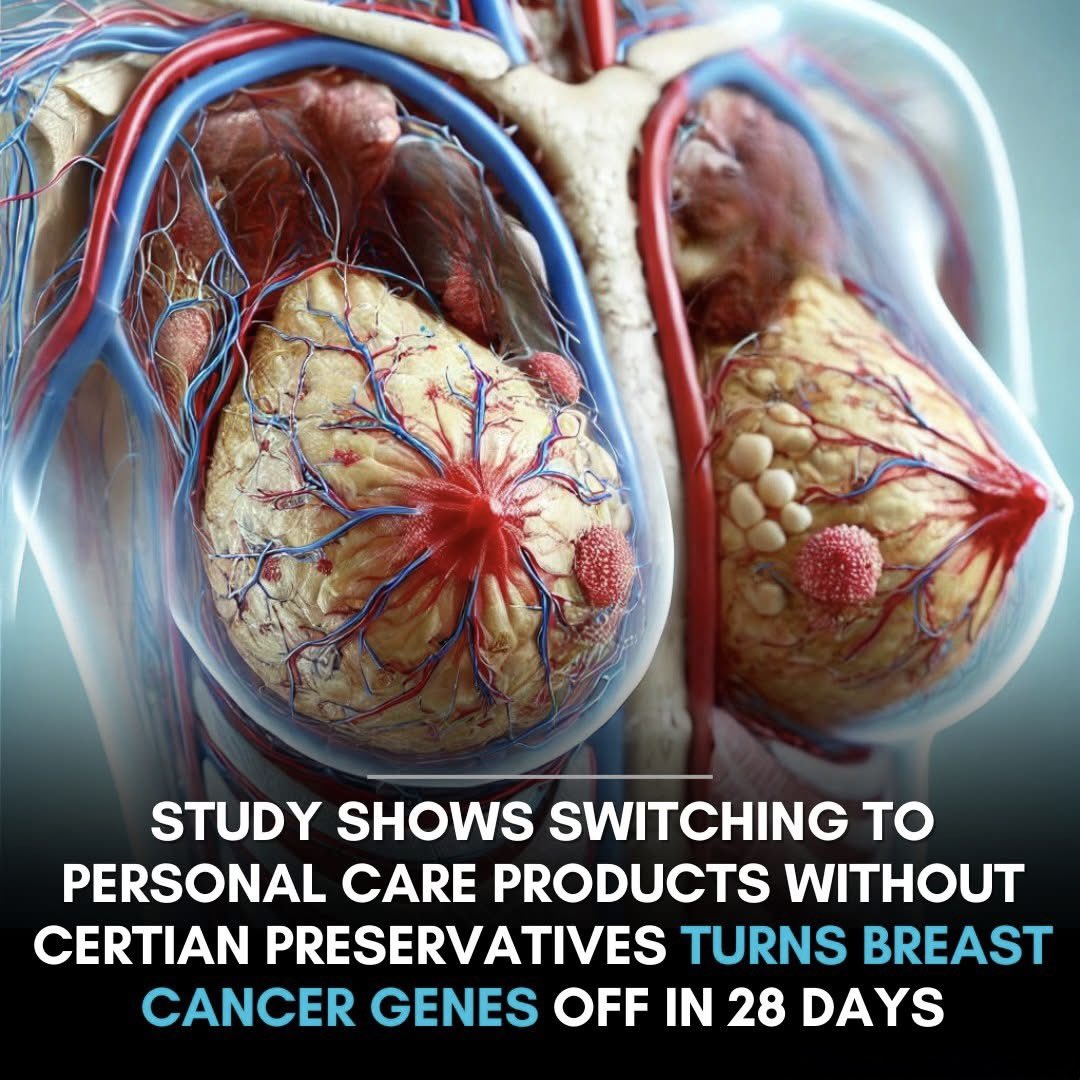
Research shows that avoiding preservatives (parabens & phthalates) for just 28 days reverses cancer-related changes in breast tissue. New research reveals that cutting out common cosmetic preservatives for just 28 days can reverse cancer-related molecular changes in breast tissue. Recent findings published in the journal Chemosphere suggest that the simple act of avoiding common preservatives like parabens and phthalates for less than a month can have a profound impact on breast health. These chemicals, found in everything from lotions to perfumes, act as xenoestrogens that mimic natural estrogen and disrupt hormonal balance. By analyzing tissue samples before and after a 28-day chemical detox, researchers identified a significant reversal of cancer-associated phenotypes. This discovery underscores how quickly the body can begin to repair itself when environmental stressors are removed, offering a tangible path for preventative health. The study specifically tracked changes in critical cellular pathways, including PI3K-AKT/mTOR and apoptotic signaling, which are frequently hijacked during the development of breast cancer. When participants stopped using products containing endocrine disruptors, these molecular markers shifted back toward a healthier state. While long-term exposure to these synthetic compounds remains a concern, the evidence suggests that even short-term lifestyle changes can reset vital biological mechanisms. Choosing fragrance-free and preservative-free personal care items may serve as a powerful, non-invasive strategy for reducing cancer risk at the molecular level. source: Parada, H., et al. A 28-day intervention with paraben- and phthalate-free personal care products reverses cancer-associated phenotypes in the breast of high-risk women. Chemosphere.
Smart Science tweet media
English
3
25
60
1.9K
Science Unfold รีทวีตแล้ว
Next Science
Next Science@NextScience·
Craving Ice? It Might Be More Than a Habit… Constantly chewing ice may seem harmless, but it can be a hidden sign of iron deficiency anemia. This unusual craving, called pagophagia, is your body’s subtle way of signaling low iron levels. If it’s happening often, it’s worth paying attention—your body might be trying to tell you something important. Source :
Mayo Clinic. Iron deficiency anemia.
Next Science tweet media
English
6
10
51
2.5K
Science Unfold รีทวีตแล้ว
Smart Science
Smart Science@SmartScience·
🧠 New research suggests that conditions like autism and schizophrenia may start developing before birth. Scientists examined nearly 1,000 donated human brains and tracked when key chemical tags on DNA — known as methylation marks — changed in the brain’s cortex. They found that most of these changes happen prenatally, especially during the early weeks of pregnancy. These DNA changes are critical because they help brain cells specialize, connect and form networks — and some of the affected genes are linked to autism and schizophrenia. The findings suggest that the “window” for what can influence brain development is even earlier than we thought. This gives us a new perspective on how and when such neurodevelopmental conditions may begin, and it highlights the importance of studying prenatal brain development as we look for ways to understand and potentially intervene.
Smart Science tweet media
English
9
16
57
1.7K
Science Unfold รีทวีตแล้ว
SciTech Girl
SciTech Girl@scitechgirl·
⏳ WHAT IF TIME… JUST WENT BACKWARDS? Physicists used a quantum computer from IBM to briefly reverse the behavior of particles, making them return to an earlier state. It didn’t rewind time in real life—but inside a controlled system based on Quantum Mechanics, it looked like time moved backward. This experiment helps scientists study why time normally only moves forward… and what might be possible if those rules could bend. Reference:
Lesovik, G., et al. Arrow of time and its reversal on the IBM quantum computer. Physical Review Letters.
SciTech Girl tweet media
English
12
26
76
1.7K
Science Unfold รีทวีตแล้ว
Night Sky Now
Night Sky Now@NightSkyNow·
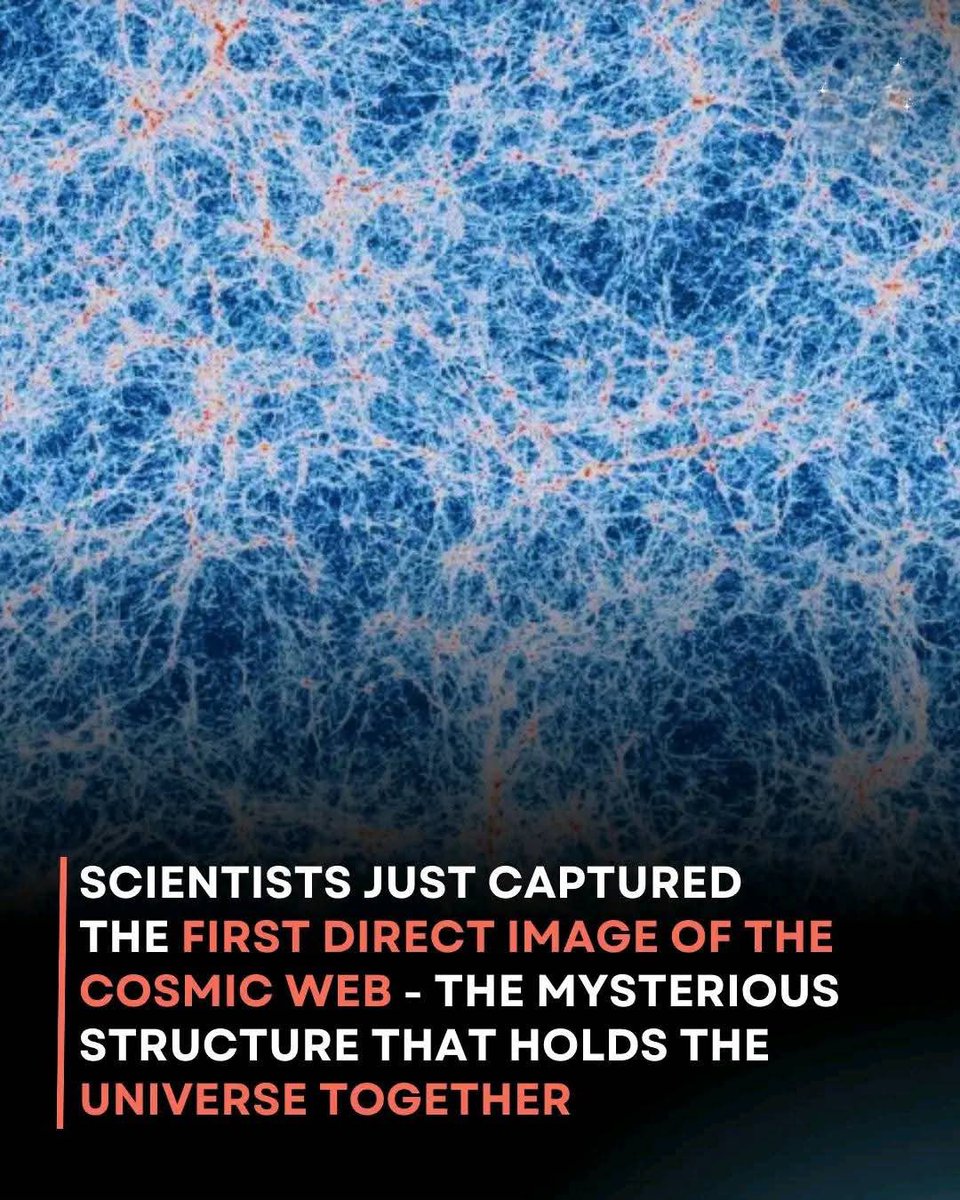
Astronomers have captured the first-ever direct image of a strand in the cosmic web, revealing the vast “highways” that connect galaxies. This is not a simulation—it’s real light that has traveled over 10 billion years to reach Earth, offering a glimpse into the universe’s distant past. The cosmic web is a massive network of hydrogen filaments that shapes how galaxies form and evolve. Using the MUSE instrument on the European Southern Observatory’s Very Large Telescope, scientists observed a glowing filament nearly three million light-years long, stretching between two ancient quasars. These bright beacons, from when the universe was just two billion years old, helped illuminate this otherwise invisible structure. The discovery confirms a long-held theory: galaxies grow by drawing in gas along these filaments, guided by dark matter. Seeing the cosmic web directly marks a major step in understanding the universe’s large-scale structure and the flow of matter across space.
Night Sky Now tweet media
English
7
47
138
3.3K
Science Unfold รีทวีตแล้ว
Smart Science
Smart Science@SmartScience·
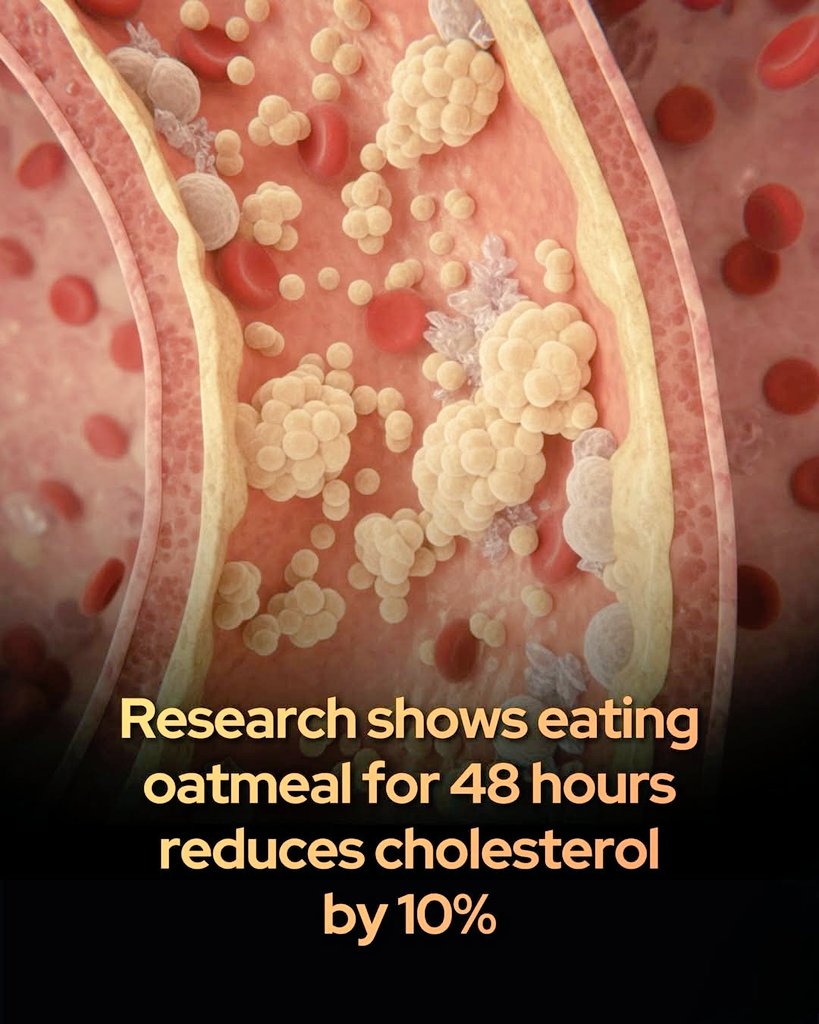
🥣 What if fixing your cholesterol didn’t take months… but just 48 hours? Scientists just found something wild. In a new study, people followed an oat-focused diet for only two days — and their bad cholesterol dropped by 10%. No pills. No extreme fasting. Just plain oats. Participants ate mostly cooked oats for 48 hours, with water and small amounts of fruits or vegetables. Compared to a normal low-calorie diet, oats didn’t just work better — they worked differently. The benefits weren’t from eating less… they came from what oats do inside your body. The real magic happened in the gut. Those two oat-filled days reshaped the gut microbiome, switching on helpful bacteria and shutting down harmful ones. These good microbes started producing natural compounds that help the body handle cholesterol and blood sugar better. Think of it like hitting a reset button for your metabolism. And the most surprising part? The benefits didn’t disappear after the oats stopped. The improvements lasted for six weeks. This study suggests something powerful: short, focused diet changes — when done right — can trigger long-lasting health effects. Sometimes, it’s not about doing more… it’s about choosing one smart thing, at the right time. So next time you see a simple bowl of oats… remember: it might be doing far more than just filling your stomach. 🧠💙 Would you try a 2-day oat reset if it could help your heart?
Smart Science tweet media
English
9
33
93
3.8K
Science Unfold รีทวีตแล้ว
Latest in Cosmos
Latest in Cosmos@latestincosmos·
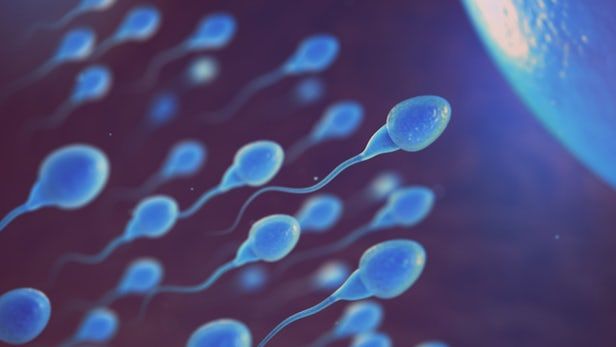
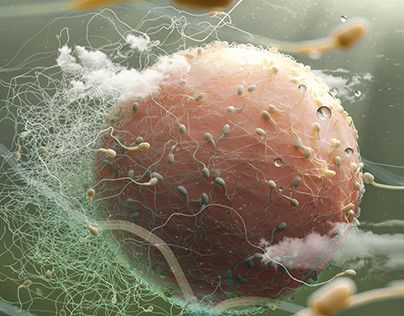
🚨: Scientists Reveal Eggs Choose the Winner—Sperm Don’t Win the Race After All. YOU DIDN'T WIN THE RACE, YOU WERE CHOSEN
Latest in Cosmos tweet mediaLatest in Cosmos tweet media
English
5
19
108
3.3K
Science Unfold รีทวีตแล้ว
Smart Science
Smart Science@SmartScience·
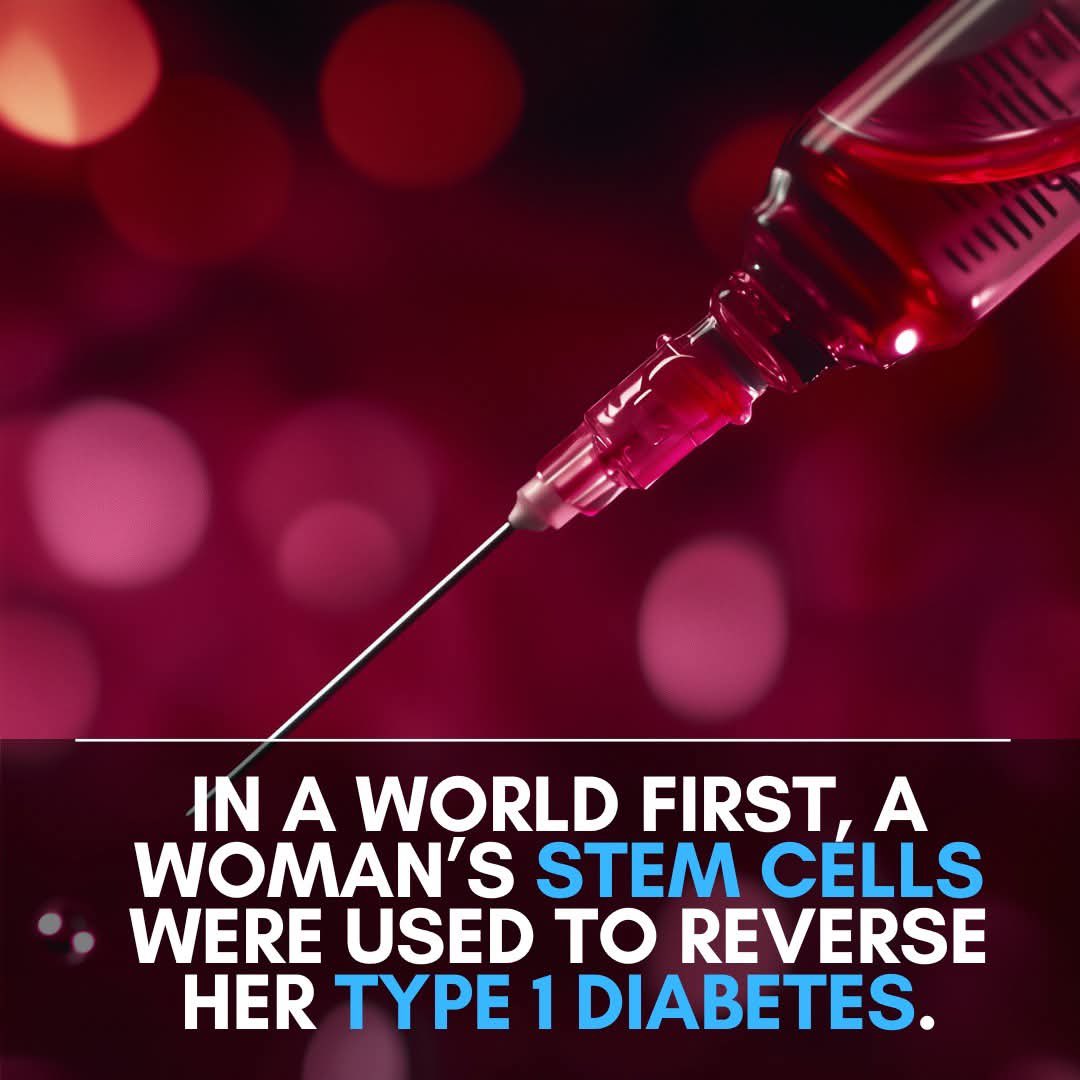
A woman with Type 1 diabetes is producing insulin naturally again — thanks to a revolutionary stem cell treatment. A groundbreaking stem cell therapy in China has reversed Type 1 diabetes in a woman, marking a major leap forward in medical science. Researchers reprogrammed the patient’s own cells into insulin-producing stem cells, enabling her body to naturally produce insulin for the first time since her diagnosis. This innovative approach eliminates the need for external insulin injections and represents a potential cure rather than ongoing management. The procedure is part of a pilot study involving three patients and could transform treatment for the millions living with Type 1 diabetes worldwide. Scientists extracted the patients' cells and converted them into pluripotent stem cells—cells capable of becoming any type in the body. These were then chemically guided to become insulin-producing cells and implanted into the patients’ stomach linings, where they successfully began releasing insulin. While the results are preliminary and long-term outcomes remain to be seen, the implications are profound. If further trials confirm the therapy’s safety and effectiveness, it could revolutionize diabetes care by offering a permanent, personalized treatment option. Source: EMJ. (2024). Stem Cell Therapy Reverses Type 1 Diabetes in Groundbreaking Study.
Smart Science tweet media
English
0
40
124
3.2K
Science Unfold รีทวีตแล้ว
Smart Science
Smart Science@SmartScience·
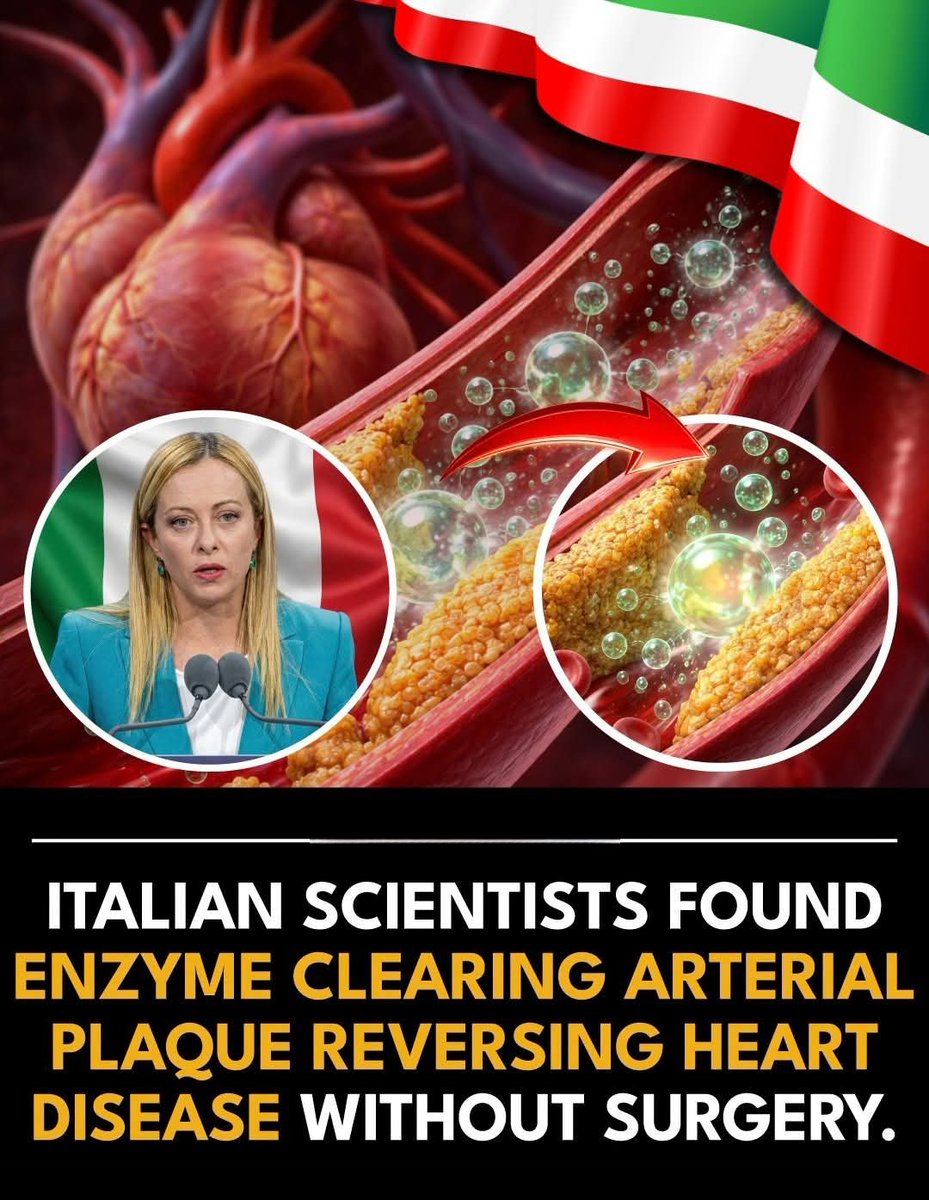
Researchers at the University of Milan have identified that an enzyme called phospholipid transfer protein (PLTP) can effectively mobilize cholesterol from arterial plaques, sending it back into the bloodstream for natural disposal. This discovery is a potential game-changer because, unlike current treatments that primarily focus on preventing new plaque from forming, this method actually targets and dissolves existing blockages. Atherosclerosis occurs when cholesterol and inflammatory cells create stable, hardened deposits in artery walls that resist traditional removal methods. When these plaques become too large, they severely restrict blood flow, often necessitating invasive procedures like stents or bypass surgery to prevent heart attacks or strokes. The PLTP enzyme acts as a natural extraction system, pulling cholesterol out of the arterial wall and transferring it to HDL, or "good cholesterol," for transport to the liver. Scientists found that many people have naturally low levels of this activity due to genetic factors, which is why they have developed a gene therapy to boost PLTP expression directly where it is needed most. In animal models, this localized boost in enzyme activity resulted in a 40% reduction in plaque volume in just three months, allowing narrowed arteries to reopen to nearly their original diameter. These results suggest that plaques not only become smaller but also more stable, which significantly lowers the risk of a sudden rupture that could cause a cardiac event. While human clinical trials are currently focusing on patients with severe coronary artery disease who cannot undergo surgery, the long-term goal is a biological "reversal" of decades of arterial damage. If successful, this could shift cardiovascular medicine away from mechanical bypasses and toward a more natural, enzymatic cleaning of the circulatory system.
Smart Science tweet media
English
47
493
1.4K
56.4K
Science Unfold รีทวีตแล้ว
SciTech Girl
SciTech Girl@scitechgirl·
🔮 Is Reality Just Geometry? Scientists Think So… What if everything you see, touch, and feel is built from invisible patterns? Cutting-edge quantum physicists are discovering that at the tiniest scales, geometry governs the universe. Every particle, every force, every interaction seems to follow a hidden blueprint—like a cosmic design written in shapes. Some say ancient civilizations already glimpsed this secret through sacred geometry. Could it be that the patterns they drew were more than art… that they were hints of the very fabric of reality itself? The lines between science and mystery are blurring, and the universe might be far stranger—and more beautiful—than we ever imagined. Source: Greene, B. (2011). The Hidden Reality: Parallel Universes and the Deep Laws of the Cosmos. Vintage Books.
SciTech Girl tweet media
English
5
17
53
1.1K