American Museum of Natural History

25K posts

American Museum of Natural History banner
American Museum of Natural History

American Museum of Natural History

@AMNH

The American Museum of Natural History is one of the world's preeminent scientific and cultural institutions. This is not a monitored account.

New York City เข้าร่วม Ekim 2008
871 กำลังติดตาม472.7K ผู้ติดตาม
American Museum of Natural History
Craving a ripe tomato? This frog can’t help. 🍅 Despite resembling a juicy fruit, the tomato frog wouldn’t taste very good. Its bright red hue is an example of aposematic coloring—a signal that means “don’t touch!” If bothered, it can secrete sticky, mildly toxic goo.
American Museum of Natural History tweet media
English
0
8
54
1.6K
American Museum of Natural History
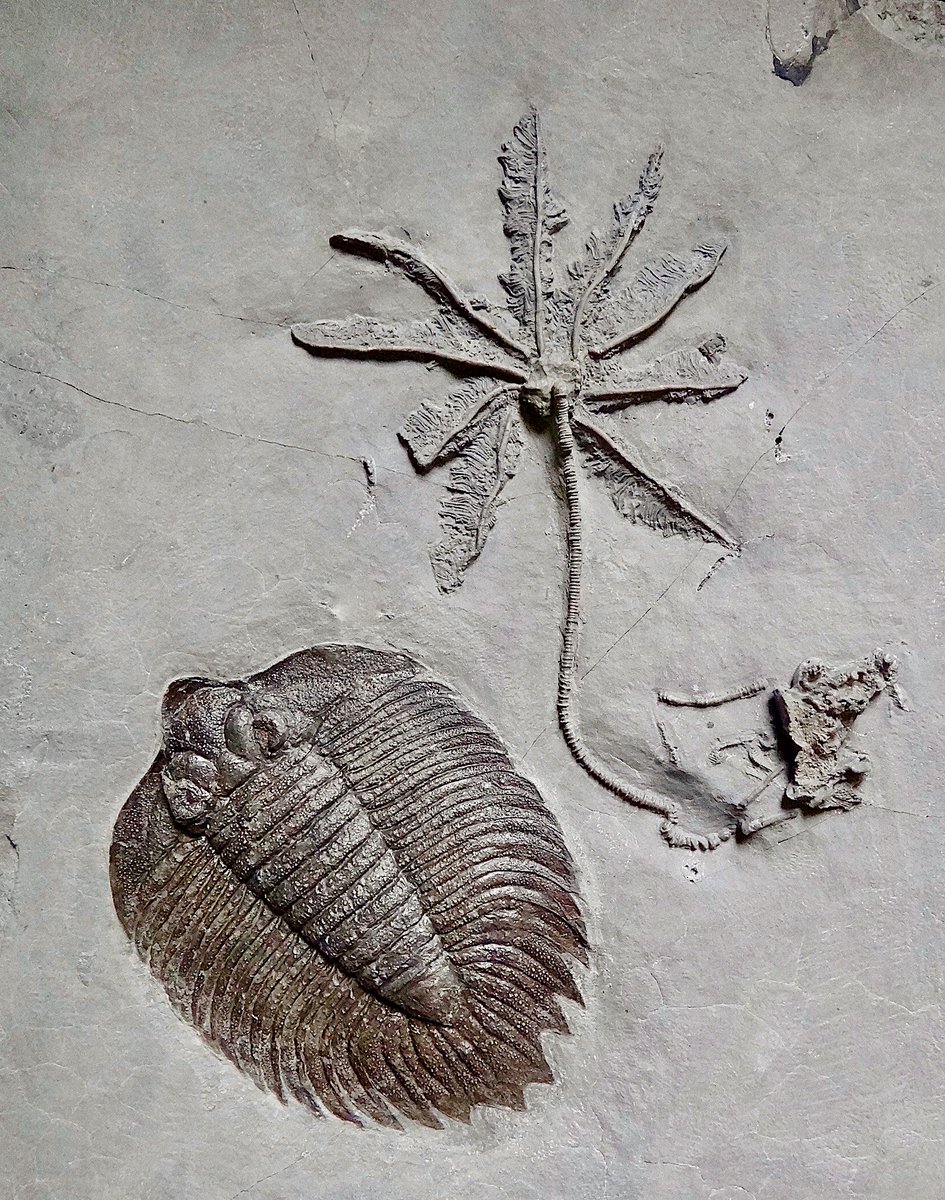
It's Trilobite Tuesday! This fossil, from the Rochester Shale Quarry, is a snapshot of life during the Silurian. A 5-in- (12.7-cm-) long Arctinurus trilobite rests next to a Dimerocrinites crinoid. Crinoids are marine animals that use their arms to catch drifting food particles.
American Museum of Natural History tweet media
English
1
31
143
3.3K
American Museum of Natural History
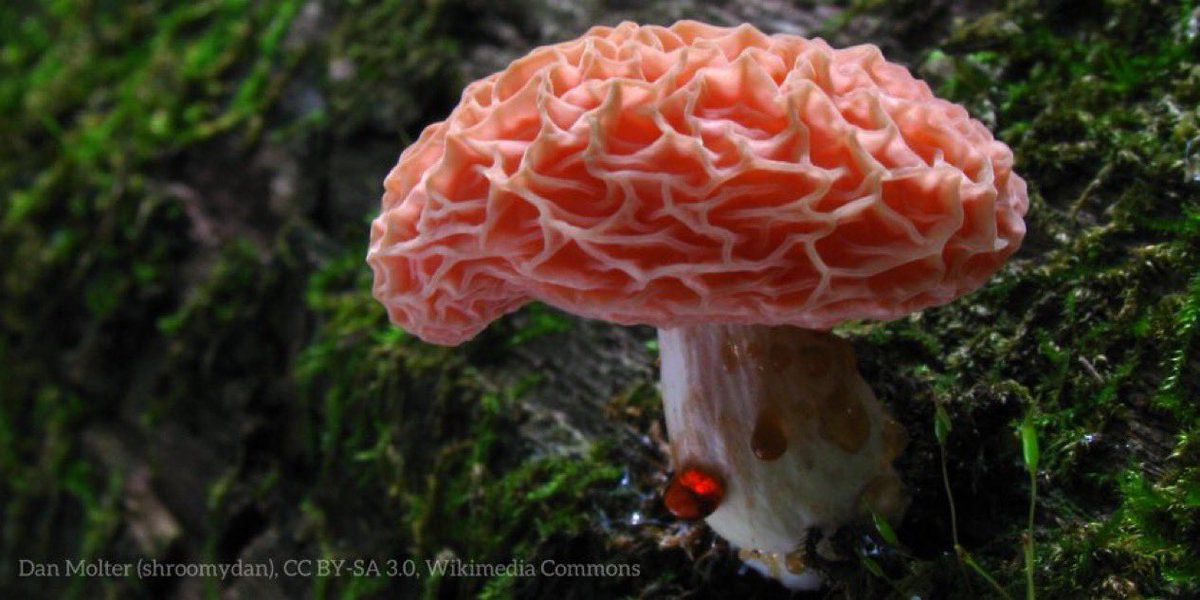
Here’s a mushroom you won’t find at the grocery spore: the rosy veincap! This species, which is considered inedible, is the only fungus in its taxon. It has a wide range & can be spotted worldwide, including in parts of N. America, Africa, Europe, & Asia. Have you ever seen one?
American Museum of Natural History tweet media
English
0
30
191
5.5K
American Museum of Natural History
Whistle, click, chirp, or sing your way through the weekend with the beluga whale! Known as the “canary of the sea,” this social animal uses sound to communicate & navigate the open ocean. Since it's so reliant on sound, noise pollution is one of its greatest threats.
American Museum of Natural History tweet media
English
1
45
206
4.5K
American Museum of Natural History
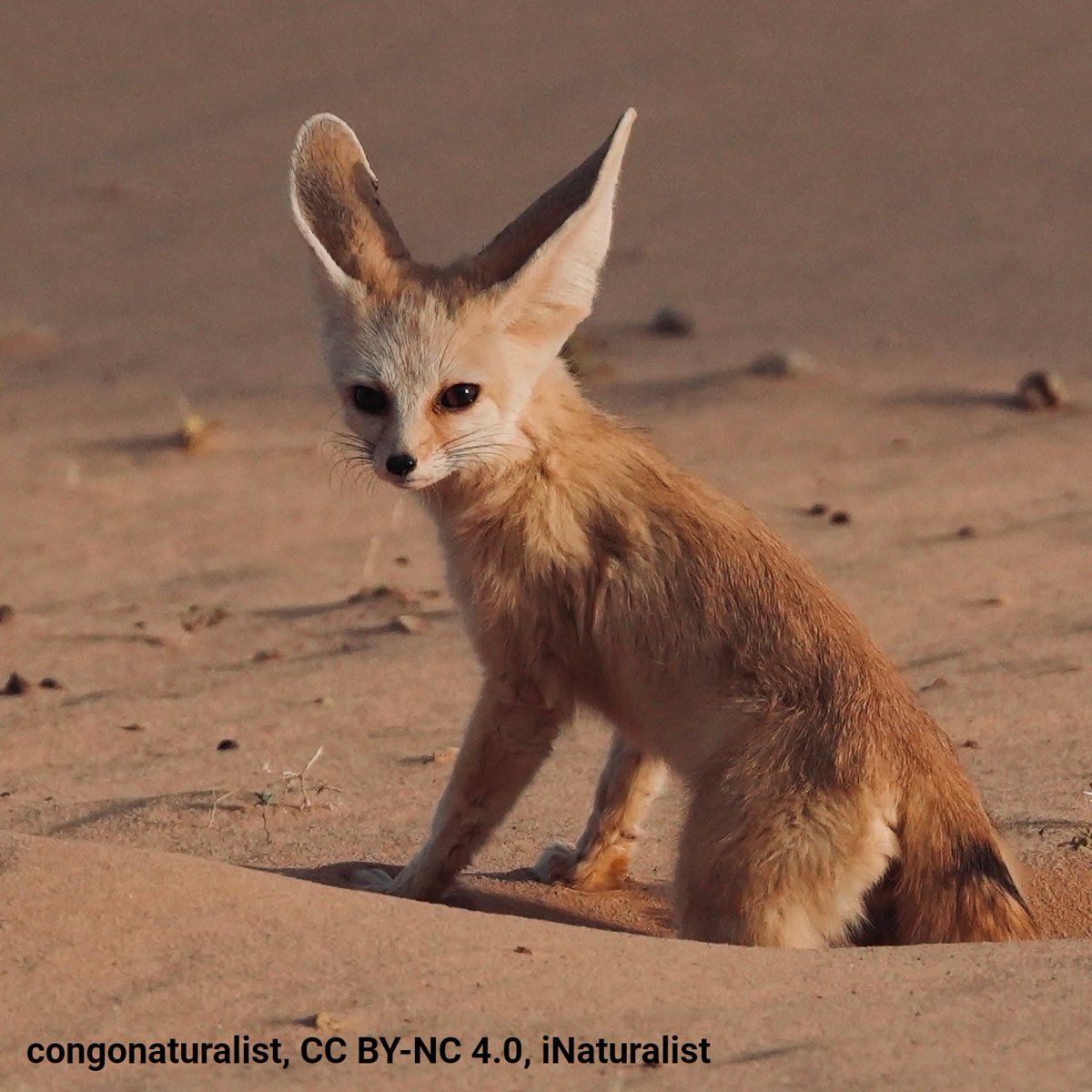
Mood? The Fennec fox. It’s the smallest canid of all, typically reaching weights of only 3 lbs (1.4 kg)! It also has the largest ears (relative to body size) of any canine. They disperse heat & help this mammal hear prey moving under the sand.
American Museum of Natural History tweet media
English
1
42
220
3.9K
American Museum of Natural History
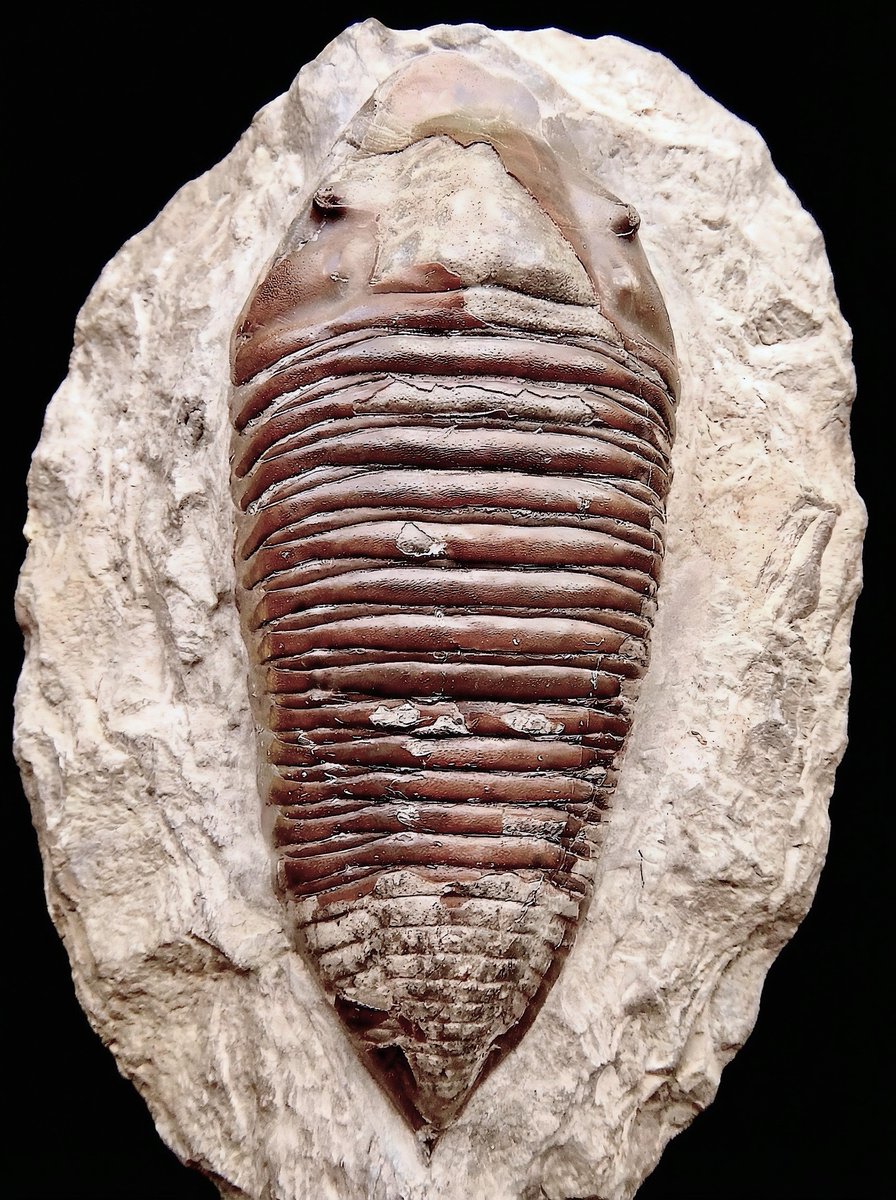
It's Trilobite Tuesday! Trimerus is among the most widely dispersed trilobite genera. This specimen is from England’s Wren’s Nest locale. Though complete specimens of Trimerus are a rare find, fully-articulated examples measuring ~7.1 in (18 cm) in length have been uncovered.
American Museum of Natural History tweet media
English
2
29
117
5.6K
American Museum of Natural History
The Lilac-breasted Roller is always dressed for spring. This monogamous bird mates for life, with courtship rituals that include swooping, diving, and rolling through the air. Lilac-breasted Rollers are so at home in the sky that they also breed in flight!
American Museum of Natural History tweet media
English
5
61
407
6.3K
American Museum of Natural History
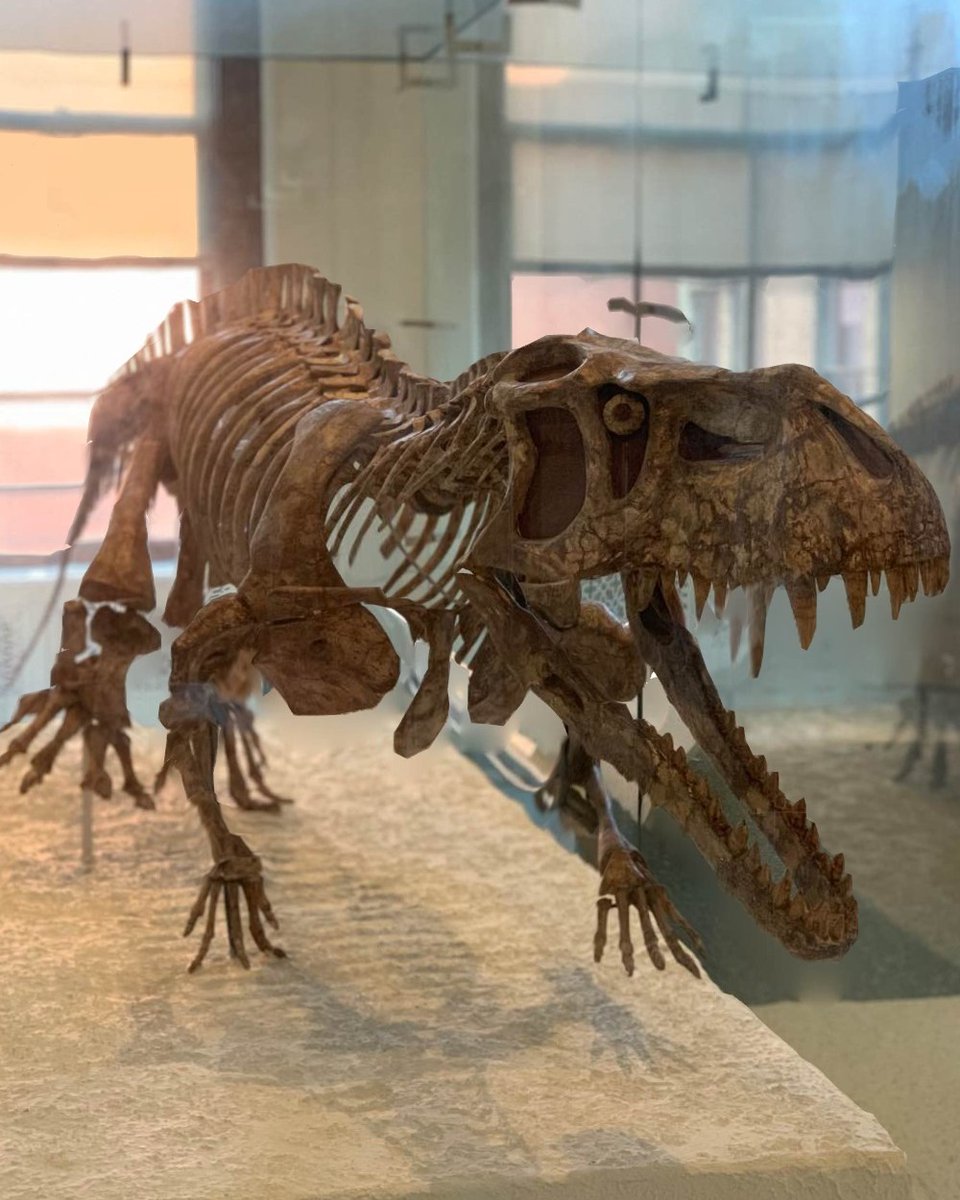
Meet Prestosuchus chiniquensis. It lived in what’s now Brazil some 210 million years ago. Although it was a large animal with big claws & a huge head with sharp-toothed jaws, it wasn't a dinosaur—it's actually a close relative of crocodylomorphs.
American Museum of Natural History tweet media
English
9
87
390
7.3K
American Museum of Natural History
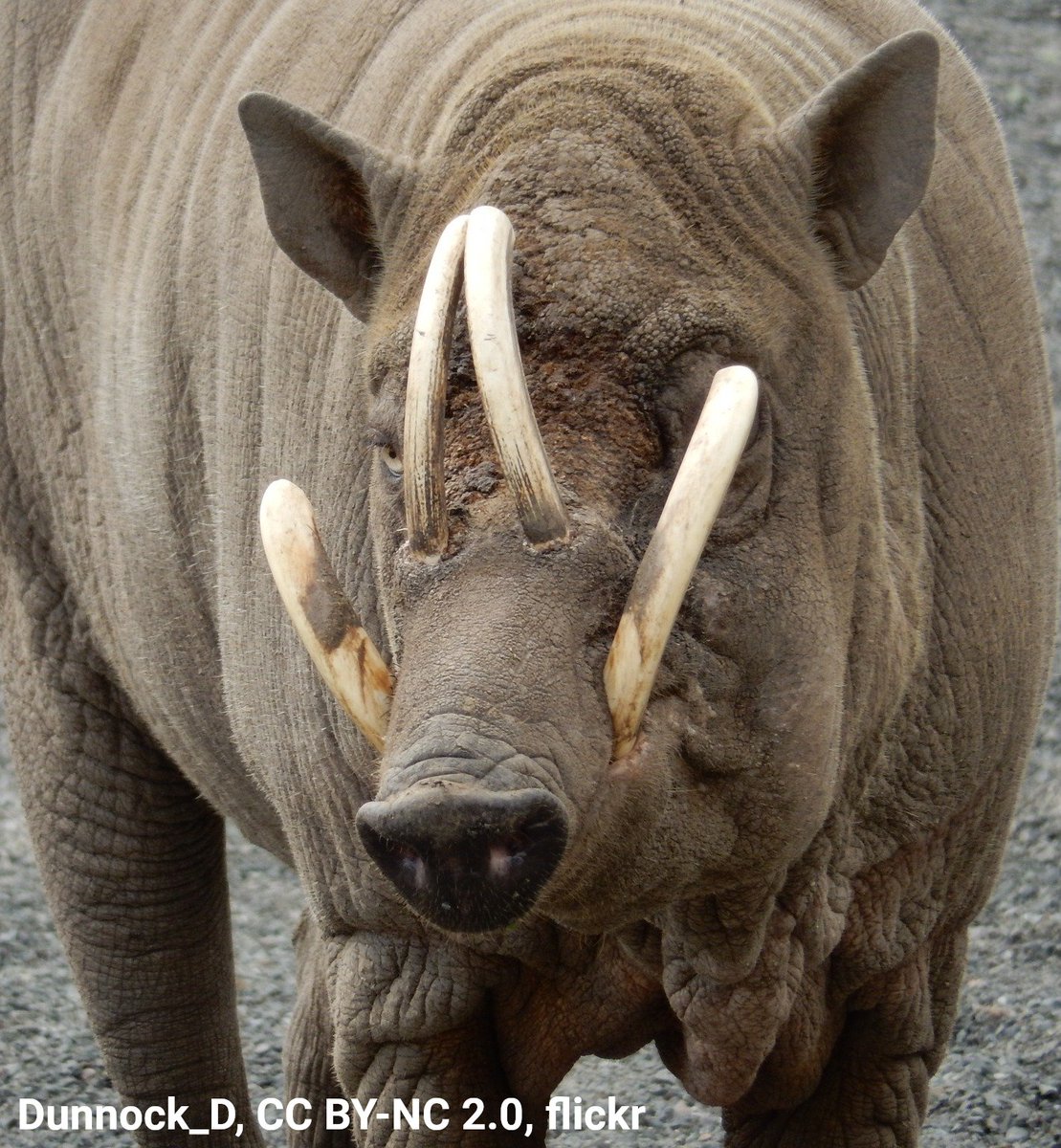
Scared of the dentist? Things could be worse: You could be a babirusa. This wild pig’s canine teeth (tusks) never stop growing— reaching lengths of 11+ in (27.9 cm). If they aren’t worn down by regular activity, they can curve backward into the babirusa’s skull!
American Museum of Natural History tweet media
English
1
16
99
3.9K
American Museum of Natural History
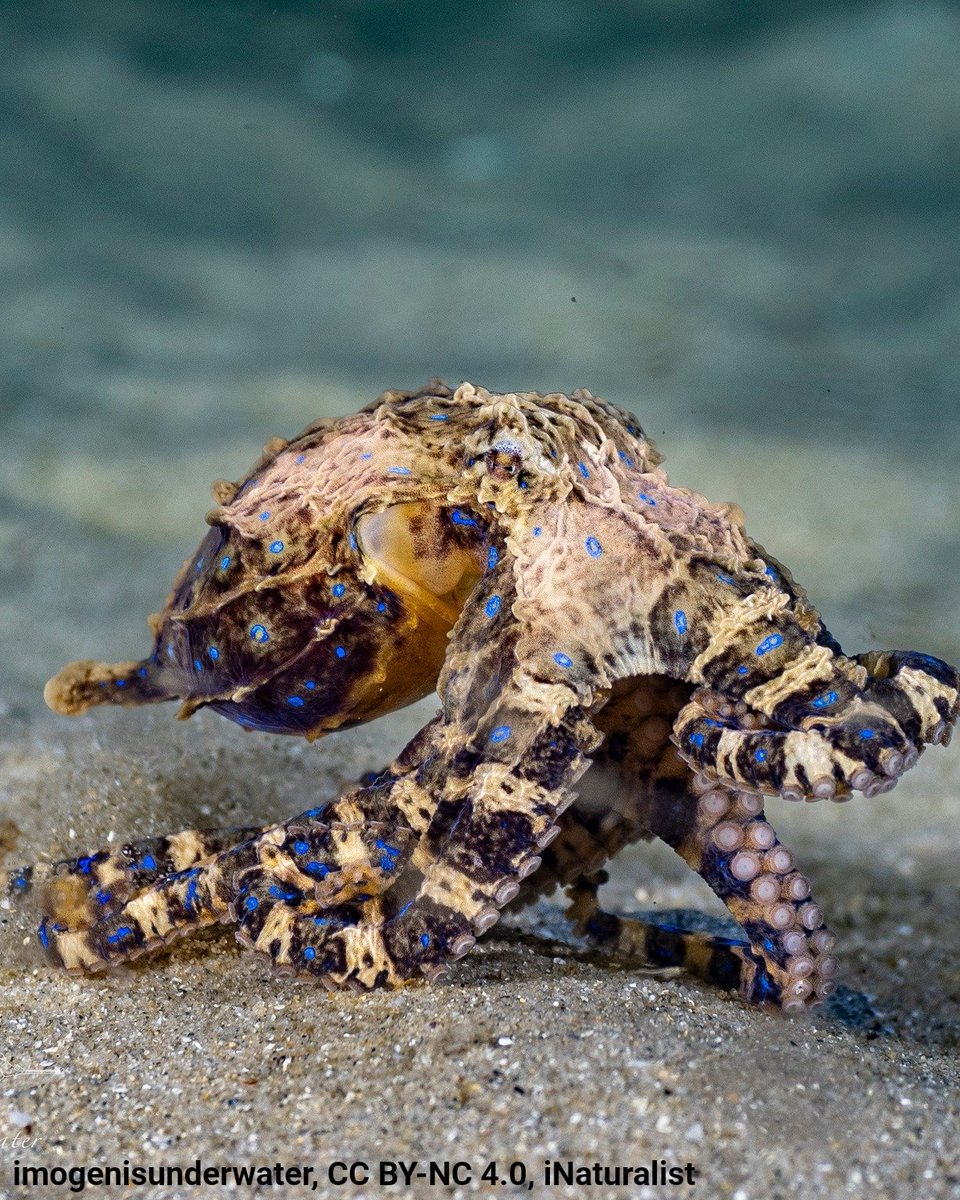
Meet blue-ringed octopuses, members of the genus Hapalochlaena. They inhabit coral reefs in the Indian and Pacific oceans. Though they usually measure less than 8 in (20.3 cm), they're among the world's deadliest cephalopods. Their venomous bite can paralyze or kill a human.
American Museum of Natural History tweet media
English
1
50
232
4.6K
American Museum of Natural History
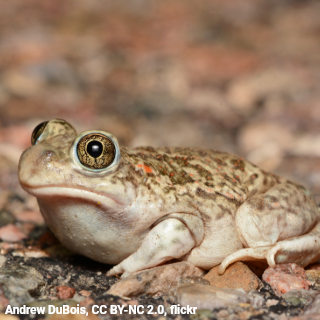
The plains spadefoot is toadally cute. This stout amphibian, which inhabits arid regions of western North America, is an “explosive” breeder: Individuals gather en masse after warm, heavy rains to breed. The resulting tadpoles can mature after just 13 days.
American Museum of Natural History tweet media
English
0
36
202
5.6K
American Museum of Natural History
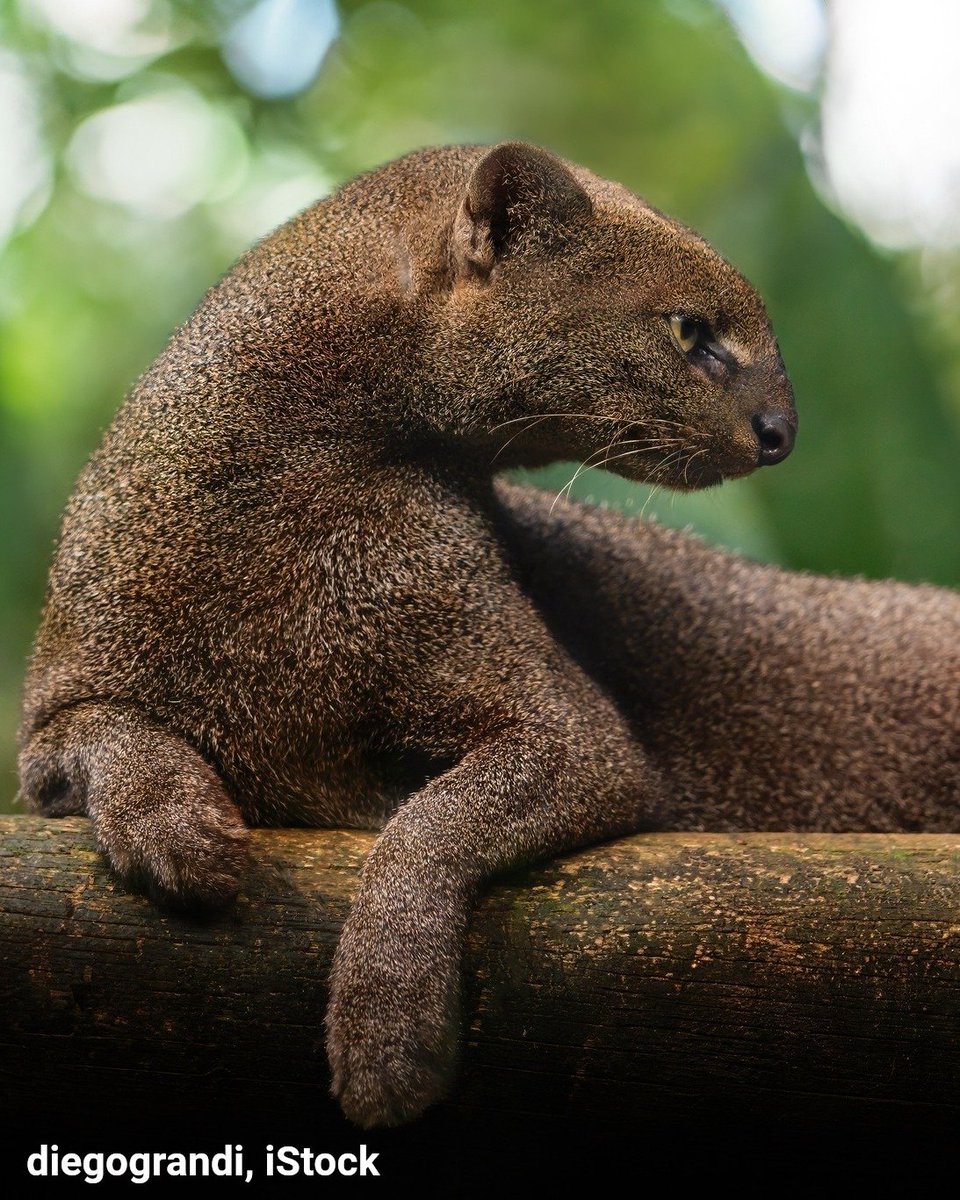
Have you seen the "otter cat?" The jaguarundi is a highly adaptable feline with a diet that includes birds, reptiles, mammals, & fish. Unlike many cats, it's highly vocal. The jaguarundi has up to 13 unique calls including purring, whistling, and chattering!
American Museum of Natural History tweet media
English
8
196
1.3K
80K
American Museum of Natural History
This #FossilFriday, meet Tupuxuara leonardii. This flying reptile had a wingspan of ~15 ft (4.5 m) & a huge fan-shaped crest. Scientists think that pterosaurs could have used their headgear to steer during flight, to recognize members of the same species, or to attract mates.
American Museum of Natural History tweet media
English
1
48
222
5K
American Museum of Natural History
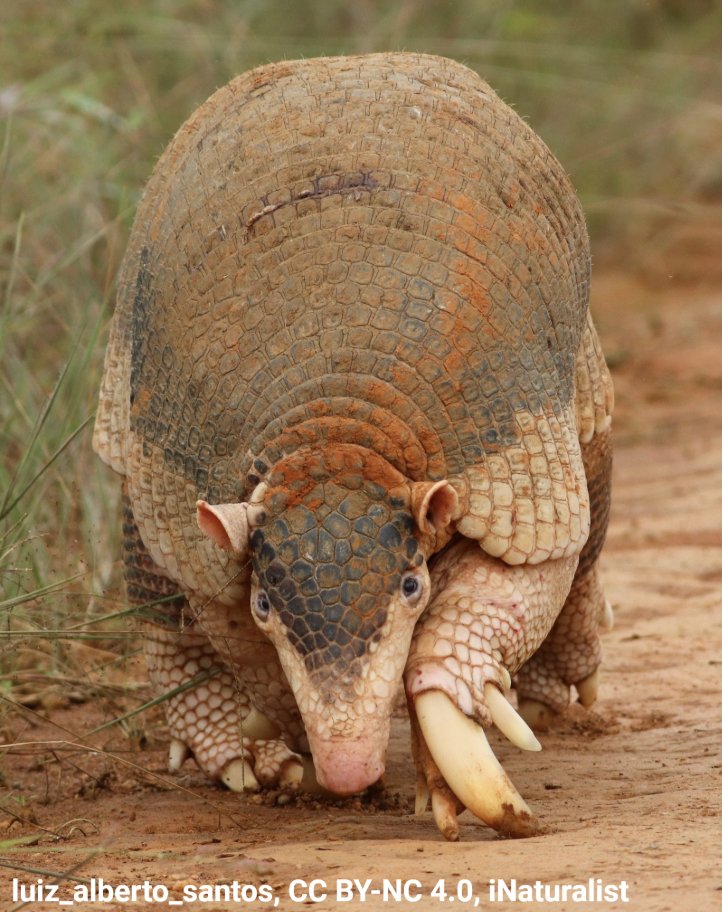
Just how giant is the giant armadillo? Unlike other armadillos—which can roll up to defend themselves from foes—this species’ is too big to hide inside its carapace. It can reach lengths of 3.9 ft (1.2 m) and weights of ~110 lbs (50 kg)!
American Museum of Natural History tweet media
English
8
39
237
4.9K
American Museum of Natural History
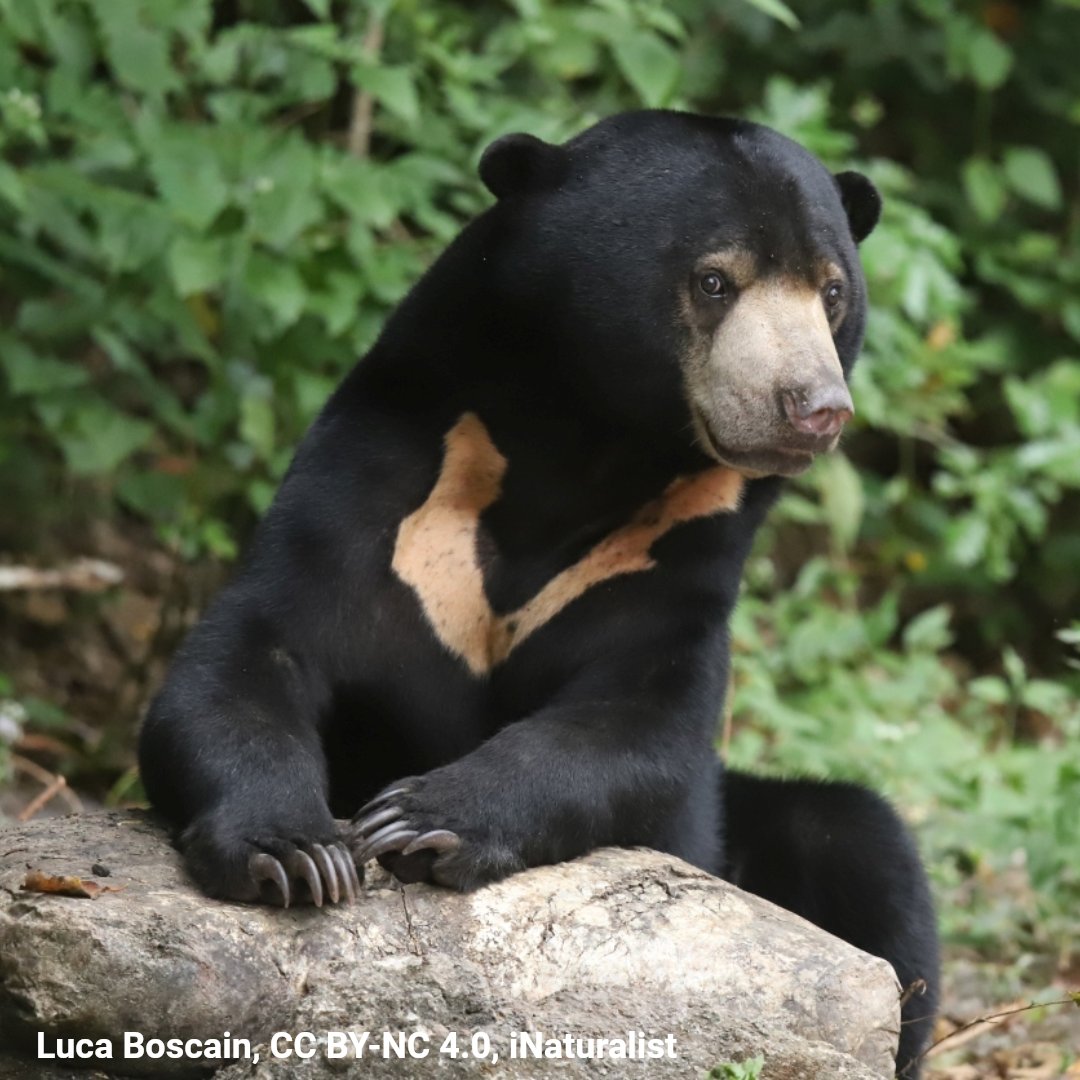
Meet the world’s smallest bear. Weighing in around 103 lbs (47 kg), the sun bear is about half the size of an American black bear! It's an excellent climber, sometimes building nests in the treetops as much as 128 ft (40 m) from the ground, where it can snooze in peace.
American Museum of Natural History tweet media
English
4
69
413
8.4K
American Museum of Natural History
Common shrew? More like "uncommonly cute shrew!" Though this tiny mammal weighs only 0.5 oz (14 g), it has a big appetite. In fact, it needs to consume about 80% of its body weight in food each day! What’s on the menu? Insects, slugs, and earthworms.
American Museum of Natural History tweet media
English
1
57
341
6.7K
American Museum of Natural History
Behold the western pygmy possum! This dainty marsupial typically weighs ~0.5 oz (14 g)—that's about as much as a AA battery! It inhabits treetops in forests throughout parts of Australia. As a nectarivore, it mainly feeds on plant nectar.
American Museum of Natural History tweet media
English
21
423
2.4K
53.6K
American Museum of Natural History
This Caturday, meet the jungle cat. Also known as the swamp cat or reed cat, this feline prefers wetland habitats in parts of North Africa & Asia. Though not strictly nocturnal, it’s most commonly spotted at night and can travel up to 3.7 mi (6 km) in a single evening.
American Museum of Natural History tweet media
English
2
68
332
5.4K
American Museum of Natural History
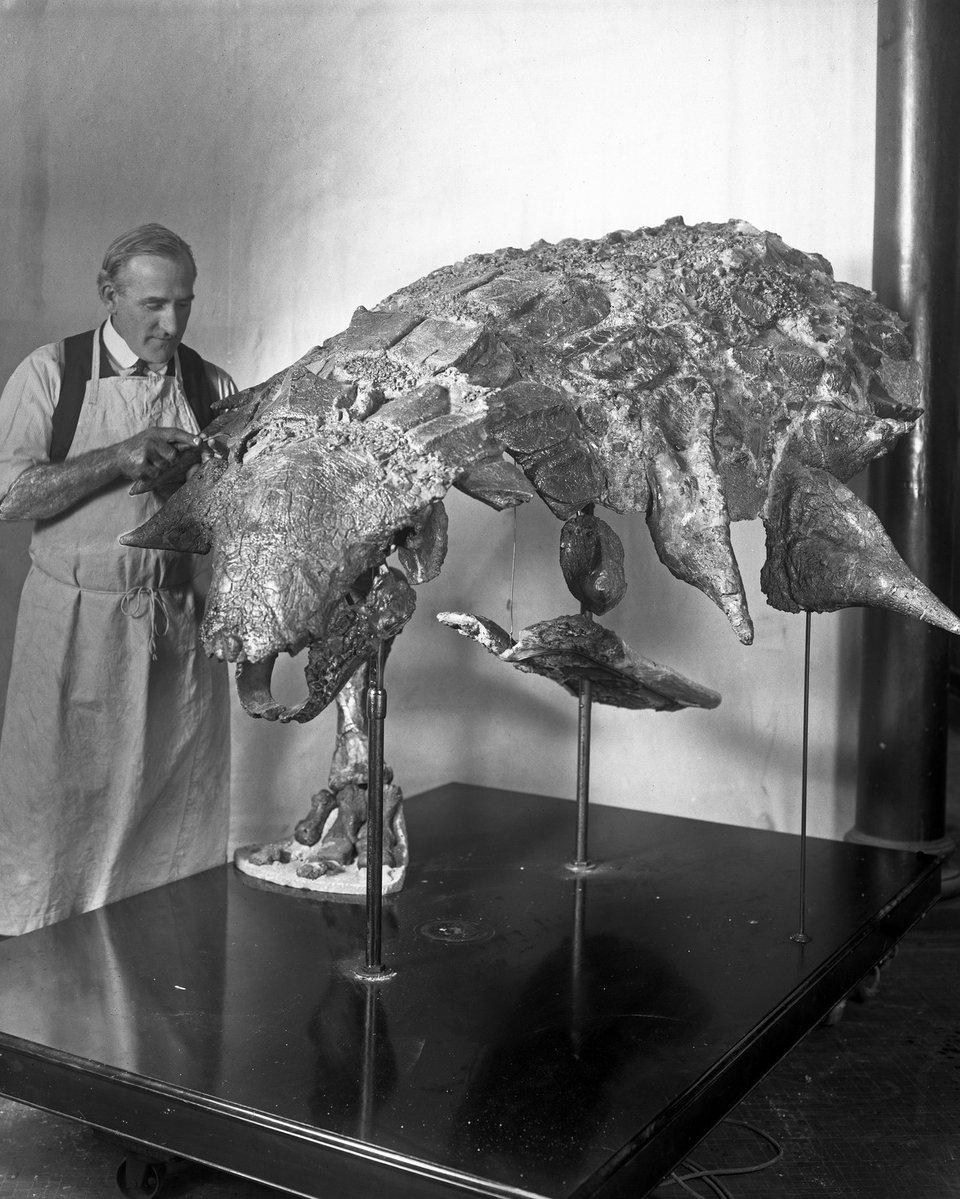
It's Fossil Friday! Meet Edmontonia rugosidens. This tank-like ankylosaur lived during the late Cretaceous ~75 mya. Snapped circa 1922, this image depicts a Museum preparator readying the specimen for display. Today it can be seen in the Museum’s Hall of Ornithischian Dinosaurs.
American Museum of Natural History tweet media
English
3
81
403
8.1K
American Museum of Natural History
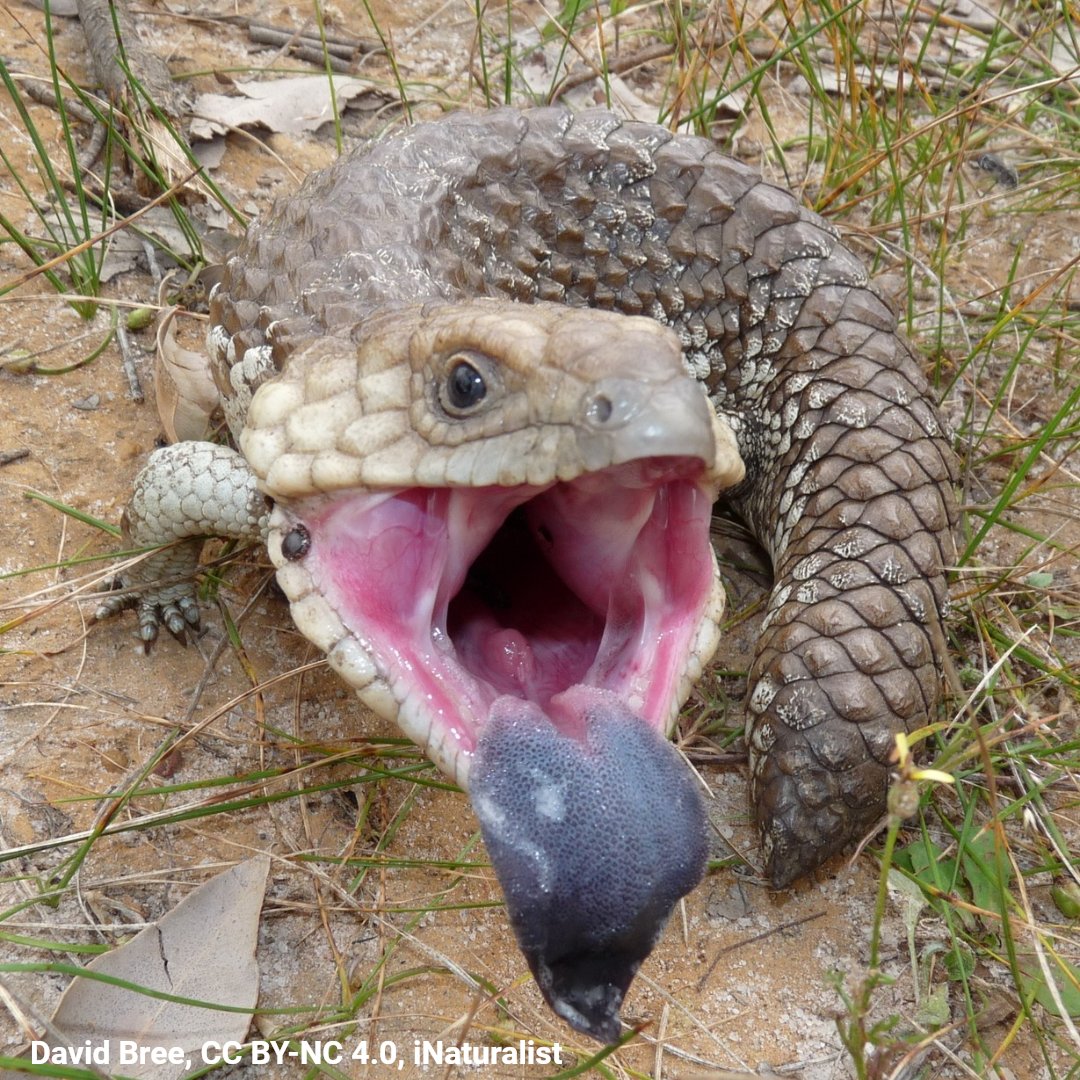
Unlike most skinks— which have smooth, overlapping scales & a glassy appearance—the shingleback skink's scales are rigid. It’s also unable to shed its tail when threatened. But, it can expose its bright blue tongue to intimidate foes!
American Museum of Natural History tweet media
English
1
34
168
3.8K