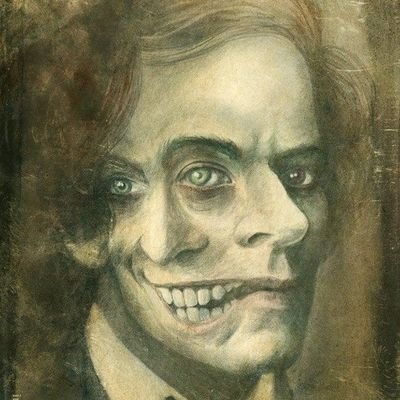
"Buildings burn, people die, but real love is forever."
The late, great Brandon Lee was killed in a tragic accident during the filming of 'The Crow' on March 31st, 1993.
Never forgotten. RIP.
One thing that I’ll miss about Vincent Trocheck is his willingness to always jump into a scrum. He’s always stirred the pot, tried to get under the skin of the guys that he’s playing against and skates back over to the bench with a smile when it’s over. #NYR
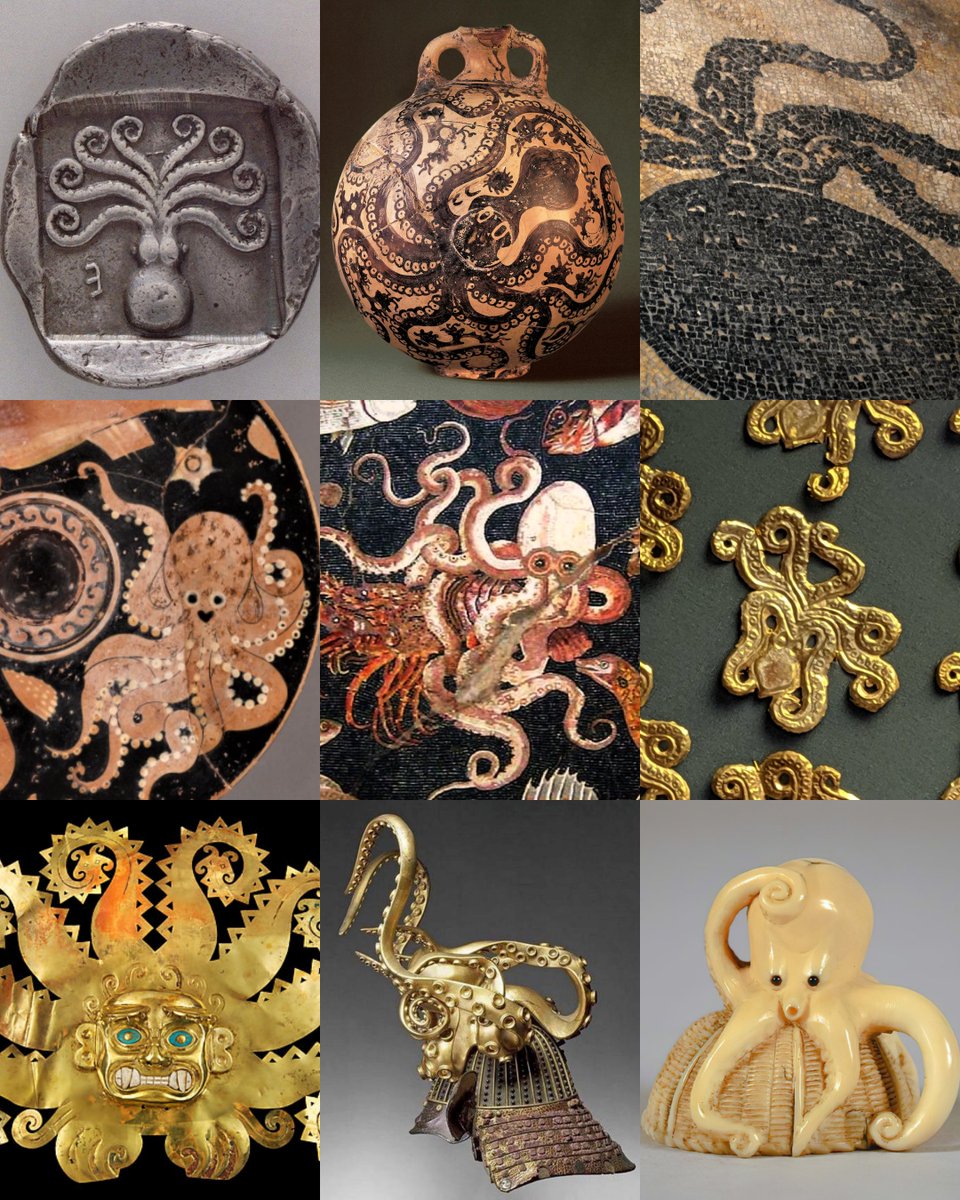
I'd like to share a compilation showing how the octopus form has been interpreted across different civilizations -- from Minoan ceramics to Roman mosaics, and Moche goldwork to Edo-period Japanese armor.
These are images I've shared before. Artifact descriptions (left to right):
1) Silver coin minted in Eretria, Euboea, c. 500-480 BC.
2) Minoan "Marine Style" flask from Palaikastro, 1500-1450 BC. Collection: Heraklion Archaeological Museum, Crete.
3) Roman mosaic fragment depicting an octopus, Villaquejida (León, Spain), 2nd-3rd century AD. Collection: National Archaeological Museum, Madrid.
4) Red-figure fish plate made in Paestum, c. 350 BC. Collection: The Getty Museum.
5) Mosaic of sea creatures, House of the Faun, Pompeii, 2nd century BC. Collection: National Archaeological Museum of Naples.
6) Gold octopus-shaped plaque / clothing appliqué, Mycenae, Grave Circle A, Shaft Grave IV, c. 1600-1500 BC. Collection: National Archaeological Museum of Athens.
7) Octopus Frontlet, Moche (La Mina), Peru, 300-600 AD. Collection: Museo de la Nación, Lima, Peru.
8) Samurai helmet (kabuto / kawari kabuto) with a detachable octopus-shaped crest, Edo period, 18th century, Japan. Collection: Stibbert Museum, Florence.
9) Ivory netsuke: octopus and basket, Japan, c. 1800-1900.