Sam Knowlton@samdknowlton
One of the most pressing issue facing agriculture in the US is the rapid and continued depletion of ground water in our most important food producing regions.
But even more concerning is the degradation of farmland's ability to capture, store and cycle rainwater.
The Ogallala Aquifer supports 30% of US irrigation and has lost 286 million acre-feet, or 93.2 trillion gallons, since agricultural development.
Portions of Kansas and Texas are on pace for complete depletion in 20-50 years. Natural recharge occurs at less than one inch annually and full replenishment would take 6,000 years.
California's Central Valley, producing 25% of national food supply, pumps groundwater 5x faster than its rate of recharge.
The land has subsided up to 28 feet, permanently destroying aquifer storage capacity. As alarming as this may be, the long-term – and in some cases permanent – damage caused to aquifers pales in comparison to the disruption of the small water cycle.
The small water cycle depends on vegetation recycling moisture through evapotranspiration, which generates over 50% of precipitation in most river basins. This "green water" accounts for 4-5x more agricultural water use than the "blue water" drawn from aquifers and rivers.
When soil is disturbed and left bare, this pump fails. Further disrupting this cycle, bare agricultural soil reaches surface temperatures up to 24°C higher than vegetated areas, creating heat islands that repel rainfall while eliminating evaporative cooling entirely.
US agricultural soils have lost 50% of original organic matter over that last century.
Each 1% increase in organic matter allows soil to hold 20,000 additional gallons of water per acre.
The widespread loss of 3-4 percentage points of organic matter means farmland now stores tens of thousands fewer gallons per acre than it once did, reducing natural drought resilience and increasing runoff.
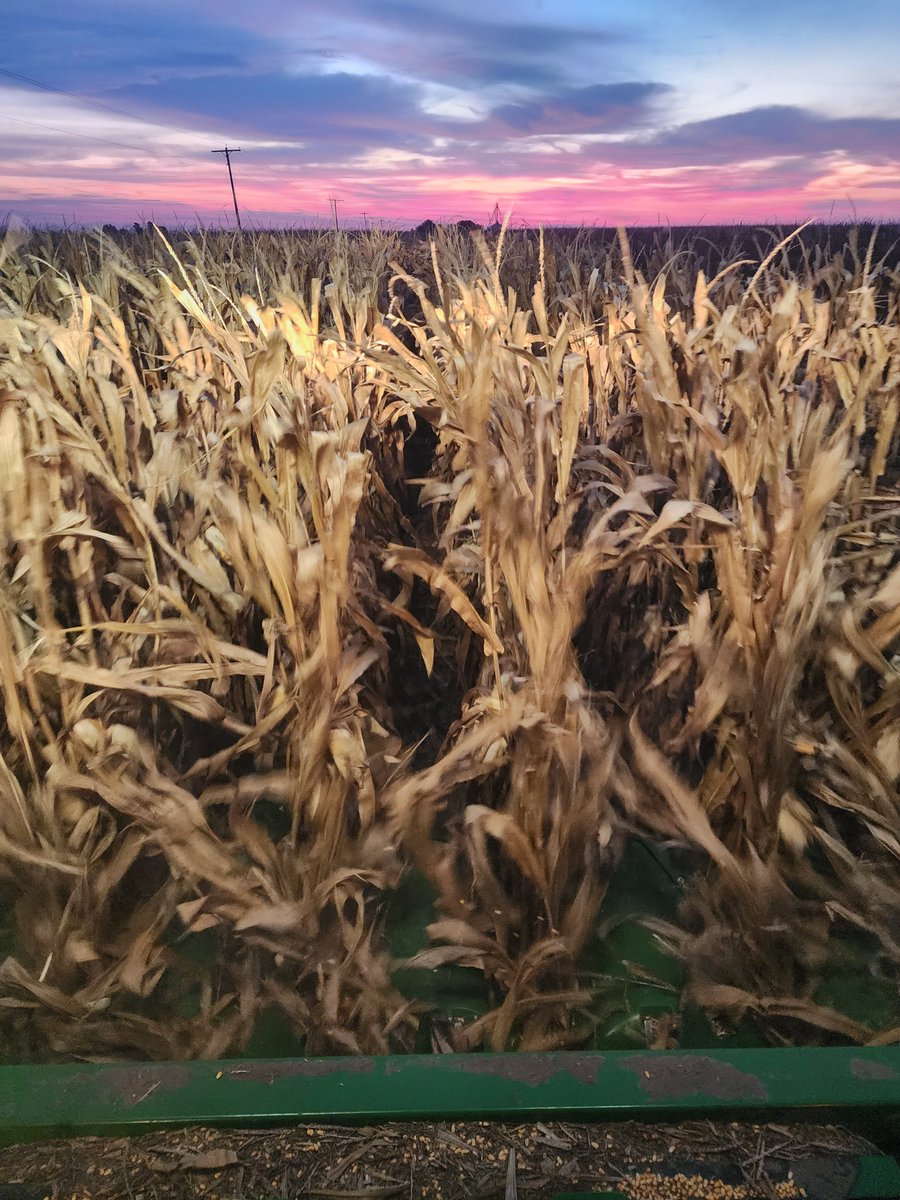
Conventional agriculture compounds this by collapsing soil aggregates through excessive tillage, leaving fields bare, applying synthetic fertilizers that accelerate organic matter decomposition, disrupting soil microbiology with pesticide applications and compacting soil with heavy machinery.
The good news is, unlike aquifer depletion, the small water cycle can be repaired rapidly and in ways that offer a cascade of positive benefits to farms.
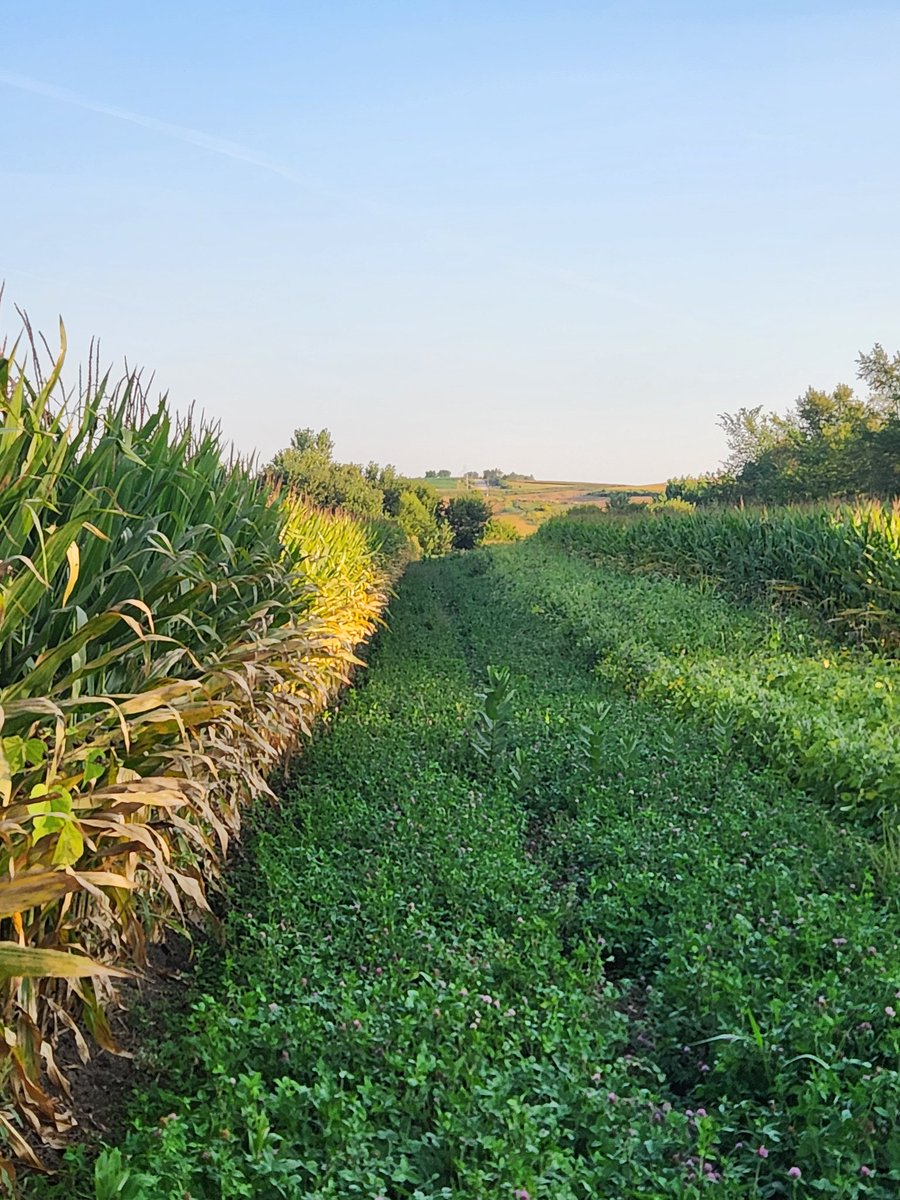
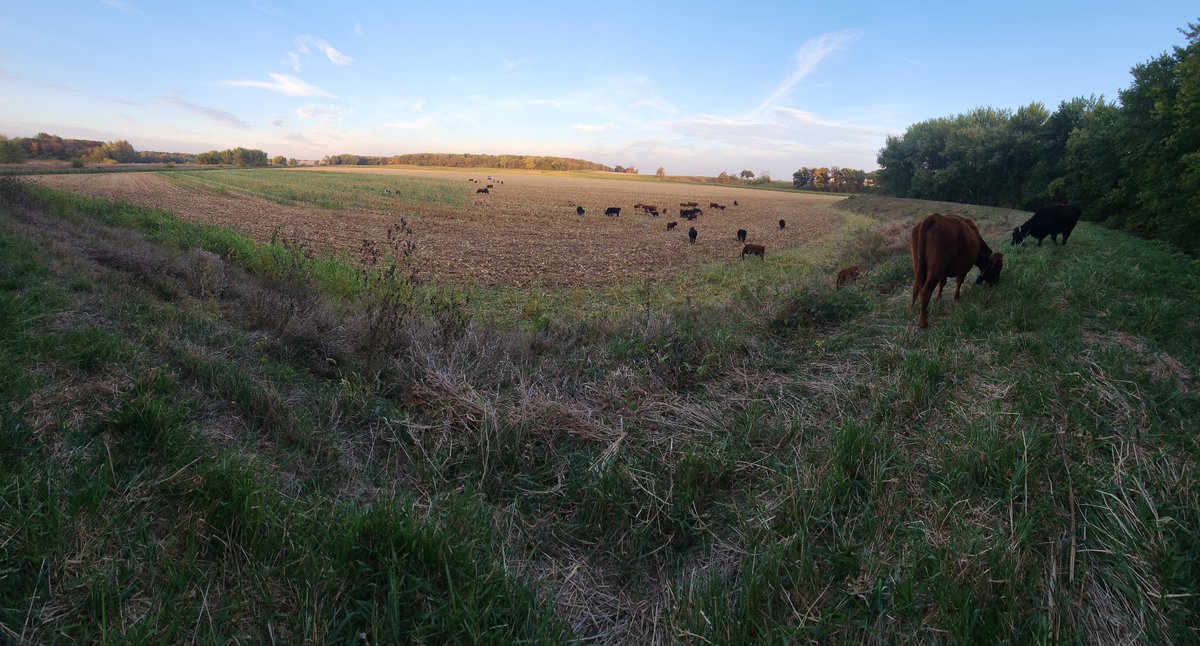
Continuous living roots maintain the pore structure for infiltration. Growing roots open channels, decaying roots leave voids, and root exudates feed aggregate-building microorganisms.
A functional and diverse soil microbiome produces biological glues that create water-stable aggregates. These networks increase hydraulic conductivity while enhancing water storage.
Permanent soil cover reduces evaporation, prevents raindrop impact from sealing surfaces, and maintains biological activity. Five years of cover cropping can improve infiltration up to 200%.
Integrated biological diversity drives the feedback loops between soil carbon, water retention, and climate regulation. Diverse rotations, livestock integration, and perennial crops restore landscape-scale water cycling.
Aquifer depletion, in large part, cannot be undone. But restoring the small water cycle offers an immediate opportunity to rebuild and maintain agricultural water security.