Naka-pin na Tweet

Middle Strikes.
@414magyarbirds
@usf_army
@DefenceU
@DI_Ukraine
@ServiceSsu
@SOF_UKR
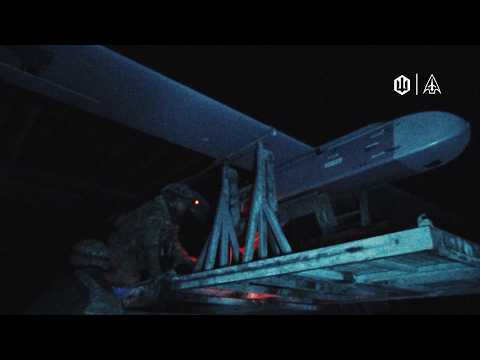
youtu.be/TAB3YQoKPGI?si…
YouTube
English
Extremum Adventura
35K posts

@ExtremumAdv
RU War Cost alone $2.3 Trillion. The Truth is Out There | Cognitive Dissonance With Mass & Energy | Epitaph https://t.co/KmrdnknVQe



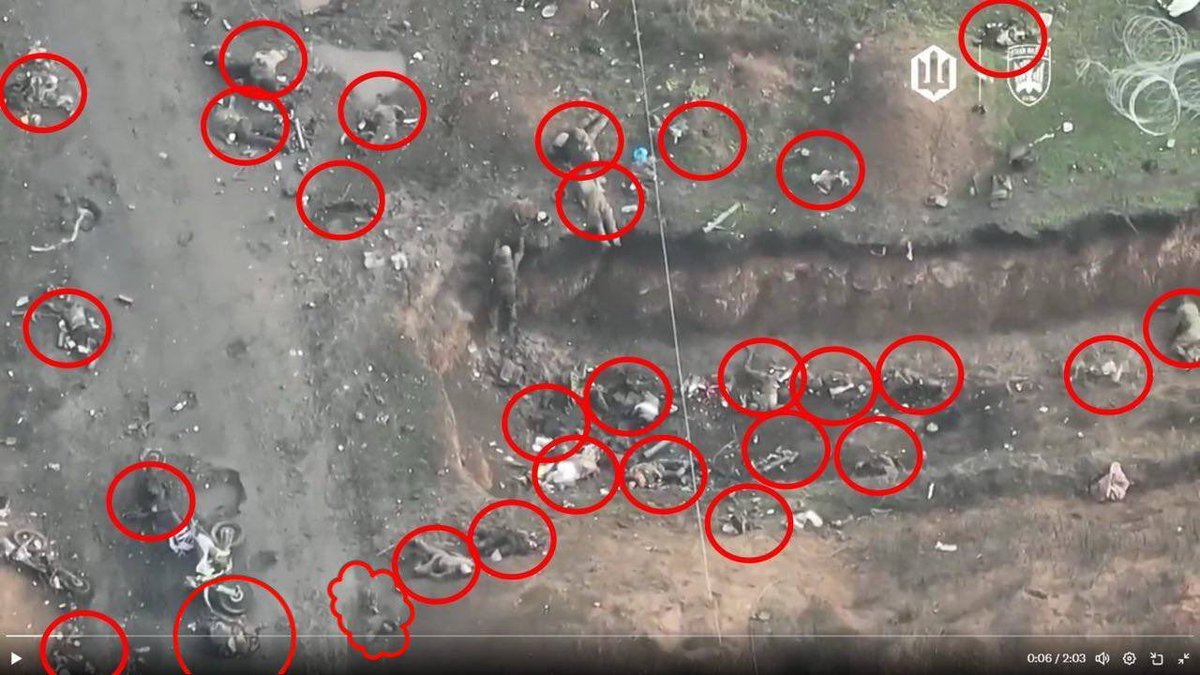





🟥Rus topçu birlikleri Kostyantnivka şehir merkezini ve T0504 otoyolunu ağır şekilde vuruyor. Kostyantnivka'ya son 1-2 aydır bu çaplı bombardıman yapılmamıştı. Sanırsam bu sabah veya yarın Wagner Şirketi Ivanıske'yi almaya çalışacak.
⚡️ RUSSIA'S WAR AGAINST UKRAINE — APR 22, 2026 ■ Highest engagements this month and casualties above average; no confirmed territorial change ■ Drone and land-based equipment losses well below the 7-day average ■ 🇷🇺 overnight attacks below average (all drones), with an improved interception rate ■ 8 🇺🇦 strikes reported; only 🇷🇺 air strikes above average 📈 See dashboard for full data: datastudio.google.com/s/jaiv9GqQBPQ



𝗥𝗼𝘀𝗻𝗲𝗳𝘁 𝗦𝗮𝗻𝗰𝘁𝗶𝗼𝗻𝘀 - 𝗨𝗸𝗿𝗮𝗶𝗻𝗶𝗮𝗻 𝗦𝘁𝘆𝗹𝗲 The Tuapse facility, one of Russia's ten largest refineries at 12 million tons annual capacity, has been offline since April 16 after strikes destroyed port infrastructure and storage tanks. The facility sustained a second strike on April 20, igniting the tank farm again before repairs from the first attack were even complete. The Sheskharis export terminal at Novorossiysk, Russia's primary Black Sea crude export hubs, was also struck April 5-6. The Novokuybyshevsk refinery in Samara Region, capacity approximately 8.8 million tons per year, was struck on April 18 with key installations put out of action. The cumulative effect on output is significant. Russia's April oil production is estimated to have fallen by 300,000 to 400,000 barrels per day from earlier 2026 averages. Russian oil and gas revenues fell 45.4% year-on-year in Q1 2026, with the federal budget deficit already exceeding its full-year target before April even closed. • #OSINT #Ukraine

Internet restrictions in Russia have become a source of widespread public frustration. According to Russian sociologists, disruptions to mobile internet and messaging services have already affected roughly three-quarters of the population. For most people, this has created real difficulties, while for about a quarter it has seriously complicated daily life. Even Putin’s official approval rating has dipped slightly (by around 2%). Most respondents, however, blame "bad officials" rather than Putin himself. Russians are not dissatisfied because of a loss of freedoms - they are accustomed to that. What they object to is that the state has struck at the basic infrastructure of everyday life. The main impact is on private life and personal comfort. For years, the Russian system operated on a simple principle: stay out of politics, and the state will leave you a minimum level of privacy. That is precisely the space it is now intruding into. The absence of reliable internet affects payments, taxis, delivery services, navigation, work, and communication with family. These restrictions do not target only the opposition. They hit the urban middle class, small businesses, regime-loyal groups, and border regions alike. The state is not blocking an external political platform - it is disrupting taxis, deliveries, banking services, and communication in a society that already depends on digital infrastructure and has few alternatives. Dissatisfaction has already spread beyond those opposed to the regime. According to the Levada Center, for around 20% of citizens, internet restrictions have seriously complicated daily life. Businesses in Moscow estimated losses from five days of outages at 3-5 billion rubles (~$33-54 million), with courier services, taxis, car-sharing, and retail among the hardest hit. As a result, the issue now irritates not only regime critics but also its loyal supporters. The most dangerous effects are visible in border regions. In Russia’s Belgorod region, governor Gladkov was forced to acknowledge the legitimacy of residents’ complaints, as outages caused them to miss alerts about attacks. When restrictions are seen not just as inconvenient but as potentially life-threatening, the official justification - "this is for your protection" - begins to collapse. However, this is not yet a protest wave. Sociologists indicate that most people still perceive the situation as severe but manageable discomfort. Russians are angry, complain, look for workarounds, install VPNs, and shift to offline solutions - but do not automatically translate this into collective political action. If the restrictions remain fragmented, a significant share of society will adapt. But if the Kremlin makes disruptions systemic, tightens pressure on VPNs, and begins imposing state-controlled platforms as the only "normal" option, it risks triggering not a mass uprising, but something no less problematic: the erosion of passive loyalty. 📹: a Russian celebrity voices her frustration about Internet shutdown in Russia