Herculaneum Society nag-retweet
Herculaneum Society
643 posts

Herculaneum Society nag-retweet

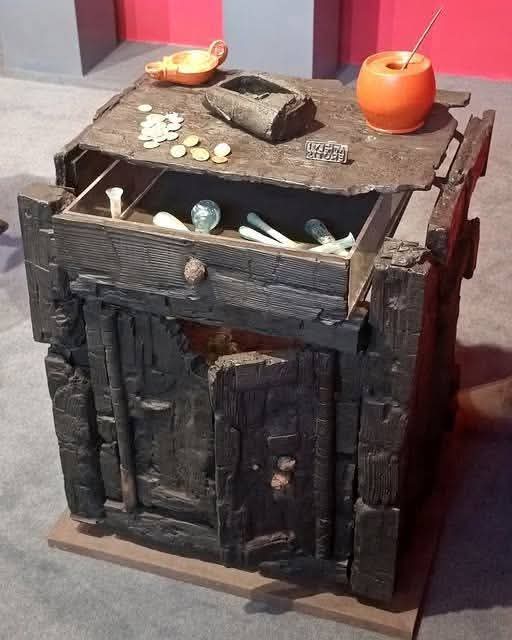
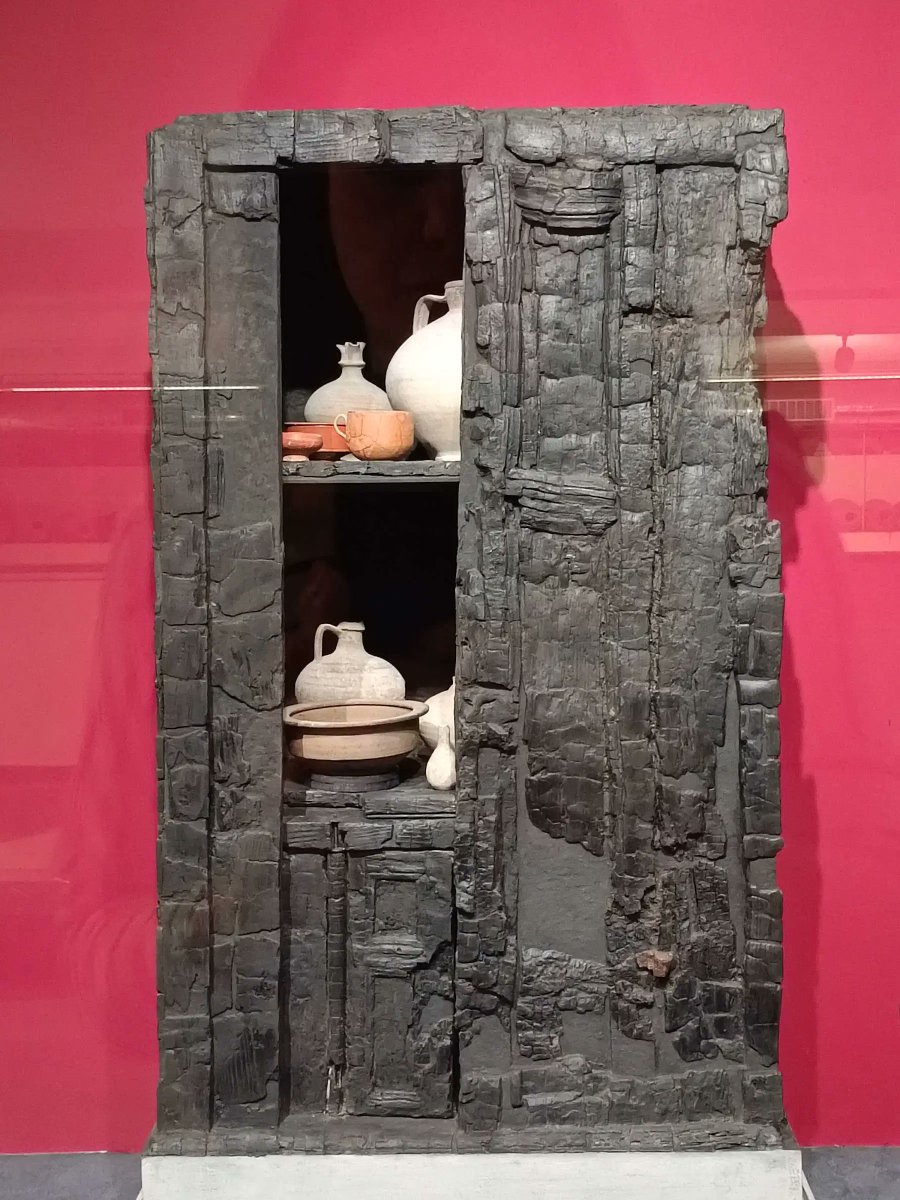
A perfectly preserved Wooden Cupboard, from Herculaneum...
One of the wooden furniture pieces and instruments remained miraculously preserved despite the effects of the eruption.
The intense heat from the volcanic explosion carbonized the wood, effectively freezing it in time and preventing its decay over nearly two millennia. It was discovered with its contents intact during excavations in 1937 next to the Bicentennial House in Herculaneum.
Inside, archaeologists found various domestic items like cups, glasses, and pots, offering a rare glimpse into daily life in ancient Roman Italy. The artifact is a unique archaeological treasure because wooden furniture from antiquity seldom survives.
Antiquarium of Herculaneum
#drthehistories

English
Herculaneum Society nag-retweet

High-fidelity capture in ancient Herculaneum with the #PIX4Dcatch mobile scanning app! Intricate details on this monument, incl. molding, are perfectly reproduced ✨ Viewed with the #GaussianSplatting output in #PIX4Dcloud 🏛️ #3DMonday
To PIX4Dcatch: pix4d.com/product/pix4dc…
English
Herculaneum Society nag-retweet

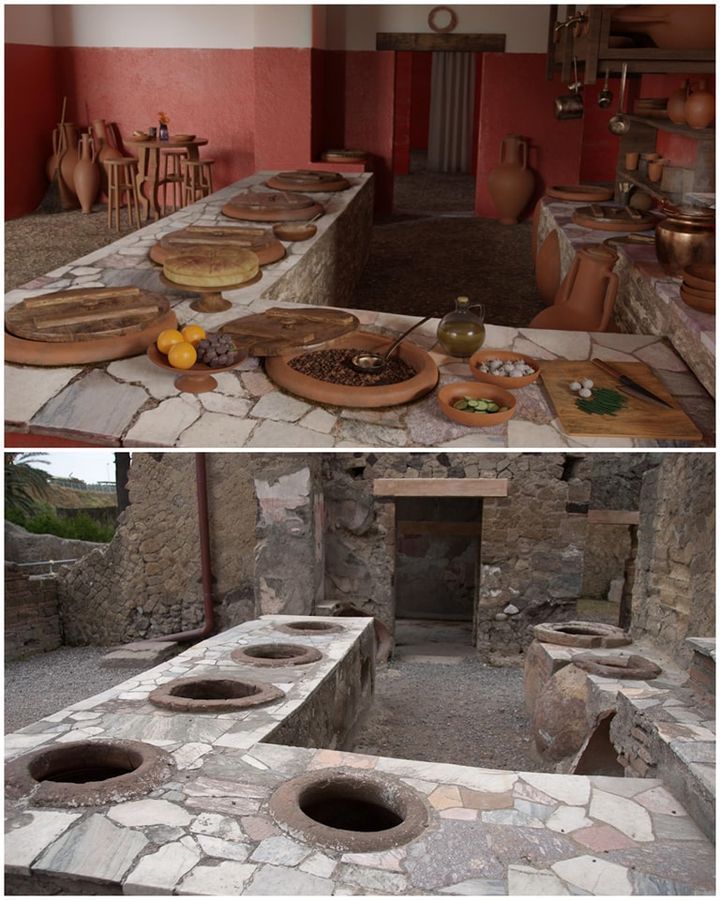
The Grande Taberna In Herculaneum, then and now.
#italy #travel #art #roma #photography #architecture #love #culture #travelphotography

English
Herculaneum Society nag-retweet

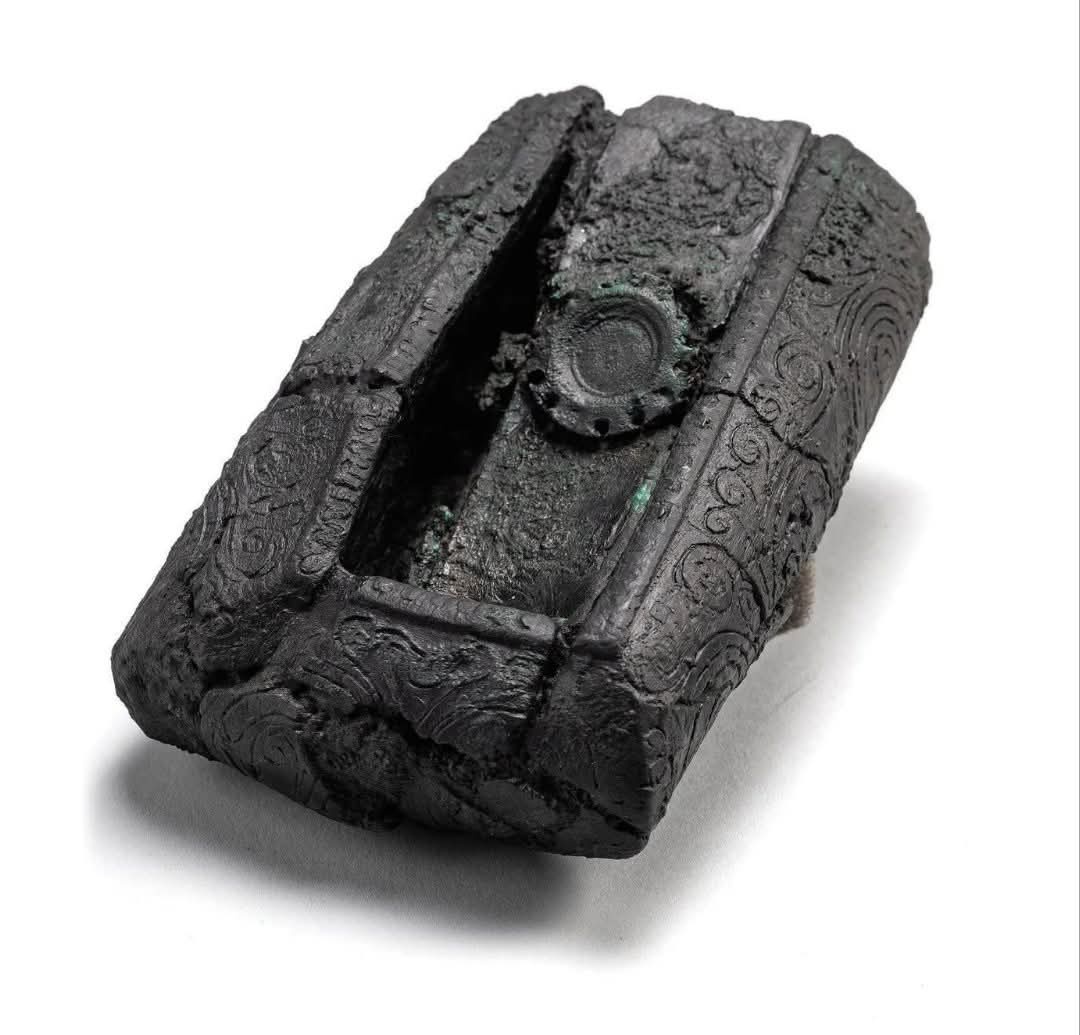
The catastrophic eruption of Mount Vesuvius in October 79 AD, which engulfed the Roman towns of Pompeii and Herculaneum, provides an unparalleled glimpse into ancient daily life. Among the remarkably preserved artifacts unearthed from Herculaneum is a wooden money purse, carbonized by the superheated pyroclastic flows that swept through the town. This particular purse, originating from the House of the Double Atrium and dating to 1st Century AD, is invaluable not only for its survival but also for its very existence.
Prior to the discoveries at Pompeii and Herculaneum, such decorated wooden purses with sliding lids were largely unknown in the historical record. Their perishable nature meant they rarely survived the passage of time, leaving archaeologists and historians with little evidence of their form or function. The intense heat of the Vesuvius eruption, however, paradoxically preserved these delicate items through carbonization, effectively creating charcoal replicas that withstood millennia. A number of these purses have been found, some even containing their original coins, offering tangible proof of their widespread use.
The Herculaneum money purse thus stands as a testament to the destructive power of Vesuvius and the incredible preservation it afforded. It illuminates a previously unseen aspect of Roman material culture, demonstrating the craftsmanship involved in everyday items and the practicalities of financial transactions in 1st Century AD. These discoveries underscore the immense archaeological significance of Pompeii and Herculaneum, continually revealing new details about a civilization thought to be thoroughly documented.
#archaeohistories

English
Herculaneum Society nag-retweet

Graffiti scrawled on the walls of Herculaneum and Pompeii, was preserved in metres of volcanic material following cataclysmic eruption of Mt. Vesuvius in 79 AD. Researchers experience ancient past only through these words of ordinary people themselves from large number of graffiti, signs and electoral posters which have survived and which give a unique insight into their thoughts, hopes and desires.
Over 5000 wall graffiti have been found in Pompeii alone. These contain mostly name tags, but also include greetings, messages, obscenities, quotes from famous literary works, drawings of animals and gladiators, numbers, dates, and prices. In short, they reflect everyday life: greetings of a certain Tyrannus (possibly a slave) to Cursor (his friend?), multiple signatures of a certain Rufus in garden of large Casa del Menandro, gossip about the girl Romula who “had 1000 men”, a message from Severus to Successus claiming girl Iris for himself, numbers documenting business transactions in shops, a customer complaining about too much water mixed into wine, gladiator Oceanus winning against his opponent Aracintus.
In theatre of Pompeii, where a large number of graffiti are concentrated, graffiti often imitate one another. This probably is same phenomenon that we can observe in modern touristic hotspots: graffiti accumulate in heavily trafficked places, with one graffito inspiring others. This, too, reflects a typical behavioral pattern: people do what other people do; a wall is much more likely to be tagged when there are already tags present to reduce the possible inhibition associated with marking public property.
Walls of Pompeii seem to have been used for daily interactions and reveal little stories about neighbourhood characters and life in town. Such local anecdotes might not be of interest for those studying main events and vicissitudes of history, but they do help us understand how people communicated publicly about private things, left marks on spots they passed, and displayed personal connections such as friendship and love, but also anger and rivalry, on wall. In brothel of Pompeii, dozens of (male) visitors even left commemorations of their visits, visible to all following clients.
In this respect, ancient graffiti were not that different from modern social media as a form of self-display and self-commemoration. They differ, however, despite the homonymy, from modern (sprayed) graffiti in important ways. They were, for example, smaller and visually more discreet, so that they must have been rather difficult to spot if you did not know where to look or what to look for. Fact that preponderance of Pompeian graffiti was made inside houses calls into question our modern assumption, shaped by contemporary graffiti of graffiti-writing as an illegal practice.
Pompeian graffiti were also subject to phases and trends; gladiators and ships belonged to favourite motifs for sketches and writing names in shape of a ship soon caught on as well; same lines from popular literature were written on walls over and over again and greetings mostly repeat same, fixed phrase that we also find in Roman letters. When a certain Aemilius began to write his name backwards, two other men, Curvius and Sabinus, took up practice as well, until all three of them were messaging each other in this manner on walls of one particular house. Word “Menedemerumenos”, whose meaning we do not know, also came into fashion at some point and spread all over town, perhaps as a kind of riddle or game. Although these marks, messages, and stories incised into Pompeian buildings are personal expressions, they are, at same time, often formulaic to the point of redundancy. Meant as an individual self-display, the graffiti clearly reveal patterns of human behaviour in general as well as local writing fashions.
© Polly Lohmann
#archaeohistories

English
Herculaneum Society nag-retweet

Herculaneum, Roman sideboard restored after ninety years of silence
finestresullarte.info/en/archaeology…

English
Herculaneum Society nag-retweet

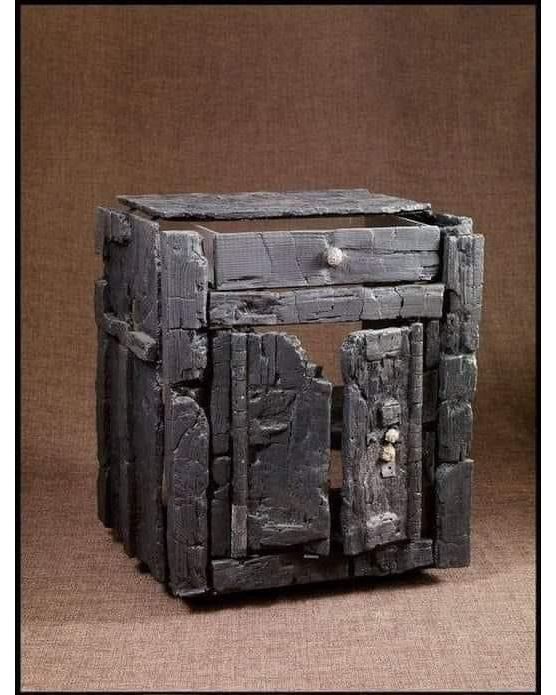
A wooden cupboard found from Herculaneum, carbonized by the eruption of Mt. Vesuvius in 79 AD.
©ï¸ðŸ“¸ Archaeological Museum of Naples
#italy #travel #art #roma #photography #architecture #love #culture #travelphotography

English
Herculaneum Society nag-retweet

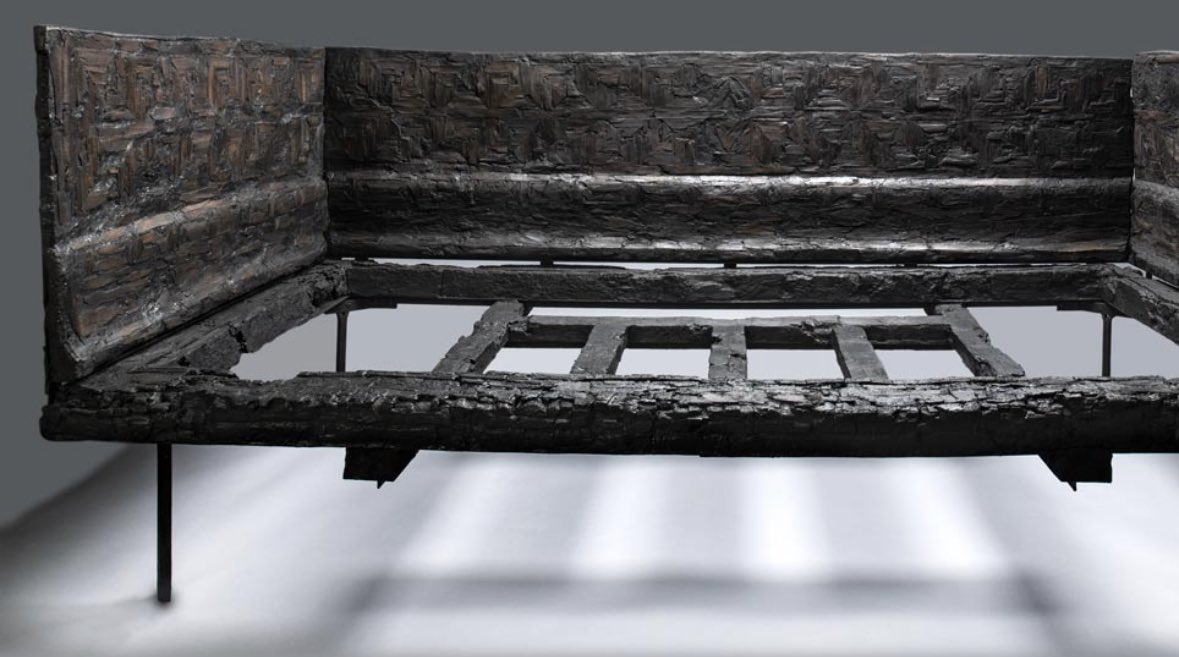
@TorMortensen And this is an astounding original bed of the more comfortable bed type found in the room: the ‘bedstead bed” materiainmostra.it/sala-7-1 This bed with its tall sides was found in Herculaneum
(Image from link above)

English

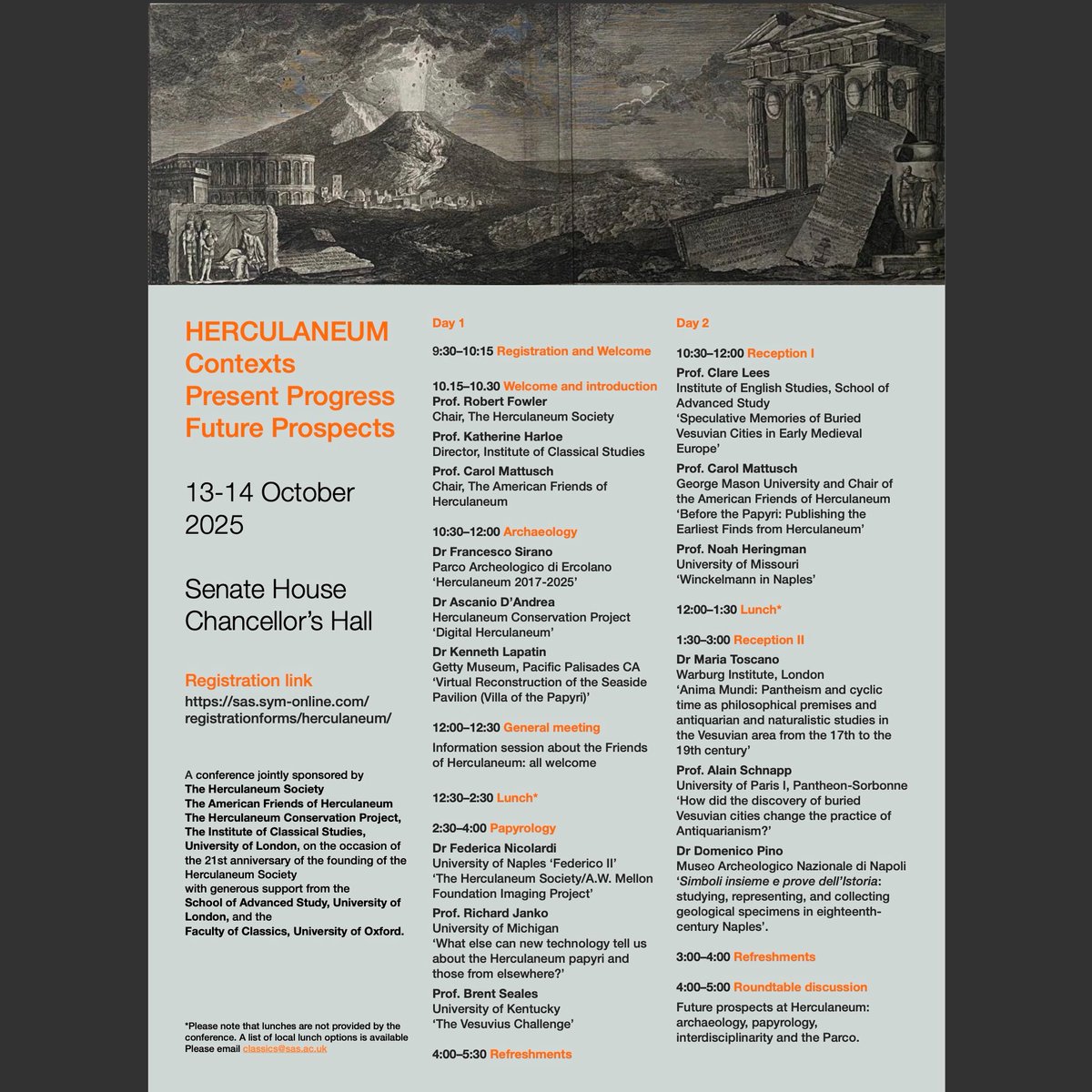
Herculaneum Society conference:
13-14 October 2025, Senate House, University of London
Herculaneum: Contexts, Present Progress, Future Prospects
herculaneum.classics.ox.ac.uk/index.php/even…

English
Herculaneum Society nag-retweet

Tour guides are so cooked.
Currently sightseeing in 🇮🇹 Italy, walking through the ancient city of Herculaneum with ChatGPT as my personal guide.
It’s five times more engaging and answers every question in the style I want simple by pointing at things via the video chat mode.
Feels almost too good to be true.
Screw paying extra for a 2h boring, barely understandable human or some shitty audio guides.
English
Herculaneum Society nag-retweet

A 2,000 year-old Roman advertisement for wine which ranges in price from cheap plonk to the good stuff! 🍷🍷🍷🍷
Painted at the entrance of a shop known as ‘Ad Cucumas’ in Herculaneum, Italy. 📷 by me
#FrescoFriday
#Archaeology

English

Herculaneum Society nag-retweet

Herculaneum Society nag-retweet

When Vesuvius erupted in 79 a soldier died trying to evacuate the beach at Herculaneum. Here's what remains of his equipment.
Belt plates, dagger and the metal tabs once fixed to his pteruges - the leather strips that hung below the belt. #AllMetalMonday

English
Herculaneum Society nag-retweet

Looking down and up an 18th Century AD, access shaft at Herculaneum in Italy 🇮🇹. It leads to a Roman theatre buried beneath.
In 79 AD, Herculaneum was buried during the eruption of Mount Vesuvius. What you see here in the top photo is some of the seating area exposed while most of the theatre is still buried under metres of volcanic debris.
Photos courtesy of Johannes Eber (2023) and Sera Baker (2009).
#drthehistories

English
Herculaneum Society nag-retweet

Luke Farritor is an elite engr on @DOGE
He also won the grand prize in the Vesuvius Challenge, using AI to decode ancient scrolls
He's 21
We underestimate and caricature young ppl at our peril
Watch the video to see what a badass he is
English