

Not Nossyy
5.2K posts


Sharp rise in crude oil will benefit ongc, oil india.
Anyone brought ?
sun@skipnowblr
#oilindia Dtf breakout, stage 2 stock Keep accumulating in every dip Entry range 480-500 Sl- wcb 460 Midterm stocks expecting 40-50% returns.
English

Breakout candle low should be the sl cb.
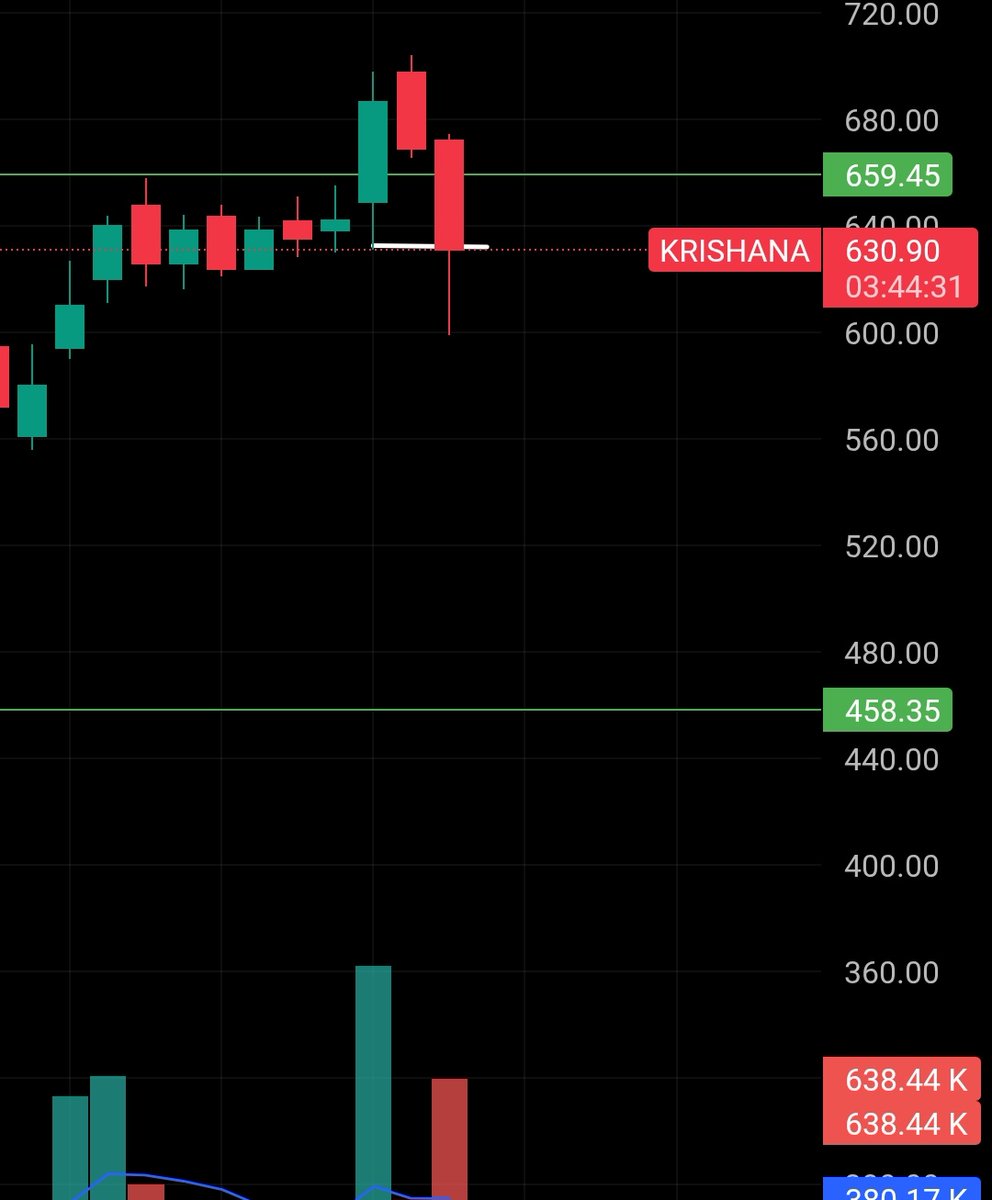
#krishana
sun@skipnowblr
#krishanaposchem above 658 blast Target- 15 to 20%
English


Guys, it’s better to book half your quantity. If the war escalates further, ad there’s no clear ceasefire confirmation from Iran. Even though the structure suggests holding, Trump’s stance indicates selling😅😅😅
English
Not Nossyy nag-retweet
I come back to this video when I lose focus...
English
Setting my fraand..He literally damaged that fekus reputation from left to right😂
Брат@1vinci6le
How to make a video popular & famous? "Ban it" 😊
English
Not Nossyy nag-retweet
Not Nossyy nag-retweet

She literally explained why you must keep going.
Adika@Adikastakes
A moving man will meet his luck
English
Not Nossyy nag-retweet

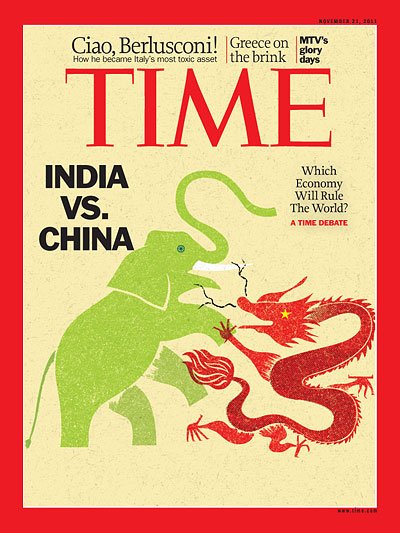
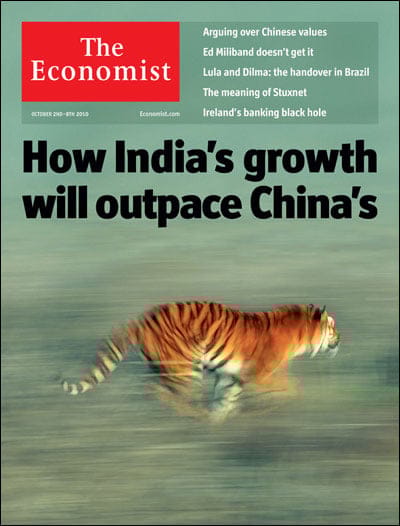
In the 2010s, India was supposed to overtake China in terms of development. Now we're happy we've overtaken Pakistan in terms of development.


The Indian Matrix@indianmatrix
In 1960, the economic starting line for India and Pakistan was nearly identical. India’s per capita income was $84.93, and Pakistan’s was $82.02. For the next thirty years, the two nations remained within striking distance of each other. However, the data for 2025, where India stands at $2,818 and Pakistan at $1,707, demonstrates the story of "The Great Decoupling." It is a chronicle of how one nation eventually broke the shackles of a stagnant socialist past to embrace its civilizational potential. At the same time, the other became trapped in a cycle of radicalization, feudalism, and foreign debt. 1. 1960–1980: The Illusion of the "Golden Decade" Early data shows Pakistan often leading India (e.g., 1970: Pakistan $166 vs. India $114). This wasn't due to superior Pakistani productivity, but rather "Borrowed Growth." Pakistan aligned itself as a Cold War client state, receiving massive infusions of Western aid and military hardware. This created an artificial middle class without a deep industrial base. Meanwhile, India was held back by the "License Raj," a byproduct of Nehruvian socialism that viewed profit as a vice and entrepreneurs with suspicion. This "Hindu Rate of Growth" (which was actually a Socialist Rate of Growth) suppressed India’s natural mercantile spirit for decades.
English
Pathetic bowling and fielding..Remove meesho malinga from team ffs
#SRHvsRCB
English
Not Nossyy nag-retweet

Not Nossyy nag-retweet
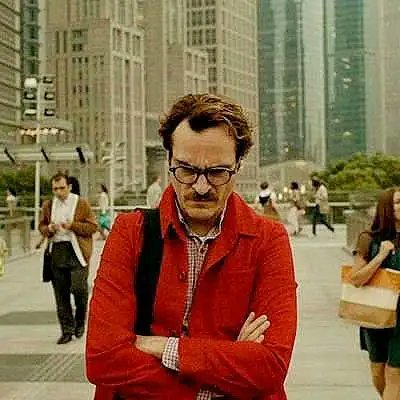
The Prison Break pilot hooked everyone from the start…the setup, the tattoos, the pacing. It’s one of those rare pilots that feels like a full movie and still leaves you desperate for the next episode.
cinesthetic.@TheCinesthetic
Which TV show had you hooked after one episode?
English
I think Rahul is BJParty's agent..He isn't even capitalising the lpg issue..Ppl are not getting lpg and lop is nowhere to be seen..Ffs hit the streets and protest against gov and support the ppl..
English
Not Nossyy nag-retweet

Events that change a man forever
- First time holding his child
- The death of his father
- Getting called that someone he love is gone
- Watching the love of life leave
- Getting left behind at his rock bottom
- Realzing he become what he hate
- Watching mom cry
English
Not Nossyy nag-retweet

They are finally building the road there 😭😭 why did it take them 12 years to do this? Why didn’t our national media cover the pathetic conditions of Faridabad for the last 12 years?
biased indian@RakeshK32229480
Day 9.5 of travelling in Faridabad for my internship 😍😍 This is the road condition on Roshan Nagar Main Road near Sector 91. @MCF_Faridabad @sdm_faridabad — a so-called “Smart City” where the roads are in worse condition than in Somalia or a war-torn country. 12 years 🙏🙏🙏🙏
English
Not Nossyy nag-retweet
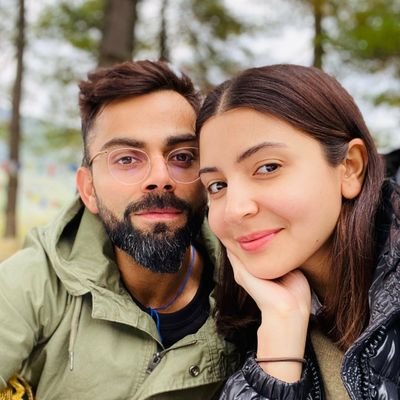
Champions ⭐️⭐️⭐️ Phenomenal win for Team India in Ahmedabad. Absolutely no match for the explosive cricket played by us throughout the tournament. Brilliant character shown by the boys to keep fighting in tough situations and become world champions once again. Congratulations to all the players and all the members of the management for achieving this feat. Jai Hind 🇮🇳❤️
English