OneReach.ai

19.8K posts

OneReach.ai banner
OneReach.ai

OneReach.ai

@OneReach

Agent Platform | Named a Leader by Gartner, Forrester, IDC and others #AIAgents #AgenticAI #AIOrchestration #Automation

United States Sumali Ekim 2009
3.1K Sinusundan3.6K Mga Tagasunod
OneReach.ai
OneReach.ai@OneReach·
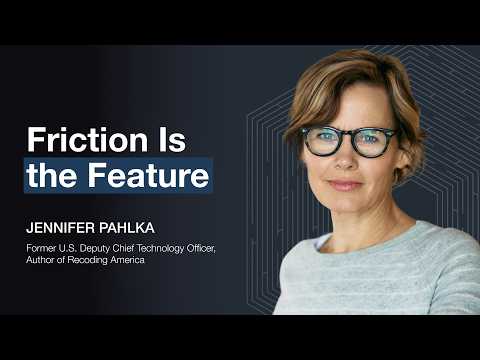
Why does the IRS still use ~60,000 fax machines? “Folk law” — rules nobody can trace, but everyone follows. Jennifer Pahlka on how government optimizes for process over outcomes and why friction is the real problem. The episode is out now: youtu.be/LQiDfVS8ZhA #GovTech #AI
YouTube video
YouTube
OneReach.ai tweet media
English
0
0
0
14
OneReach.ai
OneReach.ai@OneReach·
We are pleased to be included in the recent Gartner® research, “Beyond Agent Sprawl: The Rise of AI Agent Management Platforms,” which highlights the emerging market for Agent Management Platforms (AMPs). Get a complimentary copy of the Gartner Report: onereach.ai/gartner-downlo…
OneReach.ai tweet media
English
0
0
0
26
OneReach.ai
OneReach.ai@OneReach·
Forget about SaaS sprawl. AI agent sprawl is happening. Every department. Every function. Agents everywhere — and no one owns the program. 👉 The agent sprawl problem, explained: onereach.ai/blog/why-compa… #AI #AIAgents
OneReach.ai tweet media
English
1
0
1
23
OneReach.ai
OneReach.ai@OneReach·
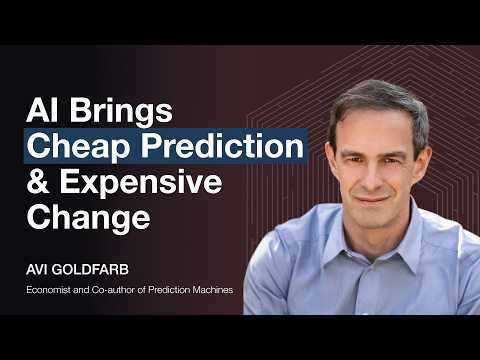
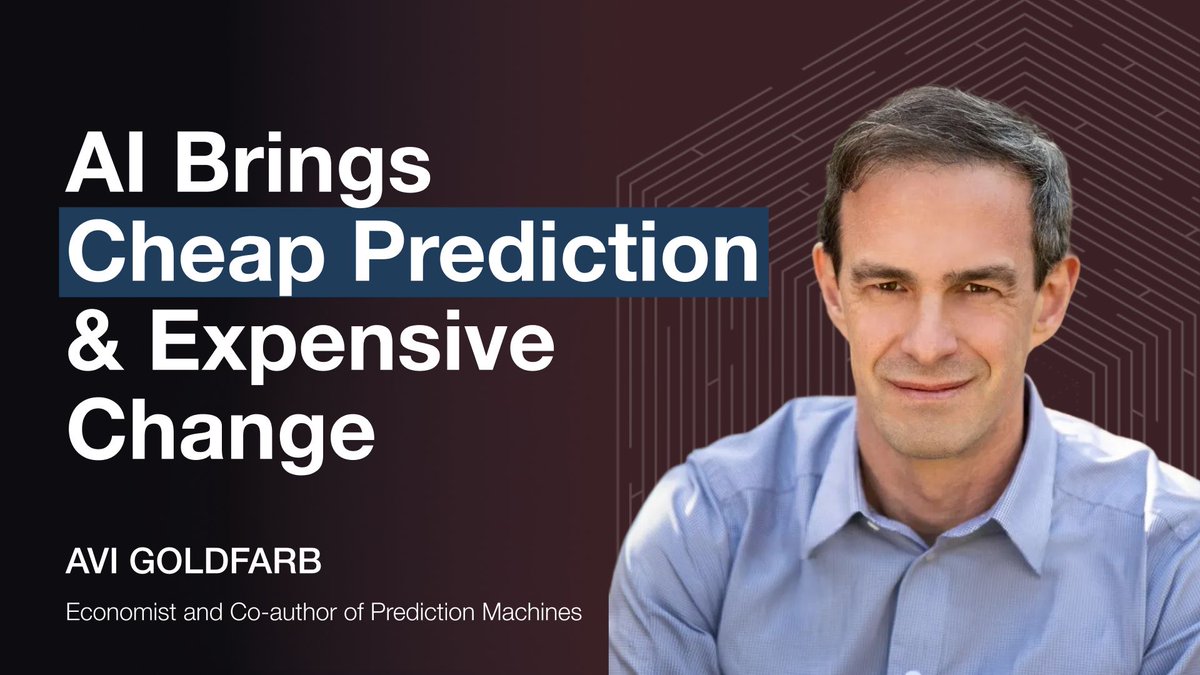
#AI makes prediction cheap. In the new episode of Invisible Machines, economist Avi Goldfarb explains why AI adoption follows economic logic — and why internal resistance, not tech limits, blocks real transformation. 🎙️ Watch the episode: youtu.be/kS_Fl3y_xUs #EnterpriseAI
YouTube video
YouTube
OneReach.ai tweet media
English
0
0
0
21
OneReach.ai
OneReach.ai@OneReach·
🎙️ Joe DosSantos (VP of Enterprise Data & Analytics at Workday) joins Robb Wilson and Josh Tyson to explain why enterprises need canonical knowledge and data governance to sharpen the predictive capabilities of #LLMs. ▶️ Full episode: youtu.be/_-Ey24R15xU #AgenticAI #Data
YouTube video
YouTube
English
0
0
1
47
OneReach.ai
OneReach.ai@OneReach·
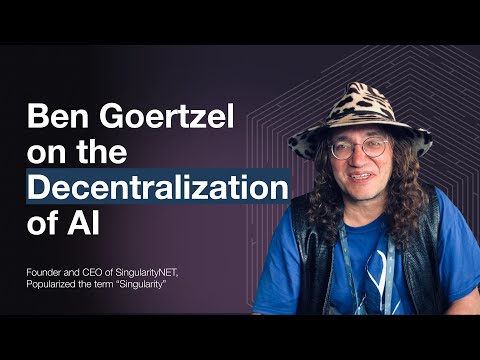
🎙️ On Invisible Machines, Ben Goertzel joins Robb Wilson & Josh Tyson to explain decentralized AI, the end of AI hype cycles, and what a “mathematical singularity” really means. ▶️ The full episode: youtu.be/-lJo51Wt5aY #AGI #AgenticAI #AI
YouTube video
YouTube
English
1
0
0
54
OneReach.ai
OneReach.ai@OneReach·
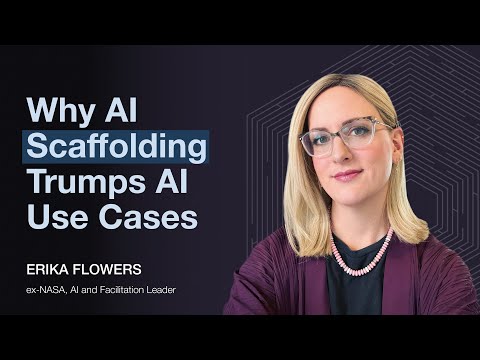
In 2026, #AI scaffolding > AI use cases. Erika Flowers, ex-NASA AI-Readiness leader, joins Robb Wilson & Josh Tyson to reveal why most AI projects fail, and how to finally move from pilot → production this year. Watch: youtu.be/TJeplJ6hcAs #AgenticAI #TechPodcast
YouTube video
YouTube
English
2
0
0
79
OneReach.ai nag-retweet
Reid Hoffman
Reid Hoffman@reidhoffman·
In the coming months and years, there will be more conversations about what the American workforce looks like in the age of AI. Instead of asking whether AI will eliminate ALL our jobs, we should be thinking about how to unlock new jobs created by the AI boom. Today’s WSJ piece highlights the good, well-paying jobs being created right here in the US by AI investment. From the article: An investment boom in artificial intelligence is creating a thirst for massive data centers—and a bonanza for the workers building them. The "gold rush" for talent in the data-center industry means that welders, electricians and construction workers are earning 25% to 30% more, says staffing firm Kelly Services. This is the kind of second-order effect that is routinely underestimated in conversations about who benefits from AI. The reality is that benefits from technology spill outward, often dramatically, into the broader workforce. When industries invest with urgency and ambition, the ripple effects are both broad and egalitarian. Decades ago, America saw this in aerospace manufacturing. Later, in cloud computing. Now it’s data centers. America’s dynamic economy gives us a unique advantage: when a new sector emerges, we can build it here. In a world where China is making massive state-backed bets to dominate advanced technologies, our ability to mobilize capital, talent, and innovation domestically is an essential form of competition. And it’s good for American workers. These projects create high-quality jobs that are rooted in local communities, not outsourced abroad. They strengthen the middle class while reinforcing our position as the global leader in the next era of technology. The AI boom has also granted the United States a real chance to reboot domestic energy production. We’re in an energy race with China, and right now, they’re lapping us. China added over 300 gigawatts of new energy capacity in 2024 alone, including 216 GW of solar and 75 GW of wind. The U.S., by comparison, added around 45–50 GW across all sources. If we applied the same national ambition to domestic energy (particularly clean, abundant, reliable energy) the gains would be similarly dramatic. Modernizing transmission lines, building next-generation nuclear, expanding geothermal, and upgrading grid storage: these projects require tens of thousands of skilled workers. They produce long-term, geographically diffuse economic value. And they accelerate innovation by giving entrepreneurs and scientists a stable foundation to build upon. We’re on the cusp of a generational economic opportunity. AI is pushing American industry to invest in ways that have immediate, measurable benefits for everyday workers. If we extend that ambition—if we apply the same spirit of innovation and coordinated action to energy—the result won’t just be technological leadership. It will be a broad-based renewal of the American workforce.
English
82
71
468
81.2K