Unsolved: Mysteries of History

997 posts

Unsolved: Mysteries of History banner
Unsolved: Mysteries of History

Unsolved: Mysteries of History

@Unsol

Retelling the tales of some of the most intriguing mysteries of all time.

Sumali Eylül 2023
6.3K Sinusundan6.7K Mga Tagasunod
Naka-pin na Tweet
Unsolved: Mysteries of History
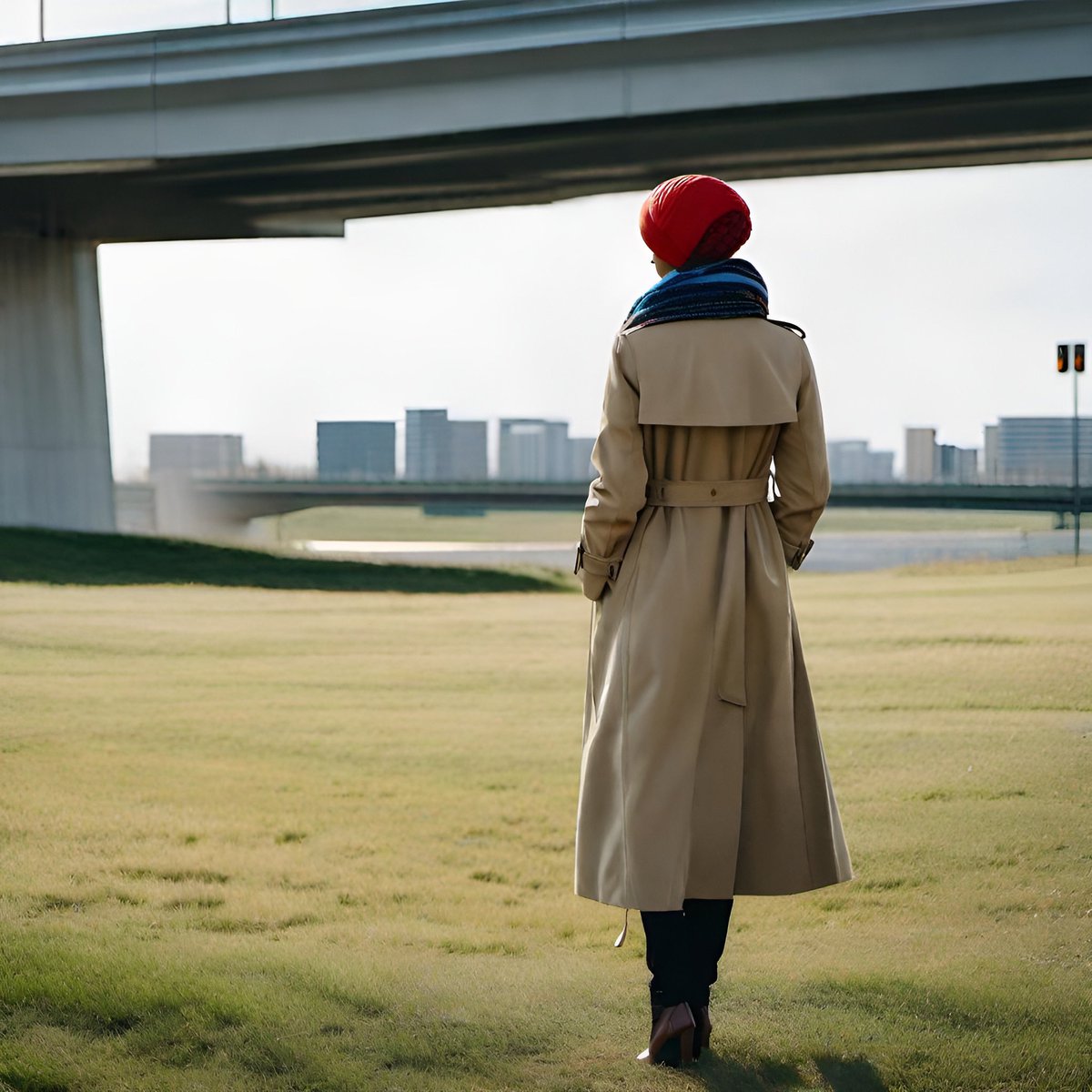
Unsolved: The Babushka Lady Near the Kennedy Assassination - The "Babushka Lady" is a mysterious figure associated with the assassination of President John F. Kennedy on November 22, 1963, in Dallas, Texas. She gained her nickname because she appeared to be an elderly woman with a headscarf, reminiscent of the traditional clothing worn by Russian grandmothers (Babushkas). The Babushka Lady was described as a Caucasian woman, likely in her 40s or 50s, with light brown hair. She wore a brown overcoat and a headscarf that covered her head and neck. Several photographs and film footage of the Kennedy assassination captured the Babushka Lady's presence. She was seen standing along Elm Street near the grassy knoll, very close to where the fatal shots were fired. What makes the Babushka Lady intriguing is her actions during the assassination. She was one of the few people who seemed to be photographing or filming the events as they unfolded. She held a camera, possibly a movie camera, to her face for an extended period, as if recording the assassination. Despite being present at such a historic and tragic event, the Babushka Lady's identity remains unknown. She never came forward to provide her footage or photographs to the authorities or media. While other witnesses' photos and films of the assassination have been analyzed and released to the public, the Babushka Lady's film remains missing. It's unclear whether she captured any critical evidence. After the assassination, the Babushka Lady was seen briefly in the crowd but soon disappeared from the scene. Despite efforts by investigators and researchers to identify her, her true identity has never been confirmed. Many theories have emerged about the Babushka Lady's identity and her role in the assassination. Some believe she may have had important evidence that could shed light on the events of that day. Others think she may have been a government agent or a journalist covering the event. It's unclear why the Babushka Lady never came forward with her footage or identified herself. Some speculate that she feared for her safety or had a particular reason to remain anonymous. The Babushka Lady's identity and the potential significance of her footage remain one of the enduring mysteries surrounding the Kennedy assassination. Despite the numerous investigations and inquiries over the years, her true identity and the fate of her film or photographs remain elusive.
Unsolved: Mysteries of History tweet mediaUnsolved: Mysteries of History tweet mediaUnsolved: Mysteries of History tweet mediaUnsolved: Mysteries of History tweet media
English
37
16
141
16.1K
Unsolved: Mysteries of History nag-retweet
The Dude Abides
The Dude Abides@_bigredj·
3 memes that raised me better than my parents: 1. Numa Numa Guy (taught me unhinged joy) 2. Hamster Dance (peak 56k brain rot) 3. It’s Muffin Time (someone dies today) your turn or you’re ngl a millennial in denial 🫵
GIF
GIF
GIF
English
2
1
5
223
Unsolved: Mysteries of History
The Boleskine House Phenomena refers to a series of mysterious events and occult practices associated with Boleskine House, a manor located on the southeastern shore of Loch Ness in the Scottish Highlands. This house has long been linked to strange occurrences, largely due to its connection with the famous occultist Aleister Crowley. ### Historical Background Boleskine House was built in the late 18th century by Colonel Archibald Fraser. It has a rich history that predates its most infamous resident, Aleister Crowley. ### Aleister Crowley and Boleskine House Aleister Crowley purchased Boleskine House in 1899, specifically because it met the requirements for performing the sacred rituals described in "The Book of Abramelin." Crowley was an English occultist, ceremonial magician, poet, painter, and mountaineer, who founded the religion of Thelema. He sought to perform a six-month-long ritual called the "Abramelin Operation," which required seclusion and specific conditions that Boleskine House could provide. #### The Rituals and Their Impact The Abramelin Operation is intended to invoke one’s Holy Guardian Angel. Crowley claimed to have initiated this ritual but was allegedly interrupted before its completion, leaving the house spiritually "open" to various supernatural forces. This incomplete ritual is often cited as the origin of many of the house's reported paranormal activities. ### Reported Phenomena 1. **Hauntings and Apparitions**: Visitors and subsequent owners of Boleskine House have reported seeing strange apparitions, including shadowy figures and ghostly shapes. 2. **Poltergeist Activity**: Objects are said to have moved on their own, unexplained noises were frequently heard, and doors reportedly opened and closed by themselves. 3. **Mental Disturbances**: Several individuals who spent time at Boleskine House claimed to have experienced mental disturbances, including feelings of dread, paranoia, and unease. 4. **Animal Behavior**: There are stories of animals behaving strangely or aggressively while on the property, which some attribute to the lingering dark energies. ### Notable Incidents 1. **Fire**: In 1965, a fire severely damaged part of the house. There have been claims that this was not an ordinary fire, but rather something sparked by the occult forces at play. 2. **Jimmy Page Ownership**: In the 1970s, Led Zeppelin guitarist Jimmy Page, an avid follower of Crowley, bought Boleskine House. During his ownership, he reported strange occurrences and hired a caretaker, Malcolm Dent, who experienced significant paranormal activity. ### Subsequent Owners and Fires After Page sold the house, it went through various owners, each of whom has reportedly experienced their own share of unusual phenomena. In 2015, the house was extensively damaged by another fire, and in 2019, another fire caused further destruction. ### Current Status Boleskine House has been undergoing restoration efforts to preserve its historical and cultural significance. The Boleskine House Foundation, established by the current owners, aims to restore the property and open it to the public while respecting its complex history. ### Theories and Interpretations 1. **Psychological**: Some believe the phenomena can be explained by the power of suggestion, where the house's dark reputation influences the perceptions and experiences of those who visit. 2. **Occult**: Others maintain that the house remains a focal point for occult energies and unfinished rituals, as Crowley’s interrupted rituals supposedly left a gateway to other realms open. 3. **Skeptical**: Skeptics argue that there is no concrete evidence to support the claims of paranormal activity, attributing the stories to folklore, coincidence, and the house's isolated location. ### Conclusion The Boleskine House Phenomena remains a blend of historical fact, occult legend, and personal testimony.
Unsolved: Mysteries of History tweet mediaUnsolved: Mysteries of History tweet mediaUnsolved: Mysteries of History tweet mediaUnsolved: Mysteries of History tweet media
English
2
5
15
1.7K
Unsolved: Mysteries of History
Unsolved: the Bog Bodies - The mystery of the Bog Bodies found in Europe is a fascinating archaeological enigma that has intrigued scholars and the public for centuries. These bodies, remarkably preserved in peat bogs across Northern Europe, provide a rare glimpse into ancient civilizations and their customs, yet they also raise numerous questions about their origins, identities, and the circumstances surrounding their deaths. The first recorded discovery of a bog body dates back to the 17th century in Denmark, but significant finds have occurred throughout Northern Europe, including Ireland, the Netherlands, Germany, and the United Kingdom. Bog bodies are typically well-preserved, with skin, hair, and internal organs often intact. Many display evidence of violent deaths, such as blunt force trauma, strangulation, or ritualistic killings. Some bodies show signs of deliberate burial or deposition, while others appear to have been discarded in the bog. Radiocarbon dating has been instrumental in determining the ages of bog bodies, placing them within various historical periods spanning from the Bronze Age to the Iron Age and even into the medieval period. This wide chronological range suggests that bog bodies were deposited over several millennia. The exact circumstances of how and why bog bodies ended up in the bogs remain speculative. While some may have been victims of ritual sacrifices or executions, others could have been individuals who met accidental deaths or were disposed of in the bogs for reasons yet unknown. Many scholars believe that some bog bodies were sacrificial victims, offered to the gods or spirits of the bog as part of religious or ritual practices. The manner in which these bodies were killed, often with elaborate methods of execution or mutilation, suggests a ritualistic significance. The discovery of bog bodies provides valuable insights into the beliefs, customs, and social structures of ancient European societies. The treatment of these bodies, whether as revered sacrificial offerings or as criminals punished and discarded, reflects the cultural values and practices of their respective communities. The study and display of bog bodies raise ethical questions regarding the treatment of human remains and the cultural sensitivities of descendant communities. Debates continue regarding the ethical considerations of excavation, research, and public display of these ancient individuals. Archaeologists, anthropologists, and forensic experts continue to study bog bodies using advanced scientific techniques to unravel their mysteries. Through multidisciplinary approaches, researchers aim to reconstruct the lives, deaths, and cultural significance of these enigmatic figures from Europe's ancient past. The mystery of the Bog Bodies found in Europe remains a compelling subject of study, offering valuable insights into the lives, beliefs, and customs of ancient civilizations. While many questions surrounding their origins and fates persist, ongoing research and scientific advancements hold the promise of uncovering new discoveries and interpretations in the fascinating field of bog body archaeology.
Unsolved: Mysteries of History tweet mediaUnsolved: Mysteries of History tweet mediaUnsolved: Mysteries of History tweet mediaUnsolved: Mysteries of History tweet media
English
6
3
31
3.9K
Unsolved: Mysteries of History
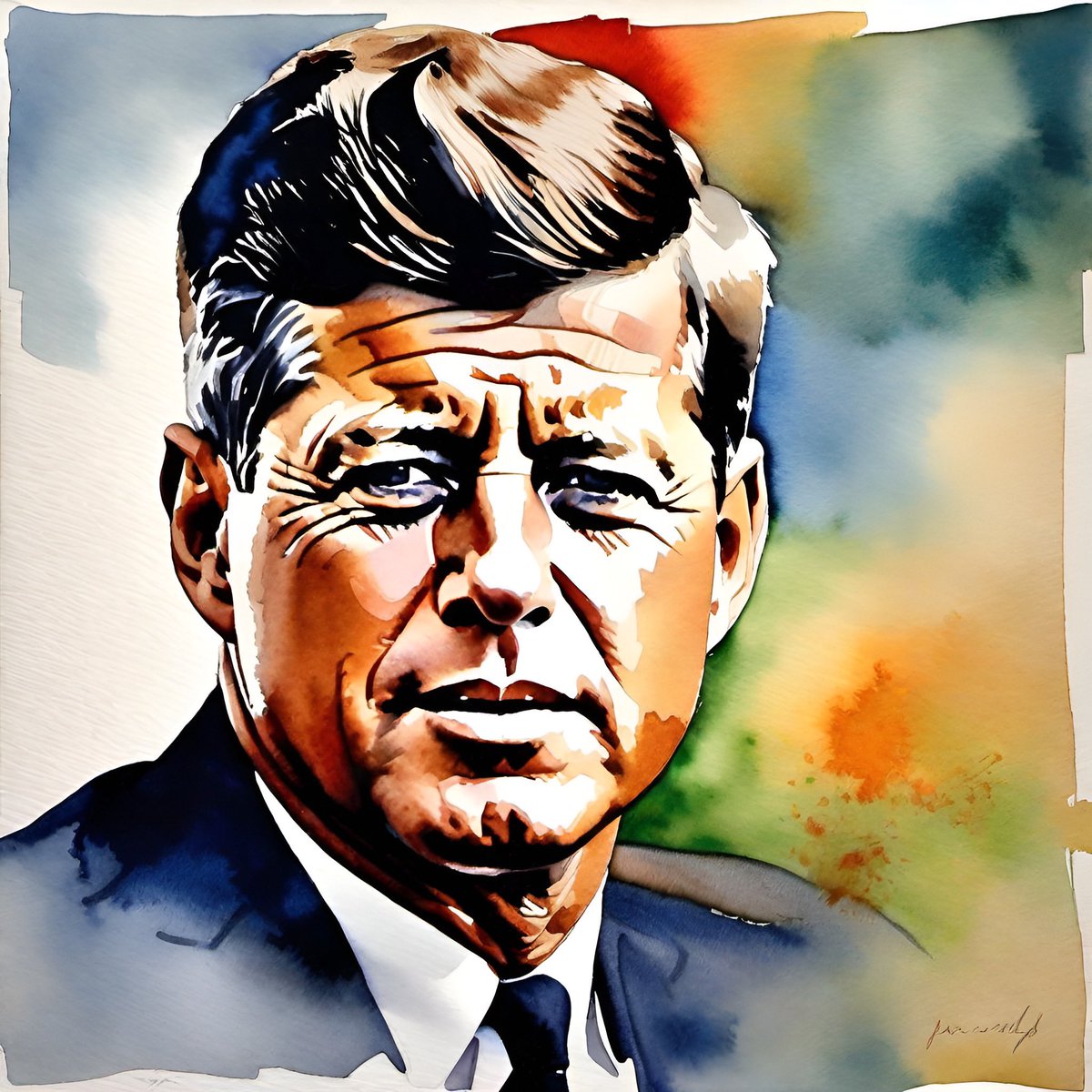
Unsolved: The Babushka Lady Near the Kennedy Assassination - The "Babushka Lady" is a mysterious figure associated with the assassination of President John F. Kennedy on November 22, 1963, in Dallas, Texas. She gained her nickname because she appeared to be an elderly woman with a headscarf, reminiscent of the traditional clothing worn by Russian grandmothers (Babushkas). The Babushka Lady was described as a Caucasian woman, likely in her 40s or 50s, with light brown hair. She wore a brown overcoat and a headscarf that covered her head and neck. Several photographs and film footage of the Kennedy assassination captured the Babushka Lady's presence. She was seen standing along Elm Street near the grassy knoll, very close to where the fatal shots were fired. What makes the Babushka Lady intriguing is her actions during the assassination. She was one of the few people who seemed to be photographing or filming the events as they unfolded. She held a camera, possibly a movie camera, to her face for an extended period, as if recording the assassination. Despite being present at such a historic and tragic event, the Babushka Lady's identity remains unknown. She never came forward to provide her footage or photographs to the authorities or media. While other witnesses' photos and films of the assassination have been analyzed and released to the public, the Babushka Lady's film remains missing. It's unclear whether she captured any critical evidence. After the assassination, the Babushka Lady was seen briefly in the crowd but soon disappeared from the scene. Despite efforts by investigators and researchers to identify her, her true identity has never been confirmed. Many theories have emerged about the Babushka Lady's identity and her role in the assassination. Some believe she may have had important evidence that could shed light on the events of that day. Others think she may have been a government agent or a journalist covering the event. It's unclear why the Babushka Lady never came forward with her footage or identified herself. Some speculate that she feared for her safety or had a particular reason to remain anonymous. The Babushka Lady's identity and the potential significance of her footage remain one of the enduring mysteries surrounding the Kennedy assassination. Despite the numerous investigations and inquiries over the years, her true identity and the fate of her film or photographs remain elusive.
Unsolved: Mysteries of History tweet mediaUnsolved: Mysteries of History tweet mediaUnsolved: Mysteries of History tweet mediaUnsolved: Mysteries of History tweet media
English
37
16
141
16.1K
Unsolved: Mysteries of History
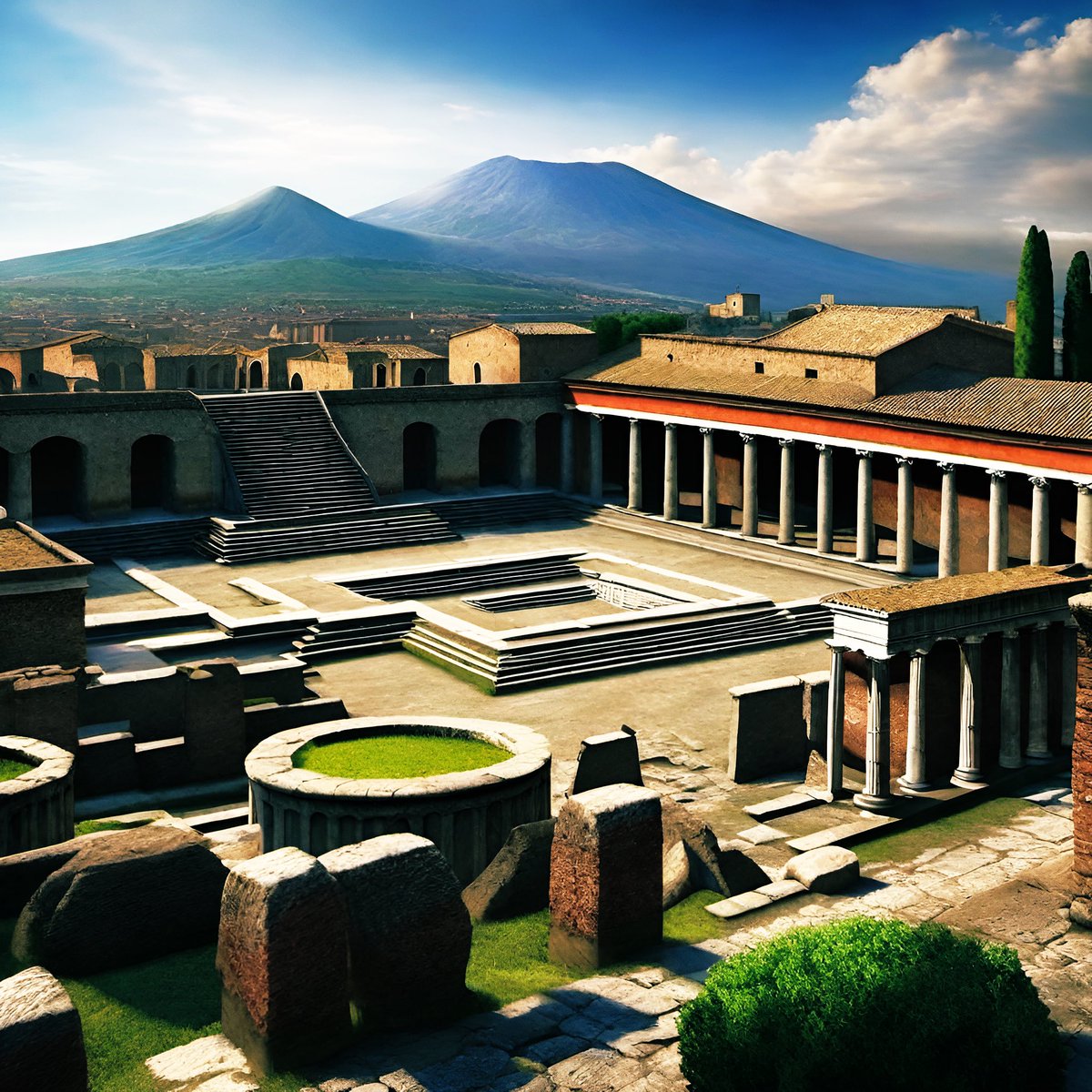
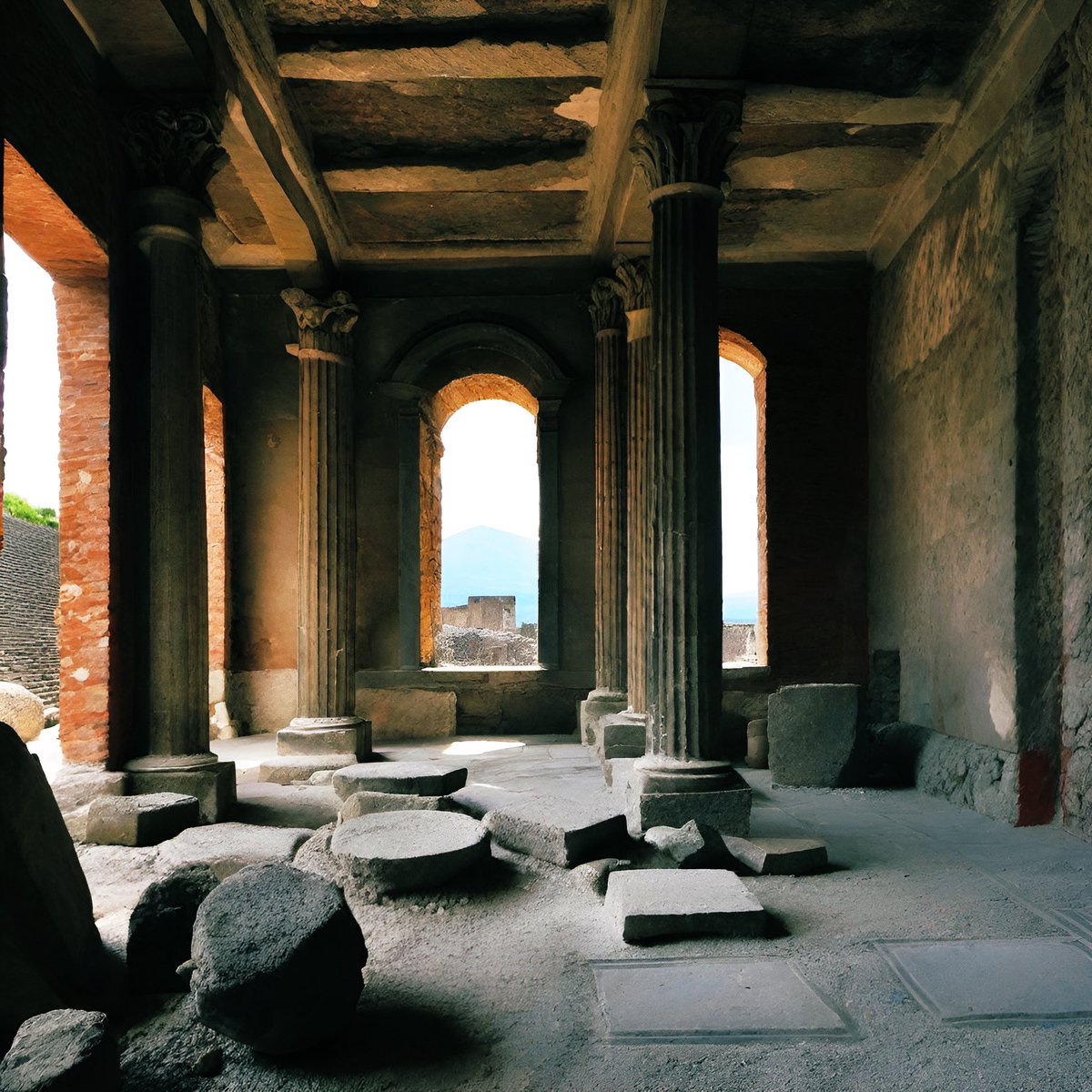
Unsolved: Mysteries surrounding the destruction of Pompeii - The destruction of Pompeii occurred on August 24, 79 AD, when Mount Vesuvius, a volcano located near the city of Pompeii in present-day Italy, erupted catastrophically. The eruption buried the city under a thick layer of volcanic ash and pumice, preserving it in remarkable detail and providing valuable insights into ancient Roman life. Pompeii was a thriving Roman city located in the Bay of Naples region of Italy. At the time of the eruption, it was a prosperous urban center with a population estimated between 10,000 to 20,000 inhabitants. The city was known for its thriving economy, vibrant culture, and luxurious villas. The eruption of Mount Vesuvius that led to the destruction of Pompeii is believed to have begun in the morning hours of August 24, 79 AD. The eruption was characterized by a series of pyroclastic surges and volcanic ash clouds that engulfed the city. The inhabitants of Pompeii were caught unaware by the suddenness and ferocity of the eruption, leading to widespread panic and chaos. The volcanic ash and pumice that blanketed Pompeii quickly buried the city, preserving it under layers of debris for centuries. The rapid burial helped protect the city from natural decay and human interference, resulting in remarkably well-preserved ruins that provide valuable insights into ancient Roman life, architecture, and culture. Despite centuries of research and excavation, several mysteries still surround the destruction of Pompeii: 1. Warning Signs: It remains unclear whether there were any warning signs or precursory activities leading up to the eruption that could have alerted the inhabitants of Pompeii and allowed them to evacuate in time. 2. Casualty Count: The exact number of casualties resulting from the eruption is uncertain, with estimates varying widely. While some scholars suggest a relatively low number of casualties, others believe that a significant portion of the population perished in the disaster. 3. Volcanic Mechanisms: The precise mechanisms of the eruption, including the sequence of events and the specific types of volcanic activity involved, are still debated among geologists and volcanologists. 4. Social Dynamics: The eruption of Pompeii provides an opportunity to explore the social dynamics and human behavior in times of crisis. Questions remain about how different segments of Pompeian society reacted to the disaster and whether there were any attempts to mitigate its impact. The destruction of Pompeii stands as a testament to the power and unpredictability of natural disasters. While much has been learned about the events surrounding the eruption, numerous mysteries persist, underscoring the ongoing fascination with this ancient tragedy and the quest for a deeper understanding of its causes and consequences. This report provides an overview of the mystery surrounding the destruction of Pompeii, highlighting the unanswered questions and ongoing research efforts in this field.
Unsolved: Mysteries of History tweet mediaUnsolved: Mysteries of History tweet mediaUnsolved: Mysteries of History tweet mediaUnsolved: Mysteries of History tweet media
English
5
4
38
4.8K
آمين
آمين@AmineMonologue·
What is the nickname given to Apollo Creed's signature boxing style, characterized by his flashy footwork and rapid combinations? RIP Legend a) The Dancing Destroyer b) The Slugger c) The Counterpunch King
آمين tweet mediaآمين tweet media
English
1
1
13
412
Neo
Neo@ofallrealms·
How strong is your network? Are you building one? Are you alone? Can you be serious and have fun?
Neo tweet media
English
4
0
14
478
IShowClips
IShowClips@ishowclips3·
Being labeled as "negative" in 2024 is actually a compliment, indicating you're on the correct path; continue your journey.
IShowClips tweet media
English
6
0
28
1.5K
Limitless
Limitless@LimitlessMindHQ·
Time does not stop for nobody.
English
1
0
2
57