Avery P. Hill, PhD
29 posts

Avery P. Hill, PhD
@avephill
Mapping the ecosystems of present and future with community science data. Postdoc at the @calacademy he/him or they/them. Mastodon: @[email protected]
Sumali Temmuz 2018
127 Sinusundan223 Mga Tagasunod

I have a new paper out in 𝘛𝘩𝘦 𝘑𝘰𝘶𝘳𝘯𝘢𝘭 𝘰𝘧 𝘈𝘨 𝘢𝘯𝘥 𝘌𝘯𝘷𝘪𝘳𝘰𝘯𝘮𝘦𝘯𝘵𝘢𝘭 𝘌𝘵𝘩𝘪𝘤𝘴 called "Nativeness as gradient: Towards a more complete value assessment of species in a rapidly changing world"
doi.org/10.1007/s10806…
#ecology #ethics #climatechange
English
Avery P. Hill, PhD nag-retweet

It's rewarding to hear a leading voice in the industry recognize the launch of this product - the culmination of the past seven years of my career - as a milestone for both @planet and for the EO sector as a whole
Aravind 🌍 🛰@aravindEO
Recently, @planet announced the launch of its Forest Carbon Diligence product - a global, 30-meter historical time series of forest carbon, as well as tree height and cover, expected to be used in carbon accounting projects.
English

While it's surreal to see a chapter of my dissertation in NYT, I'm grateful for the opportunity to bring the conversation about impending ecological transitions and their implications to a broad audience.
Thanks to coauthors @chrfield @connornolan @khemesphere @trevorcambron
The New York Times@nytimes
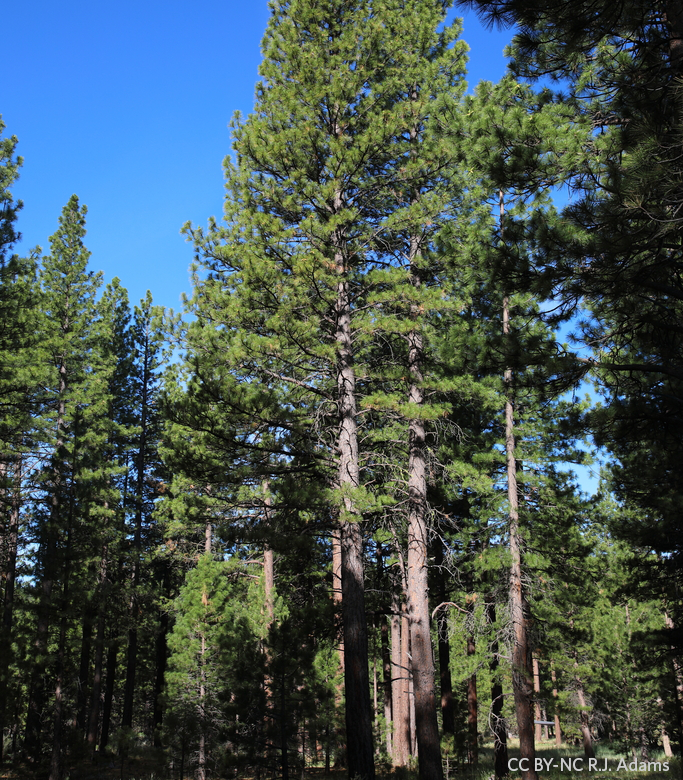
A warming climate has created "zombie forests." A fifth of the conifer forests that blanket California's Sierra Nevada are left stranded in habitats that no longer suit them, according to a new Stanford University study. nyti.ms/3mxC62I
English

A warming climate has created "zombie forests." A fifth of the conifer forests that blanket California's Sierra Nevada are left stranded in habitats that no longer suit them, according to a new Stanford University study. nyti.ms/3mxC62I
English
Avery P. Hill, PhD nag-retweet

What’s a zombie forest? California’s conifers are temporarily cheating death as temperatures rise faster than the trees can shift their range. Research led by Academy postdoc @avephill maps the impact, & could inform conservation methods. Learn more here: bit.ly/3Z5EsV0


English
Avery P. Hill, PhD nag-retweet

Some forests in the Sierra Nevada are mismatched to their climate, which raises questions about how to manage them in the future.
My latest in @Sierra_Magazine:
sierraclub.org/sierra/forests…
English
Avery P. Hill, PhD nag-retweet

As the climate changes, trees struggle to keep up. A new Stanford study finds ~20% of all Sierra Nevada conifers are no longer suited to the climate around them. After a major disturbance like a wildfire, they likely will not return.
🌲 Read more: stanford.io/3SBJWof
English
Avery P. Hill, PhD nag-retweet

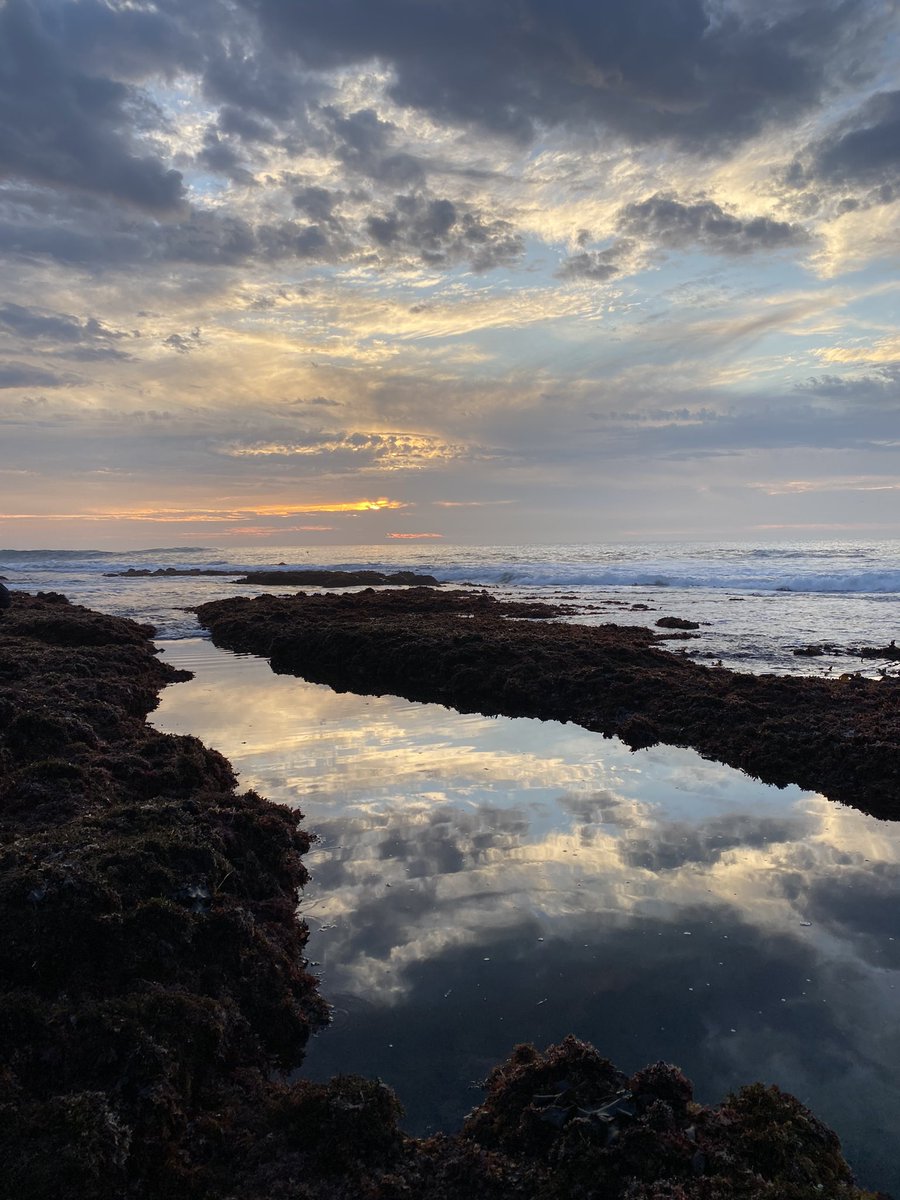
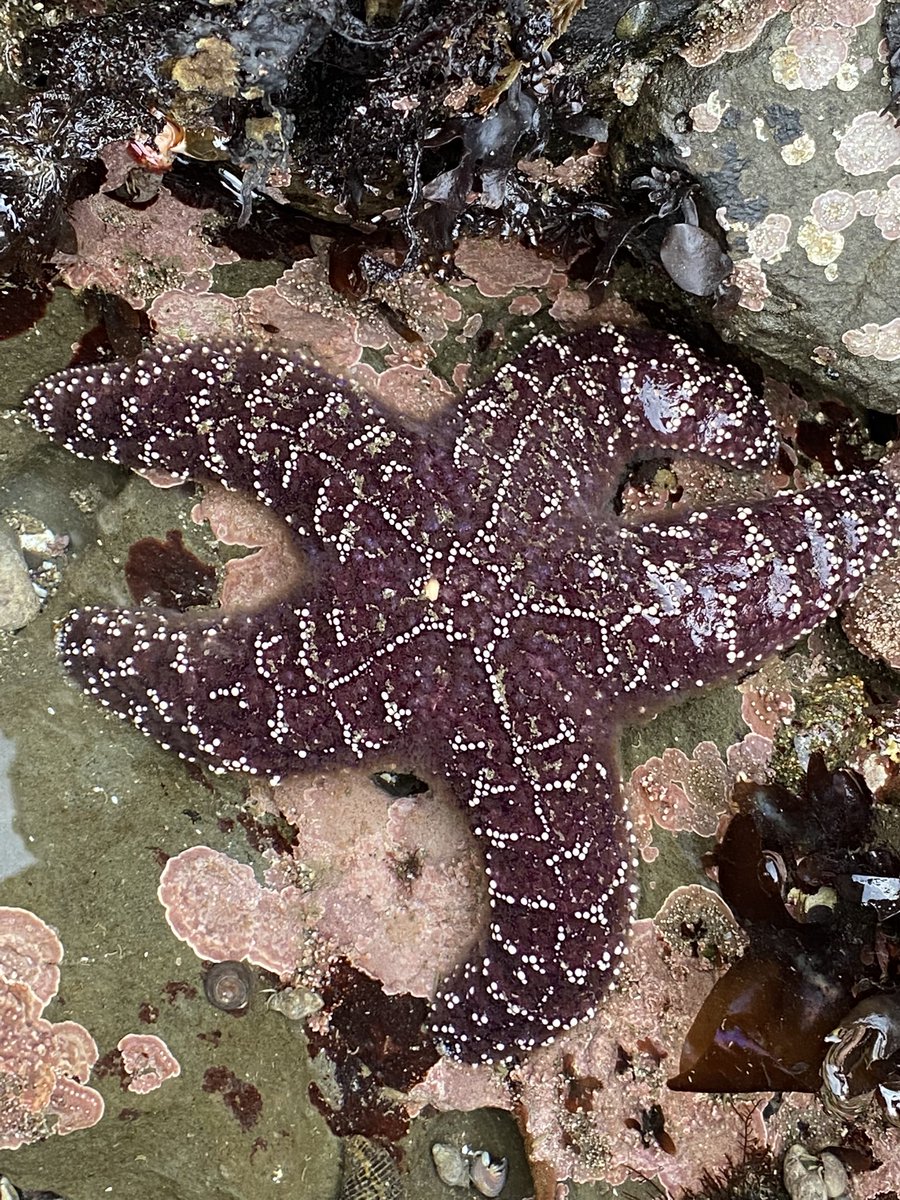
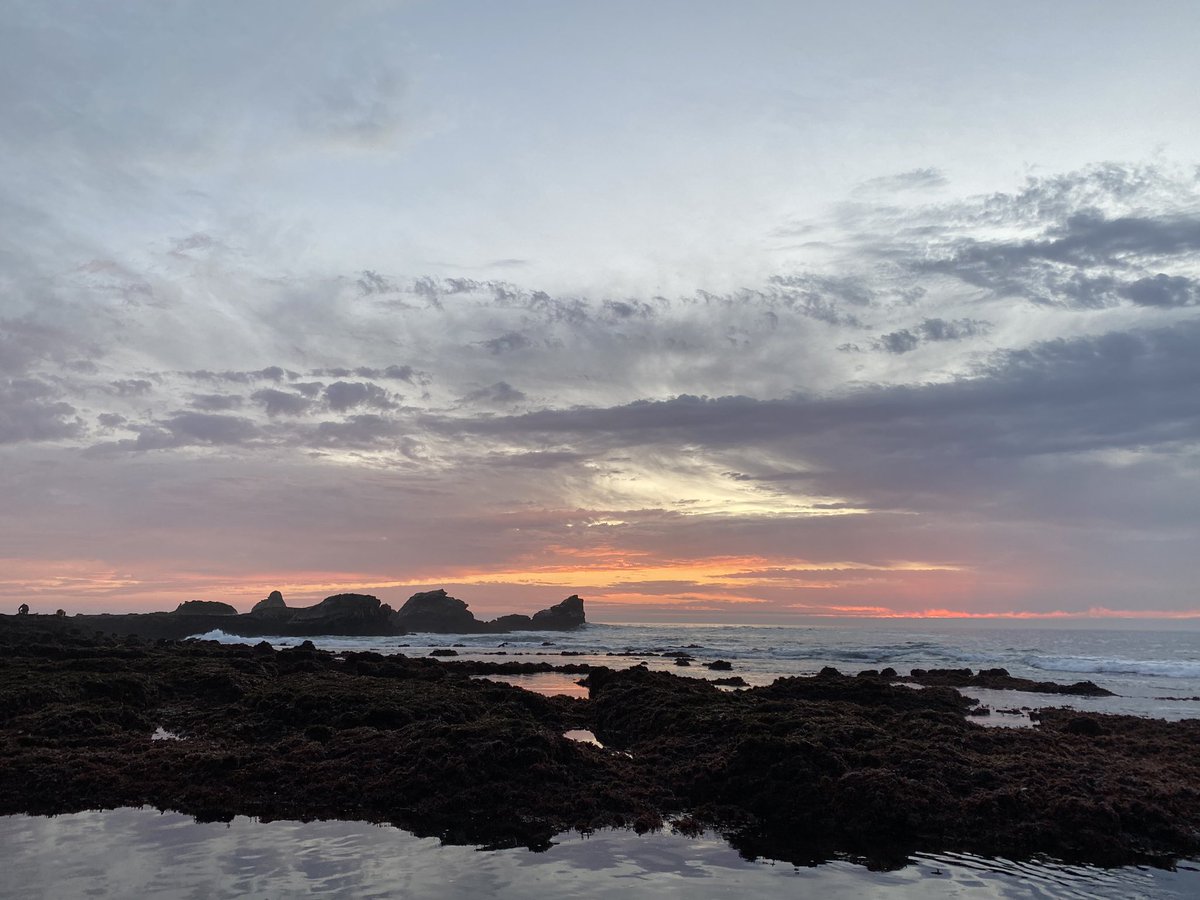
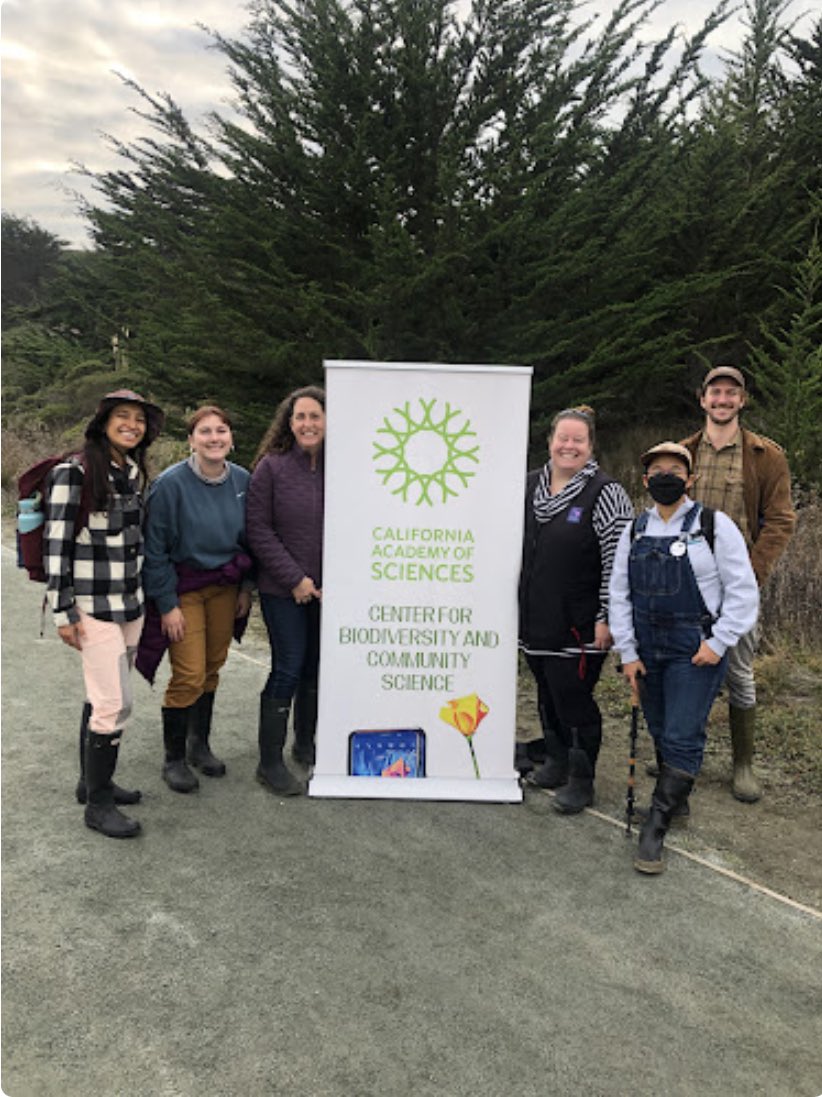
Yesterday was a beautiful day for our #SolsticeSeaStarSearch! We found five species, enjoyed magnificent weather & tidepooling conditions, a lovely sunset & good company & we took our first team photo!


English
Avery P. Hill, PhD nag-retweet

I'm so excited to share the culmination of my primary PhD research in the lab of @LizHadly! We analyzed thousands of bones from raptor pellets and subfossil deposits to track small mammal community change in the Anthropocene 🐀🐇🐿 frontiersin.org/articles/10.33…
English
Avery P. Hill, PhD nag-retweet

Today is a big day in the @hadlylab of #TheAnthropocene. So many are graduating!! Am thrilled and proud and excited to see them change the world! @mviteri64 @kate_lagerstrom @decathlonserge @avephill @jordie7m Vrinda Suresh, Lucas Pavan, and Dorothy Tovar!!
English
Avery P. Hill, PhD nag-retweet

Excited to share this new paper out this week in @PNAS with a great team of co-authors led by @OrnithoAle w/ @earth_chris, @rafaelmongecr, @beckyck, @katherinelauck and others examining how biodiversity and infrastructure drive tourism in Costa Rica! tinyurl.com/4d83fk5f (1/7)
English

I feel very privileged to present my first scientific publication, coauthored with @chrfield. It was a long road to publication (first submitted fall of 2019), but the science (and myself as a scientist) matured significantly throughout the process. doi.org/10.1038/s41467…
English