Naka-pin na Tweet
d.
408 posts

d.
@biostackdev
Longevity engineer. Translating biology into scalable system 👨💻🧬
Sumali Haziran 2016
83 Sinusundan197 Mga Tagasunod
d. nag-retweet
Legacy media turns cautious scientific findings & statements into sensational headlines, then seeks out quotes from critics calling it hype
It’s not journalism. It’s business
English
d. nag-retweet

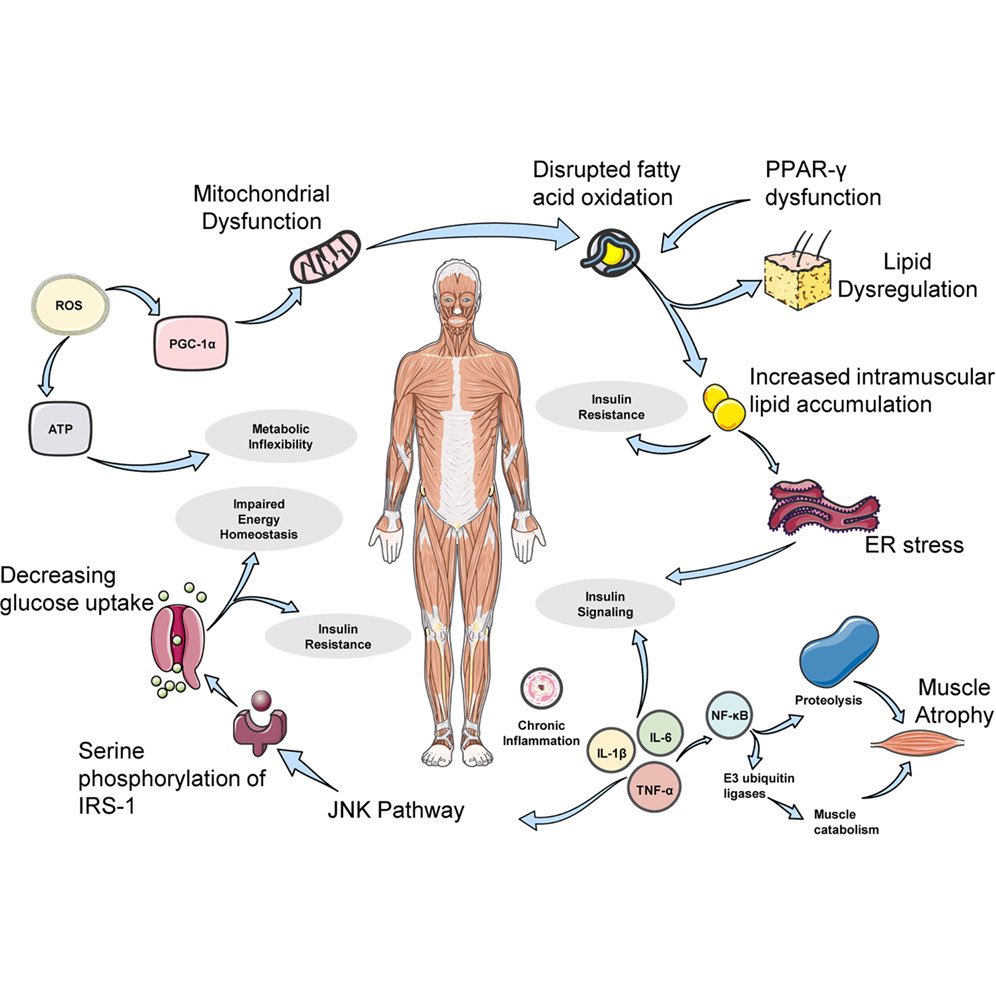
Skeletal muscle metabolism in health and disease: Mechanisms, interventions, and clinical perspectives
cell.com/iscience/fullt…
English
d. nag-retweet

Generative AI for Biosciences: Emerging Threats and Roadmap to Biosecurity arxiv.org/abs/2510.15975 🧬🖥️🧪


English
d. nag-retweet
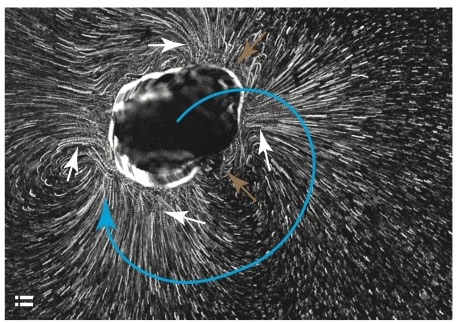
New preprint, memory in Xenobots!
First round of our efforts to understand behavioral properties of novel beings (Xenobots, Anthrobots, and more).
@pai_vaibhav , James A. Traer, Megan M. Sperry, Yuxin Zheng
biorxiv.org/content/10.648…
"Behavioral, Physiological, and Transcriptional Mechanisms of Memory in a Synthetic Living Construct"
"Synthetic living constructs, which lack the long histories of selection in ecological contexts that shape behaviors of conventional organisms, offer an important complement to traditional studies of learning. Could novel biobots exhibit sensing and memory of experiences? Here, we investigated the effects of chemical stimuli on basal Xenobots – autonomously motile entities derived from Xenopus embryonic ectodermal explants (with no additional sculpting or bioengineering). We quantified and characterized the coordinated ciliary activity that generates fluid flow fields guiding the trajectory of Xenobot motion. We also show distinct and specific changes in Xenobot behavior after brief exposure to Xenopus embryonic cell extract and to ATP. These two experiences produced distinct, long-term, stimulus-specific memories, detectable through both transcriptional and physiological signatures. Exposure to specific environmental stimuli induced alterations in the spatiotemporal patterns of calcium signaling across Xenobots. Together, these data lay a foundation for characterizing the capabilities of synthetic cellular collectives to sense and discriminate among stimuli, as well as store functional information in a non-neural context. Understanding behavioral competencies in novel, non-neural systems have broad implications across evolutionary biology, behavioral science, bioengineering, and bio/hybrid robotics."

English
d. nag-retweet
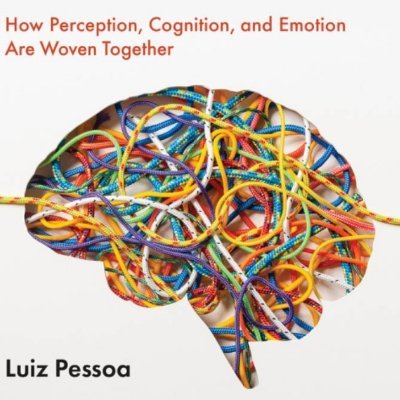
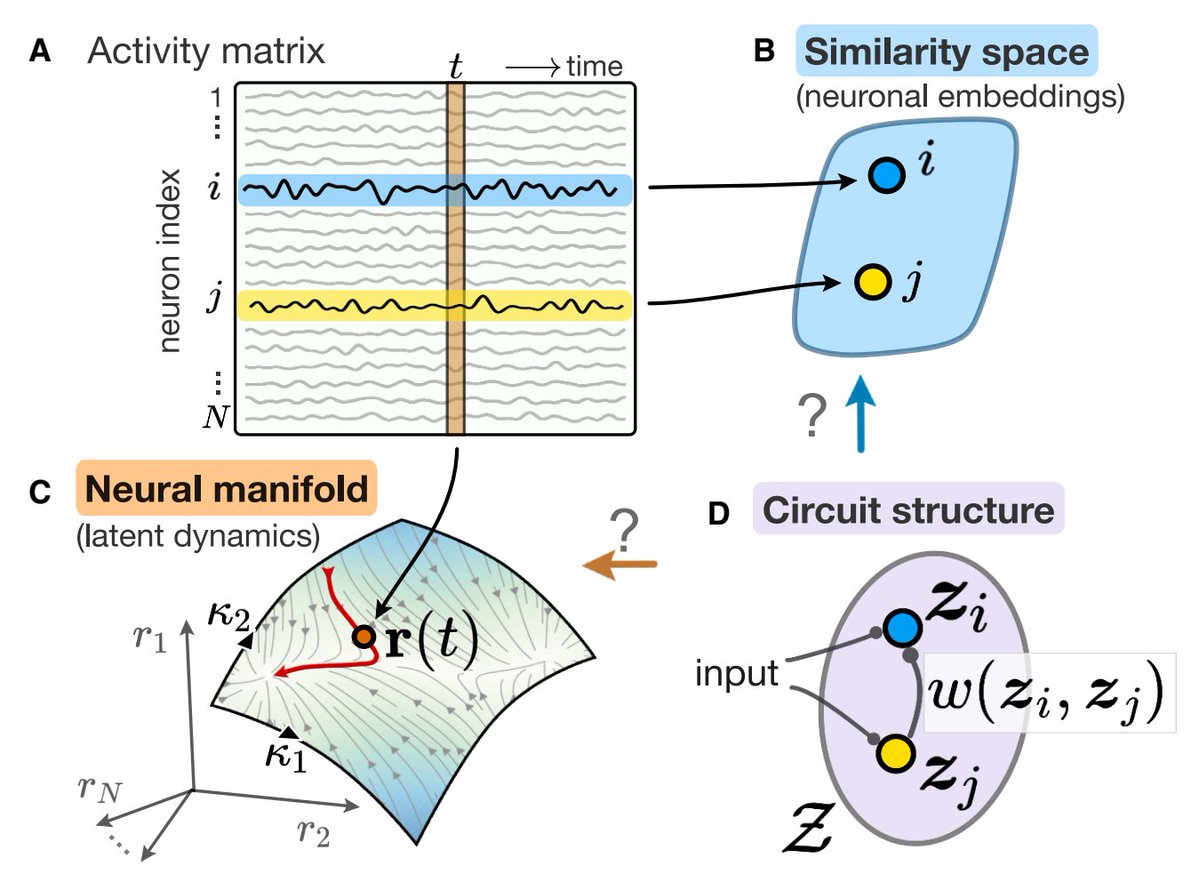
𝗪𝗵𝗮𝘁'𝘀 𝘁𝗵𝗲 𝗿𝗲𝗹𝗮𝘁𝗶𝗼𝗻𝘀𝗵𝗶𝗽 𝗯𝗲𝘁𝘄𝗲𝗲𝗻 𝗺𝗮𝗻𝗶𝗳𝗼𝗹𝗱𝘀 𝗮𝗻𝗱 𝗿𝗲𝗰𝘂𝗿𝗿𝗲𝗻𝘁 𝗻𝗲𝘁𝘄𝗼𝗿𝗸𝘀 𝗶𝗻 𝘁𝗵𝗲 𝗯𝗿𝗮𝗶𝗻?
This looks like a must read (suppl material bursting with goodies).
doi.org/10.1016/j.neur…
English
d. nag-retweet

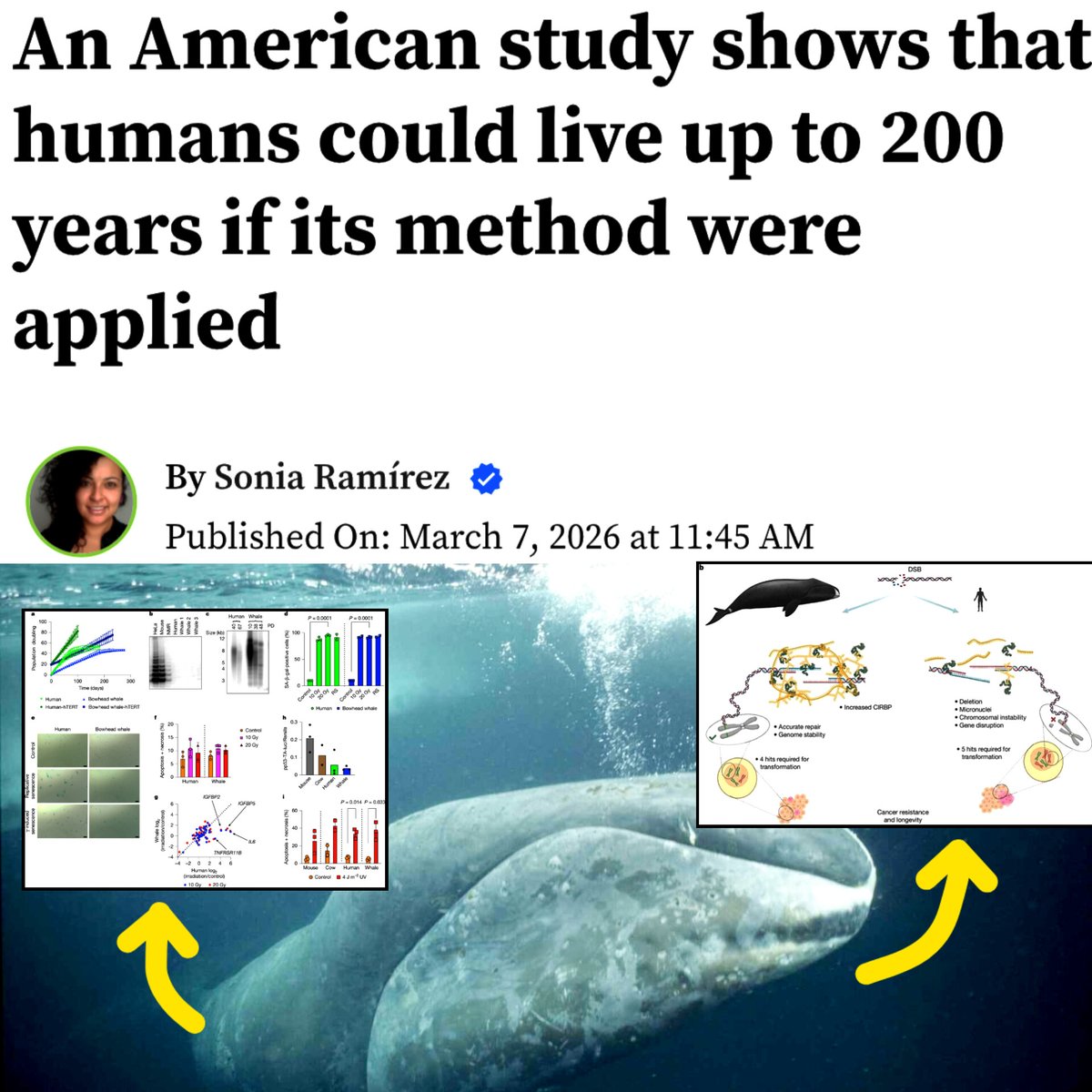
Longevity begins where DNA repair outruns DNA damage.
Scientists at the University of Rochester discovered that bowhead whales, which can live over 200 years, produce extremely high levels of a DNA-repair protein called CIRBP (Cold-Inducible RNA-Binding Protein).
This protein improves the repair of dangerous DNA double-strand breaks, one of the main sources of mutations, cancer, and aging.
When researchers introduced the whale version of CIRBP into human cells, DNA repair became more efficient. In fruit flies, increasing CIRBP levels extended lifespan and improved resistance to radiation damage.
The findings suggest that strengthening DNA repair mechanisms could help slow aging and potentially extend healthy human lifespan in the future.
English
d. nag-retweet

From peptides to DNA: All required steps can be catalyzed
"reverse translation"
pnas.org/doi/10.1073/pn…

English
d. nag-retweet

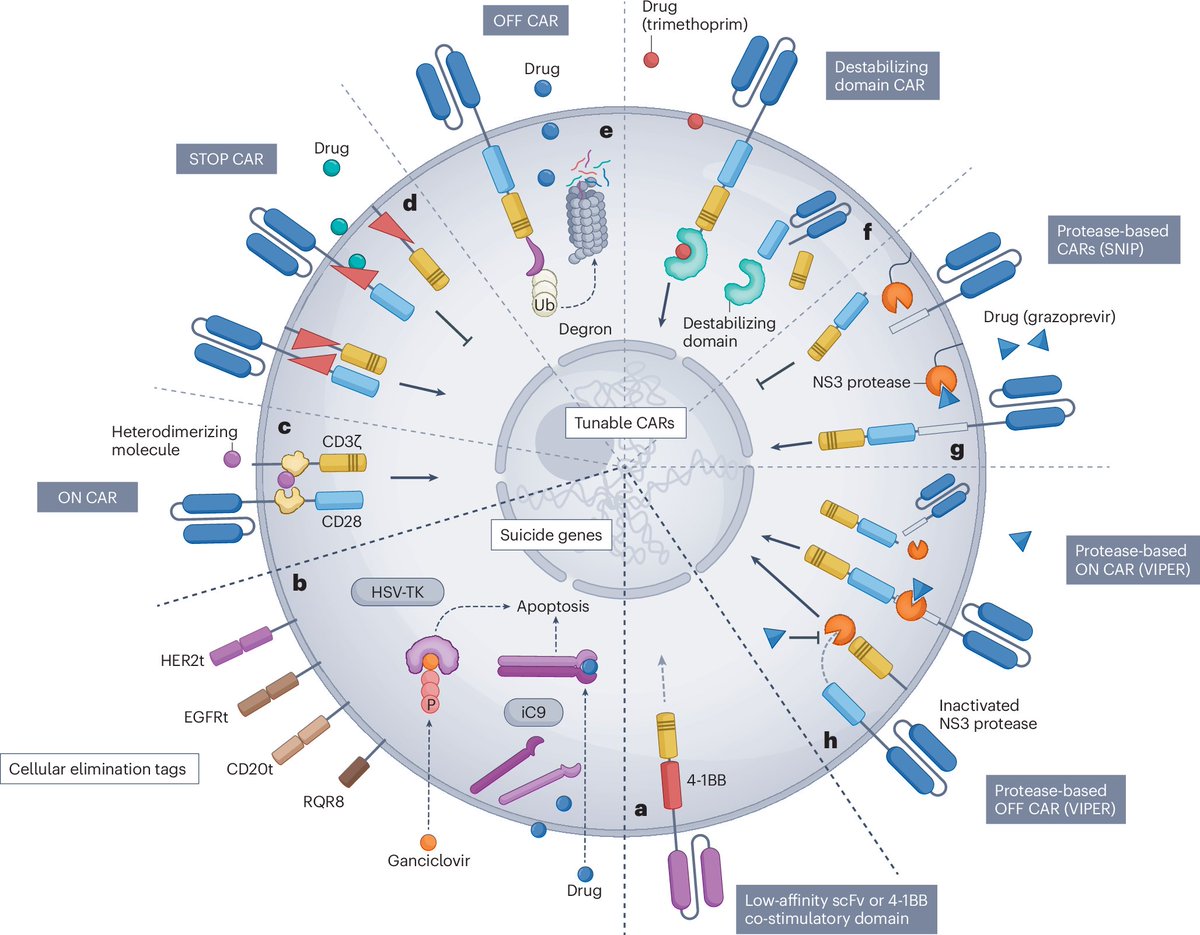
For readers interested in CAR-T cell therapies for cancer, here's a review on strategies to manage their toxicity nature.com/articles/s4157…
rdcu.be/e5OQP
English
d. nag-retweet

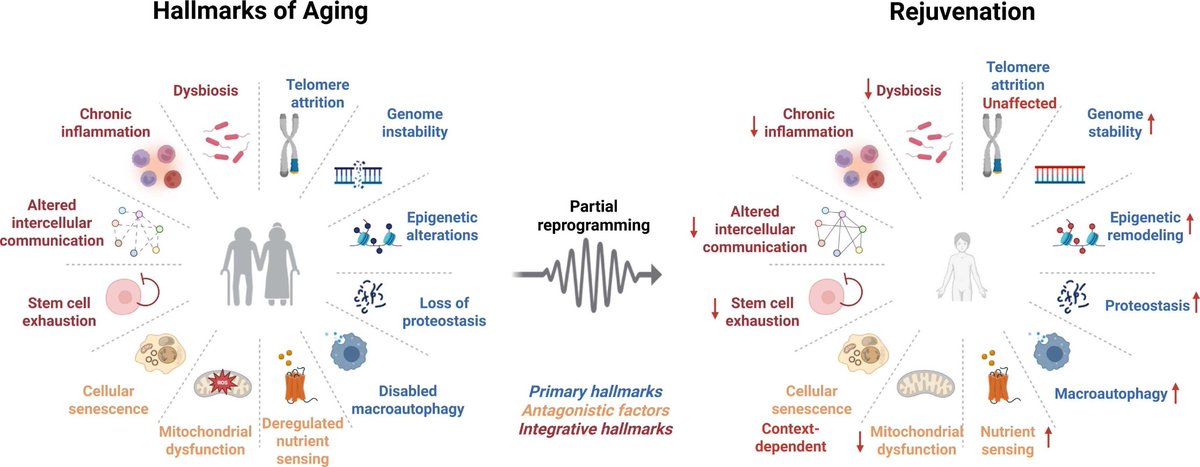
The epigenetic rejuvenation promise: Partial reprogramming as a therapeutic strategy for aging and disease
sciencedirect.com/science/articl…
English
d. nag-retweet

AI is cool and all... but a new paper in @ScienceMagazine kind of figured out the origin of life?
The paper reports the discovery of a simple 45-nucleotide RNA molecule that can perfectly copy itself.

English
d. nag-retweet

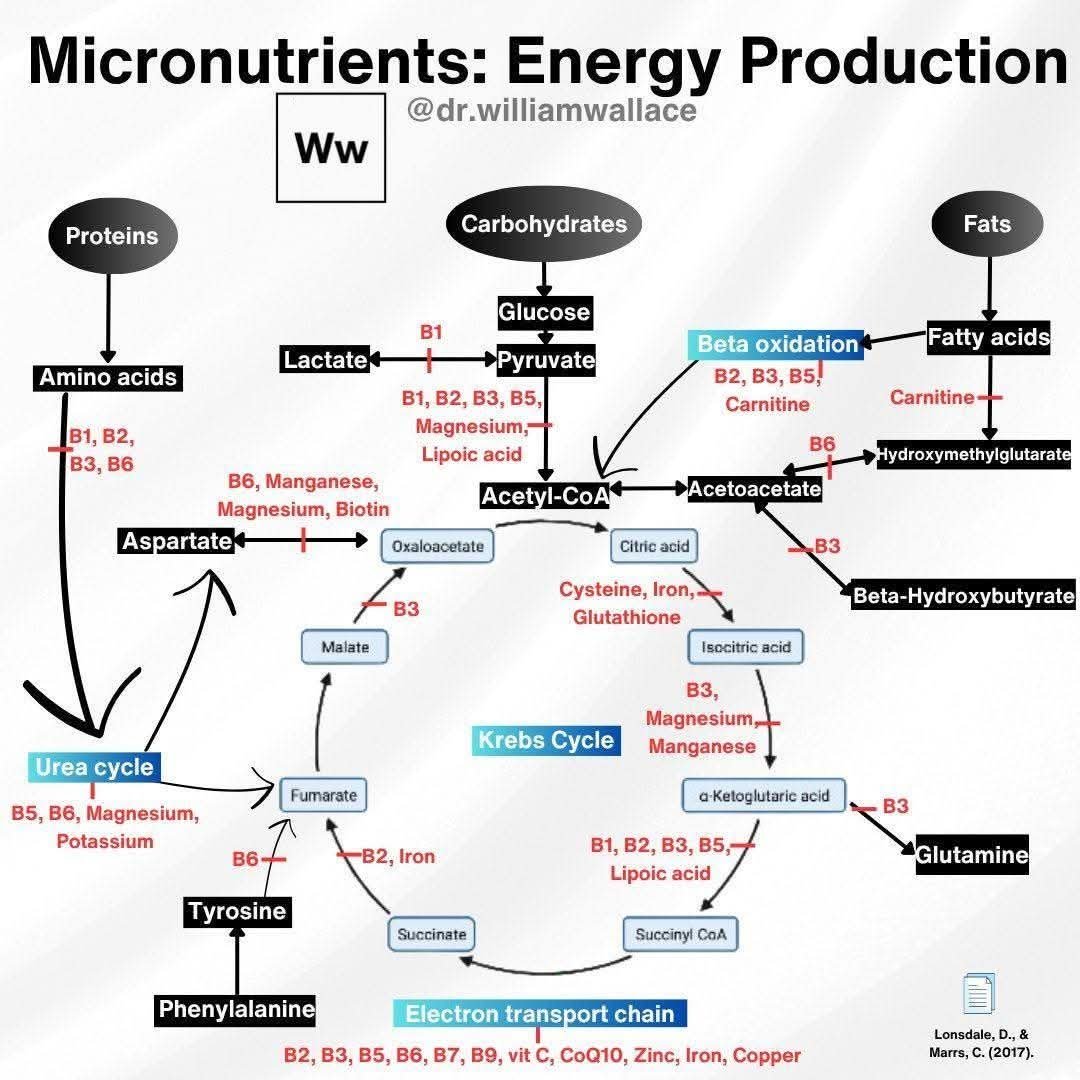
Your body is running a micronutrient-powered energy grid that keeps every cell alive.
Most people think carbs, fats, and protein become energy on their own.
But this diagram shows something far more important:
Without micronutrients, none of your macronutrients can be used at all.
Inside every cell, vitamins and minerals are:
⚙️ Activating enzymes that break down carbs, fats, and amino acids
⚙️ Converting food into acetyl-CoA, the gateway to ATP
⚙️ Driving the Krebs cycle and electron transport chain
⚙️ Recycling lactate back into usable fuel
⚙️ Supporting detox pathways like the urea cycle
⚙️ Protecting mitochondria from oxidative stress so energy stays stable
And all of it is happening continuously. Thousands of reactions per second.
Looking closer at what this single diagram reveals:
🔹 Glucose → Pyruvate → Acetyl-CoA
Every step requires B-vitamins (B1, B2, B3, B5), magnesium, and lipoic acid.
No micronutrients → no carbohydrate metabolism.
🔹 Fatty acids → β-oxidation → Acetyl-CoA
This depends on B2, B3, B5 and carnitine to move fats into mitochondria.
If you’re low here, fat oxidation simply slows.
🔹 Amino acids feed directly into energy pathways
B6, manganese, magnesium, biotin, and iron convert amino acids into Krebs-cycle intermediates and neurotransmitter precursors.
🔹 The Krebs cycle only turns if micronutrients are present
B2, B3, B5, magnesium, manganese, iron, cysteine, glutathione - all essential.
Without them, ATP production drops even with enough calories.
🔹 Electron transport chain = the final step
Requires B2, B3, B5, B6, B7, B9, vitamin C, CoQ10, zinc, iron, copper.
This is where oxygen becomes usable energy - or where it fails if cofactors are missing.
This is why micronutrients influence EVERYTHING:
energy, fatigue, metabolism, mood, focus, exercise capacity, mitochondrial health, aging.
Your macros are fuel.
Your micronutrients are the keys, the wiring, and the ignition system that make that fuel burn cleanly.
You’re not just eating food.
You’re feeding the biochemistry that powers your entire life.
English
d. nag-retweet

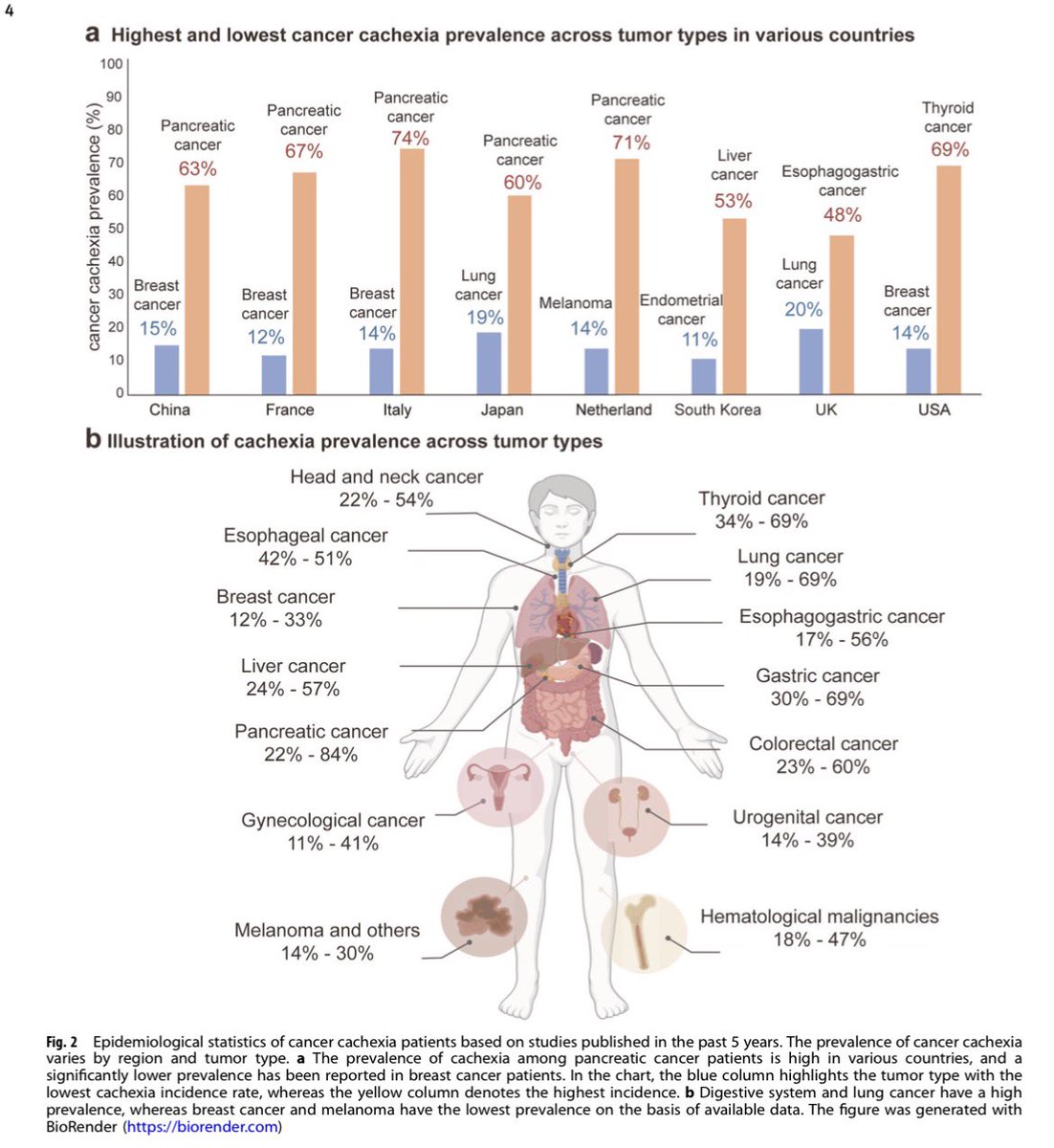
📕Cancer cachexia: molecular basis and therapeutic advances
👉nature.com/articles/s4139…
#cancer #oncology #MedX @OncoAlert @realbowtiedoc
English
d. nag-retweet

d. nag-retweet
d. nag-retweet
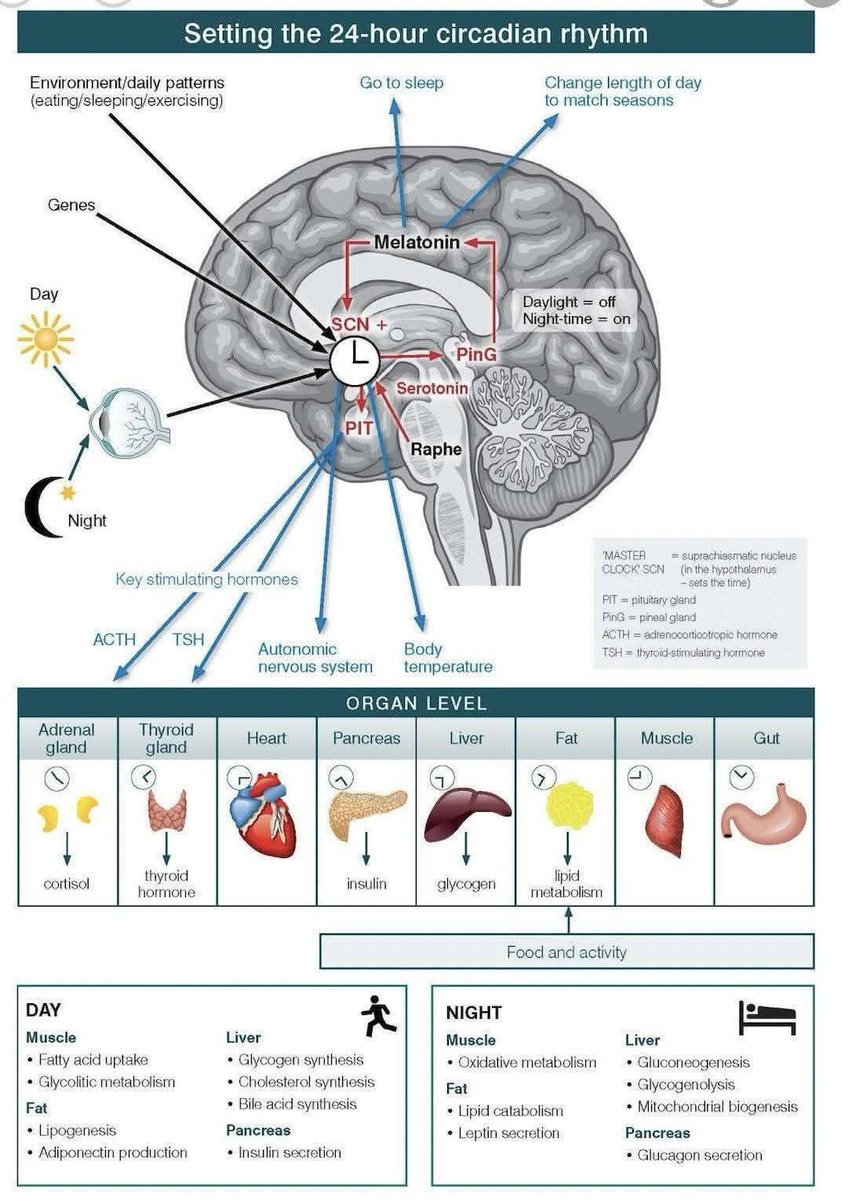
Your body has a master clock hidden deep in the brain, and it quietly controls almost everything you feel during the day.
This chart shows what that clock is actually doing, and why your sleep, hunger, hormones, energy, and mood follow the same 24-hour rhythm every single day.
Here’s the simple breakdown:
⏰ The “master clock” lives in the "SCN" (as its abbreviated)
Located in the hypothalamus, it takes in light from your eyes and uses it to reset your entire system.
• Light in the morning tells your brain: wake up, raise cortisol, increase alertness.
• Darkness at night flips the switch: make melatonin, lower body temperature, prepare for sleep.
🌙 Melatonin rises only when the SCN says it’s dark
The pineal gland releases melatonin to start the sleep process.
If light hits your eyes at night (phones, TVs, bright LEDs), that signal can shut off or slow down.
😴 Serotonin and melatonin are linked
During the day, serotonin helps regulate mood and alertness.
At night, the system converts part of that serotonin into melatonin to drive sleep timing.
🧠 Your organs follow the brain’s schedule
Every major organ has its own “clock genes,” and they all sync to the SCN.
That’s why timing matters:
Daytime:
• Muscle: glycolytic metabolism and strength performance peak
• Liver: glycogen and cholesterol synthesis
• Pancreas: insulin secretion
• Fat: lipogenesis and adiponectin production
Nighttime:
• Muscle: oxidative metabolism and repair
• Liver: gluconeogenesis and mitochondrial biogenesis
• Pancreas: glucagon secretion
• Fat: lipid breakdown and leptin release (signals satiety)
In other words:
Your biology isn’t the same at 8 AM as it is at 8 PM.
🍽️ Food and activity act as “secondary clocks”
Eating late, irregular sleep, shift work, or inconsistent light exposure can confuse these clocks and throw off hormones, metabolism, and mood.
This is why:
• Morning light improves sleep
• Regular mealtimes stabilize metabolism
• Late-night eating increases glucose spikes
• Consistent sleep strengthens hormone rhythms
• Exercise timing can shift circadian signals
Your circadian rhythm isn’t just about sleep.
It’s a full-body timing system coordinating hormones, temperature, digestion, metabolism, and repair.
Get your light, food, and sleep aligned…
And the rest of your biology starts working with you instead of against you.
Graphic citation: Unknown
Research citation: PMID: 11584554
English
d. nag-retweet
d. nag-retweet
Aging is now widely considered a druggable biological process, not an inevitability
English
d. nag-retweet

d. nag-retweet
Human trials begin soon🤞
Rand@rand_longevity
we really are arriving at the point of age reversal, ive never been more excited in my life
English
d. nag-retweet