Joefroobs 🦧
887 posts


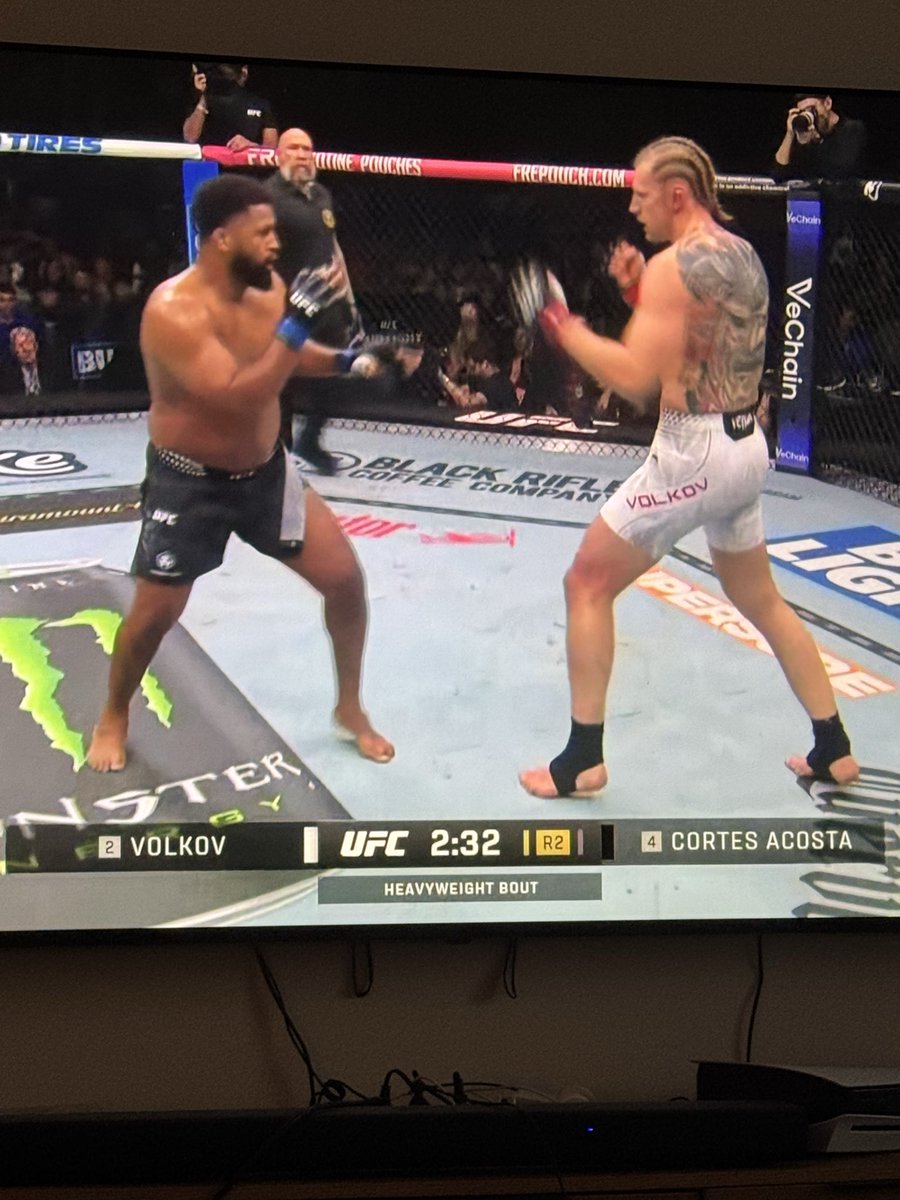
@MattyBetss A similar move happened on Shamil Gaziev vs Brando Pericic
Pericic went from favourite to dog on some bookies… same rumours of injury etc… but he looked fine and dusted Shamil
English

Is anyone buying Sean Brady at his current price bc u think he’s fine? #ufc328
English
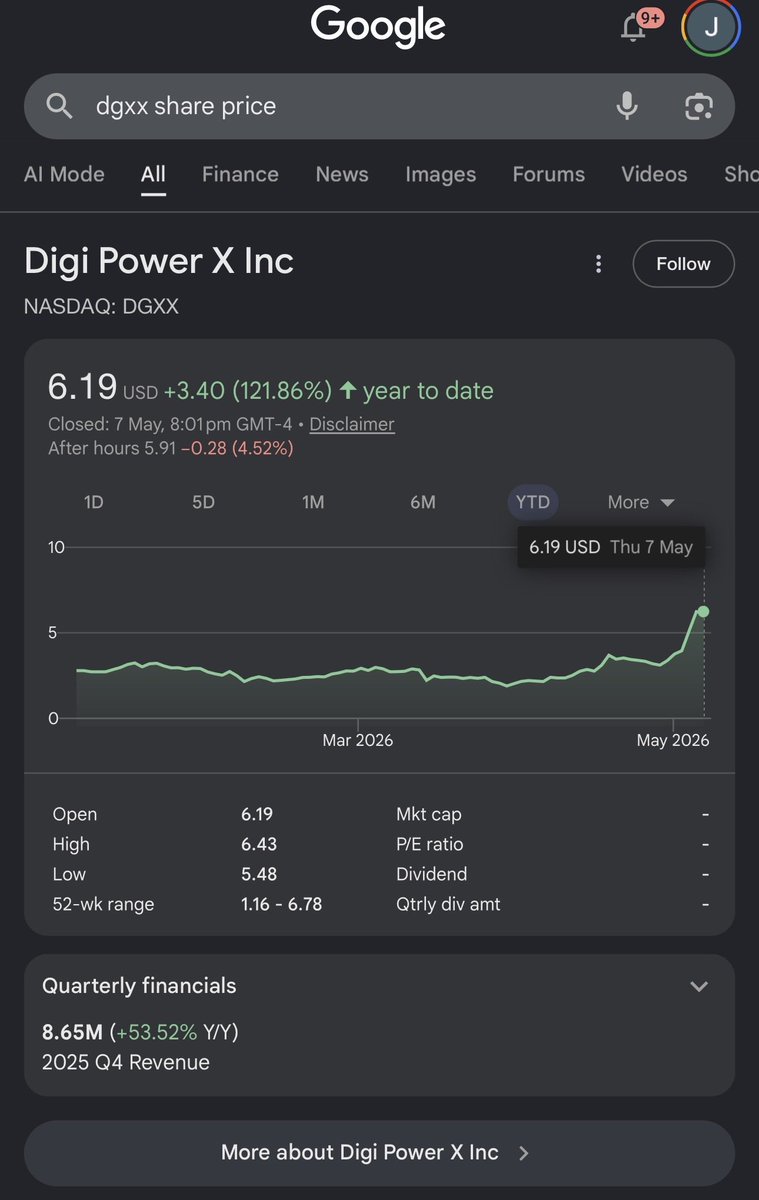
@LiamBadco Not defending Conor, but in fairness, drugs allow you to work harder 😅
English

Absolutely diabolical a drug cheat saying that hard work beats talent line ….
Conor Nigel Benn@ConorNigel
Coming for you boy. @RyanGarcia
English
Can someone tell me what macro economic impact this will have
Jon Stewart@JonStewartIL
This photo WILL BE part of the Trump disclosure. Thank you @realDonaldTrump
English


I want to share how this was uncovered for anybody who feels physically off in the hopes it may help...
I'm years into this existing and it was incidentally uncovered last September.
Here's what the doctors missed beginning in 2024 and what I'd do different ⬇️
Nick O’Neill@chooserich
Got my results: Classic Hodgkins Lymphoma Likely won't post much about this primarily because cancer posts are always a downer and I want to focus on the positive. Feels too significant for me not to share though. Kinda wild as you never expect it'll happen to you. 🤷♂️
English
@grok could you give any advice to BSVers?
Think deeply about your advice.
Tell them what you believe they need to hear!
English
@AlexanderC19687 @PeterMcCormack I feel you are trying to tell us something from your projections… hope you find some peace bud.

English

@joefroobs @PeterMcCormack Nah, you’ve just got low grade schizophrenia
English

Incentives matter.
Gary admitted on Pier’s Morgan that he made around £2m as a trader. This may seem like a lot of money, but it’s not retirement money on the lifestyle he will maintain.
Gary needs to sell books and awareness. He’s spotted a vulnerability with a particular group so he sells emotional based economics. It isn’t actually economics, it’s whinging and victim culture.
His answers come down to socialism, but socialism harms the people he claims to want to help.
Gary is wrong. Don’t be a Gary.
Proper Memes 〓〓@Proper_Memes
Gary doesn't even understand the basics of taxation, like income tax vs inheritance tax or corporate tax vs consumption tax.
English
Disclosure is within 5 years imo, and it’s going to be beyond epic!
A post disclosure world will be an almost unimaginable level of awesomeness, but not without challenges.
English
I can’t believe it took me this long to set up Claude + Codex together in ghostty, and just bounce the work back n’ forth between ‘em
English
@grok
If I invested $1,000 into both Bitcoin and the S&P at these time periods:
1 year ago
3 years ago
5 years ago
What would have my returns have been?
Show your output in a simple table
English
@anymanfitness @grok is this fella correct?
Enlighten us with your perspective. Verify and validate your claims
English

Autophagy happens in a sustained calorie deficit.
The “fasting” is not the mechanism.
It’s wild how many people don’t understand this.
Sean OMara MD, JD@DrSeanOMara
At 24 hours of fasting, autophagy begins. At 36 hours, it triples. At 72 hours, it maxes out. If you have never fasted past a single meal skip, your body has never run its own cleanup cycle. Not once. Not in years. The heart fat, the visceral fat, the dead tissue — it is all still there because you never gave your body permission to burn it. You need to fast, and you need to make it a habit.
English
Is this true passive income?
I made a fully automated copycat bot on PolyMarket and it’s made over 3000 trades over 3 months.
I do not have to do anything - the bot runs 24/7 - simply copy trading the 250 “best” accounts on Polymarket.
I’ve had to tweak the formula along the way. Opting to choose against paper trading, and go straight to live money.
That meant some heavy loses early on, and finding out the hard way about strategy not executing correctly.
Before I knew it, I was -$500 down 💩
But, after getting it to getting it back on track, vetting accounts properly… it’s in the green at a +$0.17!
May not seem much… but with +$188 over the last month… that’s an ROI of +5% a month / +60% per year.
Either way, I’m gonna let this experiment run and see what happens.

English
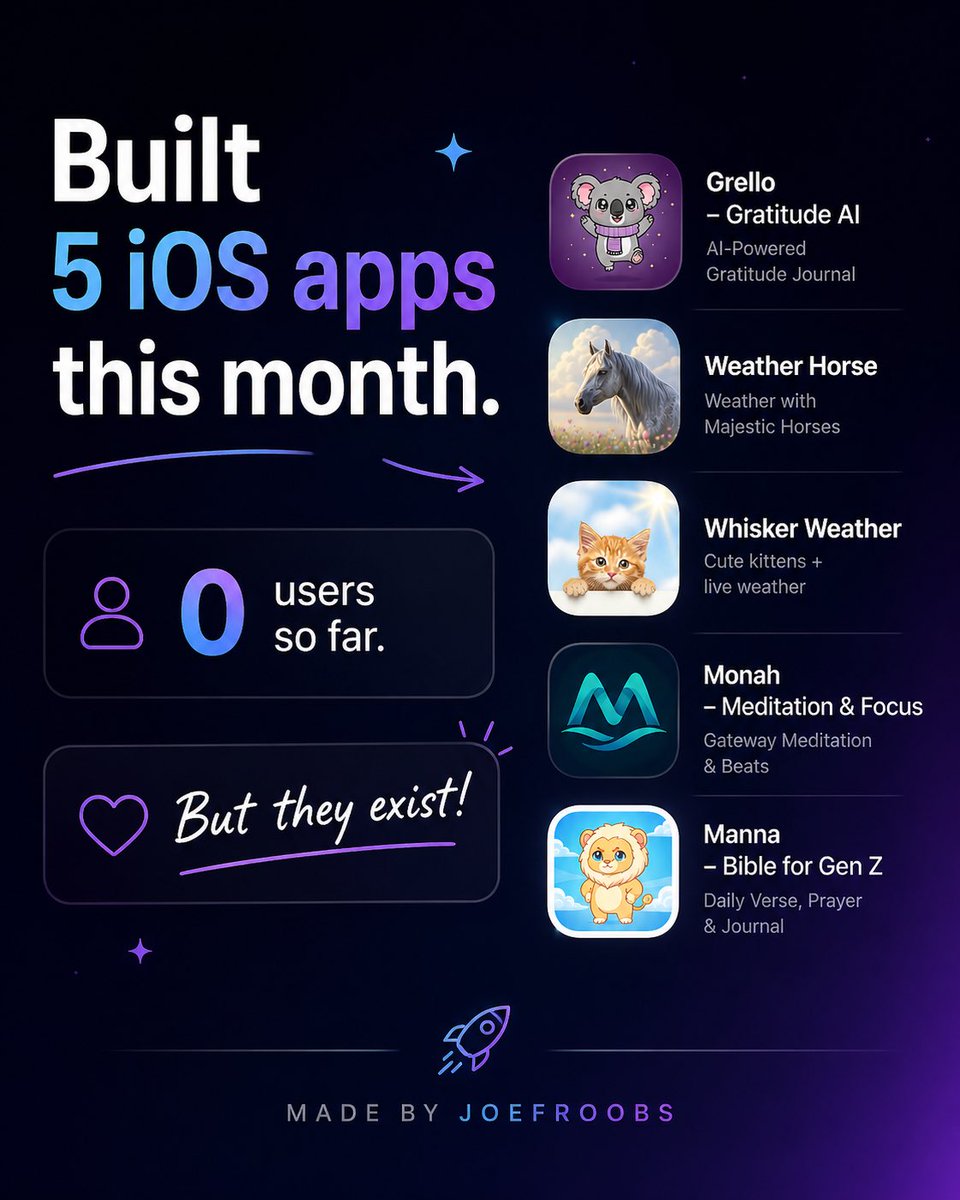
Built and shipped 5 apps this month.
0 users or downloads.
You know what they say… 6th times the charm 😉
English