moriteppei⿻
188.6K posts

moriteppei⿻
@moriteppei
The Writing Unemployed / Writefully Jobless / The idea of Plurality without plural interpretations is nothing but a Singularity masquerading as Plurality.
Sumali Şubat 2010
6.4K Sinusundan17.5K Mga Tagasunod
Naka-pin na Tweet
moriteppei⿻ nag-retweet

GWで爆発的に使われたら、国がもたないからね?
分かってて言ってる?
GWの儲け以上に吹き飛ぶものはでかいよ?
毎日新聞ニュース@mainichijpnews
原油不足、政府内にGW明けの節約要請案が浮上 根強い慎重論も mainichi.jp/20260403/k00/0…

日本語
moriteppei⿻ nag-retweet

@ryosei_akazawa 小さな診療所に勤務してますがすでに使い捨てビニール手袋は入手できずアスクル、医師共同組合などどこも在庫がなく売ってくれません。医療ができなくなる可能性も。その他点滴用のチューブ、腎臓透析用のバッグ、チューブも足りなくなつてるそうです。今何らかの感染症が大流行したら対処できないです
日本語
moriteppei⿻ nag-retweet

LLM Knowledge Bases
Something I'm finding very useful recently: using LLMs to build personal knowledge bases for various topics of research interest. In this way, a large fraction of my recent token throughput is going less into manipulating code, and more into manipulating knowledge (stored as markdown and images). The latest LLMs are quite good at it. So:
Data ingest:
I index source documents (articles, papers, repos, datasets, images, etc.) into a raw/ directory, then I use an LLM to incrementally "compile" a wiki, which is just a collection of .md files in a directory structure. The wiki includes summaries of all the data in raw/, backlinks, and then it categorizes data into concepts, writes articles for them, and links them all. To convert web articles into .md files I like to use the Obsidian Web Clipper extension, and then I also use a hotkey to download all the related images to local so that my LLM can easily reference them.
IDE:
I use Obsidian as the IDE "frontend" where I can view the raw data, the the compiled wiki, and the derived visualizations. Important to note that the LLM writes and maintains all of the data of the wiki, I rarely touch it directly. I've played with a few Obsidian plugins to render and view data in other ways (e.g. Marp for slides).
Q&A:
Where things get interesting is that once your wiki is big enough (e.g. mine on some recent research is ~100 articles and ~400K words), you can ask your LLM agent all kinds of complex questions against the wiki, and it will go off, research the answers, etc. I thought I had to reach for fancy RAG, but the LLM has been pretty good about auto-maintaining index files and brief summaries of all the documents and it reads all the important related data fairly easily at this ~small scale.
Output:
Instead of getting answers in text/terminal, I like to have it render markdown files for me, or slide shows (Marp format), or matplotlib images, all of which I then view again in Obsidian. You can imagine many other visual output formats depending on the query. Often, I end up "filing" the outputs back into the wiki to enhance it for further queries. So my own explorations and queries always "add up" in the knowledge base.
Linting:
I've run some LLM "health checks" over the wiki to e.g. find inconsistent data, impute missing data (with web searchers), find interesting connections for new article candidates, etc., to incrementally clean up the wiki and enhance its overall data integrity. The LLMs are quite good at suggesting further questions to ask and look into.
Extra tools:
I find myself developing additional tools to process the data, e.g. I vibe coded a small and naive search engine over the wiki, which I both use directly (in a web ui), but more often I want to hand it off to an LLM via CLI as a tool for larger queries.
Further explorations:
As the repo grows, the natural desire is to also think about synthetic data generation + finetuning to have your LLM "know" the data in its weights instead of just context windows.
TLDR: raw data from a given number of sources is collected, then compiled by an LLM into a .md wiki, then operated on by various CLIs by the LLM to do Q&A and to incrementally enhance the wiki, and all of it viewable in Obsidian. You rarely ever write or edit the wiki manually, it's the domain of the LLM. I think there is room here for an incredible new product instead of a hacky collection of scripts.
English
moriteppei⿻ nag-retweet

これ、建築業界の終わりの始まりを告げる、最悪のニュースですね。このニュースを見て背筋が凍りました。
今まで話してきた断熱材や設備の不足は、まだ家の中身の話でしたが、生コンが打てないというのは、そもそも建築出来ないという次元の違う絶滅危機です。大手ゼネコンや公共工事が優先され、個人の注文住宅の現場は行列の最後尾に並ばされることになります。
「生コンがつくれない」 イラン情勢で材料運搬船の重油枯渇、工事停滞の懸念(日経ビジネス)
#Yahooニュース
news.yahoo.co.jp/articles/8b08c…
日本語
moriteppei⿻ nag-retweet

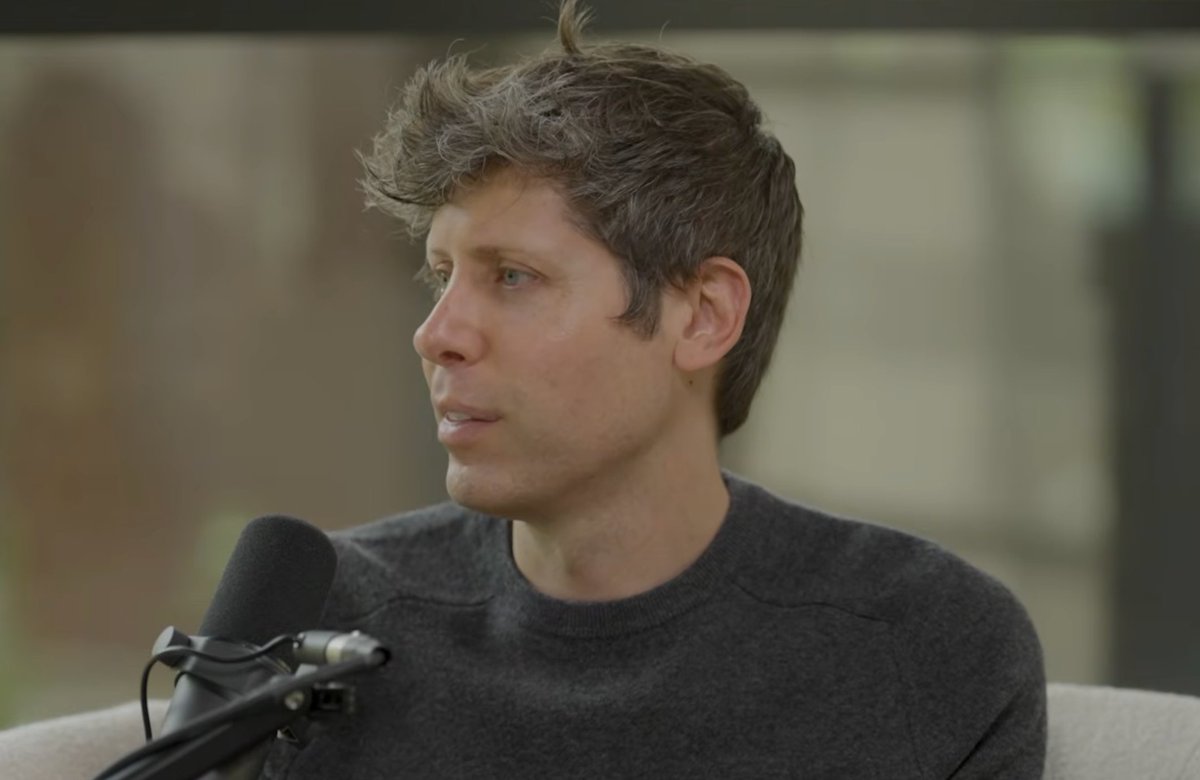
アルトマン「アイデアが尽きた。サイドプロジェクトのアイデアがなくなった。」彼は、強力すぎるCodexの副作用として、「やりたいこと」が枯渇してしまうことをあげる。「AIで何でも作れるが、作りたいものが見つからない」現象が世界を覆い始め、アルトマンさえも空虚感を覚えている。この「宝の持ち腐れ」感が、もしかしたらAIの停滞要因になってしまうかもしれない。
彼は、Codexの登場で、思いついたアイデアは何でも、どんなソフトウェアでも、翌朝目覚めるまでにできてしまうようになったと言う。誰かに頼むんじゃなく自分で何でも好きなもツールを作れてしまう。まさにSF的な最高の未来だ。
だがその副作用として、数年間OpenAIが忙しくて溜め込んでいたサイドプロジェクトのリストを、夜な夜な稼働させていたCodexが全部作り切ってしまい、アイデアがなくなってしまったと言う。そしてある夜、初めてCodexを走らせずに寝ることになって、奇妙な空虚感を覚えたと述べる。
そして、意外なことに「新しいアイデアを出す助けにはなってくれない」と言う。AIには、「アイデアはこなすけど、生み出さない」という非対称な構造があり、これが世界中の人々から全てのアイデアを吸い尽くし、「やりたいことがない」状態にしようとしている。アルトマンでさえその空虚感を感じている。
AIの進歩が停滞する時が来るとすると、それは人類にとって作りたいものや欲しいものもなくなり、もはや高機能なAIがあっても「宝の持ち腐れ」になってしまう時なのかもしれない。

vitrupo@vitrupo
Source: OpenAI CEO Sam Altman on Mostly Human. youtube.com/watch?v=mJSnn0…
日本語
moriteppei⿻ nag-retweet