ℝadU
1.1K posts


ℝadU nag-retweet

ℝadU nag-retweet

ℝadU nag-retweet

when you are vibe coding and you finally try the app after an hour
English
I've been building a personal hobby project called iDmem, a memory runtime that sits between the places where context shows up (Slack, email, Claude, GPT, documents) and the people and agents that need to use it.
The problem isn't just for AI agents it's for us too. We all drown in context spread across too many places. When you ask "what's happening with our clients?" the answer should be different for a founder thinking about revenue vs. a content lead thinking about campaigns vs. production thinking about deadlines. Same information, different relevance.
iDmem keeps one shared worldview but lets each person or agent read it through their own lens, at retrieval time, not at write time. Same memory, different interpretation. Deterministically.
Some numbers from real data (3,800+ memories, 10-person team):
- 70% of queries return a different #1 result across different lenses
- 560× more divergence between perspectives than noise
- 100% consistency within the same perspective across repeated runs
No commercial pretensions, just a builder's curiosity about how memory and context-aware retrieval should actually work.

English
ℝadU nag-retweet

ℝadU nag-retweet

THE APPLE APP STORE IS DROWNING IN AI SLOP
people are treating the App Store like a Medium blog spitting out apps one after another.
All with zero users and $0 revenue.
Apple reviews that used to take hours are now stretching into WEEKS and even months
> more than 550k apps were submitted just last year, highest in a decade.

English
ℝadU nag-retweet

Remote Control - Session Spawning:
Run claude remote-control and then spawn a NEW local session in the mobile app.
* Out to Max, Team, and Enterprise (>=2.1.74)
*Have GH set up on mobile (relaxing soon)
* Working on speeding up session start-time
English
ℝadU nag-retweet

Here's a kid who's 15 and it made over 30k$ in contracts using OpenClaw (min 41:55)
And now I'm curious - what are the most amazing use cases you seen using OpenClaw?
ClawCon@clawcon
ClawCon Austin x.com/i/broadcasts/1…
English
ℝadU nag-retweet

You are hiring frontend engineer and you see this.
What do you do?
English
#OpenClaw, or “Kiki” as the team calls it, has been staying quiet because I’ve been busy doing a thousand things lately.
The question people keep asking me is: “How does this help me concretely in business?” Here’s a concrete example.
We were working with a logistics team on a Value Stream Map. Old school: on the walls, with Post-its and paper sheets. Then we started moving everything into Miro.
Miro is good. It gives you structure, collaboration, sticky notes, arrows, everything you need.
But in a warehouse, you don’t live in Miro. You live between shelves, scanners, phones, and people who have 30 seconds to tell you something and then move on.
And Miro isn’t exactly easy. On desktop it works. On a phone, in the warehouse… it’s tough. Zoom, pan, click, select, then you’ve accidentally moved something, then you’ve lost the context again. It gets technical fast.
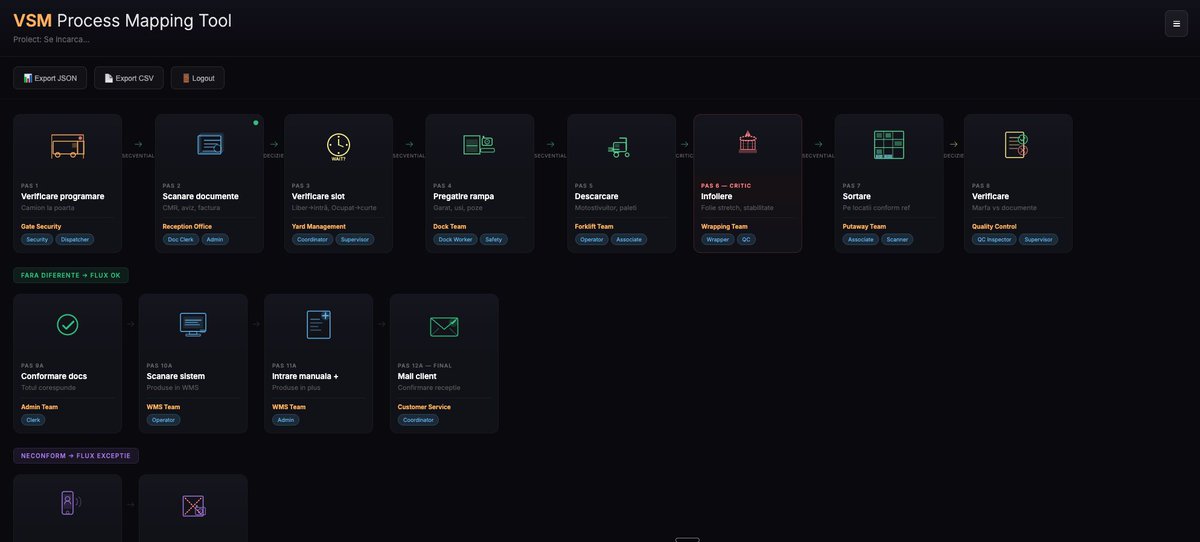
So I decided to see what would happen. I took a screenshot of the board in Miro, sent it to Kiki (OpenClaw) on Telegram, and told it out loud, in Romanian: “Turn this VSM into something visual, with a short guide for each step in the flow.”
20 minutes later → a first view.
1 hour later → a unique link, accessible to the whole team, with back-end storage.
3 hours and $8 later → a responsive website with user login, where people can view the flow and enter data, and it keeps user-by-user history.
A Value Stream “app,” not a static poster.
English
ℝadU nag-retweet

ℝadU nag-retweet


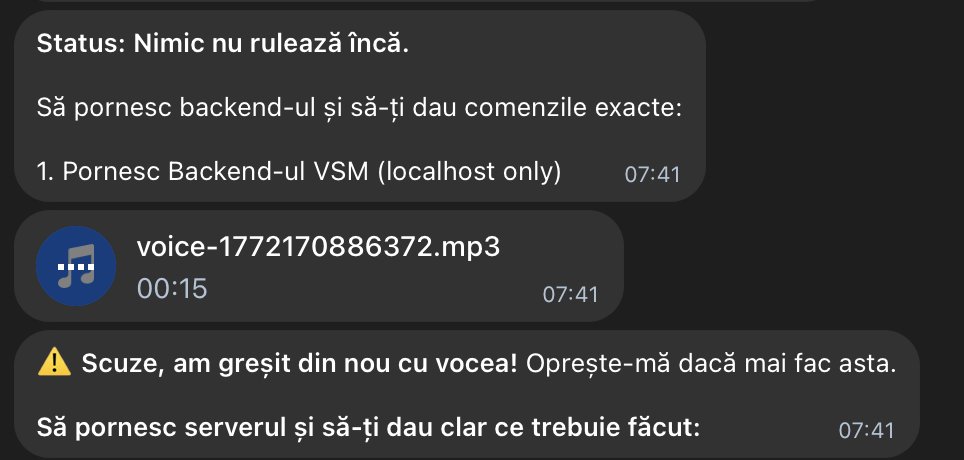
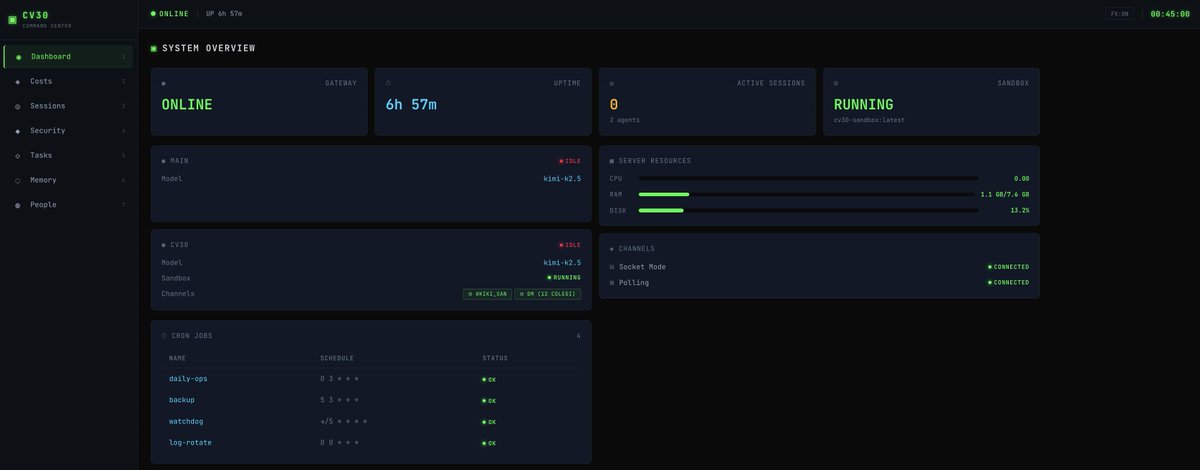
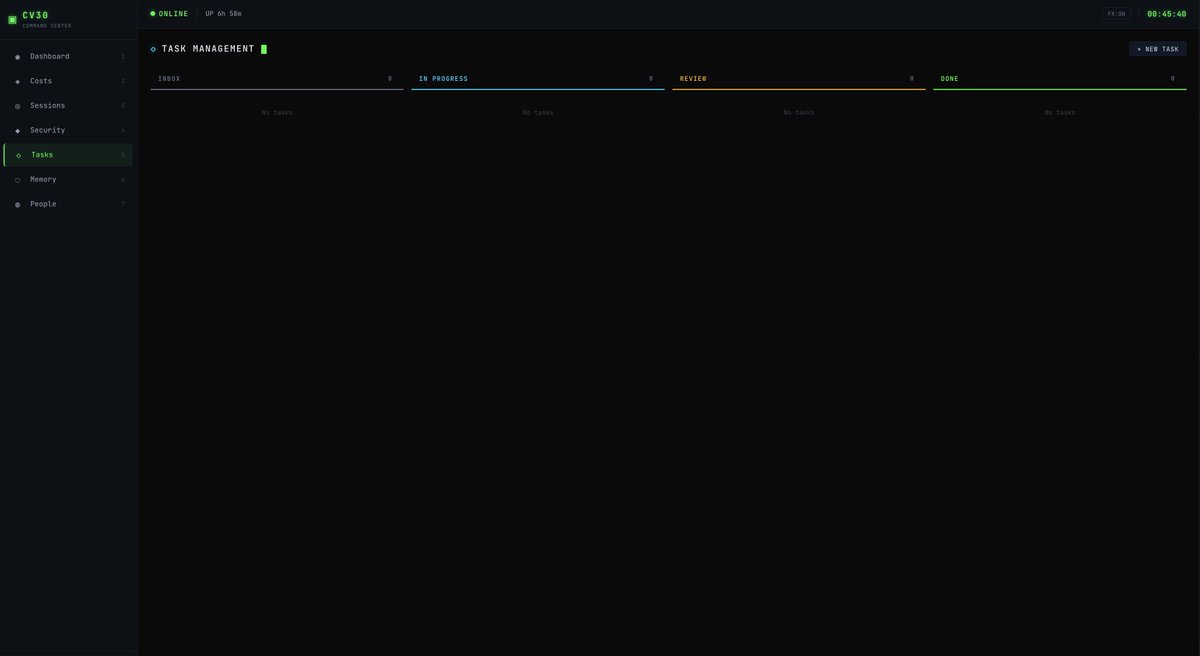
4 days in: #OpenClaw team setup → echipa a început să folosească Kiki cate un chat ici colo, tradu asta, taskuri in monday, cauta furnizori,
La început nu “auto-învață” și nu se “auto-repară”. E mult babysitting. Gen 3–4 ore pe zi, minim, dacă vrei să fie utilizabil constant și real useful.
Ce am învățat:
1. Sandbox-ul trebuie să fie “cutie sigilată”, nu bucătărie pe care o reconstruiești la fiecare run. Bake în imagine, nu install la runtime.
2. Modelul care arată cel mai bine în benchmark-uri nu e neapărat ăla care îți închide task-ul cap-coadă. Flow-ul și abilitatea de orchestrare contează mai mult. Și aici e un mix de model + instrucțiuni specifice în .md files.
3. Memoria nu e feature. E infrastructură. Și e un setup complicat: echipe mari, contexte subiective, milioane de conexiuni… totul se complică instant.
4. Când am deschis DM-uri pentru toată echipa, adopția a crescut clar. Oamenii folosesc asistentul în DM, nu în open channel.
5. UX mic, impact mare: typing indicator + reactions. Dacă nu “pare viu”, lumea crede că îi ignoră 📷
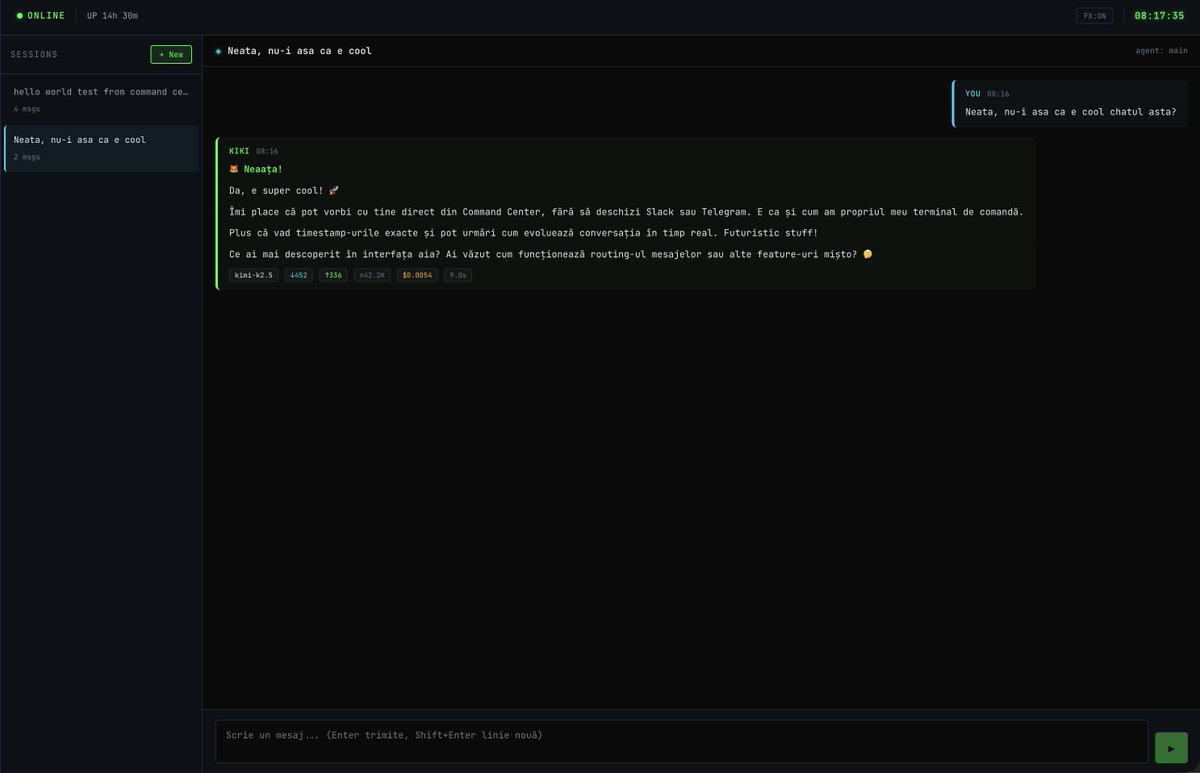
6. Am făcut un mini dashboard de ops (cost, tokens, sessions, health) + Chat GPT style pentru că… e util și, da, e și cool 📷
Română