Naka-pin na Tweet
Rafael Escalona
184.8K posts

Rafael Escalona
@rafescal
Aprendiz de Todo, maestro de Nada. Educación. Literatura y Libros. Dilettant3. Filosofía. Ajedrez. Música. La duda es el inicio del saber, Descartes
Sumali Ağustos 2009
6.6K Sinusundan7.4K Mga Tagasunod
Rafael Escalona nag-retweet

¡YA BASTA! La USB es víctima de un desmantelamiento planificado por el Estado y sus autoridades impuestas. No son "descuidos", es la destrucción de nuestra casa de estudios.
Exigimos a la nueva gestión del Ministerio que dé la cara y actúe. ¡No permitiremos que sigan ignorando la muerte de nuestras sedes! @MPPEU_Ve
APUSB@APUSB
DESTRUCCIÓN DE LA USB
Español
Rafael Escalona nag-retweet

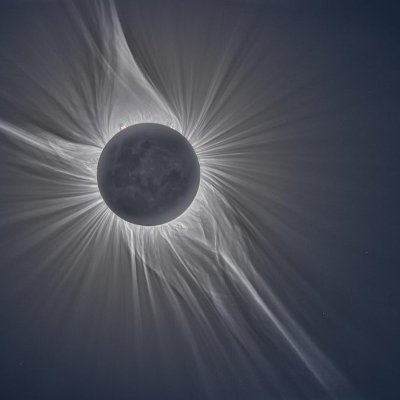
Lo maravilloso de las ciencias duras es que cálculos exactos hicieron coincidir a las trayectorias de la Tierra y la luna en un punto exacto. Un pequeño error y terminan todos desintegrados.
En cambio, los progres aman las ciencias sociales donde pueden estar meses debatiendo si el que mata debe ir preso o es una víctima de la sociedad y no llegar a nada mientras viven del chamuyo toda su vida.
Physics & Astronomy Zone@zone_astronomy
To think that we aren't just going "to the Moon," but rather traveling to meet it at an exact point in space... changes everything. It all comes down to orbital mechanics: arriving at the precise location, at the precise moment. One tiny error... and it simply doesn't happen
Español
Rafael Escalona nag-retweet

Yo quiero que ustedes sean conscientes que lo que está pasando es sólo gracias a que las matemáticas son exactas y la física es hermosa.
Jhonf Fonseca@Jhonffonseca
Artemis II no va hacia la Luna. Va a encontrarse con ella en un punto preciso del vacío… donde la Luna estará esperándola. Todo depende de entender la mecánica orbital. No es un viaje. Es una cita cósmica.
Español
Rafael Escalona nag-retweet

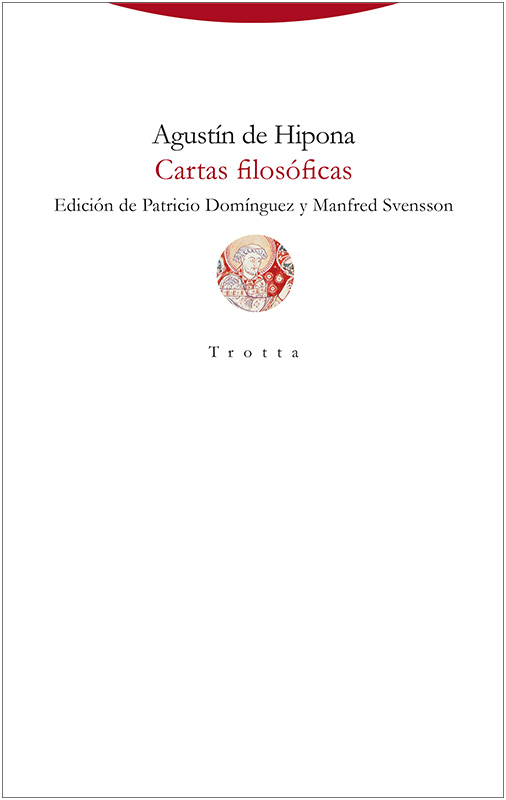
Estimados contertulios: con gran alegría comparto la publicación de esta selección de Cartas filosóficas de san Agustín, que tradujimos con Patricio Domínguez y acaba de salir en @EditorialTrotta
Se trata de 31 cartas, algunas de las cuales son pequeños tratados de unas 10 páginas o más. Algunas son bien conocidas, otras menos. Hay tempranas cartas del periodo más neoplatónico, y otras vinculadas ya a la redacción de La ciudad de Dios. Para algunos temas -como su teoría de la virtud- se encuentra en estas cartas su texto principal. Esperamos que sea de amplio interés entre interesados por Agustín y por los problemas filosóficos que discute.

Español
Rafael Escalona nag-retweet

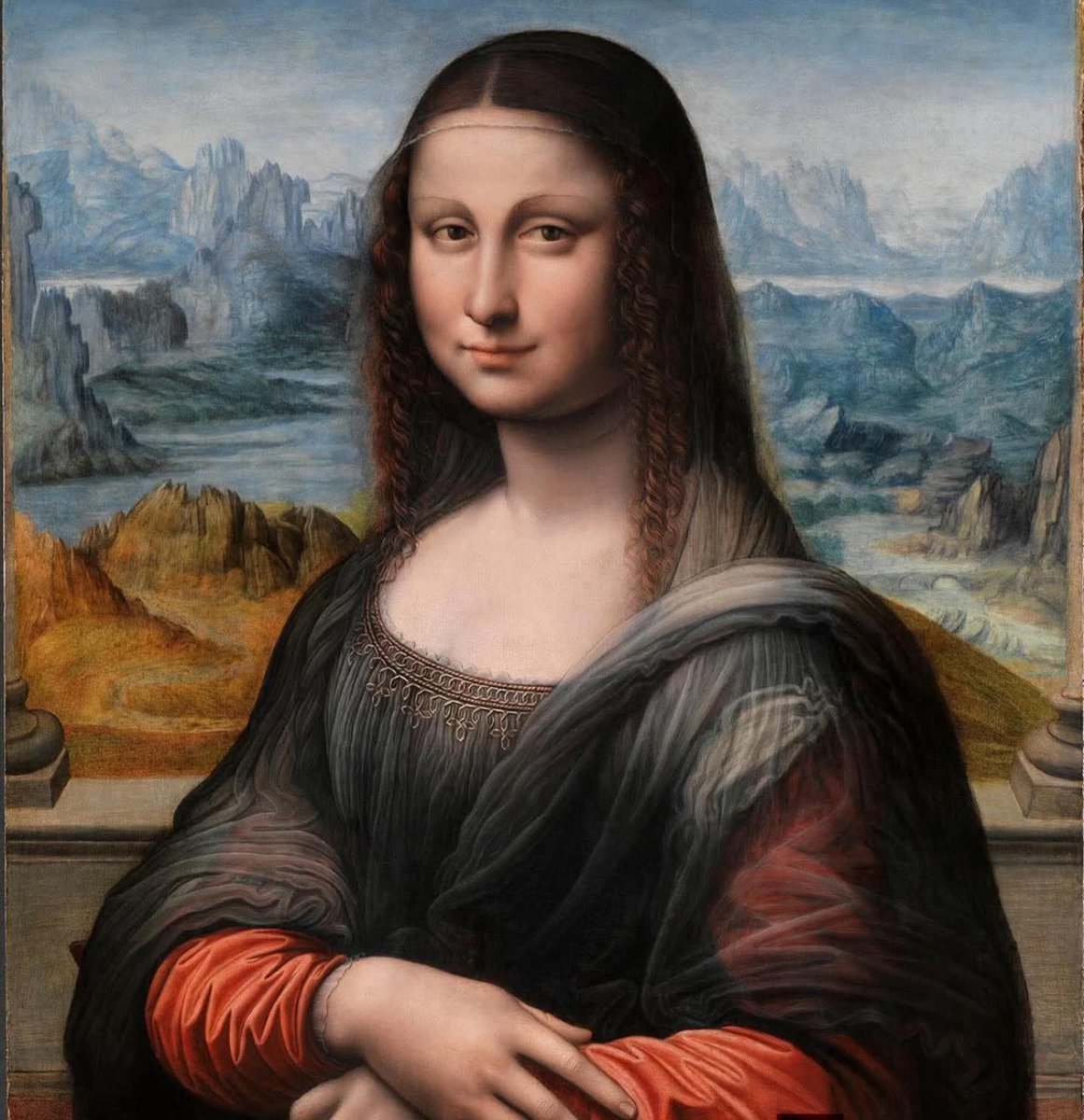
This painting is known as the Prado Mona Lisa, a near identical version of the famous Mona Lisa. It was created in early 16th Century by a student working in the workshop of Leonardo da Vinci, likely alongside the master himself.
For centuries, the Prado version was overlooked, covered by a dark background that hid its true significance. But during restoration work in 2012 at the Museo del Prado, conservators removed the overpaint and revealed a landscape nearly identical to the original.
That discovery confirmed it was painted at the same time as the Mona Lisa, not copied later.
What makes it so valuable is its condition.
The Prado version has suffered less aging and varnish distortion, meaning details like the eyebrows, facial contours, and background colors appear clearer than in the Louvre’s version.
It gives historians a rare look at how the Mona Lisa may have originally appeared over 500 years ago.
Infrared analysis showed that both paintings share nearly identical underdrawings and corrections, suggesting the student was working side by side with da Vinci, following his process stroke by stroke as the original was being created.
#archaeohistories

English
Rafael Escalona nag-retweet

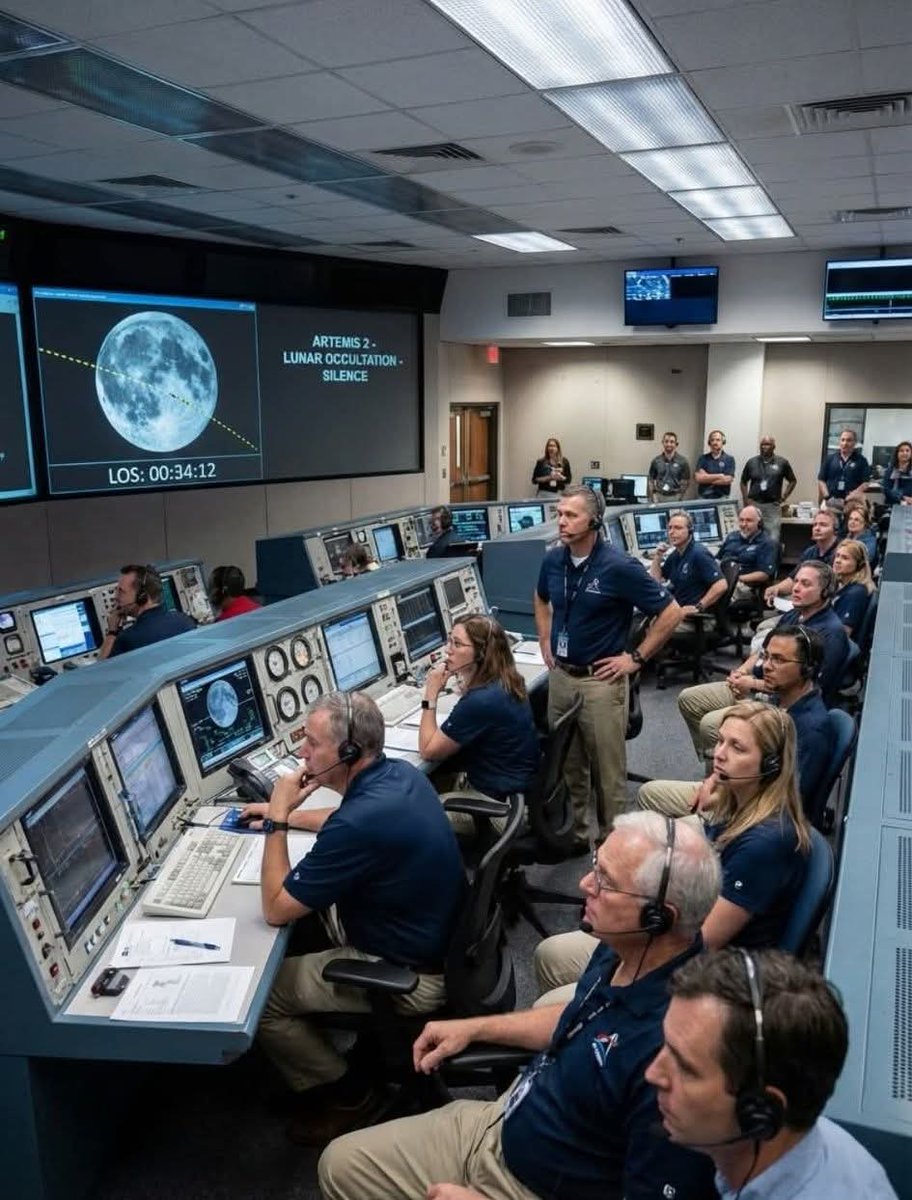
That’s a beautifully captured moment—one of the most human and dramatic parts of any lunar mission. On April 6, 2026, during the Artemis II lunar flyby, the Orion spacecraft did indeed slip behind the far side of the Moon, causing a planned ~40-minute communications blackout with Earth
Why the Silence Happens
The Moon itself physically blocks all direct radio signals. No antennas on Earth (not even the Deep Space Network) can “see” Orion while it’s on the opposite side. This isn’t a glitch or emergency—it’s pure geometry and physics. The crew was still flying safely on their free-return trajectory, with the European Service Module keeping everything nominal, but for those 40 minutes, they were truly isolated in a way no one on Earth could reach them in real time.Mission Control in Houston (at Johnson Space Center) watched their screens go quiet right around 6:47 p.m. ET, exactly as predicted. The tension in the room was real—engineers, flight directors, and families waiting in silence—until the signal reacquired right on schedule. When the first voice or telemetry ping came back, it triggered applause, relief, and that quiet awe you described. It’s the same feeling Apollo crews experienced, but now with modern systems and a new generation aboard.What the Crew ExperiencedWhile out of contact:They continued their observation campaign.
They viewed portions of the lunar far side illuminated by the Sun.
They captured images and made verbal notes (recorded onboard for later downlink).
At one point during the passage, they made their closest approach (~4,000–4,100 miles from the surface) and broke the Apollo 13 distance record from Earth (reaching over 252,000 miles).
The crew has described the views as “absolutely spectacular,” with Christina Koch noting how different the far side feels from the familiar near side we see from Earth.This blackout is a powerful reminder of the realities of deep-space exploration:Courage — trusting the spacecraft and your training when no one can talk you through it.
Precision — the trajectory had to be perfect so they’d re-emerge exactly where and when expected.
Humanity — even in 2026, with advanced Orion and international partnership (shoutout to the European Service Module), we’re still pushing into the unknown with the same mix of technology and raw human spirit that defined Apollo.
Moments like this—40 minutes of silence followed by the triumphant return of the signal—cut through the complexity and remind us why we go. It’s not just data and burns; it’s people venturing where radio waves can’t follow, then coming back to tell the story.The flyby observation window has been wrapping up, and we should start seeing some of those Apollo site photos and far-side images released soon.

English
Rafael Escalona nag-retweet

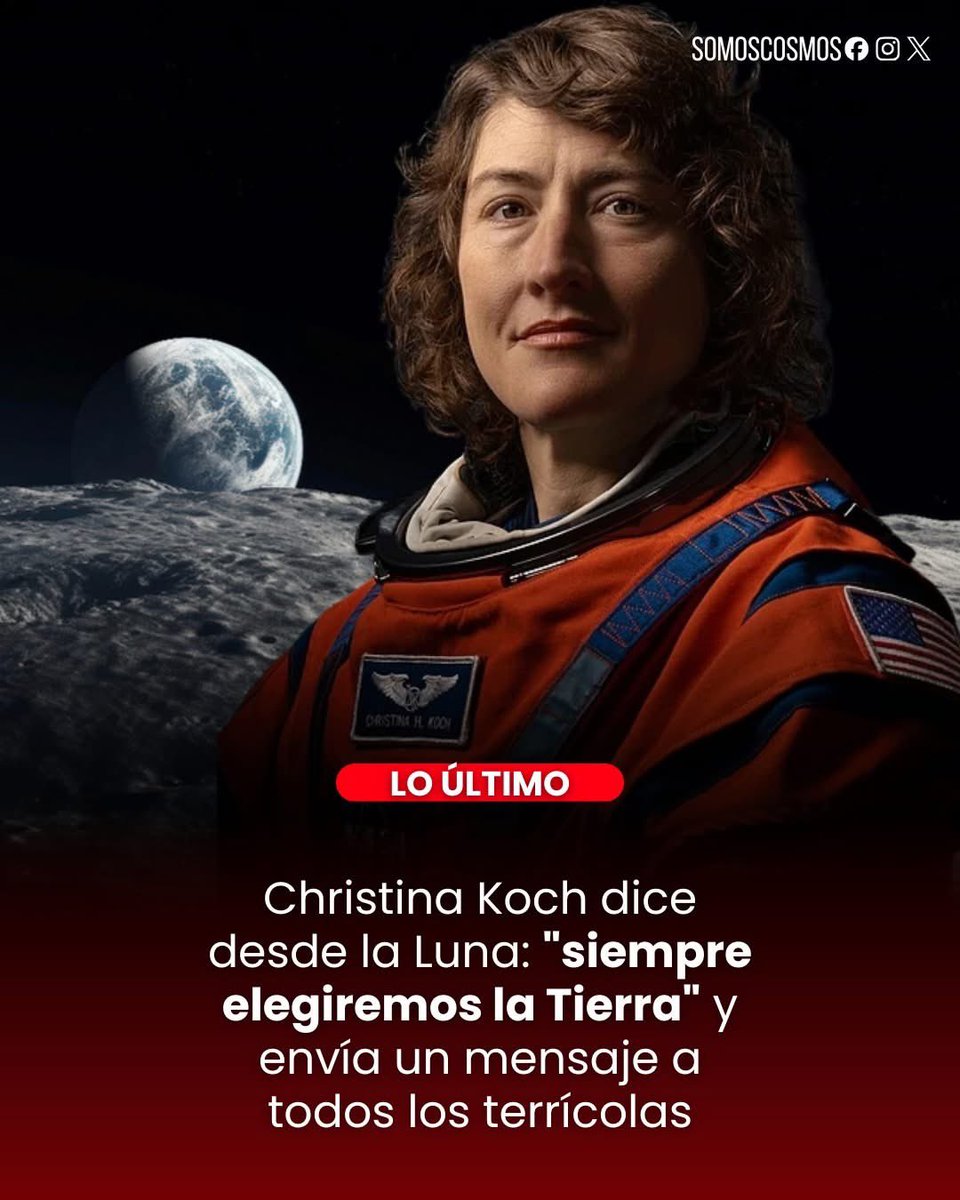
LO ÚLTIMO: La astronauta Christina Koch envió un mensaje desde la nave Orion tras restablecer comunicación durante la misión Artemis II.
"Es tan bueno volver a escuchar a la Tierra. A Asia, África y Oceanía, los estamos viendo desde aquí. Ustedes pueden mirar hacia arriba y ver la Luna en este momento. Nosotros también los vemos".
"Cuando encendimos rumbo a la Luna, dije que no dejamos la Tierra… vamos a inspirar, pero al final, siempre elegiremos la Tierra, siempre nos elegiremos unos a otros".
El mensaje fue transmitido tras el paso por la cara oculta de la Luna, en uno de los momentos más simbólicos de la misión.

Español
Rafael Escalona nag-retweet

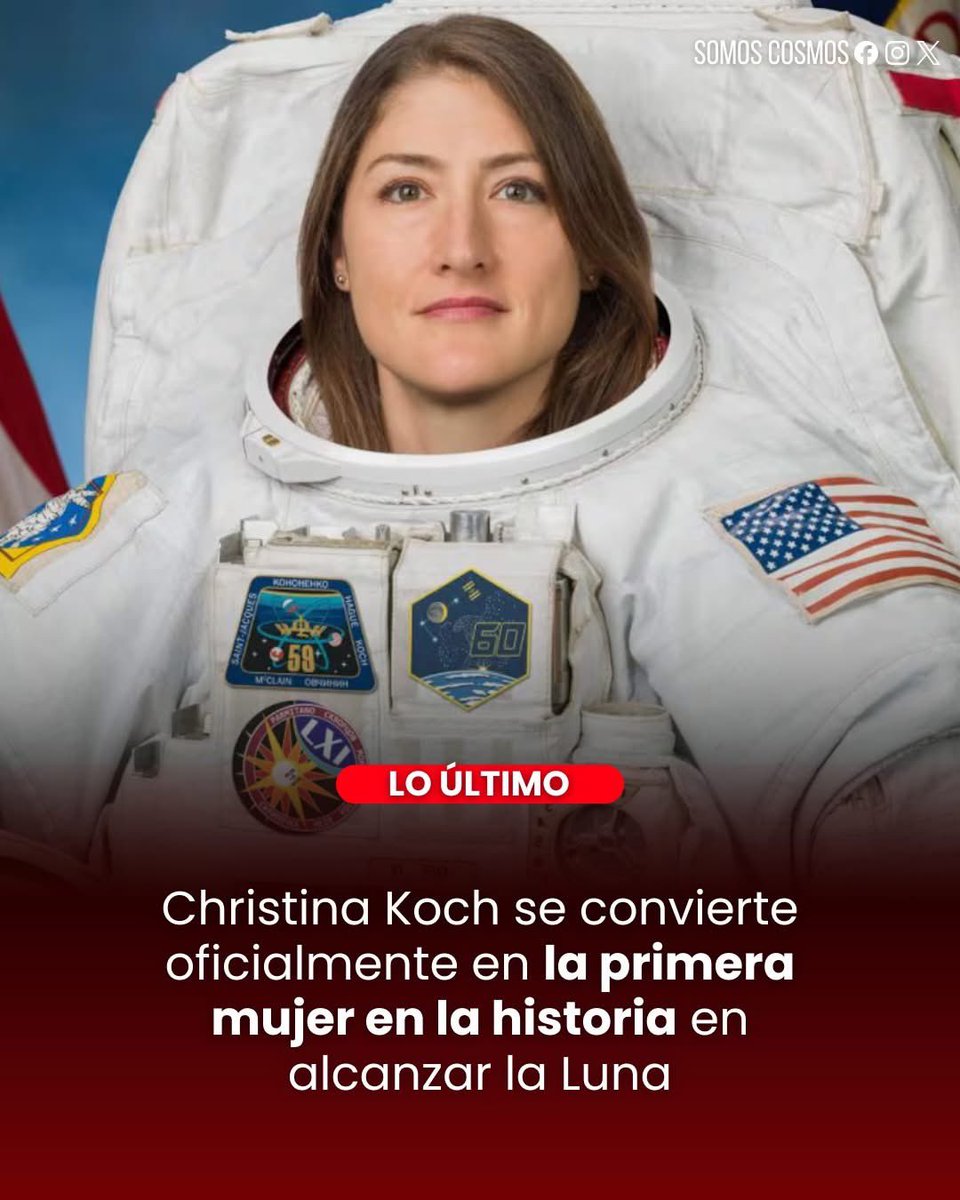
LO ÚLTIMO: Christina Koch se convirtió oficialmente en la primera mujer en la historia en alcanzar el entorno de la Luna durante la misión Artemis II.
Ninguna mujer había participado en misiones lunares tripuladas del programa Apollo. Por tanto, es la primera mujer en viajar más allá de la órbita terrestre baja y en orbitar la Luna.

Español
Rafael Escalona nag-retweet

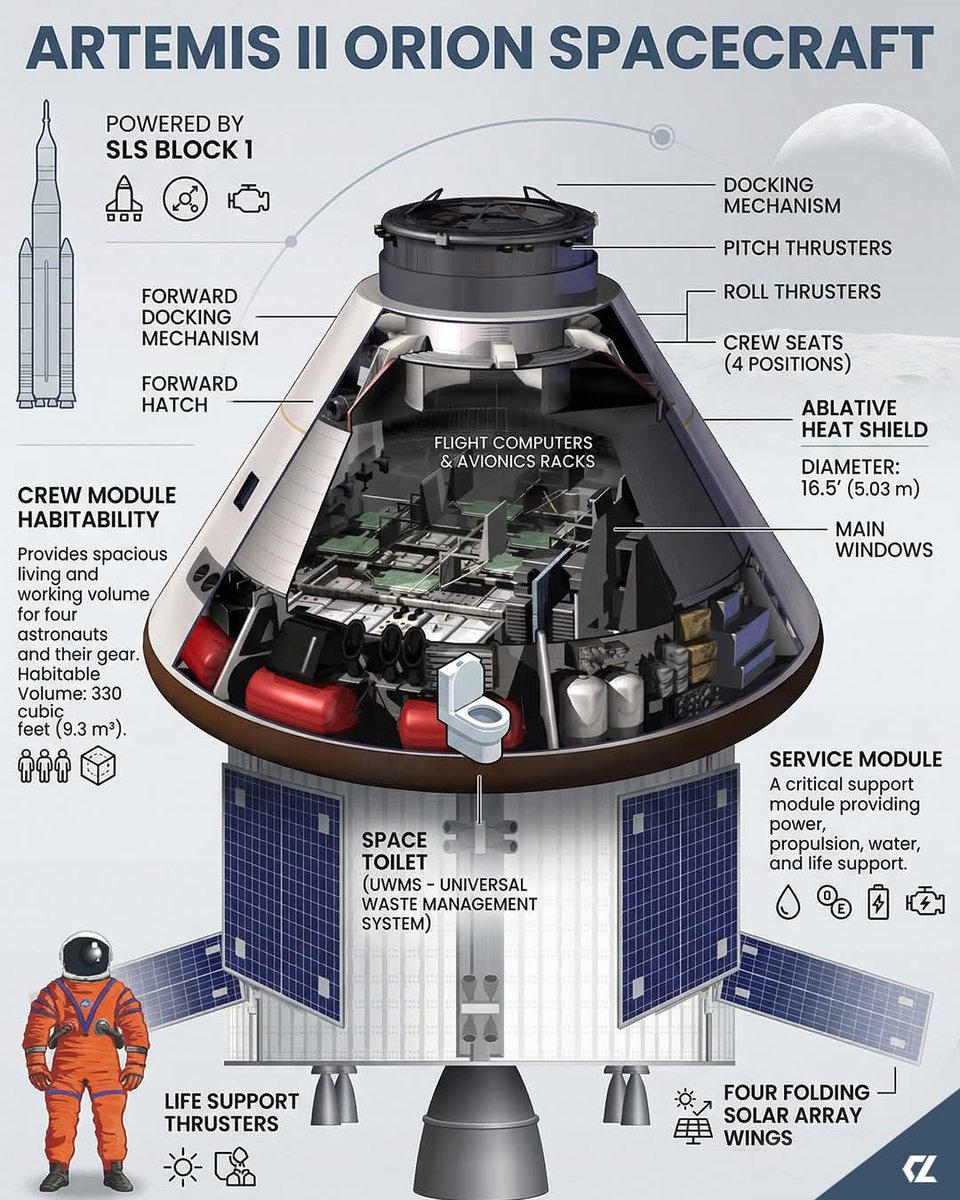
Peek inside the Orion spacecraft: how four astronauts live, breathe, and survive on a journey to the Moon.At the top sits the Crew Module — the astronauts’ home in deep space. Picture sharing a living space no larger than two minivans with three crewmates for weeks on end. This compact habitat is where they work, sleep, eat, exercise, and yes… use the famously tricky space toilet (microgravity makes even basic biology an engineering challenge). It’s an intensely intimate environment that tests both technical skill and human resilience every single day.Yet this small Crew Module would be lifeless without the powerhouse directly beneath it: the European Service Module. Built by ESA, this vital section is the spacecraft’s life-support engine room. It carries the main propulsion engines that will maneuver Orion around the Moon, massive solar arrays that generate electricity, and the sophisticated systems that recycle air, produce drinkable water, and maintain comfortable temperatures in the deadly vacuum of space.Together, the Crew Module and European Service Module form Orion — not just a spacecraft, but a carefully engineered oasis designed to keep humans alive and thriving in the harsh, unforgiving void of deep space.

English
Rafael Escalona nag-retweet