T. Koffi
14.3K posts

T. Koffi
@tchiebley
Full stack developer, System Administrator @blockchain enthusiast #DevOps
TOGO Sumali Nisan 2009
5K Sinusundan1.8K Mga Tagasunod
T. Koffi nag-retweet

Skiperator is a Kubernetes operator that lets developers deploy applications through a simple Application resource while the platform handles secure and reliable setup around it
โค ku.bz/T-j7BM-H3
English
T. Koffi nag-retweet

Helm-exporter exports Helm releases, charts, and version statistics in the Prometheus format
โค ku.bz/T9Y1Vh5Mn
English
T. Koffi nag-retweet

10 Networking Tools Every Beginner Should Know
โข Ping โ test connectivity
โข Traceroute โ track packet paths
โข Netstat โ inspect network connections
โข Wireshark โ analyze packets
โข Nslookup โ troubleshoot DNS
โข Curl โ test APIs & endpoints
โข SSH โ securely access servers
โข IPConfig / IFConfig โ inspect network configs
โข Speedtest โ measure bandwidth
โข Nmap โ scan networks & ports
You donโt need to memorize everything.
Learn these tools โ troubleshoot like a real engineer.
English
T. Koffi nag-retweet

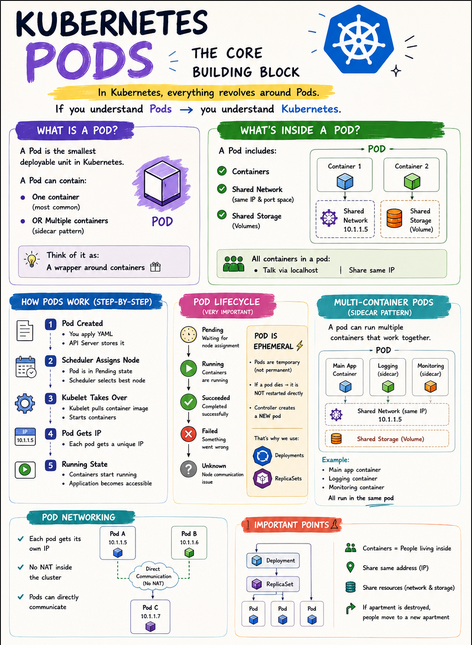
Kubernetes Pods ๐ฆ
Pods are the smallest deployable unit in Kubernetes and the foundation of every application running inside a cluster.
โ A Pod can run one or multiple containers
โ Containers inside a Pod share the same network and storage
โ Every Pod gets its own unique IP address
โ Pods can directly communicate with each other inside the cluster
โ Pods are ephemeral and can be replaced anytime
โ kubelet manages Pods on worker nodes
โ Deployments and ReplicaSets keep Pods running automatically
โ Multi-container Pods use the sidecar pattern for logging, monitoring, etc.
โ Services provide stable access to changing Pod IPs
โ Understanding Pods makes Kubernetes much easier to understand

English
T. Koffi nag-retweet

Learn AI for free directly from top companies.
1 - Anthropic:
anthropic.skilljar.com
2 - Google:
grow.google/ai
3 - Meta:
ai.meta.com/resources/
4 - NVIDIA:
developer.nvidia.com/cuda
5 - Microsoft:
learn.microsoft.com/en-us/training/
6 - OpenAI:
academy.openai.com
7 - IBM:
skillsbuild.org
8 - AWS:
skillbuilder.aws
9 - DeepLearning.AI:
deeplearning.ai
10 - Hugging Face:
huggingface.co/learn

English
T. Koffi nag-retweet

T. Koffi nag-retweet

Nelm is meant to be a direct replacement for Helm 3, providing first-class Helm chart support yet improving on what Helm 3 offers
Nelm is based on Helm 3 โ some parts of it improved and some, like the deployment subsystem, are rewritten from scratch
โ ku.bz/PXsCVWS96
English
T. Koffi nag-retweet

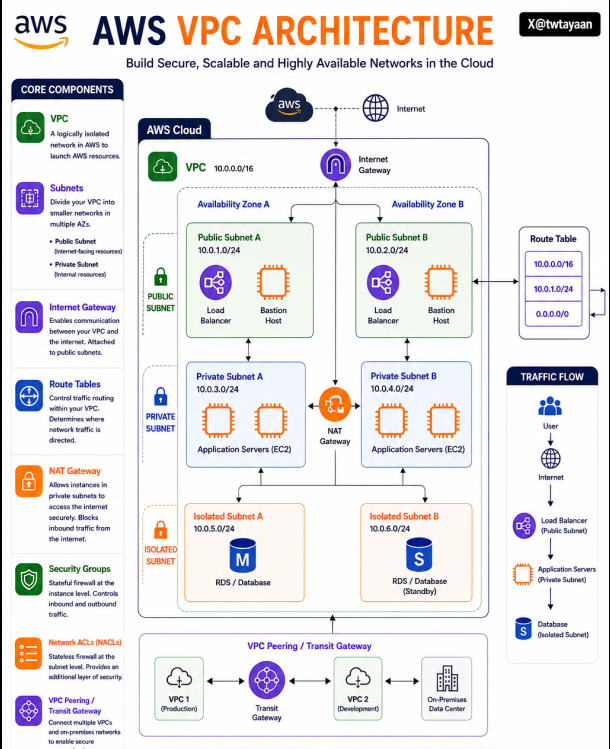
AWS VPC Architecture ๐๏ธ
Amazon VPC helps you build isolated, secure, and scalable networks inside AWS for running cloud applications reliably.
โ Public subnets expose internet-facing resources like Load Balancers
โ Private subnets securely host internal application servers
โ Isolated subnets protect sensitive databases from direct internet access
โ Internet Gateway enables communication between VPC and the internet
โ NAT Gateway allows private instances to access the internet securely
โ Route Tables control how network traffic flows inside the VPC
โ Security Groups act as stateful firewalls for EC2 instances
โ NACLs provide subnet-level traffic filtering and security
โ Multi-AZ deployment improves availability and fault tolerance
โ VPC Peering and Transit Gateway connect multiple networks securely

English
T. Koffi nag-retweet

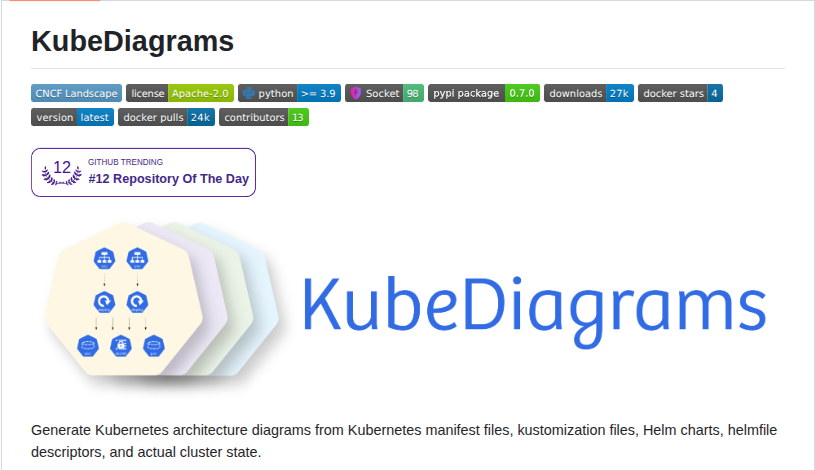
Just found this awesome free tool for generating Kubernetes diagrams automatically.
KubeDiagrams turns your manifests, Helm charts, and even live clusters into clean architecture diagrams in seconds.
โ Generates diagrams from YAML, Helm, Helmfile, and Kustomize
โ Can visualize live cluster state
โ Supports custom resources
โ Exports to PNG, SVG, PDF, and draw.io
โ Free and open source
Super useful for docs, onboarding, and understanding cluster architecture fast.
Repo: github.com/philippemerle/โฆ

English
T. Koffi nag-retweet

๐จ OpenAI is officially on AWS.
Yesterday (April 28, 2026), AWS and OpenAI announced a massive expansion to their partnership.
It includes:
โ GPT-5.5 on Bedrock: Access frontier models via standard Bedrock APIs
โ Codex on AWS: Native coding agents for CLI and VS Code
โ Managed Agents: OpenAI-powered agents running inside your AWS VPC
โ Unified Billing: Usage counts toward your existing AWS cloud commitments
โ 0ms Egress: Eliminate data transfer fees between S3 and OpenAI/Azure
You no longer have to choose between the best models and the best infrastructure.
The Microsoft Azure exclusivity is officially over.
Source: share.google/rM15XYWGgBtYU7โฆ

English
T. Koffi nag-retweet

Before appearing for an interview, understand the Kubernetes components.
Master these fundamentals. ๐
Pod โ The smallest deployable unit in Kubernetes; wraps one or more containers.
Node โ A machine (VM or physical) where pods are scheduled and run.
Cluster โ A set of nodes managed by a control plane.
Deployment โ Manages rolling updates and ensures desired number of pod replicas.
ReplicaSet โ Ensures a specified number of identical pods are running.
StatefulSet โ Used for stateful apps with persistent identity and storage.
DaemonSet โ Ensures a pod runs on all (or selected) nodes.
Job โ Runs pods that complete a task and then exit.
CronJob โ Schedules jobs at specific times (like cron).
Service โ Exposes a stable network interface to access pods.
ClusterIP โ Default service type; accessible only within the cluster.
NodePort โ Exposes service on a static port across all nodes.
LoadBalancer โ Exposes service externally via cloud provider LB.
Ingress โ Manages HTTP(S) routing to services.
ConfigMap โ Stores non-sensitive config data for pods.
Secret โ Stores sensitive data like API keys/passwords.
Volume โ Persistent storage attached to pods.
PersistentVolume (PV) โ Storage provisioned for the cluster.
PersistentVolumeClaim (PVC) โ Request for storage by a pod.
Namespace โ Logical separation of cluster resources.
Kubelet โ Agent on each node managing pod lifecycle.
Kube-Proxy โ Handles networking rules and traffic forwarding.
API Server โ Central control plane component for all communication.
Controller Manager โ Ensures desired state via background controllers.
Scheduler โ Assigns pods to nodes based on resources.
cAdvisor โ Collects resource usage metrics on nodes.
etcd โ Distributed key-value store for cluster data.
Taints โ Prevents pods from scheduling on certain nodes unless tolerated.
Helm โ Package manager for Kubernetes applications.
Kubernetes Dashboard โ Web UI for managing clusters.
Follow for more !

English
T. Koffi nag-retweet

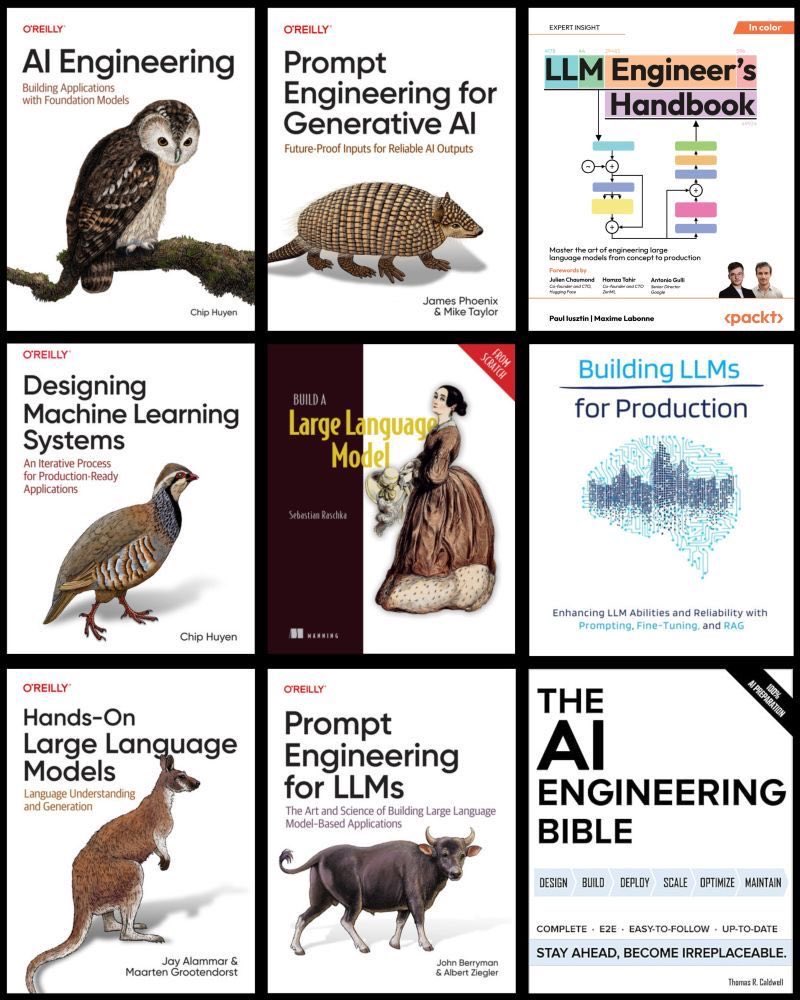
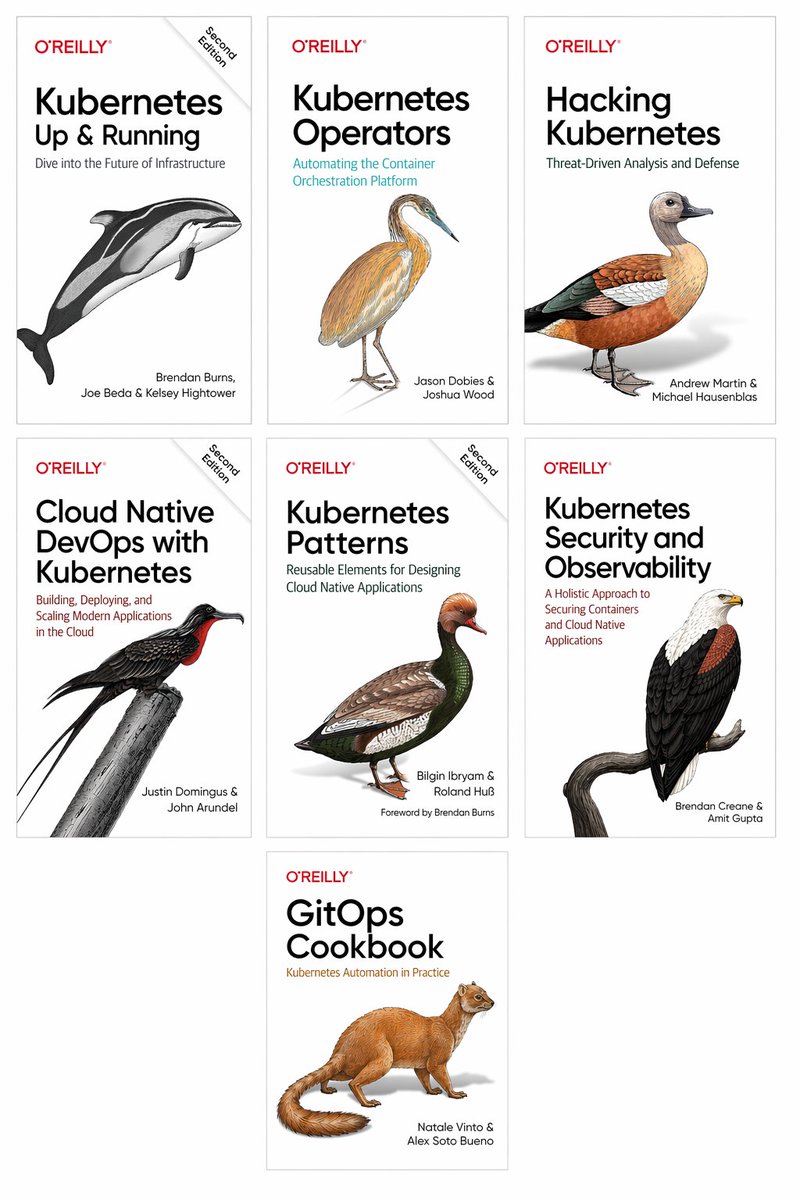
7 OโReilly FREE Books for Kubernetes ๐
1. Kubernetes Up & Running
digtvbg.com/files/LINUX/Kuโฆ
2. Kubernetes Operators
oreilly.com/library/view/kโฆ
3. Hacking Kubernetes
book.huihoo.com/pdf/10-oreillyโฆ
4. Cloud Native DevOps with Kubernetes
oreilly.com/library/view/cโฆ
5. Kubernetes Patterns
oreilly.com/library/view/kโฆ
6. Kubernetes Security and Observability
oreilly.com/library/view/kโฆ
7. GitOps Cookbook
devopschina.org/wp-content/uplโฆ
Most of these are free via OโReilly trial or community releases.

Dansk
T. Koffi nag-retweet

KUBERNETES (K8S) QUICK STRUCTURE
kubernetes/
โโโ fundamentals/ # Core concepts
โ โโโ architecture # Master, Node, Cluster
โ โโโ pods # Smallest deployable unit
โ โโโ services # Networking & exposure
โ โโโ namespaces # Resource isolation
โ
โโโ workloads/ # Running applications
โ โโโ deployments # Stateless apps
โ โโโ statefulsets # Stateful apps
โ โโโ daemonsets # Node-level workloads
โ โโโ jobs # Batch processing
โ
โโโ networking/ # Communication
โ โโโ cluster-ip # Internal access
โ โโโ nodeport # External access
โ โโโ loadbalancer # Cloud exposure
โ โโโ ingress # HTTP routing
โ
โโโ storage/ # Persistent data
โ โโโ volumes # Storage units
โ โโโ persistent-volumes # PV
โ โโโ persistent-volume-claims # PVC
โ
โโโ configuration/ # App configs
โ โโโ configmaps # Non-sensitive data
โ โโโ secrets # Sensitive data
โ
โโโ scaling/ # Auto scaling
โ โโโ hpa # Horizontal scaling
โ โโโ autoscaling # Resource scaling
โ
โโโ security/ # Cluster security
โ โโโ rbac # Access control
โ โโโ network-policies # Traffic control
โ โโโ pod-security # Pod restrictions
โ
โโโ observability/ # Monitoring
โ โโโ logging # Logs
โ โโโ metrics # Performance data
โ โโโ tracing # Request tracing
โ
โโโ devops/ # Deployment
โ โโโ helm # Package manager
โ โโโ ci-cd # Pipelines
โ โโโ gitops # Declarative delivery
โ
โโโ manifests/ # YAML configs
โ โโโ pod.yaml
โ โโโ deployment.yaml
โ โโโ service.yaml
โ โโโ ingress.yaml
โ
โโโ .gitignore # Ignored files
โโโ README # Documentation
โโโ roadmap # Learning roadmap
Master Kubernetes with this complete ebook:
codewithdhanian.gumroad.com/l/jwjls

English
T. Koffi nag-retweet

New Apple CEO Ternus to employees on AI: โItโs going to allow us to do some things that, honestly, were previously in the realm of science fiction, and now we see a path to being able to do it, which is incredibly exciting.โ bloomberg.com/news/newsletteโฆ
English
T. Koffi nag-retweet

Most developers โuse APIs.โ
Very few understand how APIs actually power systems.
Thatโs the difference between writing codeโฆ
and building scalable products.
Hereโs how APIs really work ๐
APIs
โ
โโโ Open APIs (External systems)
โ โโโ REST API
โ โ โโโ Weather data
โ โ โโโ Login/auth systems
โ โ โโโ Product information
โ โ
โ โโโ SOAP API
โ โ โโโ Bank transfers
โ โ โโโ Insurance claims
โ โ โโโ Government records
โ โ
โ โโโ GraphQL API
โ โโโ Social feeds (Facebook, etc.)
โ โโโ GitHub stats
โ โโโ Custom queries (fetch only what you need)
โ
โโโ Internal APIs (Your system backbone)
โ โโโ Frontend โ Backend
โ โ โโโ Login requests
โ โ โโโ Profile fetch
โ โ โโโ Live search
โ โ
โ โโโ Backend โ Backend
โ โ โโโ Microservices communication
โ โ
โ โโโ Service โ Database
โ โโโ User insert/update
โ โโโ Reports & queries
โ
โโโ Partner APIs (Business integrations)
โโโ B2B Integrations
โ โโโ Payment gateways
โ โโโ Airline / hotel booking
โ โโโ External service data
โ
โโโ Affiliate Systems
โ โโโ Product links
โ โโโ Commission tracking
โ โโโ Click analytics
โ
โโโ Data Sharing APIs
โโโ Health records
โโโ Finance data
โโโ Logistics tracking
Now the important part:
Most people stop at โcalling APIs.โ
But real engineers think like this:
โ Where does this API fit in the system?
โ Is it external, internal, or partner-level?
โ How does data flow between layers?
โ Can this scale when users grow 10x?
Because in real-world applications:
โข Open APIs bring data
โข Internal APIs run your product
โข Partner APIs grow your business
Thatโs how companies build:
โ SaaS platforms
โ Marketplaces
โ Fintech systems
โ Scalable products
The shift is simple:
Amateurs โ Call endpoints
Professionals โ Design API architecture
If you understand APIs like this,
you donโt just build featuresโฆ
You build systems.
โป๏ธ Repost to help someone
GIF
English