Tom Lambert

498 posts

Tom Lambert

Tom Lambert

@tomagain

I drink tea and look out the window. Sometimes I climb or ski or run or read or write or drive a snowplow. I'm not an expert in anything. Read accordingly.

Yosemite, CA, USA Sumali Mayıs 2009
27 Sinusundan81 Mga Tagasunod
Tom Lambert
Tom Lambert@tomagain·
@doctorinigo Nice summary of the issues with this study. Thank you for laying this out for those of us without your in-depth knowledge.
English
0
0
1
33
Iñigo San Millán
Iñigo San Millán@doctorinigo·
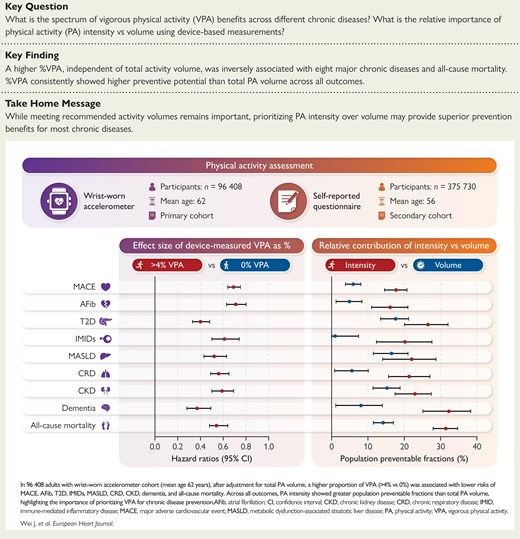
Important dataset, but wrong framing leading to misinformation. They adjust for volume, then claim intensity is superior. A huge flaw in the study is the determination of high intensity which for the authors is >6METs which is ~21 mL O₂/kg/min… So the reality is that this high intensity is in the range of Z1-Z3 for many people…😬…That is not high intensity for most. And low intensity in the study is <6METS which for many is not even a brisk walk or just Z1 To produce intensity: • ↑ ATP turnover • ↑ glycolysis • ↑ lactate To sustain it: • mitochondrial capacity • NAD⁺/NADH balance • lactate clearance This study doesn’t even mention metabolism or bioenergetics… However, the main thing is misinformation as we keep falling into the same trap: either intensity or volume. It’s both! And more importantly, exercise must be individualized, whether for an elite athlete or a patient. academic.oup.com/eurheartj/adva…

Iñigo San Millán tweet media
English
4
22
119
6.4K
Alan Couzens
Alan Couzens@Alan_Couzens·
@louisanicola_ It's not. It's based on absolute output - METs - which is one of the problems. "Vigorous" should be relative to max METs for it to be a meaningful term.
English
3
0
23
399
Louisa Nicola
Louisa Nicola@louisanicola_·
Move Smarter, Not Just More: Why INTENSITY Beats Volume in Exercise New study (96,000+ people, UK Biobank) shows something surprising: - Just >4% of your activity being vigorous = up to 61% LOWER disease risk - Benefits seen across 8 major diseases + overall mortality - Intensity mattered MORE than total exercise time - Even small bursts of high intensity had a major impact -Strongest effects seen for dementia, heart disease, and inflammatory conditions - Some diseases (like diabetes) benefit from BOTH intensity and total activity Key insight: You don’t need more time. You need smarter intensity. Bottom line: A few minutes of harder effort may protect your health more than hours of easy movement. Train with purpose.
Louisa Nicola tweet media
English
10
6
27
6.4K
Tom Lambert
Tom Lambert@tomagain·
@Noahpinion I drive a PHEV so I can compare fuel cost directly. If you are a PG&E customer on a Time of Use plan on off-peak hours, the cheapest rate is $0.40/kWh once baseline is used up. I get about 30mpg and about 30 miles/10kWh. Using electricity is ~ $4/gal or ~$0.13/mi fuel cost
English
0
0
0
14
Tom Lambert
Tom Lambert@tomagain·
@Alan_Couzens I thought it's because someone needs to explain that, no, "vigorous activity" in longevity research doesn't mean 6 x mile repeats at threshold pace. Telling people to go easy is like telling people we need to cut spending and raise taxes. Necessary, but it doesn't get votes.
English
0
0
2
179
Alan Couzens
Alan Couzens@Alan_Couzens·
"Why are you 'the intensity police'?" 👮‍♂️ Because I've seen (and experienced first-hand) the negative performance and health impact of too much intensity in your routine. I saw numerous swimmers get burned out & overtrained (some got very sick) purely from pushing too hard over time. I saw my own performance plateau & my competitive aspirations fall away due to a program with excessive intensity. There's a better way, it's Eazzzy.
English
9
3
132
6.4K
Tom Lambert
Tom Lambert@tomagain·
@Alan_Couzens And correct me if I’m wrong, in this context, light activity can mean a stroll, making the bed, watering the plants. It doesn’t mean a Z1 run/ride.
English
1
0
0
66
Tom Lambert
Tom Lambert@tomagain·
@Alan_Couzens What is your recovery between strides? If I’m running at low end of Z2 (117-118bpm) and do 30s strides building to close to but less than 5k effort (this is uphill so pace is weird), I get about a 10bpm spike and take about 60 secs at easy run to drop back below 120
English
0
0
0
62
Alan Couzens
Alan Couzens@Alan_Couzens·
Strides, when done correctly, shouldn't be long enough (or fast enough) to significantly elevate your heart rate. Shoot for... - Set cadence first - Progressively lengthen stride over ~10-15s - Gradually build to ~5k pace or a little quicker - Once you hit that pace, ease back down. These are neuromuscular, not energy system training. Just enough to keep the FT fibers awake & alive.
Joonas Helander@HelanderJoonas

@Alan_Couzens Not even some strides? Quite strick!

English
5
3
136
23.5K
Tom Lambert
Tom Lambert@tomagain·
@hjluks 2/2. At the same time, arguments from mechanism rather than epidemiology are constantly used to vilify foods. Yes, vegetables are full of chemicals meant to kill things that eat them. Yet epidemiology tells us that avoiding veggies is not a path to health.
English
0
0
0
7
Tom Lambert
Tom Lambert@tomagain·
@hjluks Actually, isn’t it possible that you are both right? To some extent eating psyllium because you’re short on fiber is perhaps a sign that the rest of your diet is way too low on fiber. You shouldn’t need a supplement. 1/2
English
0
0
0
42
Tom Lambert
Tom Lambert@tomagain·
@Alan_Couzens A friend new to exercise told me she was “doing Norwegians.” I told her not to take exercise advice from anyone who uses “Norwegians” as a noun referring to anything other than a group of people. So seductive: short time investment and big return. Perfect fodder for grifters
English
0
0
2
268
Tom Lambert
Tom Lambert@tomagain·
@hjluks If only you were following the right influencers, you would know that oatmeal is a poison anti-nutrient. That stuff will kill you! It might take 107 years to do so, but beware
English
1
0
5
200
Howard Luks MD
Howard Luks MD@hjluks·
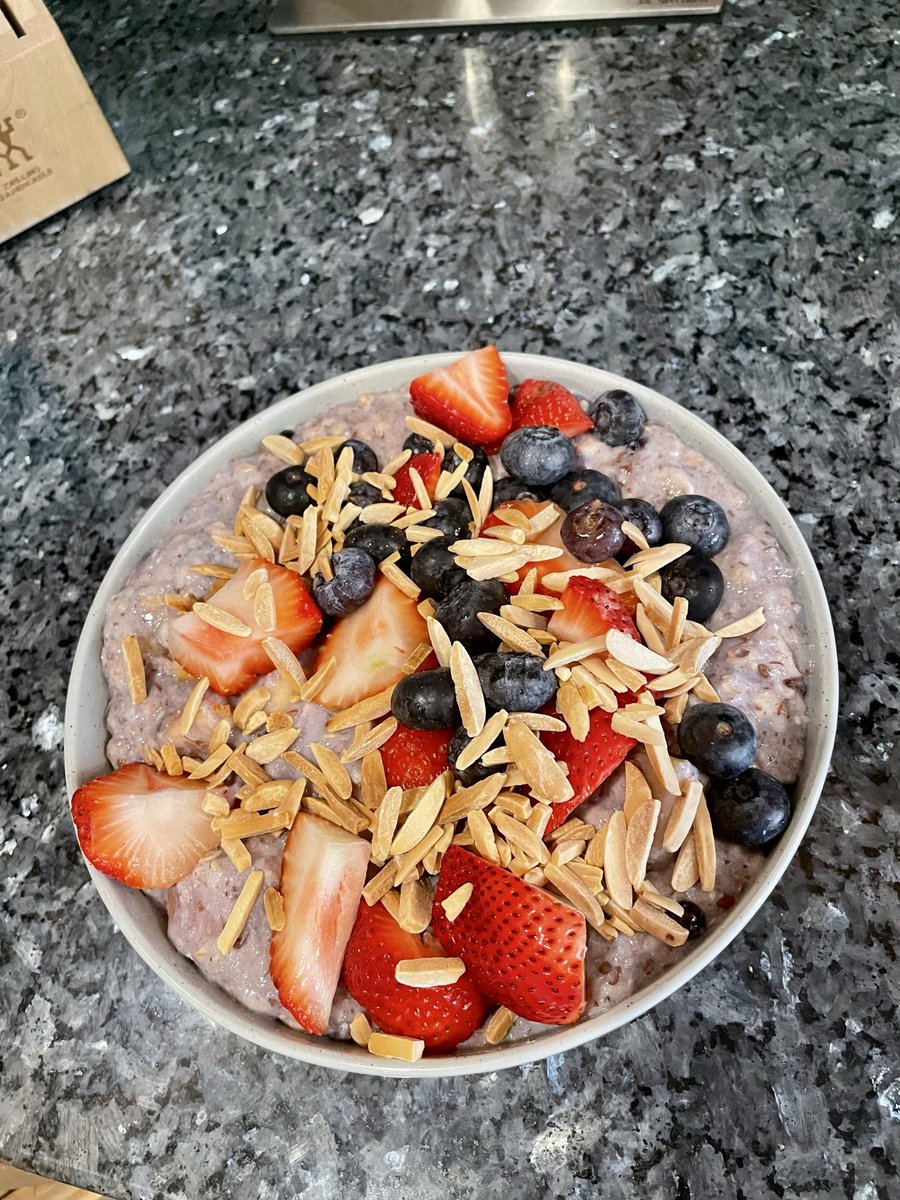
Long ride. Long gym session. Huge bowl of oatmeal 😋😋 Fuel your burn
Howard Luks MD tweet media
English
11
0
111
6K
Howard Luks MD
Howard Luks MD@hjluks·
The good news: the natural history of tennis elbow is highly favorable. Most cases resolve on their own within 6–12 months. Your job is to load the tendon appropriately, avoid cortisone, keep doing the things that don't hurt, and be patient. Surgery is almost never needed. You very often just need to wait longer — and load smarter. Full breakdown + downloadable guide: howardluksmd.substack.com/p/why-does-my-…
English
4
0
14
2.1K
Howard Luks MD
Howard Luks MD@hjluks·
Start here: isometric wrist extension holds. Elbow straight, arm extended. Place your opposite hand on the back of your wrist and resist as you extend upward. Hold 30 seconds at moderate intensity. Rest 1 minute. Repeat 8 times. Once or twice daily. Then get in to see a PT. And a practical hack: lift with your palm facing up whenever possible. It changes the load distribution at the lateral epicondyle. Coffee cup, grocery bag, everything. Sounds too simple. Works.
English
2
3
18
2.4K
Tom Lambert
Tom Lambert@tomagain·
@hjluks @AndyRenfree I try to get every data-obsessed runner who can’t run without checking their something on their watch or their Whoop to read Andy’s essay on running by feel (pinned in his feed). Great essay with the ex phys PhD to back it up
English
0
0
1
7
Tom Lambert
Tom Lambert@tomagain·
@hjluks @AndyRenfree I found myself posting my comment about recovery at 62 and thinking, didn’t I say this to Howard yesterday? And realized it was Andy and thought you should know of each other 😀
English
0
0
1
9
Tom Lambert
Tom Lambert@tomagain·
@AndyRenfree If not already doing so, @AndyRenfree and @hjluks should be following each other. I find your perspectives on fitness beyond the Go Go years complementary and valuable.
English
1
0
2
21
Tom Lambert
Tom Lambert@tomagain·
@StottGeorge @hjluks 100%. When young I was time limited, but now I am recovery limited, not time limited. The 18yo I mentor is baffled. Why do I spend so much time indoors when I have time to be outdoors. How can I still bury her for ONE day of talus hopping and scrambling, but not two?
English
1
0
2
11
george
george@StottGeorge·
@hjluks I’ve found out now I’m retired having the time to do more doesn’t necessarily mean I should do more
English
2
0
9
467
Howard Luks MD
Howard Luks MD@hjluks·
The older you get, the more expensive your mistakes become. One impatient jump in volume, one extra session before you've recovered, and you're sidelined for weeks... sometimes months. What bounced back in two days at 35 costs you a season at 65.
English
14
15
284
20.5K
Tom Lambert
Tom Lambert@tomagain·
@Alan_Couzens To cue up one of your favorite softball topics: is high-intensity the same as fast? Is low-intensity the same as slow? 😀😀
English
0
0
0
10.5K
Alan Couzens
Alan Couzens@Alan_Couzens·
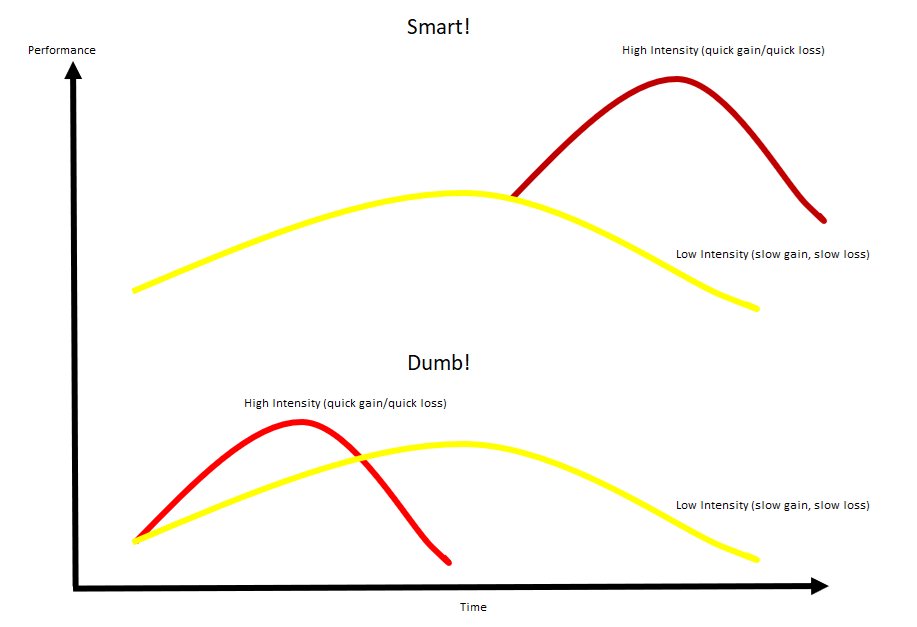
"Why don't we do high-intensity early in the build?" Because high-intensity and low-intensity adaptations operate over different timeframes...
Alan Couzens tweet media
English
12
17
205
13.6K
Tom Lambert
Tom Lambert@tomagain·
@hjluks Add intensive selection for human outliers to early strength training & you hit loads that never did or will have any evolutionary pressure. Worse in skiing where you add lever arms. FIS had to limit riser plates and ski radius b/c skiers were getting so many MCL/ACL tears
English
0
0
3
113
Howard Luks MD
Howard Luks MD@hjluks·
Moses Moody — Patellar Tendon Rupture: The Surgery Is the Easy Part!! Moses Moody, the 23-year-old guard for the Golden State Warriors, ruptured his left patellar tendon late in overtime against the Dallas Mavericks on March 24. He stole the ball, drove toward the basket, and went down without contact while planting to jump. He was unable to bear weight and was stretchered off the court. Surgery is scheduled. The patellar tendon connects the bottom of the kneecap to the tibial tubercle, the bony prominence just below the knee. It is the final link in the extensor mechanism — the system of the quadriceps muscle, the quad tendon, the patella, and the patellar tendon that allows the knee to straighten. When it tears completely, the knee cannot extend. The surgery is relatively straightforward, but it demands careful technique. A first-year resident can easily do this with supervision. The torn tendon ends are reattached to the patella using heavy sutures passed through drill holes in the bone or secured with suture anchors. The most important technical detail is tendon length: the repair must restore the patellar tendon to its native length. Shortening it — even modestly — causes patella baja, a pathologically low-riding patella that increases patellofemoral joint compression and leads to pain and stiffness that can outlast the repair itself. To protect the fixation and allow earlier rehabilitation, surgeons typically augment the repair with a heavy suture or cerclage wire looped from the patella down to the tibial tubercle. This offloads stress on the repair site during healing. With that protection in place, controlled range of motion and early weight bearing can begin sooner, which limits quad atrophy and stiffness and improves long-term outcomes. The rehab is where the real work happens. It’s a VERY LONG ROAD. Quadriceps atrophy sets in quickly, and rebuilding the capacity to absorb eccentric load during running, cutting, landing, and jumping at an NBA level takes at least 9-12 months. The established return-to-sport timeline is often 9 to 12 months, and many players take longer to return to their prior level of performance. Structural healing and functional readiness are not the same thing. Moody is 23. Aging biology is working in his favor. Whether he is fully ready at the start of next season is a question the rehab process will answer. But I doubt it. Why did this happen??? I don’t know. Players are so powerful… forces are so high. Maybe we are reaching the limit of what our tendons can withstand?
English
8
4
49
8.4K
Tom Lambert
Tom Lambert@tomagain·
@AndyRenfree I’m 62. Big diff compared to 52. Huge compared to 32. That’s why I mention systemic fatigue. At 32: eat a lot, sleep a lot and good to go. Now if I’m sore it’s a rest day, not b/c of DOMS but b/c of the load that got me DOMS. If all I did was pull-ups, I could run w/ sore lats
English
0
0
1
15