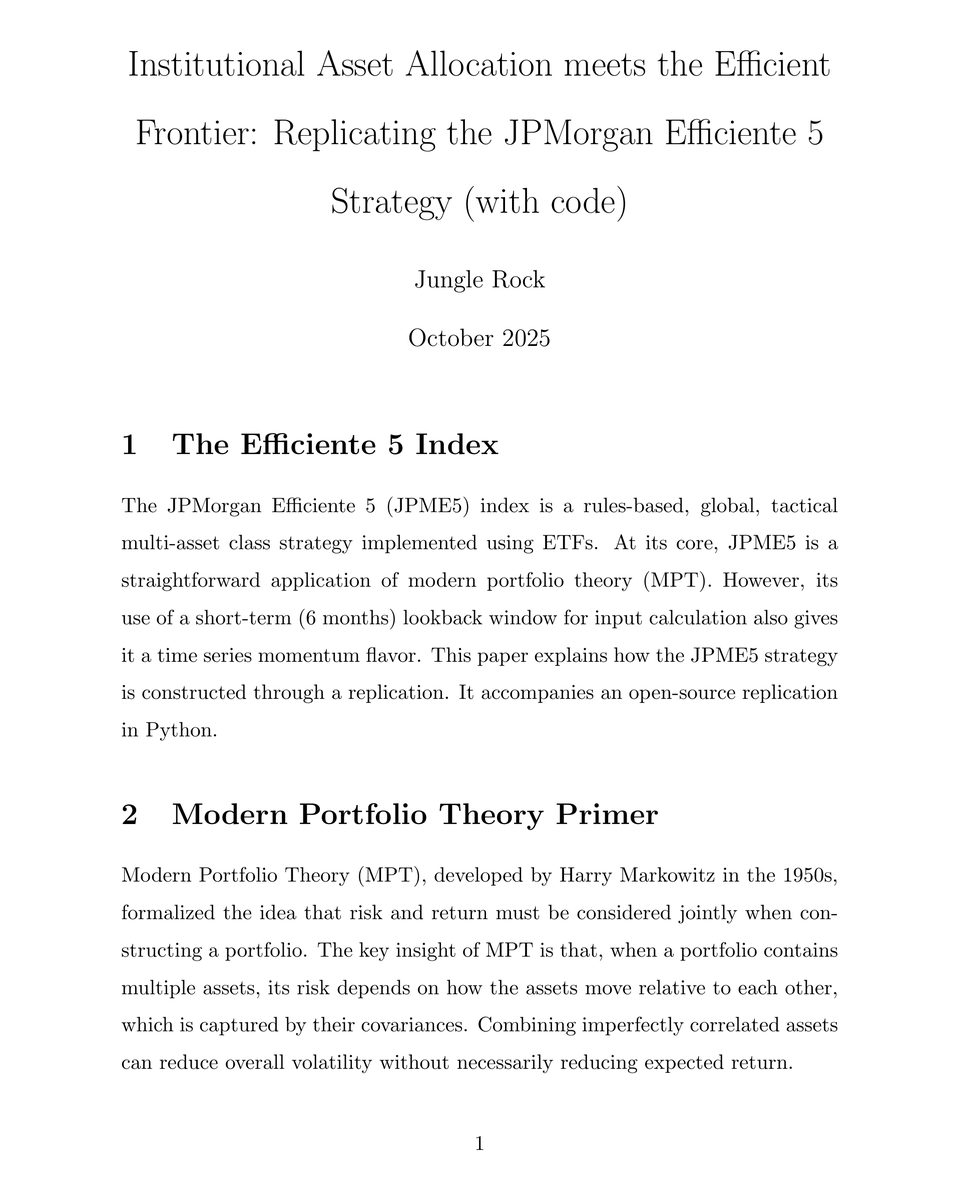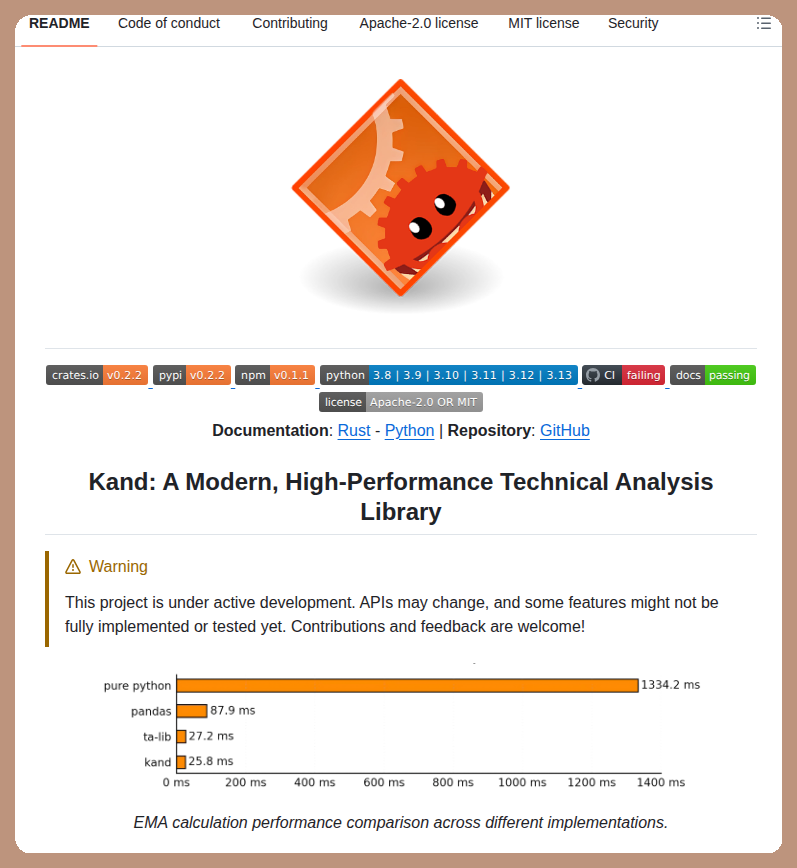

"Our analysis shows that while stop losses rarely enhance expected or risk-adjusted returns, they consistently improve skewness and drawdowns."
MT4 Indicator & EA Coder
13.6K posts

@BitcoinSignal
A new dawn is coming with my EA #Smaug and a trading signal service. Join the waitlist in the pinned Tweet to get notified. Launch end of April 2024.

"Our analysis shows that while stop losses rarely enhance expected or risk-adjusted returns, they consistently improve skewness and drawdowns."


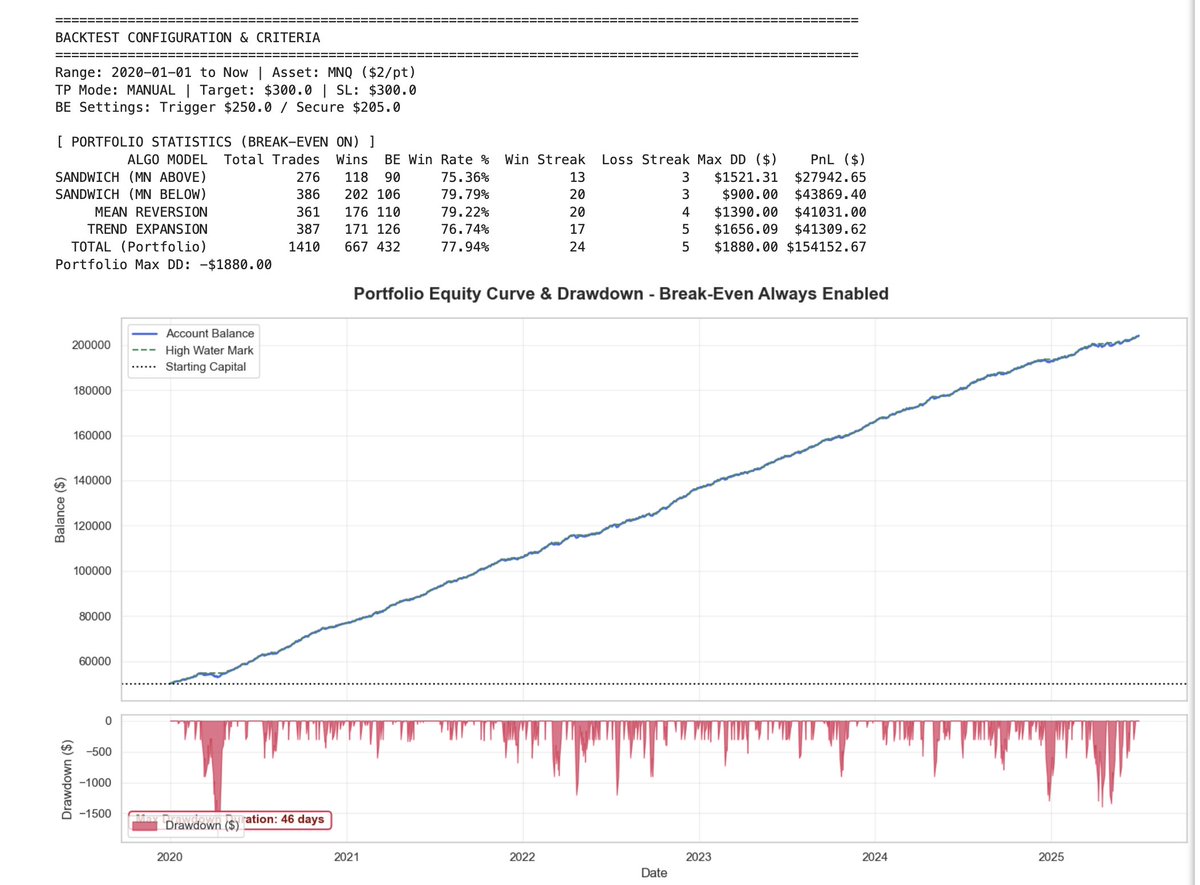
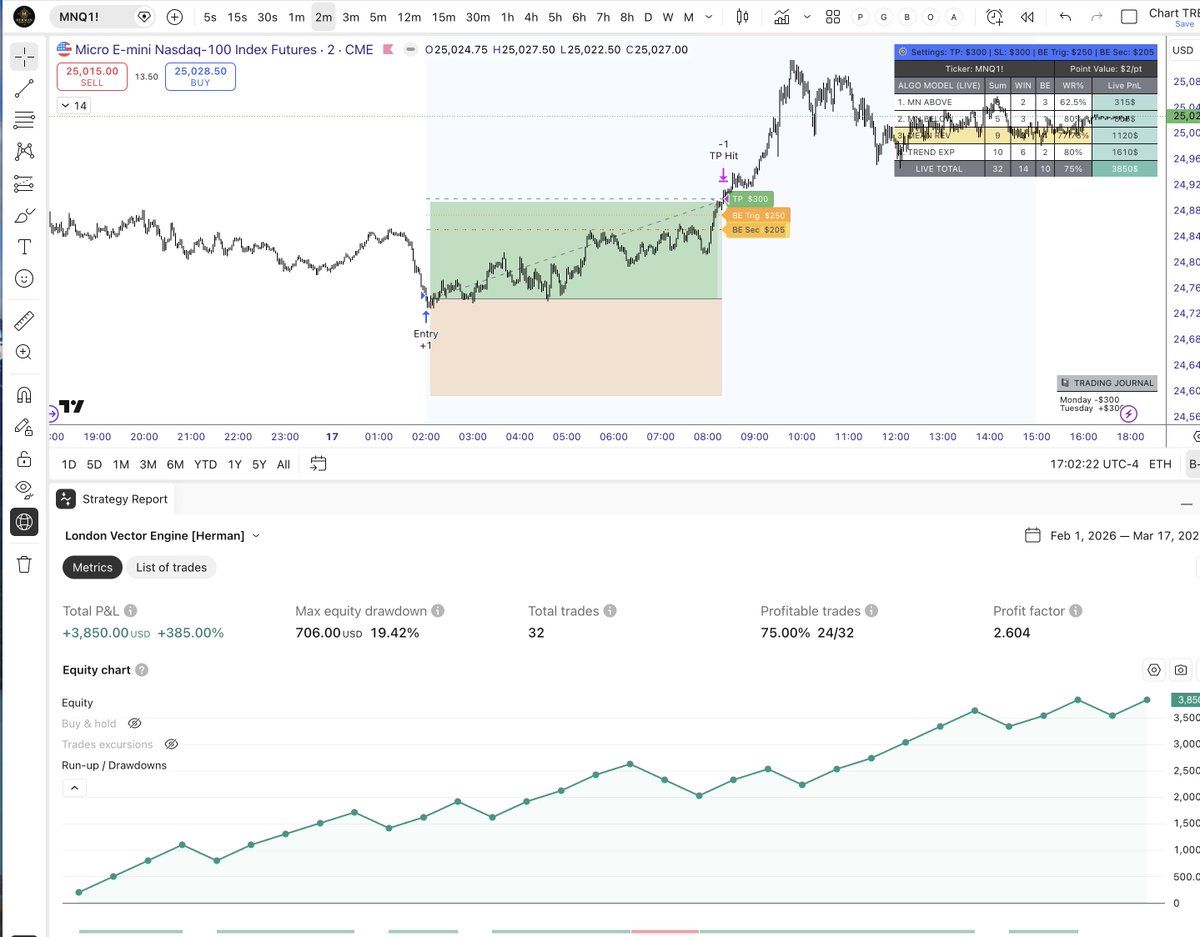
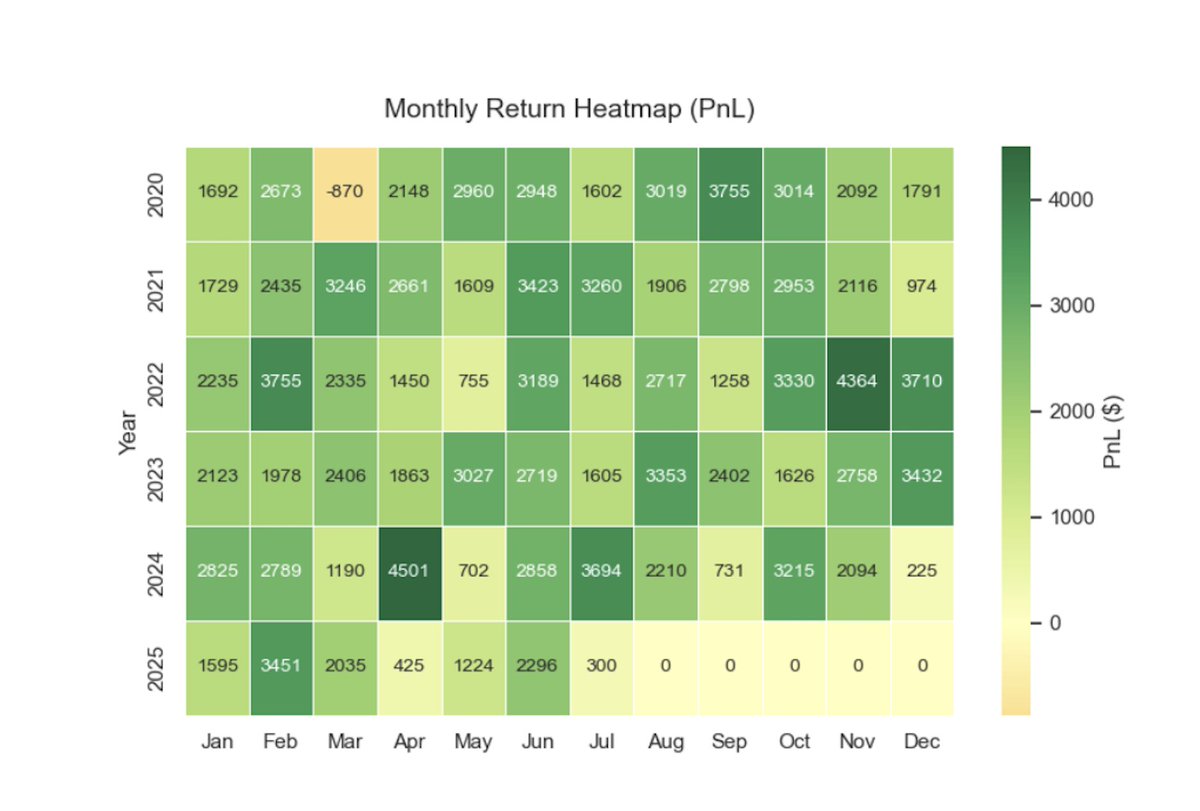
I got interested in algo trading recently. And I think I may have found a real edge. It’s 100% mechanical on $NQ Every day at exactly 2:00am New York time, the system gives a trade automatically. No prediction. No overthinking. No emotional bias. The indicator shows: long or short entry exactly at 2am. stop loss take profit break-even trigger It also has built-in alerts. The framework is simple: TP: 150 points SL: 150 points On 1 mini contract that means: +$300 win -$300 loss If the price reaches +$250, I will stop to BE in profit at +$205. That’s the whole model. What makes it interesting is this: In backtesting, it delivered 75%+ win rate and the historical drawdown never reached a level that would have blown a $50k prop firm account. So now I’m doing what most traders avoid: forward testing it on a live market with a dedicated eval account Because backtests are not enough. But when a model is: mechanical repeatable risk-defined time-based simple to execute …it deserves to be tested properly. Too many traders lose money not because their idea is bad… but because their execution is inconsistent. This experiment removes that excuse. Now the question is simple: Does the edge survive real conditions? That’s what I’m about to find out. Would you run a system like this live? #AlgoTrading #PropFirm

SpaceX Starship rocket garden


Galaxies leave clues when they collide. Tails, shells, and faint streams of stars reveal past encounters, and Euclid telescope images are uncovering them in stunning detail. You can help scientists spot these cosmic signatures with Galaxy Zoo: Tidal Tales: go.nasa.gov/4b9QvcA

Welcome to Hubble's Messier Marathon 2026! This annual event encourages astronomers to target cosmic objects from the Messier catalog, compiled by French astronomer Charles Messier in the 1700s. We're sharing new Hubble images of Messier objects through next weekend ⬇️

The next chapter of Artemis is about acceleration. • Building the Moon base • Landers at the lunar south pole on a monthly cadence starting in 2027 • Nuclear power & propulsion • More science and discovery First we clear the barriers inside NASA. Then we move.