Jonathan Hall

1.9K posts

Jonathan Hall banner
Jonathan Hall

Jonathan Hall

@Bitcollector

Bitcoin is good for the future. There will only be 21 Million Bitcoins made There are 62 Million millionaires in the world. Each one can only own 0.33 Bitcoins

شامل ہوئے Mart 2017
1.1K فالونگ2.2K فالوورز
پن کیا گیا ٹویٹ
Jonathan Hall
Jonathan Hall@Bitcollector·
Bitcoin in the Future Many people are surprised to learn just how limited Bitcoin's truly available supply really is—despite the circulating total hovering around 19.99 million BTC as of February 2026 (out of the absolute hard cap of 21 million), the amount that's realistically up for sale on the open market at any given time is far smaller. Glassnode's latest data shows liquid supply (coins held by entities that actively spend or transact) at around 2.5 million BTC, while exchange reserves across major platforms total roughly 2.4–2.5 million BTC. A significant portion—often 70% or more—is held illiquid by long-term holders, institutions, lost wallets, or entities that rarely transact, leaving only a few million BTC in more liquid forms like exchange reserves or actively traded coins. This built-in scarcity is what makes Bitcoin fundamentally different from traditional assets that can be inflated or printed endlessly. Owning even a modest amount like 0.33 BTC—worth about $22,500 at the current price of roughly $68,000 per BTC—positions someone as holding more than the vast majority of people globally, given that on-chain data shows fewer than 1 million unique wallets hold at least 1 full BTC, and even fewer individuals control significant portions after accounting for multiple wallets per person. In contrast, the average millionaire (with a typical net worth around $1.3–$1.4 million, including assets like homes and investments) owns very little Bitcoin, if any at all. Recent surveys indicate that while about 68% of American millionaires own some cryptocurrency, Bitcoin specifically is held by around 60% of those crypto owners, but their average holdings are minimal—often just a small portfolio allocation of 1–5% of their wealth, equating to perhaps 0.05–0.1 BTC per person on average across all millionaires, as the bulk of Bitcoin wealth is concentrated among a tiny fraction of dedicated holders and institutions. This means most traditional millionaires, focused on stocks, real estate, and bonds, have yet to fully embrace Bitcoin's potential, leaving early adopters with a substantial edge. Now, consider a powerful hypothetical that illustrates this scarcity in action: Imagine that 10% of the world's roughly 60 million millionaires—about 6 million people—suddenly decide they want to add a meaningful amount of Bitcoin to their portfolios. For simplicity, let's define "meaningful" as aiming for a substantial holding, and assume that current holders are willing to part with a more realistic portion of the available supply—perhaps 4 to 8 million BTC (closer to highly liquid/exchange-held coins plus some additional selling from semi-liquid holders amid surging demand). In this simplified scenario—where we set aside real-world dynamics like rapidly rising prices causing hesitation or reduced buying—the available sold supply would be distributed among these 6 million new buyers. If divided evenly, each millionaire could end up owning approximately 0.67 to 1.33 BTC. At recent prices around $68,000 per BTC, that equates to a roughly $45,000 to $90,000 investment per person—still a notable allocation for many high-net-worth individuals, yet it would absorb a substantial portion of what's realistically sellable without extreme price pressure. Of course, reality would be far more dynamic. Such massive inbound demand from wealthy participants wouldn't occur in a vacuum: prices would likely climb sharply as buyers compete for the limited liquid supply, potentially bringing even more sellers into the market at higher levels or causing some buyers to scale back. Sellers might hold out for better prices, and not all of the assumed 4–8 million BTC would actually change hands before equilibrium sets in. This is precisely why Bitcoin is frequently likened to "digital gold"—its protocol-enforced cap creates genuine scarcity that can lead to explosive value appreciation when broad adoption accelerates. Realistic price predictions for 2030 from analysts like ARK Invest (base case around $710,000) or Standard Chartered ($150,000–$200,000) suggest BTC could multiply 2–10x from current levels, driven by halving events, ETF inflows, and global economic factors, making even small holdings today potentially life-changing. Drawing a parallel to traditional wealth, today's average millionaire might own 1–2 homes (a primary residence valued at around $900,000–$1 million, plus perhaps a vacation property) and 2–3 cars (often practical brands like Toyota, Honda, or Ford rather than luxury models, with total vehicle value under $100,000), reflecting a lifestyle of comfort but not extravagance. Their real wealth stems from diversified assets averaging $1.3 million in net worth, allowing for annual spending of $50,000–$100,000 on travel, dining, and hobbies without depleting principal. In the near future, however, dedicated Bitcoiners holding even 0.33 BTC could eclipse this if prices hit conservative 2030 targets like $200,000 per BTC (turning that holding into $66,000) or more optimistic ones like $500,000 (yielding $165,000)—but the true parallel emerges at higher projections, where scarcity pushes prices to $1 million or beyond, making 0.33 BTC worth $330,000, rivaling the equity in a millionaire's home or stock portfolio. As supply tightens and fiat money's purchasing power erodes through inflation, Bitcoiners won't just match millionaire lifestyles; they'll surpass them in terms of uncensorable, portable wealth that appreciates independently of traditional markets. For someone new to Bitcoin, this thought experiment highlights a core truth: the network's design intentionally limits new supply to tiny amounts (currently around 450 BTC per day post-halving, dropping further over time), while demand can spike unpredictably from institutions, corporations, ETFs, or even a fraction of global wealth holders. Early participants benefit from this asymmetry, but as more people recognize Bitcoin's role as a potential store of value in an uncertain world, the competition for those finite coins intensifies—meaning late-entering millionaires might struggle to acquire even 0.1 BTC without paying premiums that dilute their fiat-based buying power. Finally, consider the transformative potential for a "poor" person buying Bitcoin now: Suppose someone with limited means invests $1,000 today (acquiring about 0.015 BTC at $68,000), or even stretches to $10,000 (0.147 BTC). In a realistic 2030 scenario with BTC at $300,000 (a 4x increase aligned with historical post-halving cycles and adoption trends), that $1,000 becomes $4,500, and $10,000 turns into $44,100—already outpacing typical savings account growth and providing a buffer against inflation. But if scarcity drives prices to $1 million by 2030 (as some bull cases from ARK or others project), the $1,000 investment yields $15,000, and $10,000 becomes $147,000, putting them on par with the lower end of millionaire asset classes like a modest home or investment account. Extending to 2040 with prices potentially at $1–$2 million amid hyper-adoption, that initial $10,000 could grow to $147,000–$294,000, enabling purchases like multiple homes or luxury cars that today's millionaires take for granted. In extreme long-term views where Bitcoin captures trillions in global wealth (reaching $5–$10 million per BTC), even a $1,000 starter position could balloon to $75,000–$150,000, making early adopters as wealthy as current billionaires in purchasing power terms—all because fiat's endless supply can't keep up with Bitcoin's fixed 21 million cap, rewarding those who buy and hold early over those who wait.

Jonathan Hall tweet media
English
0
0
3
237
Jonathan Hall
Jonathan Hall@Bitcollector·
After seeing this video, I now think the best thing to do, so everyone is not wasting time, is to start with the pay. Imagine spending 30 mins to 1 hour just to find an inexperienced kid asking for unreal numbers. Imagine just wasting all that time, when you could have saved it. She solved her own 6 figure problem. "Good bye" 🤣🤣🤣
English
0
0
2
987
Ryan T. Clark
Ryan T. Clark@Ryan_Clark_1974·
As a hiring manager, I had a similar interaction in an interview. After verifying that I didn't misunderstand, the next words out of my mouth were, "Great, that's all I need, we will let you know if we decide to move forward." 1. This is a person not grounded in reality. 2. This person has zero understanding of business. 3. This person would constantly be unsatisfied and in the 10% of employees that take 90% of your time and energy. Hard pass.
English
29
16
2K
116.7K
ELITE MASCULINE
ELITE MASCULINE@MasculineM7·
Good luck hiring Genz Females 😇
English
667
852
14.2K
1.4M
Jonathan Hall
Jonathan Hall@Bitcollector·
Daddy: Fence Daddy: Bird Daddy: Bus Daddy: Snacks Daddy: Snacks Daddy: Snacks Daddy gets the snacks. Munch, munch, munch. 🤣🤣🤣
English
4
2
90
1.9K
Oku
Oku@oku_yungx·
The best video on the internet today ❤️
English
240
1.6K
8.5K
165.9K
Jonathan Hall
Jonathan Hall@Bitcollector·
On the night that the wall came down, there was a woman in East Germany drinking with her friends. When they heard about the wall coming down, they all wanted to go see the News-in-the-making. Everybody except one person. That one person was so p!ssed that Communism had failed, she just went straight home. She later become the Chancellor of Germany for 16 long years. The German people continued to vote for Communism. Can somebody help me understand this?
English
3
6
22
1.8K
Handre
Handre@Handre·
The Berlin Wall created the most brutal controlled experiment in human history: identical people, split by ideology, watched for 41 years to see which system would prevail. West Germans embraced market economics while East Germans suffered under socialist central planning. The results? Devastating. By 1989, East German GDP per capita sat at roughly 30% of West Germany's level. East Germans consumed 40% fewer calories, owned cars at one-tenth the rate, and waited 12 years for a telephone connection. Meanwhile, their western cousins enjoyed rising living standards, technological innovation, and personal freedom that made West Germany an economic powerhouse. But the socialists had excuses ready. "East Germany started from a worse position after the war," they claimed. Bullshit. Both regions faced identical devastation in 1945. The Soviets actually stripped more industrial equipment from their zone (roughly $10 billion worth), yet this affected rural areas less than urban centers. And East Germany possessed abundant natural resources like lignite coal and uranium that should have provided economic advantages. The real difference? Property rights, price signals, and entrepreneurship versus state ownership, price controls, and bureaucratic allocation. West Germans could start businesses, invest capital, and respond to consumer demands. East Germans filled quotas set by party officials who had never run so much as a lemonade stand. You can't coordinate an economy through committee meetings and five-year plans when prices tell you nothing about real supply and demand. East Germans voted with their feet—2.7 million fled west before the Communists built their wall in 1961. After reunification, investigators found Stasi files on one-third of the population. When you need secret police watching every third citizen, your economic system has already failed.
Handre tweet media
English
213
1.5K
4.2K
152.6K
Jonathan Hall ری ٹویٹ کیا
Dr. Ammous
Dr. Ammous@AmmousMD·
Bitcoin isn’t hard to understand. What’s hard is unlearning the fiat concept of value.
English
43
34
319
7.3K
Jonathan Hall ری ٹویٹ کیا
Massimo
Massimo@Rainmaker1973·
Hold your breath test
English
648
1.1K
5K
1.6M
Jonathan Hall ری ٹویٹ کیا
Handre
Handre@Handre·
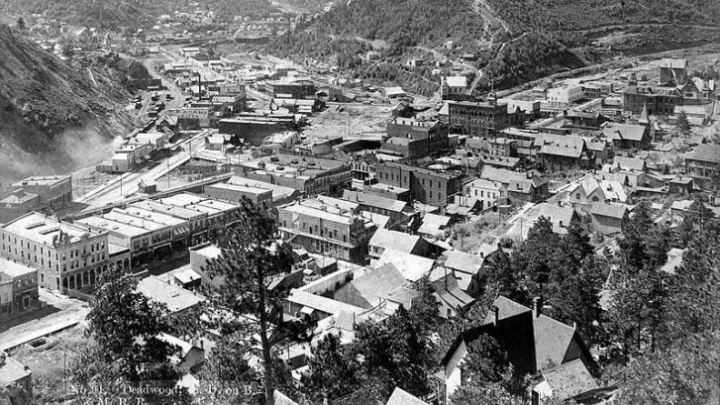
When gold miners flooded into Deadwood in 1876, the federal government had zero presence and local law enforcement didn't exist—yet somehow civilization flourished without collapsing into Mad Max chaos. You had thousands of men carrying guns, handling massive amounts of gold dust, drinking heavily, and gambling constantly. The statists would predict immediate societal breakdown. Instead, private businesses emerged to provide every service government claims monopoly over. Saloon owners hired their own security. Mining claim disputes got resolved through private arbitration. Transportation companies protected their own shipments. Even justice operated through private courts and community enforcement. Wild Bill Hickok's death actually illustrates the system working. Jack McCall shot him in the back on August 2, 1876. The community immediately organized a people's court, tried McCall, and initially acquitted him (they botched it—thought they lacked jurisdiction). But when McCall bragged about the killing in another town, they re-arrested him and he faced proper justice. No federal marshals needed. The violence you read about in Hollywood versions? Greatly exaggerated. Deadwood's murder rate stayed remarkably low for a frontier boom town of 5,000+ people. Private property rights got respected. Contracts got honored. Hell, they even built infrastructure—roads, bridges, water systems—all through voluntary cooperation and private funding. And this wasn't some primitive barter economy (though they did use gold directly, proving Menger's regression theorem beautifully). These entrepreneurs created sophisticated financial networks, insurance systems, and trade relationships spanning continents. Government finally showed up in 1877 and immediately began taxing, regulating, and "organizing" what private enterprise had already built efficiently. Just like they always do—arrive late, take credit, then claim you couldn't have survived without them.
Handre tweet media
English
126
995
3.8K
85.2K
Jonathan Hall ری ٹویٹ کیا
Cary Kelly
Cary Kelly@CaryKelly11·
A century ago, physicians connected with the Mayo Clinic treated patients with something almost unthinkable today: A raw milk fast. Patients were placed on a diet of nothing but milk for weeks. The therapy was used for conditions like: • high blood pressure • kidney disease • obesity • diabetes Today we’re told raw milk is inflammatory, dangerous and not a health food. Yet one of the most respected medical institutions in America once recommended it for healing. Medicine changes but History remembers.
Cary Kelly tweet media
English
76
821
2.7K
54K
Jonathan Hall ری ٹویٹ کیا
Dr. Ammous
Dr. Ammous@AmmousMD·
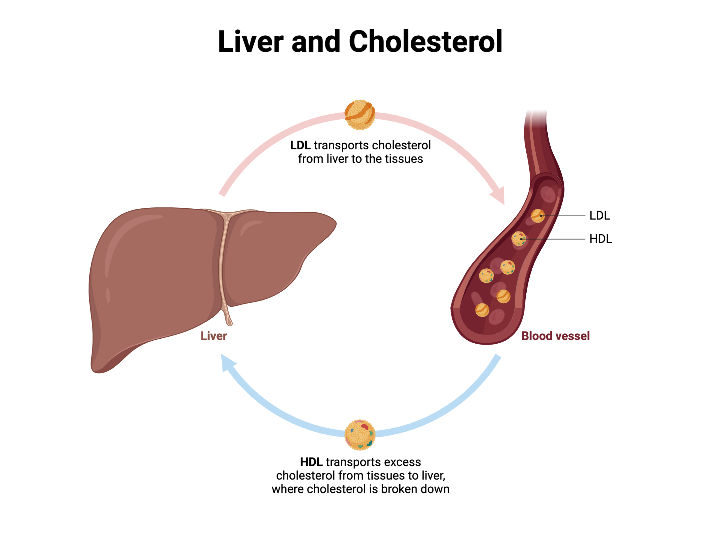
Cholesterol is a repair molecule your liver makes to heal inflamed tissue. By blocking its synthesis, statins slow down your ability to heal.
Dr. Ammous tweet media
English
32
228
954
23K
Jonathan Hall ری ٹویٹ کیا
Milei in English - Official Account
The media and corrupt politicians feed from the dirty hand of crony businessmen. Expose the network, and they attack you. Touch one, and the rest start crying.
English
42
472
2.5K
28.1K
Jonathan Hall ری ٹویٹ کیا
Mukhtar
Mukhtar@I_amMukhtar·
Afroman man is keeping his foot on their necks.
English
112
1.6K
12.6K
253K
Jonathan Hall
Jonathan Hall@Bitcollector·
@snsnokyoufu Children laugh 300 times a day, adults laugh 3 times a week. What the heck happened in between those years?
English
1
0
10
5.7K
面白ツイート図鑑
面白ツイート図鑑@snsnokyoufu·
英語を勉強している女の子が可愛すぎると海外で話題に これ見てたらワイも画面の前でニッコリなってたわ...
日本語
183
1.5K
15.6K
1.8M
Jonathan Hall
Jonathan Hall@Bitcollector·
@AmmousMD I'm really curious, what triggered the awakening. What happened? What patient said what? Did your parents have knowledge of basic health and teach it also?
English
2
0
4
246
Dr. Ammous
Dr. Ammous@AmmousMD·
Can you believe we live in a world where the medical system profits off keeping people sick? I didn't, until my medical training showed me otherwise.
English
29
60
391
6.9K
Valerie Anne Smith
Valerie Anne Smith@ValerieAnne1970·
They were preparing to put her in aged care. Memory loss. Confusion. Leaving the iron on. Her husband thought it was Alzheimer’s…until they found out the real cause. She’d been on cholesterol-lowering meds for 10 years. Lipitor. And after just 3 days off? Her memory started coming back. He said: “I’ve got my wife back.” How many people are suffering needlessly from memory loss, dementia, even Alzheimer’s — Not from aging… But from a medication they were told would “protect” them? The side effects are real: 🧠 Dementia 💪 Muscle wasting 🧬 Alzheimer’s 💔 And now even breast cancer This isn’t rare — it’s happening all around us.
English
73
1.6K
3.6K
226.6K
Jonathan Hall
Jonathan Hall@Bitcollector·
@elonmusk And this is another reason why you don't get your "truth" from reddit.
English
1
1
2
295
Camus
Camus@newstart_2024·
Experts are baffled...
Camus tweet media
English
296
457
2.8K
97.9K
Jonathan Hall
Jonathan Hall@Bitcollector·
I'll tell you why it causes "bone" loss. The body is an amazing survival machine. When toxins enter the body, (and other things happen) it's going to do everything it can to remove them, and to survive for another day. It needs to mix different minerals from the body's piggy bank to get the job done. In this case it needs calcium to fix and balance the body, so the best and safest way to keep the body alive is to take the calcium from the bones, and not too much from other places. Different minerals, and trace minerals do different things to make the body survive, but in the end, that's what's happening. For the researchers to say they don't know why it's happening, is a surprise to me.
English
1
0
0
448
The HighWire
The HighWire@HighWireTalk·
One in eight Americans is currently taking a GLP-1 drug, and the safety picture keeps getting worse. A new study analyzing five years of medical records from over 146,000 adults found GLP-1 users had a 30% higher chance of osteoporosis, a 100% higher chance of osteomalacia, and a 12% higher risk of gout compared to non-users. Researchers aren't yet sure why the drugs may be causing bone loss. It could be nutrient depletion from dramatically reduced appetite, or bones simply adapting to the lower body weight. What they do know is there is no long-term safety data for taking these drugs for 5, 10, or more years. And a separate review published this month found that 60% of lost weight returns within a year of stopping the drug, with projections pointing to a 75% plateau. Researchers are openly wondering whether the weight regained is disproportionately fat, leaving users worse off than when they started. The answer from some health professionals? Stay on the drug forever. Meanwhile, the FDA issued a formal warning letter to Novo Nordisk (the maker of Ozempic and Wegovy) for failing to report deaths to the agency as required. Two deaths were not reported at all. A third, involving a patient who died by suicide, was submitted late and only after an FDA inspection raised the issue. The suicide warning that was previously on semaglutide labels has since been quietly removed. Gastroparesis. Blindness. Bone loss. Gout. Unreported deaths. The chance there are serious mental health risks... This is the drug one in eight Americans is currently taking. Full story by @smiddendorp22 : bit.ly/GLP-1_Osteopor…
English
62
379
881
316.7K