𝓢𝓪𝓾𝓻𝓲𝓴 𝓙𝓯𝓻𝓮𝓶𝓪𝓷❼
550 posts

𝓢𝓪𝓾𝓻𝓲𝓴 𝓙𝓯𝓻𝓮𝓶𝓪𝓷❼
@CFCinfinite
💯% 𝖋𝖆𝖓 @ChelseaFC . ℬ𝓁𝓊𝑒 𝒾𝓈 𝓉𝒽𝑒 𝔠𝔬𝔩𝔬𝔲𝔯.🧢🧢 𝒯𝒽𝑒 𝓅𝓇𝒾𝒹𝑒 𝑜𝒻 ℒ𝑜𝓃𝒹𝑜𝓃. 𝔉𝒐𝒍𝒍𝒐𝒘 𝔪𝔢, 𝒍𝒆𝒕 𝔪𝔢 𝒇𝒐𝒍𝒍𝒐𝒘 𝔟𝔞𝔠𝔨.
Los Angeles, CA شامل ہوئے Eylül 2022
324 فالونگ140 فالوورز

"Yɛn ara asaase ni."
"Ɛyɛ aboɔ den den de ma yεn." 🇬🇭🔥

Indonesia


@TouchlineX Admin, tbh you're obsessed with 🇬🇭 Black Stars,
English
🚨 𝗝𝗨𝗦𝗧 𝗜𝗡: Ghana Black Stars legend Asamoah Gyan has arrived in Canada and joined the players at the hotel for a powerful 'jama' session.
The players run to see him with their drums and starting to cheer ahead of the big game tonight against Panama.


English



@Mrbankstips Na stomach direction players Cape Verde carry go the tournament ooo
English




Guys, I was being a gentleman... but some Arsenal fans are getting too comfortable
You finally won the war after 22 years of banter 😂🏆
Now let's start another 50 years of banter about the Big Ears Cup
#ilovethisgame #arsenal #banter
English



@UTDTrey Chelsea - World Champions
Arsenal- PL winners
Man City- FA Cup & Carabao Cup winners
Aston Villa- Europa League winners
Crystal Palace- Conference League winners
Man United- VAR stole an own goal for Bruno just to break Assist record... lmao 😂😂
English
Arsenal- PL winners
Man City- FA Cup & Carabao Cup winners
Man United- Record breakers
Aston Villa- Europa League winners
Crystal Palace- Conference League winners
Chelsea- 10th
English


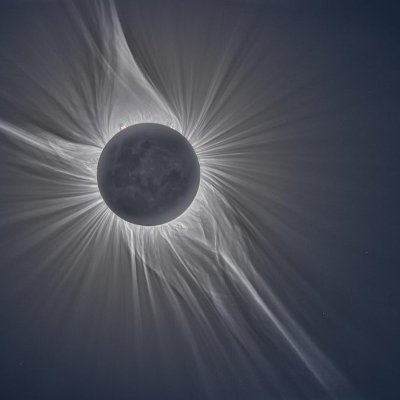
NASA has now confirmed more than 6,280 exoplanets orbiting stars in over 4,700 different planetary systems—and the count keeps climbing fast.Just three decades after the first rocky discovery around a Sun-like star, humanity has entered a new era of cosmic census-taking. What began as a handful of strange worlds in the 1990s has exploded into a rich catalog of alien planets: scorching hot Jupiters, rocky super-Earths, icy mini-Neptunes, and even a growing number of potentially habitable candidates.The official tally, maintained by the NASA Exoplanet Archive, recently surpassed 6,000 confirmed worlds, with the latest updates pushing it to 6,287 as of mid-May 2026. These planets are spread across thousands of star systems, many of them hosting multiple worlds in complex, tightly packed orbits that look nothing like our own Solar System.This explosion in discoveries is thanks to powerful tools like NASA’s Kepler and TESS space telescopes, which have scanned hundreds of thousands of stars for the tiny dips in light caused by planets passing in front. Ground-based observatories and next-generation instruments have added even more through direct imaging and gravitational wobbles.Each new planet tells a story. Some are bizarre “puffy” gas giants larger than Jupiter but lighter than Saturn. Others orbit so close to their stars they glow red-hot, with molten rock raining from the sky. A few orbit in the habitable zone—where liquid water could exist—raising tantalizing questions about whether life might have taken hold elsewhere.And this is just the beginning. Astronomers estimate there are hundreds of billions of planets in the Milky Way alone. For every star we’ve examined closely, many more worlds are waiting to be found—some free-floating as rogues, others hiding in dusty systems, and a rare few perhaps resembling Earth.With the James Webb Space Telescope now probing the atmospheres of these distant worlds and future missions like the Nancy Grace Roman Space Telescope on the horizon, we’re no longer just counting planets.We’re starting to understand what they’re made of—and whether any of them might be home to something alive. The galaxy is far more crowded with worlds than anyone dreamed possible. And we’ve only scratched the surface.

English



Ghanaians 🇬🇭 🙌🏽 , Let’s share 160 Credis cash 💶 each .Download and Register the Carding App using Promo code ( MOORE ) 🔥🔥Drop screenshot and your account for 160 Cedis . Download 👇👇
📲 Playstore
play.google.com/store/apps/det…
📲 App Store
apps.apple.com/ng/app/carding…

English