EQ

290 posts

EQ banner
EQ

EQ

@EQMembers

AI time-saver connecting you to people & insights for faster growth

Global شامل ہوئے Temmuz 2011
3.1K فالونگ3.7K فالوورز
EQ
EQ@EQMembers·
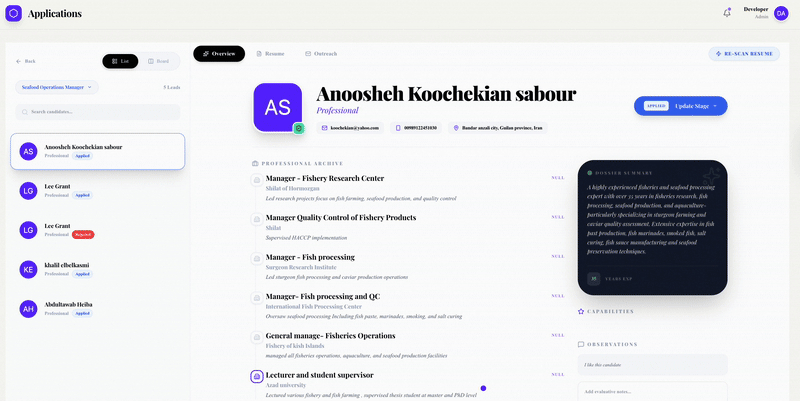
Ask a team where their pipeline lives. They’ll say: “our CRM.” But the actual work is in: Slack emails side notes memory The CRM just records it after. That’s where things break: missed follow-ups lost context duplicate work Most tools optimize records. Very few track what’s actually happening. Until those are the same thing, execution stays messy.
EQ tweet media
English
0
0
0
16
EQ
EQ@EQMembers·
Search isn’t the bottleneck anymore. You can find hundreds of candidates in minutes. The problem is what happens after. Who actually matters? What signal is real? What do you act on? Most pipelines don’t break at the top. They break in the middle: too many options no clear prioritization So work slows down. Not because there isn’t enough data. Because there’s no direction. The next edge isn’t better search. It’s better decisions.
EQ tweet media
English
0
0
0
17
EQ
EQ@EQMembers·
Someone uploads a list. 1,200 contacts. From a CRM no one really trusts. First 10 emails: 3 bounce 2 left the company 1 is a generic inbox By contact 25, you stop trusting the whole thing. So you open LinkedIn. Start fixing it manually. At that point, the list isn’t an asset. It’s a cleanup project. Most tools focus on finding new people. The real problem is making the ones you already have actually usable.
English
0
0
0
18
EQ
EQ@EQMembers·
We recorded a recent AI in Recruiting conversation and one theme kept coming up: how dependent most teams still are on platforms they don’t control. LinkedIn, job boards, external databases. They’re useful, but everyone is pulling from the same place. Which means: same data same candidates same outreach And one shift we’re seeing more teams make: building and maintaining their own database. Not just collecting contacts, but actually keeping it updated and usable over time. Because the advantage isn’t just access. It’s ownership. marcussawyerr.substack.com/p/live-demo-of…
English
0
0
0
20
EQ
EQ@EQMembers·
~30% of recruiting data decays every year. People change roles. Emails bounce. Companies restructure. But most teams don’t notice until their database stops working — and they’re back on LinkedIn rebuilding the same search.
English
0
0
0
30
EQ
EQ@EQMembers·
We recorded a new episode of AI in Recruiting where we walked through what we’ve been building at EQ. The part that stuck with me wasn’t AI agents. It was how much of recruiting still comes down to timing. Most teams show up after something is already visible. A job gets posted, a role opens, and suddenly everyone is reaching out at once. And one idea I keep coming back to: the edge isn’t better messaging, it’s showing up earlier. Before it’s obvious. Before it’s crowded. Before it turns into noise. Episode is live now, sharing because this one changed how I think about it. marcussawyerr.substack.com/p/live-demo-of…
EQ tweet media
English
0
0
0
12
EQ
EQ@EQMembers·
AI right now feels like this: Everyone is showing demos. Fewer teams are actually building. The difference shows up quickly. Demos: • polished • impressive • controlled Real systems: • messy • evolving • connected to actual workflows The gap isn’t capability anymore. It’s execution. The companies pulling ahead aren’t the ones with the best demos. They’re the ones quietly stitching systems together and making them work.
EQ tweet media
English
0
0
0
9
EQ
EQ@EQMembers·
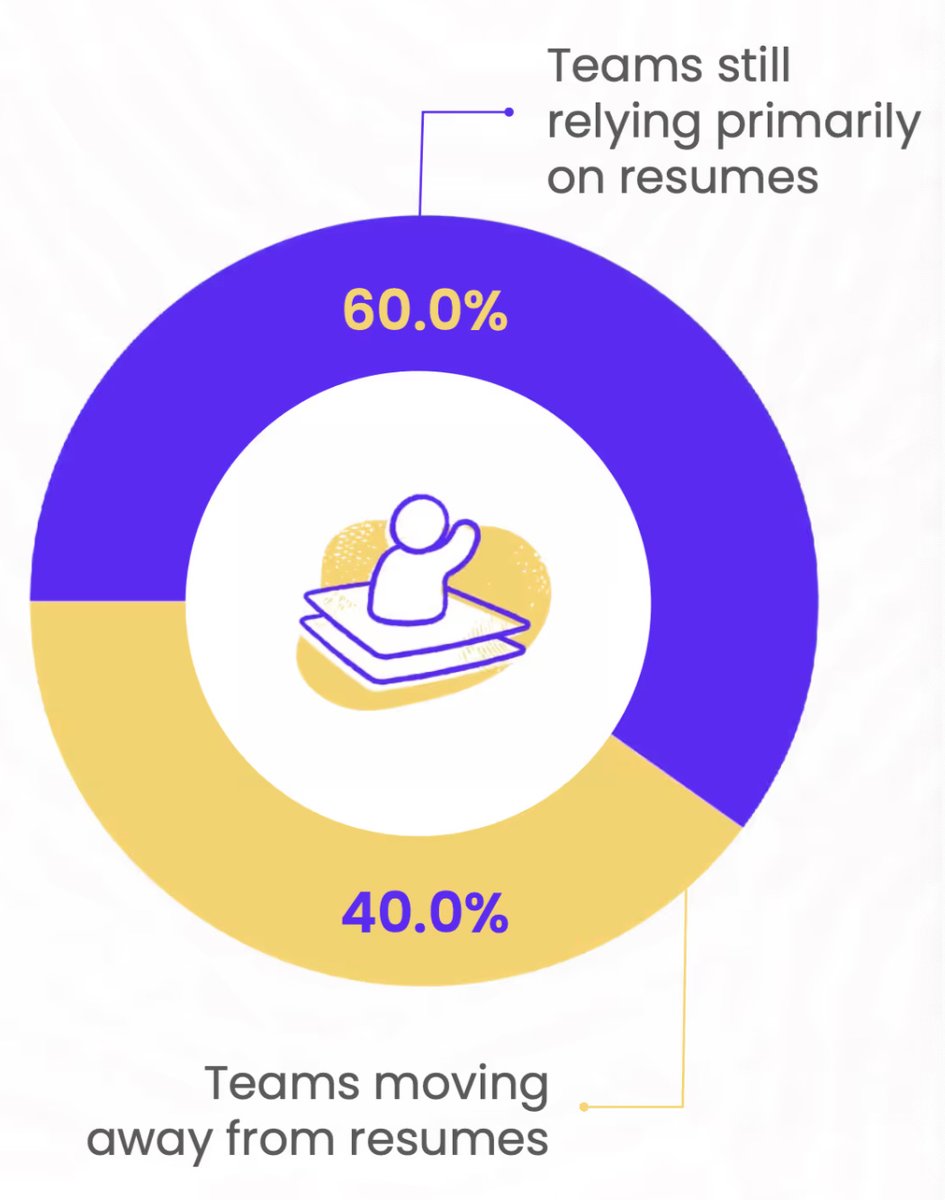
77% of job applications are now AI-assisted. At the same time: • 41% of employers are moving away from resume-first hiring • 37% don’t trust resumes as indicators of ability More output. Less signal. So hiring is shifting toward what’s harder to fake: • live problem solving • real work simulations • unscripted conversations The bottleneck isn’t candidates. It’s trust.
EQ tweet media
English
0
0
0
20
EQ
EQ@EQMembers·
$650B+ is being spent by Google, Amazon, and Microsoft on AI infrastructure. But inside most companies, the blocker isn’t access. It’s execution. Where things actually break: • disconnected tools • unclear ownership • no system for humans + agents working together The gap isn’t capability. It’s operating model.
English
0
0
0
17
EQ
EQ@EQMembers·
A question we’re hearing more often from enterprise teams: “Do we still need a CRM?” The answer isn’t no CRM. But something is changing. Most enterprise systems were designed to track records, deals, and activities. But that’s not where the real story of a company lives. It lives in decisions, experiments, signals, and work moving between humans and agents. The next generation of systems won’t just store contacts. They’ll capture how work actually happens.
EQ tweet media
English
0
0
0
15
EQ
EQ@EQMembers·
One of the strange things about recruiting infrastructure: Most companies spend a lot of money building a database they slowly stop trusting. People change roles. Companies restructure. Emails bounce. Industry estimates suggest around 30% of B2B contact data decays every year. (Gartner / SiriusDecisions–style benchmarks often cited across CRM and recruiting data providers.) So within a year, large parts of a recruiting database are already outdated. The result is a strange workflow where recruiters end up relying on LinkedIn searches again — essentially rebuilding the same market intelligence over and over. The real challenge isn’t collecting data. It’s keeping a living view of the market.
English
0
0
0
23
EQ
EQ@EQMembers·
One hidden cost in recruiting teams: Rebuilding the same talent lists again and again. Markets move faster than most databases can keep up with — roles change, companies scale, entire hiring markets shift. So recruiters end up doing the same research every few months. Scout runs continuously in the background mapping those changes so your market map stays current. Instead of rebuilding the market every time a search starts, your team starts with a live view of it. eq.app/scout
EQ tweet media
English
0
0
0
30
EQ
EQ@EQMembers·
Your CRM is only as good as the data inside it. EQ Enrich lives where you work: Native Integrations: Fully integrated with Salesforce and HubSpot. Seamless Workflows: Enrich and upload directly within your CRM – no more manual entry. Zero-Admin: Map your fields and let the data flow. Whether you're managing a massive corporate database or a personal newsletter list, the speed and precision of your data matters. Stop wrestling with your CRM. Start enriching it. Explore EQ Enrich: eqenrich.com
English
0
0
0
33
EQ
EQ@EQMembers·
Legacy tools are getting more expensive as teams get smaller. The math isn't adding up. The real bottleneck isn't the AI, it's the data. The Problem: Paying millions for legacy tools while receiving data that isn't what you need. The Reality: AI workflows fail on stale, unstructured inputs. If your data layer is broken, your AI is just spinning its wheels. Stop paying for noise. Start with precision. Explore EQ Enrich: eqenrich.com
English
0
0
0
13
EQ
EQ@EQMembers·
One pattern we keep seeing with teams adopting AI workflows: The teams moving fastest have clean data. Once AI touches sourcing, recruiting, research, or outreach… stale data breaks the system. Agents depend on structured, reliable inputs. Which means the data layer matters as much as the model. That’s the problem EQ Enrich is built to solve. Because once AI participates in real workflows: bad data becomes the bottleneck. Explore enrich: eqenrich.com
EQ tweet media
English
1
0
1
15
EQ
EQ@EQMembers·
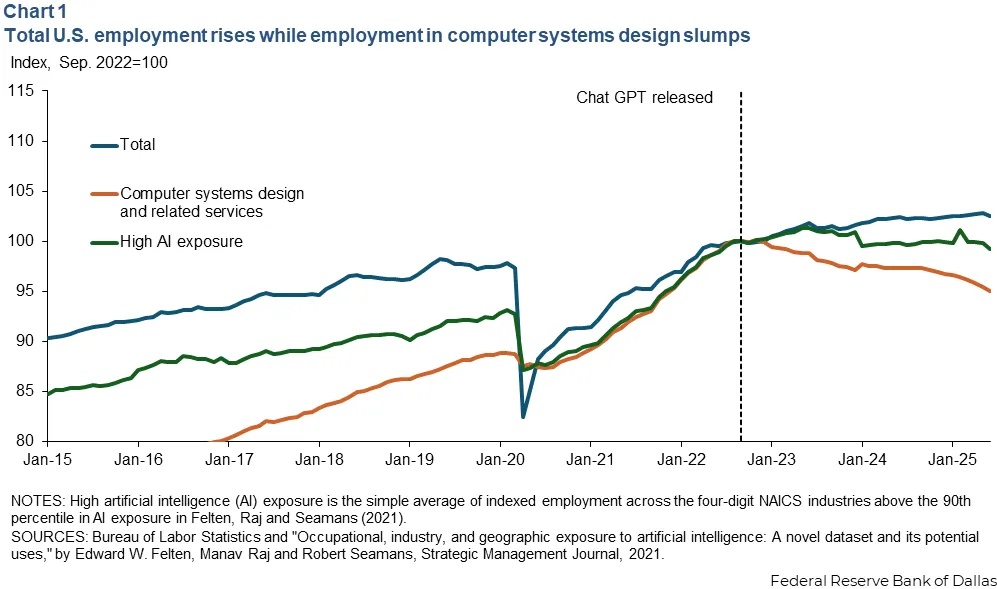
One signal worth watching in the AI labor market. In some AI-exposed sectors, employment growth is slowing. But wages are still rising. New analysis from the Federal Reserve Bank of Dallas suggests the difference may come down to experience. AI can replicate codified knowledge. But experienced workers still hold tacit knowledge — judgment, context, coordination. Automation changes tasks. But expertise still compounds.
EQ tweet media
English
0
1
1
40
EQ
EQ@EQMembers·
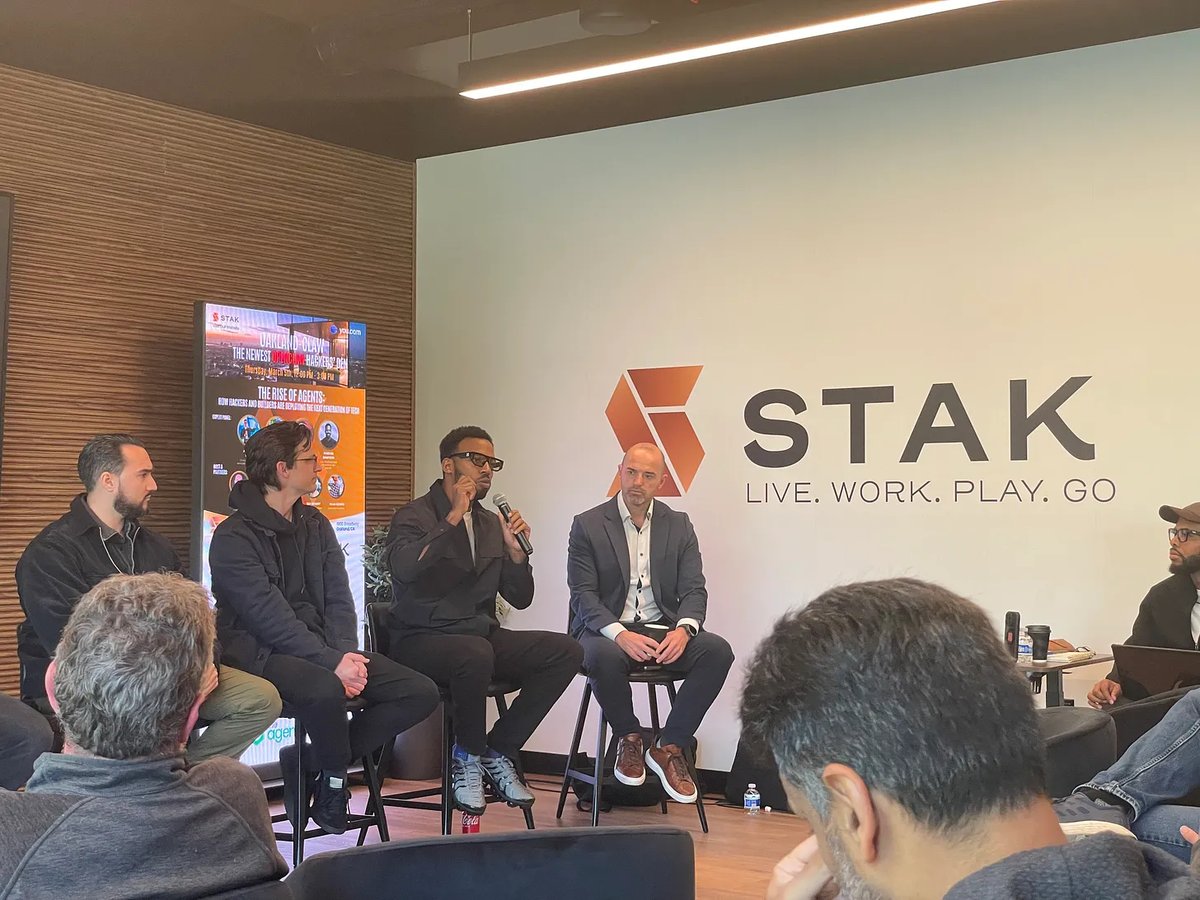
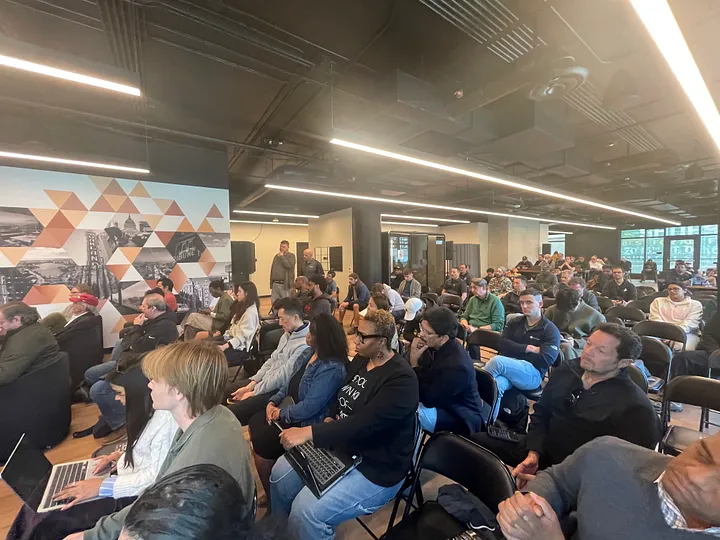
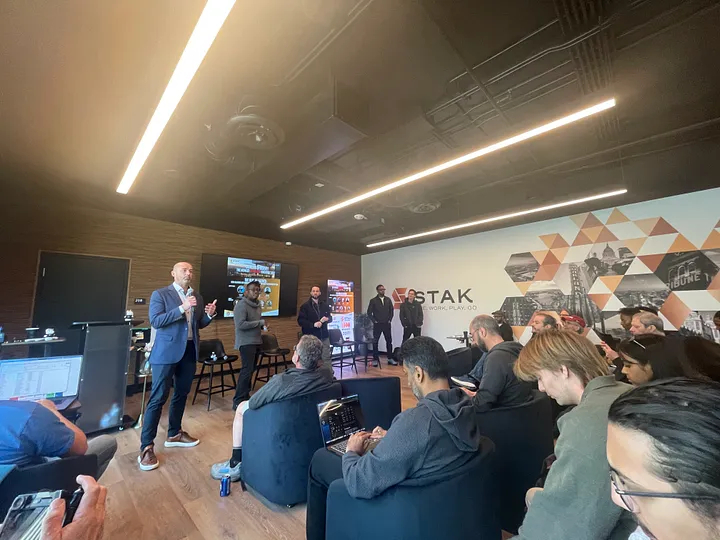
Last week at OaklandClaw, a founder said something that stuck: “We’re not hiring engineers anymore. We’re hiring people who can manage agents.” The room laughed. But nobody really pushed back. Because once AI starts executing work inside real systems, the hiring question starts to change. It’s not just: “Do we hire for this skill?” It’s also: “Do we hire for it at all?” The options increasingly look like: Full-time → Contract → Freelance → Software → Agents. LinkedIn estimates 70% of job skills will change by 2030. Which makes one capability increasingly valuable: Agility. Interesting discussion at the first OaklandClaw. More conversations like this ahead.
EQ tweet mediaEQ tweet mediaEQ tweet media
English
0
0
0
37
EQ
EQ@EQMembers·
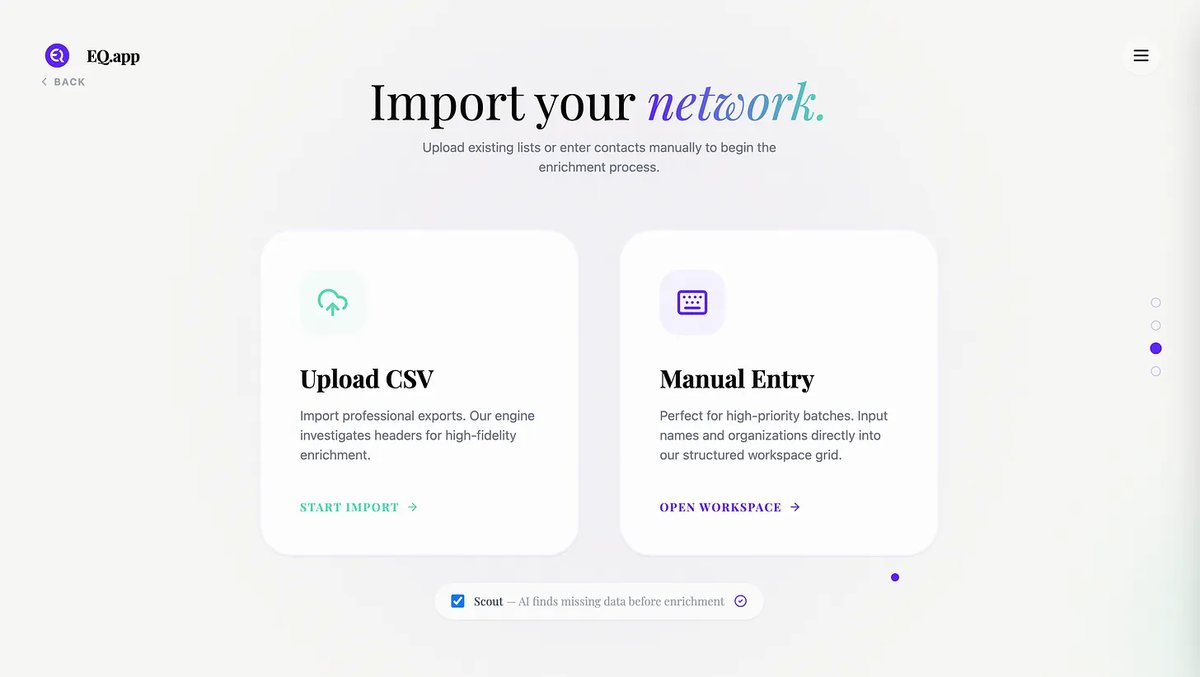
Quick win for your network: Most people don’t realize LinkedIn lets you export your connections as a CSV. It takes about 2 minutes. How to do it: Go to Settings & Privacy Click Data Privacy Select Get a copy of your data Choose Connections and request the archive LinkedIn will send you a simple CSV of your network. From there, you can upload it into EQ Enrich to refresh contact data with updated roles, company info, and insights. Simple workflow upgrade → much more useful network. Try it here: eqenrich.com
EQ tweet media
English
0
0
0
17
EQ
EQ@EQMembers·
Quick win for your network: Most people don’t realize LinkedIn lets you export your connections as a CSV. It takes about 2 minutes. How to do it: Go to Settings & Privacy Click Data Privacy Select Get a copy of your data Choose Connections and request the archive LinkedIn will send you a simple CSV of your network. From there, you can upload it into EQ Enrich to refresh contact data with updated roles, company info, and insights. Simple workflow upgrade → much more useful network. Try it here: eqenrich.com
EQ tweet media
English
0
0
0
16
EQ
EQ@EQMembers·
One thing becoming clearer this year: AI headlines are getting louder. But the real shift is quieter. IBM is redesigning entry-level roles around AI oversight. Enterprise tools are embedding agents directly into workflows. Infrastructure spend keeps climbing. The conversation used to be: “Will AI replace work?” Now it’s becoming: “Who owns the systems?” Because once AI sits inside operations — CRM, ATS, sourcing, workflows — it stops being a tool. It becomes part of the company. The next few years won’t just be about better models. They’ll be about better operators.
English
0
0
0
39