𝘎𝘪𝘭𝘣𝘦𝘳𝘵 #FourMoo

6.9K posts

𝘎𝘪𝘭𝘣𝘦𝘳𝘵 #FourMoo banner
𝘎𝘪𝘭𝘣𝘦𝘳𝘵 #FourMoo

𝘎𝘪𝘭𝘣𝘦𝘳𝘵 #FourMoo

@GilbertQue

#PowerBI #Fabric & Data Consultant. Blogger (https://t.co/9Ukem11iGu) Microsoft MVP

Gold Coast, Australia شامل ہوئے Ocak 2009
242 فالونگ5K فالوورز
𝘎𝘪𝘭𝘣𝘦𝘳𝘵 #FourMoo ری ٹویٹ کیا
Arun Ulag
Arun Ulag@arunulag·
At #FabCon and our first-ever #SQLCon in Atlanta with 8,000+ customers, partners & community members.   Enterprises are moving fast to AI-driven, multi-agent systems. The blocker isn’t models. It’s data + context.   New this week in #MicrosoftFabric: Database Hub • OneLake updates • Fabric IQ + integrated planning • Data agents (GA). Get the details: tinyurl.com/5n6k5fhr
Arun Ulag tweet media
English
9
16
76
22.1K
𝘎𝘪𝘭𝘣𝘦𝘳𝘵 #FourMoo ری ٹویٹ کیا
Marco Russo
Marco Russo@marcorus·
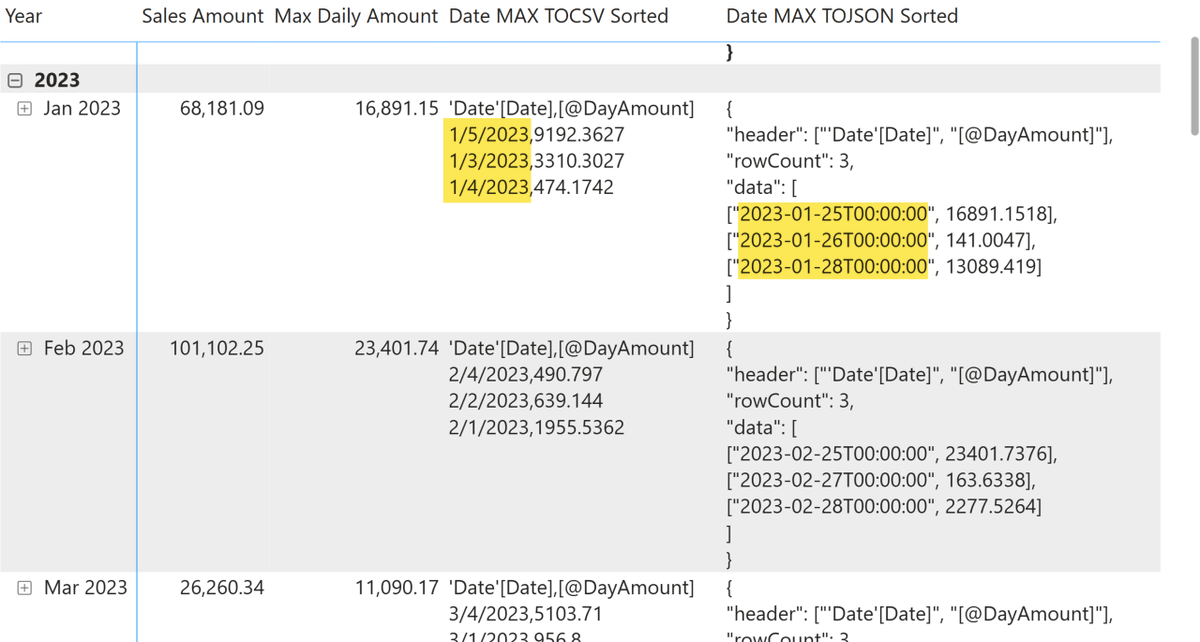
Use the TOJSON and TOCSV functions to inspect the content of intermediate table variables when debugging a DAX measure. Article + video available! #powerbi #dax sqlbi.com/articles/debug…
Marco Russo tweet media
English
3
7
29
1.5K
𝘎𝘪𝘭𝘣𝘦𝘳𝘵 #FourMoo ری ٹویٹ کیا
Micah Dail
Micah Dail@MicahDail·
@GilbertQue I'm not talking about refresh info. This really has to do with a TMDL definition change. How would you determine TMDL modification timestamp? Is your cached TMDL definition still matching what's in the service? Can you tell me without pulling the definition in service?
English
1
0
0
29
Micah Dail
Micah Dail@MicahDail·
Anyone know of a reliable method for tracking the modification time of a deployed semantic model in Power BI / Fabric? I haven't found an API that returns this, and the closest I've gotten to the idea is executing a DAX query (like below, which I hate). The idea here is to cache a model definition, and calculate if the cache should be expired. How do we calculate expiry? EVALUATE VAR _model_modifiedtime = SELECTCOLUMNS ( INFO.MODEL (), [ModifiedTime] ) VAR _annotation_modifiedtime = SELECTCOLUMNS ( FILTER ( INFO.ANNOTATIONS (), [Name] IN { "Lineage", "SampleValues" } ), [ModifiedTime] ) VAR _table_modifiedtime = SELECTCOLUMNS ( INFO.TABLES (), [ModifiedTime] ) VAR _column_modifiedtime = SELECTCOLUMNS ( INFO.COLUMNS (), [ModifiedTime] ) VAR _calcgroup_modifiedtime = SELECTCOLUMNS ( INFO.CALCULATIONGROUPS (), [ModifiedTime] ) VAR _calcitem_modifiedtime = SELECTCOLUMNS ( INFO.CALCULATIONITEMS (), [ModifiedTime] ) VAR _measure_modifiedtime = SELECTCOLUMNS ( INFO.MEASURES (), [ModifiedTime] ) VAR _hierarchy_modifiedtime = SELECTCOLUMNS ( INFO.HIERARCHIES (), [ModifiedTime] ) VAR _hierarchylevel_modifiedtime = SELECTCOLUMNS ( INFO.LEVELS (), [ModifiedTime] ) VAR _all_modifiedtimes = UNION ( _model_modifiedtime, _annotation_modifiedtime, _table_modifiedtime, _column_modifiedtime, _calcgroup_modifiedtime, _calcitem_modifiedtime, _measure_modifiedtime, _hierarchy_modifiedtime, _hierarchylevel_modifiedtime ) VAR result = MAXX ( _all_modifiedtimes, [ModifiedTime] ) RETURN { result }
English
3
1
3
341
𝘎𝘪𝘭𝘣𝘦𝘳𝘵 #FourMoo ری ٹویٹ کیا
Nikola Ilic
Nikola Ilic@DataMozart·
NEW BLOG POST! In this article, which is adapted from the "Analytics Engineering with #MicrosoftFabric and #powerBI" book, I provide a crash course on the architectures that shape your daily decisions – from relational databases to event-driven systems. data-mozart.com/why-every-anal…
English
0
2
18
816
𝘎𝘪𝘭𝘣𝘦𝘳𝘵 #FourMoo ری ٹویٹ کیا
Marco Russo
Marco Russo@marcorus·
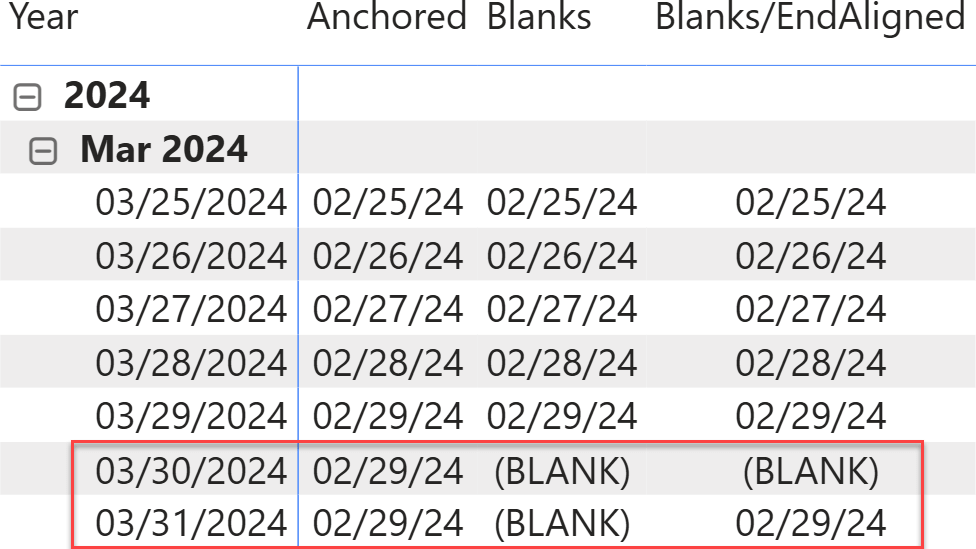
The new calendar-based time intelligence functions offer greater flexibility than the classic time intelligence functions in DAX. This article describes the DATEADD parameters for controlling different granularity shifts in Power BI. #dax #powerbi sqlbi.com/articles/under…
Marco Russo tweet media
English
1
9
48
1.8K