44💣.

19.4K posts

44💣.

44💣.

@Jplaysnice

Father of 3 #btc

Nigeria شامل ہوئے Nisan 2021
7.5K فالونگ558 فالوورز
44💣. ری ٹویٹ کیا
𖤓
𖤓@Vigraharaja·
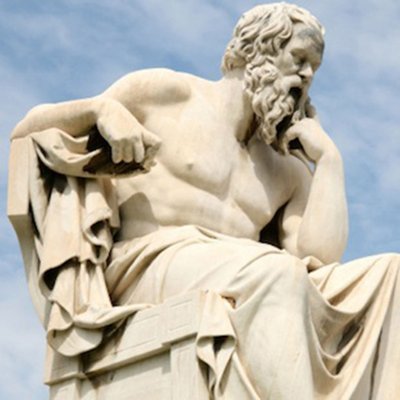
Napoleon’s letter to Josephine, 1796
𖤓 tweet media
English
163
1.5K
14.5K
1.8M
44💣. ری ٹویٹ کیا
Wale Adedayo 🌍🔰
Wale Adedayo 🌍🔰@Mario9jaa·
Nigeria got its first proper fighter jets when Buhari became President under APC. Jonathan was sharing money meant to purchase weapons for these personnels to politicians through Dasuki because of reelection. Send them to war without weapons then go touch them in the hospital. E no go better for all of una wey wan rewrite history for us.
FS YUSUF@FSYusuff

The last time a president touched wounded soldier. Since then, APC has been giving us demons as presidents.
English
191
210
679
65K
44💣. ری ٹویٹ کیا
Bakatsine
Bakatsine@DanKatsina50·
Incidents in Plateau can get Daily Trust attention, yet repeated attacks in Katsina, Kaduna, Kebbi, Niger, Sokoto and Zamfara are often overlooked. Why does coverage seem selective? Who decides which victims are seen and which are ignored? WLH, WE'RE TREATED AS SECOND CITIZENS
Daily Trust@daily_trust

BREAKING: Fresh Killings In Plateau After Tinubu's Visit dailytrust.com/breaking-fresh…
Katsina, Nigeria 🇳🇬 English
16
153
239
5.3K
44💣. ری ٹویٹ کیا
DOZIE
DOZIE@Laxix6·
What I think is that all these so called disciplinary actions you people do is fake. I mean, those officers knew they were recorded but didn’t care anyway, maybe they know something we don’t, maybe they know they can’t be touched.
POLICE COMPLAINT@PoliceNG_CRU

UPDATE: Dear members of the public, the policemen in the viral video have been identified and appropriate disciplinary actions awaits them accordingly. We seek for your support and trust as we fight impunity to a standstill. ##NoToImpunity

English
19
244
576
26.3K
44💣. ری ٹویٹ کیا
bisoye
bisoye@AbisoyeOmotosho·
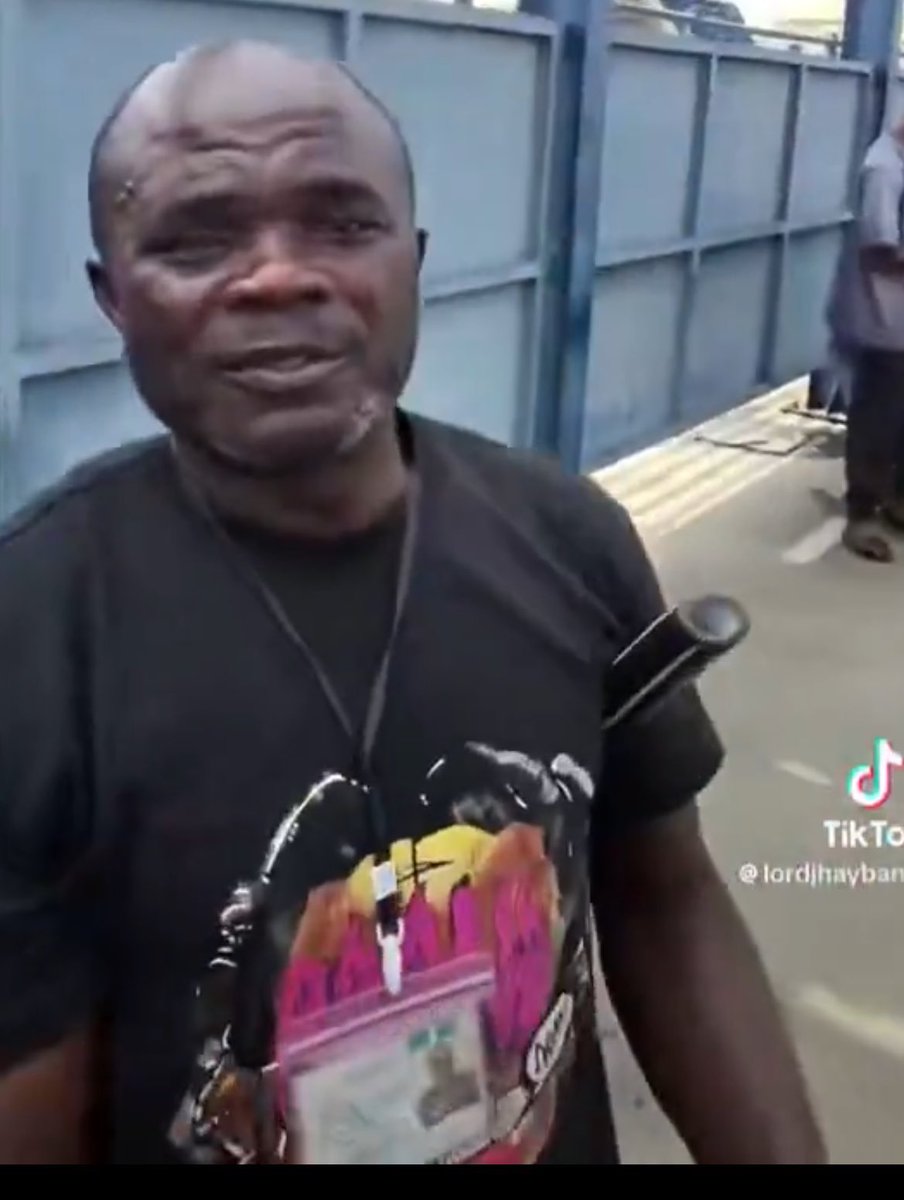
This guy was the most dangerous out of all of them. He pointed a gun at me and kept threatening me like my life meant nothing. He’s the same one that hit me with the gun, shocked my body, beat me, and even slapped me from behind when I didn’t see it coming. Out of everyone there, he was the most aggressive. The most dangerous. He needs to be stopped!!! He is evil!!! @PoliceNG @PoliceNG_CRU
bisoye tweet media
bisoye@AbisoyeOmotosho

I really hope this video goes viral and the Nigeria Police Force sees this and does something about it. This happened in Abulado, Lagos. Me and my guy @ehispascal were on a bike when four officers stopped us. We came down peacefully, no issues at all. One officer was talking to me, another to my guy. Everything was calm. They were asking questions and we answered calmly because we had nothing to hide. They asked me to open my phone, and I didn’t hesitate because I didn’t want any problem. Suddenly, out of nowhere, one man came from behind and slapped me. Even the officer checking my phone was shocked and asked what just happened. At that moment, I didn’t even know he was a police officer because he wasn’t in uniform. Out of anger, I reacted and slapped him back and even tried to confront him. That’s when the others held me and told me he was an officer. That’s when I realized everything was already planned. Next thing, all of them started beating us. It was bad. My guy’s face even got swollen. They then threatened to take us to the station. I told them no problem, let’s go, but the officer who slapped me must come along too. I told them when we get to the station, they would know who my father is. They kept asking for his name, but I refused and said they would find out at the station. That’s when they got scared. Instead of taking us to the station, they drove us to a bridge, dropped us there, and told us to go.

English
544
6K
10K
951.5K
44💣. ری ٹویٹ کیا
Sahara Reporters
Sahara Reporters@SaharaReporters·
VIDEO: Adamawa Community Forced To Drink From Pond Shared With Pigs Despite Government Spending Billions On Luxury Projects
English
96
1.7K
1.6K
58.4K
44💣. ری ٹویٹ کیا
Omar Mustafa
Omar Mustafa@Omar_Mustie·
Call him all names but the man is practically saying the truth and since 1999 it’s during his tenure as governor that Plateau state enjoyed relative peace, and that’s why some blood sucking terrorists masquerading as indigenes hate him till today.
Prime Reporters News@PrimeReportersn

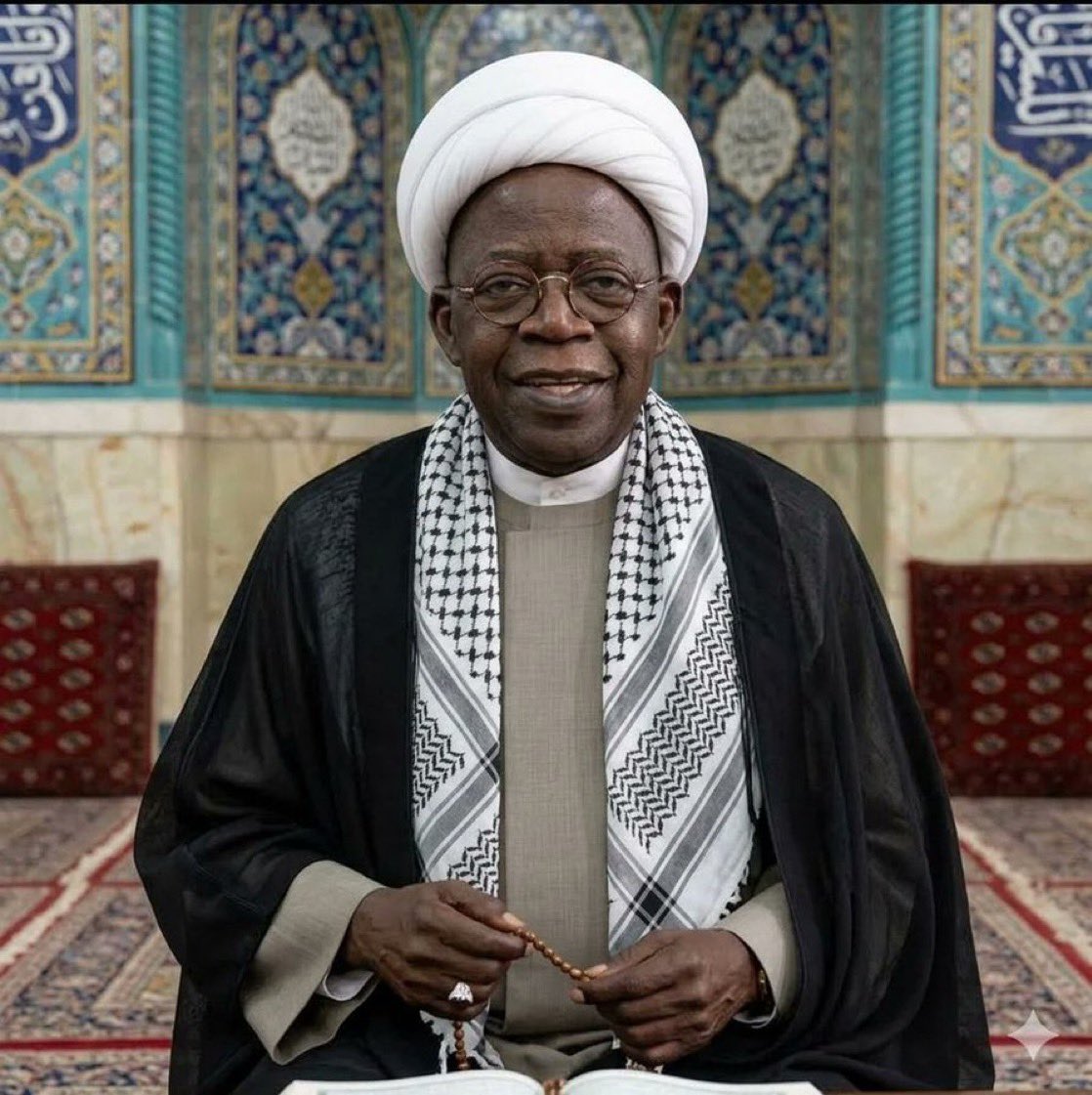
Senator Simon Lalong has told President Tinubu that no amount of security forces can end the killings in Plateau State. Speaking during a meeting in Jos over the Palm Sunday attacks, Lalong requested a closed-door session with Plateau elders at the Presidential Villa to address the crisis.

English
6
153
318
30.6K
Rinu Oduala 🔥🔫
Rinu Oduala 🔥🔫@SavvyRinu·
Abacha didn’t change the national anthem. Guess the NADECO democrat who did?
Rinu Oduala 🔥🔫 tweet media
English
153
1.2K
3.2K
33.6K
44💣. ری ٹویٹ کیا
gst
gst@wearegst·
Hundreds of indigenes of Nasarawa State have been violently displaced by fresh waves of terrorist attacks, worsening Nigeria’s already severe crisis of internally displaced persons.
English
9
283
290
4.7K
44💣. ری ٹویٹ کیا
Sky Analyst 📡🛰
Sky Analyst 📡🛰@itz_smils·
THE DARK MUSKETEERS: Alex Barbir & Pastor Dachomo Between 2021 and April 2026, the Jos crisis in Plateau State has continued to escalate, with attacks becoming more frequent, more lethal, and increasingly coordinated. Against this backdrop, two non-traditional actors have emerged as significant influencers of the conflict narrative: Alex Barbir, an American missionary and founder of the nonprofit organization Building Zion, and Reverend Ezekiel Bwede Dachomo, a COCIN regional chairman based in Barkin Ladi, Plateau State. Both individuals have positioned themselves as advocates for Christian communities affected by violence in the Middle Belt. Their activities, while framed as humanitarian and advocacy work, have generated significant controversy and carry measurable consequences for the security environment. Barbir’s rapid documentation and social media broadcasting of attack scenes, combined with his framing of the violence as exclusively anti-Christian persecution, has attracted international attention, including from the Trump administration, while simultaneously drawing accusations of incitement from Northern Muslim leaders and political figures. Dachomo’s rhetoric has been more explicitly confrontational: he has issued public threats against Islamic clerics, claimed to have presided over more than 70 mass burials, described the violence as “Christian genocide,” and openly invited international military intervention in Nigeria. This analysis finds that while neither subject appears to be a direct perpetrator of violence, their combined activities constitute a significant amplifier of religious polarization and carry a HIGH probability of contributing to escalatory dynamics in an already volatile operating environment. Their operational partnership, particularly visible during the March 2026 Palm Sunday massacre and its aftermath, creates an information warfare dynamic that complicates government response and risks triggering retaliatory cycles. Key Activities and Behaviors: Barbir has established a pattern of being among the first responders to attack scenes in Plateau State, arriving before conventional media and sometimes before official security response. He uses smartphone video to document casualties, grieving families, and destroyed homes, publishing this content directly to social media platforms (primarily X/Twitter) with commentary that consistently frames each incident as targeted anti-Christian violence. His casualty figures frequently exceed official police and military counts, a pattern repeated across the Yelwata (Benue), Barkin Ladi, and Jos North incidents. He has publicly confronted President Tinubu, accused the Nigerian government of standing idle while Christians are slaughtered, and advocated for community self-defense when government protection fails. An AI-generated video appearing to show former President Trump visiting Barbir’s reconstruction sites went viral in early 2026, further amplifying his international profile. Dachomo has cultivated a high public profile through viral video content documenting mass burials of Christian attack victims. In October 2025, a video showing him standing in a mass grave with at least 12 bodies went globally viral, attracting attention from US media, international faith organizations, and reportedly the Trump administration. He has consistently described the violence as “Christian genocide,” a framing that directly contradicts the Nigerian government’s characterization of the crisis. He has called on the International Criminal Court to investigate Nigeria, invited US military intervention, issued direct public threats against Sheikh Ahmad Gumi, and stated that his own death would “raise war” and help liberate Christians. He was interviewed by Piers Morgan in November 2025, where he claimed to have buried over 500 people in a single night. He has been accused by Nigerian Army Sector 4 in Barkin Ladi of inciting unrest, and his Facebook account was sanctioned and removed by Meta. ACTIVITY PATTERNS Pattern 1: Barbir’s Information Operations Cycle Barbir operates on a consistent cycle: (a) arrive at or near an attack scene rapidly, often before official media, (b) document casualties via smartphone video, (c) broadcast on social media with explicitly religious framing, (d) criticize the Nigerian government, (e) fundraise for reconstruction through Building Zion. This cycle has been observed at Yelwata (Benue), multiple Barkin Ladi incidents, and the March 2026 Jos attack. His casualty counts consistently exceed official figures. Pattern 2: Dachomo’s Escalatory Rhetoric Cycle Dachomo follows a pattern of: (a) presiding over mass burials, (b) recording and distributing graphic video content, (c) accusing the Nigerian government of genocide denial, (d) calling for international intervention (ICC, US military), (e) issuing threats against specific Islamic leaders, (f) claiming he has become a target of assassination plots. This cycle intensifies after each major attack. Pattern 3: Barbir-Dachomo Operational Synergy The two subjects operate in a complementary fashion: Barbir provides international amplification and the foreign legitimacy factor, while Dachomo provides local credibility, institutional religious authority (COCIN), and first-person witness status. Their activities converge around the same incidents, with Barbir’s social media reach amplifying Dachomo’s ground-level documentation. Dachomo has publicly defended Barbir and issued threats on his behalf. PREDICTIONS Barbir’s departure from Nigeria will not diminish his information operations. He retains his social media platform, connections to on-the-ground contacts including Dachomo, and access to US media and political networks. Remote amplification may become more aggressive as physical risk to himself is removed. With Barbir departed, Dachomo becomes the sole high-profile on-the-ground voice. His rhetoric is likely to intensify, particularly if additional attacks occur. His confrontational stance toward Islamic leaders increases the risk of direct interfaith confrontation. The Barbir-Dachomo information pipeline to US Christian organizations, the Trump administration, and international media is well-established. Continued attacks in Plateau State, combined with remote amplification by Barbir, create conditions for increased international pressure on Nigeria, including potential Congressional hearings, sanctions discussions, or renewed threats of military intervention. THREAT ASSESSMENT Direct Threats to National Security Threat 1: Foreign Interference in Domestic Security Affairs (HIGH) Barbir’s activities constitute a form of information operations by a foreign national within a conflict zone. His framing of the Jos crisis as exclusively anti-Christian persecution, while documented attacks affect both Muslim and Christian communities, risks internationalization of the conflict. His calls for US military intervention and his connection to the Trump administration’s narrative on Christian persecution in Nigeria represent a potential foreign policy leverage point that could constrain Nigerian sovereignty. Threat 2: Escalation of Religious Polarization (HIGH) Both subjects frame a multi-causal conflict in exclusively religious terms. Independent analysts, Human Rights Watch, and some Nigerian security agencies describe the violence as driven by land disputes, the indigene-settler divide, climate-driven migration, and banditry. By reducing this complexity to a Christian-versus-Muslim narrative, Barbir and Dachomo contribute to polarization that increases the probability of religiously-motivated reprisal attacks. Threat 3: Incitement to Self-Defense and Vigilantism (MEDIUM-HIGH) Barbir has explicitly advocated for community self-defense, arguing that when governments fail, communities must protect themselves. Dachomo has stated his death would “raise war.” In a context where vigilante groups and community militias already operate in Plateau State, this rhetoric increases the risk of armed civilian mobilization outside state control. Threat 4: Compromise of Official Narrative and Government Credibility (MEDIUM) Barbir’s rapid social media reporting consistently precedes official government and military communications. His framing becomes the initial narrative, forcing the government into a reactive posture. The Nigerian government’s description of the Palm Sunday attack as a “criminal act” in a conflict-prone area directly contradicted Barbir’s framing of it as religious terrorism. Threat 5: Intelligence Gaps Exploited by Non-State Actors (MEDIUM) Both subjects have demonstrated the ability to reach attack sites faster than official security response, suggesting either superior local intelligence networks, forward positioning in anticipation of attacks, or proximity to attack-prone areas. This capacity has fueled speculation about their foreknowledge or connections, although no evidence supports such claims. Threats to the Subjects Themselves Both subjects face documented threats. Dachomo has received death threats, an alleged Boko Haram bounty, and confrontation from the Nigerian Army. Barbir faced calls for arrest from Sheikh Gumi, Bashir Ahmad, and Northern Muslim organizations, and has reportedly departed Nigeria under pressure. Any harm to either subject, particularly Barbir as a US national, would create a severe diplomatic incident and potentially validate the persecution narrative they have constructed. COURSES OF ACTION FOR GOVERNMENT Federal Government Level COA 1: Establish a National Conflict Documentation Center Create an official, credible, and rapid-response documentation mechanism for conflict incidents. The current information vacuum is exploited by non-state actors like Barbir because official reporting is slow and perceived as unreliable. An independent, transparent body that publishes verified casualty data within 24–48 hours would undercut the narrative monopoly held by non-state documentarians. COA 2: Strengthen Immigration Monitoring of Foreign Actors in Conflict Zones Without targeting legitimate humanitarian organizations, establish monitoring protocols for foreign nationals operating in active conflict zones, particularly those conducting information operations. This should include visa condition reviews, activity tracking, and engagement protocols before situations escalate to the point of deportation controversies. COA 3: Accelerate Security Infrastructure in Plateau State President Tinubu’s announced 5,000 security cameras must be supplemented with expanded military and police presence in the five most affected LGAs (Barkin Ladi, Bokkos, Riyom, Mangu, Bassa), community-based early warning systems, and improved intelligence fusion between military, police, and community leaders. COA 4: Address Root Causes Through Land Reform and Resource Mediation The Plateau crisis cannot be resolved by security measures alone. Federal and state governments must invest in formal land tenure adjudication, livestock corridor demarcation, alternative dispute resolution mechanisms, and economic diversification programs for both farming and pastoral communities. COA 5: Counter-Narrative and Strategic Communications Develop a proactive strategic communications campaign that acknowledges the suffering of all communities, provides factual and transparent reporting on incidents, and counters the single-narrative framing that reduces the crisis to religious persecution. This must be credible, timely, and empathetic to be effective. Plateau State Government Level COA 6: Operationalize the Fact-Finding Committee Recommendations The state fact-finding committee has documented the scale of violence comprehensively. Its recommendations must be operationalized, including prosecution of identified perpetrators, community restitution, and displacement management. COA 7: Interfaith Dialogue Infrastructure Establish permanent interfaith dialogue mechanisms involving credible leaders from both Christian and Muslim communities. The current dynamic where figures like Dachomo and Gumi engage in public threats and counter-threats must be channeled into structured, mediated engagement. COA 8: Community Policing and State Police Advocacy Multiple stakeholders, including former governors Jang and Lalong, diaspora organizations, and security analysts have called for state policing to address the demonstrated failures of centralized security response. The Plateau State government should lead advocacy for state police establishment through constitutional amendment processes. Security and Intelligence Community COA 9: OSINT Monitoring of Non-State Information Actors Establish systematic OSINT monitoring of social media accounts and networks associated with conflict documentation and advocacy in the Middle Belt, including but not limited to the subjects of this analysis. Focus on early detection of incitement, misinformation, and foreign coordination. COA 10: Predictive Intelligence Integration Integrate open-source data, including the calendar-aligned attack pattern identified in this analysis, into operational planning cycles. Pre-deploy security assets ahead of major Christian and Islamic holidays in the five most affected LGAs. The activities of Alex Barbir and Reverend Ezekiel Dachomo, while framed as humanitarian advocacy, constitute a significant amplifying factor in the Jos/Plateau State crisis. They operate as a mutually reinforcing information operations partnership that: frames a multi-causal conflict in exclusively religious terms; consistently precedes and contradicts official government reporting; attracts international attention and pressure that may constrain sovereign government response; advocates for community self-defense and international military intervention; and contributes to religious polarization in an already hyper-polarized environment. Neither subject is assessed to be a perpetrator of physical violence. However, in a conflict characterized by reprisal cycles, religious mobilization, and information warfare, their activities carry measurable escalatory risk. The government must address both the legitimate grievances that give their advocacy resonance (genuine failures of protection, inadequate security response, lack of accountability for perpetrators) and the destabilizing dynamics their methods create. The most effective counter to the Barbir-Dachomo narrative is not suppression but credible, transparent, and rapid government action: protect communities, prosecute perpetrators, document truthfully, and address root causes. Absent this, the information vacuum will continue to be filled by non-state actors whose framing serves their own objectives rather than national stability.
English
2
21
48
1.4K
44💣. ری ٹویٹ کیا
Purp Kulture
Purp Kulture@purpkulture·
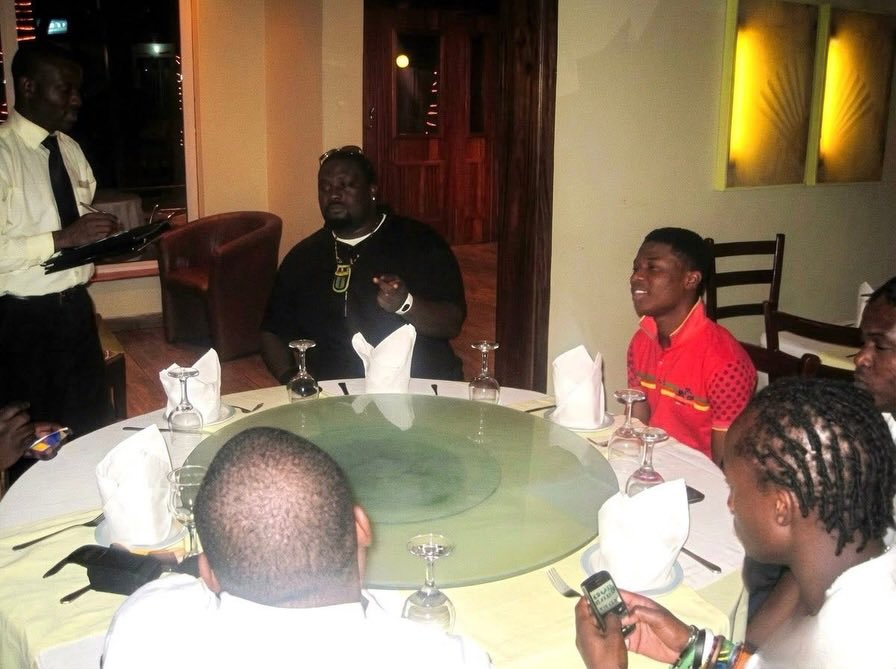
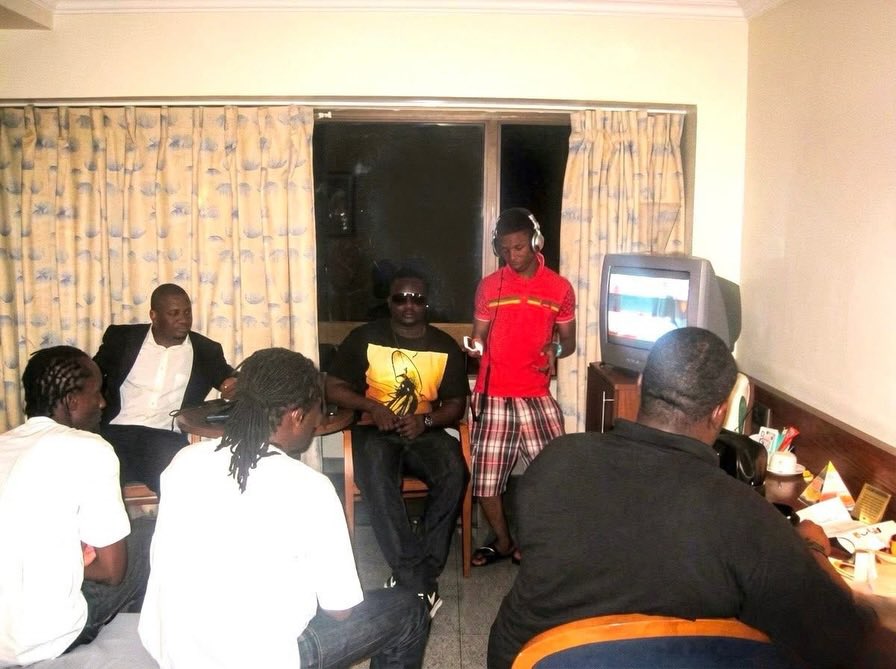
Radio & Weasel, Wizkid & Wande Coal, 2008
Purp Kulture tweet mediaPurp Kulture tweet mediaPurp Kulture tweet mediaPurp Kulture tweet media
English
41
428
2.1K
211.5K
44💣. ری ٹویٹ کیا
Nedu Ani
Nedu Ani@Nedumcity_·
Gilbert Chagoury is Abacha's best friend, Atiku Bagudu is Abacha’s bag man, Both Gilbert Chagoury and Atiku Baguda were used by Abacha to move looted funds abroad. Today, Gilbert Chagoury has received the second highest honour (GCON) and he’s handling over 40% of the entire Government contracts in Nigeria. Atiku Bagudu is Tinubu’s current minister of Budget planning. Tinubu and NADECO were frauds. They used Ibadan media propaganda to lie to Nigerians that they were democrats and they hate corruption.
English
41
1.2K
1.6K
75.7K
Rasheed
Rasheed@shankorashidi·
Finding out Abazz isn't a Muslim guy named Abass and instead is an Akwa Ibom guy whose name is Abassifreke is killing me😂😂😂
English
468
2.4K
17.8K
638.2K
44💣. ری ٹویٹ کیا
I,Hypocrite
I,Hypocrite@lporiginalg·
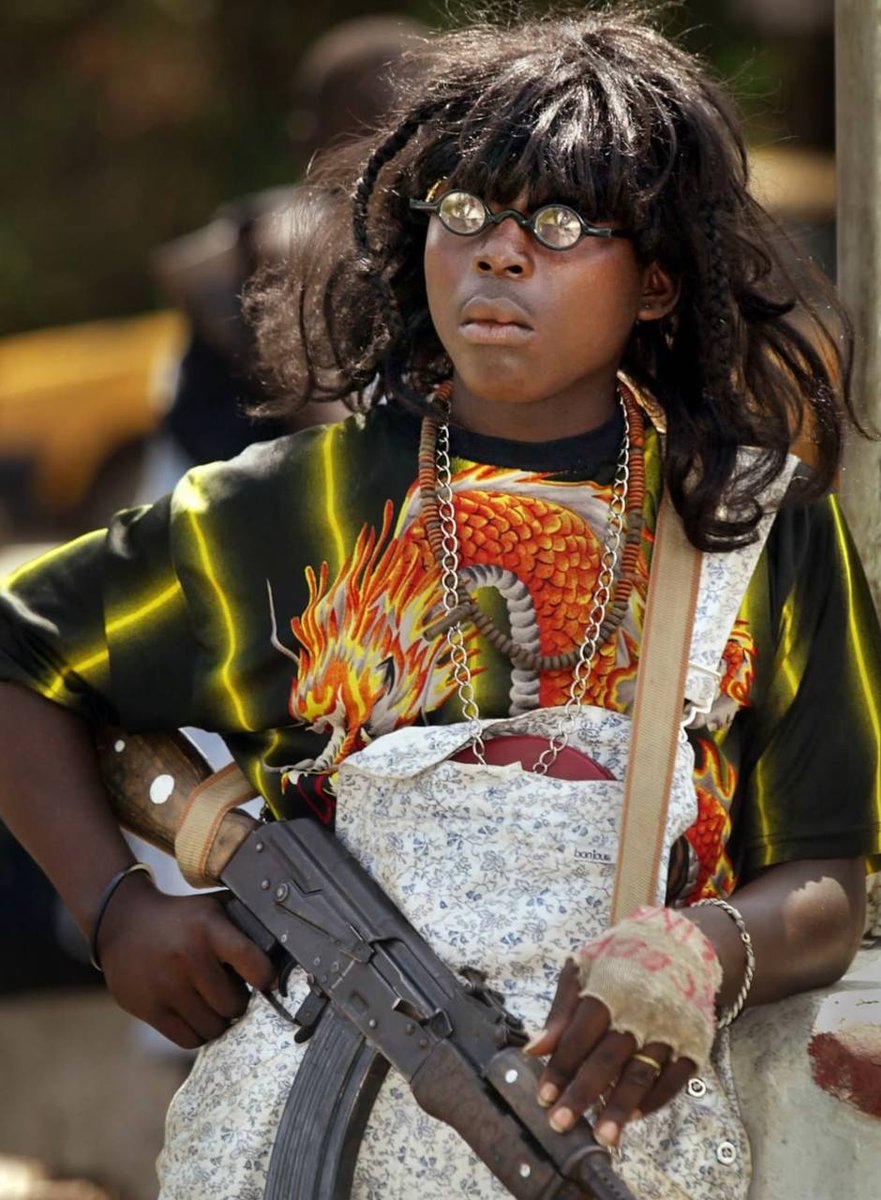
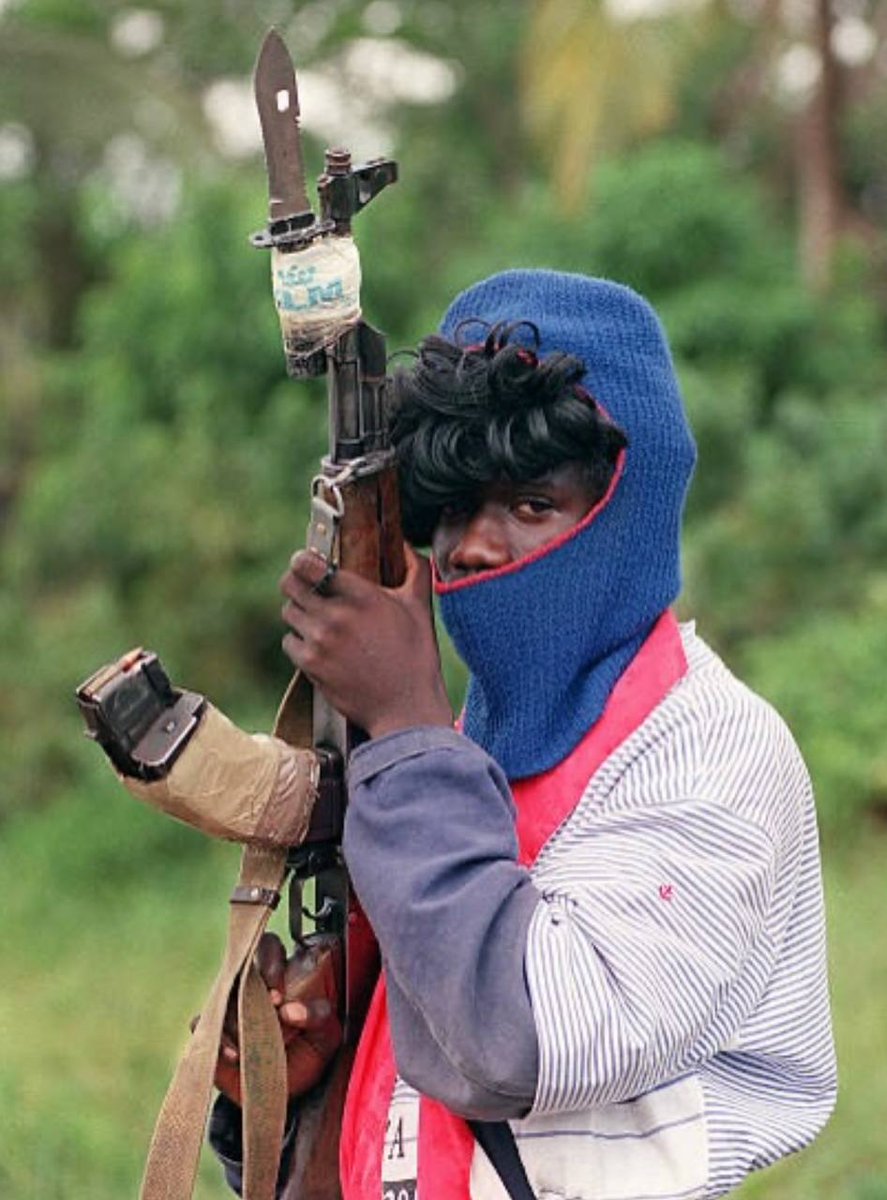
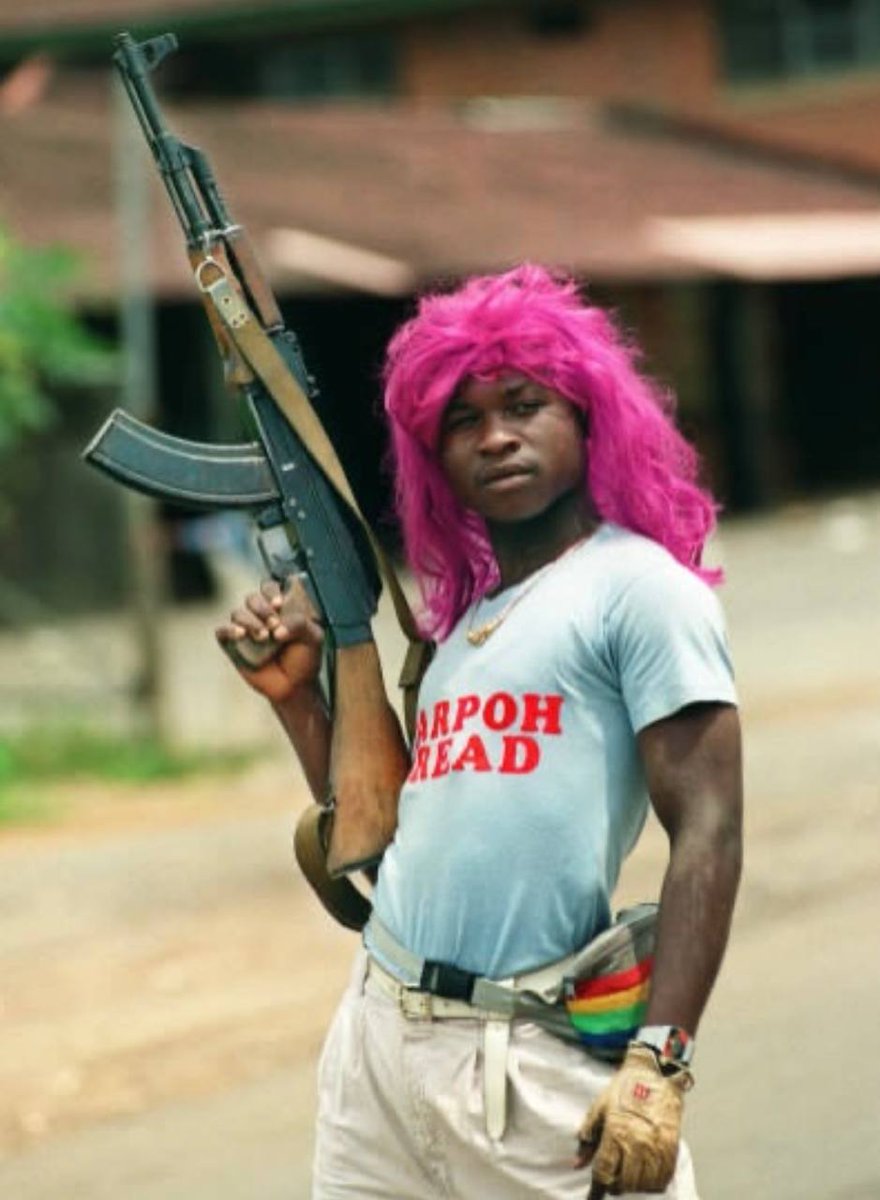
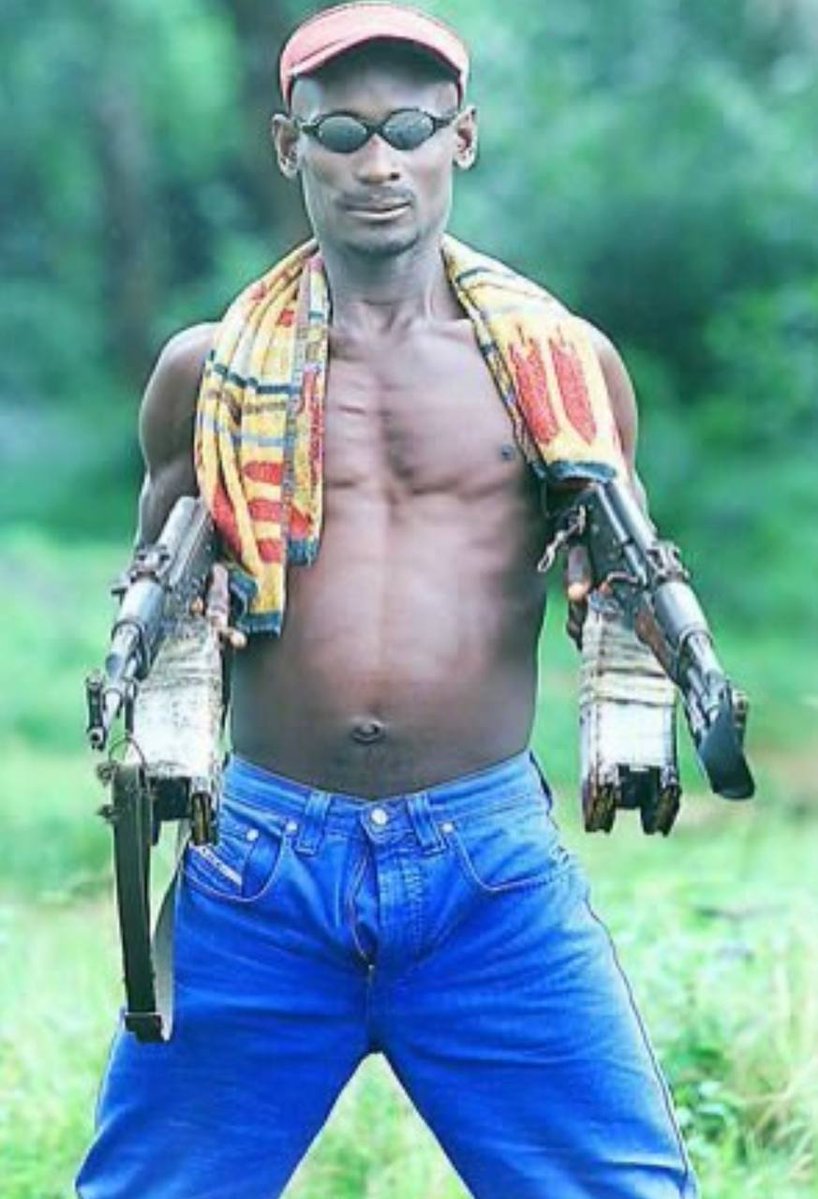
The Liberian Civil Wars had some crazy aesthetics.
I,Hypocrite tweet mediaI,Hypocrite tweet mediaI,Hypocrite tweet mediaI,Hypocrite tweet media
English
219
1.1K
10.2K
1.1M
44💣. ری ٹویٹ کیا
Anti-Jungian Aktion
Anti-Jungian Aktion@Carboniferoys·
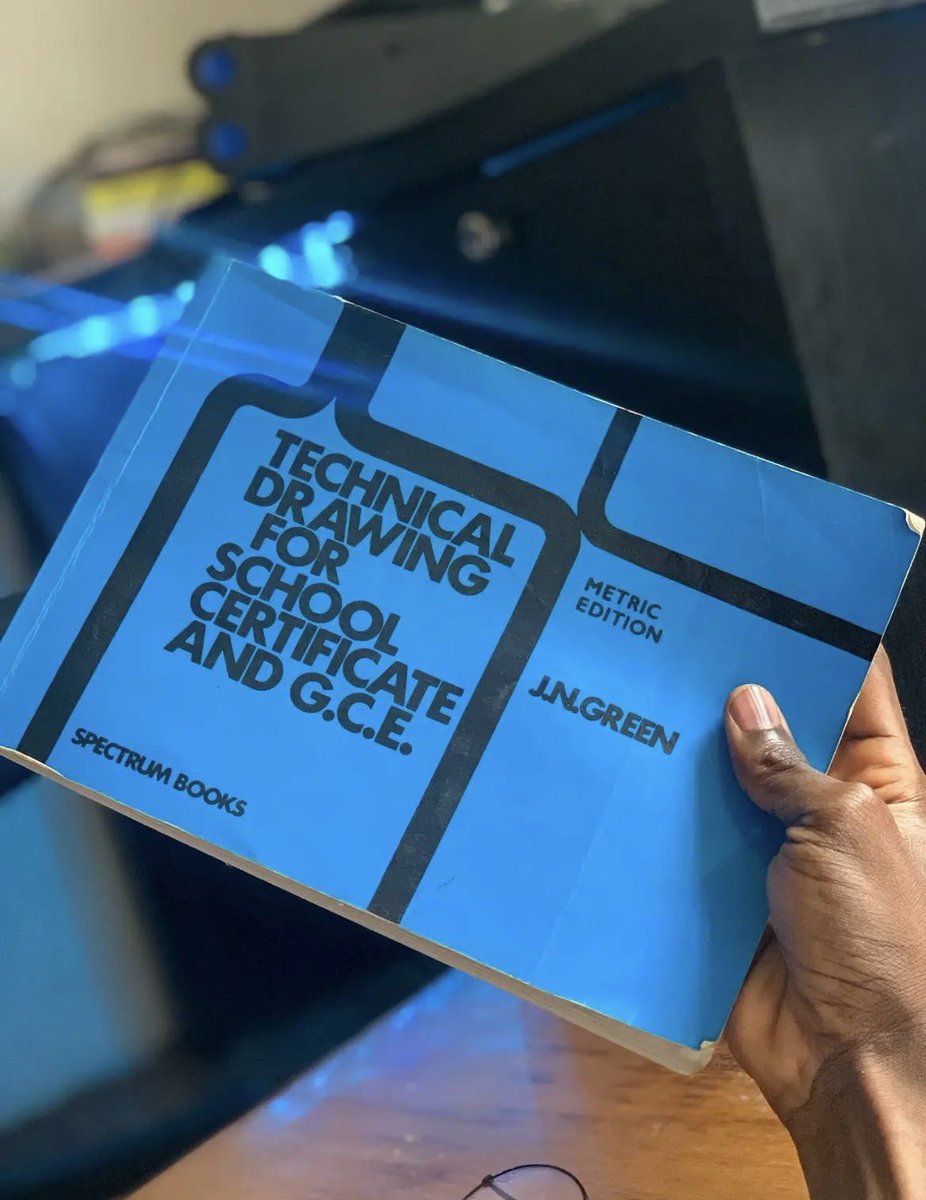
Incredible title.
Anti-Jungian Aktion tweet media
English
61
1.5K
24.5K
242.1K