Jorge Torres - Hermes Kalamos

3.3K posts

Jorge Torres - Hermes Kalamos banner
Jorge Torres - Hermes Kalamos

Jorge Torres - Hermes Kalamos

@Mte_Helicon

Twitter personal sobre asuntos relacionados con la 📚 Cultura 🏛️ Historia ⚔️Política. Colaboro como editor en Hermes Kalamos del @Inst_Symposium RT ≠ Endorse

شامل ہوئے Mart 2022
928 فالونگ297 فالوورز
پن کیا گیا ٹویٹ
Jorge Torres - Hermes Kalamos
Jorge Torres - Hermes Kalamos@Mte_Helicon·
No dejo "X" pero voy a bajar, aún más, el perfil. Para aguas más amables y entornos de debate más sanos y prolíficos os animo a que me sigáis en la siguiente Red Social #BlueSky si andáis por allá o lo tenéis pensando. bsky.app/profile/mte-he… Pues vamos a darle algo de vidilla.
Español
0
1
1
348
Jorge Torres - Hermes Kalamos ری ٹویٹ کیا
Bigotes y Brulotes
Bigotes y Brulotes@BigotesBrulotes·
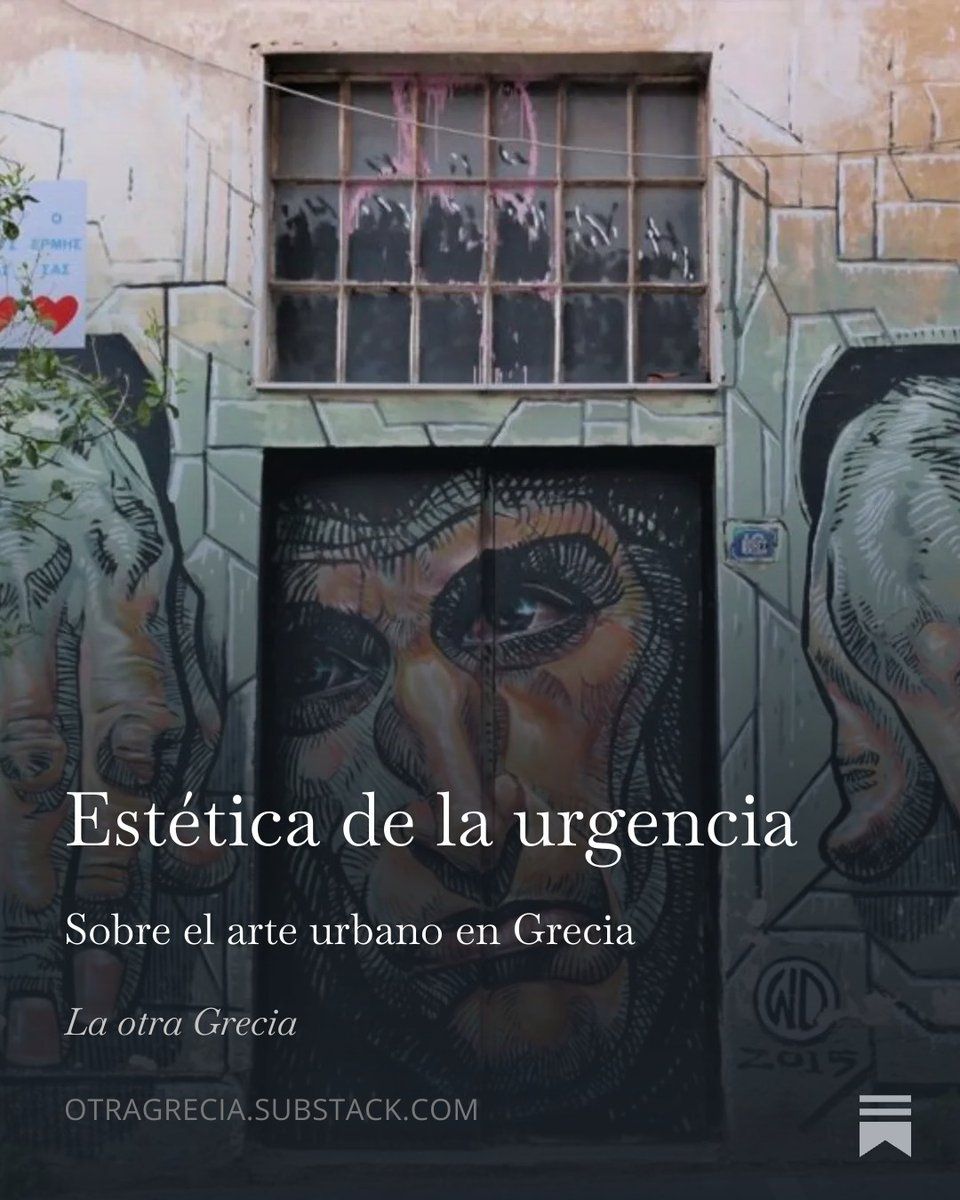
¡NUEVA ENTRADA! Hoy toca hablar del arte urbano griego y de su impacto cultural e histórico Grecia es desde hace años la meca de este tipo género artístico y, por ello, hoy hablamos de forma extensa sobre él Recordad que suscribirse y compartir es gratis open.substack.com/pub/otragrecia…
Bigotes y Brulotes tweet media
Español
0
3
4
106
Jorge Torres - Hermes Kalamos ری ٹویٹ کیا
Papa León XIV
Papa León XIV@Pontifex_es·
En la era de la #InteligenciaArtificial, en la que la dignidad humana corre el riesgo de verse eclipsada por nuevas formas de deshumanización, tenemos el deber urgente de permanecer profundamente humanos, custodiando con amor esa magnífica humanidad que se nos ha dado y revelado en plenitud en Cristo, y que ninguna máquina podrá jamás sustituir en su esplendor. #MagnificaHumanitas vatican.va/content/leo-xi…
Español
309
10.3K
39.2K
1.8M
Jorge Torres - Hermes Kalamos ری ٹویٹ کیا
Tea with Tolkien
Tea with Tolkien@TeawithTolkien·
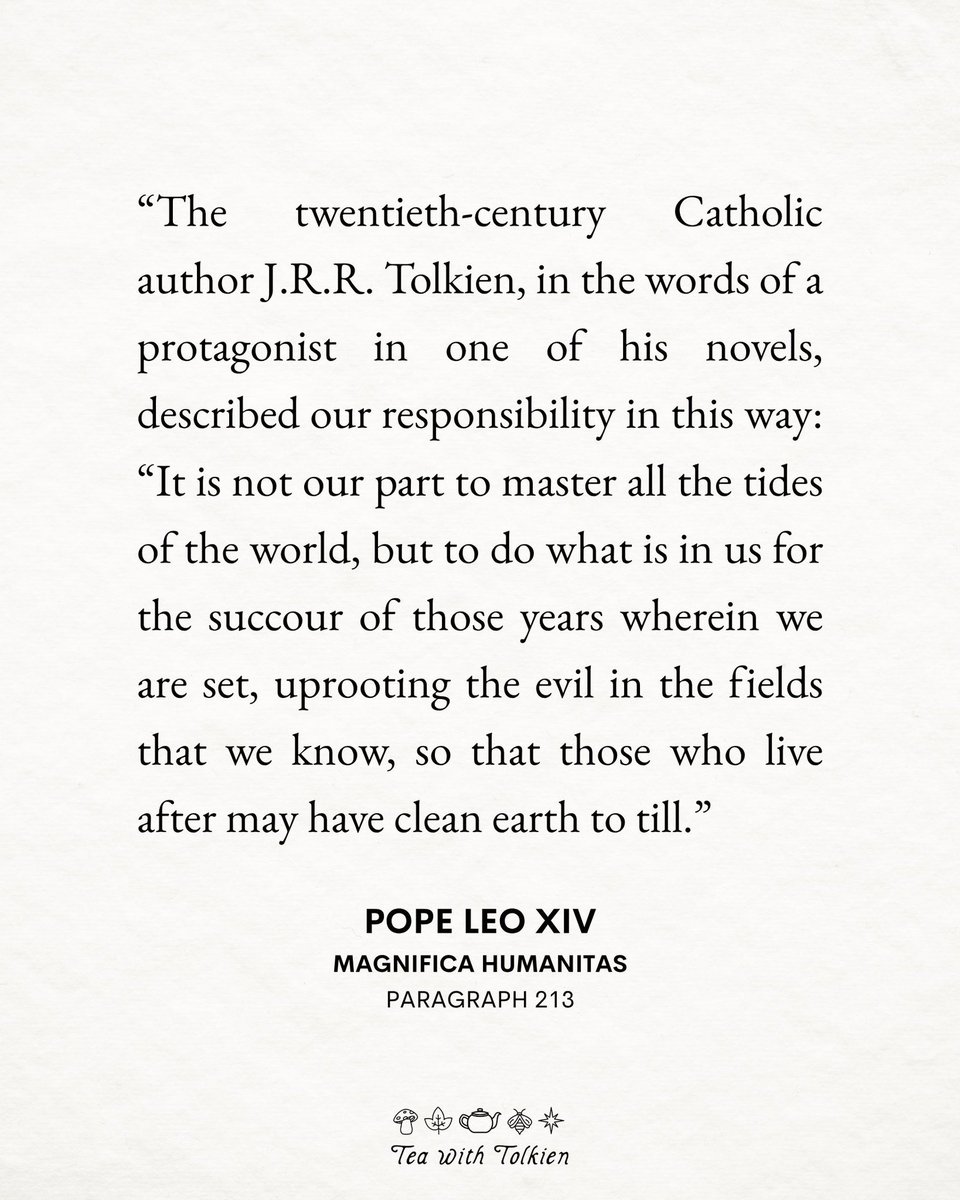
the Pope quoting The Lord of the Rings!!!!!!! I feel so alive!!!!
Tea with Tolkien tweet media
English
18
4.8K
29.4K
1.2M
Jorge Torres - Hermes Kalamos ری ٹویٹ کیا
Chrysoloras
Chrysoloras@Alyunan00·
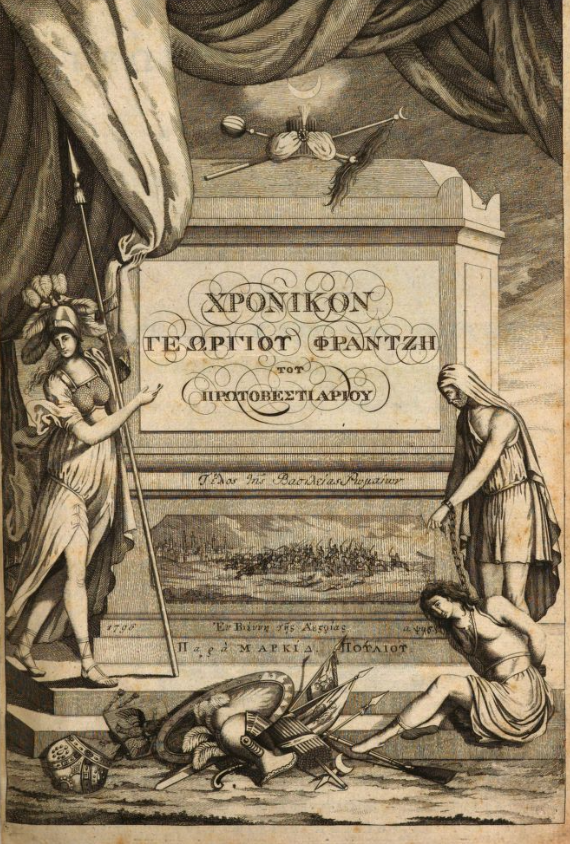
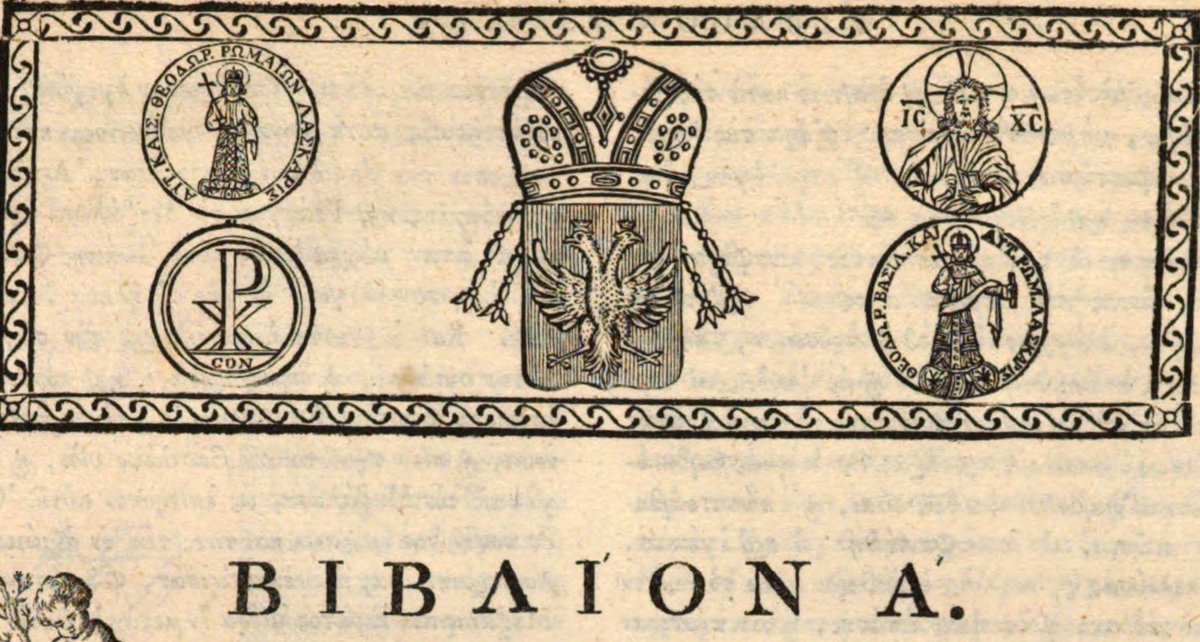
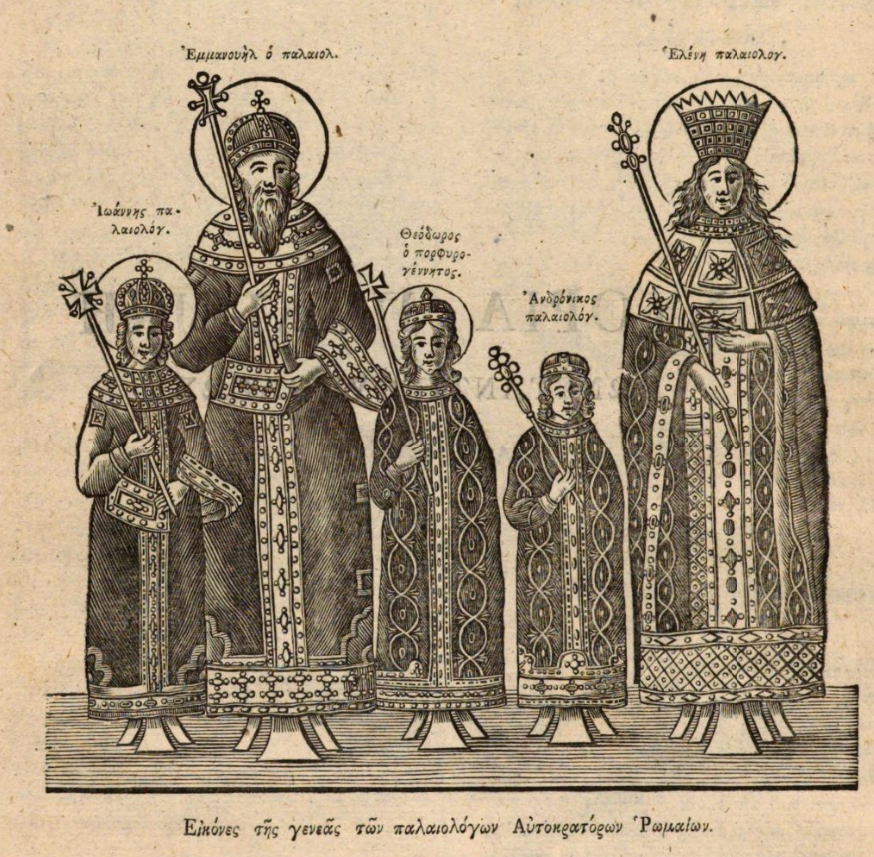
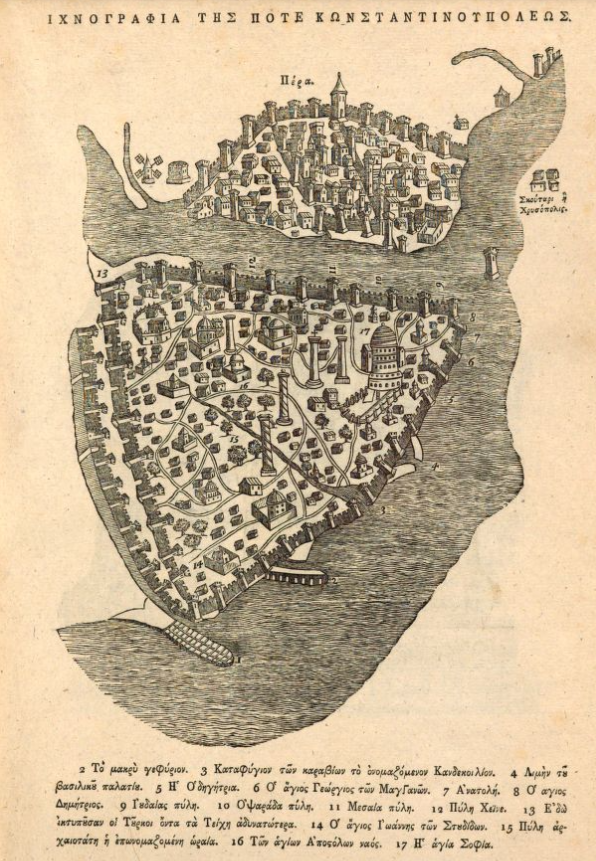
A beautiful printed edition of Georgios Sphrantzes' Chronikon (Χρονικόν Γεωργίου Φραντζή του Πρωτοβεστιαρίου), by the Macedonian publishers and printers from Siatista, brothers Markides Pouliou. close partners of Rigas Velestinlis-Feraios. Edited by the philhellene hellenist Franz Karl Alter, Vienna, 1796. Markides-Pouliou brothers were also the publishers of the first Greek newspaper, Efimeris (Εφημερίς), in Vienna from 1790 to 1797.
Chrysoloras tweet mediaChrysoloras tweet mediaChrysoloras tweet mediaChrysoloras tweet media
1
28
100
2K
Jorge Torres - Hermes Kalamos ری ٹویٹ کیا
Óscar González Camaño
Pues ya terminé esta entrevista/libro, a modo de (auto)biografia intelectual. Un viaje a lo largo de 55 años de publicaciones de Arce (y su formación) que todo interesado en la Antigüedad Tardía (y mucho más allá) no debe perderse. Uno se (re)encuentra con muchos autores, anota👇
Óscar González Camaño@Crastino

Cambio de tercio con este libro/entrevista sobre Javier Arce en @marcialpons. marcialpons.es/libros/antigue…

Español
1
7
19
1.3K
Jorge Torres - Hermes Kalamos ری ٹویٹ کیا
Unamuno 📜
Unamuno 📜@UnamunoAgain·
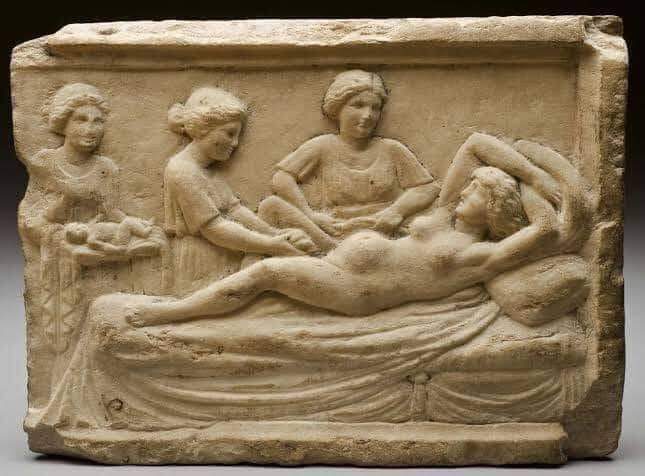
En la antigua Grecia, las mujeres tenían prohibido estudiar medicina, hasta que alguien rompió la ley. Un día Hagnódica se cortó el pelo y entró en la facultad de medicina de Alejandría vestida de hombre. Mientras caminaba por las calles de Atenas tras completar sus estudios de medicina, oyó los gritos de una mujer de parto. Sin embargo, la mujer no quería que Hagnódica la tocara, a pesar del intenso dolor, porque creía que Hagnódica era un hombre. Hagnódica demostró su identidad femenina desnudándose y ayudando a la mujer a dar a luz. La historia pronto se extendió entre las mujeres, y todas las enfermas comenzaron a acudir a Hagnódica. Los médicos varones, envidiosos, acusaron a Hagnódica, a quien creían hombre, de seducir a sus pacientes En su juicio, Hagnódica compareció ante el tribunal y demostró su identidad femenina, pero esta vez fue condenada a muerte por estudiar y ejercer la medicina siendo mujer. Las mujeres se rebelaron contra la sentencia, especialmente las esposas de los jueces que la habían condenado a muerte. Algunos decían que si Hagnódica moría, morirían con ella. Incapaces de soportar la presión de sus esposas y otras mujeres, los jueces anularon la condena de Hagnódica , y a partir de entonces, las mujeres pudieron ejercer la medicina, siempre y cuando solo atendieran a mujeres. Así, Hagnódica dejó su huella en la historia como la primera médica, ginecóloga y especialista en medicina griega. Esta placa que representa a Hagnódica trabajando fue excavada en Ostia, Italia.
Unamuno 📜 tweet media
Español
209
11K
47.2K
1.1M
Jorge Torres - Hermes Kalamos ری ٹویٹ کیا
Chrysoloras
Chrysoloras@Alyunan00·
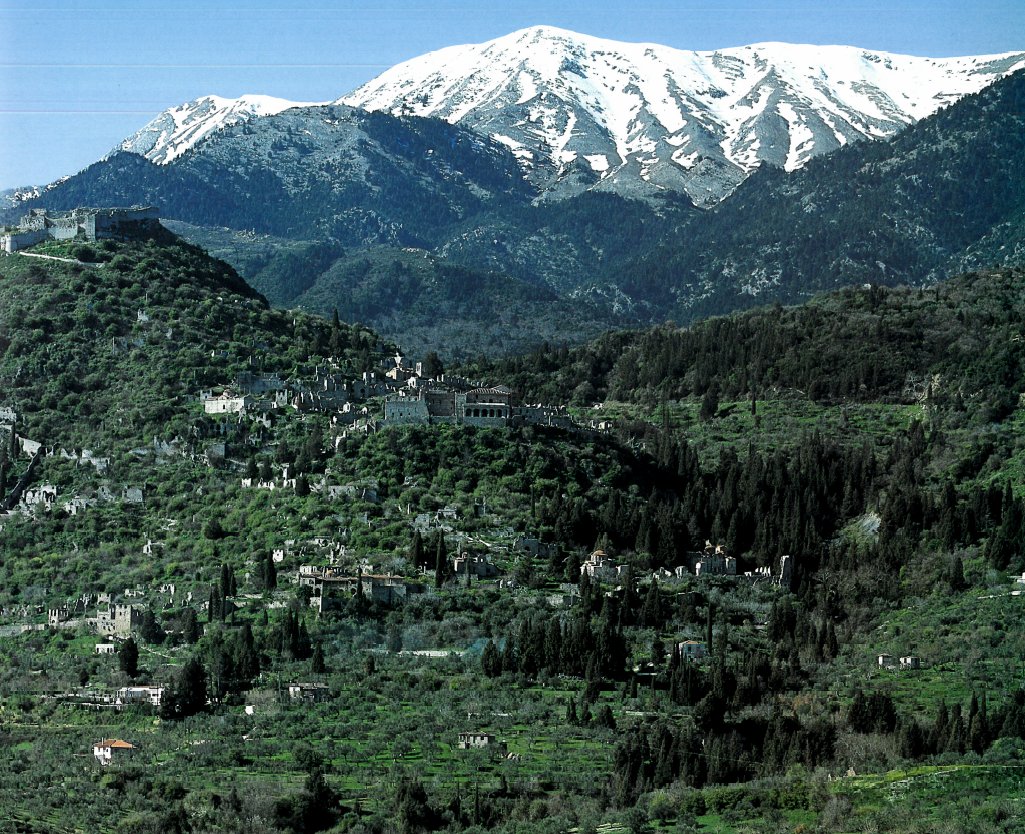
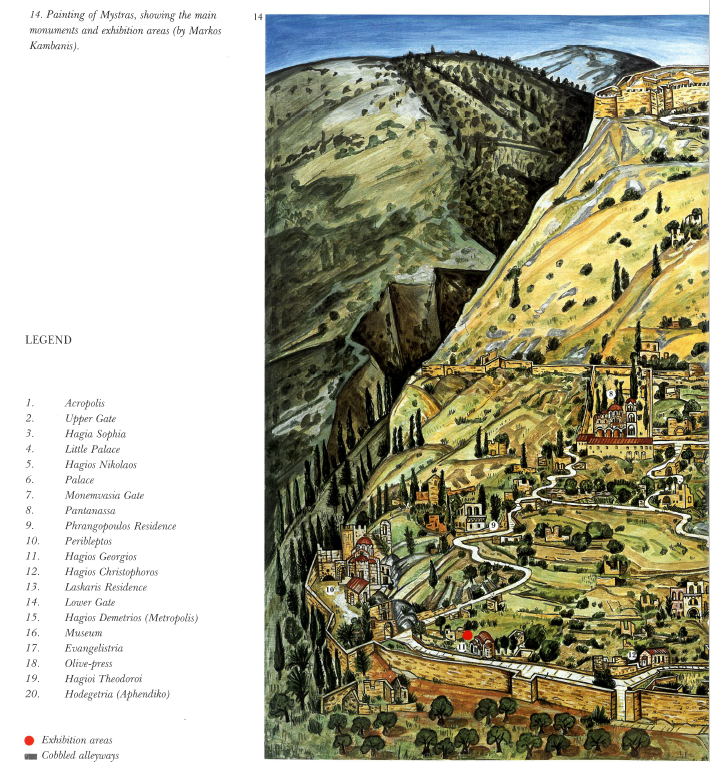
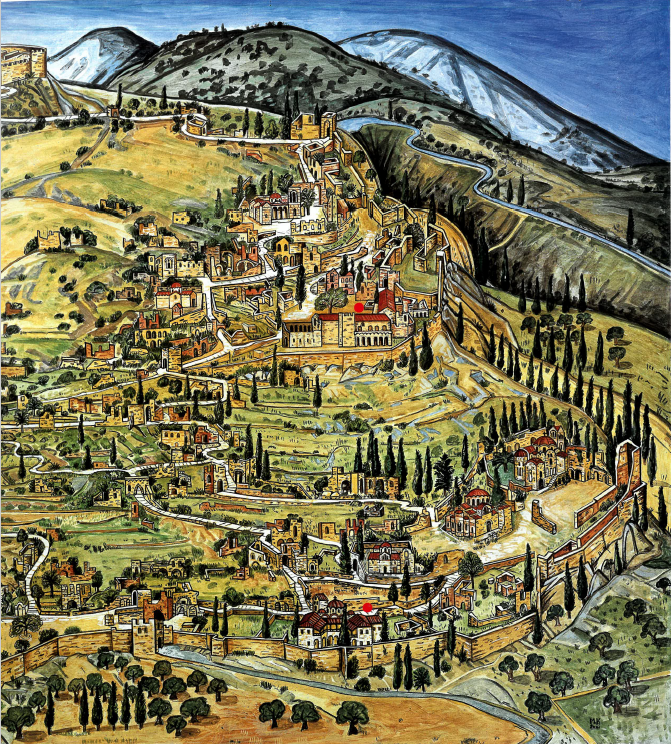
The majesty of Mystras / Myzethras and Taygetos, the medieval Pentadaktylos. @ Hellenic Ministry of Culture & Markos Kambanis
Chrysoloras tweet mediaChrysoloras tweet mediaChrysoloras tweet mediaChrysoloras tweet media
English
0
25
192
3.2K
Jorge Torres - Hermes Kalamos ری ٹویٹ کیا
Homer Pavlos
Homer Pavlos@HomerPavlos·
Odysseus was away from his home for 20 years, ten years fighting in the Trojan War and ten more years struggling at sea before being "washed ashore" in Ithaca, at his home. After everything he endured, he returned to Ithaca alone, aged, weary, burdened with suffering and sorrow, and unrecognizable to everyone. Dressed in rags so no one would recognize him, he was accompanied by Eumaeus, the swineherd, who also did not recognize him. As they approached the palace, Odysseus saw Argos, his beloved dog and friend who had missed him during his time in Ilion (Troy), now in a very miserable state. Homer describes Argos as covered in ticks, neglected, lying still as if waiting for something, his death, but not quite ready yet. A brief conversation takes place over Argos between Odysseus and Eumaeus, after which Odysseus enters the hall with the suitors. Now, Argos is ready to die. He can finally take his last breath, as the moment he had waited for over 20 years had arrived, he saw his best friend one last time. His longing and hope for the return of his master had kept him alive for 20 whole years. Only Argos recognized him. The hero Odysseus, deeply moved, could not hold back a tear, which he secretly wiped away so that Eumaeus wouldn’t see it and suspect something. "νόσφιν απομόρξατο δάκρυ" "he secretly wiped away his tear." Homer writes: Rhapsody ρ, Line 290 Thus they were speaking to each other, But the dog, lying down, lifted his head and ears; Argos, Odysseus’ faithful dog, whom he once raised but never got to enjoy, as Odysseus left early for sacred Ilion (Troy). 295. ... lying in a pile of dung spilled in front of the gates by mules and cattle, which the servants took to fertilize Odysseus' estate. 300. There Argos lay, full of ticks. The moment he sensed Odysseus near him, he wagged his tail and lowered both ears, but he couldn’t get up to reach him. Odysseus saw him from afar and secretly wiped away his tear so Eumaeus wouldn’t notice, and then he asked him: 305. "A wonder, this dog, Eumaeus, lying in the manure. He is good in body, but I’m not sure if he’s as swift as he is beautiful, or if he’s one of those table-fed dogs of men, kept only as an ornament by lords." 325. As he said this, he entered the well-built house and went straight into the hall with the shining suitors. And the fate of black death seized Argos, immediately after he saw Odysseus for the first time in twenty years.. Homer Pavlos✍️
English
59
182
1.8K
64.4K
Antonio Muñoz Herrera
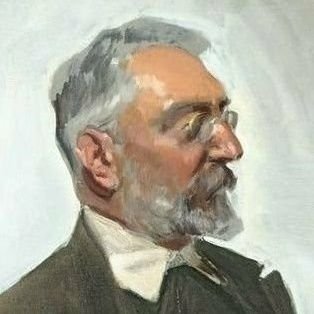
Abril de 1895. Un Ortega de 12 años (!) pide a sus padres que le envíen lecturas al internado de Málaga. Para los pedagogos y los de las lecturas segmentadas por edades.
Antonio Muñoz Herrera tweet media
Español
9
41
414
46.9K
Jorge Torres - Hermes Kalamos ری ٹویٹ کیا
Chrysoloras
Chrysoloras@Alyunan00·
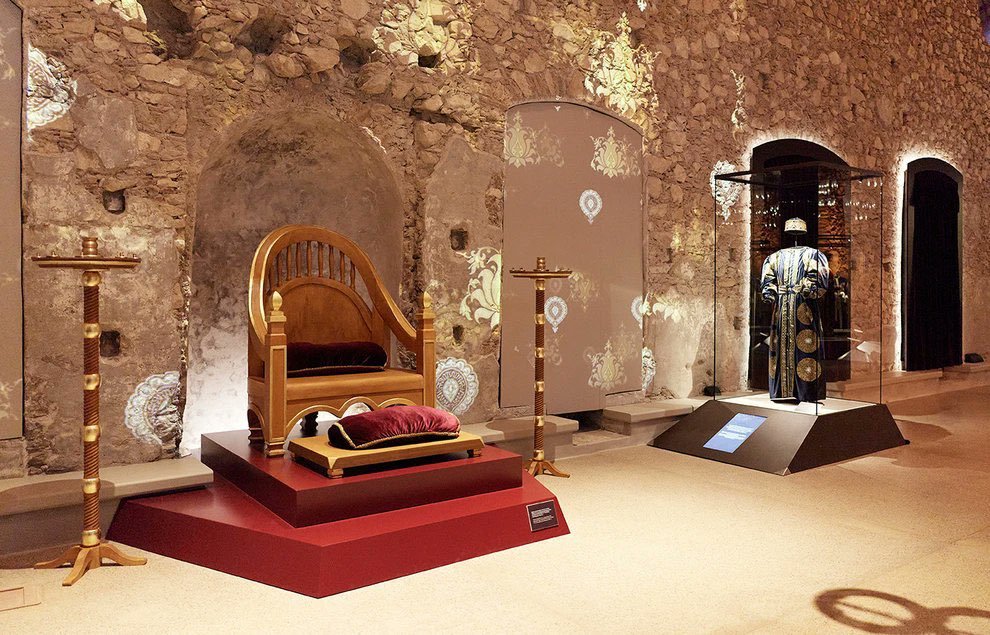
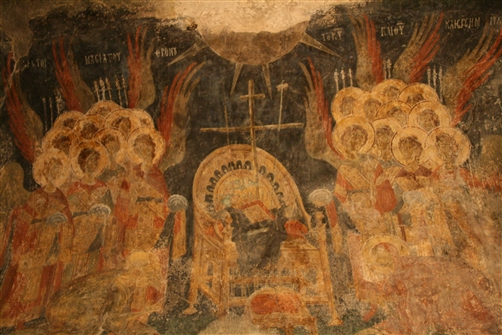
They did a fantastic job, I find it very inspiring that they re-produced the throne after the fresco of the Metropolitan church of Hagios Demetrios, where the last basileus was crowned. The fresco depicts the "preparation of the throne of the Lord and God - ετοιμασία του θρόνου του Κυρίου και Θεού...".
Chrysoloras tweet mediaChrysoloras tweet media
Imperator Cat@CatImperator

Ok, this came out of nowhere. In a rare move, the Greek government renovated the Palace of the Despots at the fortress city of Mystras. The place where Constantine XI Dragas Palaiologos ruled before becoming the last Roman emperor. While there are undoubtedly issues with the reconstruction (especially as we don't have original plans), this is a step in a right way in promoting Byzantine heritage.

Română
9
77
518
22.2K
Jorge Torres - Hermes Kalamos ری ٹویٹ کیا
Chrysoloras
Chrysoloras@Alyunan00·
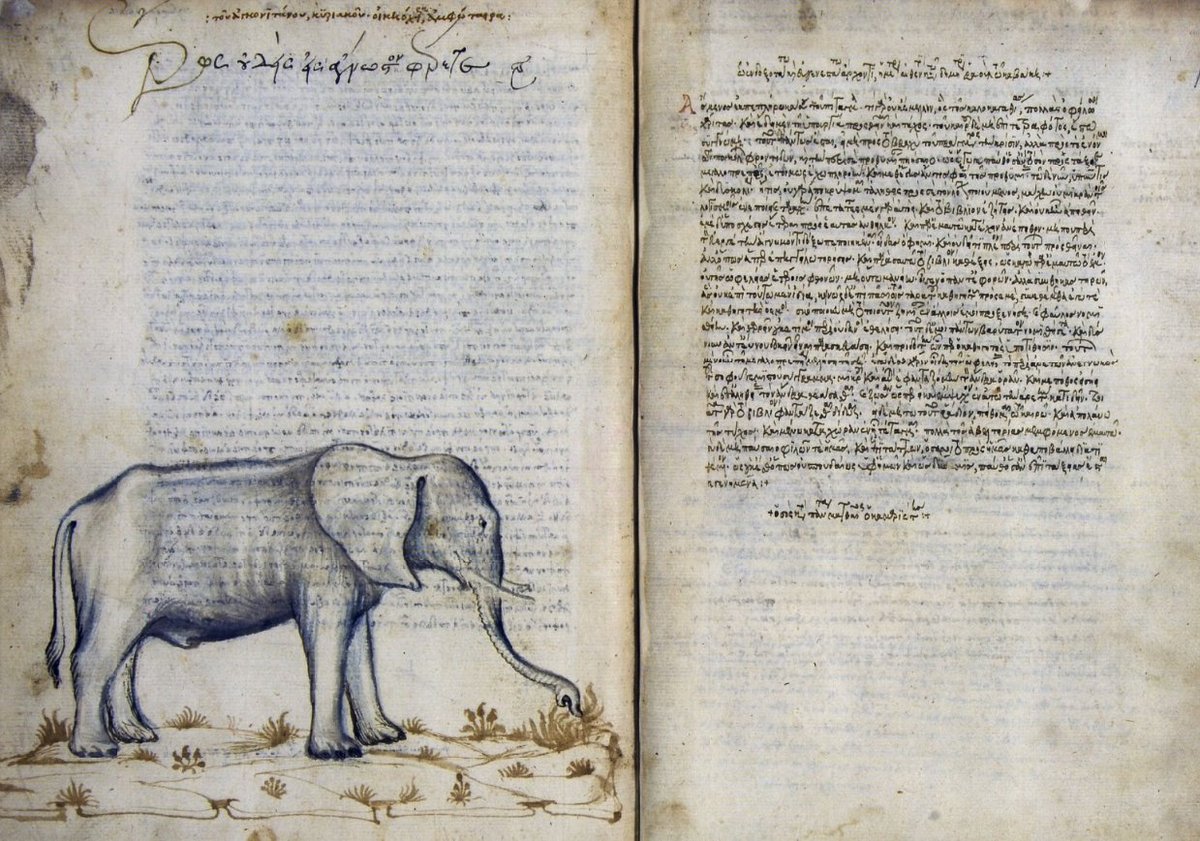
A rare illumination in the Greek manuscript (Mutinensis Graecus 144) from the early 1450's in Mystras, Moreas. Commissioned by Demetrios Rhallis Kavakis, from the cycle of Georgios Gemistos Plethon, with Nikolaos Lemenitis the notary of Lakedaimon (Νικόλαος Λεμενίτης νοτάριος Λακεδαιμονίας) to be noted as co-scribe in certain parts. The manuscript, which was worked as a "hausbuch" (a book tailored to the needs and interest of a specific owner, in this case Kabakis) includes texts by Harrmenopoulos, Ammonios, Pletho, Aristotle, Isokrates, Gregoras, Metochites, Loukianos etc. In a folio, the owner Kavakis, seems to has asked the Italian philhellene Cyriaco D'Ancona to draw for some reason an elephant and sign it in Greek as well. Indicative of the cultural last breaths of Byzantion in Moreas.
Chrysoloras tweet media
1
29
147
2.4K
Jorge Torres - Hermes Kalamos ری ٹویٹ کیا
Bigotes y Brulotes
Bigotes y Brulotes@BigotesBrulotes·
"Muchos libros, poco tiempo" Simple G Hoy os traigo este precioso mural del artista griego Simple G para contaros que tendréis un nuevo texto en Substack donde os hablo del arte urbano griego —origen histórico, ejes temáticos, impacto cultural...—. Estará listo muy pronto 🫣
Bigotes y Brulotes tweet media
Español
0
3
6
92
Jorge Torres - Hermes Kalamos
@ajquiroga1 Pues no te cuento como estamos en los institutos… Crónica de una muerte anunciada. Despropósito tras despropósito. Os falta pero, que os metan a las familias con voz y voto en el Claustro como un estamento más.
Español
1
0
1
36
Alberto J. Quiroga Puertas
Pregunta seria: ¿para qué carajo tanto discurso en defensa de la universidad pública si todos los esfuerzos desde dentro se orientan a que estudiar sea divertido, la IA, la gamificación de todo? Privar de conocimientos y formación es la peor forma de privatizar la educación.
Español
2
7
43
1.5K
Fernando HS Φερνάντο Ερνάντεθ Σάντσ 🇪🇺
Los laboratorios Abelló tienen una finca en Castilla-La Mancha con permiso para cultivar adormidera. La polinización espontanea y el régimen de vientos están conduciendo a que los arrabales del sur de Madrid empiecen a parecer campos de Afganistán. Y luego, pasa lo que pasa...
Fernando HS Φερνάντο Ερνάντεθ Σάντσ 🇪🇺 tweet mediaFernando HS Φερνάντο Ερνάντεθ Σάντσ 🇪🇺 tweet media
Español
4
7
22
1.1K
Jorge Torres - Hermes Kalamos ری ٹویٹ کیا
Adri
Adri@Adridiaz_20·
Os traigo un texto que me ha gustado mucho escribir. Ya me contáis si os mola y os resulta interesante. open.substack.com/pub/adicargr/p…
Adri tweet media
Español
1
4
12
601
Jorge Torres - Hermes Kalamos ری ٹویٹ کیا
Chrysoloras
Chrysoloras@Alyunan00·
This would be your textbook at school if you were a Greek student in the Greek "Princely Academy of Bucharest/Αυθεντική Ακαδημία" and your teacher was the first professor of the Academy Sevastos Kyminitis (1689–1703), a Pontian Greek from the small village of Kymina, near Trebizond. The mathetarion (school text book) would include texts from Pindar, Chalkideus of Alexandria, Lykophron, scholia on Demosthenes' Olynthiakoi and Philippikos, Synesios' Epistolai, Ilarion Kigalas of Cyprus, Alexandros Byzantios (On Syntax), Ioannes Tzetzes etc. Kyminites taught in Constantinople between 1671-82, in Trebizond between 1682-89, and in Bucharest, between 1689-1702. He authored over 100 works on philosophy, grammar, theology and philology, and paraphrased many classical works into modern Greek, including Hesiodos, Euripides, Sophokles, Loukianos and Pindaros.
Chrysoloras tweet media
4
48
252
6.9K
Jorge Torres - Hermes Kalamos ری ٹویٹ کیا
Μιχαὴλ Πολιάκωβος
Μιχαὴλ Πολιάκωβος@MichaelPoliako3·
Διὰ τὴν γλωσσικὴν ἀξίαν τοῦ ἔργου, ὁ Karl Krumbacher παρετήρησεν ὅτι «ἔχομεν τὸ πρῶτον μέγα μνημεῖον τῆς δημώδους ἑλληνικῆς γλώσσης· ἡ γλῶσσα αὐτοῦ εἶνε κάτοπτρον τῆς κοινῆς, ἥτις ἐχρῆτο καθ’ ὅλην τὴν Ἀνατολήν». Καὶ πράγματι ἡ Chronographia τοῦ John Malalas, μολονότι ἐνίοτε παραδίδει σπανίους τύπους λέξεων, γενικῶς ἀντανακλᾷ τὴν καθομιλουμένην τῆς ἐποχῆς του. Ὁ Μαλάλας πολλάκις μνημονεύει συγγραφεῖς τῆς ἀρχαιότητος, ἀλλ’ οὐ φαίνεται νὰ ἐπηρεάσθη βαθύτατα ἀπὸ αὐτούς. Μέγα μέρος τοῦ λεξιλογίου του εἶνε οὐδέτερον καὶ ἠδύνατο νὰ χρησιμοποιηθῇ καὶ εἰς τὴν καθημερινὴν καὶ εἰς τὴν φιλολογικὴν γλῶσσαν. Ἰδίως εἰς τὰς περιγραφὰς προσώπων μεταχειρίζεται σπανίας λέξεις, πιθανῶς διατηρῶν τὴν φράσιν τῶν πηγῶν του· παραδείγματος χάριν: στρογγύλοψις, μελάγκορος ἀντὶ μελανόφθαλμος, λεπτακινός ἀντὶ λεπτός, καὶ ἄλλας τοιαύτας. Πολλοὶ ἐπιθετικοὶ τύποι εἶνε σπάνιοι καὶ πιθανῶς ἐμφανίζονται πρῶτον εἰς τὸν Μαλάλαν, ὡς γενηίτης, λεπτοχαράκτηρος, πλάτοψις, καμπυλόρινος, μικρόσιμος, μικρόπους, μικρόμασθος καὶ ἄλλα. Γενικῶς ὅμως γράφει μᾶλλον εἰς τὴν δημώδη. Τοῦτο φαίνεται ἀπὸ τὴν χρήσιν τῶν ἀορίστων εἰς -α ἀντὶ τῶν παλαιοτέρων εἰς -ον, οἷον: εἶπα, ἔβαλα, ἦλθα, ηὗρα, ἔπεσα, ἔφυγα. Συγχέει δὲ καὶ τὸν ἀόριστον μὲ τὸν παρακείμενον, ὅπερ ἦτο σύνηθες εἰς τὴν καθομιλουμένην. Χρησιμοποιεῖ νεωτέρους τύπους τοῦ ῥήματος εἰμί, ὡς ἤμεθα καὶ ἔσο ἀντὶ ἴσθι, καθὼς καὶ νεωτέρους τύπους τῶν ῥημάτων εἰς -μι, ὡς δόσας ἀντὶ δούς, θήσας ἀντὶ θείς, στήσας ἀντὶ στάς. Ἐπίσης μεταχειρίζεται τὸ ἔχει μὲ σημασίαν «ὑπάρχει», καὶ ἀντὶ ἀναφορικῶν ἀντωνυμιῶν ἐπιλέγει πολλάκις τοὺς τύπους ὅπου καὶ ἔνθα. Τὰ παλαιὰ δεικτικὰ ἀντικαθίστανται ἀπὸ τὸ οὗτος, καὶ παρατηρεῖται σύγχυσις εἰς τὴν χρήσιν τῶν προθέσεων. Οἱ παθητικοὶ ἀόριστοι προτιμῶνται, ὁ μέλλων πολλάκις ἀντικαθίσταται ἀπὸ ὑποτακτικὴν ἀορίστου, καὶ ὁ δεύτερος ἀόριστος σχεδὸν ἐγκαταλείπεται. Ὁμοίως περιορίζεται ἡ χρήσις τοῦ ἀπαρεμφάτου, τῆς μετοχῆς καὶ τῆς εὐκτικῆς, πρὸς χάριν δευτερευουσῶν προτάσεων καὶ παρατακτικῆς συντάξεως. Εἰς τὸ λεξιλόγιόν του ὑπάρχουν καὶ πολλαὶ λατινικαὶ λέξεις, μολονότι ὁ αὐτὸς πιθανῶς δὲν ἐγίνωσκε λατινικά. Αἱ λέξεις αὗται ἐχρῶντο κυρίως εἰς τὸν στρατὸν καὶ τὴν διοίκησιν, οἷον βῆλον, βοῦγλιν, ἐξπέδιτον, κόμβεντος, λίμιτον, τάβλα, φουλκίζω καὶ ἄλλαι. Τέλος, ὀρισμέναι λέξεις θεωροῦνται σημιτικῆς προελεύσεως, ὡς μεγαλεῖον, βαγουλᾶς, σόκος καὶ σοκκεύω.
Μιχαὴλ Πολιάκωβος tweet media
Ελληνικά
0
1
16
453
Jorge Torres - Hermes Kalamos ری ٹویٹ کیا
Ángel Narro
Ángel Narro@AngelNarroUV·
Siempre merece la pena escuchar a uno de los mejores expertos en historia bizantina que tenemos en este país y no sólo 😍😍
Óscar González Camaño@Crastino

En la sección de Historia de #NitsDeRadio en @OndaCero_cat con @davidcervello, esta semana conversamos con @CarlosM55493311 acerca de su libro 'El caos de la Naturaleza. Un ensayo de historia ambiental bizantina...' en Ediciones Aulós; desde minuto 49. ondacero.es/podcast/emisor…

Español
0
1
9
244
Jorge Torres - Hermes Kalamos ری ٹویٹ کیا
Ángel Narro
Ángel Narro@AngelNarroUV·
Este sábado 16 de mayo de 11 a 14 horas participaré en la Plaça del Llibre de Benetússer y estaremos con todos los títulos de @Ed_Rhemata No dudéis en acercaros a conocer nuestras novedades y nuestros clásicos bilingües. Os esperamos en la Plaça de la Xapa
Ángel Narro tweet mediaÁngel Narro tweet mediaÁngel Narro tweet mediaÁngel Narro tweet media
Español
0
7
21
1K